Tropical rainforests hold a staggering variety of life, from canopy acrobats to riverine swimmers, and they span continents and climates within the humid tropics. Walking those trails or reading about them, you get a real sense of how many different roles animals play in these ecosystems.
There are 53 cool tropical rainforest animals, ranging from the Amazon river dolphin (boto) to the Western lowland gorilla; for each the data are organized as Scientific name,Size (cm),Range — you’ll find below.
How were the animals chosen for this list?
The list focuses on species commonly described as interesting or distinctive in tropical rainforests, chosen for recognizable traits, ecological roles, and geographic representation across major rainforests; inclusion prioritized species with reliable identification and published size/range data.
How can I spot these animals safely and respectfully in the wild?
Use local guides and field guides, learn typical habitats and active times (many are crepuscular or nocturnal), listen for distinctive calls, keep distance with binoculars or a camera, avoid feeding or stressing wildlife, and follow park rules to protect both you and the animals.
Cool Tropical Rainforest Animals
| Common name | Scientific name | Size (cm) | Range |
|---|---|---|---|
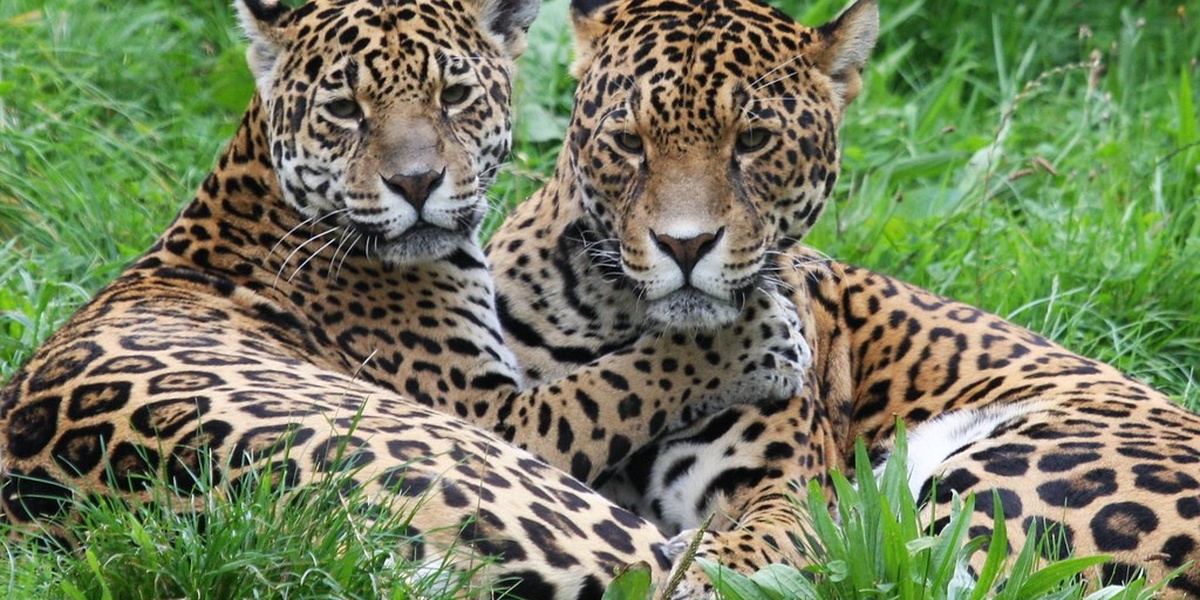
| Jaguar | Panthera onca | 150 | Amazon Basin, Central America |
| Harpy eagle | Harpia harpyja | 200 | Amazon Basin, Central America |
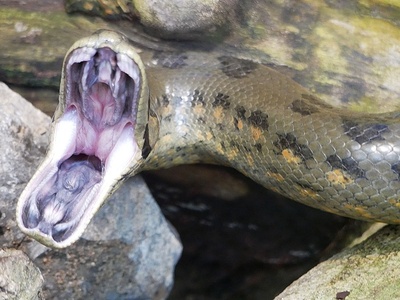
| Green anaconda | Eunectes murinus | 500 | Amazon Basin |
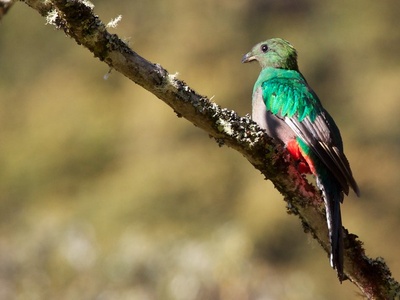
| Resplendent quetzal | Pharomachrus mocinno | 36 | Central American cloud and rainforests |
| Scarlet macaw | Ara macao | 81 | Amazon Basin, Central America |
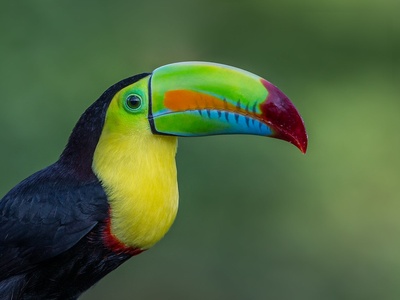
| Keel-billed toucan | Ramphastos sulfuratus | 55 | Central & South American rainforests |
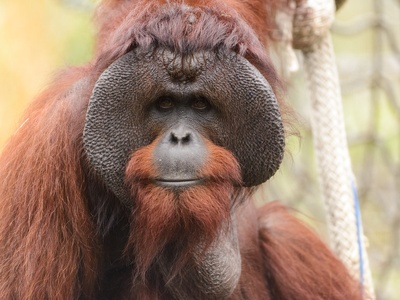
| Bornean orangutan | Pongo pygmaeus | 120 | Borneo lowland and peat swamp rainforests |
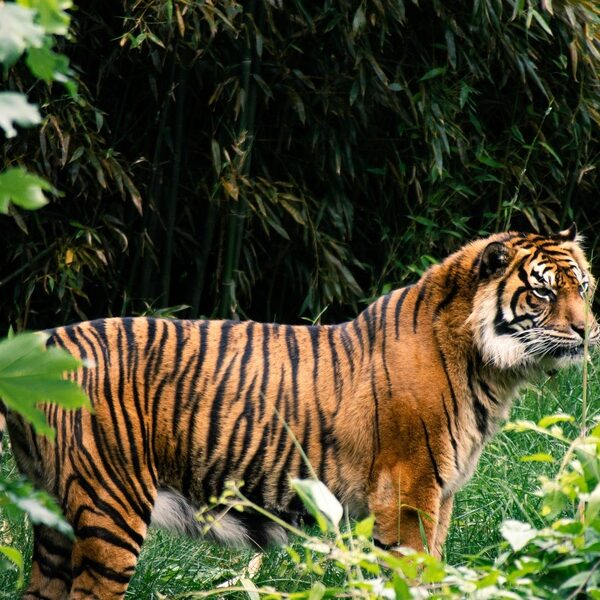
| Sumatran tiger | Panthera tigris sondaica | 260 | Sumatra rainforests |
| Clouded leopard | Neofelis nebulosa | 100 | Southeast Asian tropical forests |
| Sunda pangolin | Manis javanica | 90 | Southeast Asian rainforests |
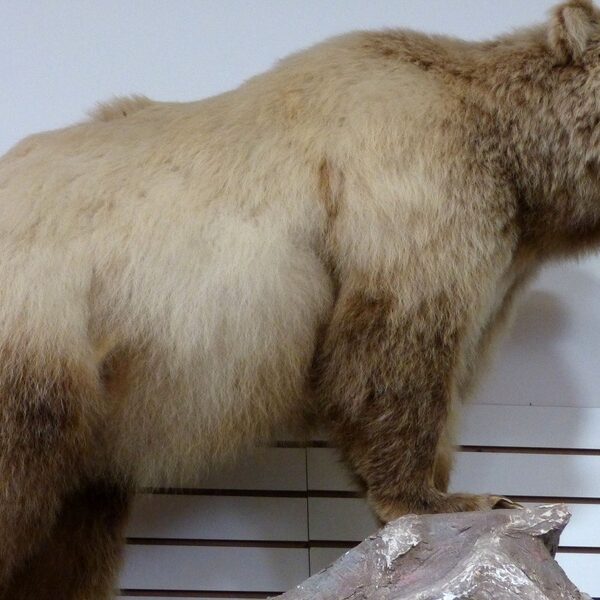
| Sun bear | Helarctos malayanus | 120 | Southeast Asian rainforests |
| Okapi | Okapia johnstoni | 200 | Congo Basin rainforests |
| Bonobo | Pan paniscus | 100 | Democratic Republic of Congo lowland rainforests |
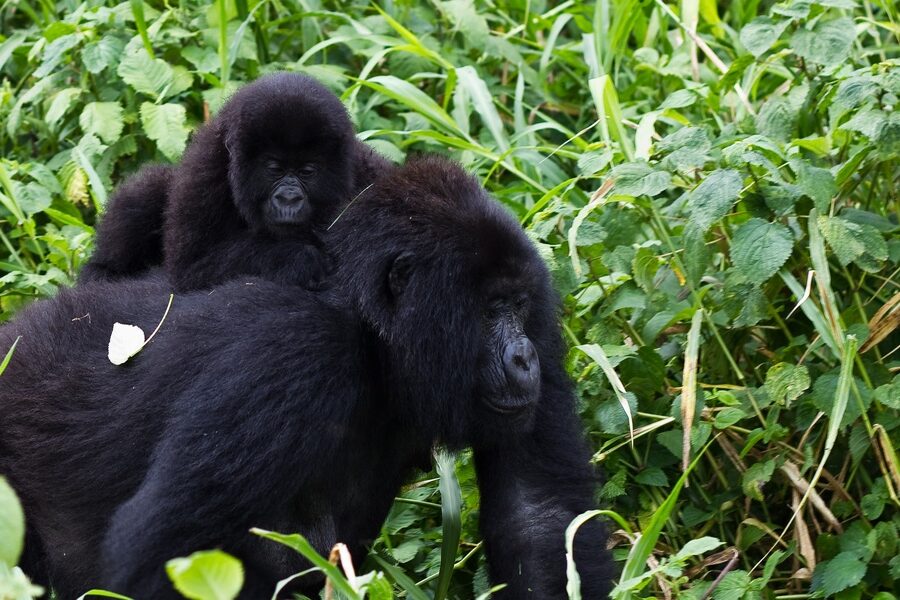
| Western lowland gorilla | Gorilla gorilla | 160 | Central African rainforests |
| Kinkajou | Potos flavus | 40 | Neotropical rainforests |
| Geoffroy’s spider monkey | Ateles geoffroyi | 60 | Central & South American rainforests |
| Brown-throated three-toed sloth | Bradypus variegatus | 60 | Neotropical rainforests |
| Southern tamandua | Tamandua tetradactyla | 100 | Amazon Basin, Central & South America |
| Goodfellow’s tree-kangaroo | Dendrolagus goodfellowi | 75 | New Guinea montane and lowland rainforests |
| Malayan tapir | Tapirus indicus | 250 | Southeast Asian rainforests |
| Green iguana | Iguana iguana | 150 | Neotropical rainforests |
| Basilisk lizard | Basiliscus basiliscus | 70 | Central & South American rainforests |
| Emerald tree boa | Corallus caninus | 150 | Amazon Basin |
| King cobra | Ophiophagus hannah | 370 | Southeast Asian rainforests |
| Emerald tree monitor | Varanus prasinus | 90 | New Guinea, Northern Australia rainforest fringes |
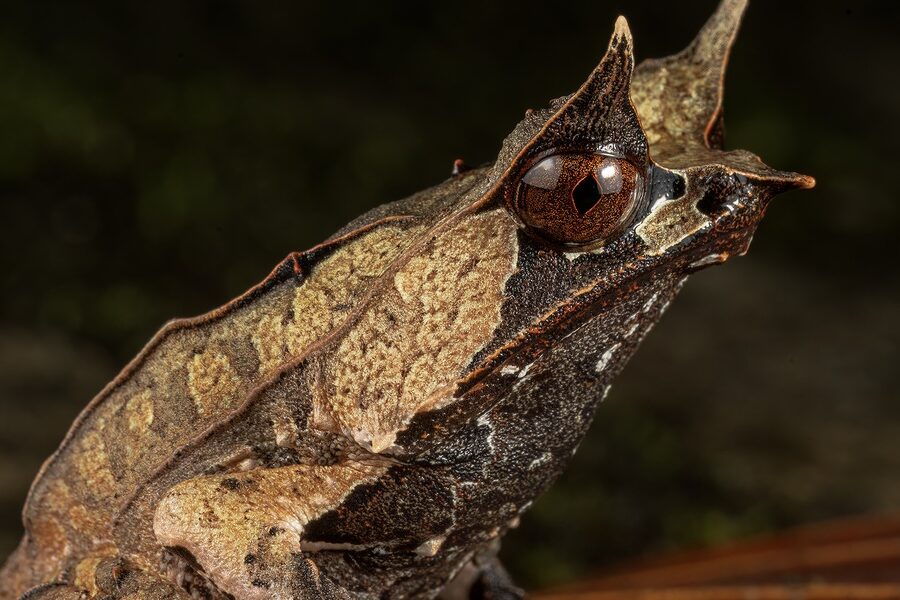
| Leaf-tailed gecko | Uroplatus phantasticus | 15 | Madagascar rainforests |
| Panther chameleon | Furcifer pardalis | 45 | Madagascar rainforests |
| Fossa | Cryptoprocta ferox | 120 | Madagascar rainforests |
| Hoatzin | Opisthocomus hoazin | 65 | Amazon Basin riverine and swamp forests |
| Red-bellied piranha | Pygocentrus nattereri | 30 | Amazon Basin rivers and floodplains |
| Arapaima | Arapaima gigas | 250 | Amazon Basin rivers and flooded forests |
| Electric eel | Electrophorus electricus | 200 | Amazon Basin rivers and flooded forests |
| Goliath birdeater | Theraphosa blondi | 30 | Amazon Basin rainforests |
| Hercules beetle | Dynastes hercules | 17 | Neotropical rainforests |
| Atlas moth | Attacus atlas | 25 | Southeast Asian rainforests |
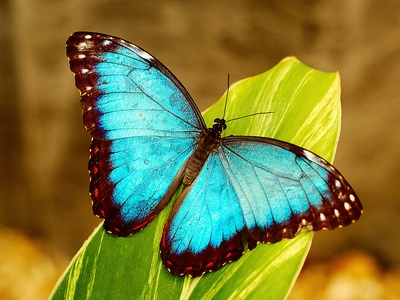
| Blue morpho | Morpho peleides | 15 | Amazon & Central American rainforests |
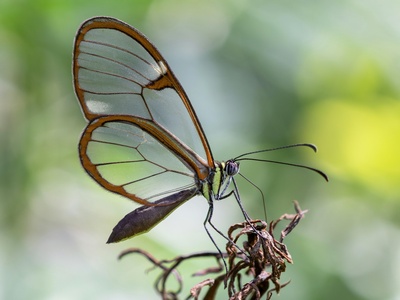
| Glasswing butterfly | Greta oto | 6 | Central American rainforests |
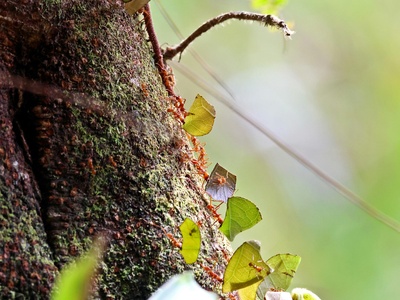
| Leafcutter ant | Atta cephalotes | 1.2 | Neotropical rainforests |
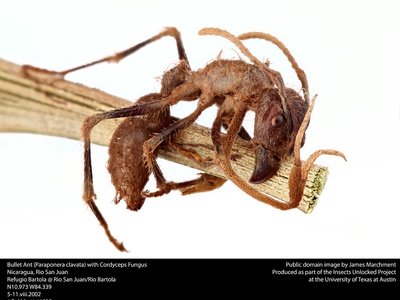
| Bullet ant | Paraponera clavata | 3 | Amazon Basin, Central America rainforests |
| Golden poison frog | Phyllobates terribilis | 5 | Pacific lowland rainforests, Colombia |
| Strawberry poison-dart frog | Oophaga pumilio | 2.5 | Central American rainforests |
| Dyeing poison frog | Dendrobates tinctorius | 4 | Guianas, Amazon rainforests |
| Orchid mantis | Hymenopus coronatus | 6 | Southeast Asian rainforests |
| Glass frog | Hyalinobatrachium fleischmanni | 3 | Central American rainforests |
| Red-eyed tree frog | Agalychnis callidryas | 6 | Central American rainforests |
| Great potoo | Nyctibius grandis | 45 | Neotropical rainforests |
| Spectacled owl | Pulsatrix perspicillata | 45 | Neotropical rainforests |
| Rhinoceros hornbill | Buceros rhinoceros | 110 | Southeast Asian rainforests |
| Large flying fox | Pteropus vampyrus | 150 | Southeast Asian rainforests |
| Common vampire bat | Desmodus rotundus | 9 | Neotropical rainforests |
| Amazon river dolphin (boto) | Inia geoffrensis | 200 | Amazon Basin rivers and flooded forests |
| Black caiman | Melanosuchus niger | 400 | Amazon Basin rivers, lakes, flooded forests |
| Raggiana bird-of-paradise | Paradisaea raggiana | 35 | New Guinea lowland rainforests |
Images and Descriptions
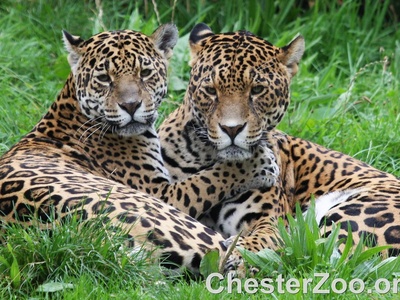
Jaguar
A powerful spotted big cat of Neotropical rainforests, known for crushing jaws and swimming skill. Typically about 1.5 m long, jaguars hunt a wide range of prey and are iconic apex predators of Amazon and Central American forests.
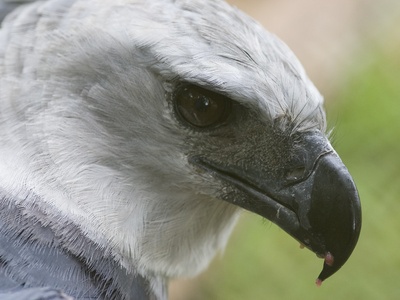
Harpy eagle
One of the largest and most powerful forest eagles, with enormous talons and dramatic facial disks. Harpy eagles use dense canopy habitat to ambush monkeys and sloths, making them a top avian predator of lowland rainforests.
Green anaconda
A massive, semi-aquatic constrictor that can exceed 5 m, the green anaconda hunts in flooded forest and rivers. Its size, stealthy ambush style, and glossy olive pattern make it one of the most famous snakes of tropical wetlands.
Resplendent quetzal
A brilliantly colored bird with iridescent green plumage and long tail streamers (males). Quetzals are cultural icons across Mesoamerica, often found in montane cloud and humid rainforest where they feed on fruit and insects.

Scarlet macaw
A large, flamboyantly colored parrot with bright red, yellow, and blue feathers. Scarlet macaws are noisy, social canopy dwellers that form strong pair bonds and are a charismatic sight in Neotropical rainforests.
Keel-billed toucan
Famous for its oversized, colorful bill, this toucan uses its large beak to reach fruit and small prey. Toucans are striking canopy birds that play key roles in seed dispersal across tropical forests.
Bornean orangutan
A great ape with reddish fur, long arms, and extraordinary intelligence. Bornean orangutans are arboreal, build nests in trees, and are critically endangered due to habitat loss and hunting in Southeast Asian rainforests.
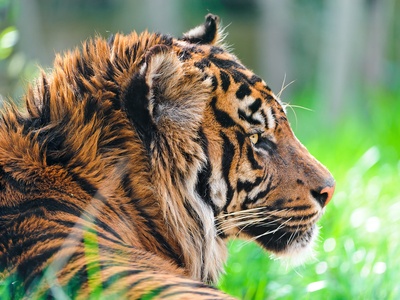
Sumatran tiger
A critically endangered, smaller-bodied tiger subspecies adapted to dense tropical forests. Sumatran tigers are solitary ambush predators, prized for striking stripes and stealth, surviving only in fragmented rainforest habitats on Sumatra.
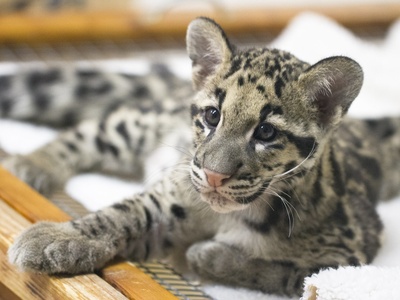
Clouded leopard
A medium-sized, exquisitely patterned wild cat with long canines and excellent arboreal skills. Clouded leopards are shy, tree-climbing predators that exploit dense rainforests across Southeast Asia.
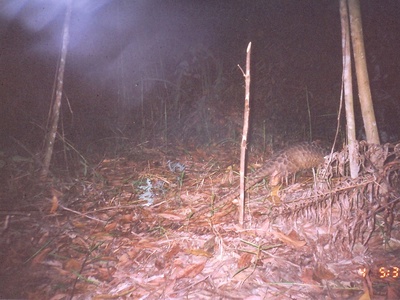
Sunda pangolin
A scaly, nocturnal mammal that rolls into a ball when threatened and feeds on ants and termites with a long sticky tongue. Sunda pangolins are heavily trafficked and critically endangered, native to humid forests of Southeast Asia.
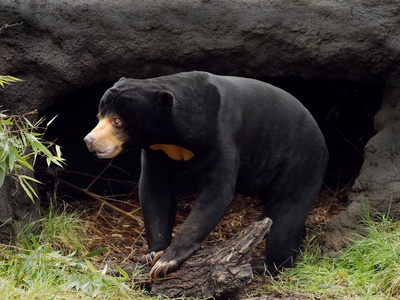
Sun bear
The smallest bear species with a distinctive pale chest patch and a super-long tongue for extracting insects and honey. Sun bears are bold tree climbers of tropical forests and are notable for their mischievous, curious behavior.
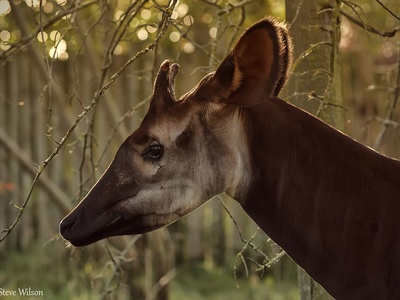
Okapi
A secretive, zebra-striped relative of giraffes found in central African rainforests. Okapis are forest browsers with a long tongue used for picking leaves, and their mysterious appearance has fascinated explorers and wildlife lovers.
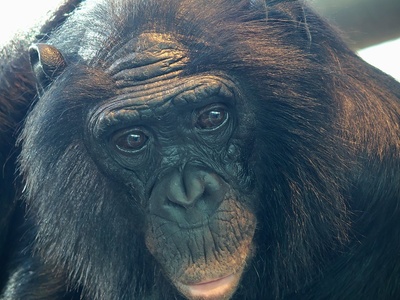
Bonobo
A close human relative known for peaceful, highly social behavior and complex communication. Bonobos live in matriarchal groups in the Congo Basin, using tools and play to navigate dense rainforest life.
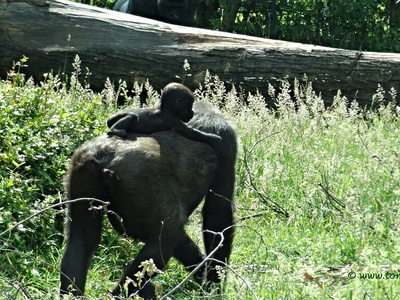
Western lowland gorilla
A massive primate that lives in cohesive family groups, feeding on fruit and foliage. Western lowland gorillas are intelligent, gentle forest giants and are key seed dispersers in tropical African habitats.
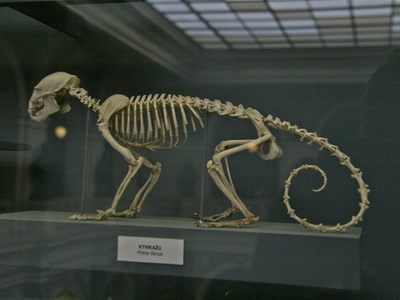
Kinkajou
An arboreal, nocturnal mammal with a prehensile tail and a playful appearance, sometimes called the “honey bear.” Kinkajous eat fruit and nectar, glide through the canopy, and are a charming rainforest night visitor.
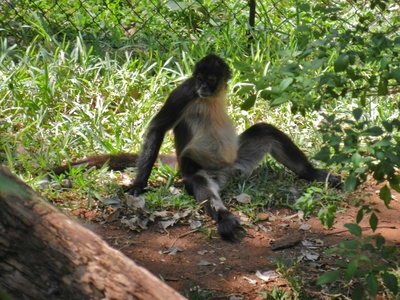
Geoffroy’s spider monkey
A long-limbed, prehensile-tailed primate famed for acrobatic brachiation. Spider monkeys are frugivores that form loose social groups and travel large canopy distances, making them recognizable symbols of tropical forest agility.
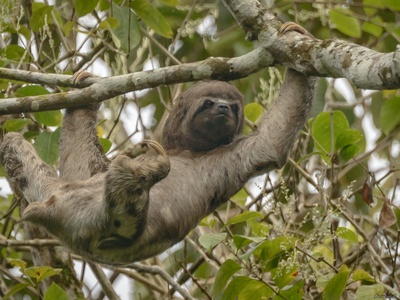
Brown-throated three-toed sloth
A slow-moving arboreal mammal that spends most of its life hanging upside down. Three-toed sloths host algae and insects in their fur, which helps camouflage them in the canopy of Central and South American rainforests.
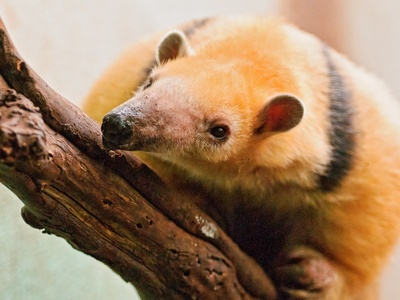
Southern tamandua
A medium-sized anteater with a prehensile tail and long sticky tongue specialized for eating ants and termites. Tamanduas are nimble climbers in Neotropical forests, often foraging inside tree cavities and fallen logs.
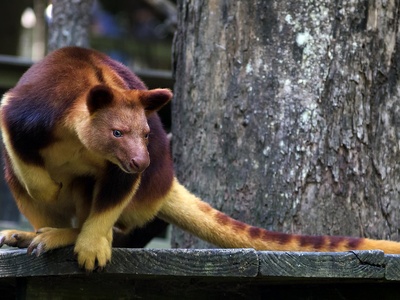
Goodfellow’s tree-kangaroo
A marsupial adapted to life in the canopy with strong forelimbs and a short tail. Tree-kangaroos are rare, slow-moving browsers that hop between branches in New Guinea’s rainforests.
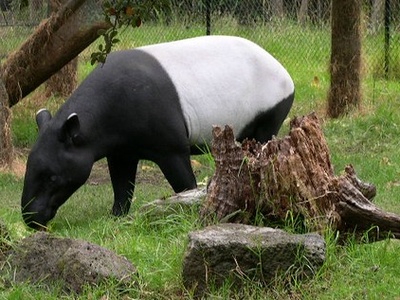
Malayan tapir
A distinctive black-and-white, pig-sized browser that uses a short prehensile snout to feed on vegetation. Malayan tapirs inhabit dense tropical forests of Southeast Asia and are important seed dispersers.
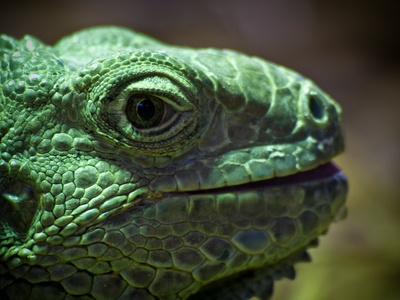
Green iguana
A large arboreal lizard with a spiny crest and long tail, commonly seen basking on branches. Green iguanas are primarily herbivorous and thrive in humid forest canopies across Central and South America.
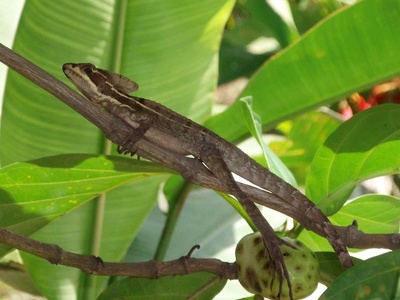
Basilisk lizard
Nicknamed the “Jesus lizard” for its ability to run across water briefly, basilisks are fast, crested lizards of tropical streams and forest edges, known for spectacular escapes from predators.
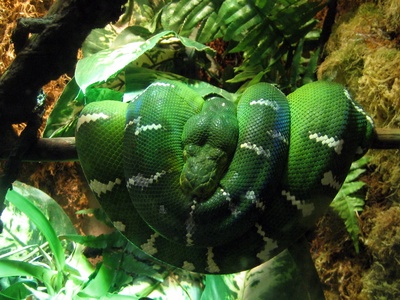
Emerald tree boa
A glossy, green arboreal boa with striking white zigzag patterning. Emerald tree boas prey on birds and small mammals in the canopy and are a classic symbol of Amazonian rainforest reptile diversity.
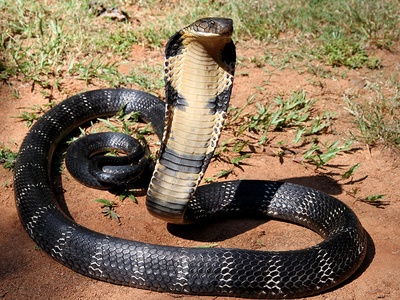
King cobra
The world’s longest venomous snake, famous for hood displays and eating other snakes. King cobras inhabit dense tropical forests of South and Southeast Asia and are revered and feared in many cultures.
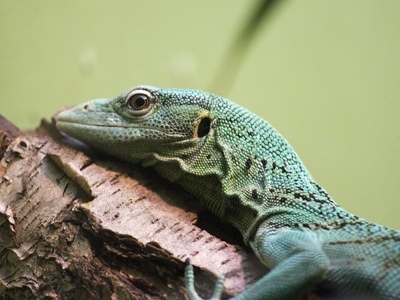
Emerald tree monitor
A striking green, slim monitor lizard adapted to life in the trees. Emerald tree monitors use claws and prehensile tails to navigate canopy branches in New Guinea rainforests.
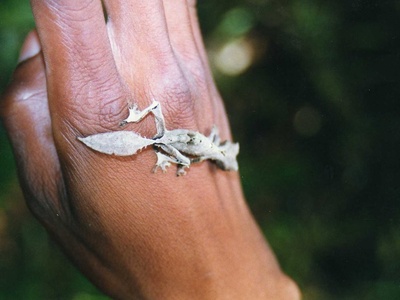
Leaf-tailed gecko
A master of camouflage with a flattened body and leaf-shaped tail that mimics dead leaves. This gecko clings to tree trunks at night, vanishing into Madagascar’s humid forest undergrowth.
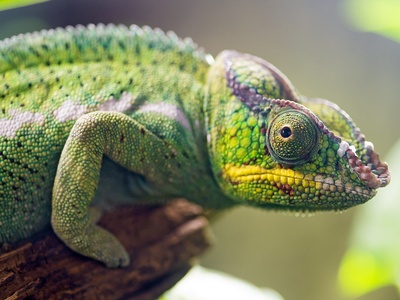
Panther chameleon
A vividly colored, often flamboyant chameleon species prized for rapid color changes linked to mood and temperature. Native to Madagascar’s lowland rainforests, panther chameleons are a striking reptile ambassador.
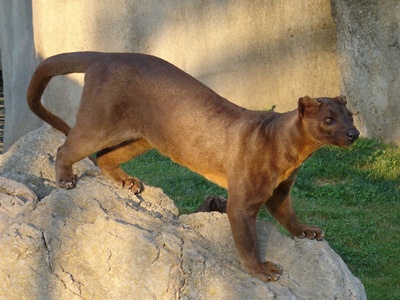
Fossa
Madagascar’s top predator, a cat-like carnivore with cat-like agility and long tail for balance. Fossas hunt lemurs and small mammals in dense forest, making them one of the island’s most intriguing endemic mammals.
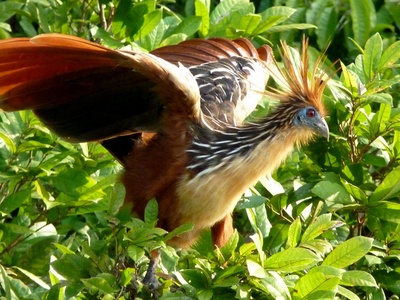
Hoatzin
An odd, leaf-eating bird notable for clawed chicks and a rumen-like gut for fermenting foliage. Hoatzins have pungent odor and unique appearance, often seen in Amazonian flooded forests and river edges.
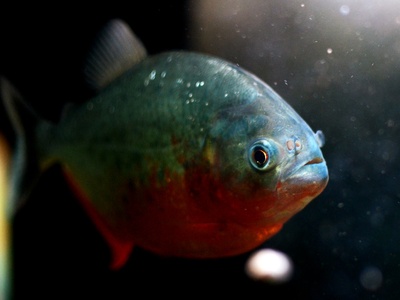
Red-bellied piranha
A famously sharp-toothed freshwater fish of Amazonian waters, often traveling in shoals. While notorious in folklore, piranhas are omnivores and important ecological cleaners in rainforest rivers.
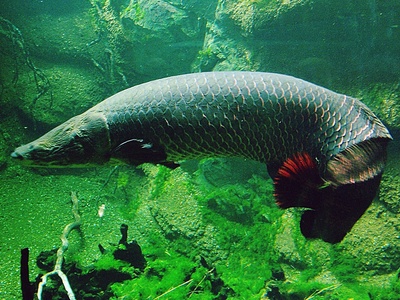
Arapaima
One of the world’s largest freshwater fish, reaching over 2 m. Arapaimas breathe air and surface regularly; they inhabit nutrient-rich floodplain waters and are an iconic giant of Amazonian aquatic systems.
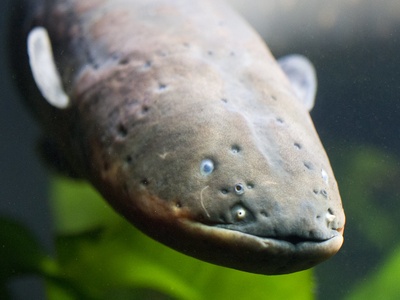
Electric eel
A long, eel-like fish capable of generating powerful electric discharges for hunting and defence. Electric eels live in murky rainforest waters and are famous for their bioelectric abilities.
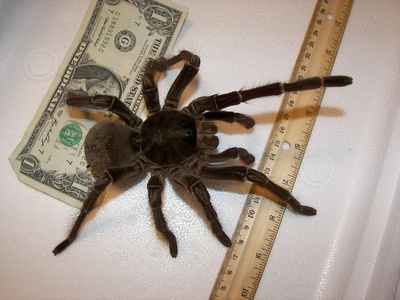
Goliath birdeater
The world’s largest tarantula by mass, with a legspan around 30 cm. Goliath birdeaters are ground-dwelling spiders of leaf litter and burrows, impressive both for size and their deep, fuzzy appearance.
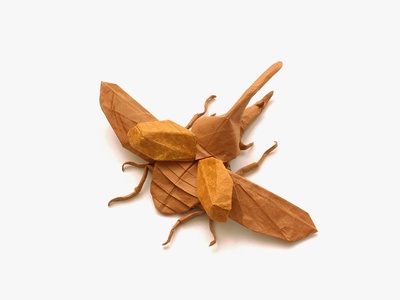
Hercules beetle
One of the largest rhinoceros beetles, males bear a long horn used in fights. Hercules beetles are dramatic insects of Central and South American forests and a favorite example of sexual selection in nature.
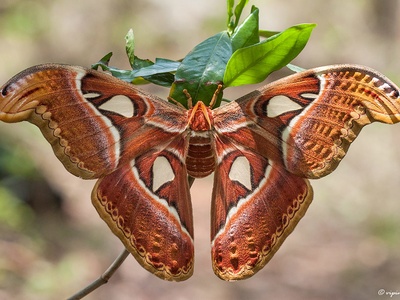
Atlas moth
One of the largest moths by wing surface area, with dramatic wing shapes and patterns that mimic leaves. Atlas moths are nocturnal heavyweights of Asian rainforests and a spectacular sight when encountered.
Blue morpho
A large, iridescent-blue butterfly whose flash of color through the understory is unforgettable. Blue morphos are powerful fliers and frequent forest edges and streams across Neotropical rainforests.
Glasswing butterfly
A delicate butterfly with transparent wings that render it almost invisible in flight. Glasswings are neat examples of stealth in nature, blending into humid understories of Central American forests.
Leafcutter ant
Famous for vast fungus-farming colonies and impressive marching trails, leafcutter ants are ecosystem engineers that clip vegetation to cultivate fungal gardens, shaping nutrient cycles across tropical forests.
Bullet ant
Renowned for the most painful insect sting in entomology, bullet ants are large, slow-moving forest ants that forage on the forest floor and lower vegetation of Neotropical rainforests.
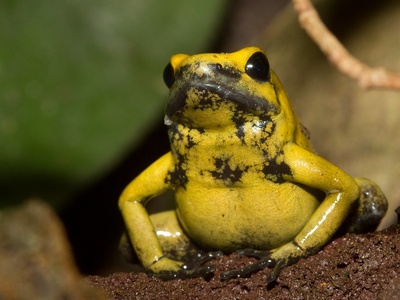
Golden poison frog
A tiny, brightly colored frog carrying deadly skin toxins produced by diet. Golden poison frogs are among the most toxic vertebrates and are striking examples of aposematism in Colombian rainforests.
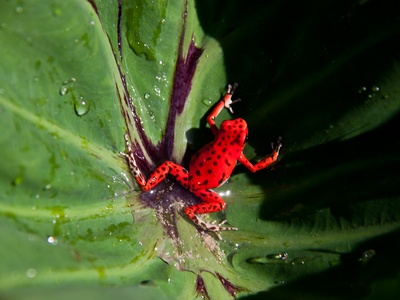
Strawberry poison-dart frog
A tiny, vividly colored frog famous for bright red or orange coloration and parental care—males and females transport tadpoles to water-filled leaf axils. Common in Costa Rican and Panamanian forests.
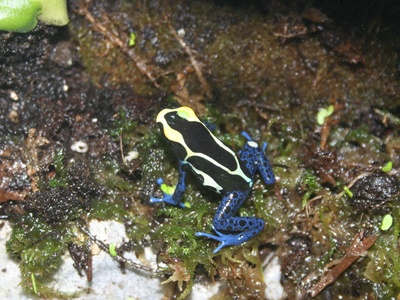
Dyeing poison frog
A bold, patterned dendrobatid frog that comes in striking color morphs. These frogs carry skin alkaloids, are active on the forest floor, and are a vivid emblem of Amazonian amphibian diversity.
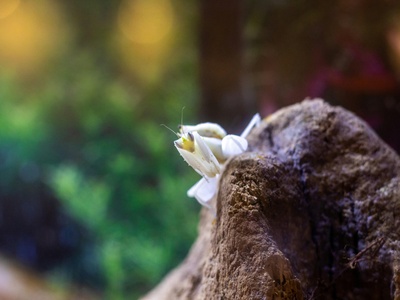
Orchid mantis
A floral-mimicking predatory insect that resembles orchid petals to ambush pollinating insects. Orchid mantises are exquisite examples of camouflage and aggressive mimicry in humid Asian forest understories.
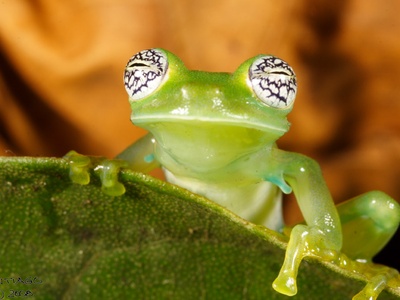
Glass frog
A tiny translucent frog whose belly skin reveals internal organs, the glass frog clings to leaves above streams. Males call from foliage and exhibit fascinating parental behaviors in wet tropical forests.
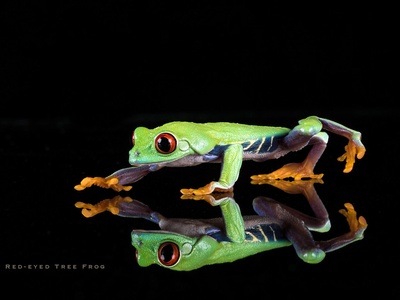
Red-eyed tree frog
A charismatic neon-eyed tree frog often featured in wildlife photography. Red-eyed tree frogs are nocturnal arboreal predators that hide bright colors during the day and flash them to startle predators at night.
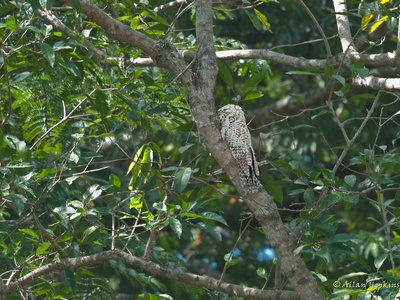
Great potoo
A master of cryptic camouflage that perches motionless as a broken branch by day and hunts moths by night. The great potoo’s eerie calls and ghostly appearance make it a memorable rainforest nightbird.
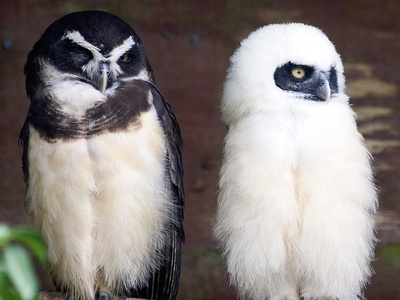
Spectacled owl
A large, nocturnal owl with striking facial markings and deep hoots. Spectacled owls hunt small mammals and birds in dense rainforest and are a classic night-time presence in Central and South America.
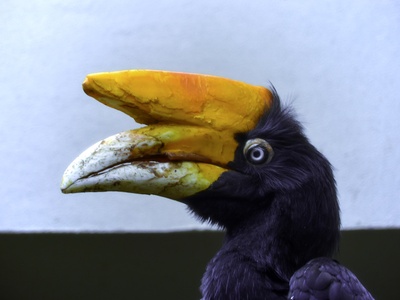
Rhinoceros hornbill
A dramatic hornbill with a large casque atop its bill used in display and breeding rituals. Rhinoceros hornbills are loud, conspicuous canopy birds that play important roles as fruit dispersers.
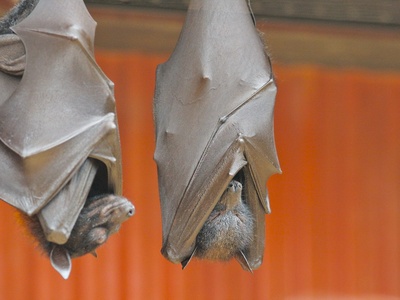
Large flying fox
A giant fruit bat with a wingspan exceeding a meter, the flying fox is a key nocturnal pollinator and seed disperser in tropical forests. Their size and social roosting make them striking rainforest mammals.
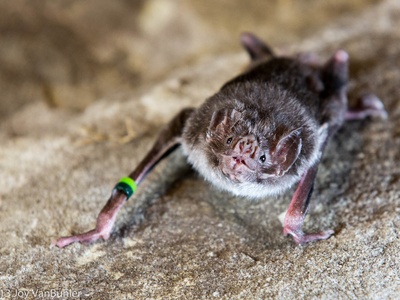
Common vampire bat
A small, nocturnal bat that feeds on blood of mammals and birds, remarkable for its heat-sensing nose and social food-sharing behavior. Vampire bats inhabit humid Neotropical forests and are often subjects of folklore.

Amazon river dolphin (boto)
A pinkish, flexible freshwater dolphin adapted to flooded rainforest waterways. Botos navigate submerged forests, feed on diverse fish, and hold a special place in Amazonian culture and biodiversity.
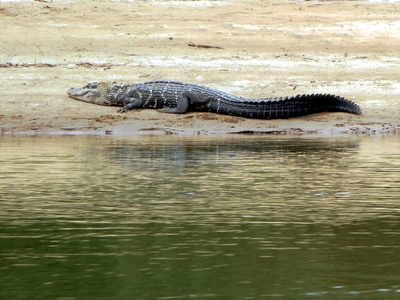
Black caiman
A large apex crocodilian of Amazonian waterways, black caimans can exceed 4 m and dominate aquatic food webs. They use flooded forest habitats for hunting fish, mammals, and nesting on riverbanks.
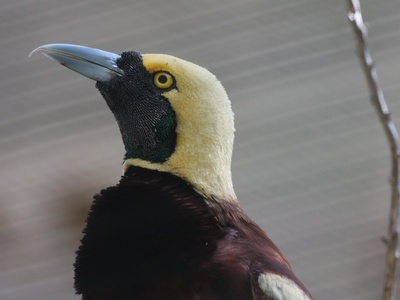
Raggiana bird-of-paradise
A spectacular display bird with flamboyant plumage and elaborate courtship dances. Birds-of-paradise evolved extreme ornamentation in New Guinea rainforests, and the raggiana is a flagship species for that diversity.