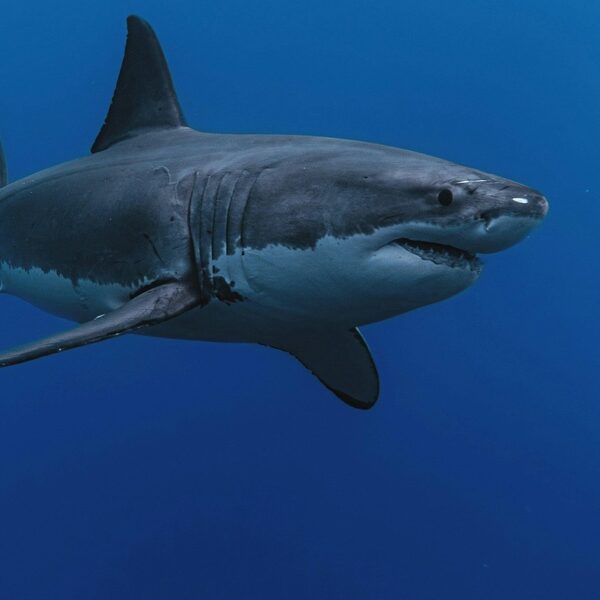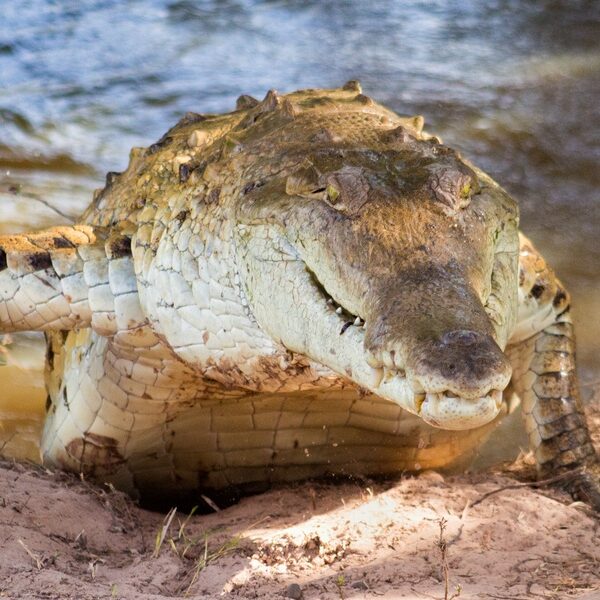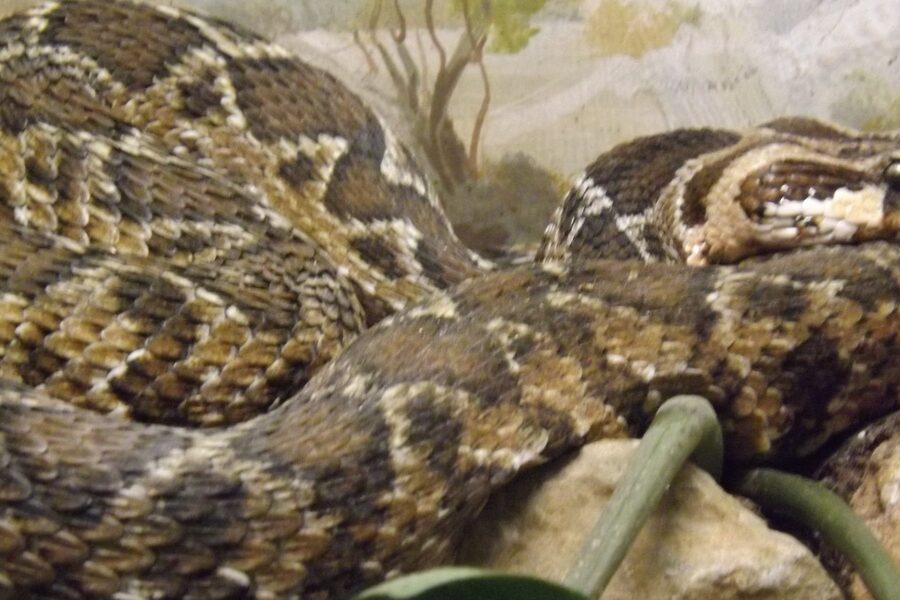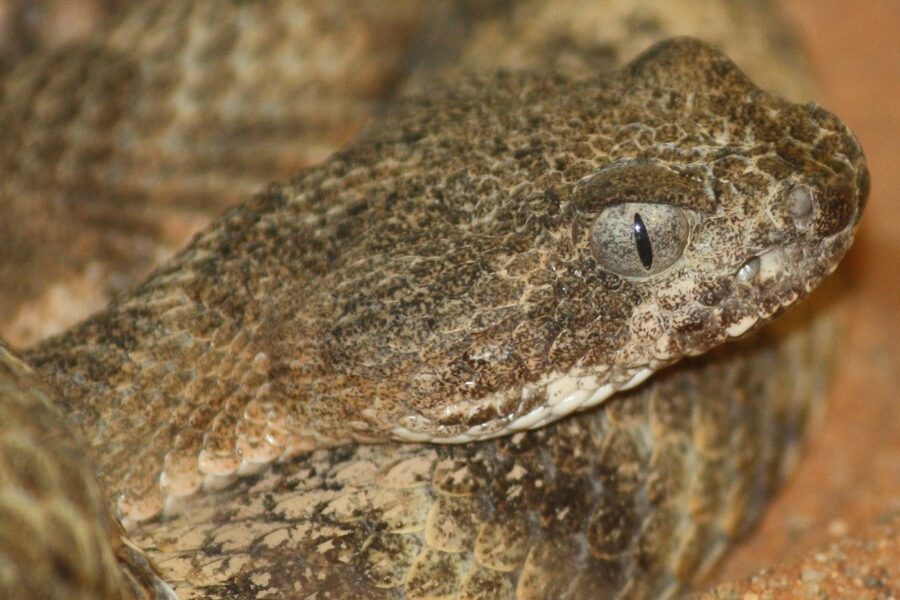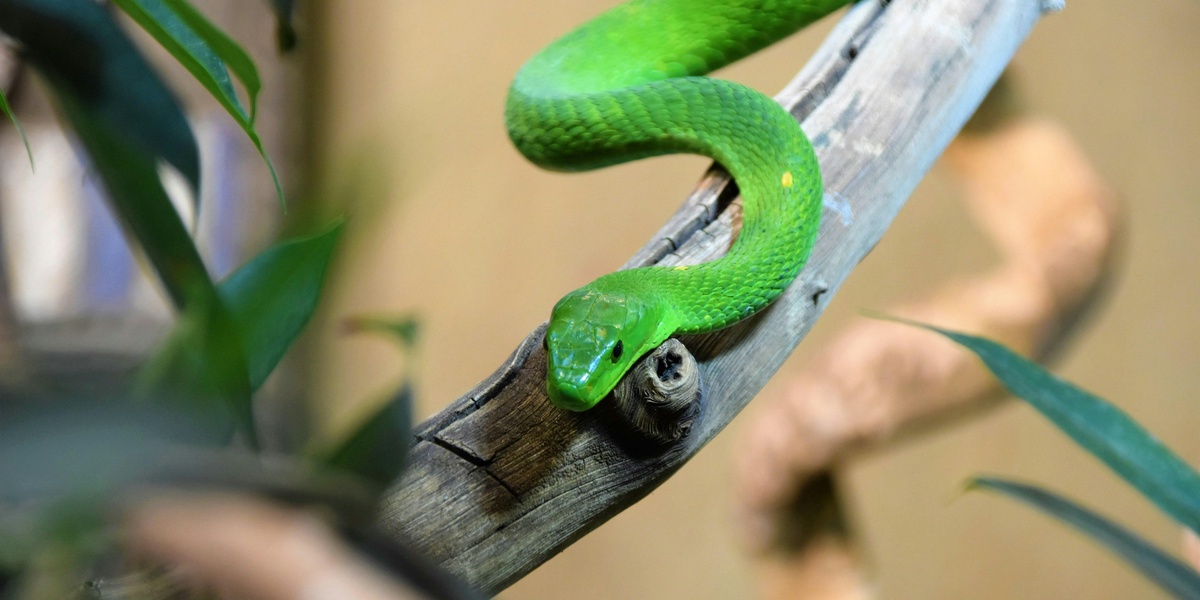
From tropical canopies to suburban gardens, green animals are part of many habitats and can be hard to spot until you’re close enough to notice their defenses or venom. Knowing where they live and how risky they are makes it easier to enjoy wildlife safely.
There are 21 dangerous green animals, ranging from Boomslang to Yellow-crowned Amazon (green parrot). For each entry you’ll find below the fields Scientific name,Danger & severity,Range/habitat —organized so you can quickly compare risks and locations you’ll find below.
Which green animals pose the greatest risk to people?
The biggest threats tend to be venomous snakes and toxic amphibians — species that can deliver venom or powerful toxins even if they’re well camouflaged — followed by some marine species and stinging invertebrates; large birds or lizards more often cause injuries than fatalities. Local species lists and common warning signs are the best guide to real danger where you live.
What practical steps reduce the chance of a dangerous encounter?
Avoid handling wild animals, watch where you step or place your hands, use a flashlight at night, keep pets supervised, and learn to recognize hazardous local species; when in doubt, keep distance and contact local wildlife authorities for removal or identification.
Dangerous Green Animals
| Common name | Scientific name | Danger & severity | Range/habitat |
|---|---|---|---|
| Eastern green mamba | Dendroaspis angusticeps | Venomous; 5/5 | East Africa, coastal forests and woodlands |
| Western green mamba | Dendroaspis viridis | Venomous; 5/5 | West Africa, forested and coastal areas |
| Boomslang | Dispholidus typus | Hemotoxic venom; 4/5 | Sub-Saharan Africa, trees and savanna edges |
| Green bush viper | Atheris squamigera | Venomous; 4/5 | Central/West African rainforests, low trees and undergrowth |
| White-lipped pit viper | Trimeresurus albolabris | Venomous; 4/5 | Southeast Asia, tropical forests and plantations |
| Chinese green tree viper | Trimeresurus stejnegeri | Venomous; 4/5 | China, Taiwan, forested hills and farmland |
| Green anaconda | Eunectes murinus | Constriction; 4/5 | Amazon Basin, rivers, swamps and flooded forests |
| Green moray eel | Gymnothorax funebris | Bite & infection; 3/5 | Western Atlantic, coral reefs and rocky crevices |
| Stonefish | Synanceia verrucosa | Venomous spines; 5/5 | Indo-Pacific shallow reefs, sandy bottoms and tidepools |
| Olive sea snake | Aipysurus laevis | Venomous; 5/5 | Indo-Pacific reefs and seagrass beds, marine habitats |
| Green sea urchin | Strongylocentrotus droebachiensis | Puncture & toxin; 3/5 | North Atlantic rocky intertidal and subtidal zones |
| Green sea turtle | Chelonia mydas | Bite/strike & boat hazard; 2/5 | Tropical/subtropical oceans, seagrass beds and reefs |
| Green iguana | Iguana iguana | Bite, scratches & zoonoses; 3/5 | Neotropics, forests, urban parks and gardens |
| Cane toad | Rhinella marina | Toxic skin secretions; 4/5 | Native Americas; introduced worldwide, varied habitats |
| Green-and-black poison dart frog | Dendrobates auratus | Skin toxin; 5/5 | Central America, lowland rainforests and forest floor |
| Weaver ant | Oecophylla smaragdina | Painful bites & formic acid; 3/5 | South/Southeast Asia, Australia, tree canopies and plantations |
| Green lynx spider | Peucetia viridans | Painful bite/allergic reaction; 2/5 | Southern North America, vegetation and gardens |
| Yellow-crowned Amazon (green parrot) | Amazona ochrocephala | Disease vector (psittacosis); 3/5 | Central/South America, forest edges and homes |
| Green vine snake | Ahaetulla nasuta | Mild venom; 2/5 | South Asia, trees and shrubs in forests and gardens |
| Greenhead horsefly | Tabanus nigrovittatus | Painful bite; 2/5 | Northeastern USA, salt marshes and beaches |
| Green parrotfish (reef species) | Scaridae spp. | Ciguatera risk when eaten; 3/5 | Tropical reefs worldwide, coral and algal areas |
Images and Descriptions
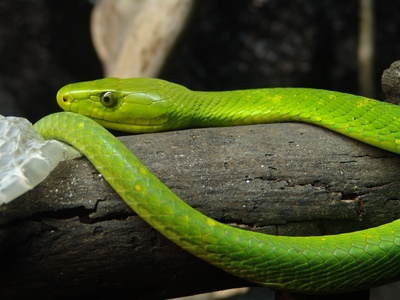
Eastern green mamba
Highly venomous arboreal snake with fast-acting neurotoxic venom that can be fatal without antivenom. Lives in trees near homes; avoid reaching into foliage, keep pets on leash, and seek immediate medical care for any bite.
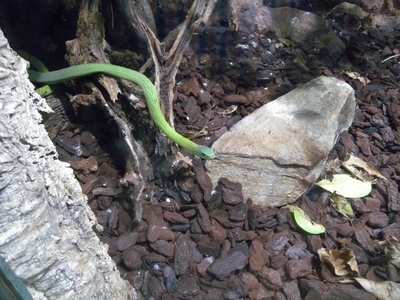
Western green mamba
Powerful neurotoxic venom and agile tree-dweller; bites progress rapidly to respiratory failure. Rare in urban areas but dangerous when encountered; keep distance, turn lights off near trees at night, and get urgent antivenom treatment if bitten.
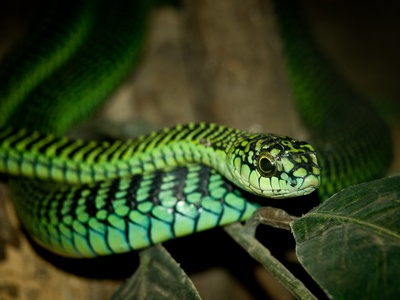
Boomslang
Large-eyed, predominantly green tree snake with potent hemotoxic venom causing severe bleeding. Bites can appear mild initially; immobilize victim, avoid tourniquets, and get emergency care for antivenom and monitoring.
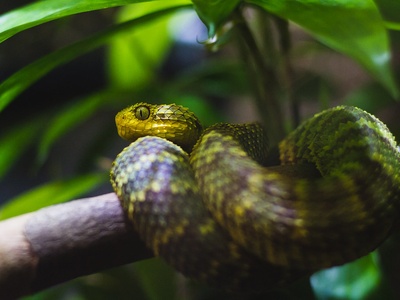
Green bush viper
Small, vividly green viper with cytotoxic venom causing pain, swelling, and bleeding. Often camouflaged in foliage; don’t handle wild snakes, wear boots in forested areas, and seek medical care promptly after bites.
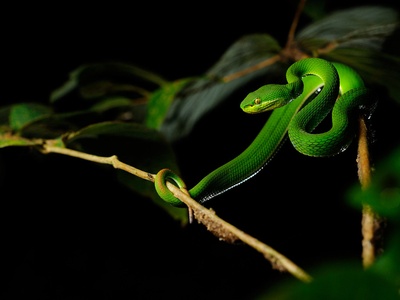
White-lipped pit viper
Arboreal green viper with hemotoxic/necrotic venom that can cause severe tissue damage. Frequently encountered in gardens and rice paddies; watch where you step or reach, use a torch at night, and get antivenom if bitten.
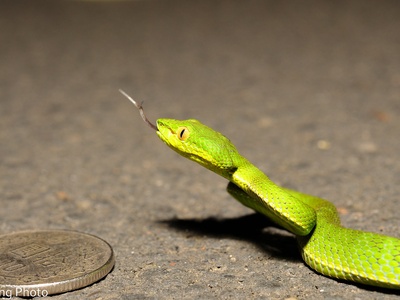
Chinese green tree viper
Small, green, tree-dwelling viper whose bite produces local and systemic effects, occasionally life-threatening. Avoid handling, supervise children and pets outdoors, and obtain emergency treatment for envenomation.
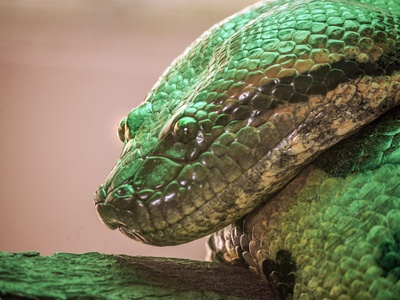
Green anaconda
One of the largest snakes, olive-green with dark blotches; kills by constriction and can overpower humans in water. Avoid swimming alone in remote waterways, respect wildlife from a safe distance, and never attempt to handle large constrictors.
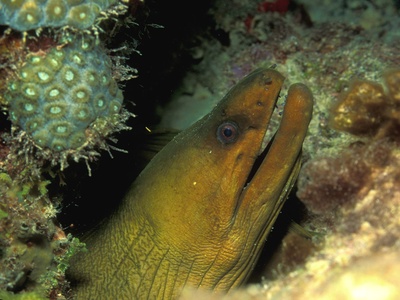
Green moray eel
Large, olive-green eel that can deliver deep lacerations with strong jaws; wounds risk serious infection. Avoid putting hands into crevices, wear protective gloves while diving or fishing, and seek wound care after bites.
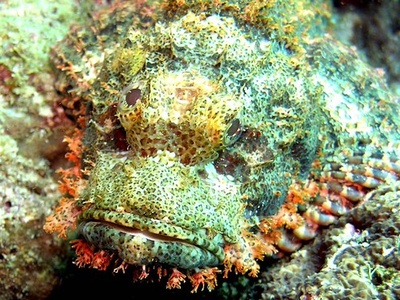
Stonefish
Well-camouflaged, often greenish fish with highly toxic dorsal spines causing excruciating pain, tissue damage, and possible fatalities. Shuffle feet in shallow water, wear protective footwear, and seek urgent medical care and antivenom for puncture wounds.
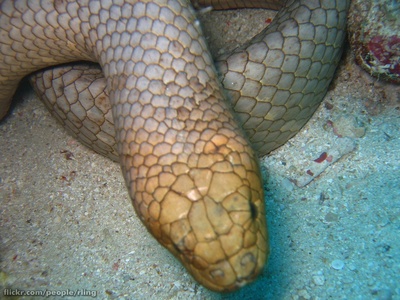
Olive sea snake
Olive-green sea snake with potent neurotoxic venom; bites are rare but medically serious. Avoid handling sea snakes, secure caught fish before removing hooks, and get immediate medical attention for envenomation.
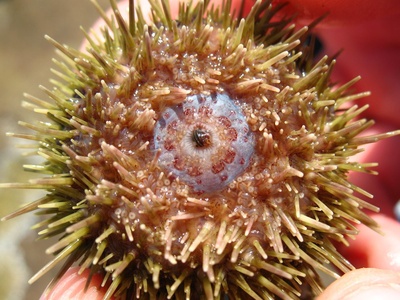
Green sea urchin
Green sea urchin with sharp spines that puncture feet and hands; some species have mildly toxic spines. Wear sturdy shoes on rocky shores, avoid stepping on hidden urchins, and clean puncture wounds to prevent infection.
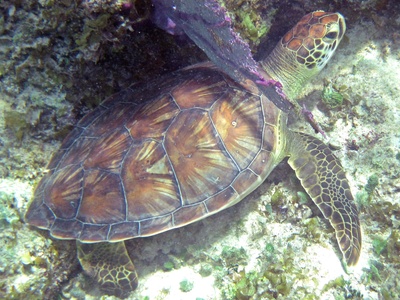
Green sea turtle
Large, mostly green-backed turtle with powerful jaws that can bite if provoked; also at-risk of boat collisions. Do not chase or corner turtles, keep distance when snorkeling, and use caution near feeding animals.
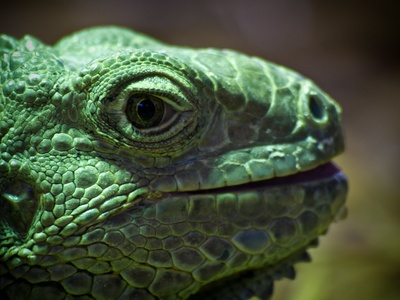
Green iguana
Large green lizard capable of strong bites, tail whips, and carrying Salmonella. Wild or pet iguanas can cause injury or disease; handle only with training, supervise children, and practice hygiene after contact.

Cane toad
Large, often greenish toad that secretes bufotoxins fatal to dogs and dangerous to small pets and children if ingested. Keep pets away, supervise children outdoors, and rinse mouth immediately and seek veterinary/medical care if exposure occurs.
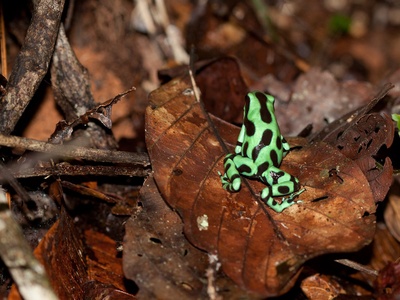
Green-and-black poison dart frog
Bright green-and-black frog containing potent alkaloid toxins in skin that can cause paralysis or cardiac effects if ingested. Do not handle wild poison dart frogs; educate on risks and keep pets/leashed animals away.
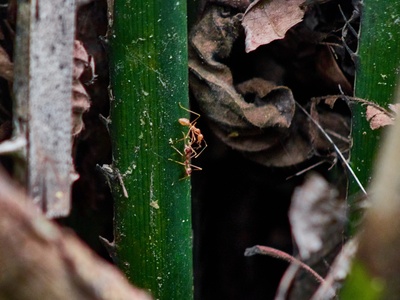
Weaver ant
Vivid green, highly territorial ants that deliver painful bites and spray irritant secretions; can swarm humans and pets. Avoid disturbing nests, wear protective clothing when climbing trees, and remove nests professionally near homes.
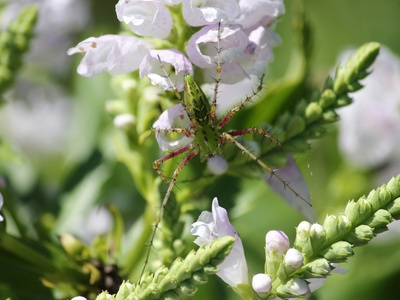
Green lynx spider
Slender bright-green spider that can bite when handled, causing localized pain and occasional allergic reactions. Admire from a distance, avoid bare-hand contact when gardening, and seek medical care for severe reactions.
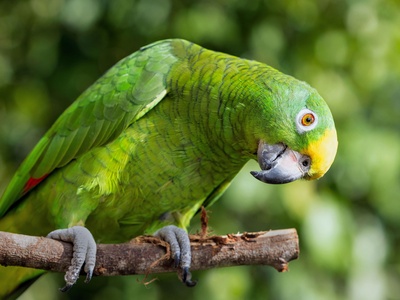
Yellow-crowned Amazon (green parrot)
Predominantly green parrot species that can carry Chlamydia psittaci and other zoonoses transmissible to humans. Practice good hygiene around pet birds, buy from reputable sources, and see a doctor if flu-like symptoms follow bird exposure.
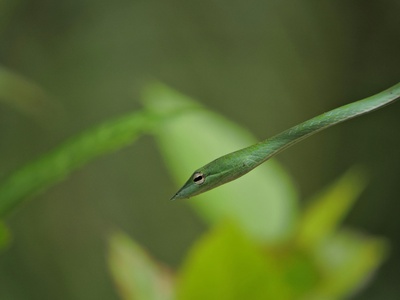
Green vine snake
Thin, bright-green arboreal snake with rear fangs; venom usually causes mild localized effects but may harm small pets. Do not handle, supervise pets in snake country, and seek medical advice for bites.
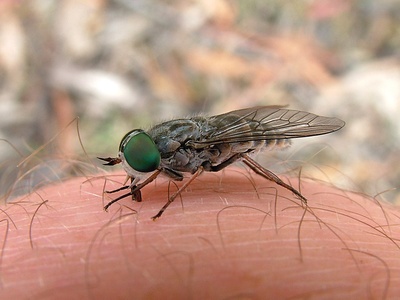
Greenhead horsefly
Metallic-green female horsefly delivers very painful bites that can bleed and sometimes spread bacteria. Use insect repellent, wear long clothing at marshy beaches, and clean bite sites to prevent infection.
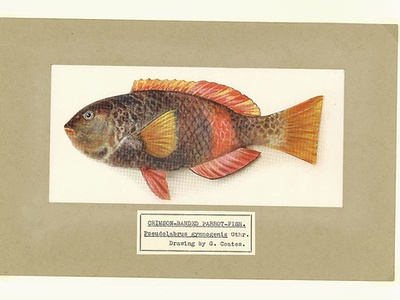
Green parrotfish (reef species)
Many parrotfish have predominantly green coloration and can accumulate ciguatoxin; eating contaminated fish causes ciguatera poisoning in humans. Avoid consuming large reef fish from ciguatera-prone areas and heed local seafood advisories.