Top 10 Dog Breeds for Night Shift Workers
Around 15 million Americans work non-daytime shifts, and many juggle sleep, safety, and social life while living with dogs. Finding a companion that respects your daytime sleep and matches your overnight energy matters for neighbors, your rest, and the dog’s wellbeing.
This guide picks breeds that tend to be calm during daylight, comfortable with overnight activity, and low-risk for noisy or high-maintenance behaviors. Whether you’re a nurse who sleeps days after an 11 p.m.–7 a.m. shift or a transit worker who’s awake at night, these selections focus on temperament, size and care needs, alertness, and low-noise maintenance so you can plan routines that work for both of you.
Temperament & Nighttime Compatibility
Temperament is the biggest predictor of whether a dog will fit a night-shift lifestyle. Look for breeds and individual dogs that show low nocturnal vocalizing, the ability to rest during the day, predictable elimination schedules, and reasonable separation tolerance.
Authoritative sources such as the AKC breed pages and veterinary notes on canine sleep cycles report that many dogs average 12–14 hours of sleep per day; breeds that naturally nap a lot tend to adapt better to owners who do the opposite. Practical traits to watch for include low reactivity to household noises, steady routines, and tolerance for crated or gated rest periods.
Before adopting, evaluate an individual dog’s nighttime behavior by arranging a short trial: a mid-day visit while you simulate your daytime sleep (lights off, quiet) and an evening walk to see how the dog responds to your awake hours. An ER tech who works 11 p.m.–7 a.m. can use that test to check whether the dog settles for a 6–8 hour daytime nap.
1. Greyhound — Quiet, low-exercise companion
Greyhounds are surprisingly calm indoors and often described as couch potatoes, making them great roommates for night workers who need silence during the day. Many retired racers weigh 45–70 lbs and show low vocalization at home, provided they get one short brisk run or sprint session daily (about 20–30 minutes total).
Adopting from regional Greyhound rescue groups is common; rescues screen for temperament and offer transition advice. Health notes: older Greyhounds can develop arthritis and have thin skin, and they’re sensitive to extreme heat and cold, so plan bedding and climate control. Ideal routine: a 20–30 minute night run plus a calm daytime crate or gated rest space.
2. Basset Hound — Gentle, steady-temperament companion
Basset Hounds move slowly and sleep a lot, which helps them sleep through a daytime household. They’re scent-driven rather than reactive, so they’re less likely to bark at every noise. Typical weights fall between 40–65 lbs with a lifespan around 10–12 years.
Basset owners should plan scent-enrichment toys and short walks—15–25 minutes at night plus a brief daytime outing—to keep the dog mentally satisfied. Expect drooling and regular ear care due to drooping ears, and use crate training and chew supervision to manage teething or boredom-related chewing.
3. Cavalier King Charles Spaniel — Affectionate and adaptable to irregular schedules
Cavaliers are small, people-oriented dogs that often match their owner’s rest cycles by napping when the human naps. They typically weigh 13–18 lbs and live about 9–14 years, and they adapt well to apartment life where cuddling and daytime naps are part of the routine.
Expect weekly brushing and regular health checks—mitral valve disease is a common concern, so cardiac screening is advised. A practical routine for a night worker: quiet overnight play, three brief walks spread across night and day, and a snug bed close to where you sleep so the dog feels secure while you rest.
Size, Exercise & Practical Living
Size and exercise needs affect how well a dog fits an overnight schedule. Smaller dogs generally need less space and can get much of their activity indoors, while medium breeds usually do fine if you provide one longer walk at night. Typical exercise guidelines run from 20 to 60 minutes per day depending on breed and age.
Grooming and vet-care time also matters; a dog that needs 30–60 minutes of grooming per week will cut into daytime rest if you handle it yourself. For commuters who might take a single 30-minute walk at 2 a.m., pick breeds that can tolerate that split routine without anxiety.
4. French Bulldog — Low-exercise, apartment-friendly companion
French Bulldogs are compact (16–28 lbs), low-energy dogs content with short walks, which suits night-shift owners with limited daytime availability. Average lifespan is about 10–12 years, and grooming needs are minimal.
They are brachycephalic (flat-faced), so avoid strenuous exercise in heat and expect more frequent vet visits for breathing or eye issues. A practical nightly routine could be two 10–20 minute walks and calm indoor play; monitor weather and keep cool rest areas to protect respiratory health.
5. Shih Tzu — Indoor-friendly, low-to-moderate activity
Shih Tzus are small (9–16 lbs) and usually content with indoor play plus a single nightly walk, making them a good fit for people who sleep during the day. Lifespan ranges from about 10–16 years, and their temperament is friendly and companion-focused.
Grooming is the trade-off: brushing several times per week and periodic trims are typical. Sample care schedule: 20 minutes of play at night, a 15-minute walk, and calm daytime naps in a crate or bed close to your sleeping area.
6. Chihuahua — Tiny, easy-to-exercise companion
Chihuahuas weigh just 2–6 lbs, so indoor play and short walks are easy to fit into odd hours. They live long—often 12–20 years—and require minimal space, which helps when daylight hours are for sleeping.
Chihuahuas can be alert and sometimes yappy, so training to manage vocal behavior is important. Recommended routine: indoor obstacle play, two 10-minute walks during the night, and puzzle feeders to keep them occupied while you rest.
Alertness, Security & Companionship at Night
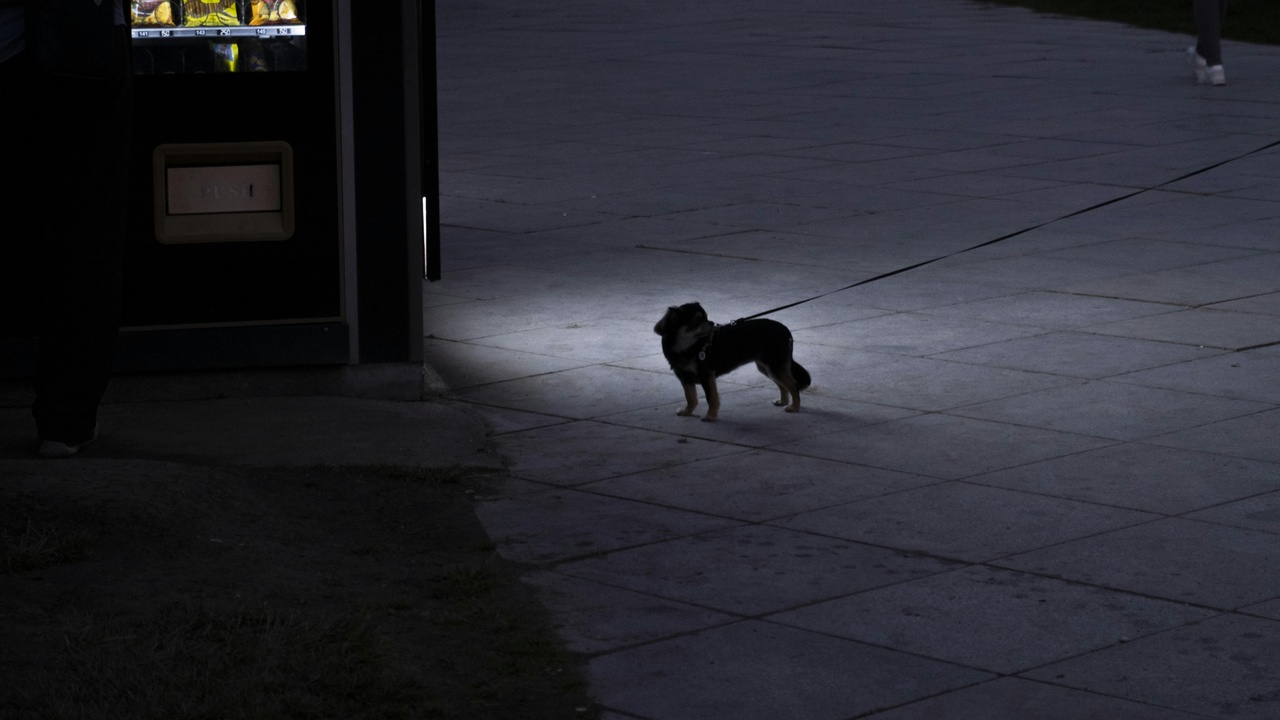
An alert, moderately protective dog can be reassuring on overnight shifts, but strong watchdog instincts often equal frequent barking. Pick breeds known for measured alertness and invest in obedience and socialization to direct that instinct toward calm vigilance.
Training is key—an obedient dog can learn a settle-on-cue that preserves your daytime sleep while still alerting you to real concerns. For remote night workers who want a companion but live in shared housing, balance is essential: security without nuisance noise.
7. Miniature Schnauzer — Alert, obedient, low-to-moderate energy
Miniature Schnauzers are smart and trainable, typically weighing 11–20 lbs with a lifespan of 12–15 years. Their wiry, low-shedding coat needs grooming every 4–6 weeks but sheds less in daily life, which reduces cleaning during daytime rest.
They respond well to cues like “settle” or “quiet,” which helps night-shift owners keep barking under control. A useful routine is a 20–30 minute nightly walk, short play session, and a consistent obedience cue before your daytime sleep.
8. Basenji — Barkless, independent, good for quiet overnight companionship
Basenjis are often called “barkless dogs” because they yodel instead of bark, and they typically weigh about 22–24 lbs with a lifespan near 12–16 years. Their independence and quiet vocal profile make them attractive for day sleepers.
Don’t assume quiet equals low needs: Basenjis require mental stimulation and exercise, so plan puzzle toys and night-hour enrichment. They can be aloof and are better for owners with some breed experience; use scent and puzzle-based enrichment during your awake hours to prevent boredom.
Low-noise, Low-maintenance Companions
Low barking and minimal grooming reduce the chores that can disrupt daytime sleep. Hypoallergenic or low-shedding breeds also cut down on cleaning time. Practical tools—timed feeders, puzzle toys, and white noise machines—help bridge the gap between your schedule and the dog’s needs.
If you return from a night shift and plan a 20–30 minute walk before sleeping, pick a breed that thrives on short bursts of attention rather than long runs. Crate or gated sleep zones near your bedroom help dogs feel secure without roaming and creating noise.
9. Pug — Calm, companionable, low activity demands
Pugs are affectionate and low-energy, typically 14–18 lbs and living 12–15 years. They nap easily and adapt to irregular schedules, which makes them a good partner for overnight awake periods and daytime sleep.
Health considerations matter: as a brachycephalic breed, pugs are sensitive to heat and respiratory stress. Practical care includes short nighttime walks, cool rest areas, and monitoring for breathing or eye problems. With supervision at night, they make lovable, low-maintenance companions.
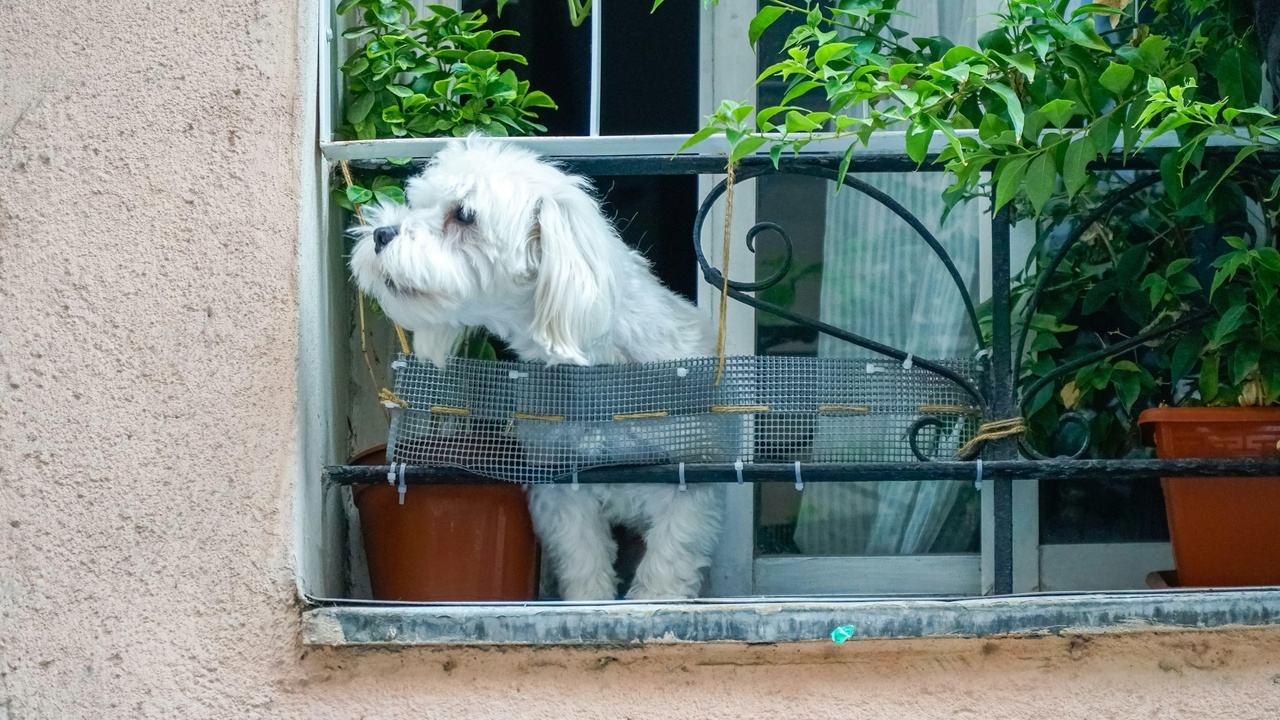
10. Maltese — Small, low-shedding, gentle indoor companion
Maltese dogs weigh about 4–7 lbs, are low-shedding, and commonly live 12–15 years. Their small size and calm indoor manner fit apartments and schedules where daytime sleep is essential.
Grooming requires regular brushing, but outdoor exercise needs are low. Practical suggestions: a calm sleeping nook near your bedroom, puzzle toys during overnight hours, and short 10–20 minute walks timed to your awake periods.
Summary
Choosing a dog for overnight work is as much about the individual animal as the breed, so match temperament, size, and care needs to your schedule. These picks highlight breeds that tend to rest during daylight, handle odd-hour activity, and won’t routinely disrupt neighbors or your sleep.
- Match calm temperament and low nocturnal vocalizing to protect daytime sleep (many companion breeds average 12–14 hours of sleep daily).
- Plan concrete routines: 20–30 minutes total exercise per day for many breeds, split across night and brief daytime outings if needed.
- Use training, puzzle toys, timed feeders, and white-noise machines to align a dog’s activity with your shifts and reduce nuisance behaviors.
- Consider rescues (e.g., Greyhound or breed-specific groups) and meet dogs during a simulated daytime sleep period before adopting.
If you want to narrow options, talk with a veterinarian or trainer about breed-specific health screens, try a night-walk trial with a potential dog, and sign up for a short obedience course to teach reliable settle and quiet cues. For anyone searching for dog breeds for night shift workers, these steps help ensure a happy match for you and your new companion.