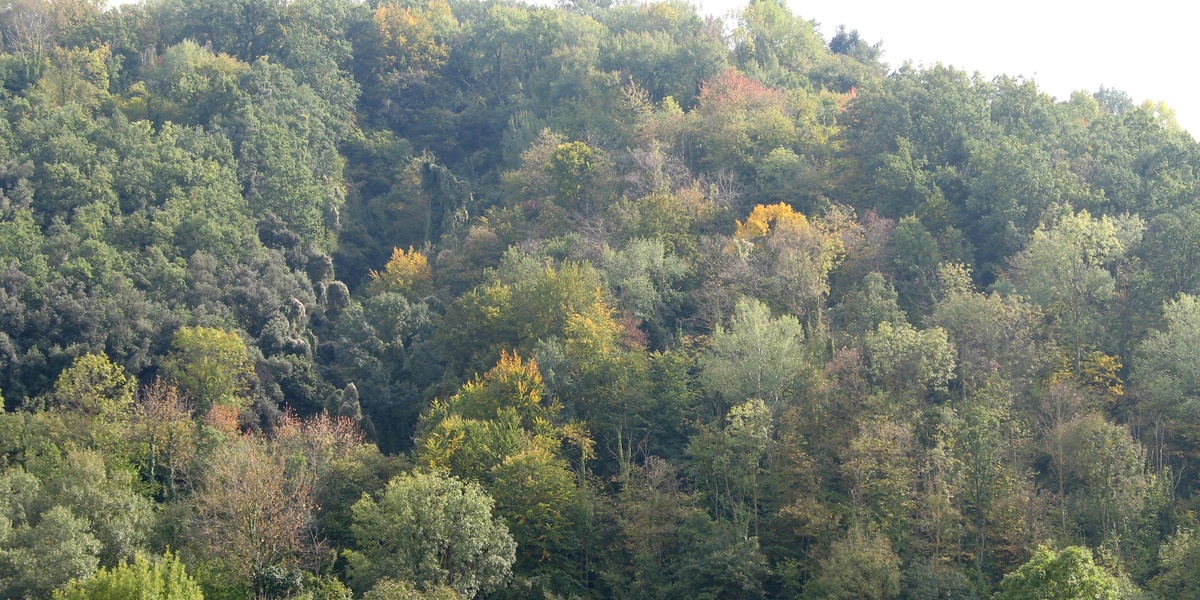
10 Facts About Deciduous Forests
Temperate deciduous forests rotate through four dramatic seasons each year; in some regions, annual leaf fall can form a blanket of litter several centimeters deep that fuels a rich web of soil life and earthy autumn smells. Picture a forest floor in October—maple and oak leaves piled 3–7 cm thick, fungi fruiting at the edges, and saplings pushing through the nutrient-rich humus. These forests supply clean water, store carbon, support wildlife, and underpin local economies through timber, recreation, and seasonal products. They also face growing pressures from fragmentation, invasive pests, and changing climates. Below you’ll find 10 clear, evidence-backed facts—organized into ecological roles, human uses and culture, and threats plus conservation—that explain why these ecosystems matter and what practical steps can help protect them.
Ecological Roles of Deciduous Forests
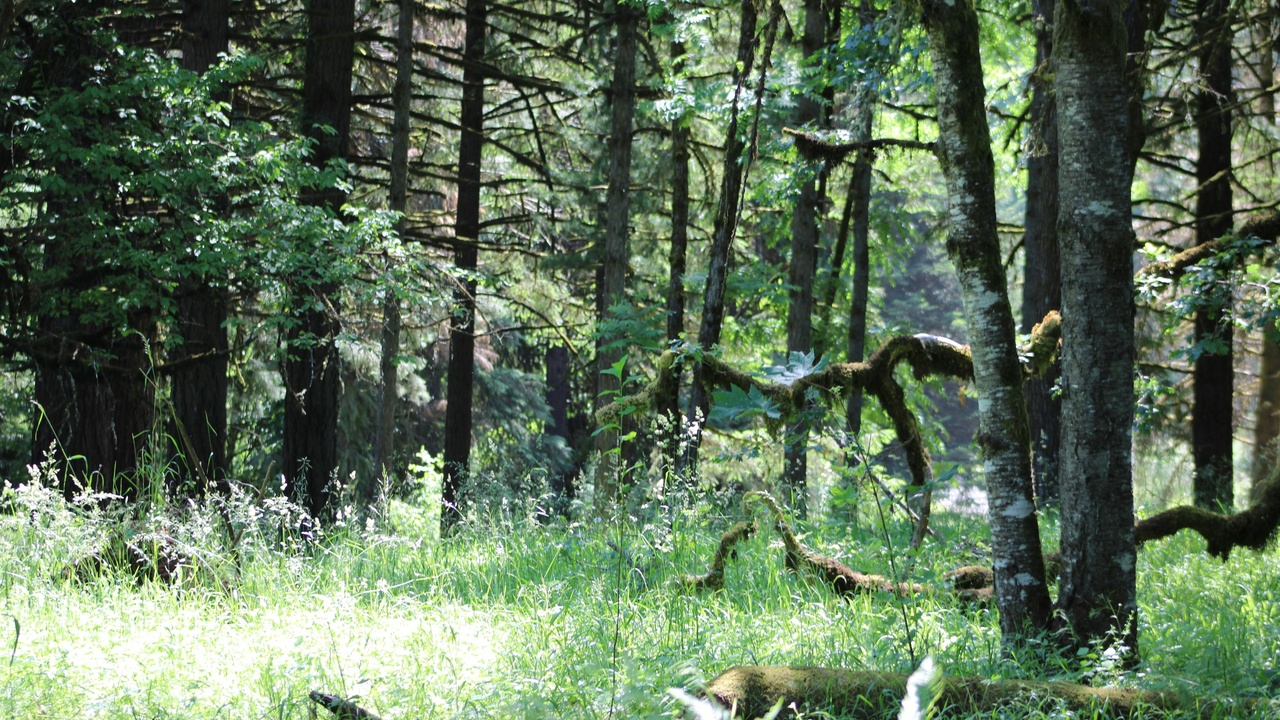
Here are four facts that describe how temperate broadleaf forests function: seasonal productivity and nutrient cycling, the structural drivers of local biodiversity, carbon storage and microclimate services, and water- and soil-protection roles. The descriptions that follow include specific, citable figures and examples (IPCC, USDA, regional forestry reports) to show measurable ecosystem benefits and the processes that create them.
1. Seasonal Leaf Drop Drives Nutrient Cycling
Deciduous trees shed leaves each autumn, returning a large share of annually acquired nutrients to the soil; decomposition of that litter (often mediated by fungi, microbes, and leaf-shredding invertebrates) replenishes nitrogen, phosphorus, and other elements for the next growing season. Studies indicate that litterfall can return roughly half to most (>50%) of a tree’s annual nutrient uptake back to the forest floor (Berg & McClaugherty 2008). That decomposition supports a productive, layered understory—mosses, spring ephemerals, and tree seedlings—which in turn sustains timber stands and backyard soils adjacent to woods (USDA Forest Service 2016).
2. Rich Habitat Supporting High Local Biodiversity
Temperate deciduous forests host diverse plant and animal communities across vertical layers: canopy, subcanopy, shrub layer, and ground layer. That vertical complexity creates niches for birds (e.g., wood thrush), reptiles (e.g., eastern box turtle), and trees such as sugar maple and American beech. Protected areas in these ecoregions often report high species counts—for example, Great Smoky Mountains National Park documents several hundred breeding bird, mammal, and herpetofauna records (NPS 2019). The mix of standing trees and deadwood also supports cavity-nesters, pollinators, and rich soil fauna essential for ecosystem resilience.
3. Important Carbon Storage and Climate Regulation
Deciduous forests store carbon in living biomass (trunks, branches, leaves) and in soils. Temperate broadleaf forests typically hold on the order of tens to a few hundred tonnes of carbon per hectare overall, with older, intact stands often toward the higher end of that range (IPCC 2021; USDA Forest Service). Beyond sequestration, these forests moderate local climates: dense canopies reduce summer temperatures on the forest floor and intercept rainfall, which reduces evaporation and stabilizes soil moisture—services that benefit nearby agriculture and urban areas.
4. Water Regulation and Soil Protection
Root networks, leaf litter, and undergrowth in deciduous catchments slow storm runoff, stabilize banks, and filter sediments and nutrients before they reach streams. Watershed studies in temperate regions show forested catchments have lower peak flows and reduced turbidity compared with cleared watersheds (regional hydrology studies; see USDA and state forestry reports). Those effects translate into real benefits—reduced flood risk downstream and improved raw-water quality for reservoirs that supply cities and towns.
Human Uses and Cultural Importance
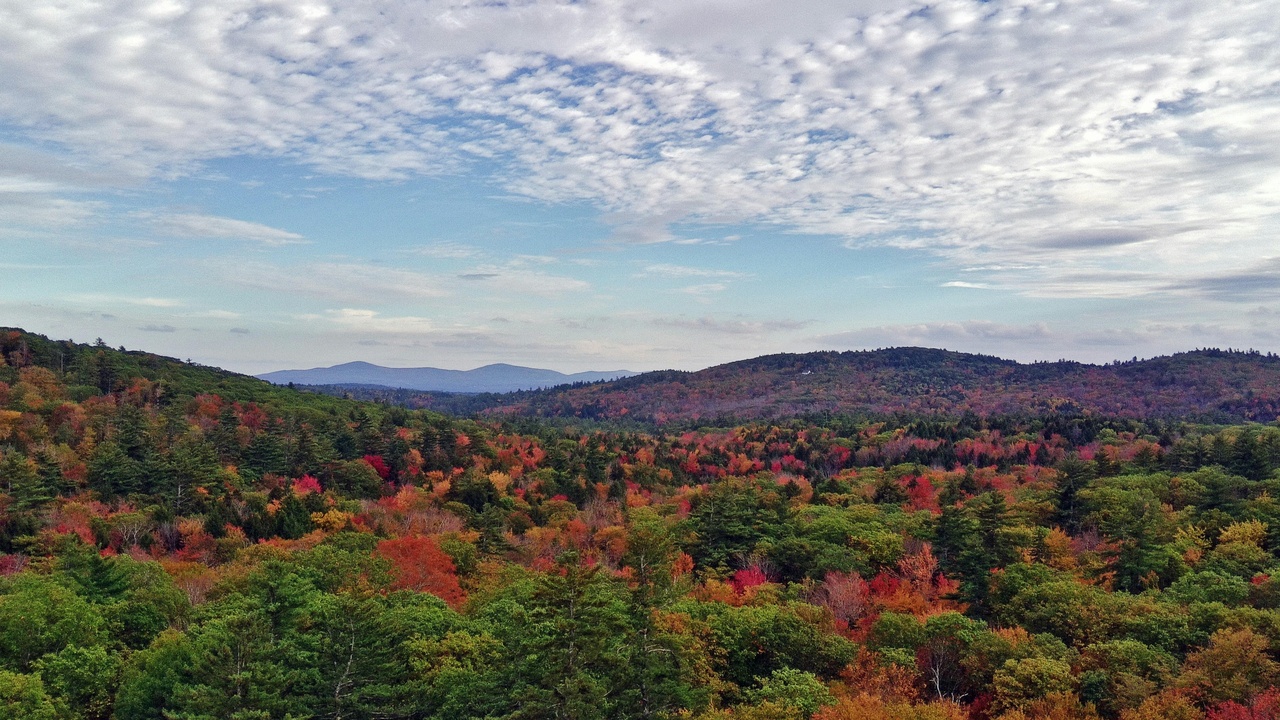
People have long relied on deciduous woods for timber, food, medicine, and cultural traditions—think maple sugaring, fall festivals, and outdoor classrooms. These forests also generate measurable economic value through timber and recreation; later sections cite regional production and visitor figures. Traditional ecological knowledge and place-based customs often guide sustainable harvests and stewardship, linking cultural identity to forest health.
5. Source of Timber and Non-Timber Forest Products
Hardwoods—oak, maple, beech—are prized for lumber, flooring, and furniture. Regional hardwood industries rely on sustainable yields; certification systems such as FSC help ensure selective logging and long-term supply. Non-timber products—maple syrup, edible mushrooms, nuts—provide seasonal income in many communities. For example, state and national forestry reports document organized maple sugaring operations in the northeastern U.S. that support local economies and cultural practices (state agriculture/USDA reports).
6. Recreation, Tourism, and Economic Value
Deciduous forests attract millions of visitors for hiking, birding, and leaf-peeping. Great Smoky Mountains National Park, a temperate broadleaf example, drew roughly 12 million visitors in a recent pre-pandemic year (NPS 2019), illustrating the scale of visitation and its local economic impact. Seasonal tourism supports trail crews, guides, lodging, and outdoor gear retailers, while everyday access to nearby woods delivers measurable mental- and physical-health benefits to residents.
7. Medicinal, Food, and Cultural Resources
Deciduous forests supply medicinal and edible species used for centuries: willow (source of salicin, a precursor to aspirin), wild mushrooms, berries, and nuts. Cultural practices like maple sugaring in northeastern North America and seasonal festivals celebrate these cycles and reinforce stewardship. Indigenous and local knowledge systems often include sustainable harvesting methods that maintain population health and habitat integrity (ethnobotanical studies and regional agricultural agencies).
8. Inspiration for Art, Education, and Place Identity
Deciduous forests shape regional identity and inspire art, literature, and seasonal rituals—Japan’s momijigari (autumn leaf viewing) and New England’s fall imagery are two well-known examples. Schools commonly use nearby woods as outdoor classrooms for ecology and natural history, strengthening conservation support as communities learn to value and protect local forested places.
Threats, Conservation, and the Future
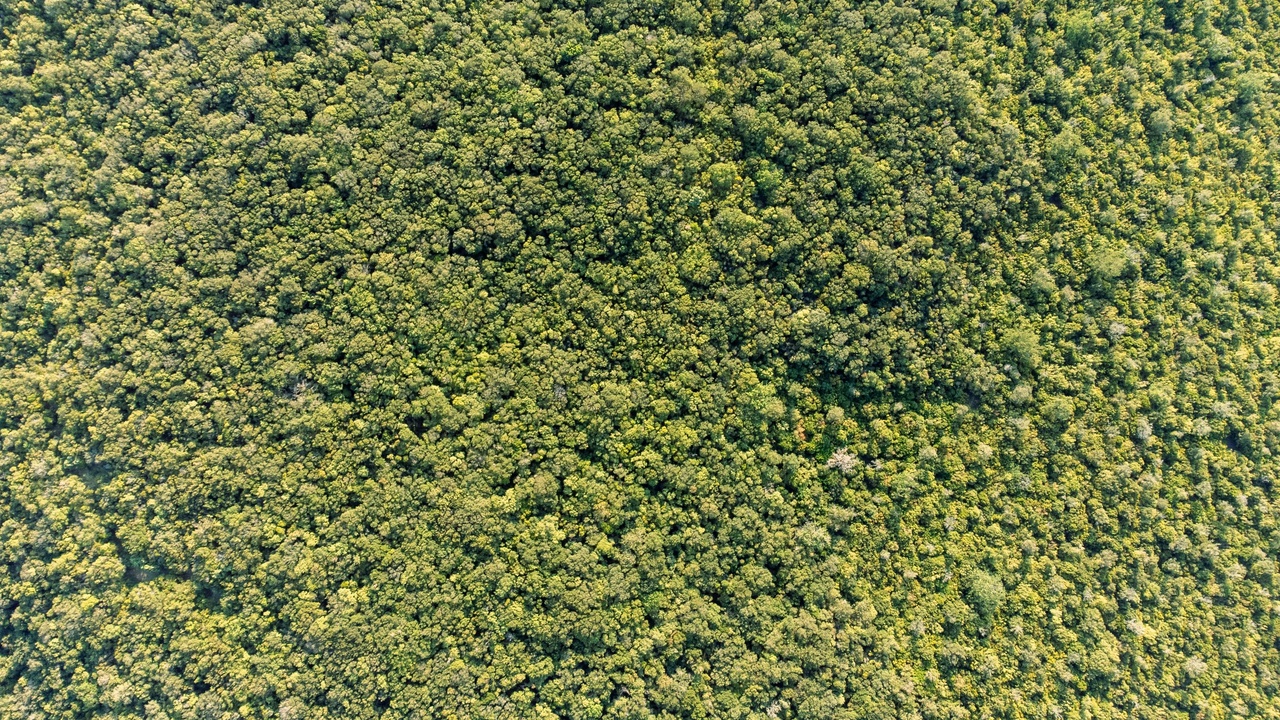
Deciduous forests are resilient, but they face mounting pressures: land conversion and fragmentation, invasive pests and pathogens, and climate-driven range shifts. The following two facts summarize the main risks and the practical restoration strategies that have produced measurable gains in many temperate regions.
9. Facing Fragmentation, Invasive Pests, and Land-Use Change
Primary threats include habitat fragmentation from roads and development, agricultural conversion, and outbreaks of nonnative pests and diseases. The emerald ash borer—first detected in North America around 2002—has killed tens of millions of ash trees across the continent, reshaping forest composition and timber value (USDA APHIS 2002–present). Fragmentation creates edge effects that reduce interior-habitat specialists and hinder movement corridors, while urbanization increases impermeable surfaces and changes local hydrology, raising flood and erosion risks.
10. Conservation Successes and Practical Restoration Strategies
Conservation and restoration can—and do—work. Large areas of northeastern U.S. forest regrew after 19th-century farm abandonment, demonstrating natural recovery when land-use pressures decline. Successful programs combine protected-area expansion, creation of riparian and wildlife corridors, targeted native-plantings, and pest-management efforts led by agencies and land trusts (e.g., regional land trust networks and national park services). Community tree-planting, citizen science monitoring, and support for native-seed programs are practical ways the public contributes to recovery.
Actions readers can take include supporting local land trusts, volunteering for restoration plantings, reporting suspect invasive pests to state forestry offices, and favoring native species in yard plantings to strengthen landscape connectivity and resilience.
Summary
- Deciduous forests cycle through four seasons and return key nutrients via leaf litter, supporting layered plant and animal communities.
- They store meaningful carbon (tens to a few hundred tonnes per hectare in many stands) and moderate microclimates, benefiting nearby people and economies (IPCC 2021; USDA Forest Service).
- These woodlands supply timber and seasonal products, attract millions of visitors (Great Smoky Mountains ~12 million pre-pandemic; NPS 2019), and underpin cultural traditions like maple sugaring and momijigari.
- Major threats—fragmentation, invasive pests like emerald ash borer (first detected ~2002), and land conversion—are serious but addressable through protection, corridors, native restoration, and community action.
- Practical steps: support a local land trust or national park program, join a tree-planting event, and reduce invasive spread by cleaning gear—small actions that add up to stronger, healthier forests.