10 Facts About Deforestation Impacts
In 1988 satellite imagery made something unmistakable: vast swaths of the Amazon were disappearing and the loss was visible from orbit. That moment helped move forest loss from a local problem to a global alarm bell.
Deforestation reshapes climate, biodiversity, soils and the lives of people who depend on trees. This piece presents 10 facts about deforestation impacts grouped into four categories — Environmental, Climate & Carbon, Biodiversity & Ecosystem Services, and Human & Economic — so you can see what’s at stake and where action matters.
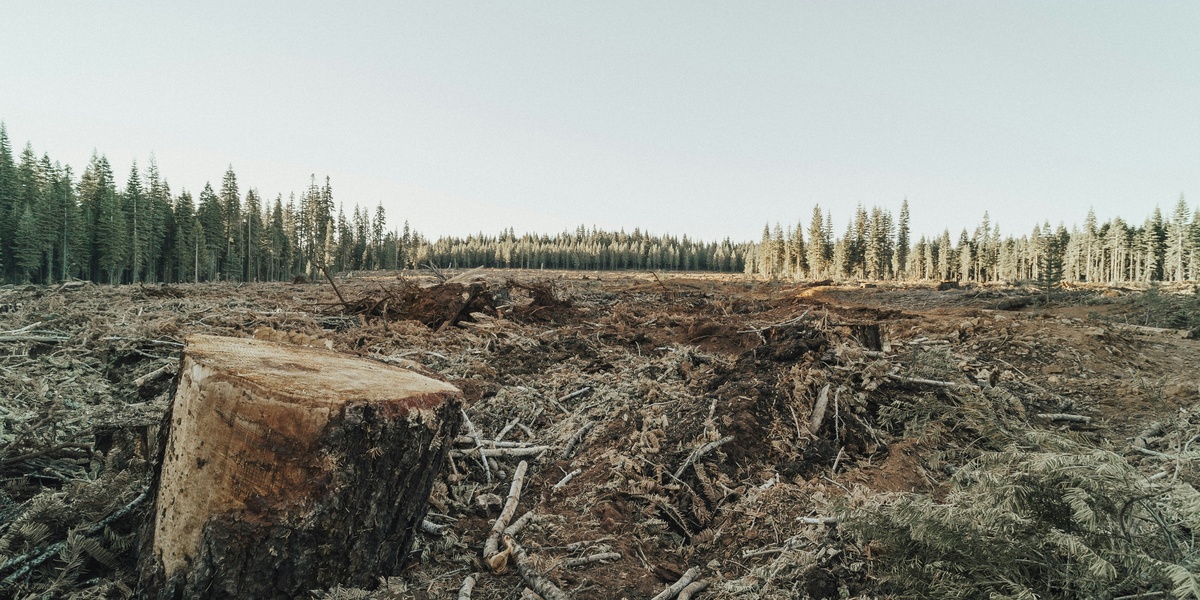
The stakes are large: according to the FAO, the world lost roughly 178 million hectares of forest between 1990 and 2020, and those losses ripple through water, fire regimes, species survival and livelihoods.
Environmental impacts
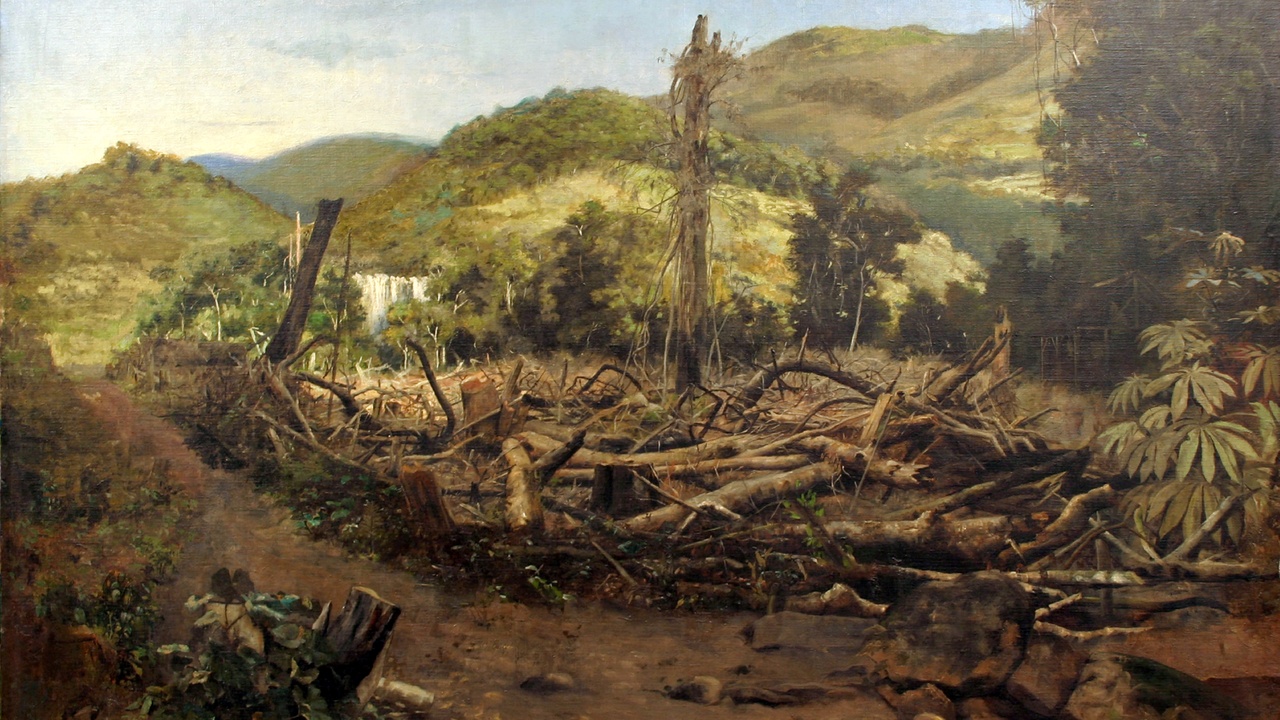
Removing tree cover changes the physical landscape: soils become exposed, rivers carry more sediment, and fire behavior shifts. The three facts below show direct, local consequences that add up across regions.
1. Rapid soil erosion and loss of productive land
Trees and their roots bind soil; when forests are cleared, rain and wind can strip topsoil far more quickly than on vegetated land. Regional studies document several-fold increases in erosion rates after major clearing events, sending sediment downstream and filling reservoirs.
For farmers, losing the topsoil means lower yields and higher spending on fertilizers to maintain production. In Sumatra, expansion of plantations onto steep hills has been linked to severe hillside erosion and gullying that reduces productive land area in just a few years.
2. Disrupted water cycles and altered rainfall patterns
Trees return moisture to the atmosphere through transpiration, helping form clouds and sustaining local rainfall. Large-scale clearing reduces that recycled moisture and can lower local precipitation, especially in dry seasons.
The consequences are practical: cities and farms can face reduced dry‑season flows, and hydropower projects suffer from variable inflows. Parts of the Amazon and Indonesia have shown measurable shifts in seasonal streamflow and shorter periods of reliable water after extensive forest loss.
3. Higher wildfire risk and longer fire seasons
Removing canopy cover dries fuels and, where peatlands are drained for agriculture, creates conditions for deep, persistent fires that are hard to extinguish. Cleared land and degraded forests burn more easily and more widely than intact forest.
The 2015 Southeast Asian haze (driven by peatland fires in Indonesia) and recurrent Amazon fire spikes tied to clearing show the human toll: widespread air pollution, respiratory illness, and major economic disruption from lost timber and tourism.
Climate and carbon-cycle impacts
Forests are major carbon reservoirs. Clearing them releases stored carbon and reduces the land’s ability to absorb future CO2 — a double hit for the climate. The three facts below summarize how forest loss drives emissions and alters regional climate.
4. Significant source of greenhouse gas emissions
Land-use change, including deforestation, is a measurable contributor to global greenhouse-gas emissions. Assessments by bodies such as the IPCC and FAO indicate that land-use emissions make up on the order of roughly 10% of anthropogenic greenhouse-gas emissions.
When forests are cleared and burned — whether in the Amazon or during peatland conversion in Indonesia — large pulses of CO2 (and other greenhouse gases from peat) enter the atmosphere, complicating national emissions accounting and climate commitments.
5. Loss of carbon sinks undermines climate mitigation
Intact forests sequester carbon year after year. Removing them lowers the landscape’s net carbon uptake, meaning countries must rely more on expensive technological removals or cut deeper elsewhere to meet climate goals.
Programs such as REDD+ (Reducing Emissions from Deforestation and Forest Degradation) try to monetize avoided deforestation so protecting sinks becomes financially viable. But project reversals or illegal clearing can cancel out carbon credits and reduce trust in markets.
6. Regional climate feedbacks: warmer, drier, less predictable weather
Beyond global emissions, forest loss alters surface temperatures and rainfall locally. Replacing forests with pasture or cropland often raises surface temperatures and reduces cloud formation, producing warmer and drier microclimates.
For farmers, that means shifting planting windows, higher irrigation needs and greater risk of crop failure. Studies in South America show local warming and reduced cloud cover following extensive forest‑to‑pasture conversion.
Biodiversity and ecosystem-service impacts

Forests are among the planet’s richest reservoirs of species and provide services — pollination, pest control, medicines, nutrient cycling — that people and economies rely on. Below are two core impacts on biodiversity and services.
7. Major driver of species loss and increased extinction risk
Habitat loss from deforestation is a leading cause of biodiversity decline. The IPBES assessment finds that up to one million species face elevated extinction risk globally, with habitat loss a primary driver.
On the ground, fragmentation isolates populations, undermines breeding and genetic exchange, and makes species like orangutans in Borneo and Sumatra or jaguars in the Amazon far less resilient. These extinctions erode ecosystem stability and the services those systems provide.
8. Loss of ecosystem services: pollination, medicines, and water purification
Forests sustain pollinators, harbor species that become pharmaceuticals, and filter water naturally. When forest cover declines, so do these services — and the economic costs show up in lower crop yields, lost drug discoveries and higher water treatment bills.
For example, many crop systems rely on wild pollinators that use forested habitat; clearing that habitat reduces pollination services and forces farmers to use hand pollination or accept lower yields. Likewise, dozens of modern medicines trace back to compounds discovered in tropical trees.
Human, economic, and social impacts
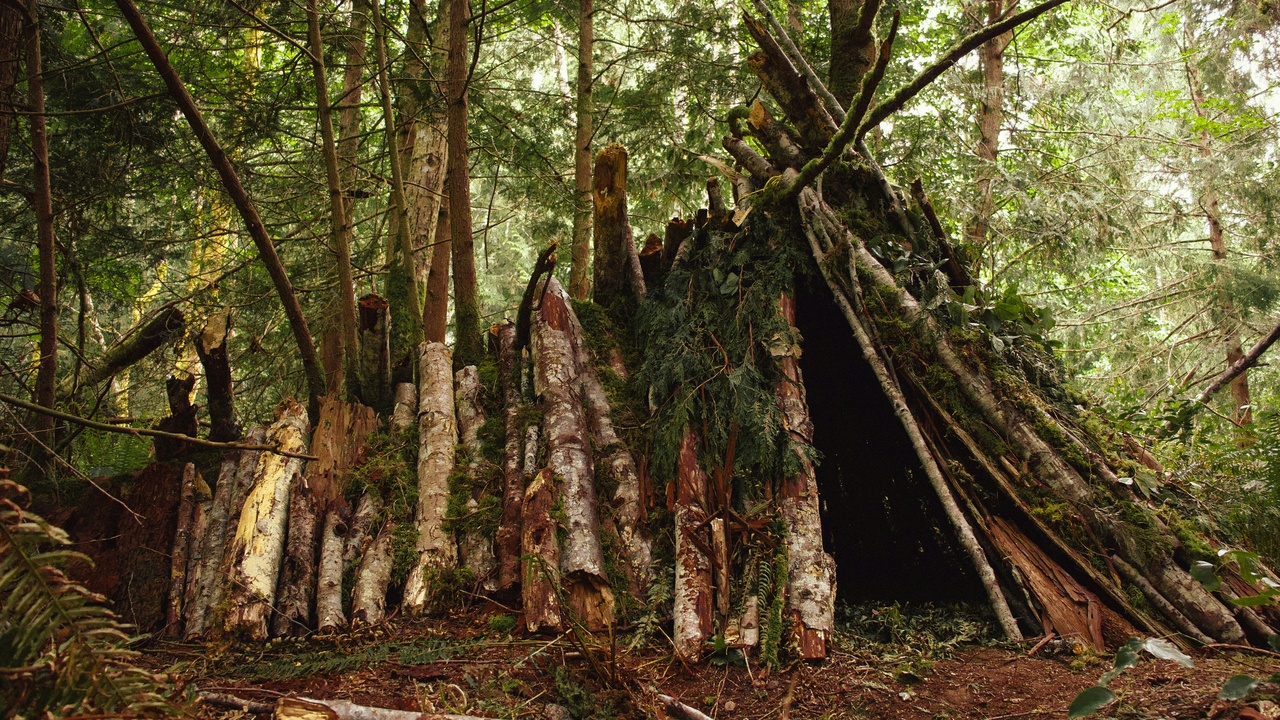
Forests support livelihoods, cultural identities, and local economies. Deforestation can produce short-term gains but long-term social and economic pain. The two facts below highlight human dependence and the trade-offs at play.
9. Threats to livelihoods, culture, and indigenous rights
Roughly 1.6 billion people depend on forests for at least part of their livelihoods, including food, fuel, and cultural practices. When forests are cleared, those livelihoods — and the rights that protect them — are often the first casualties.
Clearing can lead to displacement, loss of access to medicinal plants and hunting grounds, and violent land conflicts. Examples in the Amazon and Indonesia show repeated disputes where smallholders and indigenous communities clash with agricultural or logging interests over customary territory.
10. Economic trade-offs: short-term gains, long-term losses
Converting forests to agriculture or plantations often boosts short-term GDP through timber, palm oil or cattle. But those gains can mask long-term costs: reduced soil fertility, higher flood and drought damage bills, lost tourism, and diminished ecosystem services necessary for continued productivity.
Brazil’s expansion of cattle ranching and soy, and Indonesia’s palm-oil-driven conversion of peatlands, generated immediate incomes but also created recurring costs from erosion, fires and loss of water security. Policy responses — such as supply‑chain sourcing commitments, payments for ecosystem services, and stronger land-tenure protections — can help rebalance these trade-offs.
Summary
- Land-use change accounts for roughly 10% of global greenhouse-gas emissions (IPCC/FAO), and protecting forests preserves a low‑cost climate mitigation pathway.
- The FAO estimates about 178 million hectares of forest were lost from 1990–2020, while roughly 1.6 billion people depend on forests for at least part of their livelihoods.
- Habitat loss from clearing is a principal driver of biodiversity decline (IPBES: up to 1 million species threatened) and reduces ecosystem services such as pollination, water purification and medicinal discoveries.
- Local impacts — increased erosion, disrupted water cycles, longer fire seasons and economic displacement — mean that commodity profits today can translate into higher social and environmental costs tomorrow.
- Practical steps: support responsible supply chains and certified products, back restoration and conservation finance (e.g., REDD+), and protect indigenous land rights to align incentives for long-term forest stewardship.