Early 20th-century maps show vast swathes of North America’s tallgrass prairie—most of which have since been turned into farmland, leaving less than 4% of the original tallgrass intact.
That loss matters. Grasslands store soil carbon, host large migrations, and support livelihoods across continents.
Grassland ecosystems are vital to planetary health, human livelihoods, and biodiversity; understanding nine core facts about them explains their outsized ecological and economic importance and why conserving them matters now.
This piece outlines nine essential facts grouped into three themes: ecological roles; biodiversity and species interactions; and human uses, threats, and conservation. Read on for concrete examples and actions that work.
Ecological Roles of Grasslands
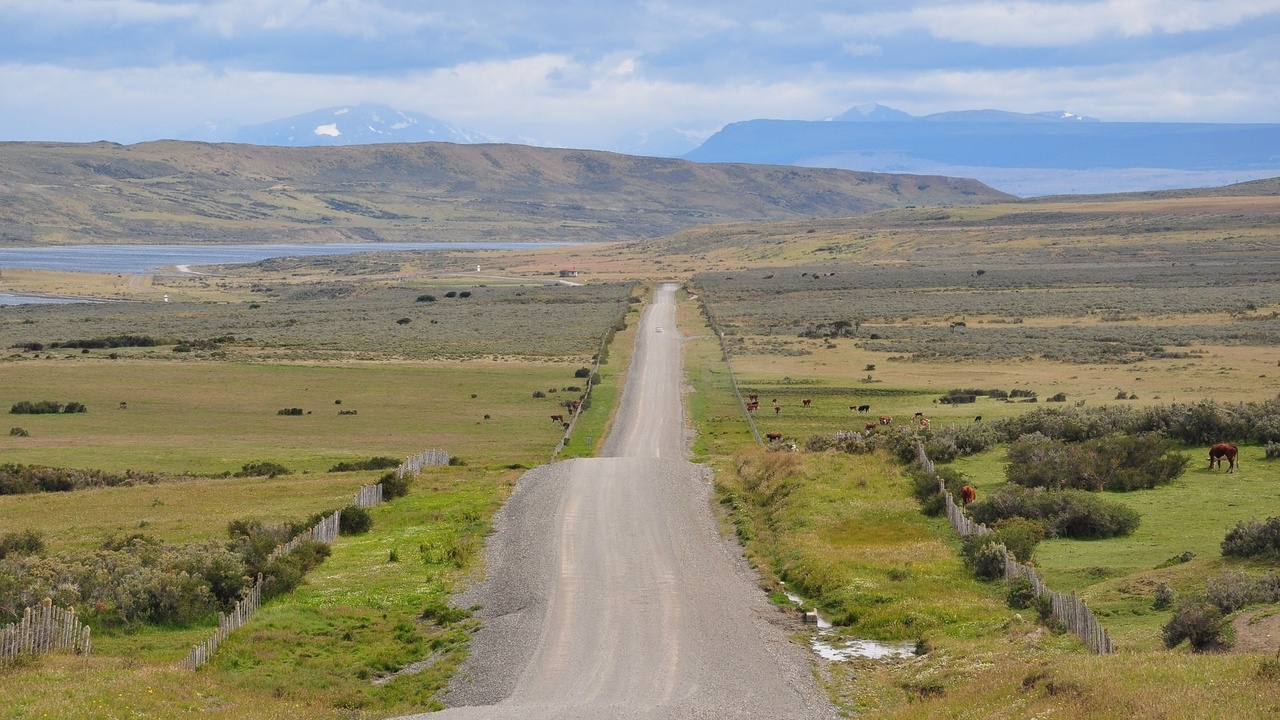
Grasslands perform core ecosystem functions: primary productivity, soil formation, water regulation, and disturbance dynamics driven by fire and grazing. They cover roughly 40% of Earth’s land surface and store substantial carbon belowground. The facts below show how those services operate at landscape scale and why they matter for climate and people.
1. Primary Productivity and Carbon Storage
Grasslands are highly productive systems that store a large share of their carbon in soils and roots rather than in woody biomass, and they cover about 40% of terrestrial land, making their soils a key carbon pool; in many grasslands the soil carbon pool equals or exceeds aboveground carbon, according to assessments by FAO and IPBES, so protecting intact grasslands and restoring degraded ones can be a real climate mitigation tool, as prairie restoration projects that reintroduce deep-rooted bunchgrasses have shown measurable carbon gains within decades when soils and root systems recover and accumulate organic matter.
2. Soil Formation and Water Regulation
Grassland soils tend to be deep and rich in organic matter, which increases infiltration and reduces surface runoff and erosion, and intact native prairie landscapes act as sponges that recharge aquifers and trap sediments and nutrients before they reach rivers; practical steps like prairie buffer strips in the U.S. Midwest have reduced nutrient runoff into the Mississippi, rotational grazing and cover crops lower sediment loads and improve forage, and the Prairie Pothole Region—an area of grassland wetlands—supports more than half of North America’s breeding ducks, illustrating the links between grassland hydrology and productive freshwater habitat.
3. Fire Regimes and Disturbance Dynamics
Fire and grazing are essential processes that maintain grassland structure by favoring grasses over woody plants; many temperate prairies experienced fires historically on the order of every one to ten years, which limited shrub encroachment and promoted diverse herbaceous communities, and modern prescribed burning—used in places like the Flint Hills of Kansas and in South African grassland conservation programs—has been shown to increase native forb cover, reduce woody invasion, and improve habitat quality when applied on appropriate seasonal and rotational schedules.
Biodiversity and Species Interactions
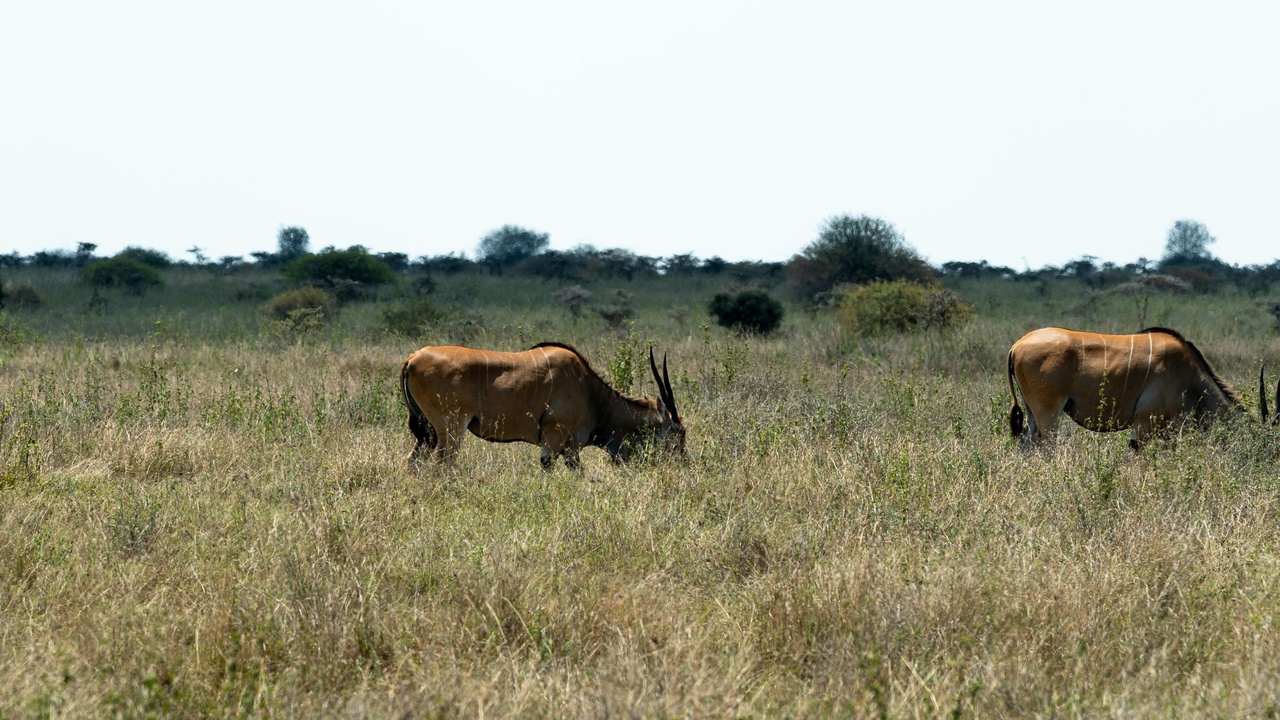
Grasslands host distinct assemblages of grazers, predators, pollinators, and rich soil biota. They can be species-rich and support iconic migrations plus many specialist plants and insects. The following facts show those interactions at work.
4. Habitat for Large Herbivores and Seasonal Migrations
Many grasslands support large, migratory herbivores and their predators; the Serengeti–Mara migration moves roughly 1.5 million wildebeest each year and that mass movement redistributes nutrients, shapes grass height and composition through grazing pressure, and sustains large predators and scavengers, and closer to home efforts to restore North American bison on prairie reserves show how reintroduced herbivores can help rebuild ecological processes while generating tourism and cultural value, just as pastoralist systems in the Sahel and Mongolia sustain livelihoods tied directly to seasonal grassland productivity.
5. Pollinators, Plant Diversity, and Food Security
Native grasslands support diverse flowering plants that sustain pollinators critical for crops and wild plants; wild pollinators contribute to pollination of roughly three-quarters of crop species, and maintaining or restoring native grassland patches and wildflower strips adjacent to farmland boosts pollinator abundance and crop yields, as shown by European agri-environment schemes and temperate prairie studies that highlight benefits to bumblebees, solitary bees, and specialist butterflies and to crops such as apples, alfalfa, and many vegetables.
6. Belowground Biodiversity: Soil Food Webs
Much of a grassland’s biodiversity lives belowground in microbes, fungi, and invertebrates that drive nutrient cycling and plant health; arbuscular mycorrhizal fungi enhance nutrient uptake for perennial grasses, earthworms and microbes process organic matter into plant-available nutrients, and restoration trials routinely show faster plant community recovery and better forage quality where soil microbial diversity is preserved or reintroduced through inoculation, underlining that aboveground recovery often depends on a healthy soil food web.
Human Uses, Threats, and Conservation
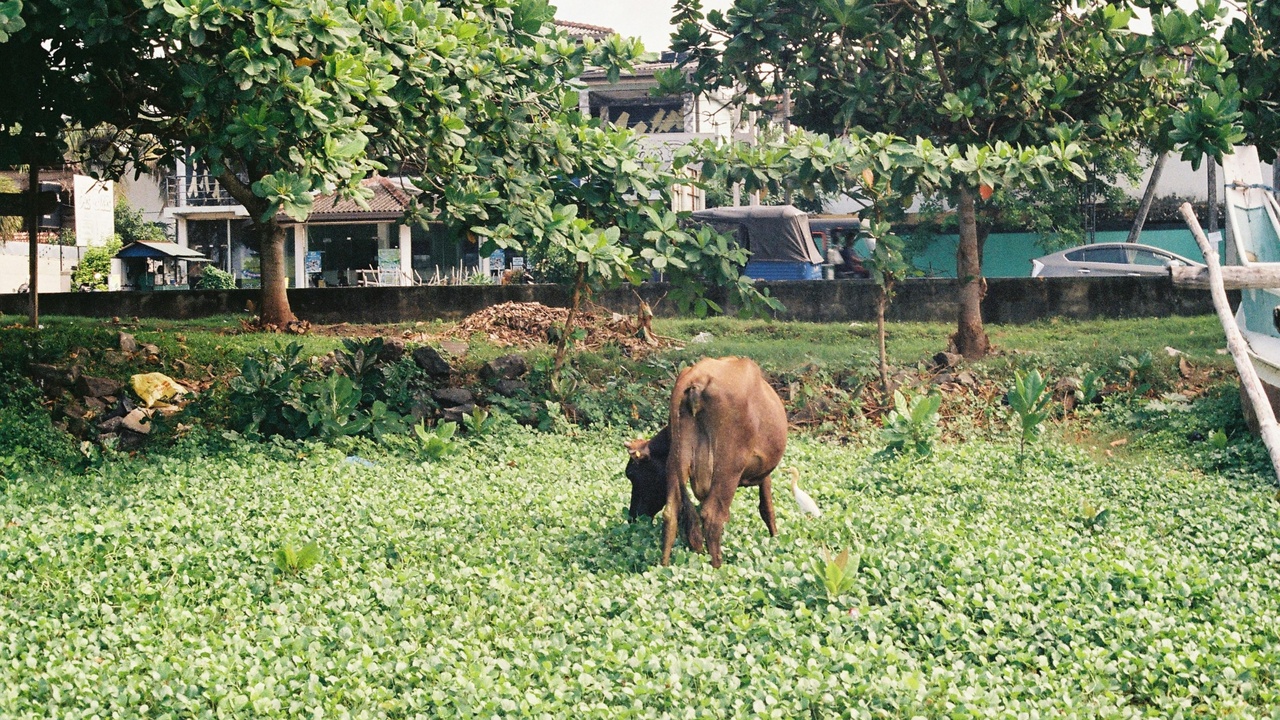
Grasslands provide forage, cultural identity, and a suite of services, but they face intense pressures from conversion, fragmentation, invasive species, and altered fire regimes. The next facts cover livelihoods, the scale of loss, and promising conservation outcomes.
7. Agriculture, Livelihoods, and Cultural Importance
Grasslands underpin global livestock systems and the livelihoods of millions of pastoralists worldwide; mobile herding and rotational systems in Mongolia, community rangeland management across parts of Africa, and traditional cattle ranching on the Argentine pampas all show how cultural practices are tied to grassland productivity, and when grazing is managed to match forage growth—through rotational grazing or herd mobility—it can maintain biodiversity and sustain livelihoods simultaneously, especially where local governance and customary rights support adaptive management.
8. Threats: Conversion, Fragmentation, and Invasive Species
Conversion to cropland and urban development is the leading cause of grassland loss; for example, tallgrass prairie now survives at less than 4% of its original extent, and large-scale agricultural expansion—such as accelerating cropland and soy cultivation in the Brazilian Cerrado—has fragmented once-connected grassland tracts, reducing habitat connectivity, degrading pollinator networks, and releasing soil carbon, while fire suppression and invasive grasses or woody encroachment further shift ecosystem function, making restoration more costly and complex.
9. Conservation and Restoration Successes
Restoration and policy actions can and do recover grassland functions; native-seed prairie restorations, bison reintroduction projects on public and private reserves, and European agri-environment payments for meadow restoration have led to measurable increases in native plant richness and improvements in soil carbon within five to twenty years in many cases, and combining controlled burns, managed grazing, and targeted invasive-species control with incentives such as payments for ecosystem services delivers both biodiversity gains and benefits to local livelihoods.
Summary
- Grasslands cover roughly 40% of Earth’s land and are major soil carbon stores.
- Tallgrass prairie loss is severe (now <4% remains), yet restoration—like bison reintroduction and native-seed plantings—shows measurable recovery.
- Grasslands support huge migrations (Serengeti ~1.5 million wildebeest) and diverse pollinators and soil communities essential for food security.
- Practical tools—prescribed fire, rotational grazing, buffer strips, and agri-environment incentives—work when paired with local stewardship.
- Learn about local grassland conservation and support policies that protect native prairies and savannas.