Belize protects part of a 300-kilometer coral reef and records roughly 600 bird species — a small country with outsized wildlife riches.
From jaguars in the Maya Mountains to hawksbill turtles on remote cayes, these famous animals of Belize connect culture, tourism, and conservation in ways that matter locally and globally.
Wildlife shapes national identity and supports livelihoods: ecotourism draws photographers, birders, and divers, while cultural traditions reference many native species. Belize’s land area is just 22,966 km², yet protected areas and community reserves punch well above their weight for biodiversity protection. A concrete conservation milestone came in 1996, when the Belize Barrier Reef Reserve System earned UNESCO World Heritage status, reinforcing marine protections that benefit a host of terrestrial and ocean species.
This article profiles eight iconic species grouped into three categories — land mammals, birds & reptiles, and marine icons — and highlights how protected areas, community programs, and guided tourism support their survival.
Iconic Land Mammals
Large terrestrial mammals shape forest structure and biodiversity in Belize. As apex predators and seed dispersers, they influence prey populations, plant regeneration, and nutrient flows across lowland and montane forests.
These species underlie a thriving ecotourism sector: guided wildlife walks, photographic safaris, and community-led tours generate income while fostering local stewardship. Protected areas such as Cockscomb Basin Wildlife Sanctuary and reserves in the Maya Mountains are vital jaguar strongholds and provide habitat connectivity for tapirs and primates.
Threats include habitat loss from agriculture and development, road fragmentation, and illegal hunting, but ongoing conservation initiatives — from government reserves to community monitoring — are working to maintain corridors, expand protection, and engage locals in stewardship. Below are three land mammals that best illustrate these dynamics.
1. Jaguar (Panthera onca)
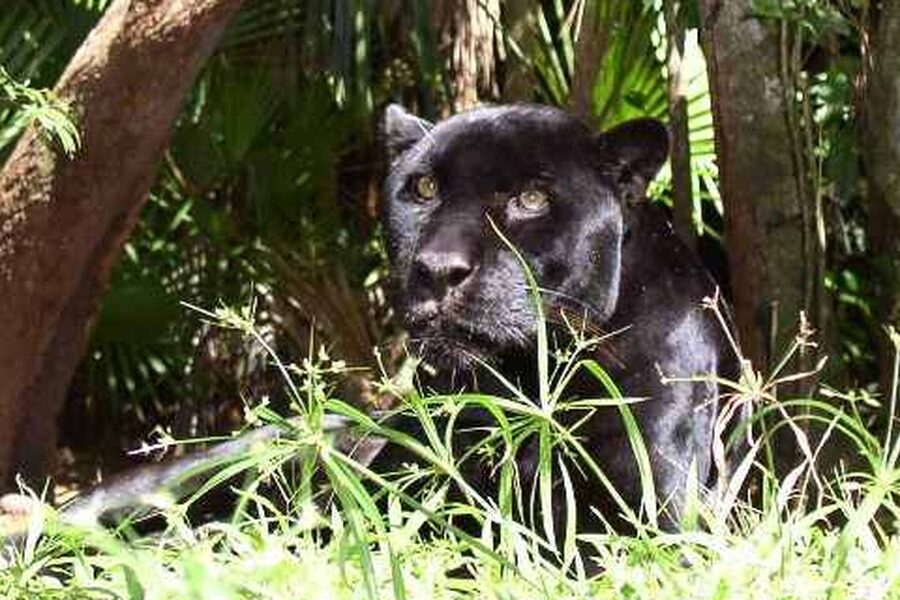
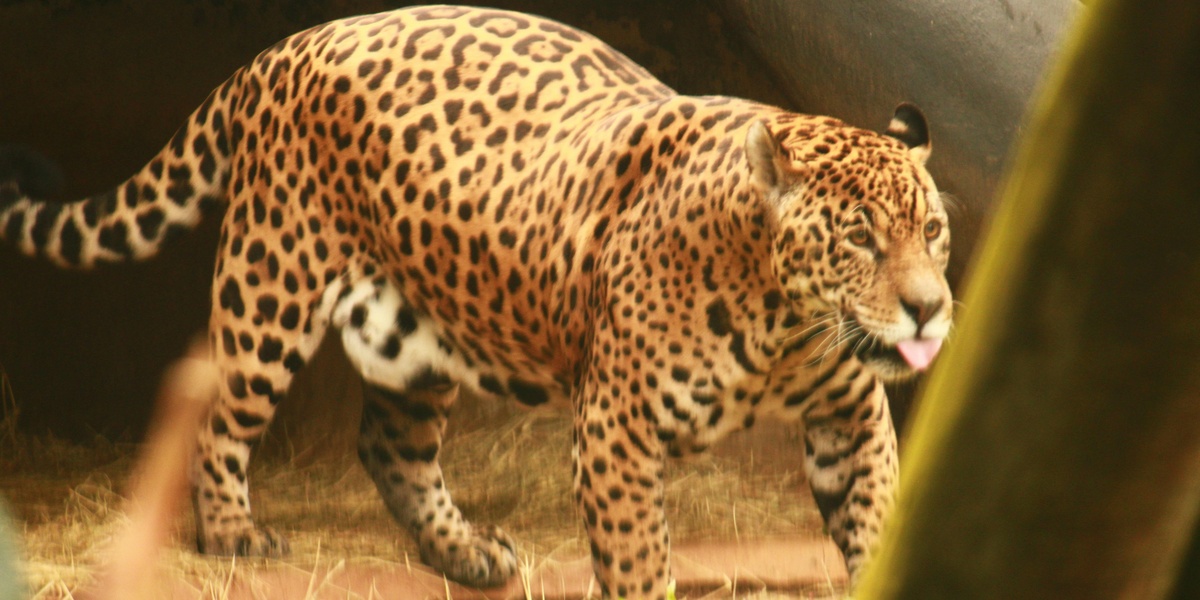
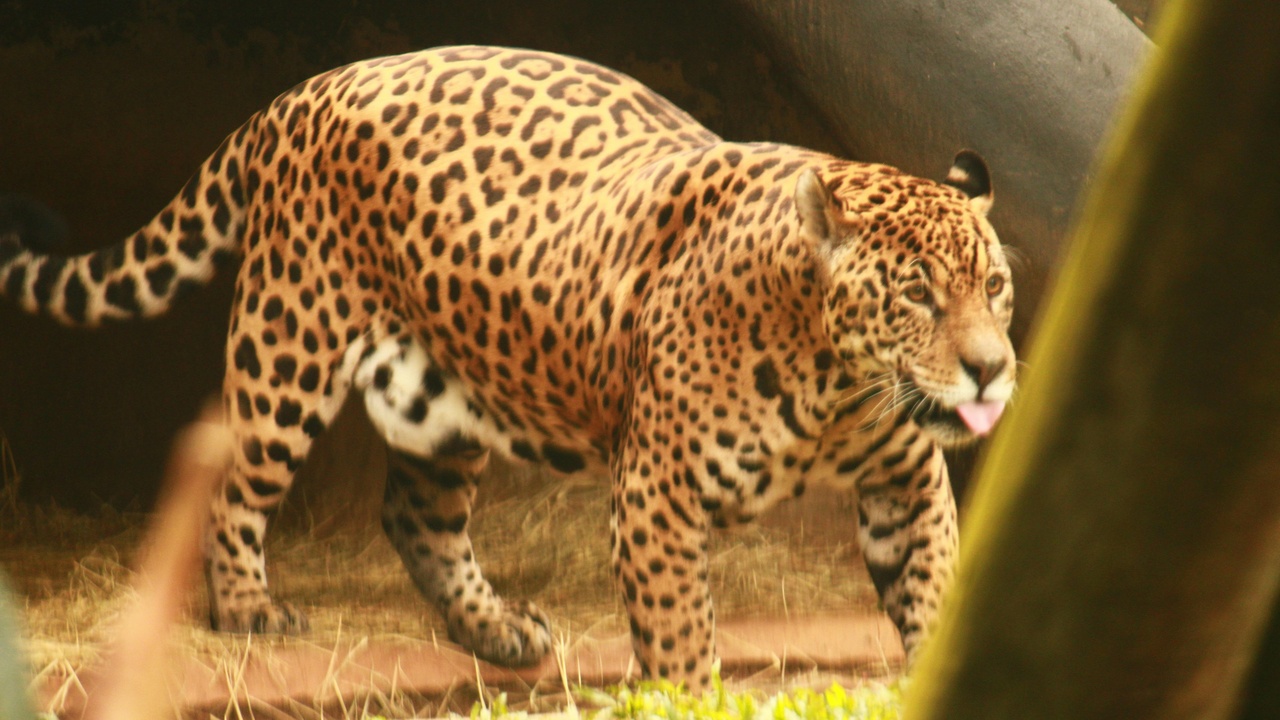
The jaguar is Belize’s most iconic big cat and a regional apex predator whose presence signals healthy ecosystems.
Classified as Near Threatened by the IUCN, jaguars in Belize benefit from large protected tracts and transboundary corridors that link populations across Central America. Camera-trap studies and long-term monitoring in places like Cockscomb Basin Wildlife Sanctuary document individuals and help guide management decisions.
Beyond ecology, jaguar-focused ecotourism brings revenue to local communities: photographic-tour operators and guided tracking trips hire local guides, fund conservation fees, and create incentives to preserve forested corridors rather than convert them.
2. Baird’s Tapir (Tapirus bairdii)
Baird’s tapir is the largest terrestrial mammal in Central America and a flagship species for Belize’s forests.
Listed as Endangered, tapirs depend on intact forest and reliable freshwater sources. They move seeds over long distances and play a keystone role in forest regeneration, making them an effective indicator of habitat health.
Tapirs are monitored in the Maya Mountains and adjacent reserves, where community-based programs record sightings and educate residents. Conserving tapirs means maintaining large tracts of continuous forest and riparian corridors that benefit many other species.
3. Yucatán Black Howler Monkey (Alouatta pigra)
The Yucatán black howler is Belize’s vocal forest resident, famous for dawn and dusk choruses that can carry across the canopy.
Howler troops often range from around 10 to 30 individuals and feed mainly on leaves and fruit, making them important seed dispersers for many tree species. Their loud calls are a staple of lowland forest soundscapes and an immediate sign of healthy primate communities.
Visitors commonly encounter howlers on morning or evening guided walks in community reserves and protected lowland forests, where the monkeys contribute to wildlife-watching itineraries and local environmental education programs.
Birds and Reptiles of Note
Belize is a hotspot for colorful birds and resilient reptiles, recording roughly 600 bird species and a rich assemblage of crocodilians, snakes, and lizards across its mangroves, wetlands, and forests.
Birds and reptiles feature prominently in tourism, indigenous culture, and local conservation programs. Organizations such as the Belize Audubon Society run monitoring and nest-protection initiatives, while wetlands like Crooked Tree Wildlife Sanctuary are magnets for birdwatchers.
Key threats include habitat degradation and the illegal pet trade, which particularly affect macaws; mangrove clearance and pollution that harm estuarine reptiles; and broader land-use change that fragments feeding and nesting habitat. Community-driven efforts and sanctuary management aim to reduce trade pressures, protect nesting trees, and restore critical habitats.
4. Scarlet Macaw (Ara macao)
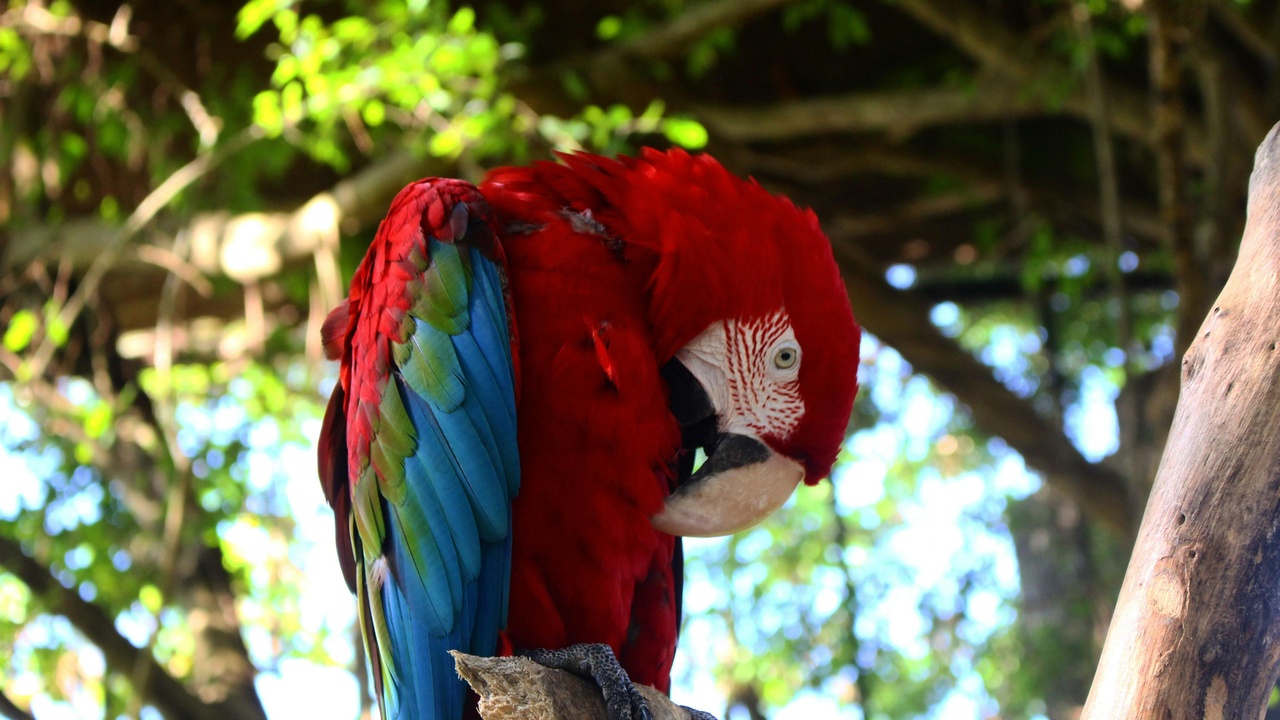
The scarlet macaw is a flagship species for southern Belize: spectacular, social, and culturally significant to Maya-descended communities.
Threats from the pet trade and forest loss have reduced numbers historically, but recovery efforts led by NGOs, the Belize Audubon Society, and local communities focus on protecting nest trees, monitoring flocks, and running education campaigns.
Macaw sightings attract wildlife tourists and support community-based guides. In the Maya Mountains region, nest-protection projects and reintroduction efforts have helped stabilize local populations while providing economic incentives to safeguard mature forest patches.
5. Keel-billed Toucan (Ramphastos sulfuratus)
The keel-billed toucan is an easily recognized forest resident and a national symbol of Belize.
Its bright, multicolored bill helps it feed on a variety of fruits, and toucans are effective seed dispersers that connect canopy trees across the landscape. Toucan imagery appears on tourism materials and local postage stamps, reinforcing its cultural role.
Visitors spot toucans on guided birding routes at Crooked Tree and other reserves, where they are a staple sight for morning tours and lodge-based wildlife watching.
6. American Crocodile (Crocodylus acutus)
The American crocodile inhabits Belize’s coastal lagoons, mangroves, and estuaries and is a conservation success relative to some neighboring countries.
Populations are relatively stable in well-managed coastal zones, where protected mangroves serve as nursery habitat and support fisheries. As an apex aquatic predator, the crocodile plays a key role in estuarine food webs, yet occasional human–wildlife conflicts require careful management.
Mangrove protection benefits both crocodiles and local fisheries, and community-based boat operators offer safe, informative crocodile-spotting tours that fund conservation and raise awareness about estuarine health.
Marine Icons of Belize
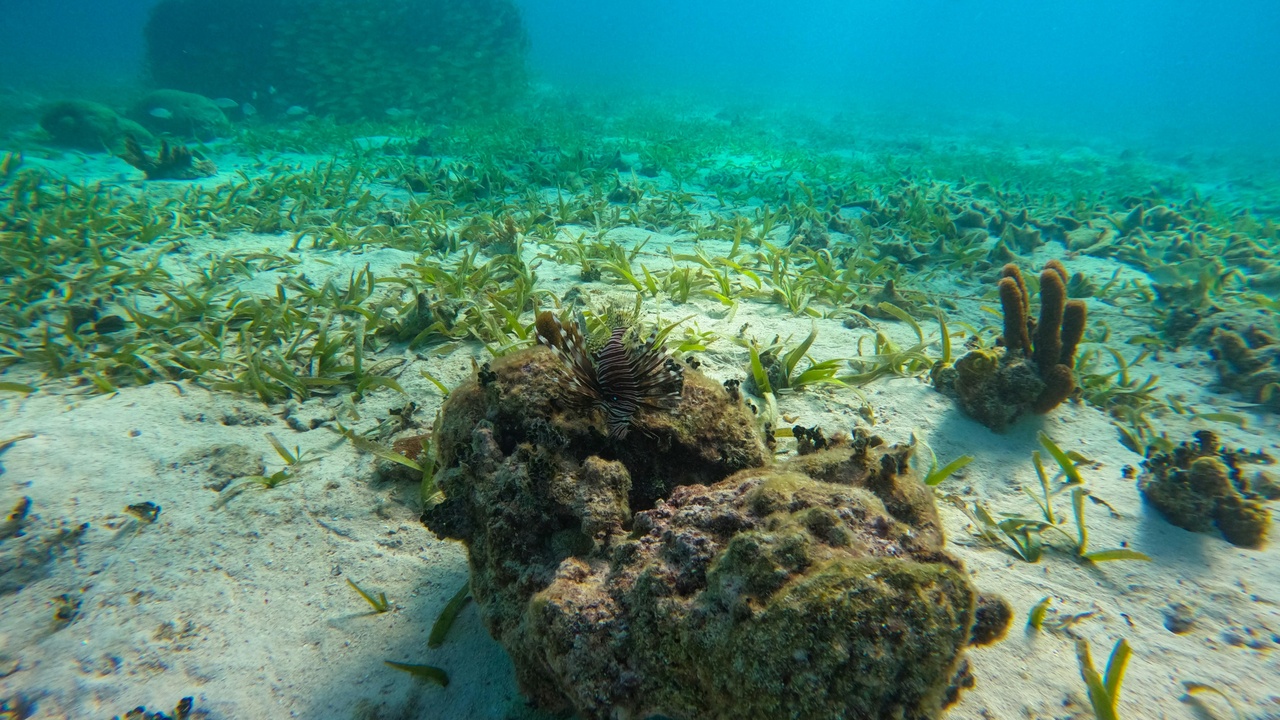
The Belize Barrier Reef Reserve System spans roughly 300 kilometers and was inscribed as a UNESCO World Heritage Site in 1996, which helped catalyze marine conservation and sustainable tourism policies.
The reef underpins marine biodiversity, supporting reef fish, corals, and megafauna that draw divers and snorkelers worldwide. Economic value from dive tourism, fisheries, and coastal protection creates strong incentives to maintain healthy seascapes and manage human impacts.
Glover’s Reef, the southern cayes, and other atolls and lagoons provide key nesting and foraging sites for turtles and critical habitat for seagrass-dependent species. Marine protections, patrols, and community patrols combine to reduce poaching and improve nesting success on vulnerable beaches.
7. Hawksbill Turtle (Eretmochelys imbricata)
The hawksbill is one of four sea turtle species that nest on Belizean beaches and a reef-associated turtle vital to coral ecosystems.
Classified as Critically Endangered, hawksbills benefit from nest-protection programs and nighttime beach patrols that reduce egg poaching and increase hatchling survival. Glover’s Reef and the southern cayes are particularly important nesting and foraging areas for this species.
Conservation measures include community-run beach monitoring, regulated tourism that times visits to avoid disturbance, and hatchling-release programs that engage visitors and fund local protection efforts, all of which support both turtle recovery and responsible ecotourism.
8. West Indian Manatee (Trichechus manatus)
The West Indian manatee is a gentle marine herbivore that uses Belize’s shallow lagoons, river mouths, and seagrass beds.
Manatees are threatened and maintain small, closely monitored populations in Belize. Surveys conducted by the Belize Fisheries Department track numbers and distribution, while rescue and rehabilitation efforts respond to injured or orphaned individuals.
Low-impact manatee-watching and outreach programs raise awareness without stressing animals, and protecting seagrass and mangrove habitats benefits manatees and coastal fisheries alike. Community reporting networks and occasional rescue operations provide a safety net for this vulnerable species.
Summary
- Belize’s protected areas (from Cockscomb Basin to Glover’s Reef) and community programs are central to conserving its most famous animals of Belize and the ecosystems they require.
- Wildlife-based tourism—photographic jaguar tours, macaw nest protection visits, reef diving, and turtle hatchling releases—links conservation to livelihoods and incentivizes habitat protection.
- Specific conservation milestones, like the 1996 UNESCO inscription, plus ongoing local monitoring (Belize Audubon Society, Belize Fisheries Department, and community patrols) have measurable benefits for species recovery.
- Travel responsibly: support community-run tours and local conservation groups, respect nesting seasons, and follow guidance on wildlife viewing to help these species thrive.