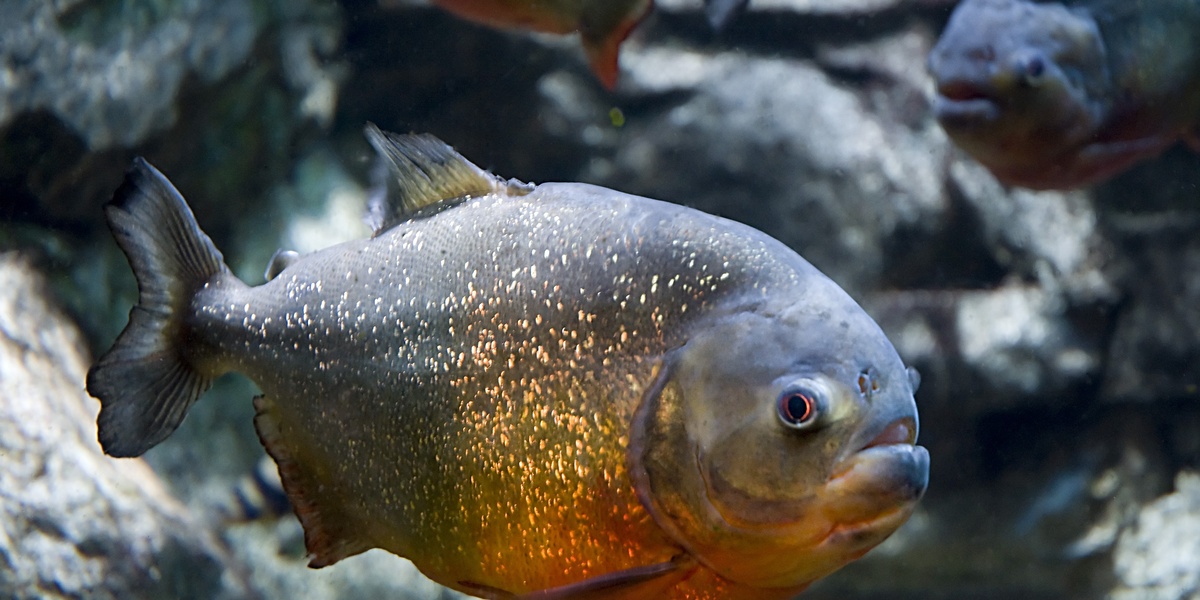
Brazil’s waterways and coastline hold an extraordinary mix of habitats — from the flooded forests of the Amazon and clear inland lakes to rocky Atlantic reefs and open ocean. That variety supports species adapted to fast rivers, slow backwaters, brackish estuaries and offshore currents, so a single list can highlight very different fish lives and roles in local ecosystems and fisheries.
There are 20 Fish of Brazil, ranging from Arapaima to Yellowfin tuna. For each species you’ll find below the Scientific name, Habitat & range, and Max size (cm), presented so you can quickly compare freshwater, estuarine and marine species and pick out the ones relevant to your interest.
Which species on the list are primarily freshwater versus marine?
About half the list focuses on freshwater and estuarine species (like Arapaima and various characins) while the others are coastal or pelagic (including Yellowfin tuna). Check the Habitat & range column below to see where each species spends most of its life and whether it moves between fresh and salt water.
How accurate are the max size numbers and how should I use them?
Max size figures are typically straight-line or total-length records from scientific literature or fisheries data; they show potential adult size but not the size you’ll commonly encounter. Use them as a guide for species comparison, gear planning, or habitat suitability rather than an expectation for every individual.
Fish of Brazil
| Common name | Scientific name | Habitat & range | Max size (cm) |
|---|---|---|---|
| Arapaima | Arapaima gigas | freshwater, Amazon basin | 250 |
| Red-bellied piranha | Pygocentrus nattereri | freshwater, Amazon basin & Pantanal | 33 |
| Black piranha | Serrasalmus rhombeus | freshwater, Amazon basin | 40 |
| Tambaqui | Colossoma macropomum | freshwater, Amazon basin & floodplains | 100 |
| Pacu | Piaractus brachypomus | freshwater, Amazon basin & adjacent rivers | 80 |
| Speckled peacock bass | Cichla temensis | freshwater, Amazon basin & floodplains | 90 |
| Redtail catfish | Phractocephalus hemioliopterus | freshwater, Amazon basin | 150 |
| Piraíba | Brachyplatystoma filamentosum | freshwater, Amazon basin | 300 |
| Payara | Hydrolycus scomberoides | freshwater, Amazon basin (clear/blackwater rivers) | 80 |
| Silver arowana | Osteoglossum bicirrhosum | freshwater, Amazon basin | 120 |
| Electric eel | Electrophorus electricus | freshwater, Amazon & Orinoco basins | 250 |
| Wolf fish | Hoplias malabaricus | freshwater, widespread Brazil | 60 |
| Oscar | Astronotus ocellatus | freshwater, Amazon & coastal basins | 35 |
| Bronze cory | Corydoras aeneus | freshwater, Amazon tributaries | 7 |
| Common pleco | Hypostomus plecostomus | freshwater, rivers and floodplains | 50 |
| Atlantic tarpon | Megalops atlanticus | estuary & coastal, Atlantic coast | 250 |
| Bull shark | Carcharhinus leucas | marine/estuary/freshwater, coasts & river mouths | 350 |
| Goliath grouper | Epinephelus itajara | coastal marine, reefs & estuaries | 270 |
| Yellowfin tuna | Thunnus albacares | offshore marine, Atlantic coast | 240 |
| Brazilian sardine | Sardinella brasiliensis | coastal marine, SE Brazil | 25 |
Images and Descriptions
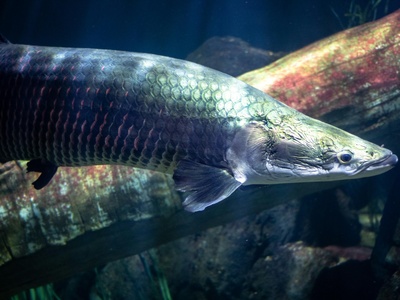
Arapaima
A giant Amazon freshwater fish known as pirarucu, valued for food and cultural importance. It inhabits slow rivers and floodplains, breathes air, can reach huge sizes, and is a flagship species for local fisheries and conservation programs.
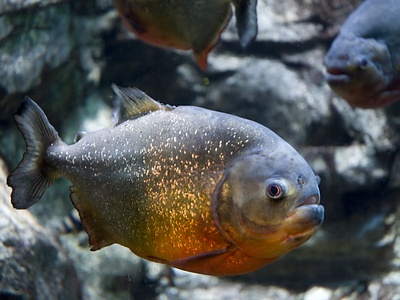
Red-bellied piranha
Iconic red‑bellied piranha famous for sharp teeth and schooling behaviour. Found in Amazon and connected basins, it is opportunistic and small to medium sized, interesting to anglers and researchers and often central in discussions about piranha ecology.
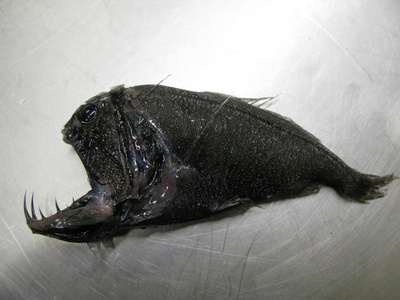
Black piranha
Black piranha is a powerful predatory characin with robust jaws and triangular teeth. Occurring in Amazonia and large rivers, it grows larger than many piranhas and intrigues anglers for its strength and ambush hunting tactics.
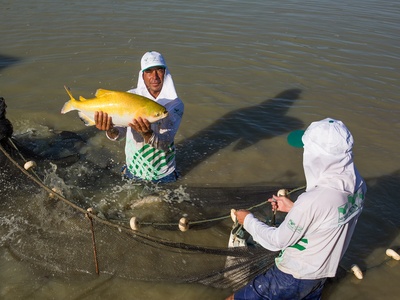
Tambaqui
Tambaqui is a heavy, fruit‑eating characin prized by fisheries and aquaculture. Native to the Amazon and floodplain lakes, it can grow very large, disperses with seasonal floods, and is an important food fish and seed disperser.

Pacu
Pacu is a broad‑toothed relative of piranhas that feeds on nuts, fruits and hard seeds. Found across Amazonian and adjacent rivers, it is popular with anglers and aquarists and is cultivated in regional fish farms.
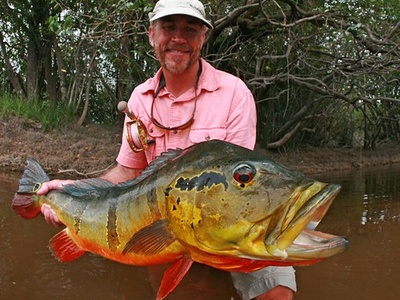
Speckled peacock bass
Speckled peacock bass is a prized sportfish of Amazonian rivers and floodplain lakes. Known for explosive strikes and vivid patterns, it can grow large and supports recreational fisheries and ecotourism across Brazil’s northern freshwater systems.
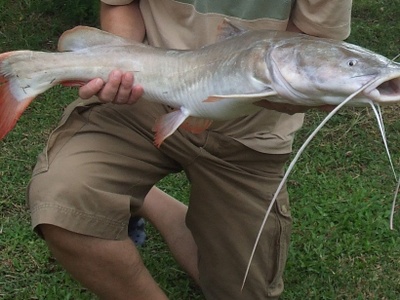
Redtail catfish
Redtail catfish is a distinctive large Amazonian catfish with a red tail and whiskers. It inhabits big rivers and floodplain lakes, reaches impressive sizes, and is known to aquarium hobbyists and anglers alike.
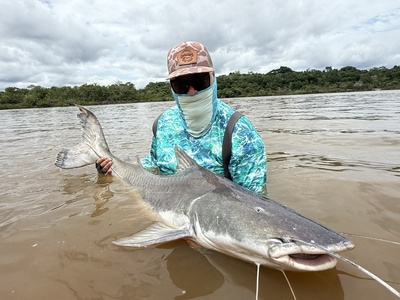
Piraíba
Piraíba is one of the largest South American catfish, migrating long distances in Amazonian rivers. Fishermen prize its size and power; it occupies deep channels and serves as an apex freshwater predator.

Payara
Payara, or vampire fish, is famed for long fang‑like teeth and fast predation. Inhabiting Amazonian clear and blackwater rivers, it is a sought‑after sportfish known for thrilling strikes and dramatic fights.
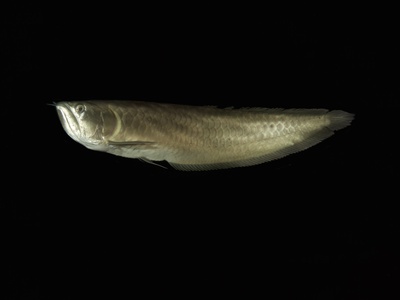
Silver arowana
Silver arowana is an iconic surface‑feeding Amazonian predator popular in the aquarium trade. It leaps for prey, reaches large sizes, and is culturally important; wild populations face habitat and collection pressures.
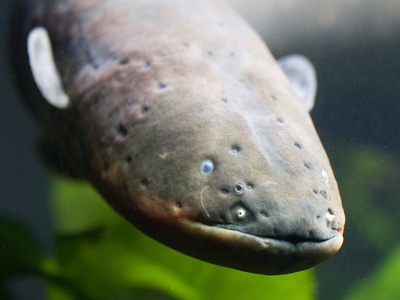
Electric eel
Electric eel is a freshwater hunter producing powerful electric discharges for hunting and navigation. Found in Amazon and Orinoco systems, it can exceed two meters and fascinates scientists and visitors for its unique physiology.
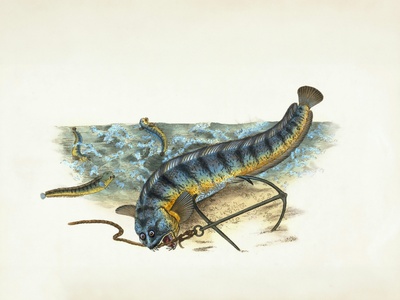
Wolf fish
Traíra, or wolf fish, is a stout ambush predator in rivers and lakes across Brazil. Aggressive and resilient, it appeals to sport anglers and is ecologically important in structuring prey populations.
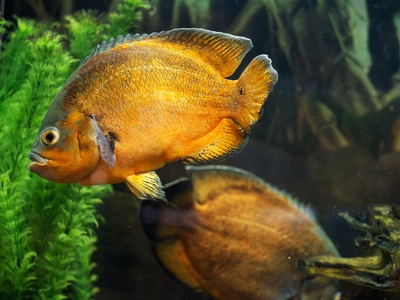
Oscar
Oscar is a popular cichlid in aquariums and native to Amazon and other Brazilian basins. Intelligent and territorial, it reaches moderate size and is significant for hobbyists and regional small‑scale fisheries.
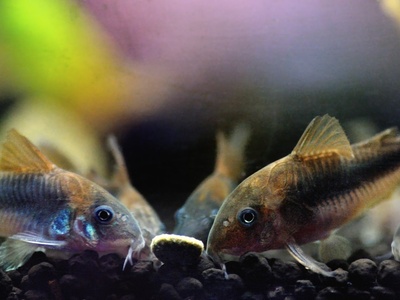
Bronze cory
Bronze cory is a small armored catfish common in Amazon tributaries and popular in home aquaria. Social and bottom‑dwelling, it helps keep substrates clean and is tolerant of varied freshwater habitats.

Common pleco
Common pleco is a large suckermouth catfish found in Brazilian rivers and floodplains. Popular in aquariums and sometimes introduced, it grazes algae and detritus but can reach substantial sizes in the wild.
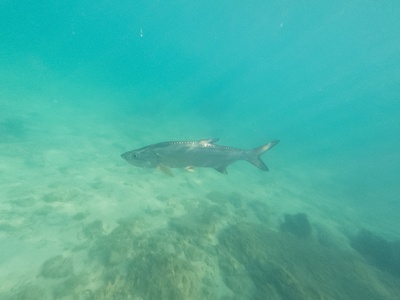
Atlantic tarpon
Atlantic tarpon is a silver, air‑breathing gamefish of tropical coasts and estuaries. Occurring along Brazil’s Atlantic shoreline, it grows very large, makes spectacular jumps, and is prized by recreational anglers.
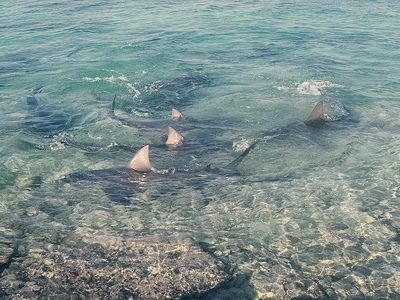
Bull shark
Bull shark tolerates salty and fresh waters, entering estuaries and rivers including Brazilian coasts and large river mouths. Powerful and adaptable, it is significant for fisheries, ecotourism and occasional human‑shark encounters.
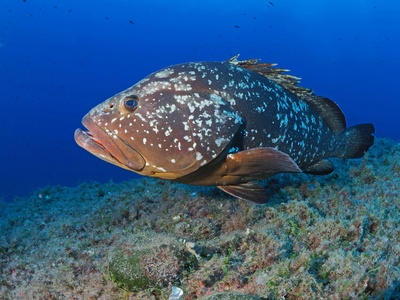
Goliath grouper
Goliath grouper is a huge reef and estuary species on Brazil’s coast, growing to enormous size and sought in the past by fisheries. Protected in many areas, it remains an icon of coastal conservation.
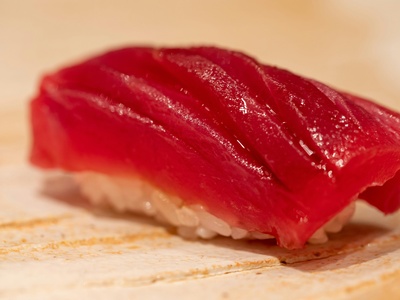
Yellowfin tuna
Yellowfin tuna is an important pelagic predator and commercial species off Brazil’s Atlantic coast. Fast‑swimming and migratory, it supports large fisheries, sportfishing, and international seafood markets; stocks are managed to sustain catches and ecosystems.
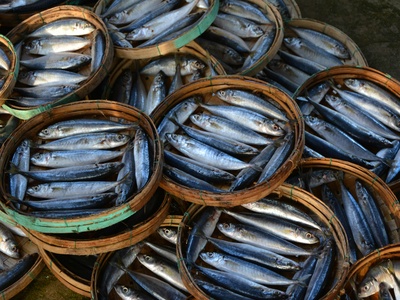
Brazilian sardine
Brazilian sardine is a small schooling forage fish off the southeast coast, vital to coastal food webs and major fisheries. Harvested for human consumption and animal feed, its populations influence regional fishing economies.