Chile’s long Pacific coast and varied currents create very different marine environments — from chilly southern fjords to warmer northern seas. That range supports fisheries and a rich coastal biodiversity used by local communities, researchers and cooks alike.
There are 25 Fish of Chile, ranging from Atlantic salmon to Yellowfin tuna. For each species the list shows Scientific name, Habitat and Max size (cm) to help with identification and comparison; you’ll find this information below.
Which of these fish are most commonly caught or eaten in Chile?
Commonly encountered species include Chilean jack mackerel, hake (merluza), anchoveta, farmed Atlantic salmon and coastal rockfish; in northern waters Yellowfin tuna appears more often. Markets and restaurants reflect both wild catches and aquaculture, so availability varies by season and region.
How should I use the Scientific name, Habitat and Max size (cm) to identify a species?
Start with the Scientific name to avoid confusion between local names, then check Habitat to match coastal zone or depth, and use Max size (cm) to rule out unlikely matches. For confident ID, combine those columns with photos or a regional field guide.
Fish of Chile
| Common name | Scientific name | Habitat | Max size (cm) |
|---|---|---|---|
| Chilean hake | Merluccius gayi | coastal demersal | 90 |
| Southern hake | Merluccius australis | coastal demersal | 140 |
| Chilean jack mackerel | Trachurus murphyi | pelagic | 60 |
| Pacific sardine | Sardinops sagax | pelagic | 30 |
| Peruvian anchoveta | Engraulis ringens | pelagic | 20 |
| Patagonian toothfish (Chilean sea bass) | Dissostichus eleginoides | demersal deep | 200 |
| Southern blue whiting | Micromesistius australis | pelagic | 50 |
| Patagonian grenadier (hoki) | Macruronus magellanicus | demersal | 120 |
| Kingklip (cusk) | Genypterus blacodes | coastal demersal | 130 |
| Orange roughy | Hoplostethus atlanticus | deep demersal | 75 |
| Yellowfin tuna | Thunnus albacares | pelagic | 200 |
| Bigeye tuna | Thunnus obesus | pelagic | 250 |
| Chub mackerel | Scomber japonicus | pelagic | 45 |
| Common galaxias | Galaxias maculatus | estuary/river | 20 |
| Creole perch | Percichthys trucha | freshwater | 60 |
| Rainbow trout | Oncorhynchus mykiss | river/lake/estuary | 100 |
| Atlantic salmon | Salmo salar | river/estuary | 120 |
| Coho salmon | Oncorhynchus kisutch | river/estuary | 100 |
| Chinook salmon | Oncorhynchus tshawytscha | river/estuary | 150 |
| Brown trout | Salmo trutta | river/lake | 80 |
| Patagonian pejerrey | Odontesthes hatcheri | estuary/coastal | 50 |
| Magellan skate | Bathyraja magellanica | coastal demersal | 150 |
| School shark (tope) | Galeorhinus galeus | coastal pelagic | 170 |
| Shortfin mako | Isurus oxyrinchus | pelagic | 400 |
| Corvina | Cilus gilberti | coastal demersal | 100 |
Images and Descriptions
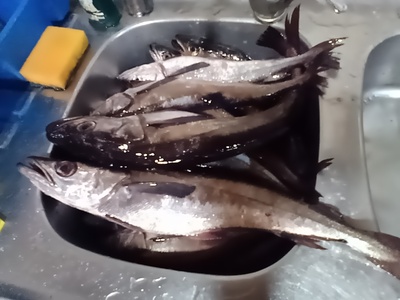
Chilean hake
A medium to large demersal hake found along Chile’s continental shelf from the north to central-southern regions. Highly notable as a major commercial and culinary species, it supports local fisheries and markets; stock assessments guide management due to heavy exploitation.
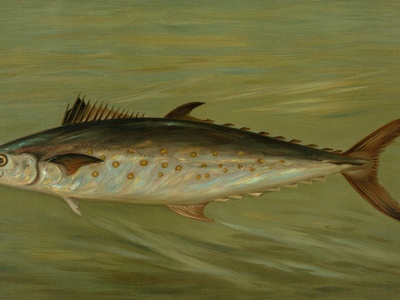
Southern hake
A deep-water hake occurring off southern and austral Chile, including the Patagonian shelf and fjords. Valued commercially for flesh and export; larger-bodied than M. gayi, it faces fisheries pressure and regional management concerns for sustainable harvest.
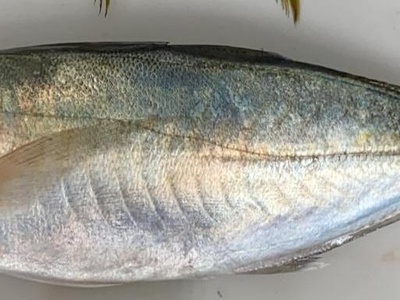
Chilean jack mackerel
A prolific pelagic species along the Humboldt Current from northern to southern Chile. One of Chile’s most important industrial fisheries, central to fishmeal production and export; subject to international quotas and ecosystem impacts from large-scale harvest.
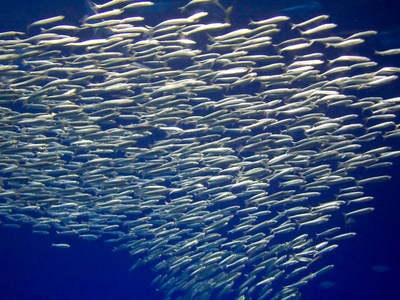
Pacific sardine
Pacific sardine is common in Chilean coastal waters, especially central and northern regions. Small schooling pelagic used for food, bait, and fishmeal; populations show strong variability and are closely monitored for fisheries management and ecosystem effects.

Peruvian anchoveta
Peruvian anchoveta extends into northern Chile’s productive upwelling zones. Extremely abundant schooling pelagic enabling massive industrial fisheries for fishmeal and oil; populations fluctuate with El Niño, making them critical for regional economy and ecosystems.
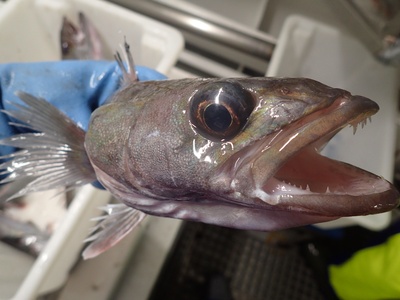
Patagonian toothfish (Chilean sea bass)
Patagonian toothfish inhabits deep southern waters and subantarctic slopes off Chile. Marketed as “Chilean sea bass,” it is high-value, long-lived and slow-growing; notable for heavy fishing pressure, IUU history, and strict international conservation measures.
Southern blue whiting
Southern blue whiting occurs in cold temperate waters off southern Chile. This medium pelagic species is targeted by regional fisheries and used in processing; its distribution across the Patagonian shelf links it to important food webs and commercial interest.
Patagonian grenadier (hoki)
Patagonian grenadier inhabits the continental slope and deeper waters off southern Chile. Economically important as a whitefish for trawling fleets, its deep-water habitat and migrations shape fishery dynamics and require management attention.
Kingklip (cusk)
Kingklip or cusk-eel is found on rocky bottoms and slopes around Chilean coasts, especially in southern areas. Valued as a firm-fleshed table fish with commercial fisheries; life-history traits make it vulnerable to overfishing, prompting monitoring of catches.
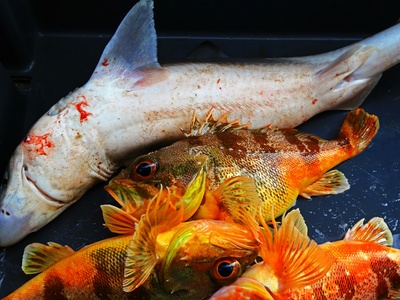
Orange roughy
Orange roughy lives on seamounts and deep slopes in southern Chilean waters. Long-lived and late-maturing, it has been the focus of high-value fisheries and severe vulnerability to overexploitation; populations recover slowly, prompting strong conservation concern.
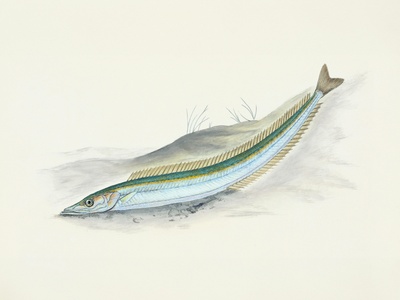
Yellowfin tuna
Yellowfin tuna occurs in warmer northern Chilean offshore waters and migratory routes. A high-value pelagic predator prized in commercial and sport fisheries; notable for international management, market demand, and importance to regional tuna fleets.
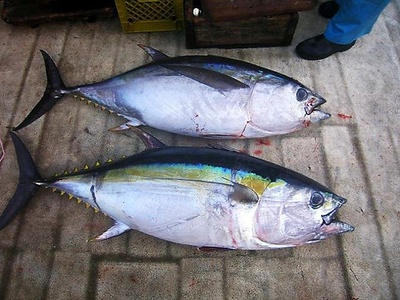
Bigeye tuna
Bigeye tuna frequents offshore waters of northern and central Chile. A large migratory pelagic species targeted by industrial longline and purse-seine fleets; important commercially and for conservation due to bycatch, stock assessments, and management challenges.
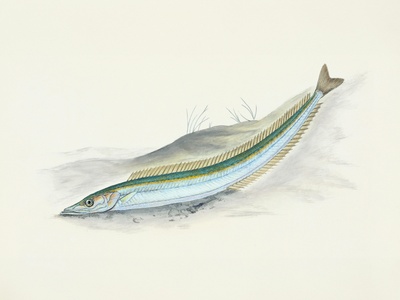
Chub mackerel
Chub mackerel inhabits neritic waters along Chile’s coast, especially northern regions. Fast-growing schooling pelagic used for food and fishmeal; important in artisanal and industrial catches with variable abundance tied to oceanographic conditions.
Common galaxias
Common galaxias inhabits coastal streams, estuaries and lakes across Chile from north to south. Small amphidromous fish important ecologically in food webs and culturally for recreational angling; some populations face threats from habitat change and introduced species.
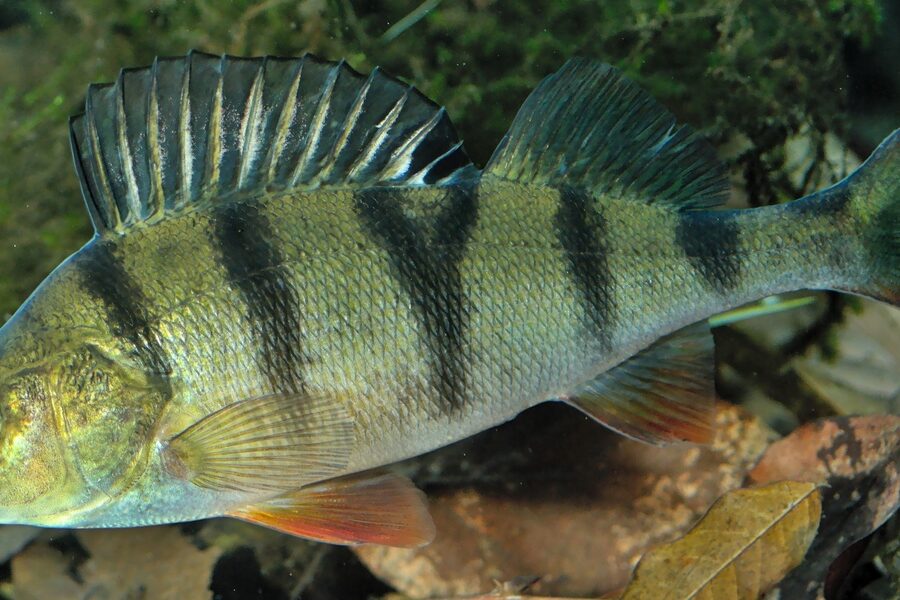
Creole perch
Percichthys trucha is a native freshwater perch occurring in Chilean lakes and rivers, chiefly in southern regions. Important to recreational fisheries and local diets; conservation concerns include habitat degradation and competition with introduced salmonids.
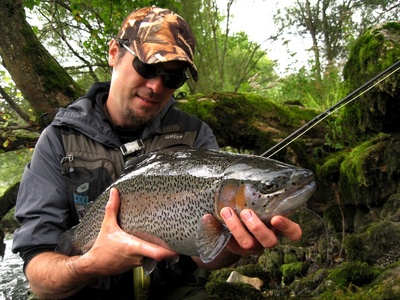
Rainbow trout
Rainbow trout introduced and widely established in Chilean rivers and lakes from central to southern zones. Popular for sport and aquaculture, it supports recreational fisheries and industry while interacting with native species and raising ecological management issues.
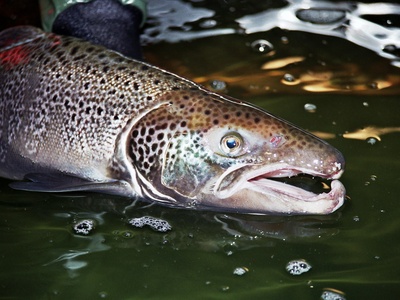
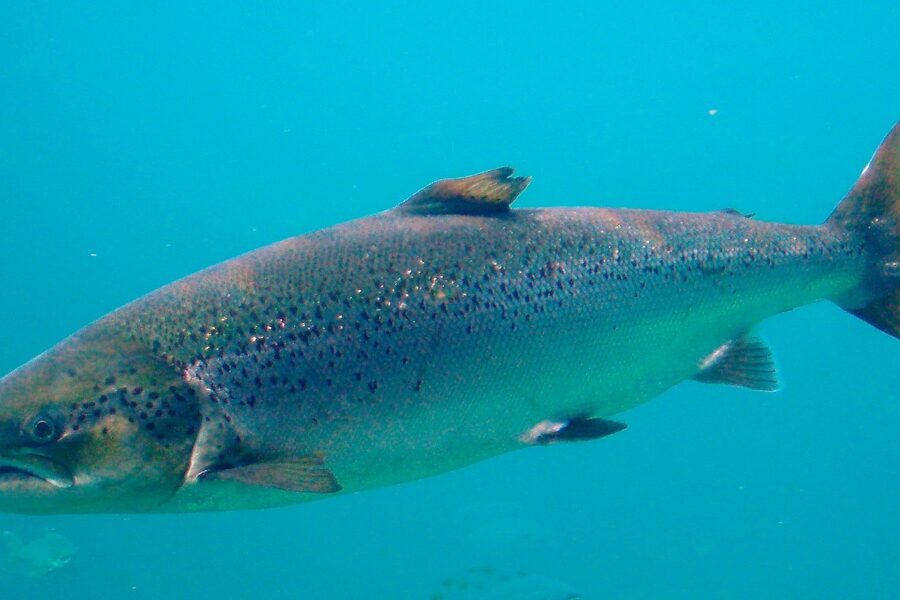
Atlantic salmon
Atlantic salmon farming dominates Chilean aquaculture, mainly in southern regions; escaped individuals establish in rivers and fjords. Economically critical for exports but notable for ecological impacts, disease transfer, and conflicts between industry and conservation interests.
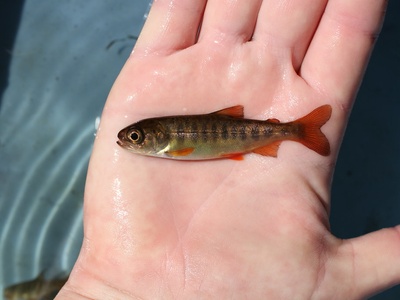
Coho salmon
Coho salmon introduced to southern Chilean rivers has established wild and hatchery-influenced populations. Important for sport fisheries and aquaculture; notable for both economic value and ecological impacts on native fish and freshwater food webs.
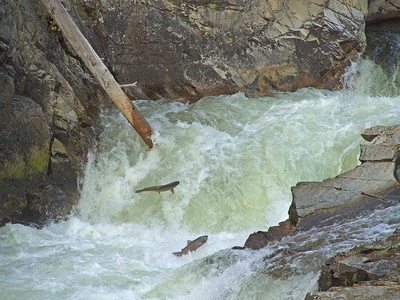
Chinook salmon
Chinook salmon occurs in southern Chile following introductions and escapements; this large anadromous species supports sport fisheries and some commercial takes. Notable for predatory impacts on native fauna and potential to form invasive populations in some watersheds.
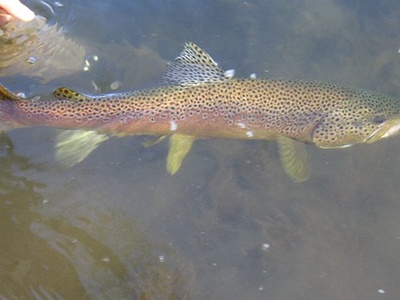
Brown trout
Brown trout widely introduced in Chile inhabits streams and lakes across temperate regions. A popular recreational fish, it competes with native species and alters freshwater ecosystems, making it a focus of biodiversity and fisheries management debates.
Patagonian pejerrey
Patagonian pejerrey (silverside) occurs in Patagonian lakes, estuaries and coastal waters of southern Chile. Economically important for small-scale fisheries and valued as table fish; some populations are vulnerable to habitat changes and invasive species impacts.
Magellan skate
Magellan skate inhabits the continental shelf and slope around southern Chile and the Magellan Strait. Large benthic skate notable in bycatch and artisanal catches; slow growth and late maturity make it sensitive to trawling and warrant regional conservation attention.
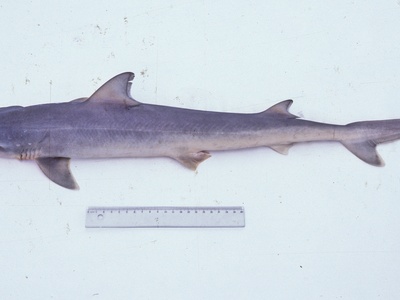
School shark (tope)
School shark ranges along Chilean coasts in temperate waters as a coastal pelagic predator. Caught in fisheries and by recreational anglers; stocks have declined regionally in parts of the world, raising concerns over life-history vulnerability and conservation measures.
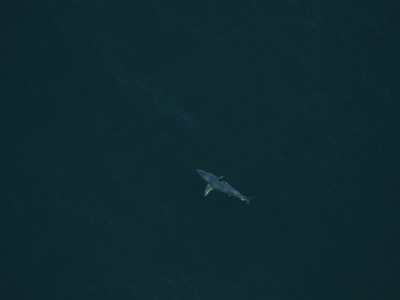
Shortfin mako
Shortfin mako occurs in offshore Chilean Pacific waters as a fast pelagic predator. Valued in sport and commercial fisheries for meat and fins; notable conservation concerns arise from slow reproduction, international shark management, and bycatch in longline fisheries.
Corvina
Corvina inhabits coastal rocky and sandy bottoms from northern to central Chile. Sought-after for table use and local fisheries, this croaker is important in artisanal catches and regional cuisine; local depletion can occur near heavily fished coastal communities.