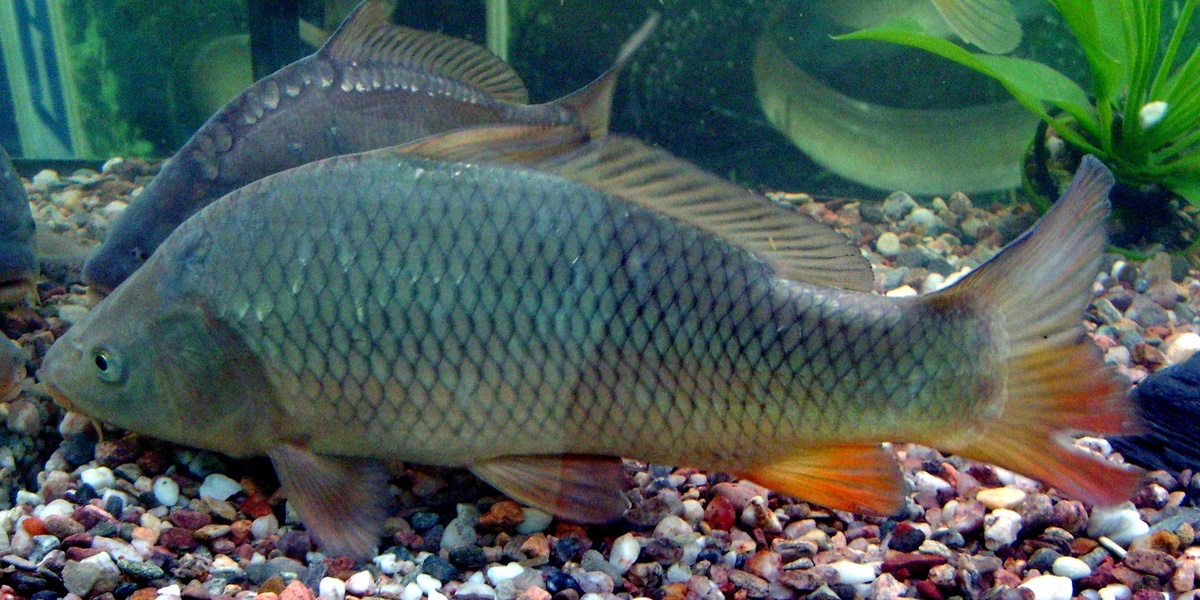
Moldova’s rivers, lakes and reservoirs support an interesting mix of freshwater species despite the country’s modest size. Anglers and nature lovers can find both common river dwellers and species that move in from larger European waterways, depending on season and habitat.
There are 36 Fish of Moldova, ranging from Asp to White bream. For each species, you’ll find below entries organized as Scientific name,Size (max length cm),Moldova locations to help with identification and where to look.
Where in Moldova am I most likely to encounter these species?
Many species are concentrated in the Dniester and Prut river systems and their reservoirs, with additional populations in oxbow lakes and floodplain wetlands; check the Moldova locations column below for site-specific occurrences and habitat notes for each species.
Do any of these fish have protections or fishing restrictions I should know about?
Yes—some species are subject to seasonal closures, size limits or protections; consult current Moldovan fisheries regulations before fishing and use the Scientific name and size columns in the list to match legal requirements to each species.
Fish of Moldova
| Name | Scientific name | Size (max length cm) | Moldova locations |
|---|---|---|---|
| Common carp | Cyprinus carpio | 100 | Dniester & Prut rivers, reservoirs, lakes, fishponds |
| Crucian carp | Carassius carassius | 45 | Shallow lakes, oxbows and wetlands across Moldova |
| Prussian carp (gibel carp) | Carassius gibelio | 40 | Reservoirs, lakes, slow river stretches (Dniester, Prut) |
| Common bream | Abramis brama | 70 | Dniester mainstem, reservoirs and lowland lakes |
| White bream | Blicca bjoerkna | 35 | Lakes, reservoirs and slow river sections (Dniester, Prut) |
| Roach | Rutilus rutilus | 35 | Widespread in rivers, ponds and lakes across Moldova |
| Rudd | Scardinius erythrophthalmus | 35 | Vegetated lakes, oxbows and slow river margins |
| Bleak | Alburnus alburnus | 25 | Dniester & Prut channels, reservoirs, lakes |
| Tench | Tinca tinca | 70 | Vegetated lakes, ponds, oxbows and slow rivers |
| Common carp (mirror/ornamental variants) | Cyprinus carpio | 100 | Fishponds, reservoirs, lowland rivers |
| Northern pike | Esox lucius | 120 | Weedy shallows of lakes, oxbows, Dniester and tributaries |
| Pike-perch (zander) | Sander lucioperca | 100 | Reservoirs, deep river pools (Dniester, Prut), lakes |
| European perch | Perca fluviatilis | 50 | Rivers, reservoirs, lakes across Moldova |
| Wels catfish | Silurus glanis | 250 | Large rivers and reservoirs, especially lower Dniester |
| Barbel | Barbus barbus | 100 | Fast-flowing stretches of Dniester and Prut tributaries |
| Asp | Aspius aspius | 80 | Main rivers and reservoirs (Dniester, Prut) open-water sections |
| Chub | Squalius cephalus | 80 | Rivers, especially mid-reaches of Dniester and Prut |
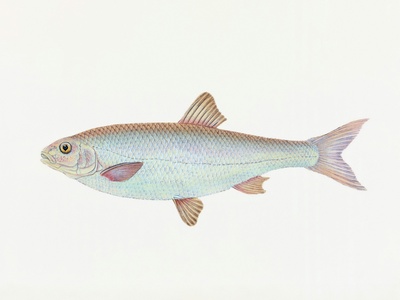
| Dace | Leuciscus leuciscus | 35 | Riffles and runs of rivers and tributaries |
| Ide | Leuciscus idus | 70 | Rivers and reservoirs, open water areas |
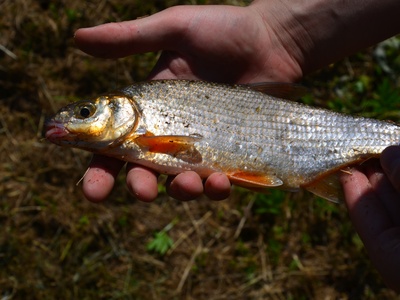
| Vimba bream | Vimba vimba | 50 | Dniester and Prut main channels and floodplain lakes |
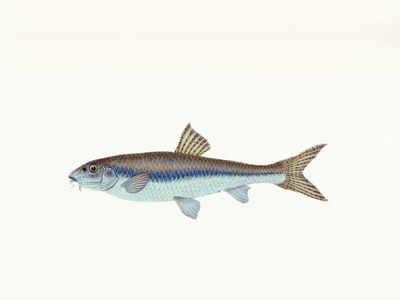
| Gudgeon | Gobio gobio | 20 | Gravelly bottoms of rivers and streams, Dniester tributaries |
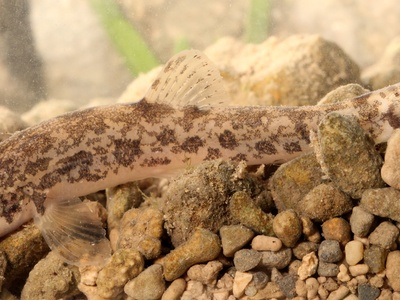
| Stone loach | Barbatula barbatula | 12 | Cooler, clearer streams and upper tributaries |
| Spined loach | Cobitis taenia | 15 | Sandy or silty riverbeds, ponds and oxbows |
| Weatherfish | Misgurnus fossilis | 30 | Marshes, oxbows, slow backwaters and drainage ditches |
| Bitterling | Rhodeus amarus | 12 | Vegetated ponds, oxbows and slow river margins |
| Three-spined stickleback | Gasterosteus aculeatus | 8 | Shallow margins of lakes, oxbows, rivers and wetlands |
| Ruffe | Gymnocephalus cernua | 25 | Rivers, reservoirs and lakes with mixed substrates |
| Burbot | Lota lota | 100 | Cooler reservoirs and deep river pools, mainly Dniester |
| European eel | Anguilla anguilla | 120 | Rivers, backwaters and lakes connected to larger river systems |
| Round goby (invasive) | Neogobius melanostomus | 25 | Lower Dniester, reservoirs and brackish-influenced reaches |
| European mudminnow | Umbra krameri | 12 | Small lowland ponds, marshes and slow oxbows (select sites) |
| Bullhead (European) | Cottus gobio | 20 | Cool, well-oxygenated tributary streams and upper reaches |
| Sunbleak | Leucaspius delineatus | 10 | Ponds, oxbows and vegetated shallow waters |
| Spirlin | Alburnoides bipunctatus | 12 | Fast-flowing river margins and riffles of tributaries |
| Barbel (Danube region) | Barbus barbus | 100 | Stony runs of larger tributaries and main rivers |
| Giant goby? (Pontic) excluded | — | — | — |
Images and Descriptions
Common carp
A widespread, heavy-bodied cyprinid common in ponds and reservoirs. Popular with anglers, it tolerates varied water conditions and reaches large size; cultured and wild stocks exist across Moldova’s lowland waters.
Crucian carp
A hardy, deep-bodied carp that thrives in low-oxygen waters and vegetated ponds. Often confused with goldfish relatives, it is native and common in marshy lakes and slow rivers.
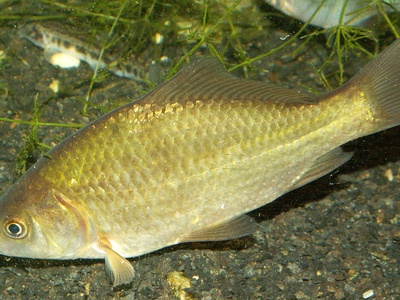
Prussian carp (gibel carp)
An invasive relative of crucian carp that spreads rapidly and competes with natives. Frequently found in still waters; notable for high reproductive output and resilience to poor conditions.
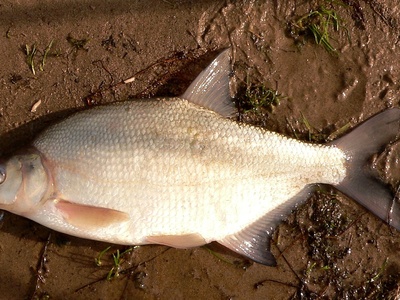
Common bream
A laterally compressed, gregarious bottom-feeder forming large shoals. Common in silty lowland waters; important commercially and for coarse-angling in Moldova.
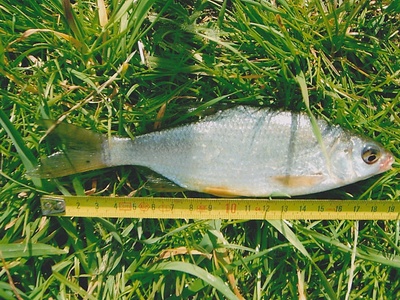
White bream
Smaller, silvery bream-like fish often schooling with common bream. Noted for slender shape and schooling behavior; frequent in inland still and slow-flowing waters.
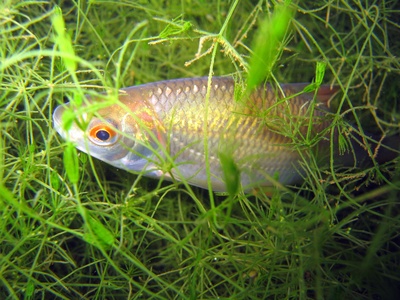
Roach
A familiar small cyprinid with reddish fins and adaptable diet. Very common, forms large shoals, and is a staple species in Moldovan freshwaters for anglers and naturalists.
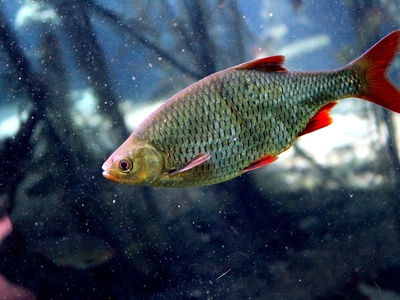
Rudd
Bright-eyed, laterally compressed cyprinid favoring plant-rich shallows. Noted for upturned mouth and surface-feeding habits; common in quiet waters and popular with coarse anglers.
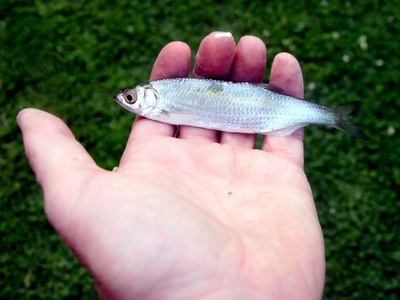
Bleak
A slender, silvery schooling fish that prefers open-water habitats. Often abundant in rivers and reservoirs, forming dense shoals and serving as forage for predators like pike and pike-perch.
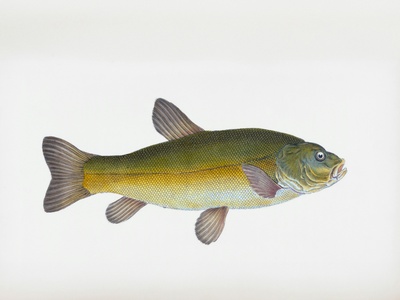
Tench
A stout, olive-green bottom-dweller known for its strong fight and muddy habitat preference. Common in vegetated, warm waters and prized by anglers for its tenacity.
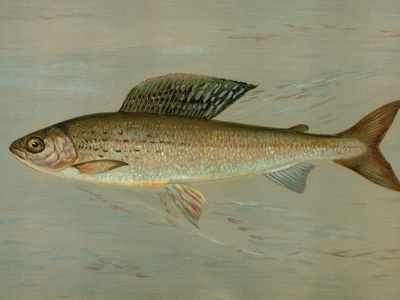
Common carp (mirror/ornamental variants)
Cultivated and feral carp variants occur widely; mirrors and leather carp reach large sizes. Important for aquaculture and recreational fishing; escapees sustain wild populations.
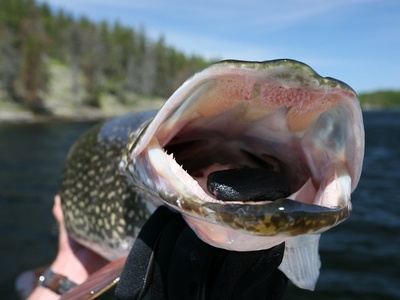
Northern pike
A top freshwater predator with a torpedo-shaped body and ambush habits. Highly prized by anglers in Moldova; occupies vegetated margins and shallow bays hunting fish and amphibians.

Pike-perch (zander)
A prized sport fish with large eyes and predatory habits. Prefers clearer, deeper waters and is a major target for recreational anglers across Moldova.
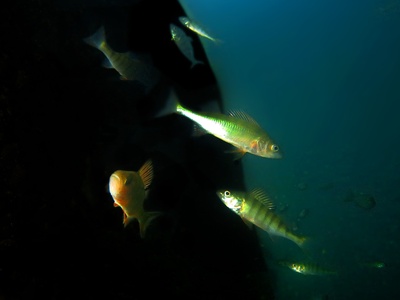
European perch
Distinct striped pattern and spiny dorsal fin; an adaptable predator-common in many habitats. Important for sport fishing and commonly encountered by anglers and nature observers.
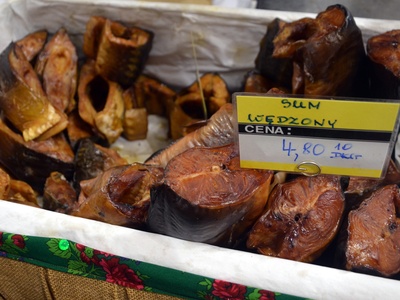
Wels catfish
Europe’s largest freshwater fish, reaching huge sizes. Nocturnal ambush predator found in deep pools and reservoirs; a charismatic species for anglers and a top river predator in Moldova.
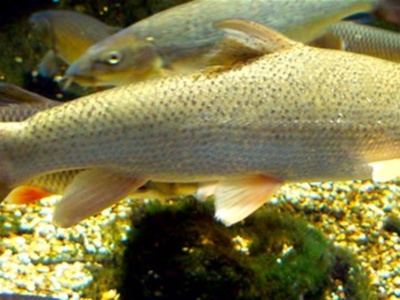
Barbel
A streamlined, stone-dwelling cyprinid preferring riffles and faster-flowing river sections. Valued by anglers and indicative of cleaner, oxygenated waters.
Asp
A fast, surface-feeding predator that hunts in schools; notable for aggressive strikes and importance to sport anglers. Occurs in larger river channels and reservoirs.
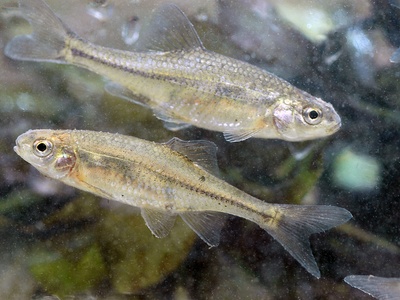
Chub
A robust, omnivorous cyprinid common in rivers. Often seen cruising near structures and banks; popular with anglers and easily observed from riverbanks.
Dace
A nimble, schooling cyprinid preferring faster-flowing stretches. Common in clear river runs and an important forage species for piscivores.
Ide
A large cyprinid that forms midsize shoals and migrates locally. Valued as food and sport fish; frequent in Moldova’s larger waterways.
Vimba bream
A migratory bream-like cyprinid that uses larger rivers for spawning. Noted for silvery sheen and seasonal movements; recorded in Moldova’s major rivers.
Gudgeon
Small bottom-dwelling cyprinid common on sandy or gravel substrates. Makes easy identification by barbels and is widespread in Moldova’s streams and rivers.
Stone loach
A small, elongated bottom fish that hides among stones and gravel. Indicative of good stream quality and common in upland tributaries of Moldova.
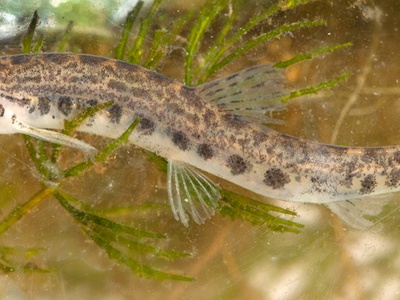
Spined loach
A small, eel-like loach with barbels and cryptic behavior. Found in slow-flowing or still soft-bottom habitats and often overlooked due to its secretive nature.
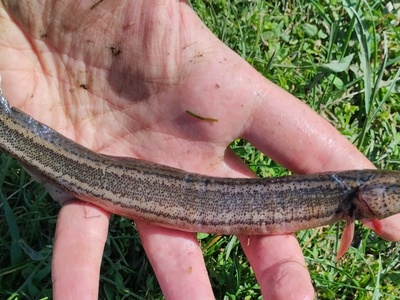
Weatherfish
A burrowing cobitid known as the weatherfish; can survive low oxygen by gulping air. Found in shallow, vegetated wetlands and valued for its unusual behaviors.
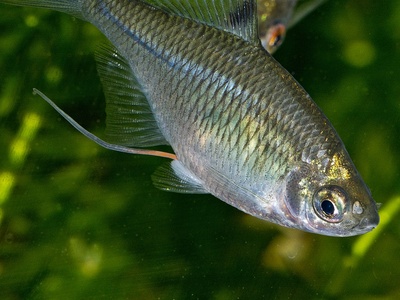
Bitterling
A tiny, colorful cyprinid that lays eggs in freshwater mussels. Noted for its fascinating reproductive strategy and common in sheltered vegetated waters.
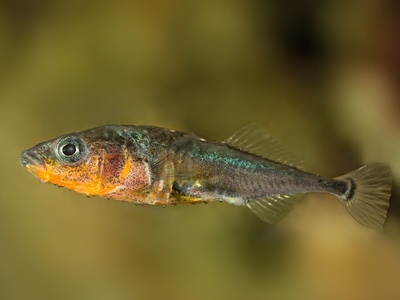
Three-spined stickleback
A small, armored fish common in sheltered shallows. Notable for nesting behavior and suitability for observing interesting courtship and parental care.
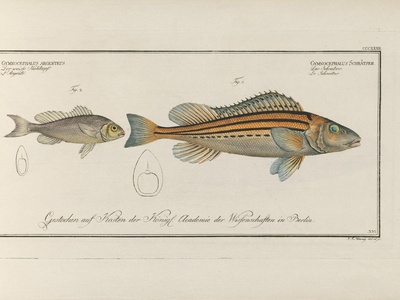
Ruffe
A spiny, small percid that tolerates a range of conditions. Can become locally abundant and competes with other small predators and forage fish.
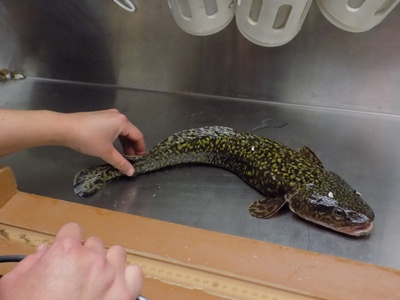
Burbot
A cold-water, nocturnal cod-like freshwater species that spawns in winter. Unusual appearance and decline in some areas make it of conservation interest.

European eel
A catadromous species that migrates between freshwater feeding grounds and the Sargasso Sea to spawn. Historically present in Moldova; now much reduced and of conservation concern.
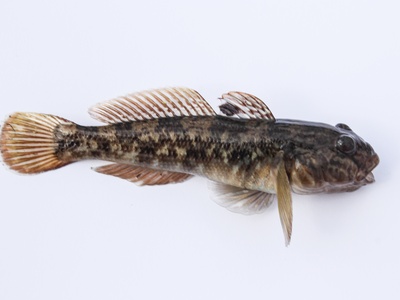
Round goby (invasive)
An invasive benthic goby that competes with native species and alters local communities. Established in many eastern European waterways and notable for rapid spread.
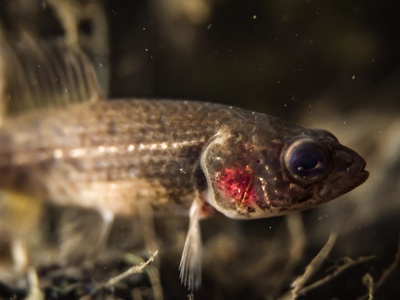
European mudminnow
A small, relict species of conservation concern in parts of its range. Prefers stagnant, vegetated waters and often protected due to limited distributions.
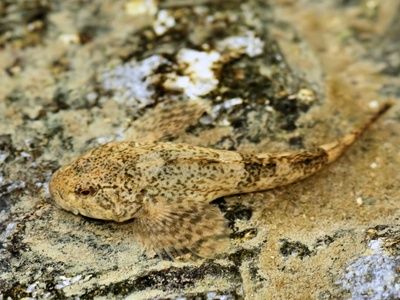
Bullhead (European)
A small sculpin that hugs the bottom among stones. Prefers cooler, clear streams; interesting for naturalists though less common in lowland Moldova.
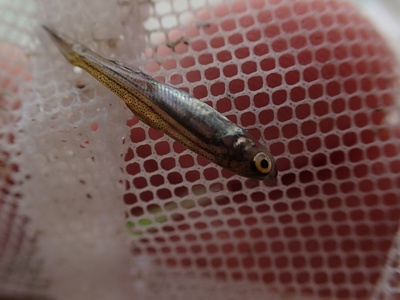
Sunbleak
A tiny, surface-oriented cyprinid known for silvery sheen and surface feeding. Common in vegetated still waters and important forage for larger fish.
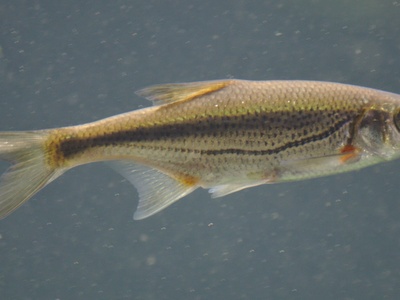
Spirlin
A small, slender cyprinid found in riffles and runs. Often overlooked but an indicator of good riverine habitat where present.
Barbel (Danube region)
A powerful bottom feeder preferring gravel and rocky substrates in stronger currents. Valued by anglers and indicates higher-quality flowing water.
Giant goby? (Pontic) excluded
—