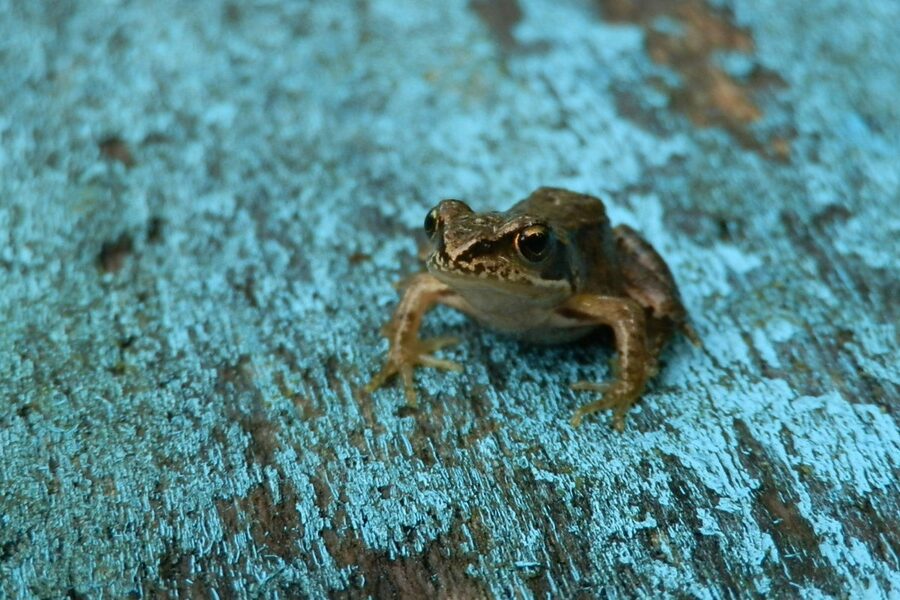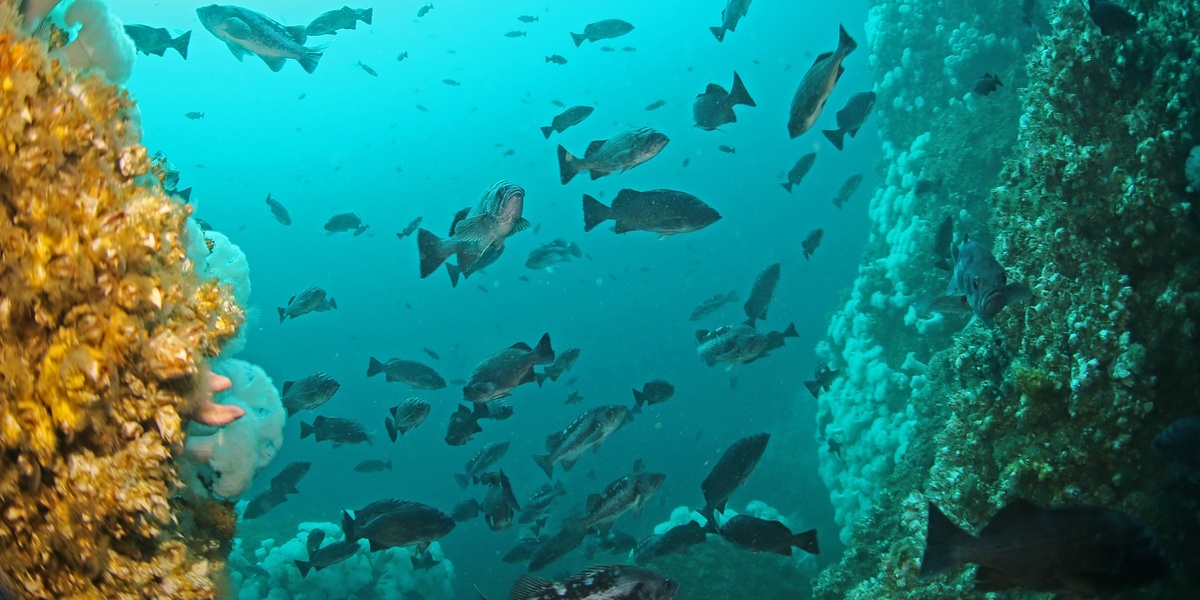
North Korea’s coastal waters and river systems host a mix of temperate and boreal species shaped by currents, tidal flats and rocky shorelines. Fisheries, local markets and seasonal migrations all influence which species are most visible along the Yellow Sea and the East Sea (Sea of Japan).
There are 25 Fish of North Korea, ranging from Black rockfish to Yellowtail (Japanese amberjack). For each species you’ll find below the Scientific name, Habitat & range, and Max size (cm), so you can quickly compare where each fish lives and how large it grows—you’ll find below.
Which species are most common and important to local fisheries?
Common coastal species like herring, mackerel, and various flatfish tend to dominate catches because they form large schools or are abundant in shallow fishing grounds; species such as Yellowtail are both ecologically significant and valued commercially. Local importance varies by region and season, so consider habitat and migration notes in the table below when assessing catch likelihood.
How reliable is the information and where does it come from?
Data are compiled from regional ichthyology surveys, fishery records and published range notes; in some cases precise population estimates are limited due to sparse sampling. Use the Scientific name and habitat columns to cross-check with international databases if you need the most current conservation or stock-status details.
Fish of North Korea
| Common name | Scientific name | Habitat & range | Max size (cm) |
|---|---|---|---|
| Olive flounder | Paralichthys olivaceus | Coastal sandy bottoms and estuaries; east and west coasts | 100 |
| Starry flounder | Platichthys stellatus | Shallow coastal waters, estuaries; along rocky and muddy bottoms | 70 |
| Japanese anchovy | Engraulis japonicus | Coastal pelagic schools in Yellow Sea and East Sea | 20 |
| Pacific saury | Cololabis saira | Open coastal waters and surface schools in East Sea | 35 |
| Chub mackerel | Scomber japonicus | Pelagic nearshore waters, summer migrations along coasts | 40 |
| Japanese horse mackerel | Trachurus japonicus | Coastal pelagic schools, bays and shelf waters | 40 |
| Pacific cod | Gadus macrocephalus | Cold shelf waters and rocky bottoms in northern seas | 150 |
| Walleye pollock | Gadus chalcogrammus | Shelf and slope waters, abundant in Sea of Japan | 90 |
| Black rockfish | Sebastes schlegelii | Rocky reefs and kelp nearshore areas, coastal East Sea | 80 |
| Yellow croaker | Larimichthys polyactis | Sandy-muddy bottoms in Yellow Sea, coastal waters | 45 |
| Pacific herring | Clupea pallasii | Nearshore pelagic; bay and shelf waters in the north | 30 |
| Japanese seabass | Lateolabrax japonicus | Estuaries, coastal bays and nearshore waters | 120 |
| Common carp | Cyprinus carpio | Rivers, lakes, ponds and lowland waters throughout | 120 |
| Crucian carp | Carassius auratus | Slow rivers, ponds, lakes and wetlands across the peninsula | 60 |
| Grass carp | Ctenopharyngodon idella | Rivers, reservoirs and ponds; introduced for stocking | 120 |
| Masu salmon | Oncorhynchus masou | Cold rivers and coastal streams; spawning in northern streams | 70 |
| Chum salmon | Oncorhynchus keta | Anadromous; spawns in rivers, migrates through coastal waters | 110 |
| Rainbow trout | Oncorhynchus mykiss | Cold streams and lakes; introduced and stocked in upland waters | 90 |
| Korean dace | Tribolodon hakonensis | Rivers and estuaries; common in freshwater streams | 35 |
| Topmouth gudgeon | Pseudorasbora parva | Rivers, ponds and estuaries; common in lowland waters | 10 |
| Pungtungia | Pungtungia herzi | Streams and rivers with moderate flow; common inland | 25 |
| Yellowtail (Japanese amberjack) | Seriola quinqueradiata | Coastal pelagic and offshore waters; migratory around coasts | 150 |
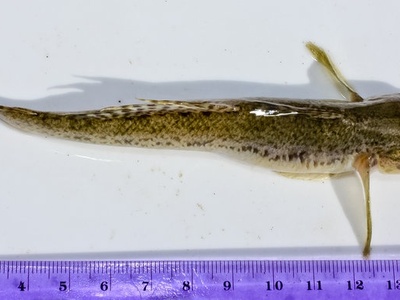
| Yellowfin goby | Acanthogobius flavimanus | Estuaries, tidal flats and brackish rivers | 35 |
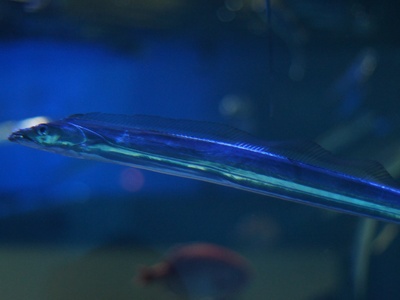
| Largehead hairtail | Trichiurus lepturus | Coastal shelf waters and nearshore pelagic zones | 180 |
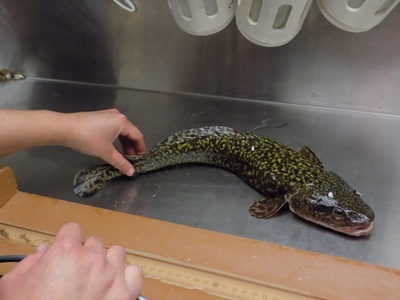
| Burbot | Lota lota | Cold lakes and slow rivers in northern inland regions | 100 |
Images and Descriptions
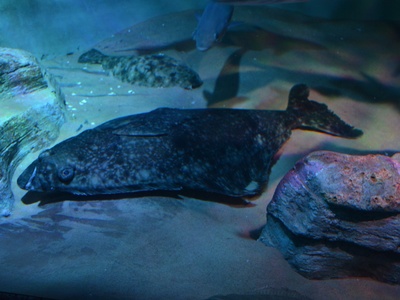
Olive flounder
A large flatfish common in North Korean bays and estuaries, reaching about 100 cm. Highly valued by fisheries and aquaculture; sought by commercial fishers and recreational anglers for its firm white flesh.
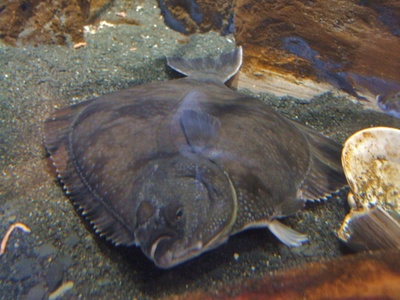
Starry flounder
A broad-bodied flatfish found nearshore and in estuaries, up to about 70 cm. Noted for its starry spotting and tolerance of salinity variations; frequent bycatch in coastal fisheries and an adaptable predator on small invertebrates and fish.
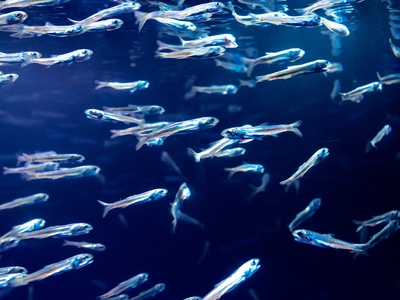
Japanese anchovy
Small schooling forage fish reaching about 20 cm, abundant in coastal waters and bays. Crucial for regional food webs and fisheries, often used fresh, dried or as bait; forms massive seasonal shoals that attract larger predators.
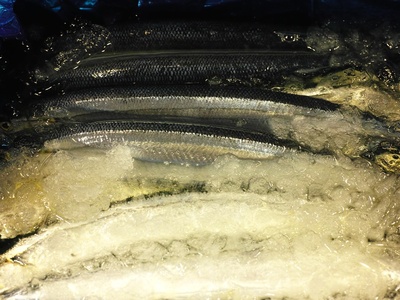
Pacific saury
Slender migratory fish reaching around 35 cm, often seen near the surface in autumn. Important seasonal catch for coastal fisheries; prized grilled or canned in regional cuisine and notable for long migrations along the coast.
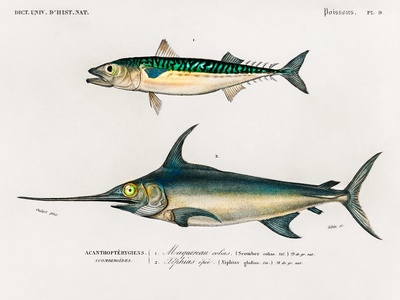
Chub mackerel
Fast-swimming schooling fish reaching about 40 cm, common in coastal summer waters. A staple of commercial fisheries and a key prey species; often caught by purse seines and used fresh or processed in local markets.
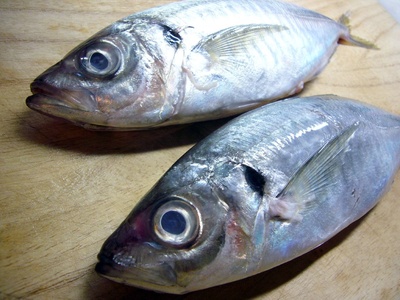
Japanese horse mackerel
A schooling species reaching roughly 40 cm, common in coastal shelves and bays. Important commercially and for local diets; forms large shoals and is a frequent target of small-scale and industrial fisheries.
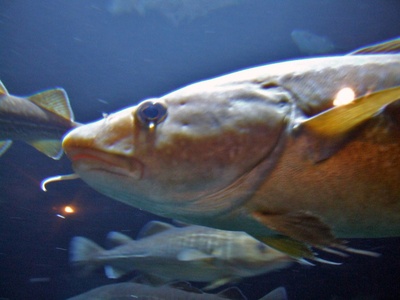
Pacific cod
Large demersal cod reaching about 150 cm, inhabiting colder shelf areas and rocky bottoms. Historically important for fisheries; population trends vary and it’s a key predator in northern coastal ecosystems.
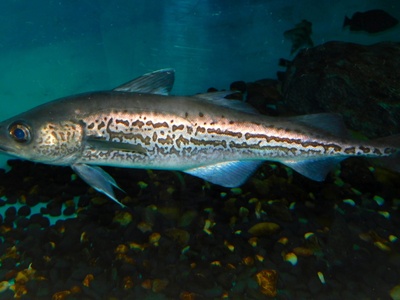
Walleye pollock
A mid-sized commercial groundfish to about 90 cm, dominant in some northern shelf fisheries. Central to regional trawl fisheries and processed extensively; supports major food and export industries around the peninsula.
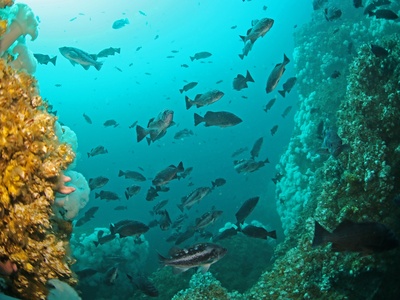
Black rockfish
A robust rockfish up to about 80 cm, common around rocky reefs and kelp beds. Valued by anglers and commercial fisheries, long-lived and slow-growing, making local populations sensitive to overfishing.
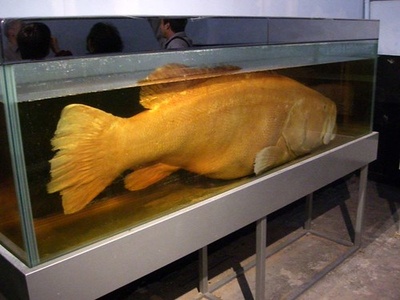
Yellow croaker
A commercially important croaker reaching roughly 45 cm, common on sandy and muddy bottoms. Historically abundant in the Yellow Sea, it supports coastal fisheries and is known for its loud croaking during spawning.
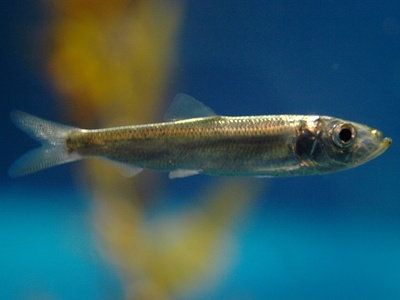
Pacific herring
Small schooling herring reaching about 30 cm, forming dense shoals in bays and shelf waters. Important forage fish for predators and local fisheries; schools are seasonal and can be very dense near coasts.
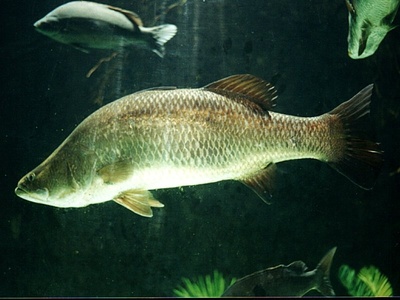
Japanese seabass
Large predatory sea bass up to about 120 cm, frequenting estuaries and coastal bays. Popular with recreational anglers and a tasty table fish; juveniles use brackish waters as nurseries.
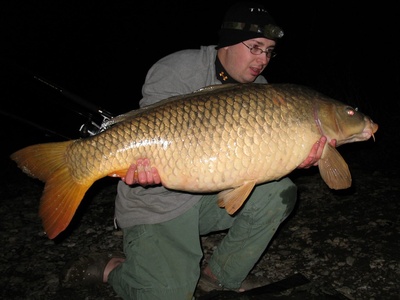
Common carp
A large freshwater fish reaching about 120 cm, widely present in rivers and lakes. Historically important in pond aquaculture and local diets; adaptable and often abundant but sometimes considered invasive where introduced.
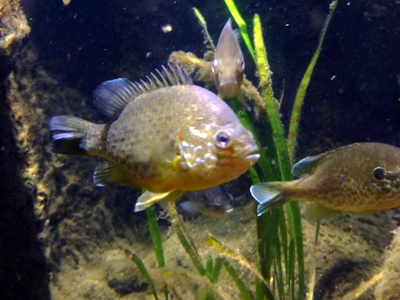
Crucian carp
Hardy freshwater fish up to around 60 cm, common in still waters and wetlands. Noted for surviving low-oxygen conditions and used in local small-scale fisheries and aquaculture; often called a crucian or goldfish relative.
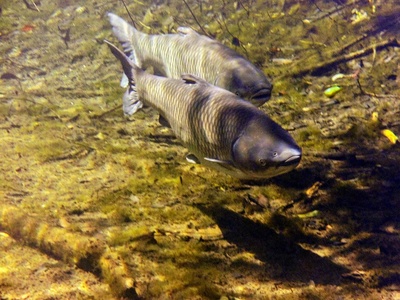
Grass carp
Large herbivorous carp reaching about 120 cm, widely stocked in inland waters for aquatic vegetation control and food. Introduced populations support fisheries but can alter local ecosystems if widespread.
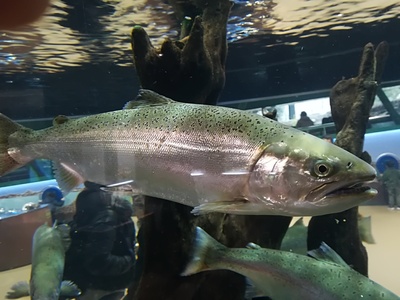
Masu salmon
A native salmonid reaching about 70 cm, spawning in cool rivers and streams. Valued by anglers and culturally important; some populations are resident or migratory, with declines in some rivers due to habitat changes.
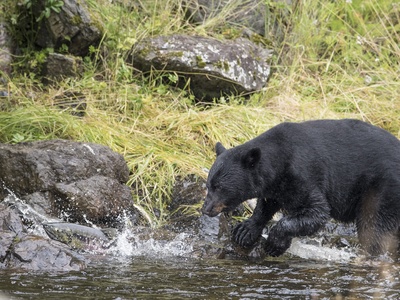
Chum salmon
A large migratory salmon reaching around 110 cm, entering rivers to spawn after ocean feeding. Important for coastal fisheries and ecological nutrient transfer to freshwater systems; populations fluctuate with ocean conditions.
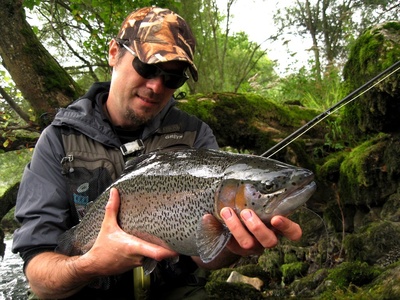
Rainbow trout
Introduced salmonid reaching about 90 cm in some populations, used in sport fishing and aquaculture. Popular with anglers and often stocked; may hybridize with native salmonids where released.
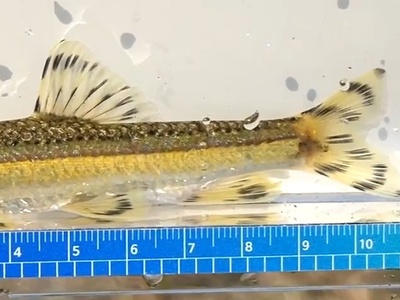
Korean dace
A small cyprinid up to about 35 cm, common in rivers and lower streams. Significant forage fish in freshwater ecosystems and used locally as food; tolerates brackish waters during life stages.
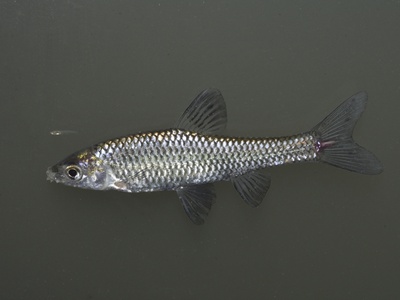
Topmouth gudgeon
A small, prolific minnow about 10 cm long, abundant in slow waters. Native to East Asia and common throughout Korean freshwater systems; noteworthy for rapid reproduction and competitiveness in disturbed habitats.
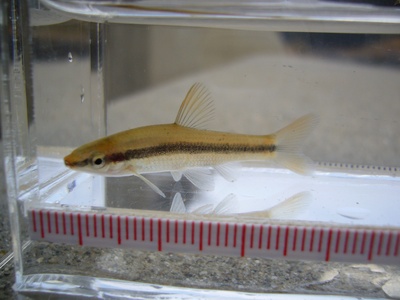
Pungtungia
A small benthic cyprinid reaching about 25 cm, native to the Korean peninsula. Often found under stones in flowing water, locally valued for freshwater fisheries and indicative of good stream habitat.
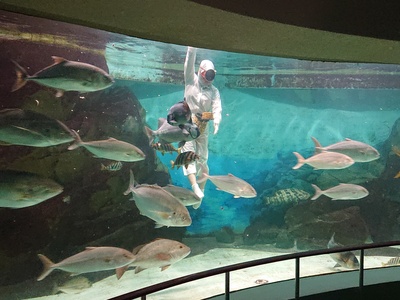
Yellowtail (Japanese amberjack)
A powerful pelagic fish reaching roughly 150 cm, migratory along coastal shelves. Important for coastal fisheries and aquaculture; known as a prized table fish and sport species in East Asian waters.
Yellowfin goby
A common estuarine goby up to about 35 cm, frequent in tidal flats and brackish rivers. Important in local shallow-water fisheries and foraging fish, tolerates wide salinity ranges and burrows in mudflats.
Largehead hairtail
Long, ribbon-like predatory fish reaching about 180 cm, common in coastal waters and shelf seas. Highly valued in regional fisheries for its firm flesh and prominent role in commercial catches.
Burbot
A freshwater cod-like fish up to about 100 cm, favoring cold lakes and slow rivers. Nocturnal bottom-dweller and valued in some regional subsistence fisheries; populations sensitive to water temperature and habitat changes.