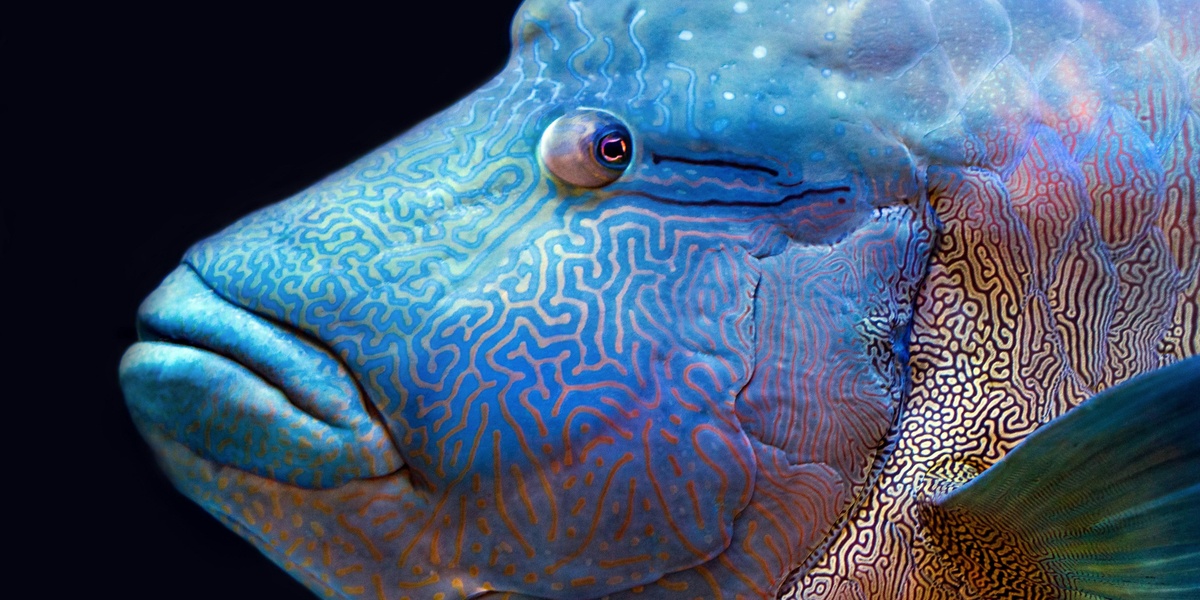
Palau’s clear seas and diverse reef structures make it a top spot for observing fish behavior across depths and habitats. From shallow lagoons and mangroves to steep drop-offs, the islands support both resident reef species and transient pelagics.
There are 58 Fish of Palau, ranging from Bigeye trevally to Yellowfin goatfish. For each species you’ll find below Scientific name,Max length (cm),Habitat & depth (m), so scan the list below to locate size and typical depth for planning dives or identifications.
How is the list organized and how should I use those columns when diving?
The list shows each species alongside Scientific name,Max length (cm),Habitat & depth (m). Use the max length to set expectations for sightings and the habitat/depth column to choose dive sites and depth ranges where a species is most likely to be seen.
Are these fish permanent residents around Palau or seasonal visitors?
Many reef species are resident year-round, while larger pelagics and some schooling species may be transient, tied to currents, spawning, or seasonal food availability—check the habitat and depth notes in the list below for likely occurrence.
Fish of Palau
| Common name | Scientific name | Max length (cm) | Habitat & depth (m) |
|---|---|---|---|
| Clownfish | Amphiprion ocellaris | 11 | Lagoon reefs, sheltered slopes; 1–15 |
| Tomato clownfish | Amphiprion frenatus | 14 | Reef slopes and lagoons; 1–20 |
| Pink skunk clownfish | Amphiprion perideraion | 13 | Reef flats and lagoons; 1–15 |
| Blue-green chromis | Chromis viridis | 10 | Reef slopes, bommies, lagoon patch reefs; 1–30 |
| Longfin bannerfish | Heniochus acuminatus | 17 | Outer reef slopes, drop-offs, pinnacles; 2–40 |
| Moorish idol | Zanclus cornutus | 23 | Reef crests and slopes; 1–40 |
| Regal tang | Paracanthurus hepatus | 30 | Reef slopes, seaward areas; 2–40 |
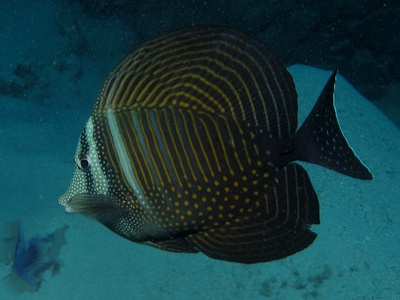
| Sailfin tang | Zebrasoma veliferum | 45 | Lagoon and seaward reefs; 2–30 |
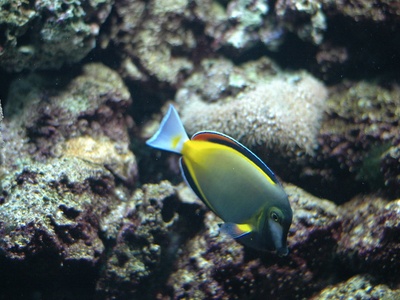
| Brown tang | Zebrasoma scopas | 30 | Seagrass edges, lagoon reefs, slopes; 1–30 |
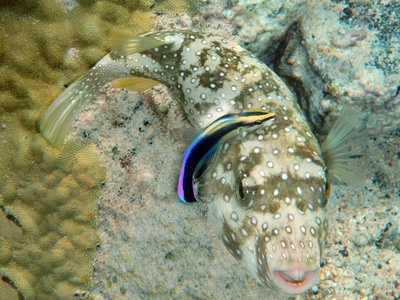
| Cleaner wrasse | Labroides dimidiatus | 10 | Reef slopes and cleaning stations; 1–30 |
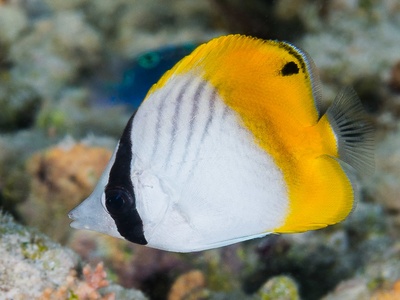
| Threadfin butterflyfish | Chaetodon auriga | 20 | Reef slopes, lagoons; 1–30 |
| Chevron butterflyfish | Chaetodon trifascialis | 18 | Branching coral habitats on reef slopes; 1–25 |
| Yellowback fusilier | Caesio xanthonota | 30 | Outer reefs and seaward slopes; 5–40 |
| Bluestriped snapper | Lutjanus kasmira | 35 | Reef slopes, pinnacles, outer walls; 5–50 |
| Giant trevally | Caranx ignobilis | 170 | Outer reef slopes, drop-offs, surf zones; 1–50 |
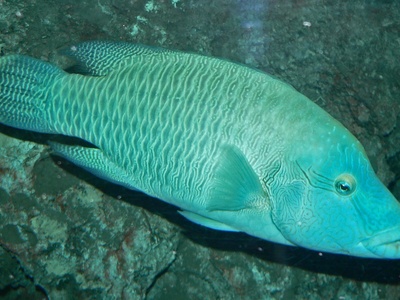
| Humphead wrasse | Cheilinus undulatus | 200 | Reef slopes, lagoons, drop-offs; 5–50 |
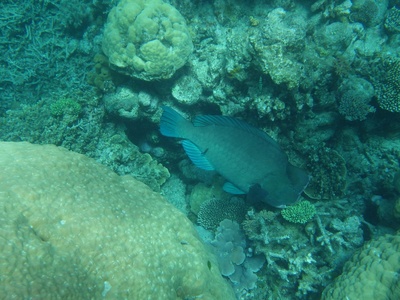
| Bumphead parrotfish | Bolbometopon muricatum | 140 | Outer reefs and slopes; 3–40 |
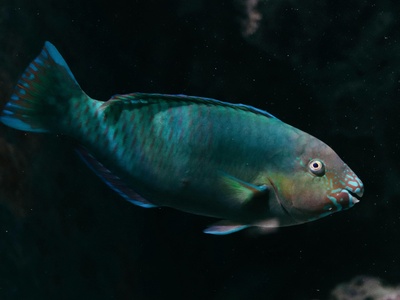
| Ruben’s parrotfish | Scarus rubroviolaceus | 70 | Reef slopes, lagoons; 2–30 |
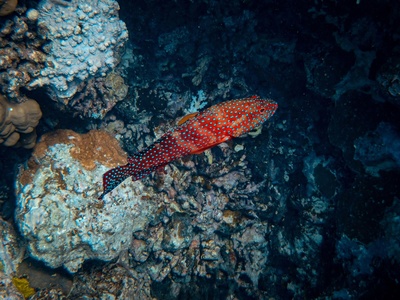
| Peacock grouper (Coral trout) | Cephalopholis argus | 60 | Coral-rich reef slopes and drop-offs; 5–40 |
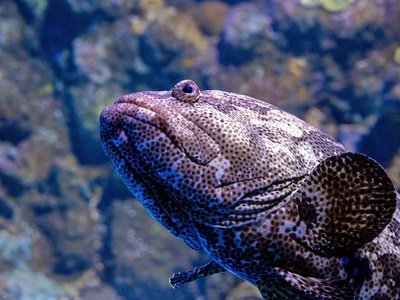
| Brown-marbled grouper | Epinephelus fuscoguttatus | 120 | Reef slopes, ledges, deep lagoons; 10–60 |
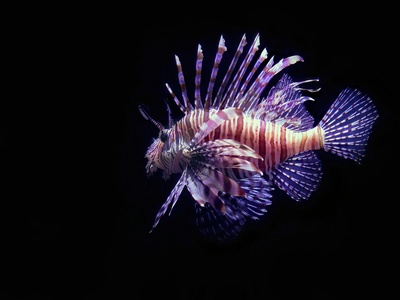
| Lionfish (invasive) | Pterois volitans | 38 | Reef slopes, lagoons, wrecks; 1–40 |
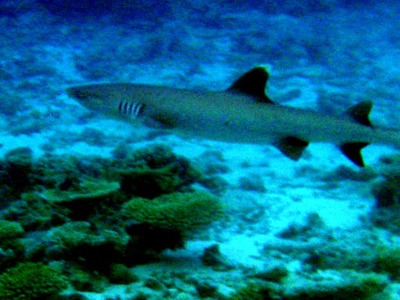
| Whitetip reef shark | Triaenodon obesus | 190 | Reef slopes, channels, seaward slopes; 5–40 |
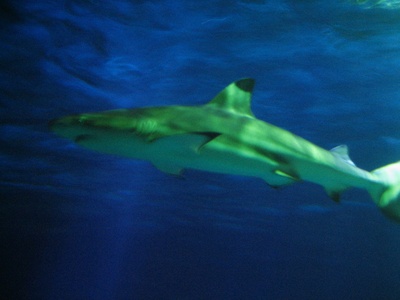
| Blacktip reef shark | Carcharhinus melanopterus | 160 | Shallow reef flats, lagoons, reef edges; 1–30 |
| Gray reef shark | Carcharhinus amblyrhynchos | 240 | Outer reef slopes, drop-offs; 10–60 |
| Reef manta (reef manta) | Mobula alfredi | 540 | Cleaning stations, lagoons, seaward slopes; 0–40 |
| Oceanic manta | Mobula birostris | 700 | Offshore reefs, pelagic waters; 0–200 |
| Spotted eagle ray | Aetobatus narinari | 200 | Sandy flats near reefs, lagoon channels; 1–40 |
| Spotted sweetlips | Plectorhinchus chaetodonoides | 60 | Shallow lagoons, reef slopes, rubble zones; 1–30 |
| Titan triggerfish | Balistoides viridescens | 75 | Reef flats, lagoons, coral heads; 1–30 |
| Clown triggerfish | Balistoides conspicillum | 50 | Outer reef slopes, seaward reefs; 5–40 |
| Picasso triggerfish | Rhinecanthus aculeatus | 30 | Reef flats, lagoons, rocky areas; 1–20 |
| Lined surgeonfish | Acanthurus lineatus | 30 | Reef slopes and lagoons, surge zones; 1–30 |
| Convict surgeonfish | Acanthurus triostegus | 27 | Seagrass beds, reef flats, lagoons; 1–20 |
| Yellowfin goatfish | Parupeneus cyclostomus | 50 | Sandy edges near reefs, lagoon floors; 2–40 |
| Dash-and-dot goatfish | Parupeneus barberinus | 45 | Sandy slopes, reef interfaces; 2–40 |
| Squirrelfish | Sargocentron spiniferum | 40 | Caves, overhangs, reef slopes; 1–40 |
| Cardinalfish | Apogon cyanosoma | 10 | Reef crevices, caves, ledges; 1–30 |
| Soldierfish | Myripristis murdjan | 30 | Caves, overhangs, steep slopes; 1–40 |
| Ribbon eel | Rhinomuraena quaesita | 100 | Sand channels, rubble near coral heads; 1–35 |
| Orangespine unicornfish | Naso lituratus | 50 | Reef slopes and seaward edges; 2–40 |
| Spotted boxfish | Ostracion meleagris | 20 | Reef flats, seaward slopes, coral rubble; 1–25 |
| Longnose hawkfish | Oxycirrhites typus | 12 | Gorgonians, black corals, steep slopes; 5–40 |
| Regal angelfish | Pygoplites diacanthus | 20 | Deep reef slopes, steep walls, caves; 5–60 |
| Emperor angelfish | Pomacanthus imperator | 40 | Outer reefs, steep slopes, ledges; 5–60 |
| Whale shark | Rhincodon typus | 1,200 | Pelagic waters, reef passes; 0–200 |
| Great barracuda | Sphyraena barracuda | 150 | Reef slopes, drop-offs, open water; 1–50 |
| Houndfish/Needlefish | Tylosurus crocodilus | 100 | Surface waters near reef edges; 0–30 |
| Bigeye trevally | Caranx sexfasciatus | 100 | Outer reefs, drop-offs, seaward slopes; 5–60 |
| Blunthead puffer | Arothron hispidus | 65 | Lagoon reefs, seagrass edges, reef slopes; 1–25 |
| Stonefish | Synanceia verrucosa | 35 | Shallow reefs, rocky bottoms, rubble; 1–20 |
| Trumpetfish | Aulostomus chinensis | 80 | Seaward slopes, reef edges, drop-offs; 2–40 |
| Giant moray | Gymnothorax javanicus | 250 | Caves, crevices, reef ledges; 1–40 |
| Spanish mackerel | Scomberomorus commerson | 180 | Open water near reefs, channels; 0–60 |
| Blue-spotted stingray | Taeniura lymma | 80 | Sandy flats, lagoon bottoms near reefs; 1–25 |
| Ornate ghostpipefish | Solenostomus paradoxus | 12 | Seagrass beds, algae patches, coral rubble; 1–20 |
| Common seahorse | Hippocampus kuda | 17 | Seagrass, mangroves, sheltered lagoons; 1–20 |
| Blacktip snapper | Lutjanus fulvus | 35 | Reef slopes, coral heads, lagoon edges; 1–50 |
| Striped bigeye | Priacanthus hamrur | 50 | Deep reef slopes, drop-offs, caves; 10–80 |
Images and Descriptions
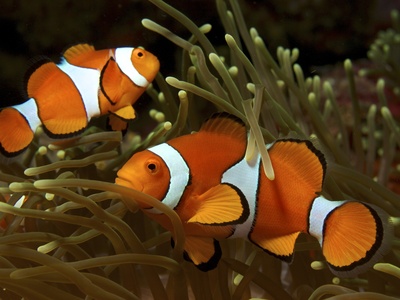
Clownfish
Small, bright orange anemone partner easily spotted in shallow lagoons. Common on reef dives, often in pairs or small groups. Familiar ID: white bands and orange body. Not threatened locally; fun species for beginner divers and snorkelers.
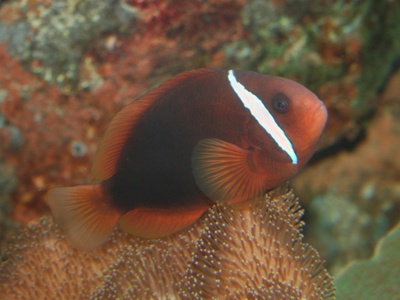
Tomato clownfish
Red-orange clownfish with a single white head bar; lives in anemones on sheltered reef sections. Fairly common and territorial. Divers see them at cleaning stations and in shallow bommies; watch for solitary pairs defending a host anemone.
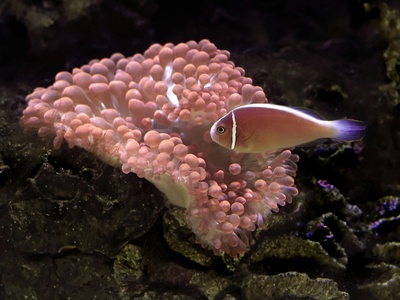
Pink skunk clownfish
Pale pink-orange body with a narrow white dorsal stripe from snout to tail. Often in small groups with host anemones on reef flats. Readily identified by the continuous white stripe and subtle pink tone.
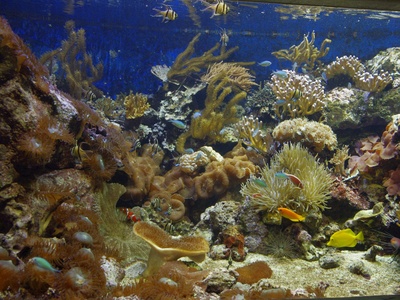
Blue-green chromis
Small, schooling damselfish with shimmering blue-green coloration. Abundant on slopes and pinnacles, forming dense clouds over coral heads. Easy to spot in large numbers; common subject for underwater photography.
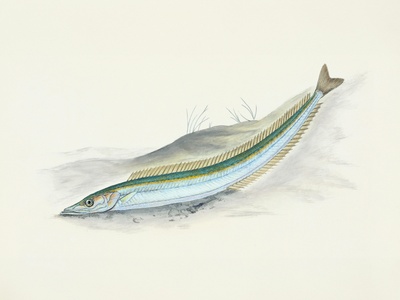
Longfin bannerfish
Distinctive black-and-white banded butterflyfish with long dorsal filament and yellow rear. Often seen in pairs or small groups near current-swept walls. Looks like a miniature Moorish idol; elegant in strong surge.
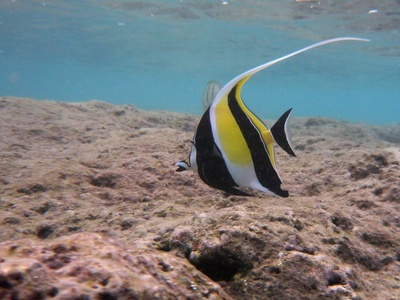
Moorish idol
Iconic, compressed fish with long filamentous dorsal spine, black-and-white bands and yellow accents. Often roams reef edges singly or in pairs. Recognizable silhouette makes it a prized sighting for divers.
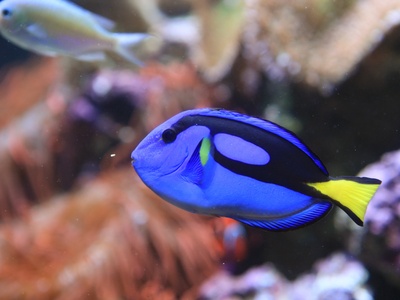
Regal tang
Bright blue body with black palette-shaped band and yellow tail. Often in small groups on outer reefs. A conspicuous open-water grazer; popular with divers and photographers.
Sailfin tang
Large, dramatic tang with tall sail-like dorsal fin and zebra-like striping when juvenile. Found grazing on algal patches on reef flats and slopes. Highly visible and often solitary or in small groups.
Brown tang
Brown, oval surgeonfish with small mouth and drifting schooling behavior near rocky or weedy areas. Frequently seen by snorkelers and divers; feeds on algae and helps maintain reef health.
Cleaner wrasse
Small, black-and-white cleaner fish. Often occupies cleaning stations where larger fish pause for parasite removal. Very bold around divers; a classic behavior to watch on reef dives.
Threadfin butterflyfish
White to yellow body with black diagonal band and long dorsal filament. Common on reefs and often seen in pairs. Distinctive eye stripe and rear spot aid identification.
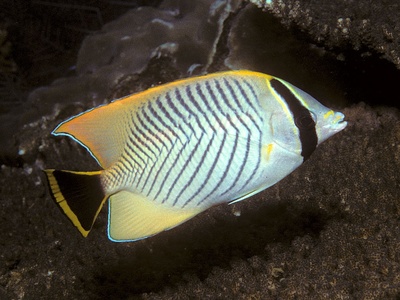
Chevron butterflyfish
Specialist feeder on Acropora corals with bold chevron markings. Often seen perched on branching corals. Less abundant where coral cover is low; notable for close association with live coral.
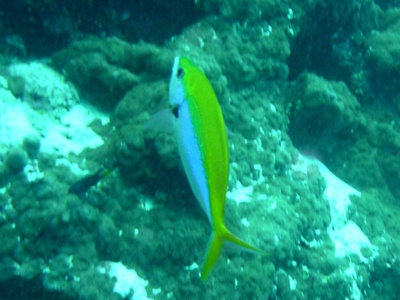
Yellowback fusilier
Schooling, streamlined fish with blue body and yellow back. Forms large midwater shoals along current-swept reef edges. Divers often see them streaming past cleaning stations and drop-offs.
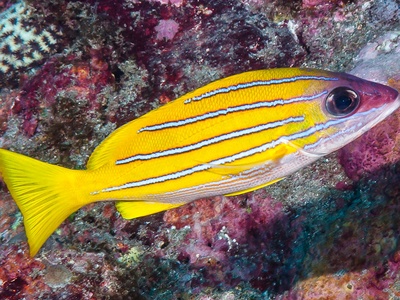
Bluestriped snapper
Vibrant yellow body with blue horizontal stripes; forms large daytime schools on reef faces. Common and noisy-looking at midwater depths; targeted by predators and popular for group shots.
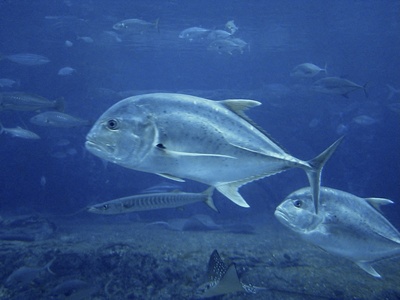
Giant trevally
Powerful, silver predator often patrolling drop-offs and channels. Solitary or small groups, it ambushes prey near reef edges. Big, cautious and thrilling for divers when spotted near currents.
Humphead wrasse
Huge, patterned wrasse with pronounced hump in adults. Long-lived and vulnerable; seen at cleaning stations and coral-rich reefs. Conservation concern makes sightings special and noteworthy for divers.
Bumphead parrotfish
Large, forehead-butting parrotfish that scrapes coral substrate. Often forms small shoals; unmistakable head shape and powerful bites. Important reef bioeroder and conservation-highlight species.
Ruben’s parrotfish
Large parrotfish with robust body and varied colorful phases. Often seen grazing algae on reef flats and slopes. Important for reef resilience; often spotted during daytime feeding.
Peacock grouper (Coral trout)
Brightly spotted grouper ambush predator often near caves and overhangs. Common on Palau reefs; solitary and wary. Recognizable by blue-ringed spots and red-brown body.
Brown-marbled grouper
Large, mottled grouper that hides in caves and crevices. A top predator subject to fishing pressure; sightings indicate healthy reef systems.
Lionfish (invasive)
Striking, venomous predator with flowing fins and zebra stripes. Invasive in Palau; common on reefs and known to impact native fish populations. Divers should admire but avoid touching.
Whitetip reef shark
Slender, nocturnal reef shark often resting on sandy patches between corals. Common on Palau dives around pinnacles and drop-offs; approachable but should not be harassed.
Blacktip reef shark
Small, social reef shark with prominent black-tipped fins. Frequently encountered in shallow lagoons and channels; energetic and visible to snorkelers and divers.
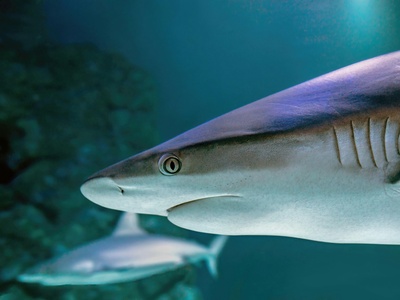
Gray reef shark
Large, reef-associated shark often seen patrolling walls and cleaning stations. Bold behavior in currents; common on Palau’s outer walls and a thrilling sight for advanced divers.
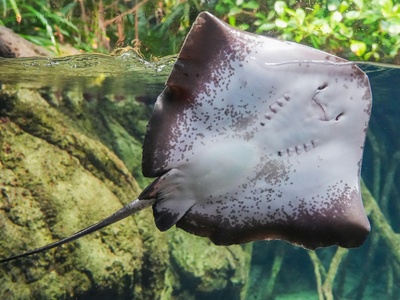
Reef manta (reef manta)
Gentle, broad-winged ray frequenting cleaning stations and coastal reefs. Often seen gliding near pinnacles, sometimes in large groups. Iconic megafauna and conservation priority in Palau’s marine parks.
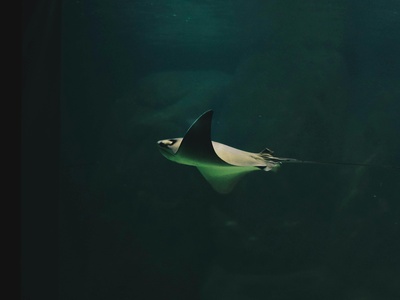
Oceanic manta
Massive, pelagic manta occasionally visits Palau’s waters on migrations. Huge wing-spanned glider often attracted to plankton-rich upwelling. Rarer than reef manta but a spectacular sight when encountered.
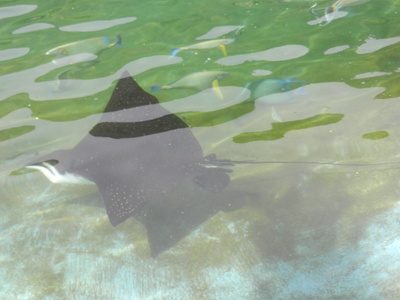
Spotted eagle ray
Graceful ray with dark upper surface and pale spots, often seen cruising over sand searching for mollusks. Common in lagoons and cut-throughs; popular with divers for its elegant swimming.
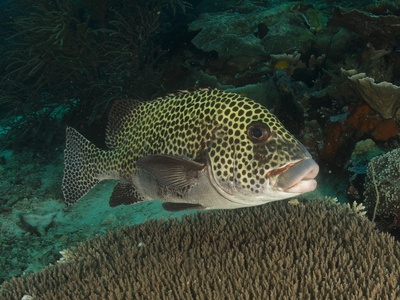
Spotted sweetlips
Youthful spotted pattern that changes with age; adults have large lips and slow, rhythmic movements. Often seen in schools near sheltered lagoons and rubble areas.
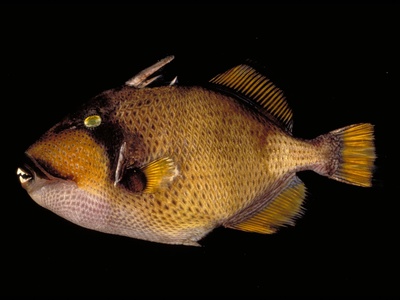
Titan triggerfish
Large, bold triggerfish that defends nests aggressively during breeding season. Recognizable by powerful teeth and strong jaws. Divers should give them wide berth during territorial displays.
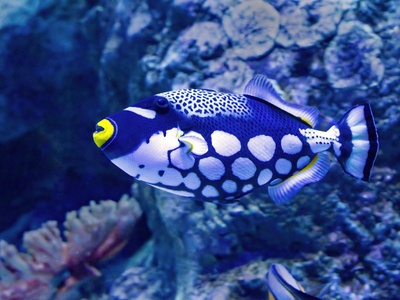
Clown triggerfish
Bold black body with white spots and yellow tail; solitary and conspicuous on reef faces. Often seen near drop-offs where it forages on invertebrates.
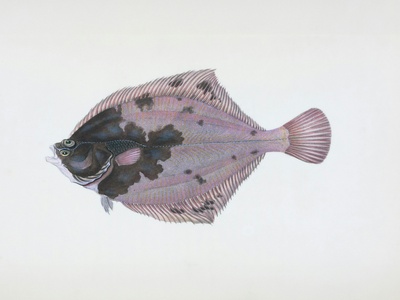
Picasso triggerfish
Colorful, angular triggerfish with bold stripes and a blunt snout. Frequently encountered in shallow reefs and around coral heads; active during day, territorial around dens.
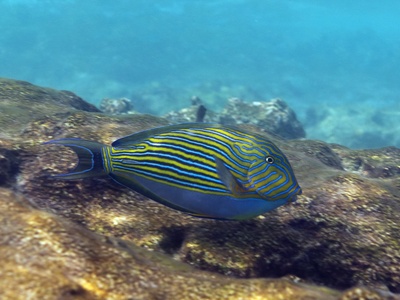
Lined surgeonfish
Striking black-and-blue striped surgeonfish often found in surge-prone areas. Active grazer that forms small aggregations; unmistakable linear pattern helps divers ID at distance.
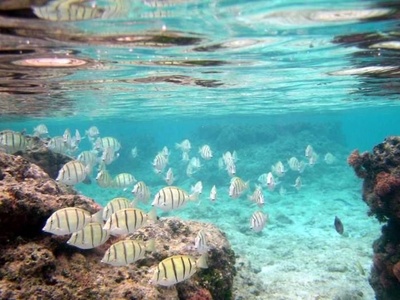
Convict surgeonfish
Small, pale surgeonfish with vertical stripes; common in large schools grazing algae in shallow water. Very abundant near shores and easy for snorkelers to observe.
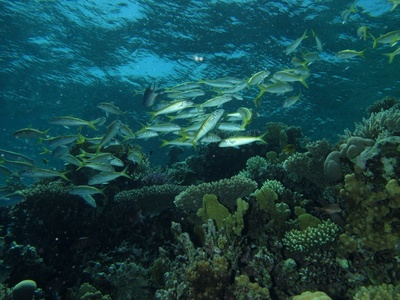
Yellowfin goatfish
White to yellow goatfish with chin barbels used to probe sand for invertebrates. Often seen singly or in small groups on sandy patches adjacent to coral.
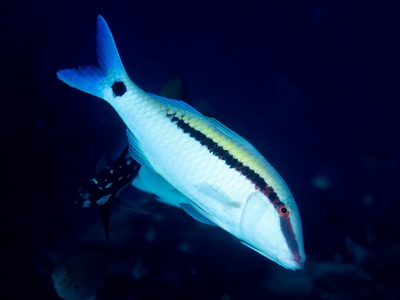
Dash-and-dot goatfish
Pinkish body with dark lateral band and chin barbels. Forages over sand at dusk and dawn; divers spot them moving methodically across sandy areas.
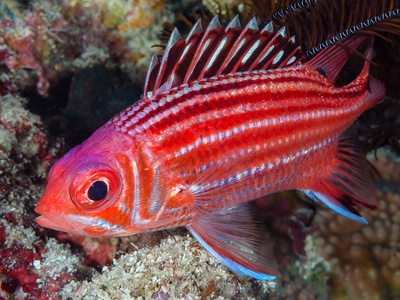
Squirrelfish
Red, large-eyed nocturnal fish hiding in crevices during day and emerging at night. Loud-eyed appearance and spiny fins make them easy to recognize in reef ledges.
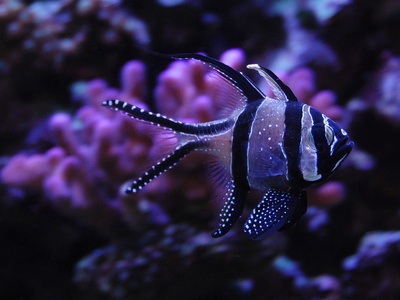
Cardinalfish
Small, nocturnal mouthbrooding fish often sheltering in caves by day. Slender body and large eyes; common on reef dives and visible at cleaning stations near dusk.
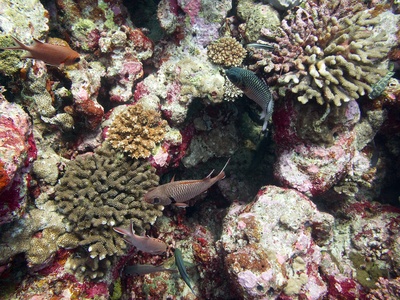
Soldierfish
Nocturnal, reddish fish that hide in shadowed reef holes during daylight. Large eyes adapted to low light; often seen in groups at reef overhangs.
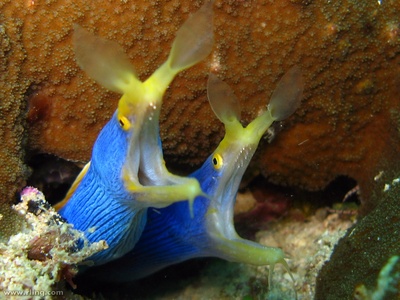
Ribbon eel
Slender, tubular eel with ribbon-like dorsal fin and dramatic coloration changing with age/sex. Often protrudes from sandy burrow near coral patches; a prized find for macro enthusiasts.
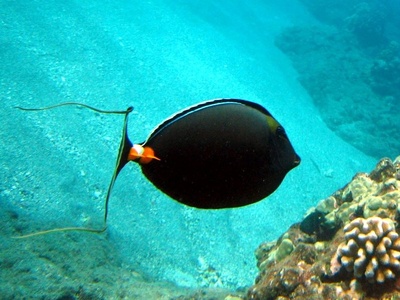
Orangespine unicornfish
Distinctive blue-gray body with bright orange tail and forehead horn in males. Frequently seen grazing on algae and in small schools on outer reefs.
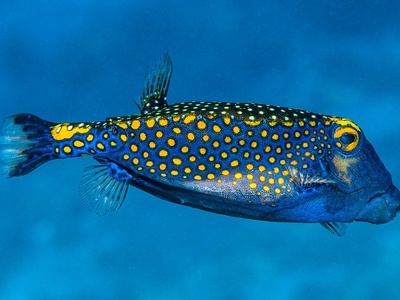
Spotted boxfish
Box-shaped, slow-moving fish with polka-dot markings. Often found singly near coral heads; secretes toxins if stressed so appreciate at a distance.
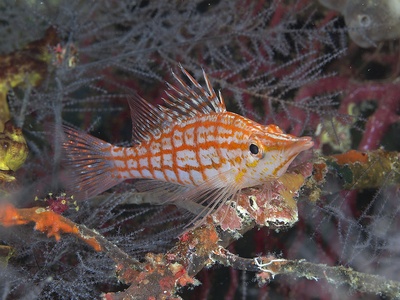
Longnose hawkfish
Perches on gorgonian branches with elongated snout and red-and-white pattern. Small, charismatic species favored by photographers; sits conspicuously waiting for small prey.
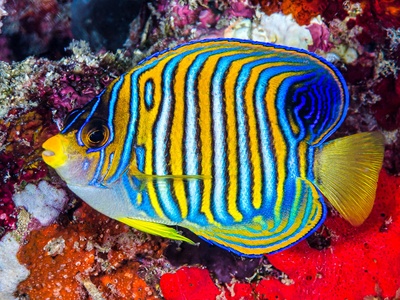
Regal angelfish
Striking banded angelfish with alternating blue, yellow and orange stripes. Shy and somewhat uncommon; often seen in crevicelike habitats and overhangs at depth.
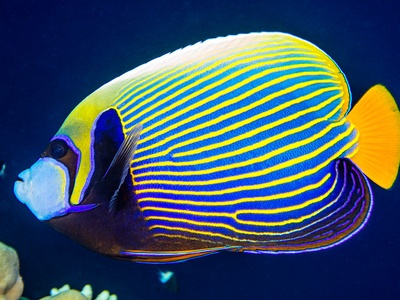
Emperor angelfish
Bold, ringed juvenile pattern transforms into striking adult bands. Frequently encountered on walls and drop-offs; prized by divers for vivid coloration and bold profile.
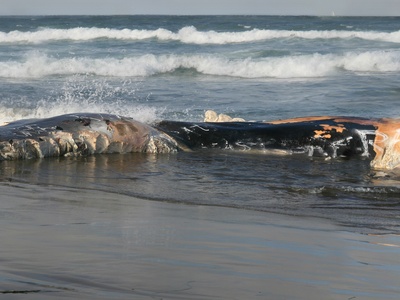
Whale shark
World’s largest fish occasionally visits Palau’s waters. Slow-moving, plankton-feeding giant often near surface and passes. A rare, unforgettable sighting; conservation interest due to migratory nature.
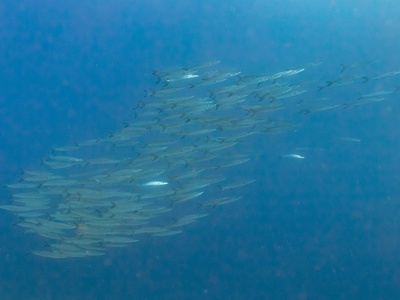
Great barracuda
Long, torpedo-shaped predator with silvery body and fearsome teeth. Often seen cruising above reef flats and drop-offs; solitary or in small groups, triggers excitement among divers.
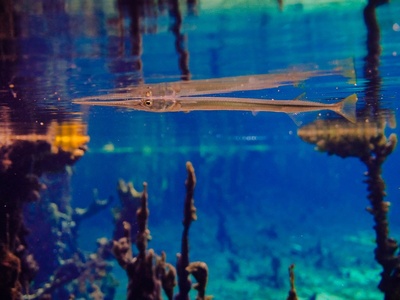
Houndfish/Needlefish
Long, slender surface predator with elongated jaws. Often seen dashing near the surface along reef edges. Quick and skittish; sparks attention when schools streak by.
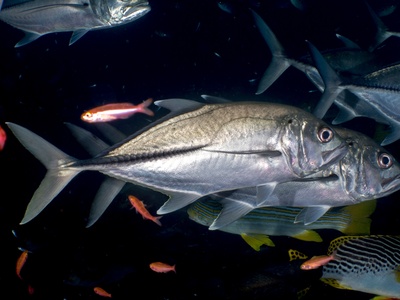
Bigeye trevally
Deep-bodied, silvery jack often forming hunting schools in blue water. Bold swimmers near currents and cleaning stations; prized by anglers and an exciting sight for divers.
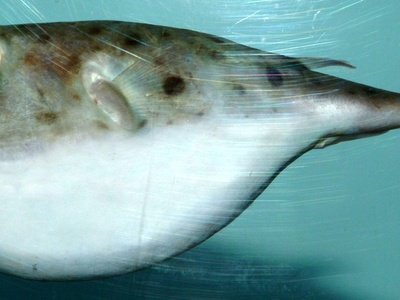
Blunthead puffer
Large pufferfish with mottled pattern that inflates when threatened. Found near coral rubble and sandy patches; slow-moving and curious, often inspected by divers.
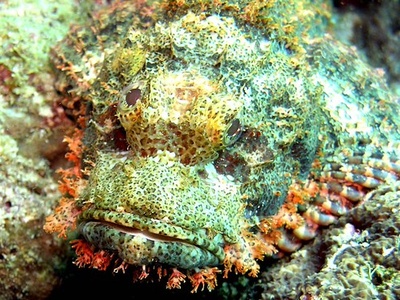
Stonefish
Well-camouflaged, venomous ambush predator that blends into substrate. Typically stationary among rocks and coral rubble; divers should watch feet in shallow areas and avoid touching substrate.
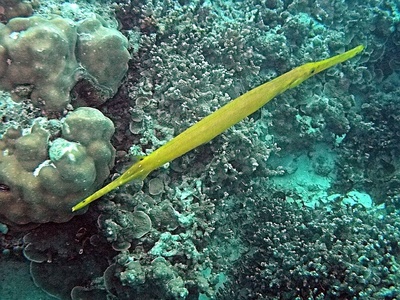
Trumpetfish
Elongated, snake-like fish often shadowing larger fish as camouflage while hunting. Quiet and cryptic, commonly seen vertically aligned with prey species near walls and pinnacles.
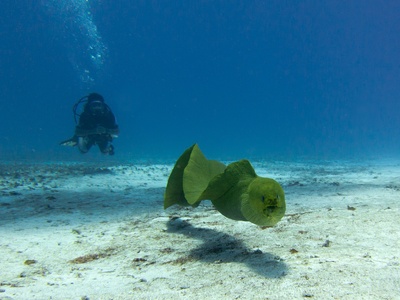
Giant moray
Large, mottled moray eel often peeking from holes in reef structures. Night and dawn activity; divers encounter them in crevices—impressive but should not be provoked.
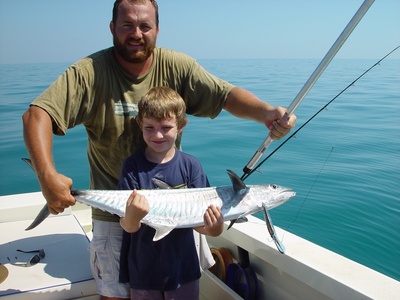
Spanish mackerel
Fast, streamlined pelagic hunter often seen in surface schools chasing baitfish along reef edges. Flashing stripes and rapid bursts make for exciting sightings during drift dives.
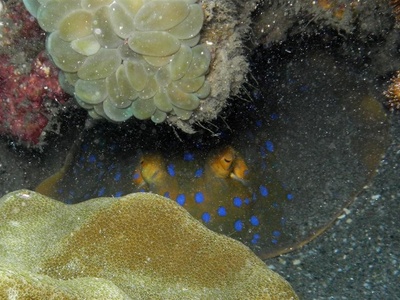
Blue-spotted stingray
Flattened ray with bright blue spots and short tail. Often partially buried on sand near coral heads; approachable but should not be touched due to venomous spine.
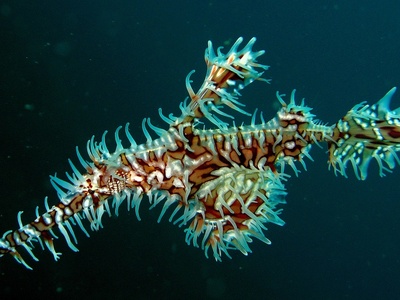
Ornate ghostpipefish
Delicate, camouflaged fish that drifts like debris, often near soft corals and seagrass. A cryptic and sought-after sight for macro divers; pairs or lone individuals mimic surroundings.
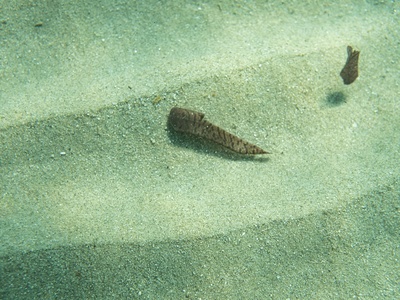
Common seahorse
Small, upright swimming fish anchoring to seagrass and algae with prehensile tail. Found in sheltered mangrove lagoons and seagrass beds; slow-moving and vulnerable to habitat loss.

Blacktip snapper
Medium-sized snapper with warm brown body and distinctive black-tipped fins. Found singly or in small groups on reef faces; common prey for larger predators.
Striped bigeye
Large-eyed, nocturnal red fish often sheltering in crevices by day. Shy and usually solitary; emerges at night to feed on small fishes and invertebrates.