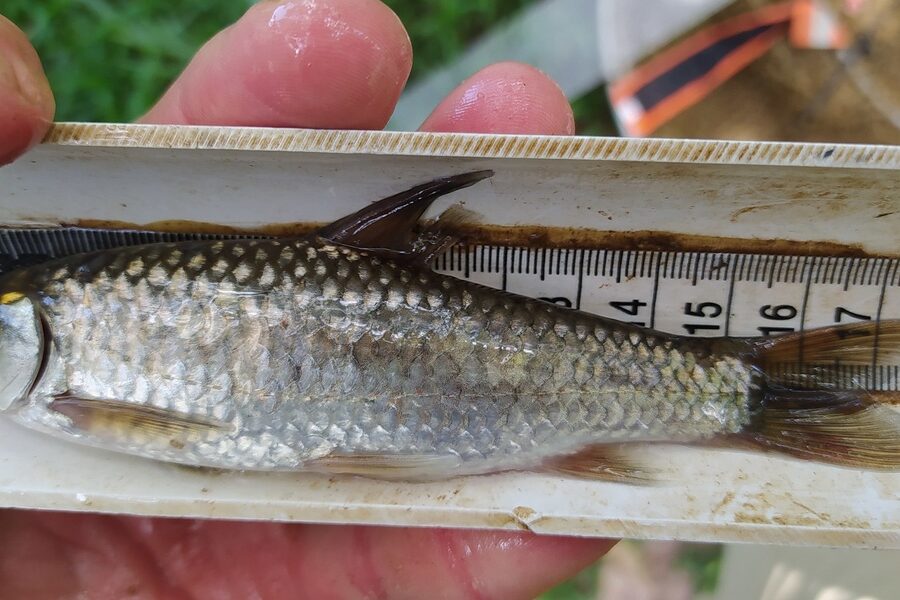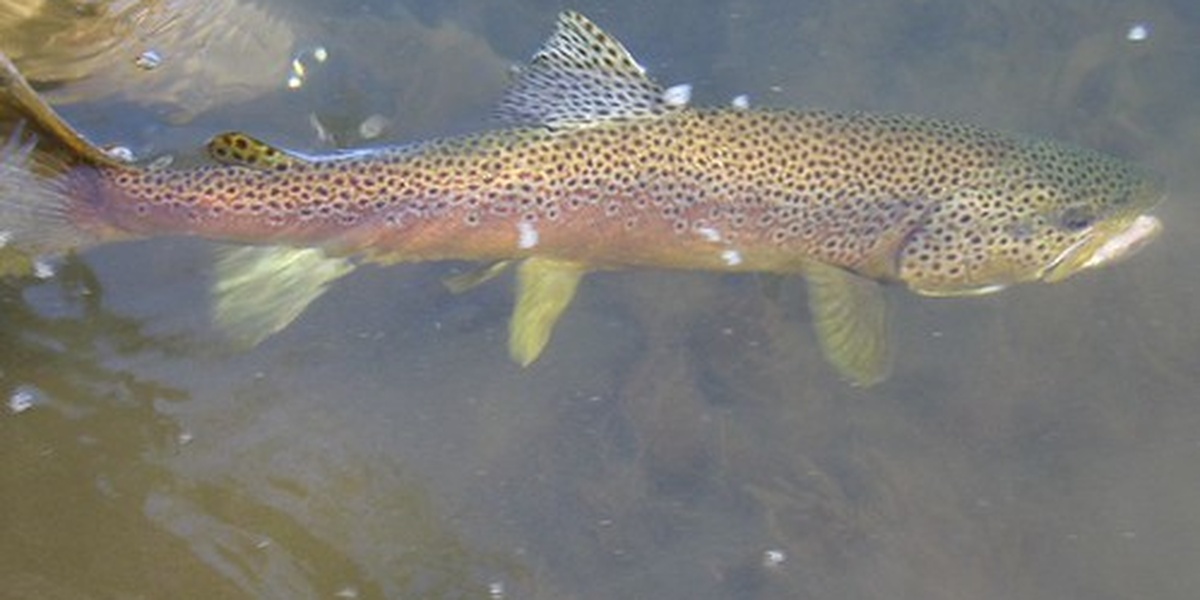
Switzerland’s waterways—from glacier-fed streams and high alpine lakes to slow lowland rivers—support a surprising mix of native and introduced fish. Local geology and temperature gradients shape which species appear in each basin, so a national list highlights both common and habitat-specialist fish.
There are 45 Fish of Switzerland, ranging from Alpine sculpin to Zingel asper. For each species, entries are organized with Scientific name,Status,Where found — you’ll find the full list below.
Which Swiss habitats contain the most species?
Lowland lakes and their connected river systems typically host the highest species counts because they offer varied niches and milder conditions; alpine streams have fewer but highly specialized cold‑water species. Use the Where found column to compare habitat ranges and spot which watersheds are most diverse.
How should I interpret the Status column when planning trips or conservation actions?
Treat Status as a conservation indicator: it shows vulnerability or protection level, not fishing regulations. Prioritize observing protected or declining species from a distance, check local rules before visiting, and consult recent regional sources for up-to-date status if you’re planning fieldwork or advocacy.
Fish of Switzerland
| Common name | Scientific name | Status | Where found |
|---|---|---|---|
| Brown trout | Salmo trutta | Native | Rivers, lakes, alpine streams (widespread) |
| Arctic char | Salvelinus alpinus | Native | Deep alpine lakes and cold headwaters (high Alps) |
| European grayling | Thymallus thymallus | Native | Cold, fast-flowing rivers and large streams (Rhine, Aare) |
| Rainbow trout | Oncorhynchus mykiss | Introduced | Stocked rivers and lakes, cold streams (widespread) |
| Brook trout | Salvelinus fontinalis | Introduced | Cold mountain streams and stocked lakes (localized) |
| Northern pike | Esox lucius | Native | Vegetated lakes, slow rivers and backwaters (widespread) |
| Wels catfish | Silurus glanis | Introduced | Large lakes and main rivers (lowlands, Rhine) |
| European perch | Perca fluviatilis | Native | Lakes, slow rivers and reservoir margins (widespread) |
| Zander (pike-perch) | Sander lucioperca | Introduced | Large lakes and main rivers (expanding) |
| Common carp | Cyprinus carpio | Introduced | Lakes, lowland rivers and ponds (widespread) |
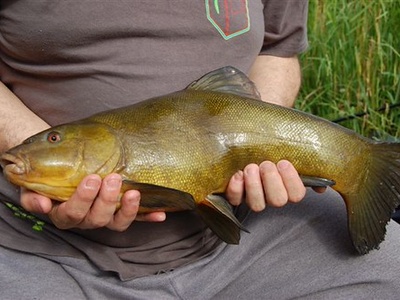
| Tench | Tinca tinca | Introduced | Weedy lakes and slow rivers, lowland regions |
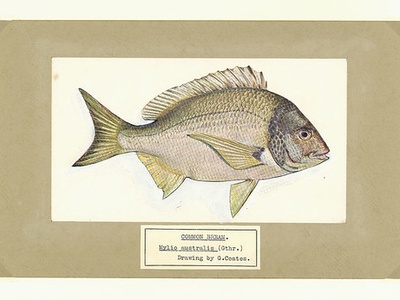
| Common bream | Abramis brama | Native | Large lakes, slow rivers and reservoirs (widespread) |
| Roach | Rutilus rutilus | Native | Lakes, rivers and canals (very common) |
| Rudd | Scardinius erythrophthalmus | Native | Weedy lakes and slow rivers (widespread) |
| Ruffe | Gymnocephalus cernua | Native | Deep lakes and slow river sections (some lakes) |
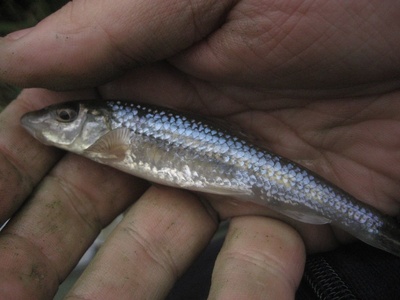
| Gudgeon | Gobio gobio | Native | Gravel-bottom rivers and streams, lowland waters |
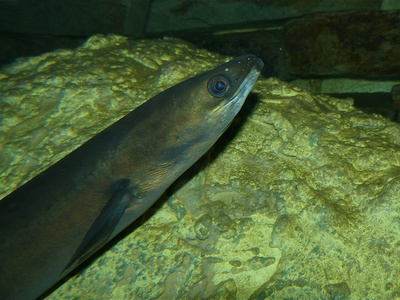
| European eel | Anguilla anguilla | Native | Rivers, lakes and connected waters (migratory) |
| Common dace | Leuciscus leuciscus | Native | Rivers and streams, mid elevations (widespread) |
| Ide | Leuciscus idus | Introduced | Lakes and slow rivers (found in many lowland waters) |
| Chub | Squalius cephalus | Native | Rivers, warm stretches and lowland reaches (widespread) |
| Barbel | Barbus barbus | Native | Fast-flowing rivers and gravelly stretches (Rhine and tributaries) |
| Stone loach | Barbatula barbatula | Native | Cold streams and stony riverbeds (headwaters) |
| European bullhead | Cottus gobio | Native | Cold headwater streams and small rivers (alpine foothills) |
| Whitefish | Coregonus lavaretus | Native | Deep alpine lakes and large lakes (important fisheries) |
| Bleak | Alburnus alburnus | Native | Open water of lakes and slower rivers (shoaling species) |
| Spirlin | Alburnoides bipunctatus | Native | Small streams and shallow rivers with moderate flow (localized) |
| Silver bream | Blicca bjoerkna | Native | Lowland lakes and slow rivers (weedy areas) |
| Prussian carp | Carassius gibelio | Introduced | Ponds, slow rivers and sheltered bays (invasive pockets) |
| Crucian carp | Carassius carassius | Occasional | Ponds, marshes and peatlands (scattered refuges) |
| Three-spined stickleback | Gasterosteus aculeatus | Native | Ponds, slow streams and lake margins (common) |
| Nine-spined stickleback | Pungitius pungitius | Native | Cold shallow waters, marsh edges and small streams (localized) |
| Spined loach | Cobitis taenia | Occasional | Slow lowland streams, canals and ponds (rare) |
| Weatherfish | Misgurnus fossilis | Occasional | Marshes, floodplain ponds and reedbeds (rare locales) |
| Brook lamprey | Lampetra planeri | Native | Small, clear streams with gravel beds (headwaters) |
| River lamprey | Lampetra fluviatilis | Occasional | Larger rivers with sea access or fish passes (migratory, rare) |
| Round goby | Neogobius melanostomus | Introduced | Rhine and large lakes, rocky bottoms (invasive) |
| Tubenose goby | Proterorhinus semilunaris | Introduced | Slow river sections and lake inlets (Rhine tributaries) |
| Zingel asper | Zingel asper | Occasional | Rhône basin, stony river sections (localized, endangered) |
| European smelt | Osmerus eperlanus | Native | Cold deep lakes and outflowing rivers (Lake Constance, Geneva) |
| Burbot | Lota lota | Native | Cold deep lakes, clear rivers and deep channels (alpine and lowland) |
| Eurasian minnow | Phoxinus phoxinus | Native | Small, cold headwater streams and shady brooks (uplands) |
| Sunbleak | Leucaspius delineatus | Occasional | Lowland ponds, slow canals and reed margins (localized) |
| Asp | Aspius aspius | Occasional | Large rivers and reservoirs, warm stretches (localized introductions) |
| Alpine sculpin | Cottus poecilopus | Native | Cold mountain streams and lake shores (alpine regions) |
| Atlantic salmon | Salmo salar | Occasional | Restored migratory routes in Rhine and tributaries (rare) |
Images and Descriptions
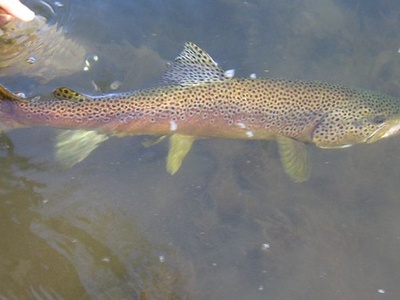
Brown trout
Popular game fish reaching 20–80 cm. Brown to golden flanks with dark spots; adaptable to cold and warm waters. Many local populations genetically distinct; conservation focuses on habitat connectivity and protection from non-native trout stocking.
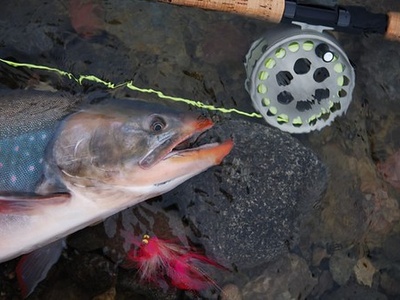
Arctic char
Cold-water char often under 50 cm but can reach 1 m in deep lakes. Slim, often reddish or silvery with light spots. Vulnerable to warming, eutrophication and introduced trout competing in small alpine lakes.
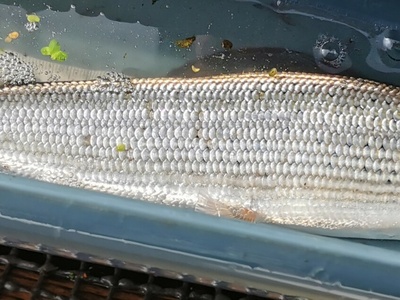
European grayling
Recognizable by sail-like dorsal fin and silver body; typically 30–60 cm. Indicator of clean, oxygen-rich rivers. Sensitive to river modification; conservation targets free-flowing gravel sections and migratory pathways.
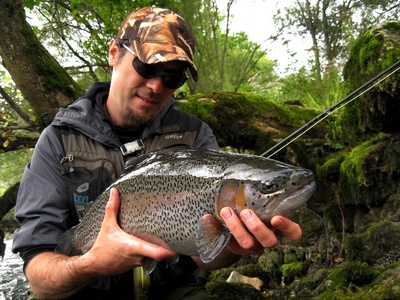
Rainbow trout
Colorful introduced trout up to 1 m in lakes, smaller in streams. Often pink lateral stripe and spotted body. Widely stocked for angling; can hybridize with and compete against native trout populations.
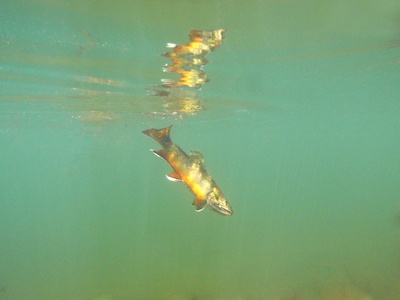
Brook trout
Small char species, typically 20–40 cm, with red spots and lighter edges on fins. Introduced from North America; established in some upland waters and can compete with native char and trout.
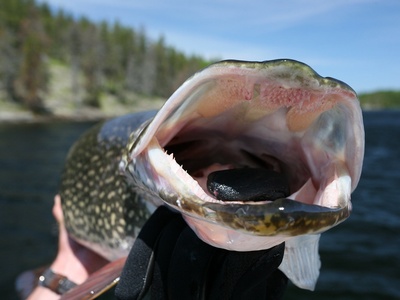
Northern pike
Ambush predator up to 1.2 m with elongated body and toothy jaws. Green patterned skin blends into plants. Important sport fish; habitat loss and angling pressure managed to maintain populations.
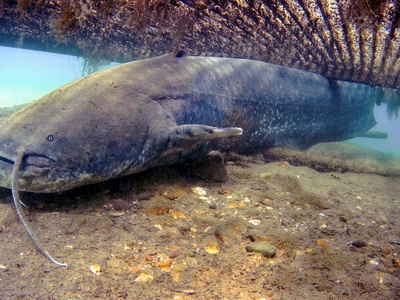
Wels catfish
Very large introduced catfish reaching well over 2 m in some rivers. Nocturnal ambush predator with broad head. Expanding range; management focuses on limiting spread and impacts on native fish and angling interests.
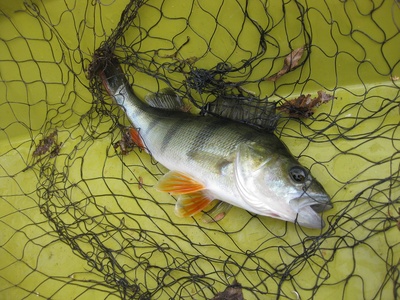
European perch
Striped, laterally compressed fish commonly 15–40 cm. Schooling predator of invertebrates and small fish; popular with anglers. Tolerant species but can be affected by changes in prey communities.
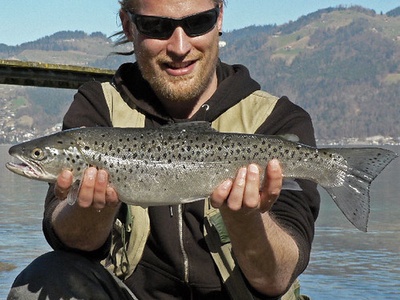
Zander (pike-perch)
Elongated predator up to 1 m, resembling a cross between perch and pike. Nocturnal hunter introduced to enhance fisheries; expanding into new waters and sometimes outcompetes native predators.
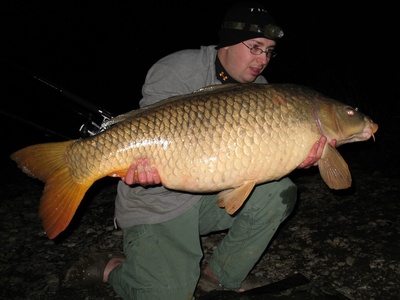
Common carp
Heavy-bodied fish up to 1 m with barbels and variable coloration. Tolerant of warm, turbid waters. Long-established introduced species with ecological impacts in shallow, vegetated habitats.
Tench
Olive-green fish typically 20–60 cm with small scales and rounded fins. Bottom-feeder that prefers dense vegetation. Introduced and established; often managed for coarse fisheries and wetland conservation.
Common bream
Deep-bodied, silvery fish 30–60 cm commonly forming large shoals. Feeds on benthic invertebrates; tolerant of moderate turbidity. Important in lake ecosystems and coarse fisheries.

Roach
Small to medium silver fish 10–35 cm with red fins on some individuals; forms large shoals. Highly adaptable and widespread; often abundant in nutrient-rich waters.
Rudd
Golden, laterally compressed fish up to 35 cm with upturned mouth for surface feeding on plants and insects. Common in vegetated shallows; sensitive to heavy predation and habitat loss.
Ruffe
Small spiny fish typically 10–20 cm with large dorsal fin. Tolerant of low oxygen and turbidity; can bloom in disturbed systems and compete with other small benthic species.
Gudgeon
Small benthic cyprinid 8–15 cm with tactile barbels. Prefers clean gravel or sandy substrates. Important forage species and indicator of good water quality in small rivers.
European eel
Elongated catadromous fish up to 1.5 m; migrates to Sargasso Sea to spawn. Critically endangered with steep declines due to barriers, overfishing and disease; migration restoration is a conservation priority.
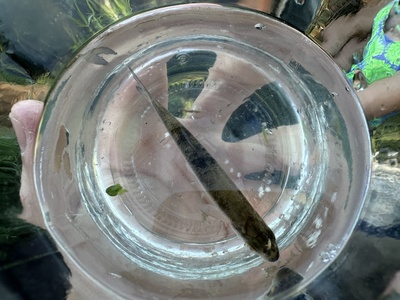
Common dace
Stream-dwelling shoaling fish 15–30 cm with streamlined silvery body. Strong swimmer of riffles and runs. Sensitive to pollution and habitat fragmentation that blocks spawning migrations.
Ide
Large-bodied cyprinid up to 60 cm with silvery sheen. Introduced for coarse fisheries; robust and adaptable, sometimes competing with native cyprinids in ponds and lakes.
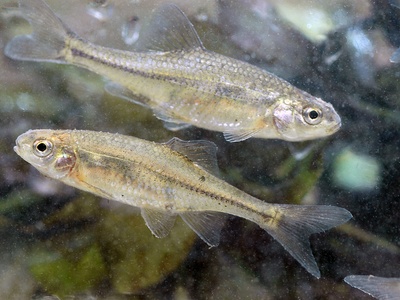
Chub
Stout, broad-headed fish 20–60 cm with powerful swimming. Feeds on invertebrates, fish and plant matter. Thrives in warmed, modified rivers; management focuses on maintaining flow diversity and riparian habitat.
Barbel
Bottom-oriented cyprinid 30–70 cm with barbels around mouth. Prefers clean, stony riverbeds. Vulnerable to channelization and pollution; conservation targets gravel habitats and connectivity.
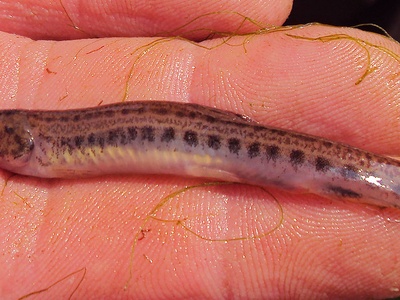
Stone loach
Small, elongated bottom-dweller 6–12 cm with mottled coloration and whisker-like barbels. Hides under stones; indicator of clean, oxygenated headwaters and sensitive to siltation.
European bullhead
Small sculpin 5–12 cm with flattened head and mottled coloring. Territorial and cryptic under stones. Sensitive to warming and riverbed disturbance; locally protected in some areas.
Whitefish
Group of cold-water coregonids often 25–70 cm. Silvery with variable mouth shape adapted for plankton feeding. Many lake-specific forms; some populations are threatened by overfishing and habitat change.
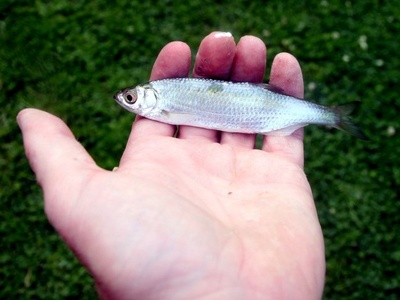
Bleak
Small, slender schooling fish 6–12 cm with silvery sides. Pelagic feeder on plankton and insects; important prey for larger predatory fish in lakes and rivers.
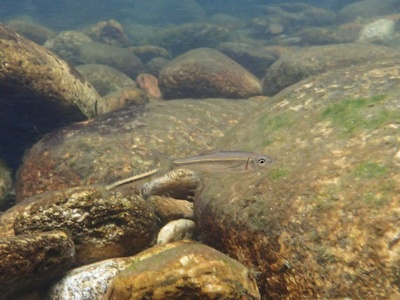
Spirlin
Small cyprinid 6–12 cm with compressed body and silvery flanks. Prefers cool, oxygenated streams; many local populations and sensitive to channel modification and pollution.
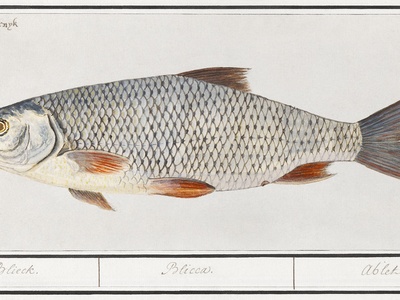
Silver bream
Deep-bodied, silvery fish 15–30 cm often mistaken for common bream. Feeds on invertebrates and plants; tolerant but declining where wetlands are lost.
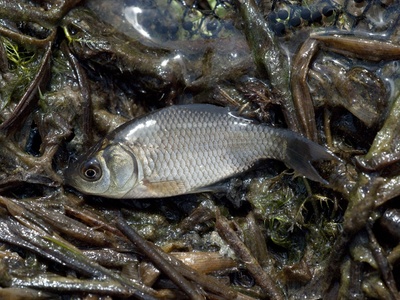
Prussian carp
Plastic-bodied carp up to 40 cm; can reproduce asexually in some populations. Invades shallow waters and competes with native Carassius species; management aims to limit spread.
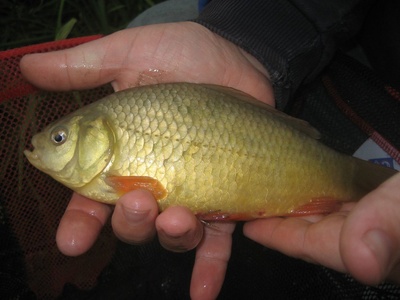
Crucian carp
Golden, deep-bodied carp 15–30 cm adapted to low-oxygen shallow waters. Populations fragmented and often replaced by introduced Prussian carp; conservation focuses on protecting pond habitats.
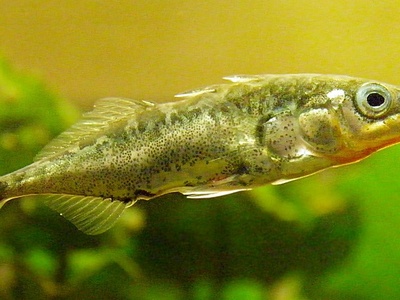
Three-spined stickleback
Small, armored fish 3–10 cm with distinctive dorsal spines. Versatile and widespread, important prey for larger fish and waterbirds; tolerant of varying salinity and habitats.
Nine-spined stickleback
Smaller armored stickleback 3–8 cm with nine dorsal spines. Prefers vegetated, cooler waters and can indicate intact littoral habitats.
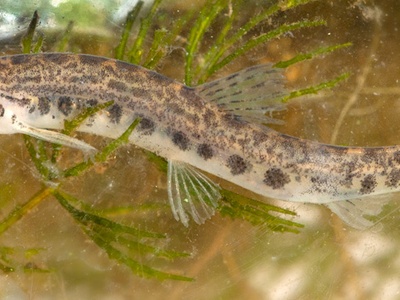
Spined loach
Small, elongated bottom-dweller 8–12 cm with barbels and mottled skin. Cryptic and sensitive to habitat loss; scattered populations merit attention in wetland restoration.
Weatherfish
Eel-like loach up to 25 cm that burrows in silt and survives low oxygen. Once more widespread, now patchy and of conservation concern where wetlands have been drained.
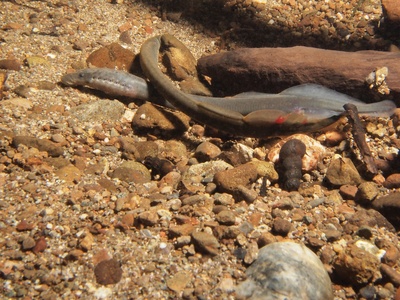
Brook lamprey
Small, non-parasitic lamprey 8–12 cm with eel-like body. Builds nests in gravel; sensitive to barriers and sedimentation. Indicator of healthy headwater conditions.
River lamprey
Anadromous lamprey up to 35 cm that migrates to spawn. Records in Swiss Rhine are rare; restoration of migratory routes could support recolonization.
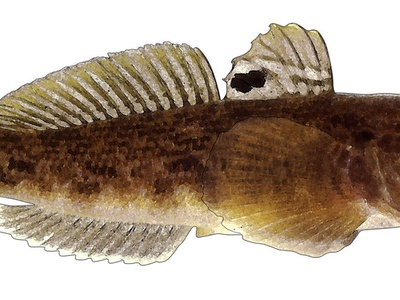
Round goby
Small benthic invader 10–25 cm with fused pelvic fins. Aggressive competitor that alters benthic communities; established in parts of the Rhine and monitored for spread.
Tubenose goby
Small, secretive goby 7–12 cm with tubular nostrils. Introduced via ballast and canals; can occupy sheltered littoral zones and compete with native benthic fishes.
Zingel asper
Slender, darter-like fish 15–25 cm endemic to Rhône system. Prefers fast, clear, gravel-bottomed flows. Highly threatened by channelization and hydropower; conservation focus in Rhône tributaries.
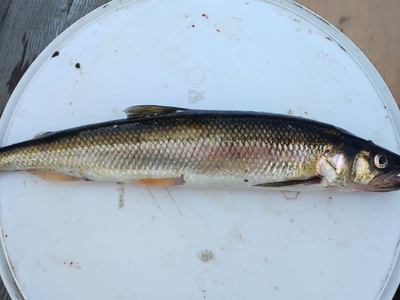
European smelt
Small silvery fish 15–25 cm with delicate body and oily flesh. Important seasonal prey in deep lakes; populations influenced by oxygen conditions and fishing.
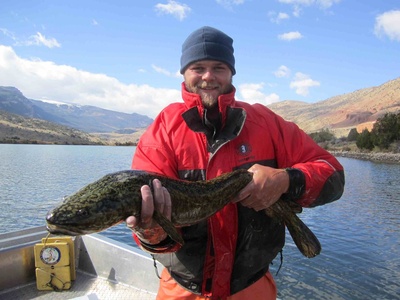
Burbot
Nocturnal bottom predator up to 70 cm with elongated barbel on chin. Prefers cold, oxygen-rich deep water; sensitive to warming of lakes and habitat degradation.
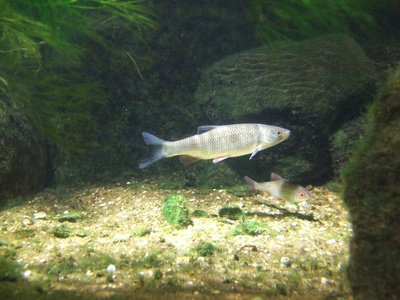
Eurasian minnow
Tiny schooling fish 3–10 cm with bright breeding colors in males. Indicator of healthy headwaters; vulnerable to siltation and introduced predators.
Sunbleak
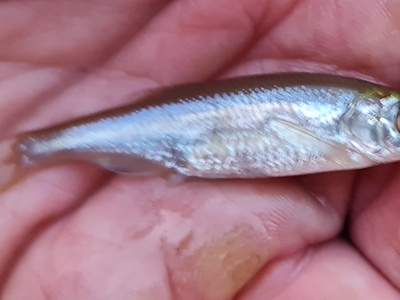
Very small silvery fish 3–6 cm that forms shoals in shallow vegetation. Sensitive to habitat loss and pond drainage; locally present in lowland wetlands.
Asp
Long, silvery predatory cyprinid up to 70 cm that feeds on fish in open water. Present as localized populations from introductions; monitored due to impacts on small fish communities.
Alpine sculpin
Small sculpin 6–12 cm with broad head and mottled camouflage. Lives among stones in cold waters; sensitive to warming and habitat alteration in high-altitude streams.
Atlantic salmon
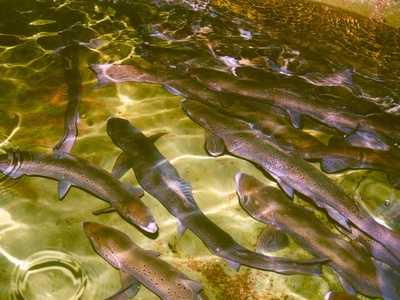
Large migratory salmon up to 1 m historically present; recent restoration has allowed some return. Rare and still largely absent upstream; conservation targets fish passes and water quality.