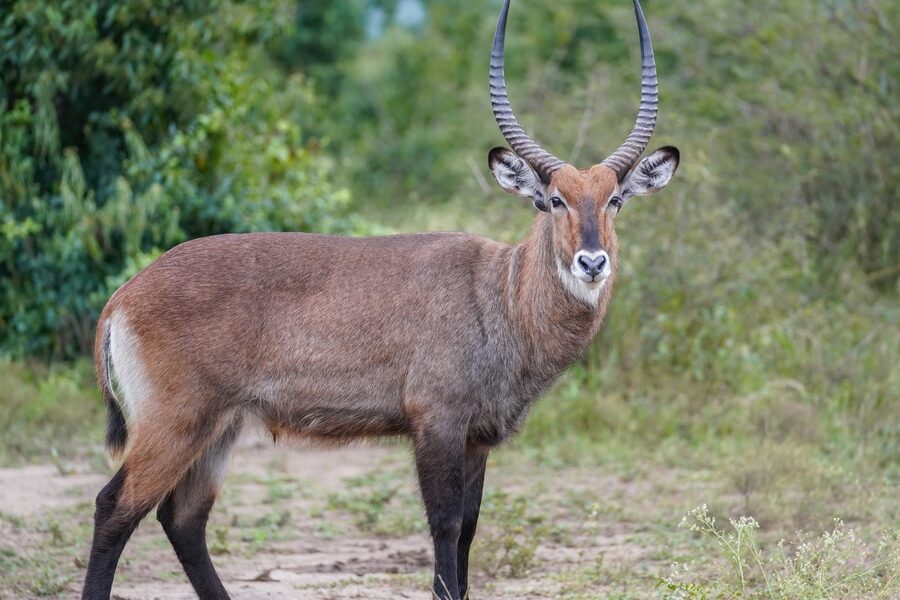
Grasslands across continents host shifting herds, stealthy predators and small foragers that together drive nutrient cycling and plant dynamics. A quick look at who lives and feeds there helps explain seasonal changes and management needs.
There are 77 Grassland Consumers, ranging from Aardvark to Warthog. For each entry you’ll find below Scientific name, Role (diet), Avg weight (kg) you’ll find below.
Which species are counted as grassland consumers?
The list focuses on animals that rely on grassland ecosystems for food or forage—grazers, browsers, omnivores and predators that regularly feed in these habitats. It includes resident and seasonal species, and uses Scientific name plus Role (diet) and Avg weight (kg) so you can compare taxonomy, feeding strategy and body mass at a glance.
How can I use this list for research or teaching?
Use it as a checklist for local surveys, to build simple food webs, or to estimate biomass and energy flow by combining Role (diet) with Avg weight (kg). The Scientific name column helps avoid confusion with common names, and the standardized fields make it easy to sort, filter or import into spreadsheets for classroom exercises or basic analyses.
Grassland Consumers
| Name | Scientific name | Role (diet) | Avg weight (kg) |
|---|---|---|---|
| African elephant | Loxodonta africana | Mega-herbivore; grazes grasses and browse | 5,000 |
| African buffalo | Syncerus caffer | Large grazer; grasses and sedges | 700 |
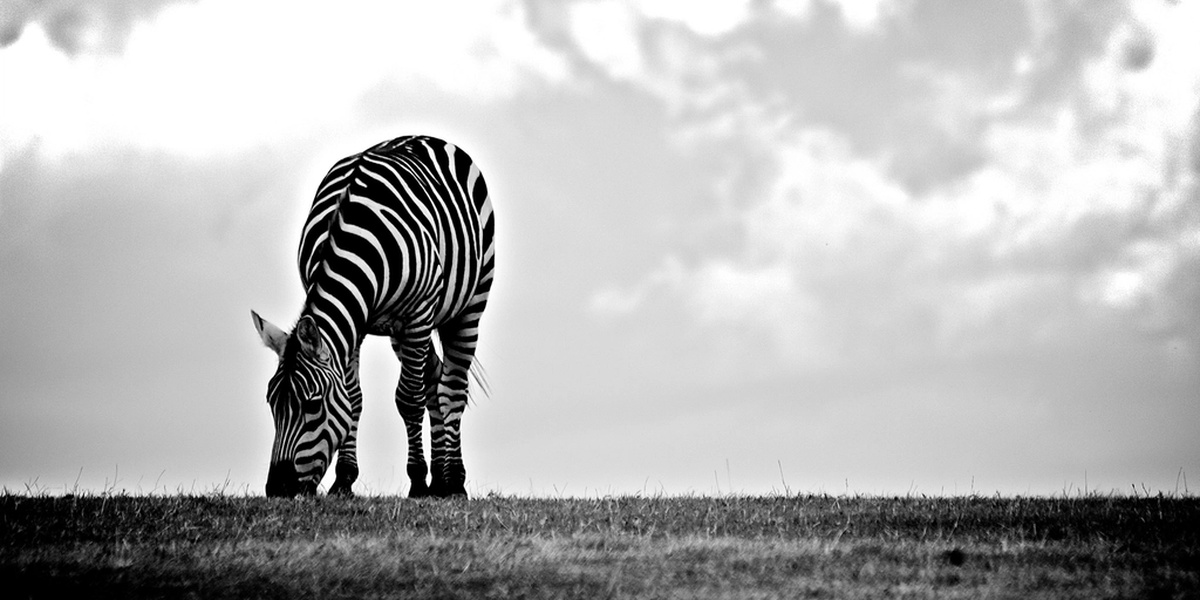
| Plains zebra | Equus quagga | Grazing herbivore; grasses | 350 |
| Blue wildebeest | Connochaetes taurinus | Grazer; primarily grasses | 200 |
| African lion | Panthera leo | Apex carnivore; hunts large ungulates | 190 |
| Cheetah | Acinonyx jubatus | Fast pursuit carnivore; medium ungulates and rodents | 50 |
| Spotted hyena | Crocuta crocuta | Scavenger and hunter; carrion and ungulates | 60 |
| African wild dog | Lycaon pictus | Cooperative pack hunter; medium ungulates | 25 |
| Thomson’s gazelle | Eudorcas thomsonii | Grazing/ browsing herbivore; grasses and forbs | 20 |
| Impala | Aepyceros melampus | Mixed feeder; grasses and browse | 50 |
| Springbok | Antidorcas marsupialis | Grazer; short grasses and succulents | 30 |
| Saiga antelope | Saiga tatarica | Grazer; steppe grasses | 25 |
| Pronghorn | Antilocapra americana | Grazer; short grasses and forbs | 50 |
| American bison | Bison bison | Large grazer; dominant grasses | 680 |
| Eastern grey kangaroo | Macropus giganteus | Grazer; grasses and herbs | 40 |
| Red kangaroo | Osphranter rufus | Grazing herbivore; grasses | 60 |
| Domestic cattle | Bos taurus | Grazing herbivore; grasses and forbs | 600 |
| Domestic sheep | Ovis aries | Grazing herbivore; grasses and forbs | 70 |
| Domestic goat | Capra hircus | Browser/grazer; grasses, shrubs | 60 |
| Domestic horse | Equus ferus caballus | Grazing herbivore; grasses | 500 |
| Przewalski’s horse | Equus ferus przewalskii | Grazing herbivore; steppe grasses | 300 |
| Guanaco | Lama guanicoe | Grazer; pampas and Andean grasslands | 90 |
| Vicuña | Vicugna vicugna | Grazer; high Andean puna grasses | 50 |
| Pampas deer | Ozotoceros bezoarticus | Grazer; pampas grasses and forbs | 30 |
| Plains viscacha | Lagostomus maximus | Herbivore; grasses and forbs | 4 |
| Patagonian mara | Dolichotis patagonum | Herbivorous rodent; grasses and herbs | 8 |
| Capybara | Hydrochoerus hydrochaeris | Large semi-aquatic grazer; marsh grasses | 50 |
| Pampas fox | Lycalopex gymnocercus | Mesopredator; small mammals and insects | 6 |
| Giant anteater | Myrmecophaga tridactyla | Insectivore; ants and termites | 40 |
| Aardvark | Orycteropus afer | Myrmecophagous; termites and ants | 60 |
| Bontebok | Damaliscus pygargus | Grazer; short grass specialist | 75 |
| Secretarybird | Sagittarius serpentarius | Terrestrial raptor; snakes, insects, small mammals | 7 |
| Kori bustard | Ardeotis kori | Omnivore; seeds, insects, small vertebrates | 13 |
| Ostrich | Struthio camelus | Omnivorous grazer; plants, seeds, insects | 100 |
| Rhea | Rhea americana | Omnivore; grasses, fruits, insects | 30 |
| Emu | Dromaius novaehollandiae | Omnivore; grasses, fruits, invertebrates | 45 |
| Greater prairie-chicken | Tympanuchus cupido | Herbivore/omnivore; seeds, leaves, insects seasonally | 1.3 |
| Sharp-tailed grouse | Tympanuchus phasianellus | Omnivore; seeds, green plants, insects | 0.7 |
| Northern bobwhite | Colinus virginianus | Omnivore; seeds, insects, small fruits | 0.3 |
| Bobolink | Dolichonyx oryzivorus | Seed-eating and insectivorous seasonally | 0.05 |
| Eastern meadowlark | Sturnella magna | Insectivorous and seed-eating; insects and seeds | 0.08 |
| Grasshopper (Differential) | Melanoplus differentialis | Herbivore; grasses and forbs | 0.02 |
| Red harvester ant | Pogonomyrmex barbatus | Granivore; collects seeds and plant material | 0.004 |
| Dung beetle (Onthophagus gazella) | Onthophagus gazella | Detritivore/scavenger; dung-recycling | 0.02 |
| Earthworm (Lumbricus terrestris) | Lumbricus terrestris | Detritivore; decaying organic matter in soils | 0.4 |
| Prairie dog | Cynomys ludovicianus | Herbivorous rodent; grasses and roots | 1.5 |
| Thirteen-lined ground squirrel | Ictidomys tridecemlineatus | Omnivore; seeds, insects, grasses | 0.15 |
| Meadow vole | Microtus pennsylvanicus | Herbivore; grasses and sedges | 0.09 |
| Swift fox | Vulpes velox | Small carnivore; rodents, insects, carrion | 3.5 |
| Coyote | Canis latrans | Omnivore; mammals, insects, fruits | 14 |
| American badger | Taxidea taxus | Carnivorous fossorial predator; burrowing rodents | 9 |
| Short-eared owl | Asio flammeus | Raptor; small mammals and large insects | 0.4 |
| Prairie falcon | Falco mexicanus | Raptor; small mammals and birds | 0.6 |
| Savannah sparrow | Passerculus sandwichensis | Insectivorous and seed-eating; insects and seeds | 0.02 |
| Bobcat | Lynx rufus | Carnivore; small mammals and birds | 9 |
| Bat-eared fox | Otocyon megalotis | Insectivore; termites and insects | 4 |
| Aardwolf | Proteles cristata | Insectivore; termites | 10 |
| Pampas cat | Leopardus colocolo | Small carnivore; rodents and birds | 4 |
| Nilgai | Boselaphus tragocamelus | Mixed feeder; grasses and browse | 200 |
| Blackbuck | Antilope cervicapra | Grazer; grasses of open plains | 23 |
| Saiga steppe flea beetle (example) | Altica sp. | Herbivore; feeds on steppe forbs | 0.002 |
| Onager (Asiatic wild ass) | Equus hemionus | Grazer; desert and steppe grasses | 250 |
| Steppe marmot | Marmota bobak | Herbivorous rodent; grasses and herbs | 4 |
| European hare | Lepus europaeus | Herbivore; grasses and crops | 4 |
| Saiga steppe bird (example: corncrake) | Crex crex | Insectivorous and herbivorous seasonally | 0.25 |
| Onager-kulan hybrid (wild equid general) | Equus spp. | Grazer; steppe grasses | 300 |
| Termite (Macrotermes bellicosus) | Macrotermes bellicosus | Detritivore and decomposer; dead plant matter | 0.2 |
| Red fox | Vulpes vulpes | Omnivore; small mammals, birds, fruits | 6 |
| Dhole (Asian wild dog) | Cuon alpinus | Pack predator; medium mammals | 17 |
| Kangaroo rat | Dipodomys spp. | Granivore; seeds and vegetation | 0.1 |
| Burrowing owl | Athene cunicularia | Insectivore and small rodent predator | 0.2 |
| Harvester beetle (Scarabaeidae example) | Pleistodontes sp. | Detritivore/seed-feeder; plant material and seeds | 0.01 |
| Great bustard | Otis tarda | Omnivore; plants, insects, small vertebrates | 11 |
| European bison | Bison bonasus | Large mixed feeder; grasses, leaves | 600 |
| Warthog | Phacochoerus africanus | Grazing omnivore; grasses, roots, bulbs | 50 |
| Southern cassowary (edge case excluded?) | Casuarius casuarius | Frugivore; forest specialist | 60 |
| Brown hare clarification (duplicate avoidance) | Lepus europaeus | Herbivore; grasses and crops | 4 |
Images and Descriptions
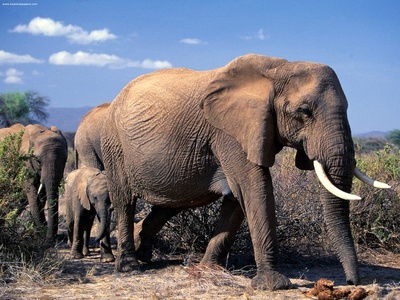
African elephant
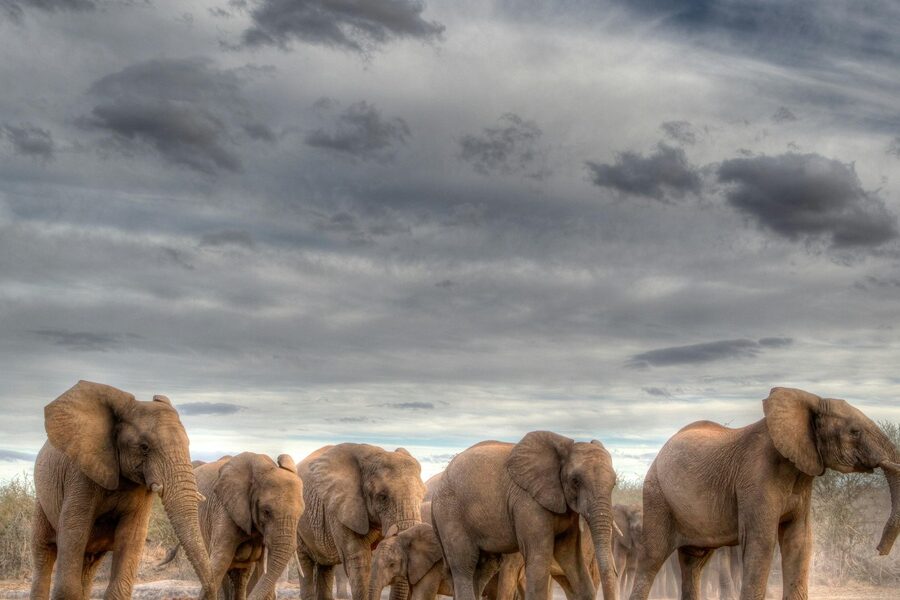
Iconic African savanna grazer found across sub-Saharan grasslands and open woodlands; shapes vegetation by uprooting trees and creating water holes, profoundly altering savanna structure and helping maintain open grasslands for other species.
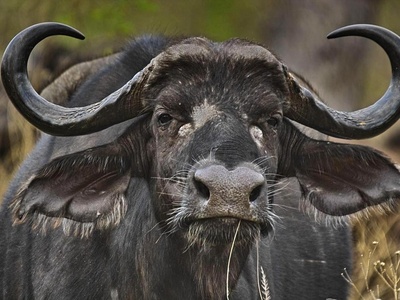
African buffalo
Widespread in African savannas and floodplain grasslands; forms large herds that heavily graze grasses, influencing plant communities and providing prey for large predators like lions and hyenas.
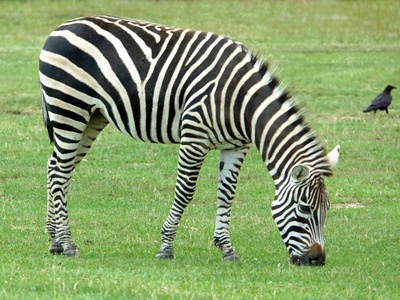
Plains zebra
Common across African savannas and open plains; grazes in mixed-species herds and migrates seasonally, their striped herds are key grazers that help control grass height and seed dispersal.
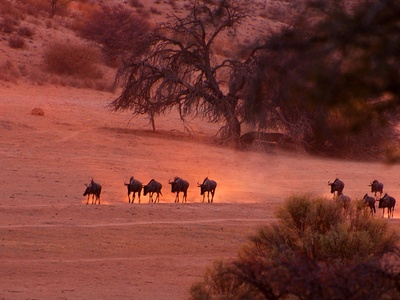
Blue wildebeest
Abundant in East African savannas and grasslands; famous for massive seasonal migrations, wildebeest drive nutrient cycling and are major prey for lions, cheetahs, and crocodiles.
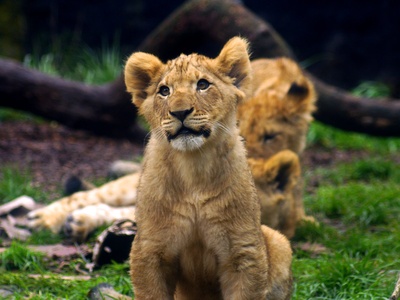
African lion
Savanna predator that hunts zebras, wildebeest, buffalo and other grassland ungulates; lives in prides across sub-Saharan grasslands and influences prey populations and herd behavior.
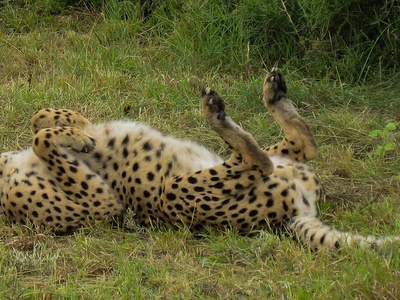
Cheetah
Savanna-specialist predator of gazelles and young ungulates; prefers open grasslands where high-speed chases are possible, famously the fastest land mammal.
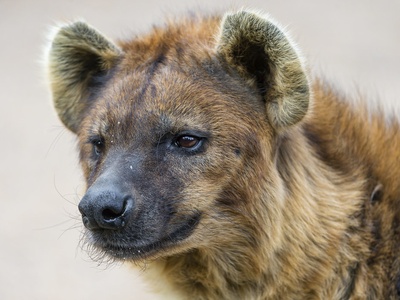
Spotted hyena
Common in African grasslands and savannas; versatile feeding behavior includes cooperative hunting and scavenging, shaping carcass availability and nutrient recycling.
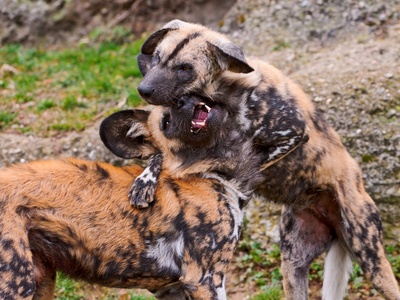
African wild dog
Highly social predator of savanna plains that hunts in coordinated packs, preying on antelope and wildebeest, influential in controlling herbivore numbers.
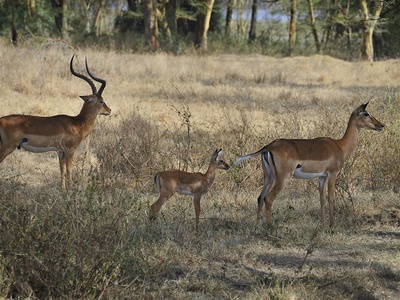
Thomson’s gazelle
Small, agile grazer of East African grasslands and open savannas; highly visible in migrations and a key prey species for cheetahs and lions.
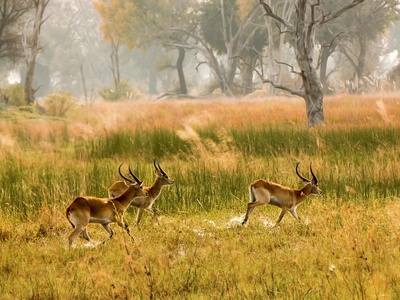
Impala
Common in African savanna mosaics, impala graze grasses and browse shrubs; their flexible diet lets them thrive in variable grassland-woodland edges.
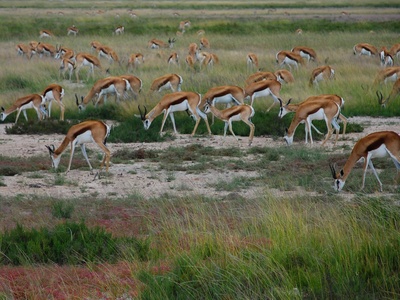
Springbok
South African grassland and savanna antelope known for pronking displays; adapted to arid grassy plains and important grazer in open habitats.
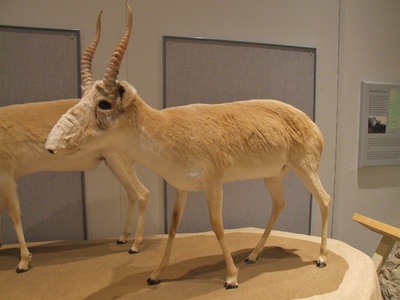
Saiga antelope
Characteristic of Eurasian steppes, saiga feed on sparse grasses and herbs; their migratory herds once shaped vast grassland ecosystems across Central Asia.
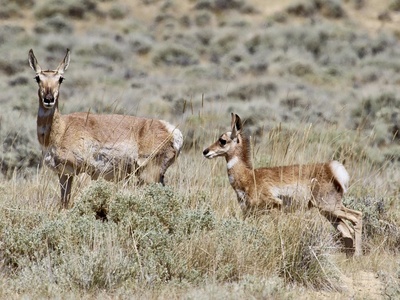
Pronghorn
North American Great Plains specialist, extremely fast and adapted to open prairies; primarily grazes grasses and forbs and maintains prairie plant dynamics.
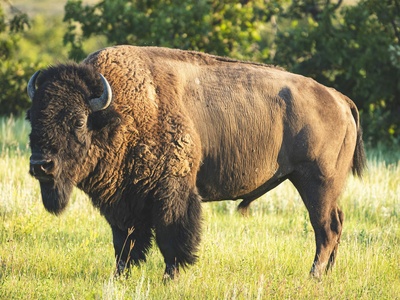
American bison
Formerly roaming North American prairies in massive herds; bison wallowing and grazing create habitat heterogeneity, supporting diverse prairie plants and animals.
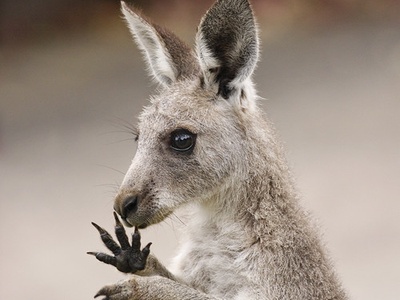
Eastern grey kangaroo
Common in Australian grasslands and open woodlands; large macropod that grazes grasses and shapes grassland structure through selective feeding and movement.
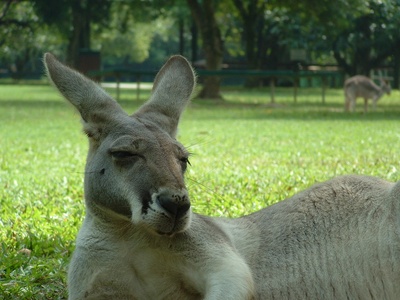
Red kangaroo
Australia’s largest kangaroo inhabiting arid grasslands and open plains; grazes widely and survives in harsh environments with water-saving adaptations.
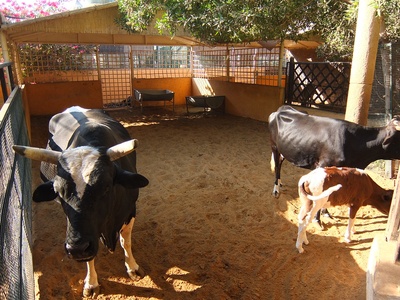
Domestic cattle
Globally widespread domestic grazer in managed grasslands and pastures; significantly alters grassland composition and nutrient cycling through grazing, trampling and nutrient deposition.
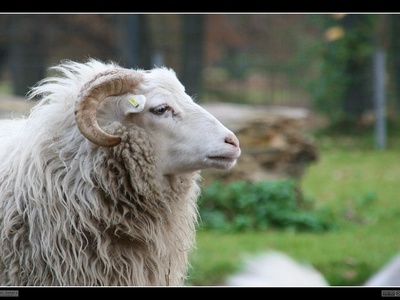
Domestic sheep
Commonly kept on pastures worldwide; sheep selectively graze grasses and forbs, impacting plant diversity and structure in managed grasslands.
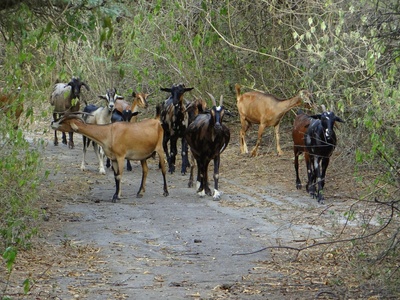
Domestic goat
Versatile feeder used on grasslands and rangelands; combines grazing and browsing, often used for vegetation control and can heavily modify grassland vegetation.
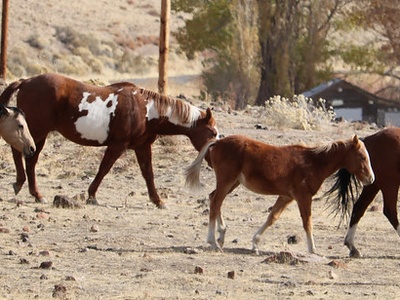
Domestic horse
Kept on pastures worldwide and historically shaped grasslands; selective grazing and trampling influence plant composition and habitat structure.
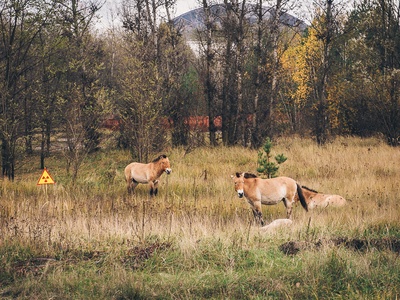
Przewalski’s horse
Reintroduced wild horse of Eurasian steppes and grasslands; grazes grasses and creates wallows, contributing to steppe ecosystem processes and biodiversity.
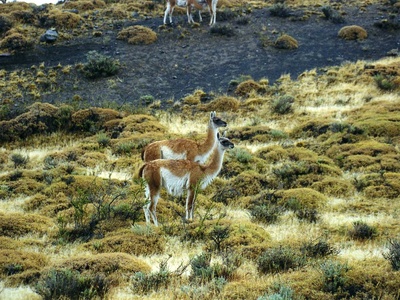
Guanaco
Wild South American camelid of pampas and Patagonian steppes; grazes grasses and shrubs and is well adapted to open, windy grasslands.
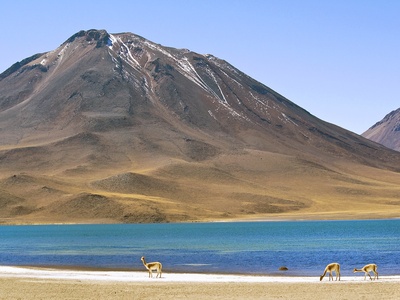
Vicuña
Native to high-altitude South American grasslands (puna); grazes short alpine grasses and provides fine wool, important in Andean pastoral systems.
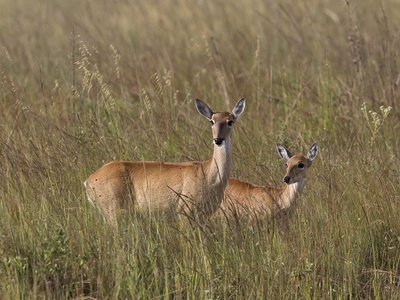
Pampas deer
Endemic to South American pampas and grasslands; shy grazer that prefers open plains and contributes to local herbivore communities.
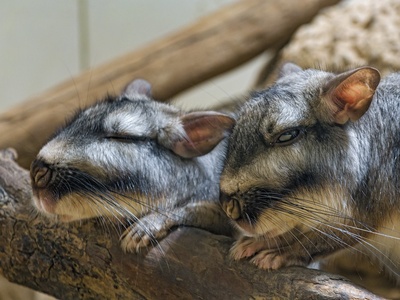
Plains viscacha
Burrowing rodent of Argentine pampas; feeds on grasses and builds dense colonies that modify soil and vegetation structure across grasslands.
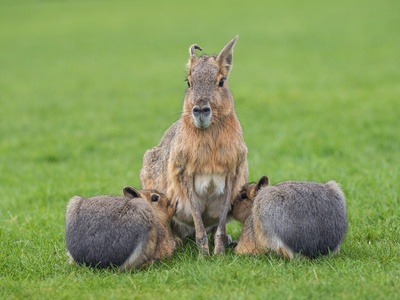
Patagonian mara
Large cavy inhabiting Patagonian grasslands and scrub; forms monogamous pairs and grazes grasses, creating distinctive foraging patches.
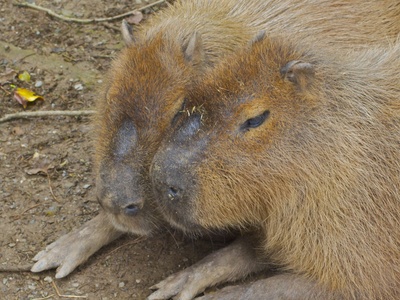
Capybara
South American grass-dominated wetland grazer found in floodplain grasslands and marshes; grazes aquatic and riparian grasses and heavily shapes wet grassland vegetation.
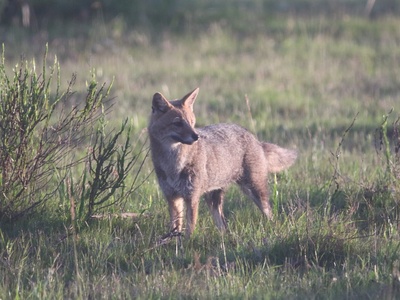
Pampas fox
Native to South American pampas and open grasslands; omnivorous fox that hunts rodents and insects, influencing small mammal populations.
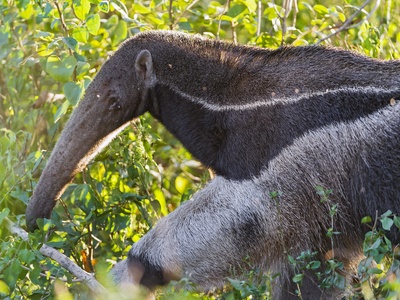
Giant anteater
Found in South American grasslands and savannas; uses long tongue to feed on termite mounds and ant colonies, affecting social insect communities.
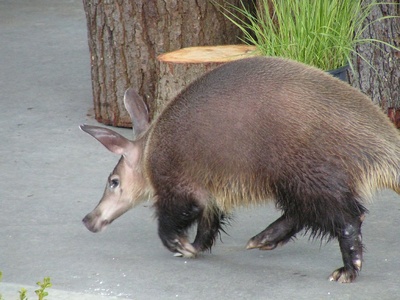
Aardvark
African savanna specialist that digs into termite mounds and ant nests in grasslands, creating burrows used by other species and recycling nutrients.
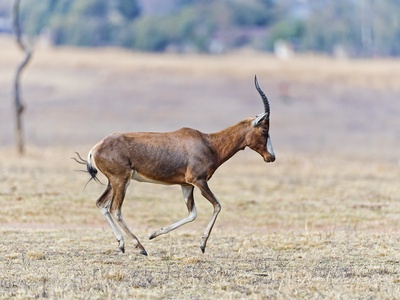
Bontebok
Southern African grassland antelope restricted to fynbos and grassland plains; grazes short grasses and is a conservation icon for grassland restoration.
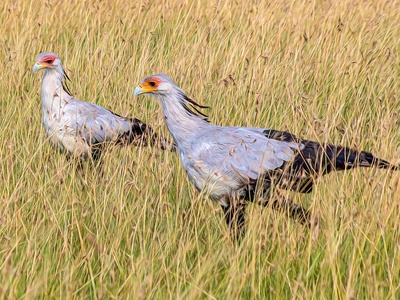
Secretarybird
Distinctive long-legged predator of African savannas that hunts on foot across grasslands, controlling snakes and large insects in open habitats.
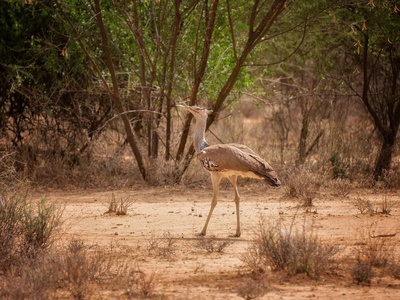
Kori bustard
Large bustard of African grasslands and savannas; forages on the ground for seeds, insects and small animals and is among the heaviest flying birds.
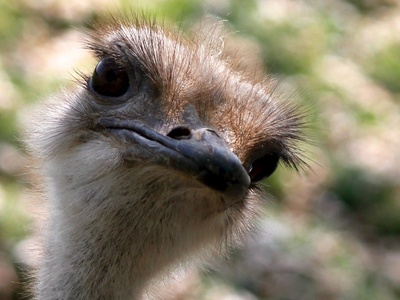
Ostrich
Flightless bird of African savannas and open grasslands; eats a mix of plant material and invertebrates and disperses seeds across plains.
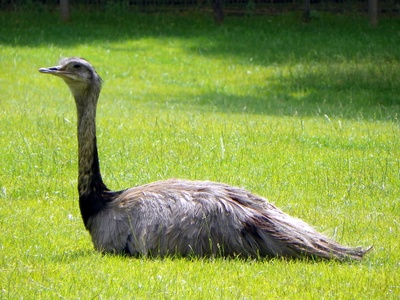
Rhea
Large flightless bird of South American pampas and grasslands; grazes and browses plants and consumes invertebrates, influencing seed dispersal and vegetation.
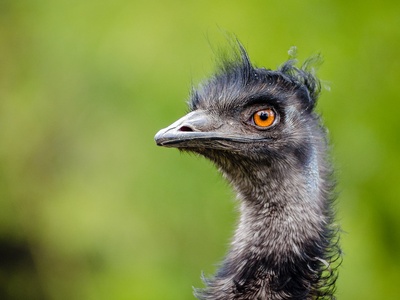
Emu
Australia’s large flightless bird found in open grasslands and woodlands; eats plants and invertebrates, aiding seed dispersal and nutrient movement.
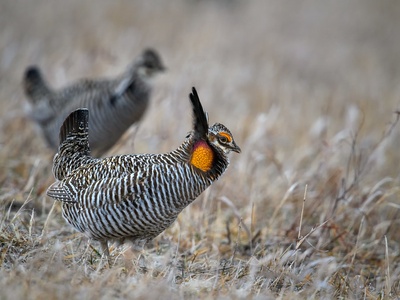
Greater prairie-chicken
North American prairie grouse of grasslands; consumes seeds, leaves and insects, and relies on intact prairie for lekking and breeding displays.
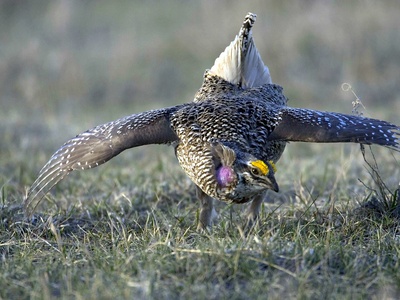
Sharp-tailed grouse
Found in North American prairies and shrub-steppe; feeds on plant material and insects, and requires grassland mosaics for breeding and broods.
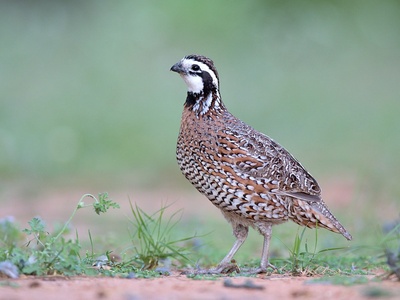
Northern bobwhite
Small quail of grasslands, agricultural fields and savannas in the Americas; feeds on seeds and insects and is a key upland gamebird.
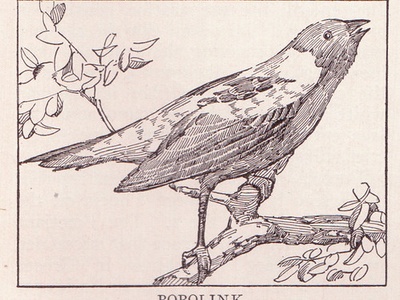
Bobolink
Breeding in North American grasslands and hayfields where it feeds heavily on seeds and insects; migrates long distances but relies on grassland breeding habitat.
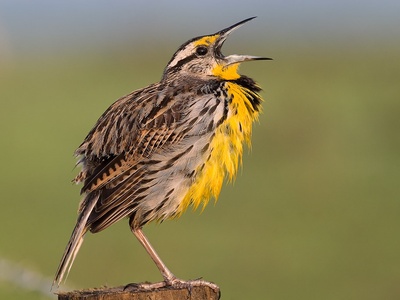
Eastern meadowlark
Common songbird of North American meadows and prairies; probes grass for insects and seeds and nests on the ground in tall grass.
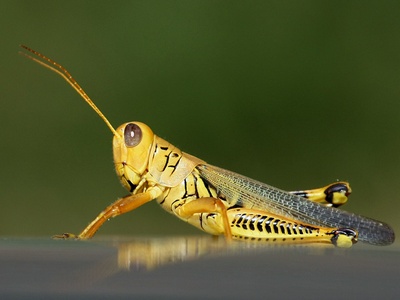
Grasshopper (Differential)
Common North American grassland grasshopper that feeds on grasses and forbs; important primary consumer and occasional outbreak species in disturbed grasslands.
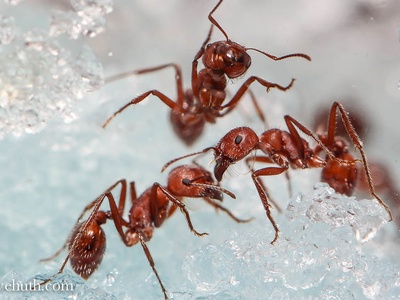
Red harvester ant
Native to North American grasslands and deserts; harvests and caches seeds, shaping plant community composition and nutrient distribution.

Dung beetle (Onthophagus gazella)
Introduced and widespread in grasslands; buries and consumes dung, accelerating nutrient recycling and reducing parasite loads in grazed pastures.
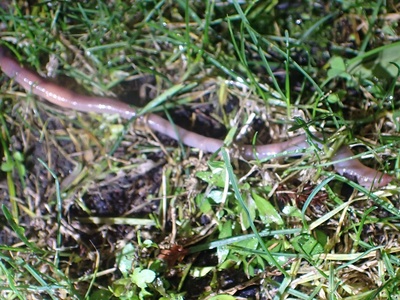
Earthworm (Lumbricus terrestris)
Common in temperate grassland soils and pastures; processes organic litter, aerates soil and enhances nutrient availability for grasses and forbs.
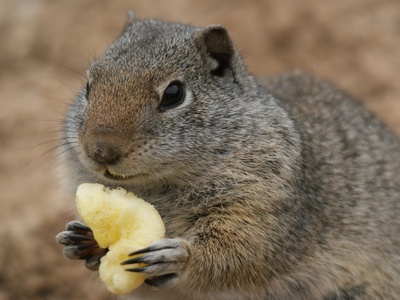
Prairie dog
Keystone North American prairie burrower that feeds on grasses and forbs; colonies alter soil and vegetation, supporting diverse grassland species like burrowing owls.
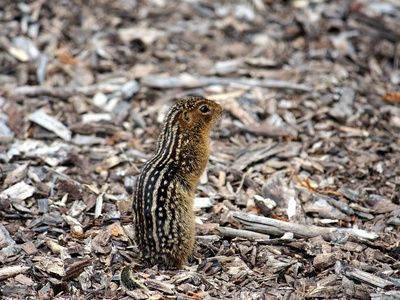
Thirteen-lined ground squirrel
Small burrowing rodent of North American prairies that eats seeds, grasses and insects, influencing seed predation and providing prey for raptors and carnivores.
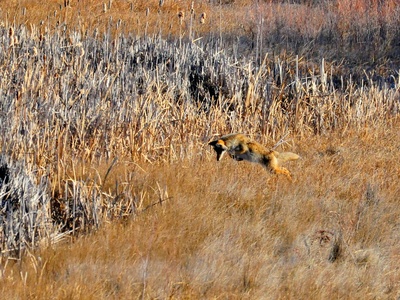
Meadow vole
Abundant in temperate grasslands and wetlands; feeds on grasses and roots, a key prey species for many predators and important in vegetation turnover.
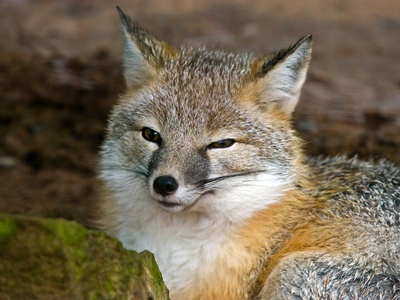
Swift fox
Specialist of shortgrass prairies in North America; hunts small mammals and insects and relies on open grassland for denning and foraging.
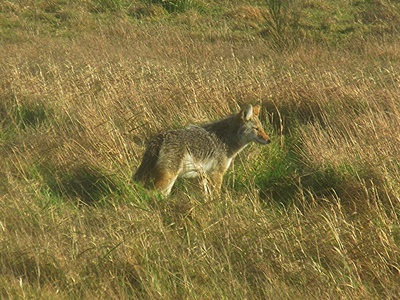
Coyote
Flexible predator of North American grasslands and prairies; preys on rodents and ungulate young and adapts to changing grassland landscapes.
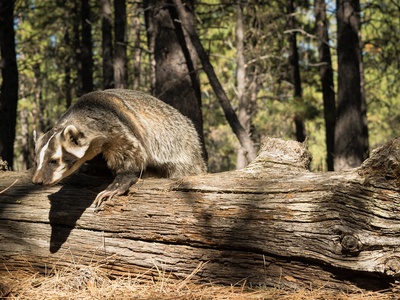
American badger
North American grassland specialist that digs for ground squirrels and other burrowing mammals, shaping prey populations and creating burrows used by other species.
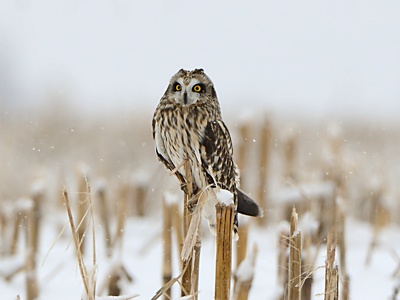
Short-eared owl
Breeds and hunts over open grasslands worldwide; specializes on voles and small mammals, visible hovering low over fields at dusk.
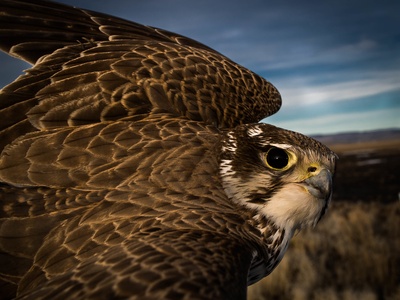
Prairie falcon
Falcon of western North American grasslands and deserts that preys on ground-dwelling birds and mammals using high-speed aerial attacks over open terrain.
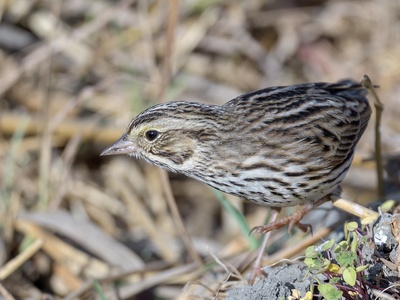
Savannah sparrow
Widespread in temperate grasslands and saltmarshes; forages on insects and seeds near ground level, adapting to a variety of grassy habitats.
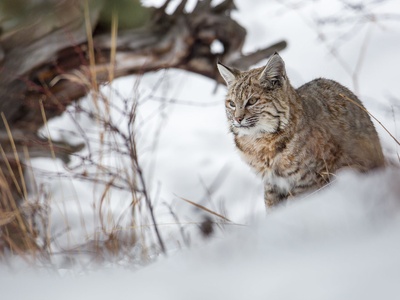
Bobcat
Generalist predator occupying grassland edges and prairies in North America; hunts rabbits, rodents and ground-nesting birds and uses grassland cover for stalking.
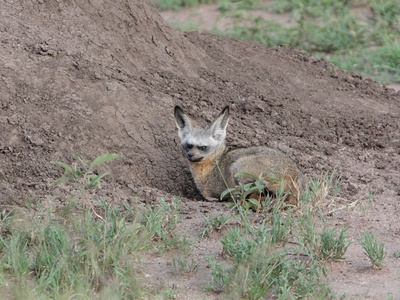
Bat-eared fox
Small African savanna fox that specializes on termite and insect feeding in grassy plains, with big ears adapted for detecting prey underground.
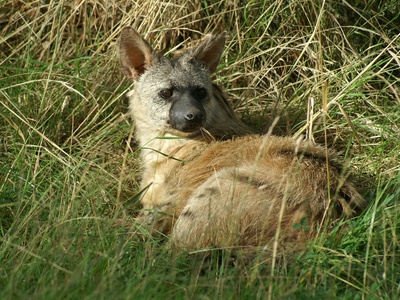
Aardwolf
Termite-eating hyena relative of African grasslands; feeds almost exclusively on termites, using long sticky tongue to lap insects in open savanna habitats.
Pampas cat
Small wild cat of South American grasslands and shrub-steppe; hunts rodents and ground birds and is adapted to open pampas and Andean grasslands.
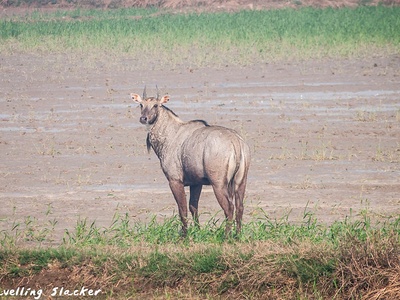
Nilgai
Large Asian antelope frequenting Indian grasslands and scrub; feeds on grasses and shrubs, often seen in open agricultural and grassland mosaics.
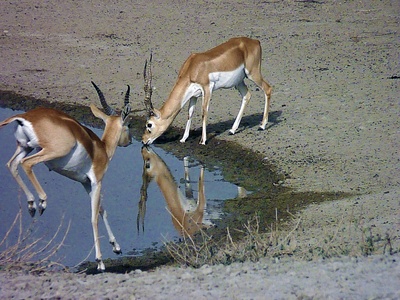
Blackbuck
Indian grassland antelope preferring open plains and grasslands; feeds on grasses and relies on visibility and agility to evade predators.
Saiga steppe flea beetle (example)
Representative steppe leaf beetle found on Eurasian grasslands; consumes forbs and contributes to herbivore pressure on steppe plant communities.
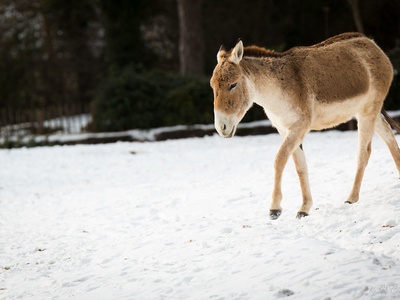
Onager (Asiatic wild ass)
Inhabits Central Asian steppes and deserts; grazes sparse grasses, travels long distances and is adapted to arid grassland environments.
Steppe marmot
Burrowing marmot of Eurasian steppes that grazes grasses and herbs seasonally; colonies shape soil and plant communities across open grasslands.
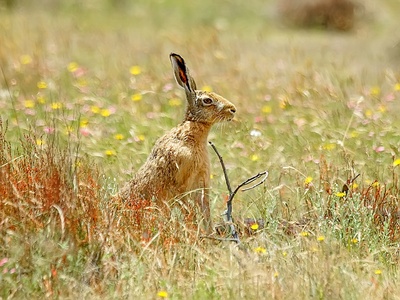
European hare
Widespread in European and Eurasian grasslands and farmland; feeds on grasses and herbs, a key prey for many grassland predators.
Saiga steppe bird (example: corncrake)
Breeding in Eurasian grasslands and meadows, corncrakes feed on insects and plant material in tall grass and are indicators of intact hayfield habitat.
Onager-kulan hybrid (wild equid general)
Represents wild equids of Eurasian steppes and Central Asian grasslands; grazes grasses, shapes sward structure and supports large predator-prey dynamics.
Termite (Macrotermes bellicosus)
African savanna termite that decomposes grasses and woody debris, building large mounds and profoundly affecting nutrient cycling and soil structure in grasslands.
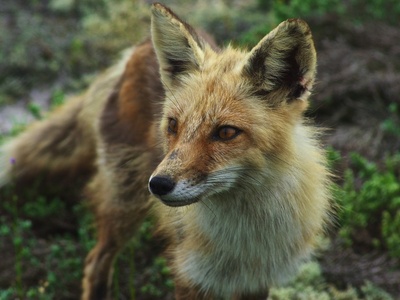
Red fox
Flexible predator occurring in many grassland and steppe regions; hunts rodents and ground-nesting birds and adapts to open agricultural landscapes.
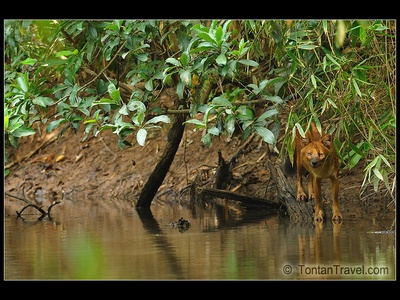
Dhole (Asian wild dog)
Occurring in some grassland-forest mosaics of Asia, dholes hunt cooperatively in open areas and grassland edges, preying on deer and wild boar.
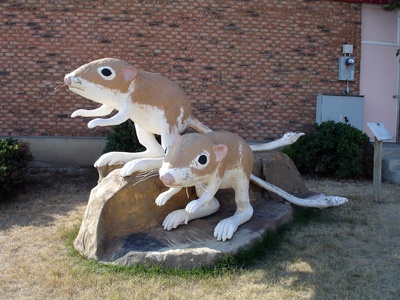
Kangaroo rat
Small North American grassland and desert rodent that caches seeds and influences plant recruitment and soil aeration across arid grasslands.
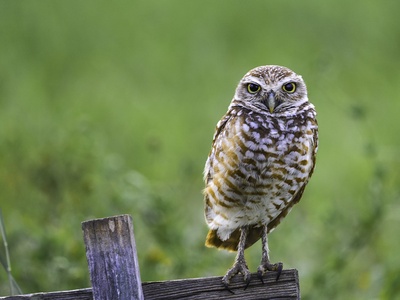
Burrowing owl
Found in open North and South American grasslands; nests in burrows and feeds on insects and small mammals, relying on short-sward habitats.
Harvester beetle (Scarabaeidae example)
Representative scarab beetle of grasslands that recycles plant material and sometimes feeds on stored seeds, contributing to nutrient cycling in soils.
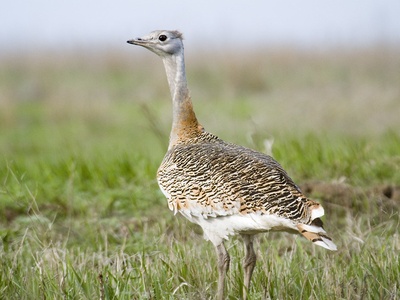
Great bustard
Large Eurasian grassland bird that forages across open steppes and agricultural fields for seeds, invertebrates and small vertebrates and is vulnerable to habitat loss.
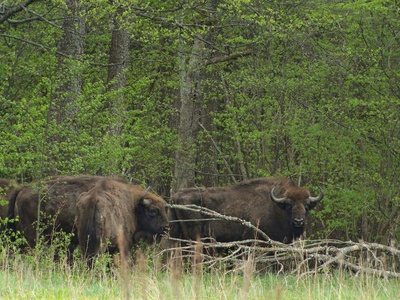
European bison
Reintroduced in European grassland and forest-steppe mosaics; grazes and browses, creating open patches and supporting grassland biodiversity where restored.
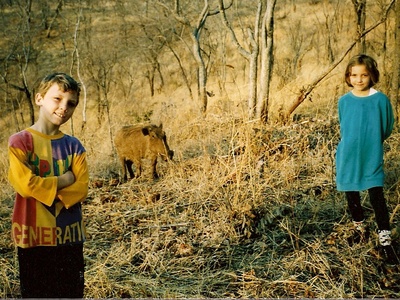
Warthog
African savanna suid that grazes grasses and digs for roots and bulbs; its wallowing and rooting change soil and vegetation patterns in grasslands.
Southern cassowary (edge case excluded?)
Excluded from list because primarily forest-dwelling and does not substantially feed in grasslands.
Brown hare clarification (duplicate avoidance)
Included earlier as European hare; common grazer of open farmland and steppe grasslands, important prey and seed disperser.