Every winter, millions of animals enter a state of suspended activity — some lowering their body temperature by more than 30°C and surviving months without eating. Hibernation refers to a prolonged dormant state with a drastically reduced metabolism and, in many cases, a much lower body temperature. It’s not just an animal curiosity: winter dormancy shapes food webs, affects wildlife management decisions, and inspires medical research into preserving organs and preventing muscle loss. From huge denning bears to tiny overwintering queens, the strategies vary widely; some species sleep deeply for months, others periodically rouse, and still others rely on communal heat or freeze-tolerance. Below are ten remarkable examples, grouped into four categories that explain how each species survives the cold and why their tactics matter.
Mammal Hibernators
Mammalian winter dormancy covers a spectrum: large carnivores typically show moderate metabolic suppression, while small rodents enter deep torpor with body temperatures near ambient. Physiologically, the range is striking — heart rates can fall from hundreds of beats per minute to a handful, and some species shave off 80–90% of their normal energy use. These differences matter for conservation and translational science: researchers study denning bears for clues about muscle and kidney protection, and small-mammal torpor for freeze-tolerance mechanisms. Note the range in timing, too—from a few weeks in temperate rodents to 5–7 months for pregnant bears—and in winter behaviors such as periodic arousal versus continuous dormancy.
1. Brown bear (Ursus arctos)
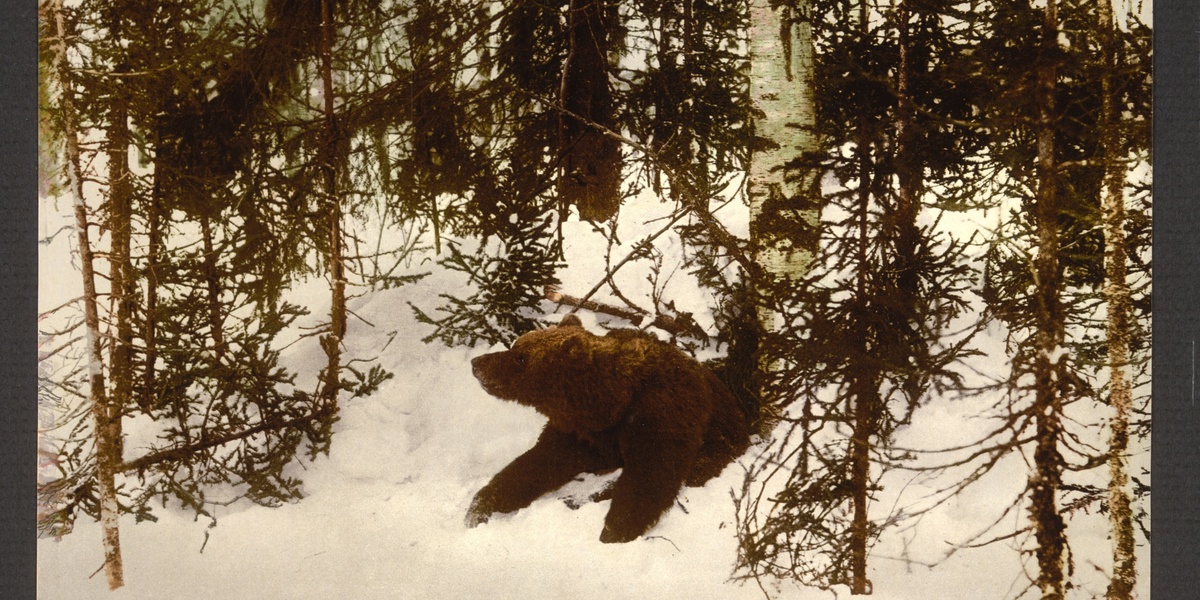
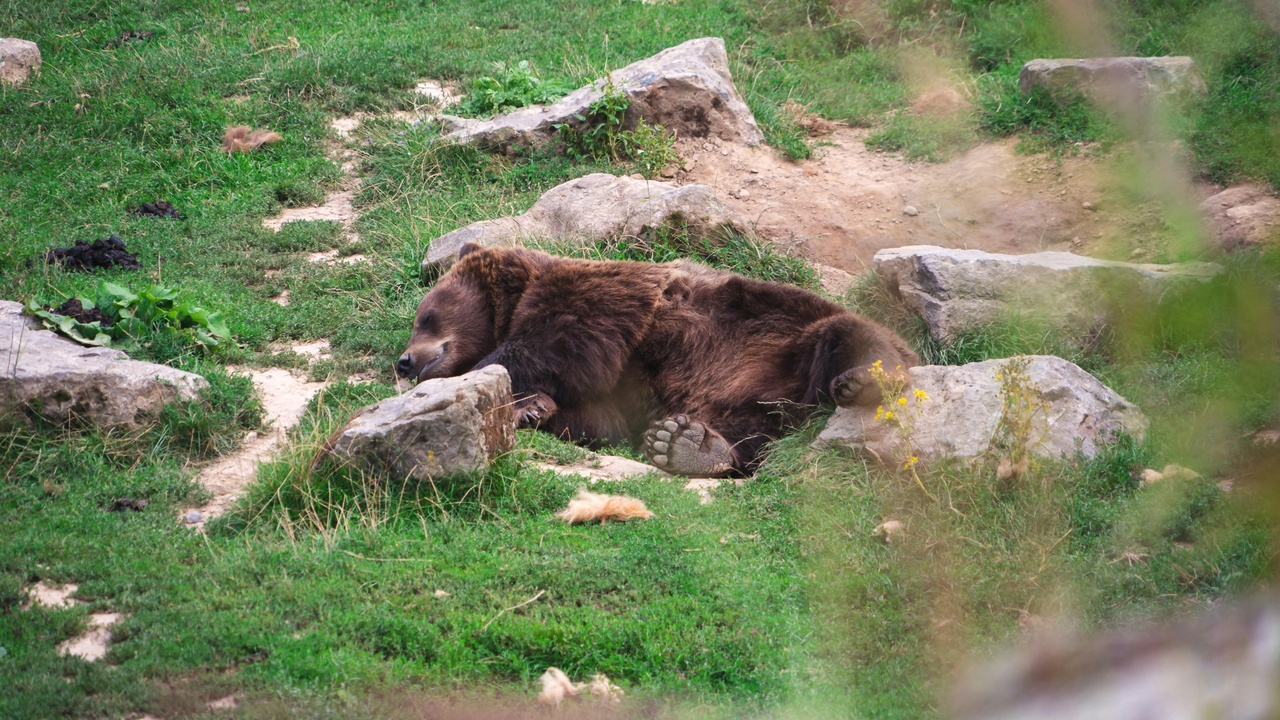
Brown bears are iconic winter denners that reduce metabolism substantially but do not cool to near-freezing like many rodents. Pregnant females can remain in dens for 5–7 months, give birth during denning, and lose roughly 15–30% of body mass while largely preserving muscle and bone. Scandinavian tracking studies and U.S. research programs document denning durations and maternal behavior, and the U.S. Fish & Wildlife Service provides guidance on minimizing disturbance to known den sites.
Because bears suppress urine production and recycle nitrogenous wastes, clinicians study them to learn how to limit muscle atrophy and preserve kidney function during prolonged immobility — lessons with potential application to human long-term care and spaceflight.
2. Groundhog / Woodchuck (Marmota monax)
The groundhog is the classic North American hibernator and the cultural face of Groundhog Day (Marmota monax). Depending on latitude and local climate, woodchucks typically hibernate about 2–5 months, entering a deep torpor in which heart rate and breathing slow markedly.
Biologists and extension services use woodchuck emergence and burrow activity as local indicators of winter severity and spring timing. Regional studies show latitudinal variation: northern populations emerge later and hibernate longer than southern ones.
3. Hazel dormouse (Muscardinus avellanarius)
The hazel dormouse is a small European rodent that commonly spends around six months in seasonal dormancy (often November–April). Dormice build well-insulated nests and fatten up in autumn; after that they sleep in intermittent bouts or extended torpor depending on weather.
Conservationists worry that habitat loss and interrupted food supplies reduce pre-hibernation fattening. In the UK, nest-box monitoring programs run by volunteers and conservation groups help track dormouse populations and identify sites for protection.
Small Mammals and Bats

Many small mammals enter deep torpor with body temperatures dropping to near, or even below, freezing; bats commonly hibernate in caves and mines where conditions are stable. These species show extreme physiological shifts — heart rates plummet and metabolic fuel use becomes very efficient. Conservation concerns are acute: white-nose syndrome has killed millions of hibernating bats since it was first identified in 2006, and habitat loss removes crucial sheltered sites.
4. Arctic ground squirrel (Urocitellus parryii)
The arctic ground squirrel is among the most extreme hibernators; studies report body temperatures as low as about −2.9°C during torpor. In high-Arctic populations, individuals may remain dormant for up to 8 months, relying on deep fat stores and insulated tunnels.
Physiologists study these squirrels for insights into freeze tolerance and cryoprotection, work that could inform tissue-preservation methods and emergency medicine; fieldwork from Arctic research stations documents long denning periods and overwinter survival rates.
5. Little brown bat (Myotis lucifugus)
Many bat species hibernate in caves, mines, and vaults where stable cool temperatures reduce energy use. Little brown bats can spend several months in hibernation, dropping heart rate from hundreds to single digits during deep torpor.
Since white-nose syndrome emerged in 2006, it has devastated populations of Myotis lucifugus and other cave-hibernating bats across North America. Protecting hibernacula, monitoring colonies, and funding disease research remain critical for preserving the insect-control services bats provide.
6. Common hedgehog (Erinaceus europaeus)
The common hedgehog typically hibernates about 4–6 months (roughly November–March/April), depending on local conditions. Successful hibernation depends on building a well-insulated nest and accumulating adequate fat reserves.
Garden-level actions—leaving leaf piles, maintaining hedgerows, avoiding late-season strimming—can boost hedgehog survival. UK conservation groups document multi-decade declines, and local surveys guide targeted habitat actions.
Reptiles and Amphibians: Brumation and Dormancy
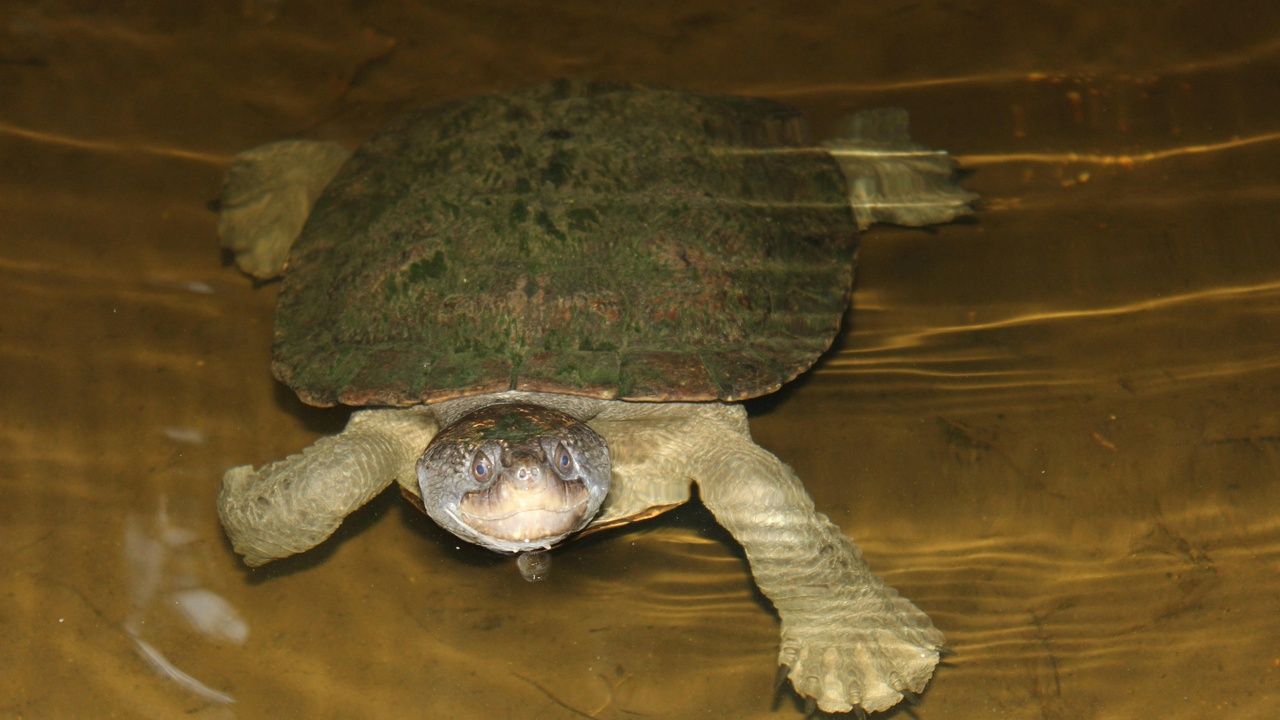
Cold-blooded species brumate rather than hibernate: they slow metabolism as temperatures fall and rely on microhabitats to avoid lethal freezing. Some amphibians tolerate partial freezing; others simply become inactive. This dependence on specific overwintering sites—mud, leaf litter, or communal dens—means land-use change and wetland drainage can quickly remove safe winter refuges.
7. Eastern box turtle (Terrapene carolina carolina)
Many temperate turtles brumate by burying in mud, leaf litter, or marsh substrate to avoid freezing and conserve energy. Eastern box turtles may stay inactive for months, depending on soil temperature and moisture.
Survival depends on oxygen levels in the substrate and adequate moisture; draining wetlands and road mortality during migration to overwintering sites reduce populations. State wildlife agencies commonly advise protecting known overwintering habitat and minimizing disturbance in fall.
8. Common garter snake (Thamnophis sirtalis)
Garter snakes famously aggregate in communal dens, sometimes numbering in the thousands, to brumate together. Grouping helps retain heat and improves individual survival during prolonged cold spells.
Many den sites are traditional, with snakes migrating seasonally to and from the same hibernacula. Protecting these dens is a conservation priority; several well-documented North American dens draw research on communal thermoregulation and den-site fidelity.
Insects and Arthropods: Overwintering Strategies
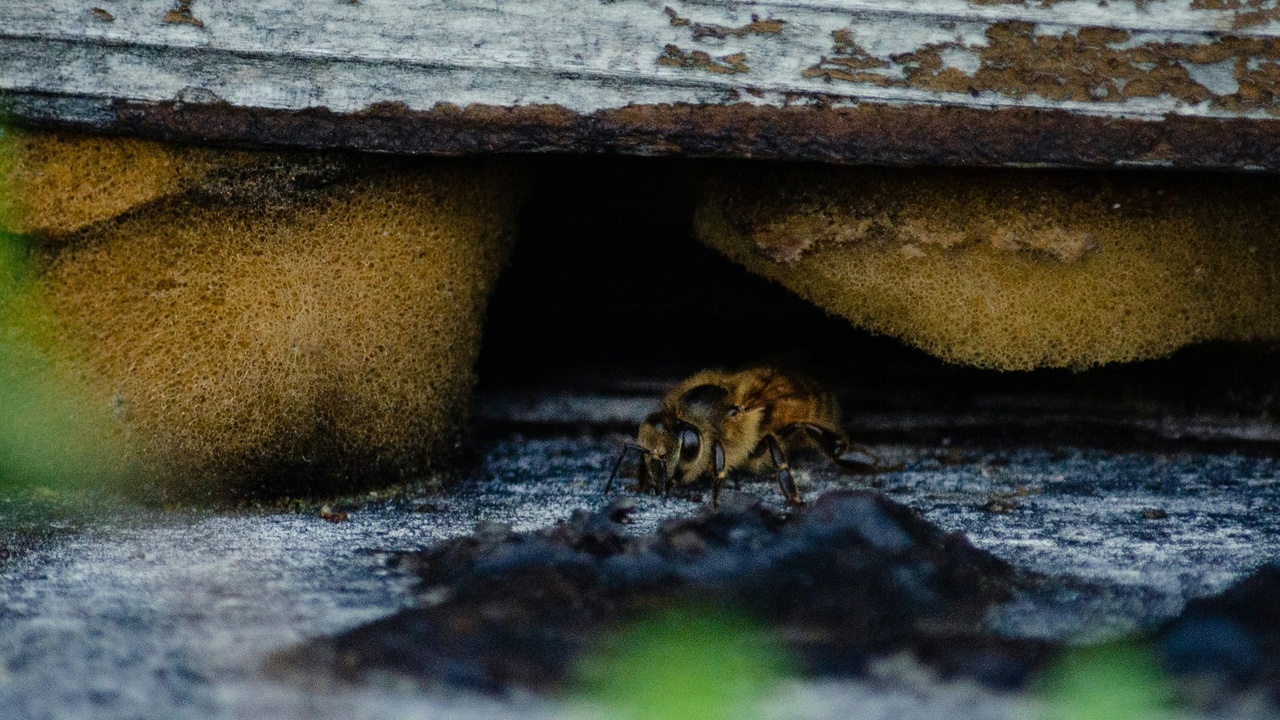
Insects typically enter diapause—a hormonally controlled dormancy—or overwinter in one life stage (egg, larva, pupa, adult). Some queens, like bumblebee queens, tunnel into soil for months, while other species cluster in crevices. These strategies affect pollination timing and pest dynamics the following spring, and they respond rapidly to warming winters and habitat shifts.
9. Bumblebee queens (Bombus spp.)
Only mated bumblebee queens overwinter; workers die off in late autumn. Queens burrow into soil or find insulated cavities and remain dormant for several months, emerging in spring to start new colonies.
Garden management that leaves patches of undisturbed ground, tussocks, and leaf litter boosts overwintering success. Pollinator conservation guides and population studies link queen survival to long-term bumblebee persistence.
10. Ladybird / ladybug (Coccinellidae family)
Many ladybird species aggregate into large clusters—sometimes hundreds or thousands—to overwinter in protected sites such as rock crevices or building attics. Clustering provides thermoregulatory benefits and reduces individual water loss.
The invasive Asian lady beetle often forms conspicuous house clusters, which affects local spring predator–prey dynamics and can influence garden pest control. Citizen science projects frequently track these aggregations to understand overwintering locations and timing.
Summary
- Diverse strategies: mammals show deep torpor or shallow denning, reptiles and amphibians brumate, and insects use diapause or aggregation—different methods for the same challenge.
- Physiological extremes matter: some species drop body temperature by over 30°C, while arctic ground squirrels can reach about −2.9°C and bears may den for 5–7 months.
- Conservation and research are linked: threats like white‑nose syndrome (identified in 2006), habitat loss, and wetland drainage imperil many overwintering species; studies inform medical and ecological applications.
- Practical steps help: protect known den and hibernacula sites, leave garden ‘messy’ areas (leaf piles, undisturbed ground), plant pollinator-friendly habitat, and support local conservation groups.