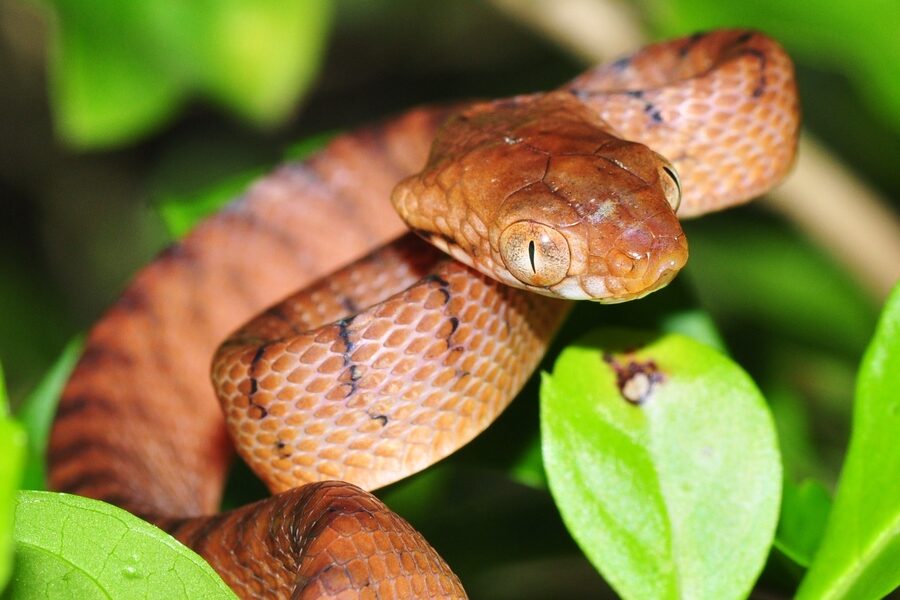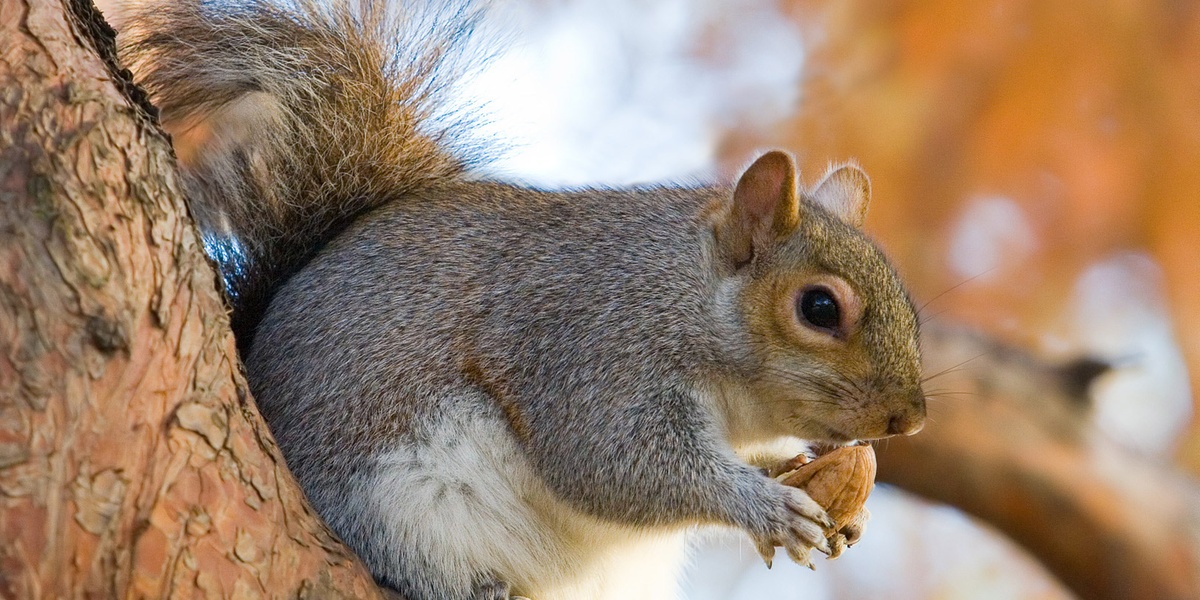
From coastal wetlands to urban parks, Europe’s ecosystems are being reshaped by species that arrive outside their native ranges. Some establish slowly, others rapidly displace local wildlife, alter waterways or harm crops, so a concise list helps managers, gardeners and curious readers spot priorities.
There are 37 Invasive Species in Europe, ranging from American mink to Western conifer seed bug. For each entry you’ll find below Scientific name, Type, Origin and distribution.
How do these invasive species typically spread across Europe?
They move by trade and travel—shipping containers, ballast water, ornamental plants, the pet trade and hitchhiking on vehicles or timber—while rivers, canals and climate shifts open new routes; targeting ports, transport pathways and early detection programs reduces spread.
What practical steps can I take to help prevent their spread?
Avoid releasing pets or plants, clean boots, boats and equipment between sites, use certified firewood, plant natives in gardens, and report unfamiliar species to local agencies or citizen science apps so authorities can respond quickly.
Invasive Species in Europe
| Name | Scientific name | Type | Origin and distribution |
|---|---|---|---|
| Japanese knotweed | Reynoutria japonica | plant | East Asia; widespread across western and central Europe, UK |
| Giant hogweed | Heracleum mantegazzianum | plant | Caucasus; established across much of northern, central and western Europe |
| Himalayan balsam | Impatiens glandulifera | plant | Himalayas; widespread along rivers and wetlands across Europe |
| Tree-of-heaven | Ailanthus altissima | plant | China; naturalised in many European towns, roadsides and disturbed sites |
| Japanese rose | Rosa rugosa | plant | East Asia; coastal dunes and hedges across northern and western Europe |
| Canadian goldenrod | Solidago canadensis | plant | North America; widespread in meadows, roadsides and disturbed sites across Europe |
| Common ragweed | Ambrosia artemisiifolia | plant | North America; widespread across central and southern Europe |
| Floating pennywort | Hydrocotyle ranunculoides | plant | South America; invasive in rivers, lakes across western Europe |
| Water primrose | Ludwigia grandiflora | plant | South America; invasive in ponds, rivers and wetlands in western Europe |
| Garden lupin | Lupinus polyphyllus | plant | North America; established in dunes and grasslands in northern Europe |
| Box tree moth | Cydalima perspectalis | insect | East Asia; widespread across central and western Europe |
| Asian tiger mosquito | Aedes albopictus | insect | Southeast Asia; established across southern and parts of central Europe |
| Brown marmorated stink bug | Halyomorpha halys | insect | East Asia; established across Europe including agricultural regions |
| Emerald ash borer | Agrilus planipennis | insect | Asia; detected and spreading in parts of eastern Europe |
| Asian longhorn beetle | Anoplophora glabripennis | insect | East Asia; localized outbreaks in western and central Europe |
| Western conifer seed bug | Leptoglossus occidentalis | insect | North America; common in urban and forested areas across Europe |
| Signal crayfish | Pacifastacus leniusculus | crustacean | North America; widespread in rivers and lakes across northern and western Europe |
| Red swamp crayfish | Procambarus clarkii | crustacean | Southern USA and Mexico; invasive in Mediterranean and western Europe |
| Chinese mitten crab | Eriocheir sinensis | crustacean | East Asia; established in European coasts and waterways |
| Asian clam | Corbicula fluminea | mollusc | Asia; established in European rivers and lakes |
| Pumpkinseed | Lepomis gibbosus | fish | North America; widespread in ponds and lakes across Europe |
| Topmouth gudgeon | Pseudorasbora parva | fish | East Asia; widespread in freshwater across Europe |
| Gambusia (mosquitofish) | Gambusia holbrooki | fish | Southeastern USA; established across Mediterranean and other European waters |
| Largemouth bass | Micropterus salmoides | fish | North America; populations in southern and western Europe |
| Ruddy duck | Oxyura jamaicensis | bird | North America; established populations in western Europe historically |
| Canada goose | Branta canadensis | bird | North America; common in urban, farmland and wetland sites across Europe |
| Rose-ringed parakeet | Psittacula krameri | bird | Africa and South Asia; established in many European cities |
| Monk parakeet | Myiopsitta monachus | bird | South America; colonies in several European cities |
| Raccoon | Procyon lotor | mammal | North America; established across parts of central and western Europe |
| American mink | Neovison vison | mammal | North America; widespread across Europe with dense populations in wetlands |
| Raccoon dog | Nyctereutes procyonoides | mammal | East Asia; established in northern and eastern Europe |
| Coypu (nutria) | Myocastor coypus | mammal | South America; wetlands and riverbanks across western Europe |
| Sika deer | Cervus nippon | mammal | East Asia; introduced populations in parts of western and northern Europe |
| Phytophthora ramorum | Phytophthora ramorum | microbe | Likely North America/Asia; found in forests and nurseries across Europe |
| Amphibian chytrid | Batrachochytrium dendrobatidis | microbe | Uncertain origin; present across Europe infecting amphibians |
| Didymo | Didymosphenia geminata | alga | Northern Hemisphere origin; blooms in some European rivers and streams |
| New Zealand flatworm | Arthurdendyus triangulatus | worm | New Zealand; invasive in lawns and gardens in western Europe, especially UK and Ireland |
Images and Descriptions
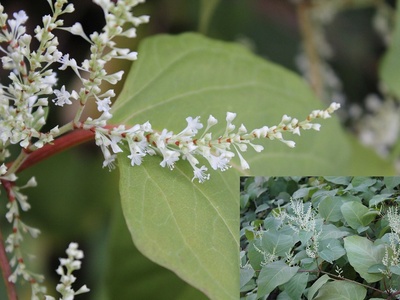
Japanese knotweed
Robust perennial forming dense stands that damage foundations, riverbanks and biodiversity. Difficult to eradicate; legal controls and costly management programs exist across Europe to prevent spread and protect infrastructure and habitats.
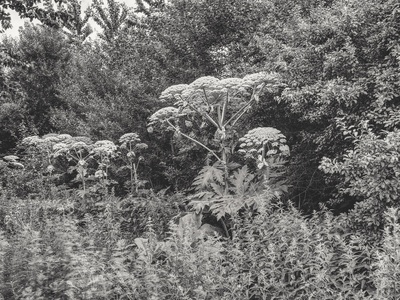
Giant hogweed
Tall phototoxic plant causing severe skin burns and shading native flora. Listed and controlled in many countries with mechanical and chemical removal and public warnings to reduce health and ecological impacts.
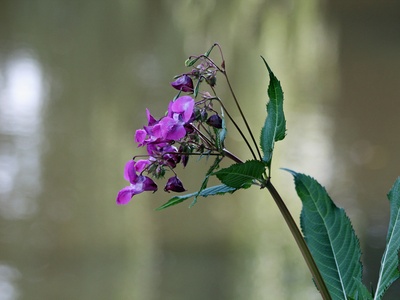
Himalayan balsam
Fast-spreading annual that outcompetes native riverside plants and increases erosion. Commonly managed by pulling, cutting or targeted herbicide use; included on many invasive species lists and volunteer removal campaigns.

Tree-of-heaven
Fast-growing tree that spreads by suckers and seeds, displacing native vegetation and damaging infrastructure. Often controlled by cutting, herbicide and root removal; regarded as a problematic urban and roadside invader.
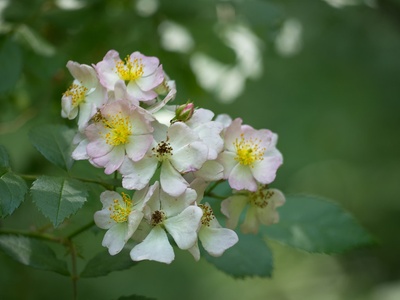
Japanese rose
Forms dense thickets that alter dune ecology and reduce native plants. Popular in gardens historically, now subject to control in sensitive coastal habitats with removal and restoration measures.
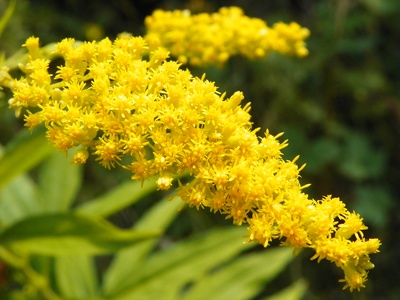
Canadian goldenrod
Perennial that forms dense stands, reducing native plant diversity and altering habitats. Managed by mowing, grazing or herbicide; listed as invasive in several European countries.
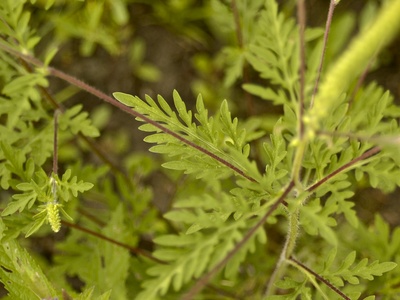
Common ragweed
Highly allergenic annual that reduces crop yields and human health due to pollen. Eradication and monitoring programs run regionally; considered both a health and biodiversity threat.
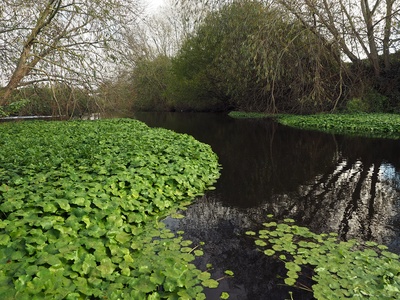
Floating pennywort
Mat-forming aquatic weed that blocks waterways, harms native aquatic plants and impedes recreation. Removed mechanically and chemically; listed as invasive with rapid-response actions in many countries.
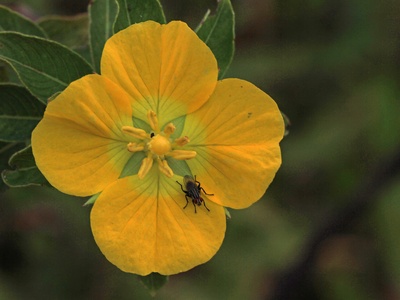
Water primrose
Aggressive aquatic plant forming dense mats that choke waterways and reduce biodiversity. Management includes mechanical removal and herbicide, with legal controls in some regions.
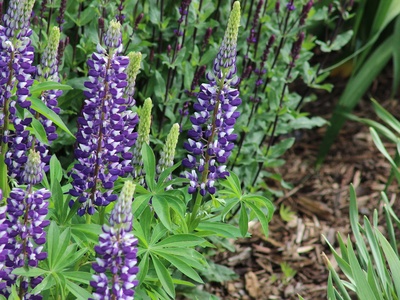
Garden lupin
Ornamental escape that alters soil nitrogen and outcompetes native flora, notably on coastal dunes and alpine meadows. Control focuses on pulling before seed set and targeted monitoring.
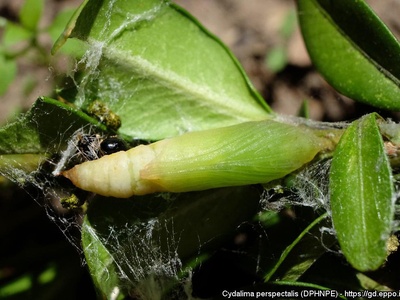
Box tree moth
Caterpillars defoliate and often kill ornamental and wild box trees. Rapid spread across Europe has led to biological control trials, pheromone trapping, and regulatory measures to limit movement of infested plants.
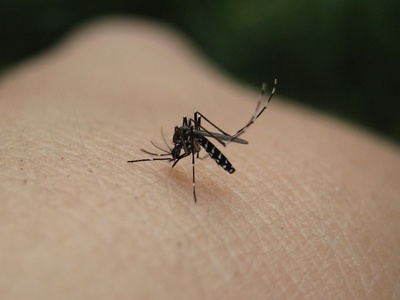
Asian tiger mosquito
Biting mosquito that transmits viruses such as dengue and chikungunya. Urban and roadside breeding leads to public health concern; mosquito control, surveillance and public guidance are used to limit outbreaks.
Brown marmorated stink bug
Feeding pest on fruit and ornamentals causing crop losses and nuisance in homes. Monitored and managed by trapping, exclusion and research into biological control agents.
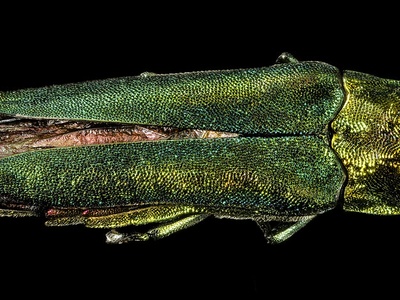
Emerald ash borer
Wood-boring beetle that kills ash trees, with severe ecological and economic impact. Quarantine, destruction of infested trees, and monitoring are used to slow spread.
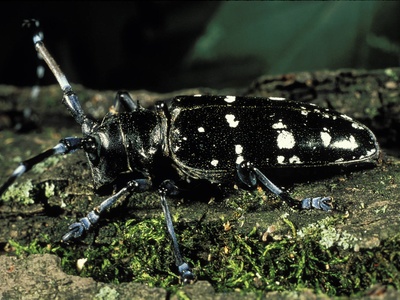
Asian longhorn beetle
Wood-borer attacking many hardwood tree species, leading to tree loss and costly removals. Eradication efforts include felling infested trees and strict movement controls for wood.
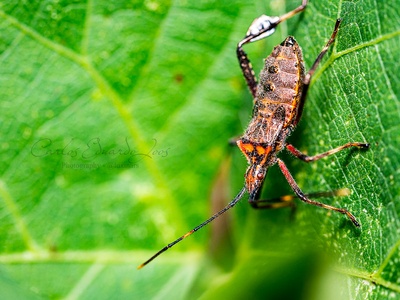
Western conifer seed bug
Seed-feeding bug that affects conifer regeneration and is an indoor nuisance. Spread by transported timber and plants; management focuses on monitoring and public reporting.
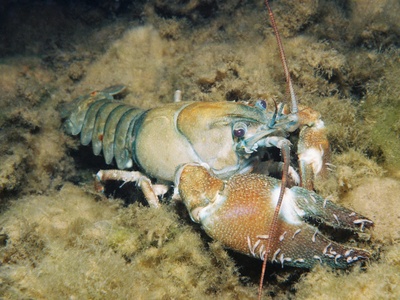
Signal crayfish
Introduced for fisheries, it outcompetes native crayfish, spreads crayfish plague and alters ecosystems. Management includes trapping, controls and movement restrictions.
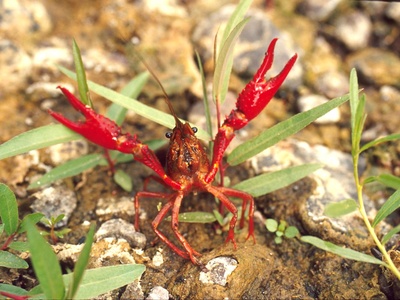
Red swamp crayfish
Aggressive burrower that damages banks, spreads disease and preys on aquatic life. Targeted trapping, habitat modification and legal restrictions are used to limit impacts.
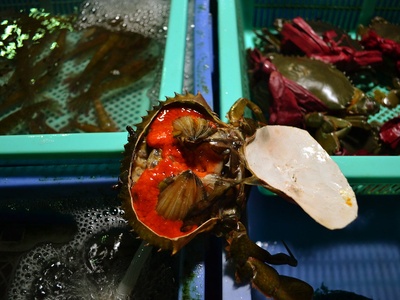
Chinese mitten crab
Migratory crab that damages fishing gear and banks, climbs barriers and alters ecosystems. Managed with traps and regulated translocation; considered a priority species in many countries.
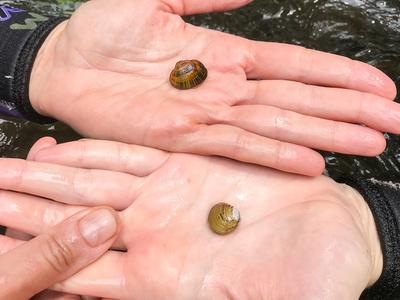
Asian clam
High-density bivalve that alters sediment, competes with native molluscs and clogs water infrastructure. Control is difficult; monitoring and biosecurity measures aim to limit spread.
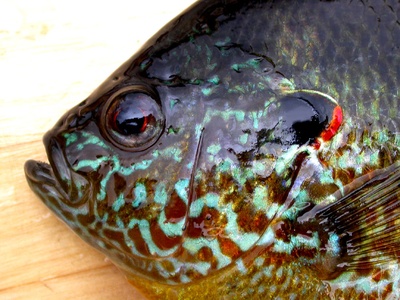
Pumpkinseed
Introduced sport fish that competes with native fish and preys on invertebrates. Common in many freshwater systems; management includes removal and angling incentives.
Topmouth gudgeon
Small fish that competes with native species and carries diseases. Listed as invasive with control programs including irrigation management and eradication of small populations.
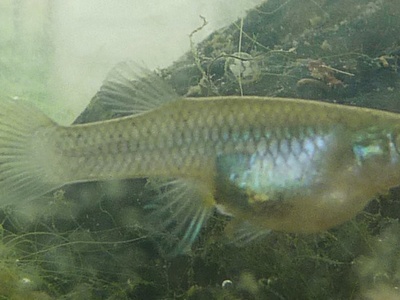
Gambusia (mosquitofish)
Introduced for mosquito control but preys on native larvae and small fish, harming biodiversity. Many countries restrict use and remove populations where possible.
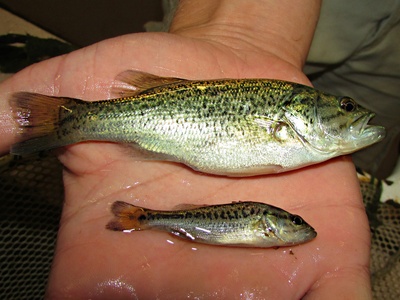
Largemouth bass
Predatory sport fish that reduces native fish populations and alters food webs. Managed by fishing, removal and restrictions on stocking in sensitive waters.
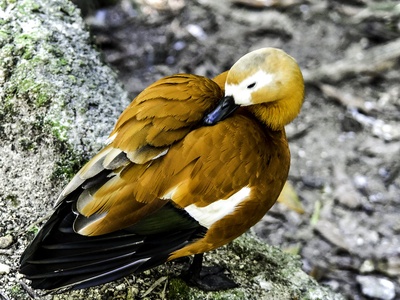
Ruddy duck
Diving duck that hybridizes with and threatened native white-headed duck; subject of targeted eradication programs and international conservation measures.
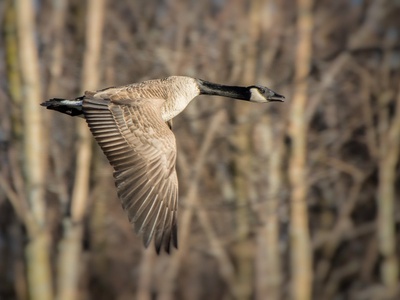
Canada goose
Large resident waterfowl that damages crops, fouls urban spaces and impacts native species. Management includes population control, egg oiling and habitat modification.
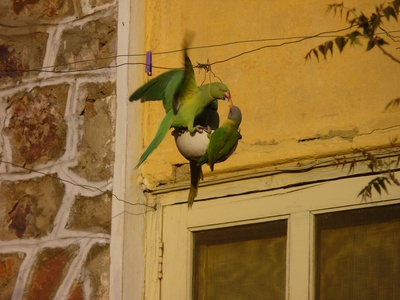
Rose-ringed parakeet
Loud, visible parakeet that competes with native birds for nesting cavities and crops. Urban management includes nest removal and public awareness.
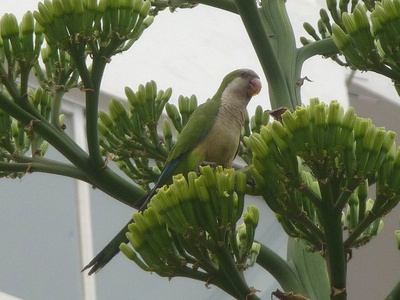
Monk parakeet
Builds large communal nests that damage infrastructure and powerlines, and competes with native species. Some areas remove nests, control populations and restrict trade.
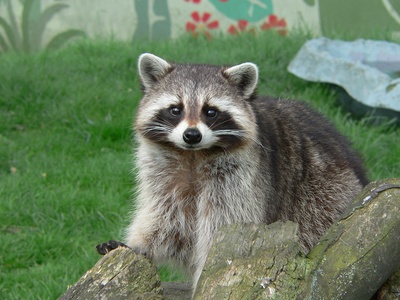
Raccoon
Omnivorous, adaptable mammal that predates wildlife, spreads pathogens and damages crops. Control includes trapping, legal restrictions and public guidance to prevent feeding and escapes.
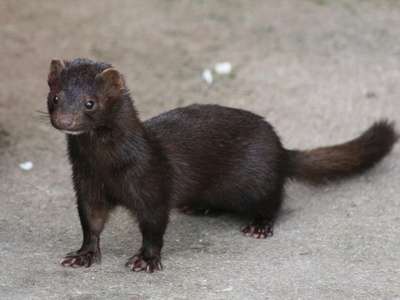
American mink
Escaped from fur farms, preys on birds and small mammals, and threatens native species. Management includes trapping, eradication programs and farm biosecurity.
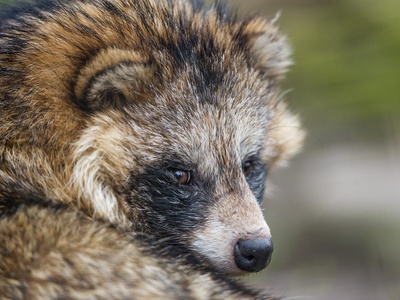
Raccoon dog
Omnivore that can spread parasites and predate ground-nesting birds. Monitored and controlled in some regions; considered a contributor to changing predator communities.
Coypu (nutria)
Large semi-aquatic rodent that erodes banks, damages vegetation and competes with native species. Eradication and control programs use trapping and habitat management.
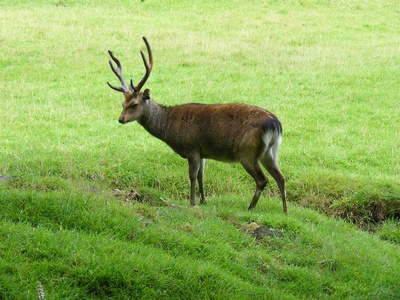
Sika deer
Herbivore that hybridizes with native deer, damages woodlands and agriculture. Management includes culling and fencing in sensitive conservation areas.
Phytophthora ramorum
Oomycete pathogen causing sudden oak death and laurel wilt, killing trees and ornamentals. Quarantine, nursery hygiene, felling infected trees and movement controls are used to limit spread.
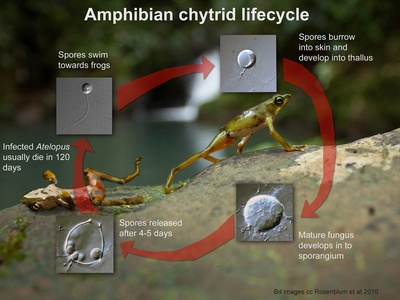
Amphibian chytrid
Fungal pathogen causing chytridiomycosis and amphibian declines. Managed by biosecurity, monitoring and captive assurance populations for threatened species.
Didymo
Diatom forming thick mats that alter habitats and recreation, smothering riverbeds. Management focuses on angler hygiene and monitoring to prevent spread between catchments.
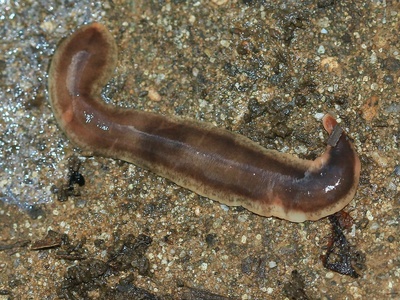
New Zealand flatworm
Predatory flatworm feeding on earthworms, reducing soil health and affecting agriculture. Control is difficult; prevention focuses on restricting plant trade and public reporting.