Nebraska’s rivers, wetlands and working landscapes face steady pressure from nonnative plants and animals that hitch rides on boats, vehicles, soil and nursery stock. These species can change habitats, harm crops and clog waterways, so knowing what’s present helps landowners, anglers and land managers respond quickly.
There are 46 Invasive Species in Nebraska, ranging from Asian clam to Zebra mussel. The list is organized with columns: Scientific name,Category,Nebraska distribution, so you can scan what each organism is, what type it is, and where it’s been found — you’ll find these details below.
How do I report a suspected invasive species in Nebraska?
Take clear photos, note the location (GPS or nearest landmark) and habitat, and avoid moving the organism. Submit sightings to Nebraska Game and Parks or citizen-science platforms like iNaturalist and EDDMapS; state staff or local extension offices will confirm identifications and advise on containment or removal.
What practical steps can I take to prevent spreading invasive species on my property?
Clean gear, boats and vehicles before moving between sites; dispose of plant material and bait in the trash rather than releasing it; use certified weed-free seed and forage; and follow guidance from local extension or conservation districts for control methods suited to the species and habitat.
Invasive Species in Nebraska
| Common name | Scientific name | Category | Nebraska distribution |
|---|---|---|---|
| Common reed | Phragmites australis (invasive genotype) | Plant | Statewide wetlands, riverbanks, reservoirs |
| Purple loosestrife | Lythrum salicaria | Plant | Wetlands, eastern and central Nebraska |
| Tree-of-heaven | Ailanthus altissima | Plant | Urban, roadsides, eastern Nebraska |
| Garlic mustard | Alliaria petiolata | Plant | Woodlands, parks, eastern Nebraska |
| Eurasian buckthorn | Rhamnus cathartica | Plant | Woodlands, shelterbelts, statewide pockets |
| Siberian elm | Ulmus pumila | Plant | Urban, rangelands, statewide |
| Russian olive | Elaeagnus angustifolia | Plant | Riparian corridors, western Nebraska |
| Cheatgrass | Bromus tectorum | Plant | Western rangelands, Sandhills edges |
| Leafy spurge | Euphorbia esula | Plant | Western and central rangelands |
| Spotted knapweed | Centaurea stoebe | Plant | Prairies, roadsides, statewide pockets |
| Canada thistle | Cirsium arvense | Plant | Fields, roadsides, statewide |
| Musk thistle | Carduus nutans | Plant | Roadsides, pastures, western and central |
| Japanese knotweed | Fallopia japonica | Plant | Riparian, disturbed urban sites |
| Oriental bittersweet | Celastrus orbiculatus | Plant | Woodlands, fence lines, eastern Nebraska |
| Multiflora rose | Rosa multiflora | Plant | Fields, fencerows, statewide |
| Eurasian watermilfoil | Myriophyllum spicatum | Aquatic | Lakes, ponds, reservoirs statewide |
| Curly-leaf pondweed | Potamogeton crispus | Aquatic | Lakes, ponds statewide |
| Zebra mussel | Dreissena polymorpha | Aquatic | Reservoirs, Missouri River, eastern Nebraska |
| Quagga mussel | Dreissena rostriformis bugensis | Aquatic | Reservoirs and rivers, documented pockets |
| Bighead carp | Hypophthalmichthys nobilis | Aquatic | Missouri River and tributaries |
| Silver carp | Hypophthalmichthys molitrix | Aquatic | Missouri River system, reservoirs |
| Common carp | Cyprinus carpio | Aquatic | Widespread lakes, rivers statewide |
| Emerald ash borer | Agrilus planipennis | Insect | Detected in Nebraska counties, spreading |
| Brown marmorated stink bug | Halyomorpha halys | Insect | Statewide, agricultural areas |
| Japanese beetle | Popillia japonica | Insect | Urban, agricultural areas statewide pockets |
| Gypsy moth | Lymantria dispar | Insect | Detected, quarantined areas historically |
| Feral swine | Sus scrofa | Animal | Western, central and eastern counties (expanding) |
| Nutria | Myocastor coypus | Animal | Historic riparian records; eradication programs |
| European starling | Sturnus vulgaris | Animal | Statewide, urban and rural |
| House sparrow | Passer domesticus | Animal | Urban, agricultural areas statewide |
| Norway rat | Rattus norvegicus | Animal | Urban, agricultural facilities statewide |
| House mouse | Mus musculus | Animal | Buildings statewide |
| Saltcedar (Tamarisk) | Tamarix spp. | Plant | Riparian areas, western Nebraska pockets |
| Norway maple | Acer platanoides | Plant | Urban, parks statewide pockets |
| Japanese honeysuckle | Lonicera japonica | Plant | Woodlands, fencerows, eastern Nebraska |
| Field bindweed | Convolvulus arvensis | Plant | Croplands, roadsides statewide |
| Russian thistle | Salsola tragus | Plant | Prairies, roadsides statewide |
| Japanese barberry | Berberis thunbergii | Plant | Woodlands, fencerows, eastern Nebraska pockets |
| West Nile virus | West Nile virus (WNV) | Microbial | Statewide in birds, humans, mosquitoes |
| Dutch elm disease | Ophiostoma novo-ulmi | Microbial | Urban and riparian elms statewide |
| Soybean cyst nematode | Heterodera glycines | Animal | Soybean-producing counties statewide |
| Soybean aphid | Aphis glycines | Insect | Soybean fields statewide |
| European earthworms | Lumbricus spp. | Animal | Forests and lawns statewide |
| Grass carp | Ctenopharyngodon idella | Aquatic | Lakes, ponds where stocked |
| Asian clam | Corbicula fluminea | Aquatic | Rivers and reservoirs statewide pockets |
| Rock pigeon | Columba livia | Animal | Urban areas statewide |
Images and Descriptions
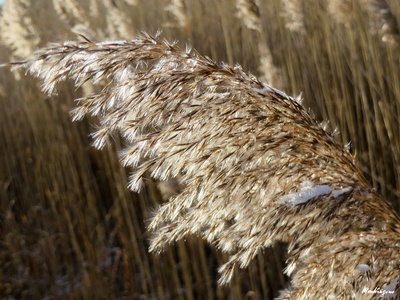
Common reed
Aggressive tall wetland grass forming dense stands that outcompete natives, reduce wildlife habitat and alter hydrology. Look for 6–15 foot reed beds with feathery tan flower plumes. Control includes herbicide, mowing, and prescribed burning; report new infestations to local conservation agencies.
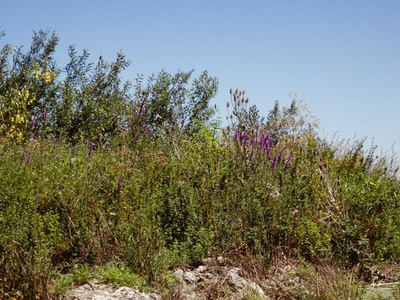
Purple loosestrife
Showy wetland perennial with purple spikes that form dense stands, displacing native marsh plants and reducing habitat value. Identification: square stems, opposite leaves, five-petaled flowers. Control: biological beetles, hand-pulling, herbicides; report large infestations to Nebraska Game and Parks.

Tree-of-heaven
Fast-growing deciduous tree with pinnate leaves and a strong odor, spreads by root suckers and wind-dispersed seeds. It outcompetes native trees, damages infrastructure, and resprouts after cutting. Control with herbicide treatments on stumps; report unmanaged populations to local authorities.
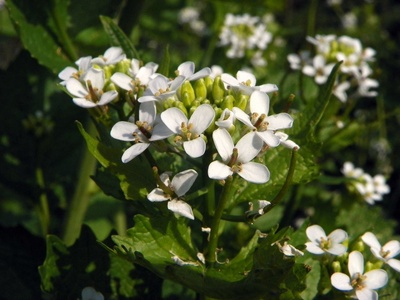
Garlic mustard
Biennial herb invading shaded forests, releasing chemicals that inhibit native plants and reducing spring wildflower diversity. Identify by garlic-scented crushed leaves and white four-petaled flowers. Hand-pull small patches before seed set, use herbicides for large infestations, and report sightings.
Eurasian buckthorn
Aggressive shrub or small tree forming dense understory thickets, shading out native seedlings and altering soils. Leaves with notched tips and small fruits turn black. Remove by cutting plus herbicide and report expanding patches to land managers.
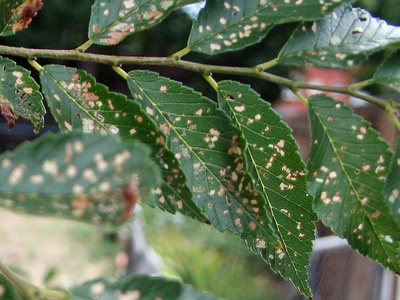
Siberian elm
Hardy non-native elm that invades prairies and disturbed sites, outcompeting natives and producing prolific wind-dispersed seed. Recognize small samara fruits and rough bark. Manage by removal, herbicide treatment, and discouraging planting.
Russian olive
Shrub/small tree with silvery leaves and fragrant yellow flowers, dominates riverbanks and displaces native cottonwoods and willows. Roots fix nitrogen, altering soils. Control by cutting with herbicide or basal bark treatments; report along rivers to conservation offices.
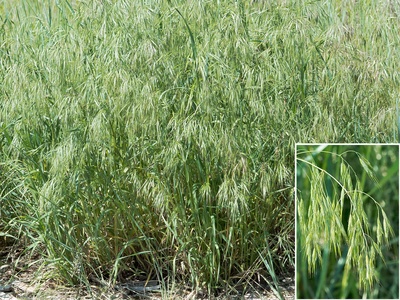
Cheatgrass
Annual invasive grass that fuels more frequent, intense fires, altering prairie ecosystems and favoring nonnative species. Look for early-season tufted, soft, hairy awns. Manage with targeted grazing, seedbank management, and fire-adapted control strategies.
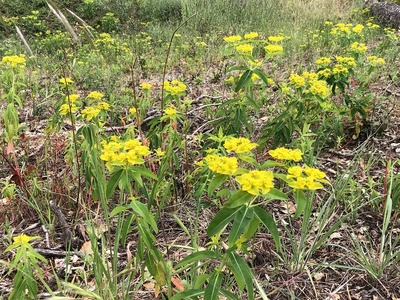
Leafy spurge
Perennial forb with milky sap, deep roots, and prolific rhizomes that displace forage grasses and reduce grazing productivity. Yellow-green flowers in spring, bracts often mistaken for petals. Control requires integrated herbicides, grazing, and biocontrol agents over multiple years.

Spotted knapweed
Biennial/short-lived perennial with purple thistle-like flowers and deep taproot, reduces native plant diversity and forage. Spread by seed along roads and disturbed soil. Manage with herbicides, reseeding natives, and insect biocontrol where available.
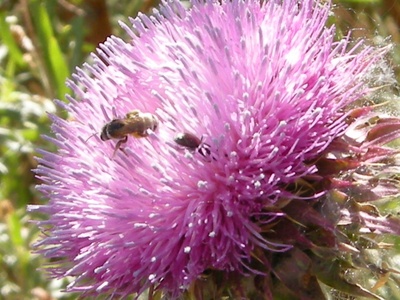
Canada thistle
Aggressive creeping thistle forming dense colonies via creeping roots and wind-blown seeds, reducing crop yields and pasture quality. Spiny leaves and purple flower heads distinguish it. Control by persistent mowing, herbicide and biological controls.
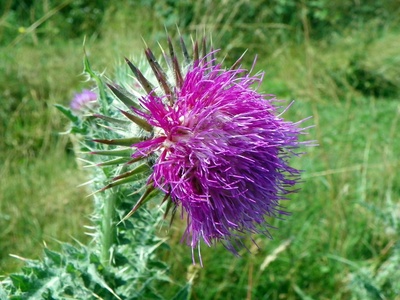
Musk thistle
Biennial thistle with large nodding purple flower heads that reduce forage and spread rapidly by seed. Rosette of spiny leaves the first year. Manage by mowing before seed set, herbicides, and biological control.

Japanese knotweed
Stout bamboo-like shoots forming dense monocultures along waterways and disturbed ground, damaging infrastructure and outcompeting natives. Identifiable by hollow stems and clusters of small white flowers. Control is difficult; persistent herbicide and excavation recommended, report sightings.
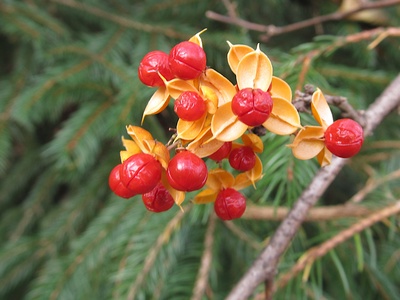
Oriental bittersweet
Woody vine that twines and girdles trees, shading canopies and causing limb breakage. Produces bright orange fruit capsules in fall. Remove vines from host trees and treat roots; report infestations to local forestry or conservation agencies.
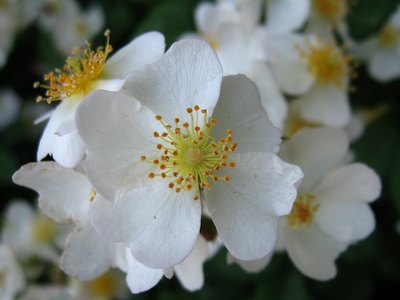
Multiflora rose
Aggressive thorny shrub forming impenetrable thickets, displacing native plants and reducing pasture access. Produces clusters of white flowers and abundant red hips. Control via mechanical removal, repeated cutting, and herbicide application.
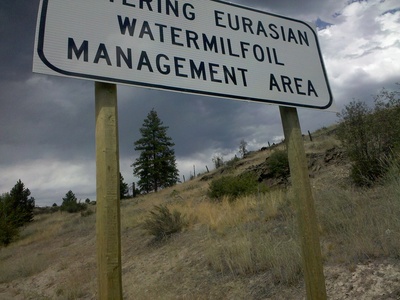
Eurasian watermilfoil
Submerged aquatic plant forming dense mats that impair recreation, outcompete natives, and alter water quality. Leaves are feathery in whorls. Control includes mechanical harvesting, herbicide, and boat decontamination to prevent spread.
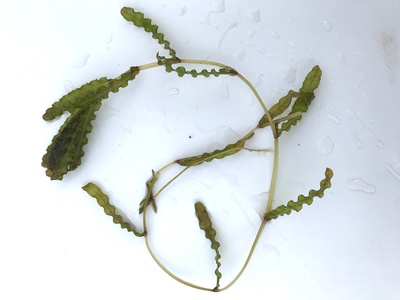
Curly-leaf pondweed
Winter-growing pondweed that forms dense spring mats, shades native plants and clogs boat motors. Leaves are stiff and ruffled; turions spread easily. Manage by drawdowns, herbicides, and cleaning boats and gear.
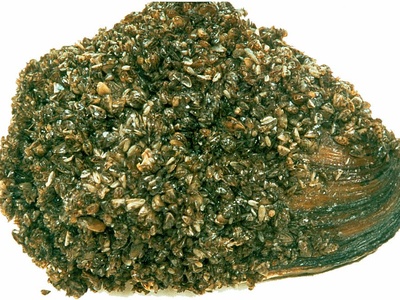
Zebra mussel
Small bivalve that encrusts hard surfaces, clogs water intakes, and alters food webs. Distinctive D-shaped shell with zebra stripes. Prevent spread by draining and drying watercraft, report suspect detections to Nebraska Game and Parks Commission.
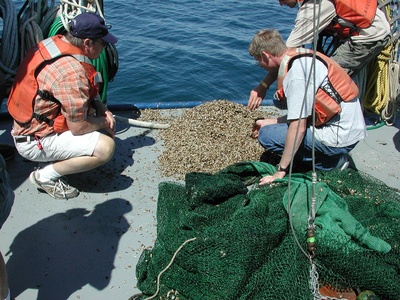
Quagga mussel
Similar to zebra mussel but can colonize soft and deeper substrates, causing similar economic and ecological damage. Smaller, rounder shell with more uniform coloration. Clean, drain, dry boats; report through state invasive species hotline.
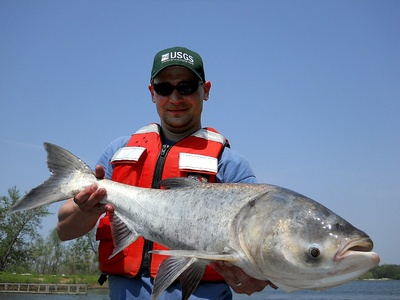
Bighead carp
Large filter-feeding Asian carp that consumes plankton, competing with native fish and disrupting food webs. Identify by upturned mouth and large size; jumping behavior less than silver carp. Control focuses on prevention, barriers, and reporting to fisheries.
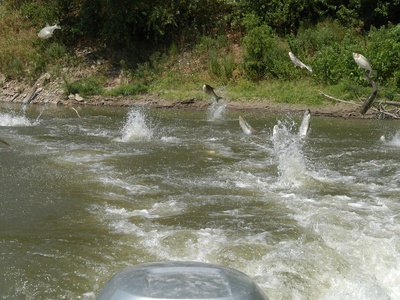
Silver carp
Highly publicized Asian carp known for leaping when disturbed, risking boater safety and competing with native fish for plankton. Silvery body and large keel distinguish it. Report sightings and avoid areas with jumping carp.
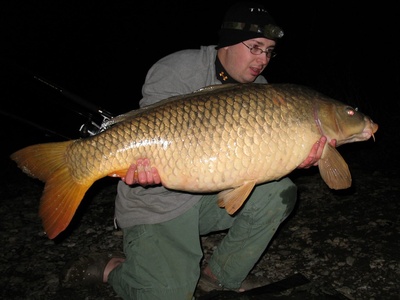
Common carp
Large benthic omnivore introduced for aquaculture, its rooting behavior increases turbidity, uproots vegetation and degrades habitat for natives. Recognizable by barbels near mouth and large scales. Manage with harvest, barriers, and restoration of native plants.
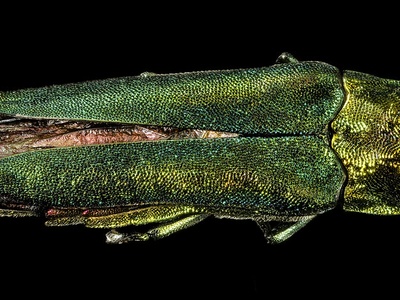
Emerald ash borer
Wood-boring beetle killing ash trees by larvae feeding under bark, causing canopy thinning and mortality. Adult metallic green beetle 8–14 mm. Report suspect infested ash and avoid moving firewood; management includes removal and systemic insecticide treatments.
Brown marmorated stink bug
Feeding pest of fruits and crops that also invades homes in fall, causing nuisance and crop damage. Mottled brown shield shape with white banded antennae. Control via exclusion, monitoring traps, and integrated pest management; report agricultural damage.
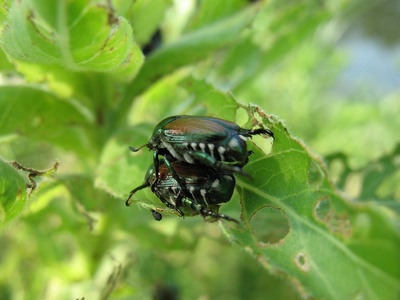
Japanese beetle
Adult beetles skeletonize foliage and feed on flowers and fruits; grubs damage turf roots. Metallic green and bronze adults about 10 mm. Monitor with traps, remove by hand in small numbers, and use IPM strategies for larger outbreaks.
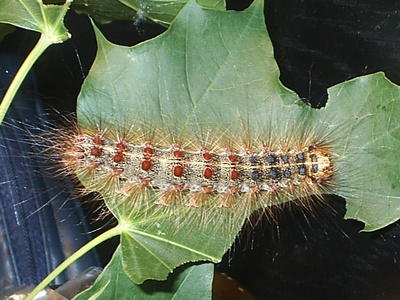
Gypsy moth
Defoliating caterpillar causing severe oak and hardwood defoliation, reducing tree vigor and increasing mortality. Female wingless in some populations; caterpillars have characteristic hairs and blue/red spots. Report outbreaks to forestry officials and avoid moving firewood.

Feral swine
Omnivorous wild pigs root soils, destroy crops, spread disease and outcompete native wildlife. Large boars and sows with piglets; variable coloration. Report sightings, use coordinated removal programs, and avoid contact to prevent disease transmission.
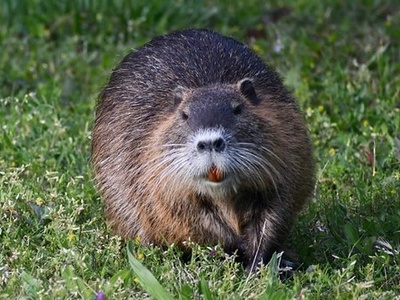
Nutria
Large invasive semi-aquatic rodent introduced for fur farming that damages wetlands through burrowing and herbivory. Historically recorded in Nebraska but largely removed by eradication efforts; report any new detections to wildlife agencies.

European starling
Introduced bird forming large flocks that compete for nest sites with native cavity-nesters and damage crops. Glossy black plumage with speckles, yellow bill in breeding season. Manage with exclusion, nest box competition reduction, and report large roosts affecting communities.
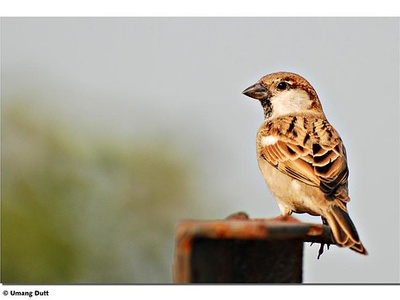
House sparrow
Introduced small bird that often displaces native songbirds and consumes grain; commonly nests in buildings and eaves. Drab brown and gray plumage, chunky profile. Control in sensitive areas via exclusion and habitat modification; report agricultural losses.
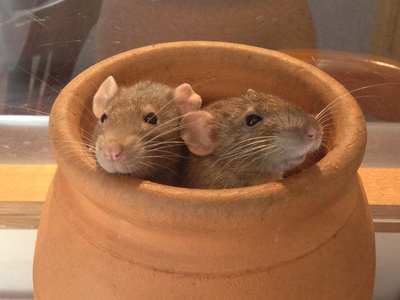
Norway rat
Large commensal rodent that spreads disease, damages structures and stored grain. Brown fur, blunt muzzle, and long tail. Control via sanitation, exclusion, trapping and professional pest management; report unusual infestations to public health authorities.
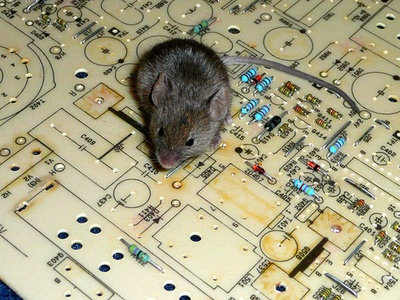
House mouse
Small rodent invasive in human structures, consuming and contaminating food, and hosting parasites. Small size, large ears, pointed snout. Control with exclusion, sanitation and trapping; report persistent infestations to local health departments.
Saltcedar (Tamarisk)
Shrubby tree invading streambanks and wetlands, consuming large amounts of water and displacing native vegetation. Feathery pink flowers and scale-like leaves. Mechanical removal and herbicide used; report expanding populations to land managers.
Norway maple
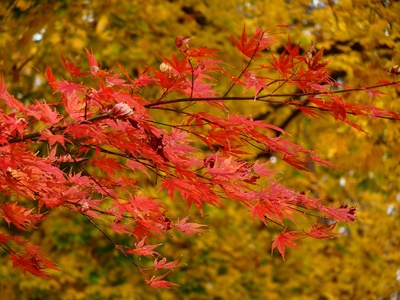
Common ornamental tree that escapes cultivation to form dense shade, outcompeting native understory; milky sap, opposite lobed leaves. Remove seedlings and avoid planting; report invasive stands in natural areas. It proliferates in disturbed soils.

Japanese honeysuckle
Twining vine forming dense mats that smother shrubs and young trees, with fragrant white to yellow tubular flowers. Spreads by stems and bird-dispersed berries. Control by cutting, herbicide and removing roots; report persistent invasions.
Field bindweed
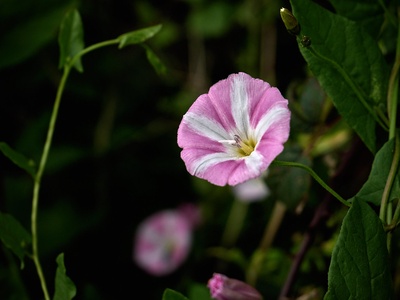
Deep-rooted vining perennial whose twining stems and funnel-shaped white-pink flowers smother crops and native plants, difficult to eradicate due to extensive root system. Manage with persistent tillage, herbicides, and crop rotation.
Russian thistle
Annual tumbleweed thriving in disturbed soils, producing many wind-dispersed seeds that promote rapid spread and increase fire risk. Spiny, branched form with small flowers. Control by preventing seed set, herbicides, and cleaning equipment.

Japanese barberry
Dense thorny shrub escaping cultivation to form understory thickets that displace native plants and harbors ticks. Small red berries and rounded leaves. Remove mechanically and treat stumps; report infestations in natural areas.
West Nile virus
Mosquito-borne flavivirus introduced to North America causing disease in humans, horses and birds; leads to neurological illness and bird mortality. Monitor mosquito activity, use repellents and report dead birds or human cases to public health authorities.
Dutch elm disease
Non-native fungal pathogen spread by bark beetles and root grafts, causing elm wilt and widespread mortality. Wilted foliage, branch dieback and D-shaped beetles nearby. Report sick elms and prune or remove infected trees following guidelines.
Soybean cyst nematode
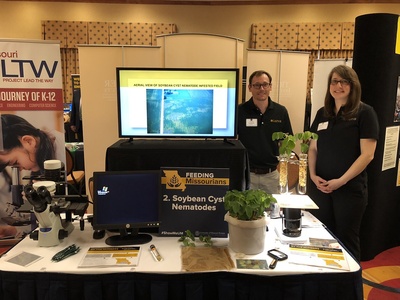
Microscopic roundworm parasite of soybeans reducing yields, causing stunted plants and yellowing. Spread via infected seed, soil and machinery. Manage with resistant varieties, crop rotation, sanitation, and testing; report new detections to extension services.
Soybean aphid
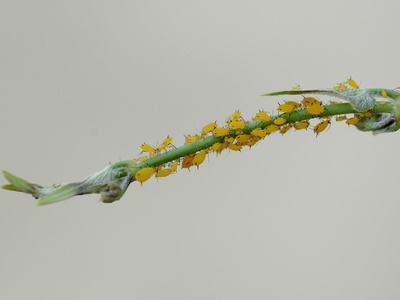
Small sap-sucking aphid introduced from Asia that reduces soybean yields through feeding and virus spread. Pale yellow, congregate on undersides of leaves. Manage with monitoring, thresholds and insecticides; report unusual outbreaks to extension specialists.
European earthworms
Introduced earthworms altering forest floor and nutrient cycling, accelerating leaf litter breakdown and disadvantaging native understory plants. Presence often unnoticed; identification by segmented earthworm morphology. Prevent spread by avoiding bait release and moving soil; report unusual spread.
Grass carp
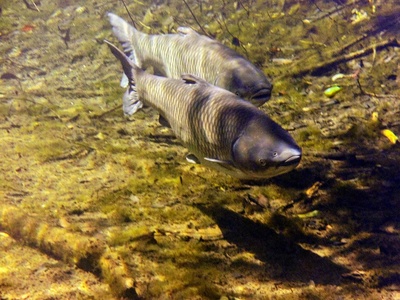
Large herbivorous carp used for vegetation control but can devastate native aquatic plants when established, altering habitat. Identify by torpedo-shaped body and toothless mouth. Manage via regulations, barriers, and reporting unauthorized stockings.
Asian clam
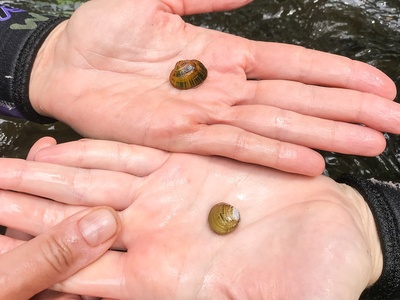
Small bivalve that forms dense beds, competing with native mussels and clogging infrastructure. Triangular shells with concentric ridges. Prevent spread by cleaning boats and gear; report new occurrences to fisheries agencies.
Rock pigeon
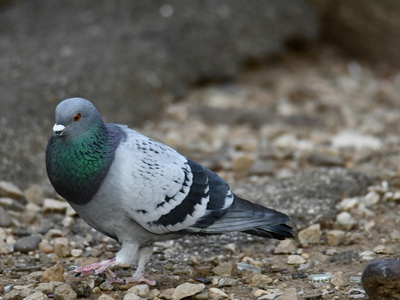
Introduced feral bird associated with buildings and agriculture, fouling structures, spreading pathogens, and outcompeting some natives. Slate gray with iridescence. Control via exclusion, deterrents and waste management; report large roosts.