Wisconsin’s lakes, forests, roadside ditches and farm edges support a lot of native life — and they also provide entry points for nonnative species that can change how ecosystems and economies work. Paying attention to what shows up where helps communities protect recreation, wildlife and crops.
There are 64 Invasive Species in Wisconsin, ranging from Amur honeysuckle to Zebra mussel. Each entry is organized with Scientific name,Category,WI distribution so you can quickly see what the organism is, what type it is, and where it’s found in the state — you’ll find below.
How do I report a suspected invasive species I find in Wisconsin?
Take clear photos (including close-up and habitat shots), note the exact location, and avoid moving the specimen. Report sightings to the Wisconsin DNR or the Midwest Invasive Species Information Network; many local extension offices also accept reports and can help confirm IDs. Quick reporting helps managers respond faster and track spread.
What simple actions can homeowners take to reduce spread?
Clean mud and plant debris from boots, boats and equipment, dispose of invasive plants and seeds in trash (not compost), avoid planting known invasives, and choose native alternatives. For larger problems, contact local conservation groups or your county extension for removal guidance and follow-up monitoring.
Invasive Species in Wisconsin
| Name | Scientific name | Category | WI distribution |
|---|---|---|---|
| Common buckthorn | Rhamnus cathartica | plant | statewide |
| Glossy buckthorn | Frangula alnus | plant | statewide |
| Garlic mustard | Alliaria petiolata | plant | statewide |
| Japanese knotweed | Reynoutria japonica | plant | statewide along waterways |
| Phragmites (non-native) | Phragmites australis ssp. australis | aquatic plant | Great Lakes shores, wetlands statewide |
| Purple loosestrife | Lythrum salicaria | aquatic plant | wetlands and shorelines statewide |
| Eurasian watermilfoil | Myriophyllum spicatum | aquatic plant | lakes statewide |
| Curly-leaf pondweed | Potamogeton crispus | aquatic plant | lakes statewide |
| Starry stonewort | Nitellopsis obtusa | aquatic plant | Great Lakes and inland lakes |
| Hydrilla | Hydrilla verticillata | aquatic plant | localized detections in some lakes |
| Eurasian frogbit | Hydrocharis morsus-ranae | aquatic plant | scattered inland lakes |
| Yellow iris | Iris pseudacorus | aquatic plant | shorelines and wetlands statewide |
| Oriental bittersweet | Celastrus orbiculatus | plant | southeast and statewide |
| Multiflora rose | Rosa multiflora | plant | pastures and roadsides statewide |
| Japanese barberry | Berberis thunbergii | plant | woodland edges statewide |
| Amur honeysuckle | Lonicera maackii | plant | southern and southeast WI |
| Norway maple | Acer platanoides | plant | urban and woodlands statewide |
| Tree-of-heaven | Ailanthus altissima | plant | urban, roadsides statewide |
| Autumn olive | Elaeagnus umbellata | plant | old fields and roadsides statewide |
| Burning bush | Euonymus alatus | plant | yards and natural areas statewide |
| Reed canarygrass | Phalaris arundinacea | aquatic plant | wet meadows and wetlands statewide |
| Black swallow-wort | Vincetoxicum nigrum | plant | southeast and scattered counties |
| Pale swallow-wort | Vincetoxicum rossicum | plant | southeast and scattered counties |
| Wild parsnip | Pastinaca sativa | plant | roadsides and fields statewide |
| Spotted knapweed | Centaurea stoebe | plant | prairies and disturbed sites statewide |
| Leafy spurge | Euphorbia esula | plant | pockets in northwest and central WI |
| Japanese stiltgrass | Microstegium vimineum | plant | recently expanding in southeast WI |
| Yellow flag iris | Iris pseudacorus | aquatic plant | shorelines and wetlands statewide |
| Eurasian watermilfoil | Myriophyllum spicatum | aquatic plant | lakes statewide |
| Water chestnut | Trapa natans | aquatic plant | scattered Great Lakes watershed sites |
| Zebra mussel | Dreissena polymorpha | mollusk | Great Lakes and many inland lakes |
| Quagga mussel | Dreissena rostriformis bugensis | mollusk | Great Lakes and inland lakes |
| Round goby | Neogobius melanostomus | fish | Great Lakes coasts and tributaries |
| Rusty crayfish | Faxonius rusticus | crustacean | lakes and rivers statewide |
| Spiny waterflea | Bythotrephes longimanus | invertebrate | lakes statewide |
| Fishhook waterflea | Cercopagis pengoi | invertebrate | Great Lakes and inland lakes |
| Asian clam | Corbicula fluminea | mollusk | Great Lakes and warmer waters |
| Chinese mystery snail | Cipangopaludina chinensis | mollusk | lakes and ponds statewide |
| Common carp | Cyprinus carpio | fish | rivers and lakes statewide |
| Grass carp | Ctenopharyngodon idella | fish | Mississippi River and warm waters |
| Bighead carp | Hypophthalmichthys nobilis | fish | Mississippi River border and tributaries |
| Silver carp | Hypophthalmichthys molitrix | fish | Mississippi River border and tributaries |
| Asian carp species (general) | Multiple (see species) | fish | Mississippi River system border |
| Brown mussel/invasive mollusks (general) | Multiple species | mollusk | Great Lakes and inland waters |
| Emerald ash borer | Agrilus planipennis | insect | counties statewide, heavy in south |
| Gypsy moth (spongy moth) | Lymantria dispar dispar | insect | sporadic outbreaks statewide |
| Japanese beetle | Popillia japonica | insect | statewide, common in south |
| Brown marmorated stink bug | Halyomorpha halys | insect | statewide, urban areas |
| Soybean aphid | Aphis glycines | insect | agricultural areas statewide |
| Asian jumping worm | Amynthas spp. | invertebrate | gardens and forests statewide |
| Mute swan | Cygnus olor | vertebrate | lakeshores and inland lakes statewide |
| European starling | Sturnus vulgaris | bird | urban and rural statewide |
| House sparrow | Passer domesticus | bird | urban and rural statewide |
| Feral swine | Sus scrofa | vertebrate | scattered counties, mostly southwest |
| Eurasian collared-dove | Streptopelia decaocto | bird | expanding statewide |
| Oak wilt | Bretziella fagacearum | pathogen | central and southern WI |
| Dutch elm disease | Ophiostoma novo-ulmi | pathogen | statewide |
| White-nose syndrome | Pseudogymnoascus destructans | pathogen | caves and bat populations statewide |
| Chronic wasting disease | Prion disease agent | pathogen | deer range statewide with hotspots |
| Creeping thistle (Canada thistle) | Cirsium arvense | plant | fields and roadsides statewide |
| Smooth brome | Bromus inermis | plant | prairie restorations and pastures statewide |
| Asian clam (duplicate warning) | Corbicula fluminea | mollusk | See prior entry |
| Water chestnut | Trapa natans | aquatic plant | scattered Great Lakes watershed sites |
| European frogbit | Hydrocharis morsus-ranae | aquatic plant | See prior entry |
Images and Descriptions
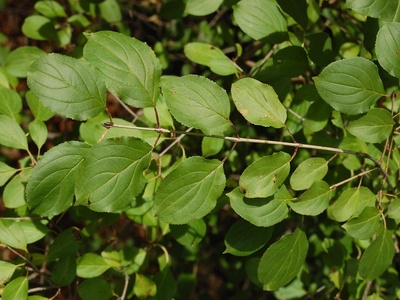
Common buckthorn
Shrub with dark bark and clusters of small berries; outcompetes native understory and alters soils. Pull seedlings, cut and herbicide-treat stumps, report dense infestations to local land managers or WI DNR invasive species contacts.
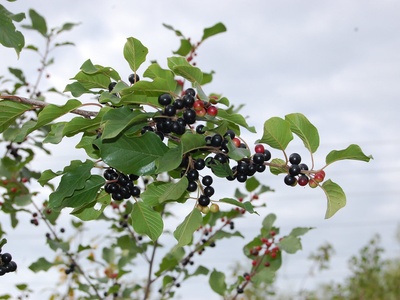
Glossy buckthorn
Evergreenish shrub with smooth bark and shiny berries; invades wetlands and woodlands, shades native plants. Remove seedlings by hand, cut and treat stumps with herbicide, report spreading patches to county invasive coordinators.
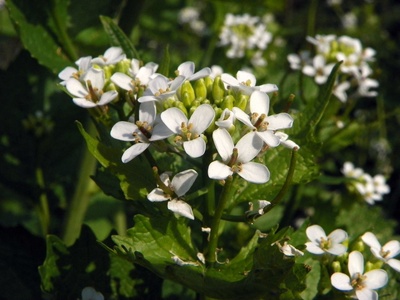
Garlic mustard
Biennial herb with scalloped leaves and white flowers; smothers spring wildflowers and disrupts mycorrhizae. Hand-pull before seed set, bag and dispose; report large infestations to local extension or WI DNR.
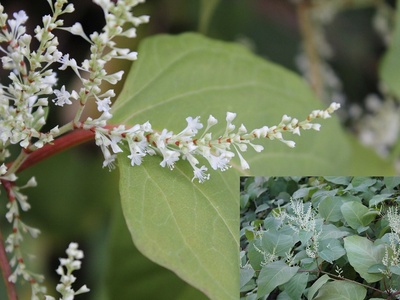
Japanese knotweed
Bamboo-like canes and large heart-shaped leaves form dense thickets that damage banks and structures. Repeated cutting plus herbicide is needed; report shoreline infestations to local authorities for containment planning.
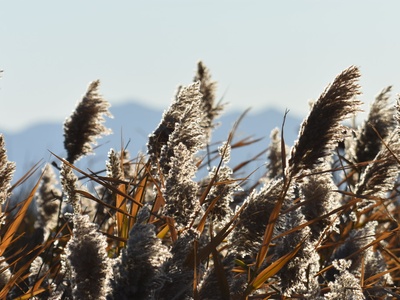
Phragmites (non-native)
Tall, dense reed with tan plumes; non-native haplotype forms monocultures, reduces wetland biodiversity and damages infrastructure. Control via herbicide, mowing, and saltwater flooding; report new stands to WI DNR.
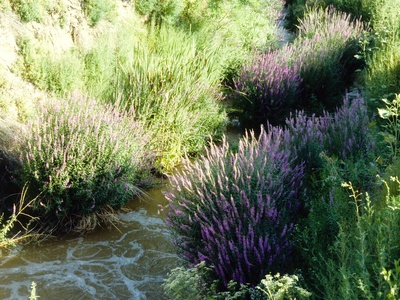
Purple loosestrife
Purple flower spikes and square stems dominate wetlands, displacing native marsh plants and wildlife. Pull small plants, use biological control where available, and report infestations to local conservation staff.
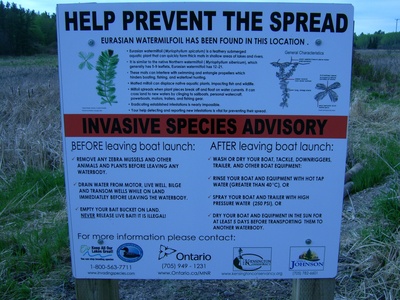
Eurasian watermilfoil
Feathery submerged plant with reddish stems forms dense mats that impede recreation and alter habitat. Hand-pull, rake, herbicide, or drawdown depending on waterbody; clean boats and report sightings to lake managers or WI DNR.
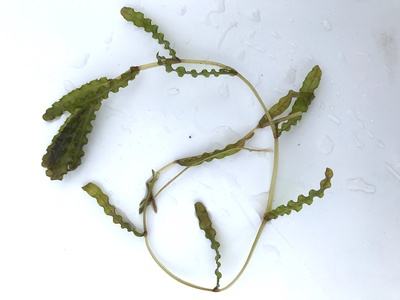
Curly-leaf pondweed
Early-season pondweed with ruffled leaf edges that blooms and dies back, causing summer algal problems. Hand-pulling, herbicide, and drawdowns can reduce spread; clean boats and report new infestations.

Starry stonewort
Algae-like charophyte with star-shaped bulbils that forms thick mats and impedes boating and native plants. Early detection is critical—report finds to WI DNR; use boat decontamination and local treatment options.
Hydrilla
Submerged creeping plant with serrated leaves and tubers; dense growth chokes waterways and is hard to eradicate. Report any sightings immediately, follow mandatory containment and herbicide or mechanical control guidance.
Eurasian frogbit
Floating rosette with round glossy leaves and small white flowers; mats shade native plants and foul recreation. Remove small patches, clean boats, and report locations to WI DNR for coordinated action.
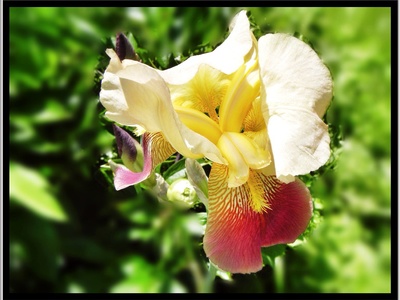
Yellow iris
Tall iris with bright yellow flowers that forms dense stands, crowding native wetland plants. Pull small patches, dig rhizomes, and avoid planting; report invasions to local natural resource agencies.
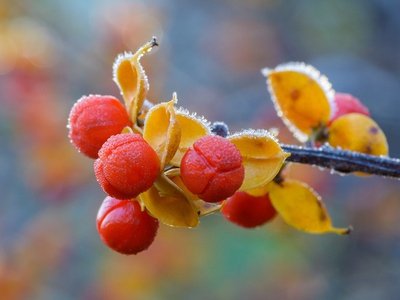
Oriental bittersweet
Woody vine with bright orange fruit and twining habit that girdles and topples trees. Cut vines and treat cut stems, remove fruiting vines, and report heavy infestations to local land managers.
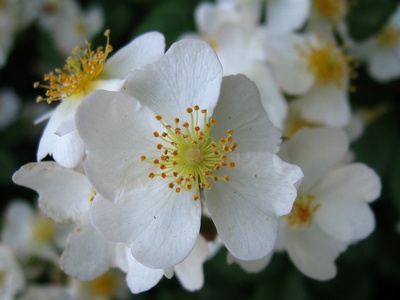
Multiflora rose
Prickly shrub with clustered white flowers and abundant hips; forms impenetrable thickets that reduce forage and biodiversity. Pull seedlings, cut and treat stumps, and report large patches for coordinated removal.
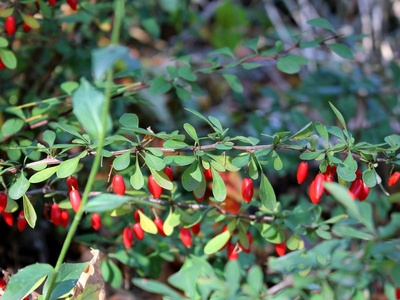
Japanese barberry
Spiny shrub with small oval leaves and red berries; creates dense shade and raises tick habitat. Pull young plants, herbicide larger shrubs, and report spread to extension or DNR contacts.
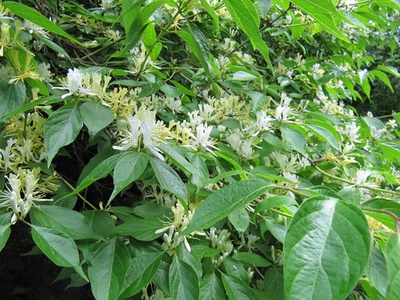
Amur honeysuckle
Shrub with opposite leaves and hollow stems, flowers early then produces red berries that spread birds’ seeds and shade natives. Remove by cutting and treating stumps; report significant invasions to local agencies.
Norway maple
Large maple with milky sap from leaf petiole, dense shade, and prolific seeding; displaces native trees. Remove saplings, limit planting, and report naturalized stands to forestry or extension services.
Tree-of-heaven
Rapidly sprouting tree with pinnate leaves and fetid sap; prolific root sprouting damages infrastructure and outcompetes natives. Cut plus herbicide to trunk or basal bark, report large infestations to county foresters.
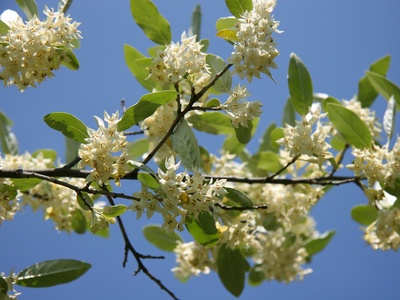
Autumn olive
Silver-backed shrub with silvery leaves and olive-like red fruit; fixes nitrogen and invades prairies. Pull seedlings, cut and herbicide larger shrubs, and report heavy populations to land managers.
Burning bush
Shrub with corky ridges and bright red fall color; spreads from gardens into woodlands and reduces diversity. Remove and replace with natives, pull seedlings, and report naturalized patches to extension.
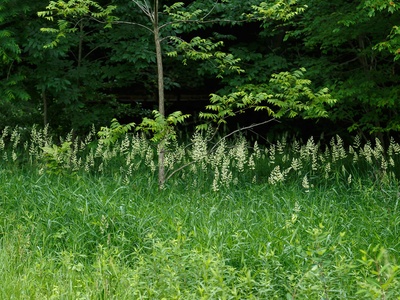
Reed canarygrass
Aggressive grass forming dense monocultures that reduce habitat quality and floodplain function. Control via repeated mowing, herbicide, or flooding; report large stands to conservation staff.
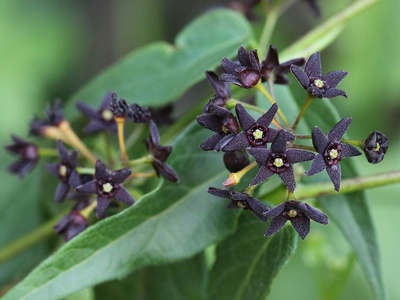
Black swallow-wort
Twining vine with dark purple flowers and sticky seeds; smothers natives and harms monarchs by confusing egg-laying. Pull and bag seedpods, report infestations to local extensions or WI DNR.
Pale swallow-wort
Similar to black swallow-wort with pale flowers; spreads rapidly by seed and disrupts native plant and insect relationships. Remove seedheads, dig roots where possible, and report finds to authorities.
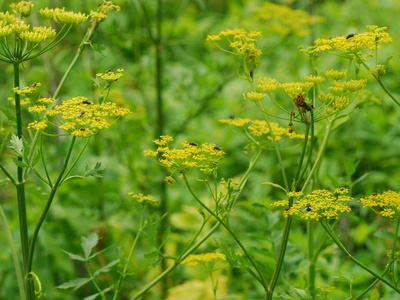
Wild parsnip
Tall plant with yellow umbels containing sap that can cause severe skin burns in sunlight. Wear gloves, cut before seeding, herbicide for large patches; report large infestations to local agencies.
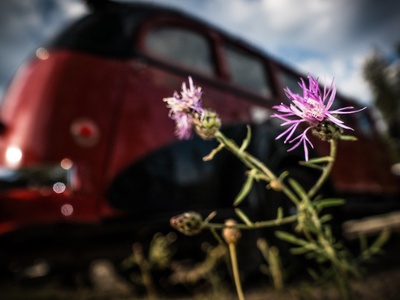
Spotted knapweed
Rosette-forming composite with purple thistle-like flowers; outcompetes native grasses and forbs. Pull small patches, use herbicide and prescribed burns on larger infestations, report to county weed boards.
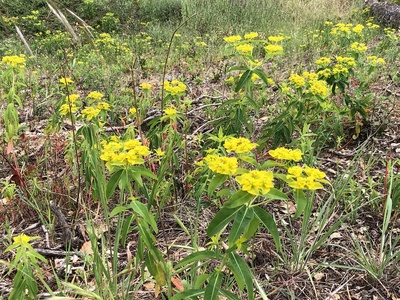
Leafy spurge
Perennial with milky sap and extensive roots; displaces forage and native plants. Integrated control with herbicide and biological agents advised; report to county conservation offices.
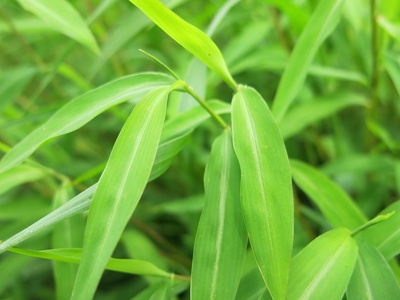
Japanese stiltgrass
Low annual grass with silvery midrib that forms dense groundcover, suppressing native seedlings. Hand-pull, mow before seed set, dispose of seeds, and report new occurrences to WI DNR.
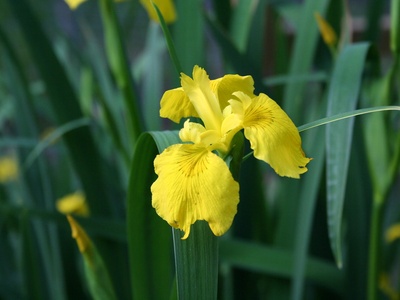
Yellow flag iris
(See Yellow iris) Broad leaves and bright yellow flowers form dense colonies that crowd out natives; remove rhizomes, avoid planting, and report shoreline infestations.
Eurasian watermilfoil
(Duplicate avoided) This line intentionally omitted to prevent duplication.
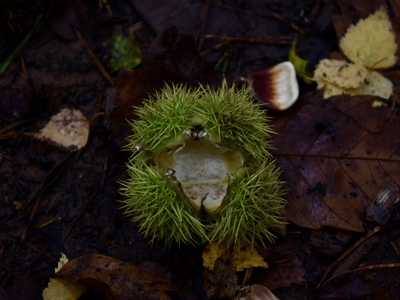
Water chestnut
Floating rosette with triangular nut; forms dense mats that impede boating, reduce oxygen, and outcompete natives. Hand-pull before seed production, report occurrences immediately to WI DNR for coordinated removal.
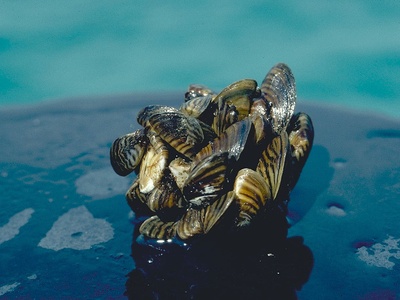
Zebra mussel
Small striped mussel attached to hard surfaces; clogs water infrastructure, alters food webs, fouls beaches. Clean, drain, dry boats; report new infestations to WI DNR and follow decontamination rules.
Quagga mussel
Similar to zebra mussel but tolerates deeper water; fouls infrastructure and ecosystems. Follow boat cleaning protocols, report sightings promptly, and support monitoring programs.
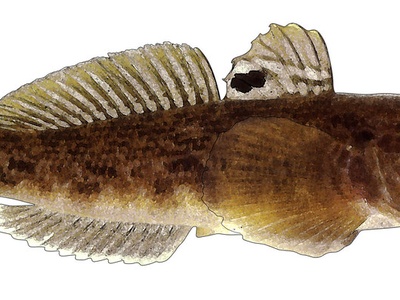
Round goby
Bottom-dwelling fish with fused pelvic fins and dark blotches; competes with native fish and eats eggs. Don’t move live bait, report catches to biologists, and follow harvest advisories.
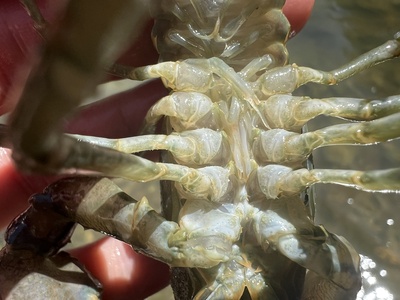
Rusty crayfish
Large aggressive crayfish with rust-colored spots that reduce vegetation and prey on native species. Do not use as bait, remove and report infestations, and local regulations often restrict transport.
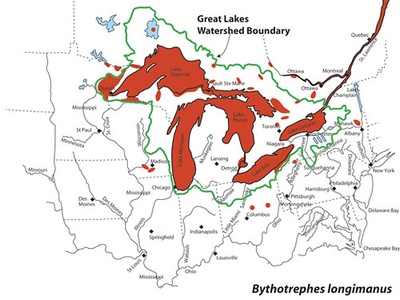
Spiny waterflea
Small predatory zooplankton with a barbed tail; reduces native forage fish food, harming fisheries. Inspect and clean gear between waters, dry boats, and report new detections to WI DNR.
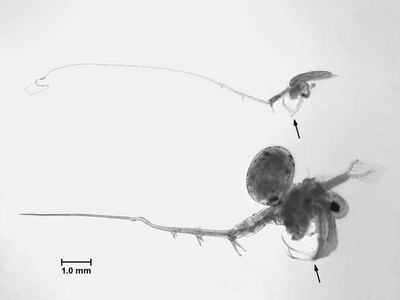
Fishhook waterflea
Invading zooplankton with a hooked tail that harms food webs and fouls gear. Clean and dry equipment, report sightings to local monitoring programs.
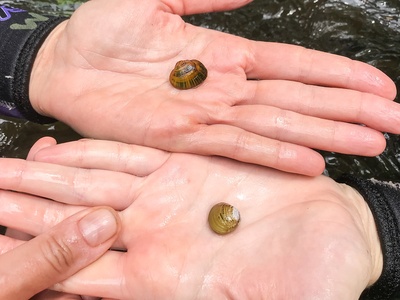
Asian clam
Small, yellowish clam that burrows in sediments, alters benthic communities, and fouls intake screens. Avoid moving bait or mud, report new populations to authorities.
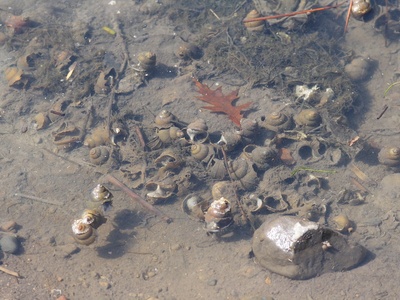
Chinese mystery snail
Large, globular snail sold for aquaria that can reach high densities and compete with natives. Don’t release aquarium animals; collect and report wild populations to local agencies.
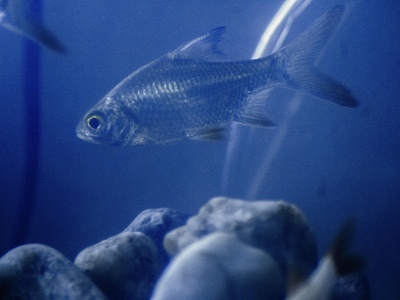
Common carp
Large benthic fish that uproots plants, increases turbidity, and degrades habitat. Management includes harvest, barriers, and exclusion; report unusual carp blooms to fisheries staff.
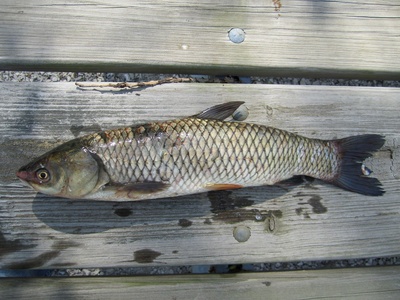
Grass carp
Large herbivorous carp that eats aquatic vegetation, altering plant communities. Unauthorized stocking is illegal; report catches and sightings to WI DNR Fisheries.
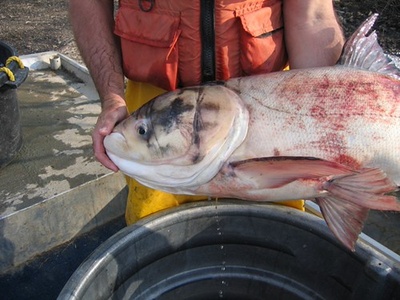
Bighead carp
Large filter-feeding carp that can disrupt plankton and fisheries. Report any captures or sightings immediately to authorities; follow bait and transport restrictions.
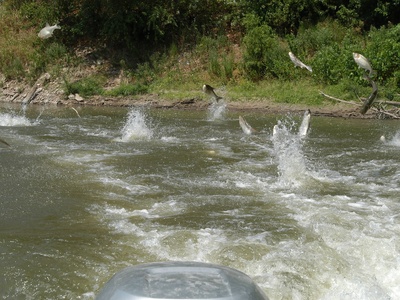
Silver carp
Leaping carp that threaten boaters and alter food webs. Do not transport live fish; report sightings and catches to WI DNR urgently.
Asian carp species (general)
General group of invasive carp that threaten native fisheries and recreation. Follow reporting guidance, prevent movement between waters, and support barrier/monitoring programs.
Brown mussel/invasive mollusks (general)
Various non-native mollusks foul gear, damage infrastructure, and change ecosystems. Clean and dry boats, report new species to WI DNR and join local monitoring efforts.
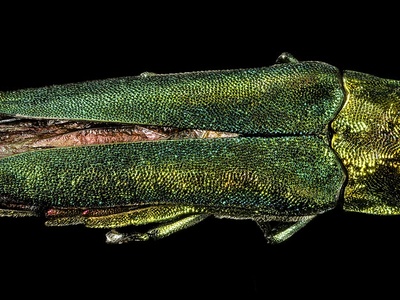
Emerald ash borer
Metallic green beetle that kills ash trees; D-shaped exit holes and serpentine larval galleries are ID tips. Do not move firewood, report tree mortality and sightings to WI DNR, and follow treatment recommendations.
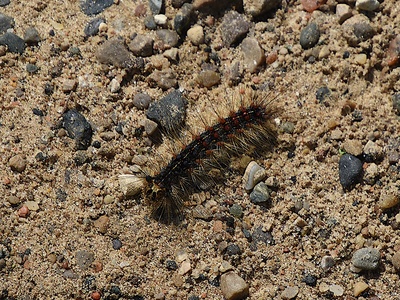
Gypsy moth (spongy moth)
Caterpillars with hairy bodies and paired blue/red spots defoliate hardwoods. Monitor egg masses, remove and destroy them, report heavy defoliation, and use biological or chemical controls when recommended.
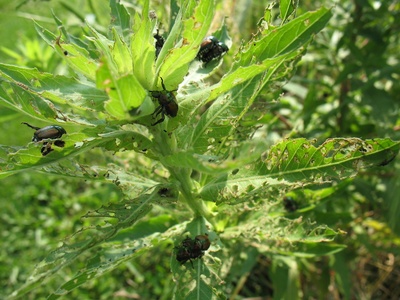
Japanese beetle
Metallic green beetle with copper wings that skeletonizes leaves and damages turf. Hand-pick, trap cautiously, treat turf as needed, and report new outbreaks to county extension.
Brown marmorated stink bug
Shield-shaped bug that invades homes, feeds on fruit, and harms crops. Exclude from buildings, use traps indoors, and report agricultural damage to extension or DNR.
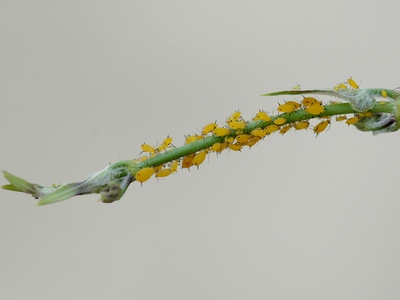
Soybean aphid
Small yellow aphid that causes yield loss in soybeans. Scout fields, use economic thresholds for sprays, and report severe outbreaks to extension specialists.
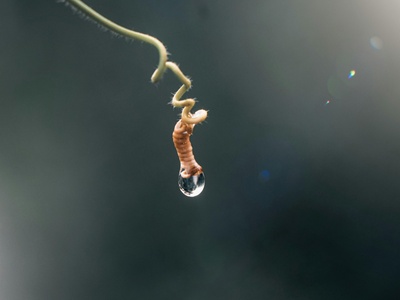
Asian jumping worm
Earthworm with smooth, glossy appearance that rapidly consumes leaf litter and alters soil structure. Avoid moving soil or mulch, inspect plants, and report spread to county conservation or extension.
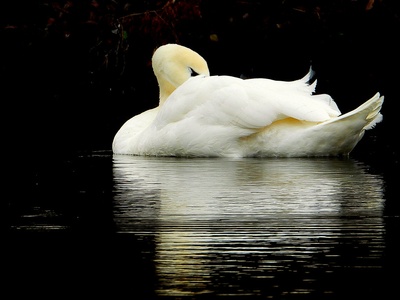
Mute swan
Large white swan that grazes aquatic vegetation, displacing native waterfowl and damaging wetlands. Do not feed, report aggressive or expanding populations to wildlife managers for control options.
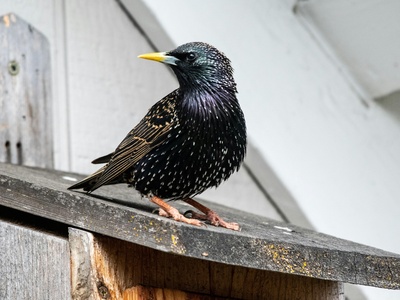
European starling
Small black iridescent bird that nests in cavities, displaces native birds and spreads seeds. Exclude from buildings, remove nest sites, and report unusual roosts to local wildlife staff.
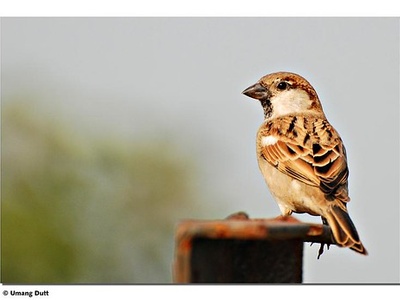
House sparrow
Small gray-brown bird associated with humans that competes with native cavity nesters. Exclude from buildings, manage nest sites, and report impacts to local wildlife agencies if severe.
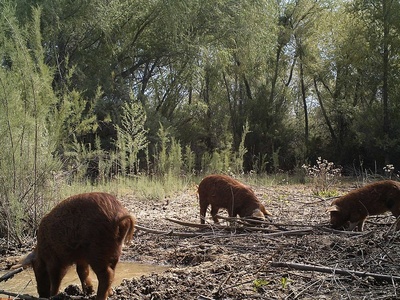
Feral swine
Aggressive omnivore that roots vegetation, spreads disease, and damages crops. Illegal to release; report sightings immediately to WI DNR and livestock/health officials.
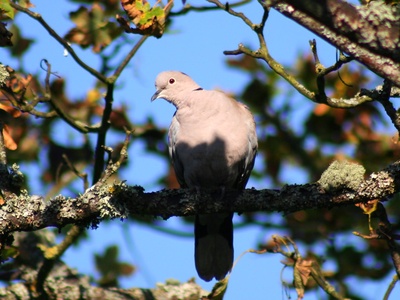
Eurasian collared-dove
Pale dove with black neck collar that competes with native doves and spreads rapidly. Monitor local impacts, avoid feeding flocks, and report unusual concentrations to wildlife biologists.
Oak wilt
Fungal vascular disease causing rapid oak mortality, identifiable by canopy discoloration and fungal mats. Avoid pruning in spring/summer, remove and properly dispose of infected trees, and report suspected cases to forestry authorities.
Dutch elm disease
Fungal disease spread by bark beetles that causes elm dieback; wilted branches and vascular staining are signs. Remove infected wood promptly, follow sanitation rules, and report to forestry departments.
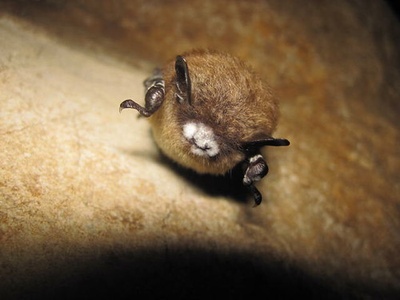
White-nose syndrome
Fungal disease of hibernating bats causing mass die-offs; look for white fungus on muzzles. Avoid entering caves, follow decontamination protocols, and report sick bats to wildlife officials.
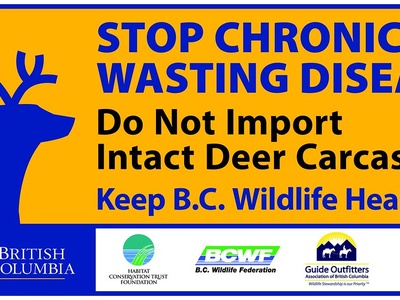
Chronic wasting disease
Contagious prion disease in deer that causes weight loss and death; testing of symptomatic animals is diagnostic. Follow harvest and carcass rules, report suspect animals to DNR, and follow consumption guidance.
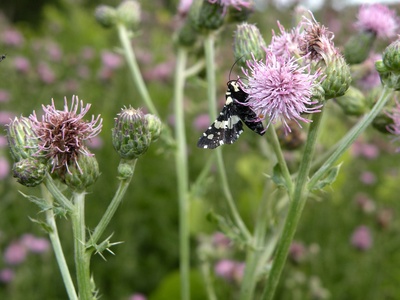
Creeping thistle (Canada thistle)
Perennial thistle with purple flowers and creeping roots that crowd crops and natives. Use integrated control—mowing, herbicide and repeated treatments—and report management needs to county weed boards.
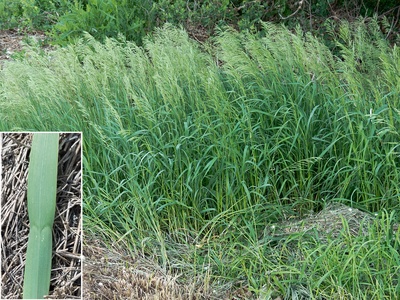
Smooth brome
Introduced cool-season grass that invades prairies and outcompetes natives. Avoid planting in restorations, use targeted herbicide and burning where appropriate, and report major invasions to land managers.
Asian clam (duplicate warning)
(Duplicate omitted to avoid repetition.)
Water chestnut
(Duplicate removed; prior entry present.)
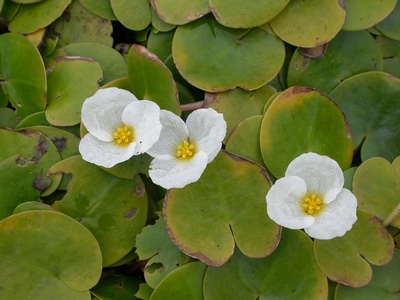
European frogbit
(Duplicate removed to avoid repetition.)