Australasia — spanning mainland Australia, New Guinea, New Zealand and nearby islands — hosts an unusual mix of mammals shaped by long isolation, island biogeography and diverse habitats from deserts to coastal waters. That history explains why monotremes, marsupials, bats and marine mammals all appear on the same regional lists.
There are 30 Mammals of Australasia, ranging from the Australian sea lion to the Woylie (brush-tailed bettong). For each species the list includes Scientific name, Distribution and IUCN status to aid identification and conservation context — you’ll find below.
Which of these species are most at risk?
IUCN listings vary across the 30 species: some are Least Concern while others appear as Vulnerable, Endangered or Critically Endangered. Check the IUCN status column in the table below for current risk categories and consult national recovery plans for species-specific protection measures.
What does “Distribution” cover in this list?
Distribution summarizes each species’ native range and major regions (island occurrences and broad country-level presence); introduced, vagrant or extirpated populations are noted where relevant, and the Scientific name lets you cross-check detailed range maps.
Mammals of Australasia
| Common name | Scientific name | Distribution | IUCN status |
|---|---|---|---|
| Platypus | Ornithorhynchus anatinus | Eastern Australia and Tasmania | Near Threatened |
| Short-beaked echidna | Tachyglossus aculeatus | Australia and New Guinea | Least Concern |
| Koala | Phascolarctos cinereus | Eastern and southern Australia | Vulnerable |
| Common brushtail possum | Trichosurus vulpecula | Australia; introduced New Zealand | Least Concern |
| Sugar glider | Petaurus breviceps | Eastern Australia and New Guinea | Least Concern |
| Eastern grey kangaroo | Macropus giganteus | Eastern Australia | Least Concern |
| Red kangaroo | Osphranter rufus | Arid and semi-arid Australia | Least Concern |
| Swamp wallaby | Wallabia bicolor | Eastern Australia | Least Concern |
| Quokka | Setonix brachyurus | Rottnest Island and SW Australia | Vulnerable |
| Tasmanian devil | Sarcophilus harrisii | Tasmania | Endangered |
| Northern quoll | Dasyurus hallucatus | Northern Australia and nearby islands | Endangered |
| Spotted-tailed quoll | Dasyurus maculatus | Eastern Australia and Tasmania | Endangered |
| Greater bilby | Macrotis lagotis | Arid and semi-arid Australia | Vulnerable |
| Southern brown bandicoot | Isoodon obesulus | Southern Australia and Tasmania | Near Threatened |
| Long-nosed potoroo | Potorous tridactylus | Southeastern Australia and Tasmania | Endangered |
| Grey-headed flying fox | Pteropus poliocephalus | Southeast Australia | Vulnerable |
| Spectacled flying fox | Pteropus conspicillatus | Northeastern Australia and nearby islands | Vulnerable |
| Little red flying fox | Pteropus scapulatus | Northern and eastern Australia | Least Concern |
| New Zealand lesser short-tailed bat | Mystacina tuberculata | New Zealand native forests | Vulnerable |
| New Zealand long-tailed bat | Chalinolobus tuberculatus | New Zealand forests | Endangered |
| Goodfellow’s tree-kangaroo | Dendrolagus goodfellowi | New Guinea montane and hill forests | Vulnerable |
| Australian sea lion | Neophoca cinerea | Southern and western Australia coasts | Endangered |
| New Zealand sea lion | Phocarctos hookeri | Subantarctic islands and New Zealand coast | Endangered |
| New Zealand fur seal | Arctocephalus forsteri | New Zealand and southern Australia coasts | Least Concern |
| Blue whale | Balaenoptera musculus | Southern Ocean and coastal Australasian waters | Endangered |
| Humpback whale | Megaptera novaeangliae | Coastal Australasian waters, migratory | Least Concern |
| Sperm whale | Physeter macrocephalus | Deep offshore waters around Australasia | Vulnerable |
| Bottlenose dolphin | Tursiops truncatus | Coastal and estuarine Australasian waters | Least Concern |
| Orca | Orcinus orca | Coastal Australasian waters, migratory pods | Data Deficient |
| Woylie (brush-tailed bettong) | Bettongia penicillata | Southwestern and southern Australia, reintroductions | Critically Endangered |
Images and Descriptions
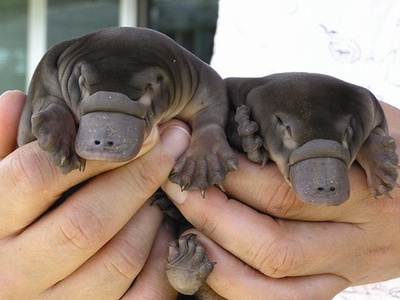
Platypus
Semiaquatic egg-laying mammal found in freshwater rivers and streams of eastern Australia and Tasmania. Feeds on invertebrates, uses electroreception, faces habitat loss, climate impacts and water quality threats; culturally iconic but vulnerable in some catchments.
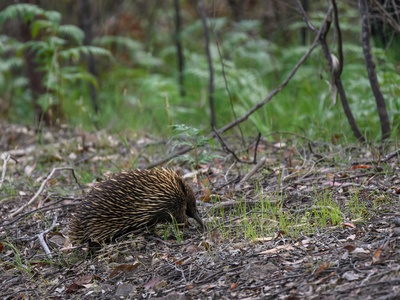
Short-beaked echidna
Spiny insect-eating monotreme roaming forests, scrub and alpine areas across Australia and New Guinea. Probes for ants and termites with a sticky tongue, solitary and adaptable; population stable overall though local declines occur from habitat change and road mortality.
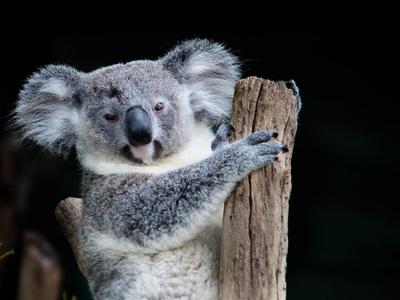
Koala
Tree-dwelling folivore found in eucalyptus forests of eastern and southern Australia. Eats mainly eucalyptus leaves, sleeps long hours, threatened by habitat loss, disease and climate events; conservation focus includes habitat restoration and disease management to support vulnerable populations.
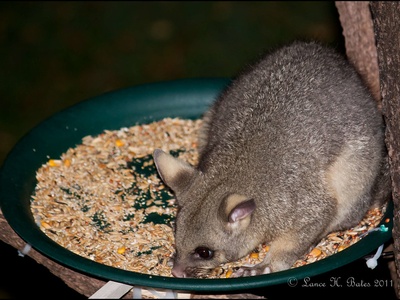
Common brushtail possum
Adaptable nocturnal marsupial common in woodlands, urban areas and forests across Australia. Omnivorous browser eating leaves, fruit and flowers; introduced to New Zealand where it is invasive. Generally common but local threats include habitat loss and predation.
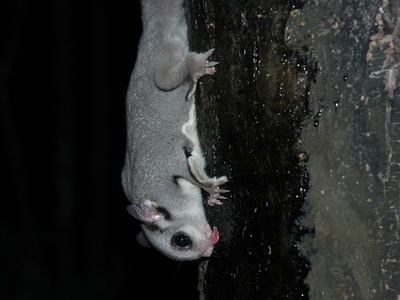
Sugar glider
Small nocturnal gliding possum inhabiting forests and woodlands in Australia and New Guinea. Eats nectar, sap, insects and small vertebrates; glides between trees using a membrane. Often common but vulnerable to habitat fragmentation and pet trade pressures in parts of its range.
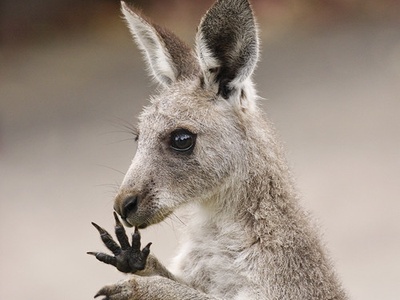
Eastern grey kangaroo
Large grazing marsupial of woodlands and open grasslands in eastern Australia. Feeds on grasses and herbs, forms mobs for social structure and predator defense; abundant in many areas but locally affected by land conversion and hunting.
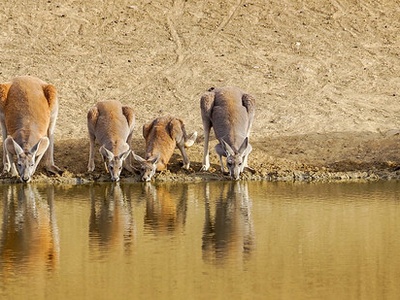
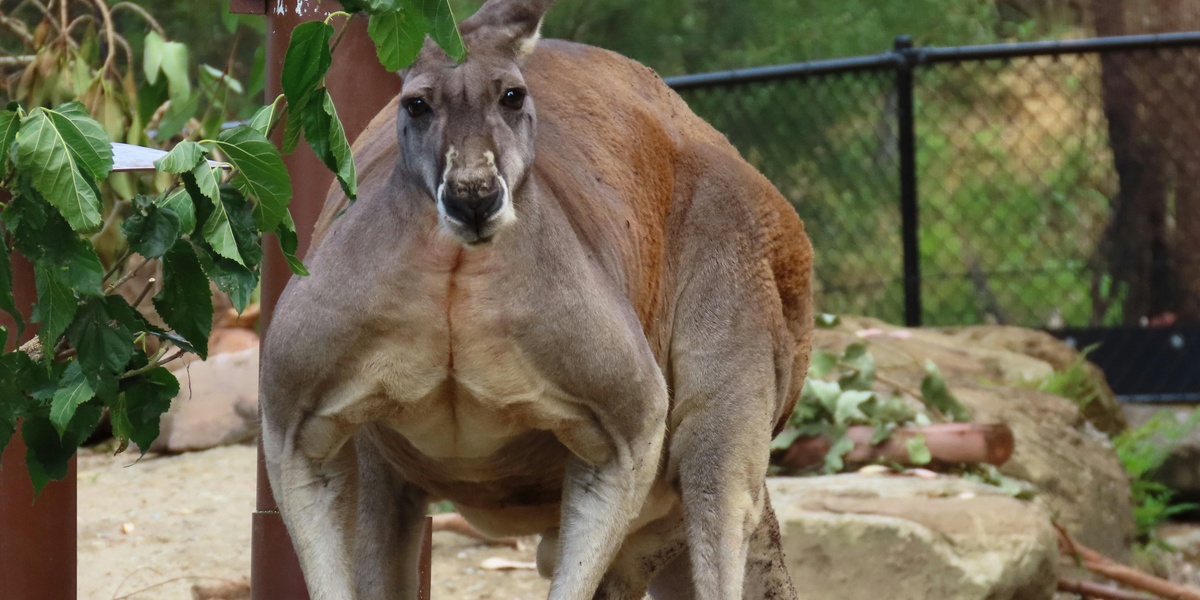
Red kangaroo
Iconic large macropod of Australia’s arid interior, grazing open plains and shrublands. Feeds on sparse grasses and shrubs, highly adapted to heat and drought with powerful hind legs; widespread and common across suitable habitats.
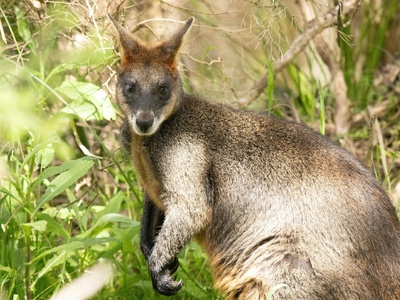
Swamp wallaby
Stocky browsing wallaby found in dense vegetation and forest edges in eastern Australia. Eats leaves, shoots and fruit, solitary and territorial; tolerates varied habitats and remains common despite local habitat changes.
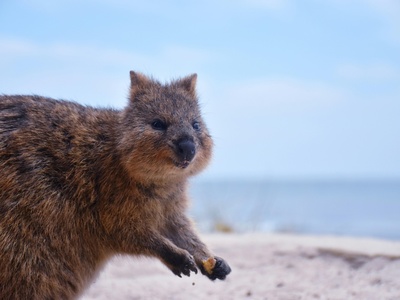
Quokka
Small, rotund wallaby confined mainly to Rottnest Island and limited mainland pockets in SW Australia. Friendly, crepuscular herbivore browsing shrubs and grasses; vulnerable due to habitat loss, introduced predators and limited range.
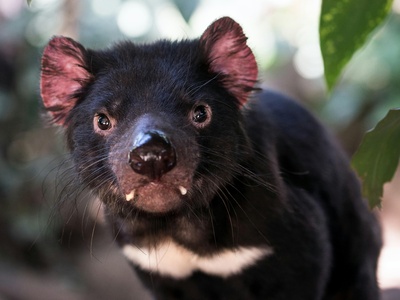
Tasmanian devil
Carnivorous marsupial scavenger and predator endemic to Tasmania. Feeds on carrion and small prey; threatened by contagious facial tumor disease and roadkill. Conservation programs include captive breeding and disease research to prevent extinction.

Northern quoll
Small carnivorous marsupial inhabiting savanna woodlands and rocky areas of northern Australia. Nocturnal predator of insects, small mammals and birds; populations hit hard by invasive cane toads and habitat loss, with active recovery programs.
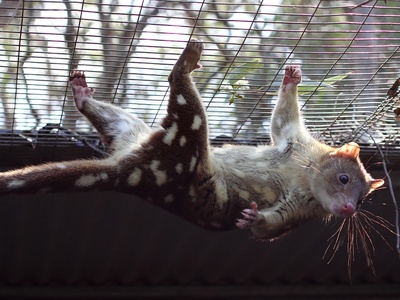
Spotted-tailed quoll
Largest native carnivorous marsupial on mainland Australia, living in forests and woodlands. Hunts mammals, birds and reptiles; requires large territories and is threatened by habitat fragmentation, persecution and competition with introduced species.
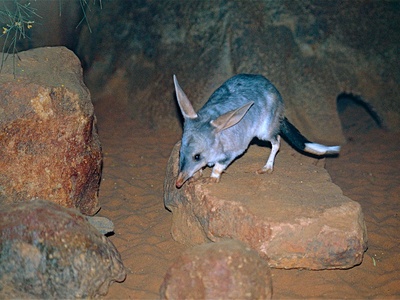
Greater bilby
Nocturnal burrowing marsupial with long ears and soft fur, adapted to arid inland Australia. Eats insects, seeds and bulbs, digging extensive warrens; threatened historically by introduced predators and habitat loss, with ongoing reintroductions and recovery efforts.
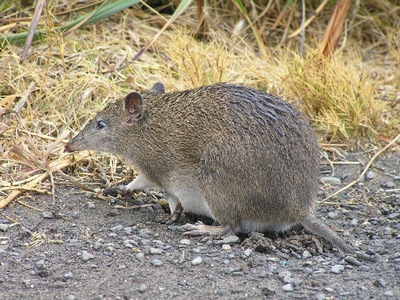
Southern brown bandicoot
Small omnivorous marsupial of scrub, woodland and heath across southern Australia and Tasmania. Forages for insects, fungi and seeds; declined in many areas due to habitat clearing and predation but persists in fragmented habitats and reserves.
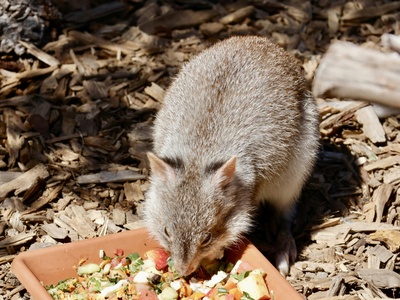
Long-nosed potoroo
Shy, ground-dwelling marsupial of moist forests and coastal heath in southeastern Australia. Uses a keen sense of smell to dig for fungi, tubers and invertebrates; declines from habitat loss and introduced predators have made it rare.
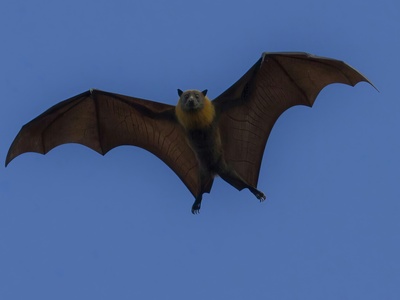
Grey-headed flying fox
Large fruit-eating bat frequenting coastal forests and urban camps in southeast Australia. Pollinator and seed disperser feeding on fruit and nectar; vulnerable from roost loss, heatwaves and habitat clearing despite forming large colonies.
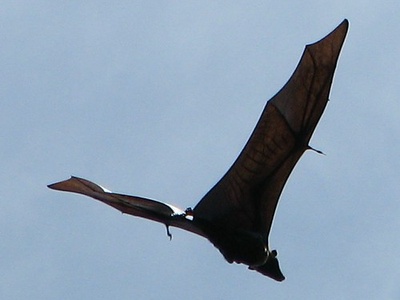
Spectacled flying fox
Nocturnal frugivore and pollinator of tropical forests in northeastern Australia and nearby islands. Forms colonies, eats fruit and nectar; threatened by cyclones, habitat loss and culling in agricultural areas, with conservation measures underway.
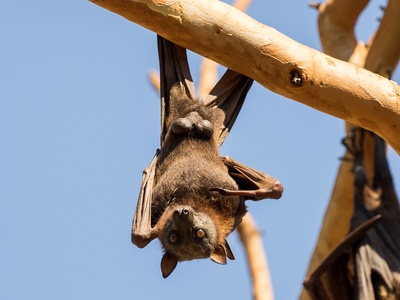
Little red flying fox
Smallish fruit bat that forms massive seasonal colonies across northern and eastern Australia. Feeds on nectar and fruit, important pollinator; populations fluctuate naturally and face local pressures from habitat change and urban conflict.
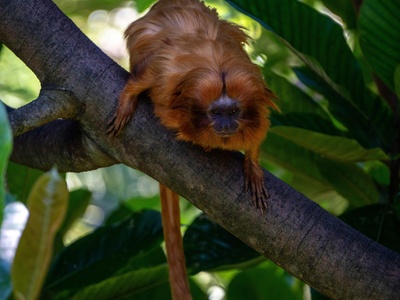
New Zealand lesser short-tailed bat
Ground-foraging endemic bat of New Zealand, unique for terrestrial activity and omnivorous diet of insects, fruit and nectar. Lives in native forests and is vulnerable to introduced predators and habitat loss; targeted by island conservation efforts.
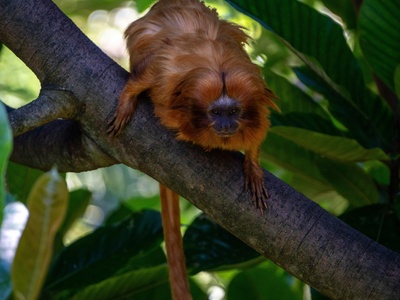
New Zealand long-tailed bat
Endemic nocturnal insectivorous bat inhabiting forests and roosting in tree cavities in New Zealand. Population declines from introduced predators and habitat loss have left it endangered; conservation focuses on predator control and habitat protection.
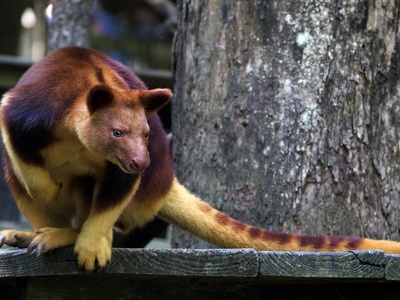
Goodfellow’s tree-kangaroo
Arboreal marsupial of New Guinea montane and hill forests, feeding on leaves, fruit and flowers. Slow-moving and rare, threatened by hunting and habitat fragmentation; distinctive among kangaroos for tree-dwelling habits and striking coloration.
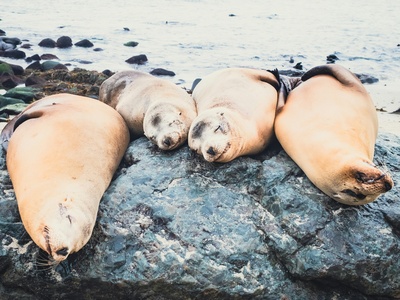
Australian sea lion
Endemic pinniped found on remote beaches and islands off southern and western Australia. Breeds on isolated colonies, feeds on fish and squid; population recovery is slow due to historical sealing, bycatch and disturbance.
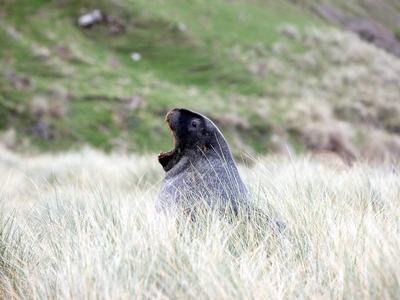
New Zealand sea lion
Large, breeding-focused pinniped found mainly on New Zealand and subantarctic islands. Feeds on fish and squid; endangered due to historical hunting, fisheries interactions and disease, with ongoing management and protection measures.
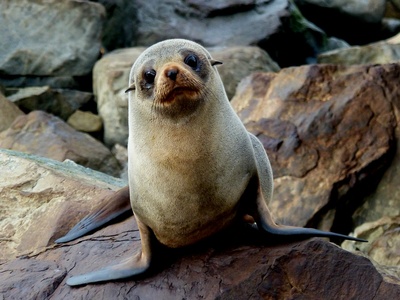
New Zealand fur seal
Coastal pinniped common on rocky shores of New Zealand and southern Australia. Feeds on fish and cephalopods, forms noisy breeding colonies; populations have recovered from historical exploitation and are now widespread and stable.
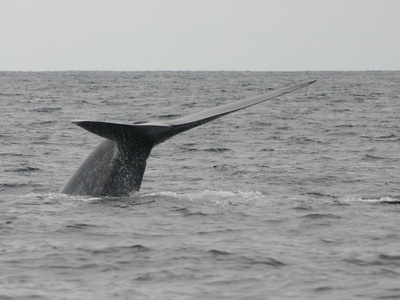
Blue whale
World’s largest animal found seasonally in Australasian waters, feeding on krill during long migrations. Endangered from historical whaling; populations are recovering slowly, and the species remains threatened by ship strikes and noise pollution.
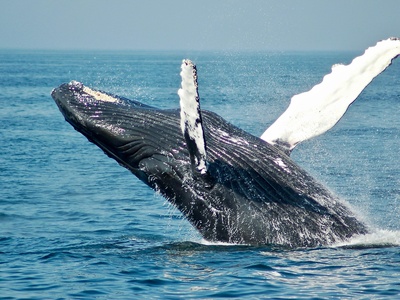
Humpback whale
Large baleen whale migrating along Australasian coasts to breed in warm waters and feed in polar upwellings. Known for acrobatic breaches and songs; once heavily hunted, now recovering under protection but still faces entanglement and vessel risks.
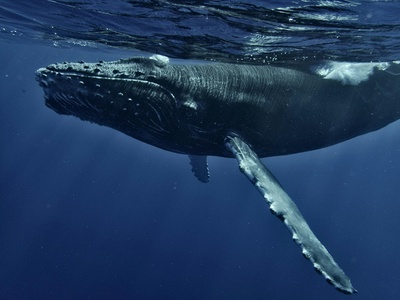
Sperm whale
Deep-diving toothed whale inhabiting offshore Australasian waters, feeding mainly on squid. Noted for large head and social structure; vulnerable due to past whaling, ship strikes, entanglement and ocean noise impacts.
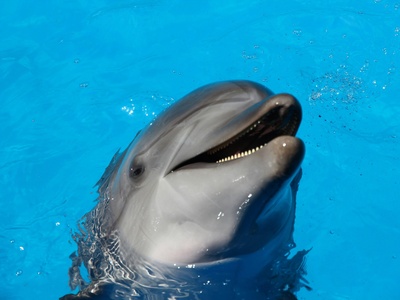
Bottlenose dolphin
Common and adaptable dolphin found in coastal and estuarine waters around Australasia. Eats fish and squid, highly social and long-lived; some local populations face pollution, fisheries bycatch and habitat degradation.
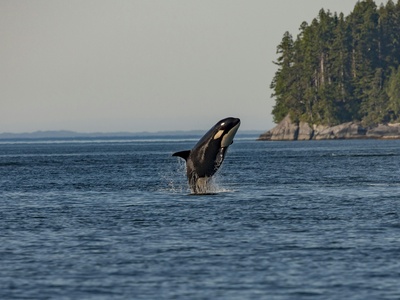
Orca
Apex marine predator occurring in Australasian waters in varied populations and ecotypes. Feeds on fish, marine mammals or squid depending on population; globally data deficient due to complex population structures and regional threats like prey decline.
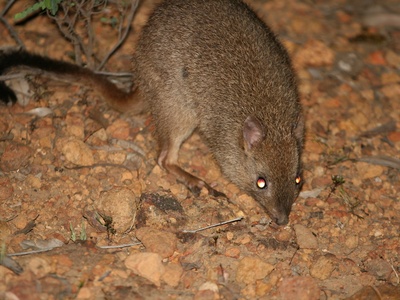
Woylie (brush-tailed bettong)
Small nocturnal digging marsupial once widespread in southern Australia, now surviving in small reintroduced and remnant populations. Eats fungi, tubers and roots, important for soil health; declined severely from predators and habitat loss, recovery programs ongoing.