The Caribbean’s islands host a surprising variety of mammals despite their small land masses and island-by-island isolation. From coastal wetlands to montane forests, the region’s species reflect a mix of native endemics, widespread bats, and marine mammals shaped by island history and human activity.
There are 31 Mammals of the Caribbean, ranging from Antillean fruit bat (tree bat) to West Indian manatee. For each species I list the Scientific name, Typical weight (kg), and Islands / IUCN status — details you’ll find below.
What are the biggest threats to Caribbean mammals?
Habitat loss from development and agriculture, invasive predators (rats, mongooses, feral cats), hunting and bycatch, and climate impacts like hurricanes and sea-level rise are the main threats; small island ranges mean local disturbances can quickly push species toward higher IUCN risk categories, so conservation often focuses on habitat protection and invasive-species control.
Which mammals are most likely to be seen by visitors?
Bats are the most commonly encountered group at dusk near fruiting trees or caves, while coastal visitors may spot West Indian manatees in shallow bays; sighting chances improve with local guides, visiting protected areas, and timing outings for dawn/dusk when many species are active.
Mammals of the Caribbean
| Common name | Scientific name | Typical weight (kg) | Islands / IUCN status |
|---|---|---|---|
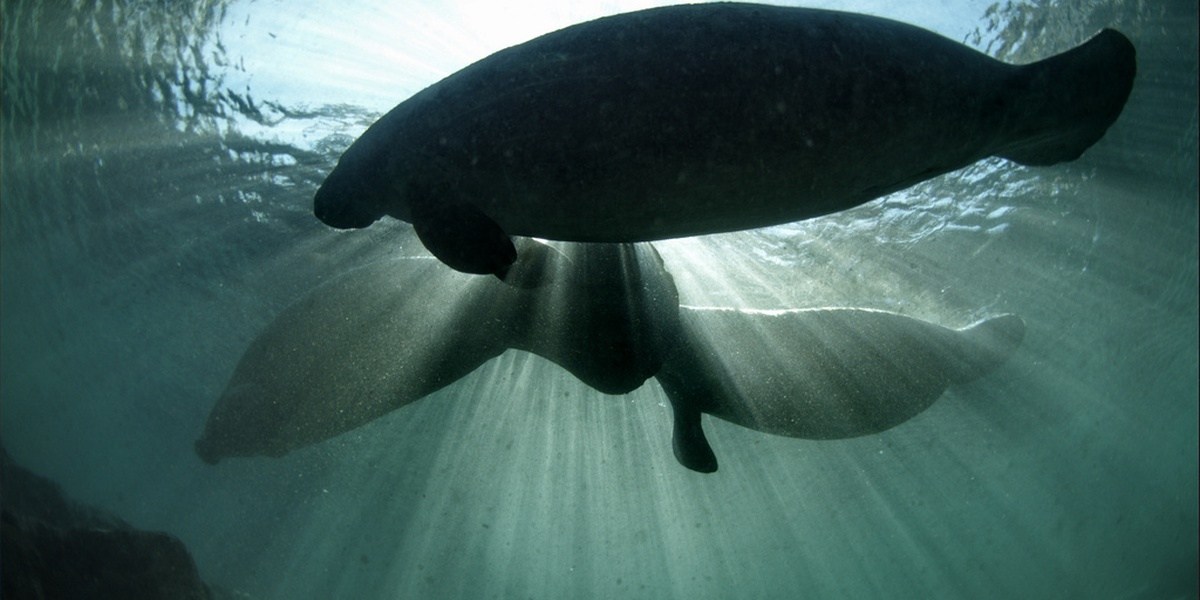
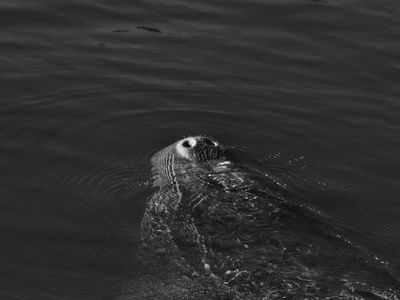
| West Indian manatee | Trichechus manatus | 450 | Puerto Rico,Cuba,Bahamas,Greater Antilles;VU |
| Caribbean monk seal | Monachus tropicalis | 250 | Caribbean (historic);EX |
| Hispaniolan solenodon | Solenodon paradoxus | 1.00 | Hispaniola (DR,Haiti);EN |
| Cuban solenodon | Atopogale cubana | 0.90 | Cuba;EN |
| Desmarest’s hutia | Capromys pilorides | 5 | Cuba,Isla de la Juventud;LC |
| Bahamian hutia | Geocapromys ingrahami | 2 | Bahamas;EN |
| Jamaican coney (hutia) | Geocapromys brownii | 3 | Jamaica;VU |
| Small Indian mongoose | Urva auropunctata | 0.70 | Introduced widely (Greater Antilles, Lesser Antilles);LC |
| Black rat | Rattus rattus | 0.20 | Introduced across Caribbean islands;LC |
| Brown rat | Rattus norvegicus | 0.35 | Introduced across Caribbean islands;LC |
| House mouse | Mus musculus | 0.02 | Introduced across Caribbean islands;LC |
| Feral cat | Felis catus | 4.50 | Introduced widely on Caribbean islands;N/A |
| Feral pig | Sus scrofa | 80 | Introduced widely on Caribbean islands;LC |
| Feral goat | Capra hircus | 45 | Introduced widely on Caribbean islands;N/A |
| Bottlenose dolphin | Tursiops truncatus | 200 | Caribbean waters (coastal);LC |
| Atlantic spotted dolphin | Stenella frontalis | 50 | Caribbean waters (offshore);LC |
| Spinner dolphin | Stenella longirostris | 45 | Caribbean waters;LC |
| Short-finned pilot whale | Globicephala macrorhynchus | 1,200 | Caribbean waters;LC |
| Pygmy sperm whale | Kogia breviceps | 200 | Caribbean waters;DD |
| Sperm whale | Physeter macrocephalus | 35,000 | Caribbean waters;VU |
| Humpback whale | Megaptera novaeangliae | 25,000 | Caribbean breeding grounds (e.g., Dominican Republic,Puerto Rico);LC |
| Cuvier’s beaked whale | Ziphius cavirostris | 3,000 | Offshore Caribbean waters;LC |
| Jamaican fruit bat | Artibeus jamaicensis | 0.06 | Greater Antilles,Puerto Rico;LC |
| Greater bulldog bat | Noctilio leporinus | 0.35 | Greater Antilles,Lesser Antilles,coastal areas;LC |
| Mexican free-tailed bat | Tadarida brasiliensis | 0.02 | Puerto Rico,Cuba,Greater Antilles;LC |
| Common vampire bat | Desmodus rotundus | 0.03 | Trinidad (and nearby waters);LC |
| Antillean fruit-eating bat | Brachyphylla cavernarum | 0.05 | Puerto Rico,St. Thomas,Bahamas;LC |
| Parnell’s mustached bat | Pteronotus parnellii | 0.04 | Greater Antilles,Puerto Rico;LC |
| Antillean fruit bat (tree bat) | Stenoderma rufum | 0.06 | Puerto Rico;VU |
| Jamaican monkey (extinct) | Xenothrix mcgregori | 4 | Jamaica (fossil/historical);EX |
| Cuban monkey (extinct) | Paralouatta varonai | 6 | Cuba (fossil);EX |
Images and Descriptions
West Indian manatee
Large slow-moving herbivore of shallow coastal waters, mangroves and seagrass beds. Vulnerable due to habitat loss, boat strikes and entanglement; still seen in parts of the Greater Antilles and the Bahamas where conservation efforts focus on protection and recovery.
Caribbean monk seal
Once the only seal native to the Caribbean, now declared extinct. Fed on reef fish and used remote cays for pups; overhunting and habitat disturbance in the 19th and early 20th centuries erased this iconic marine mammal.
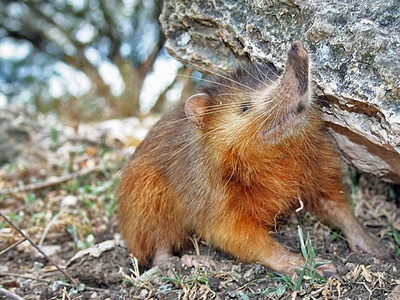
Hispaniolan solenodon
Unusual shrew-like insectivore with venomous saliva and a long snout, living in forest undergrowth and caves. Endangered from habitat loss and introduced predators; one of the Caribbean’s rare surviving ancient mammal lineages.
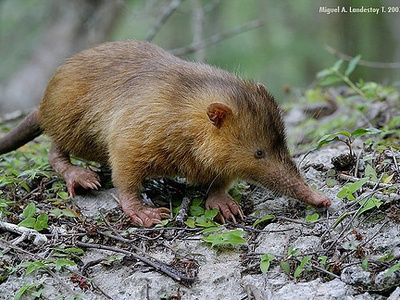
Cuban solenodon
A rare, nocturnal insect-eating mammal with a flexible snout and primitive traits, surviving in remote Cuban forests. Endangered from deforestation and introduced predators; often overlooked but evolutionarily unique in the Caribbean.
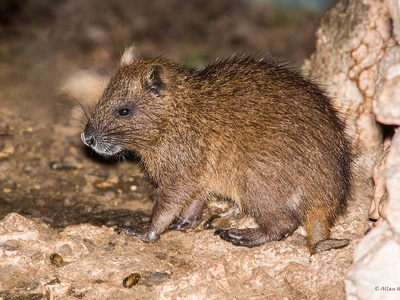
Desmarest’s hutia
A rat-like but larger herbivore that browses coastal scrub and mangroves; tolerant of disturbed habitats. Locally common in Cuba though hunted regionally; an iconic Caribbean rodent with stout body and slow movements.

Bahamian hutia
Endemic to the Bahamas and once extirpated from many cays, now surviving on protected islets. A small herbivore that occupies rocky coasts and dry forest; conservation relies on island protections and invasive predator control.
Jamaican coney (hutia)
Jamaica’s endemic hutia, a nocturnal herbivore of forests and limestone caves. Vulnerable from habitat loss and predation by introduced species, it’s a conservation priority and locally rare outside protected areas.
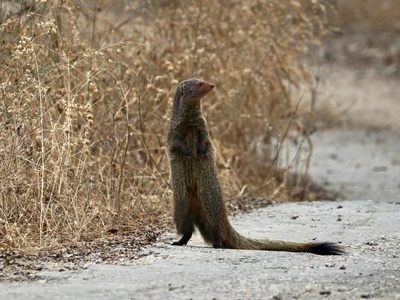
Small Indian mongoose
Introduced in the 1800s to control rats in plantations, mongoose now preys on native birds, reptiles and bats. Common and widespread on many islands, it’s a major driver of native species declines.
Black rat
Highly adaptable introduced rodent found around human settlements, farms and forests. Small but destructive, black rats prey on eggs and young native wildlife and compete with native mammals, making them a top invasive species concern.
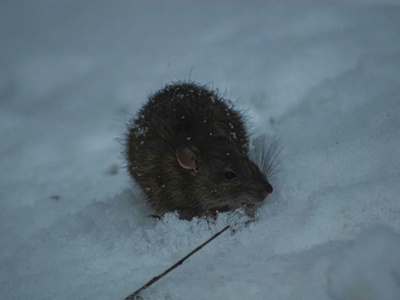
Brown rat
Larger introduced rodent that thrives in urban and disturbed habitats, predating nests and competing with native species. Common on most Caribbean islands and a major management target for conservation and public health.
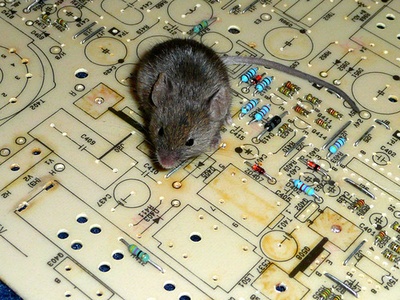
House mouse
Tiny introduced commensal rodent found around buildings and farms. While not ecologically dominant like rats, house mice can impact island ecosystems and are indicators of human disturbance.
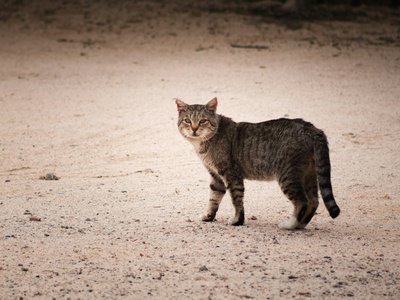
Feral cat
Domesticated cat populations gone feral prey on birds, bats, reptiles and small mammals across many islands. A major invasive predator threatening endemic fauna; management of feral cats is contentious but vital for biodiversity protection.
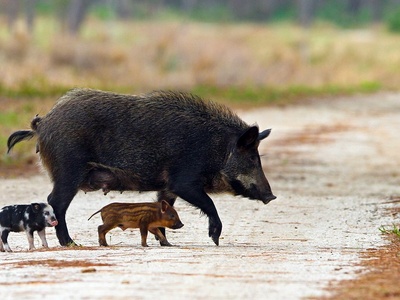
Feral pig
Introduced and often feral, pigs root soils, damage vegetation and spread invasive plants, altering island habitats. Present on many islands where they impact native species and archaeological sites; control programs are common on protected cays.
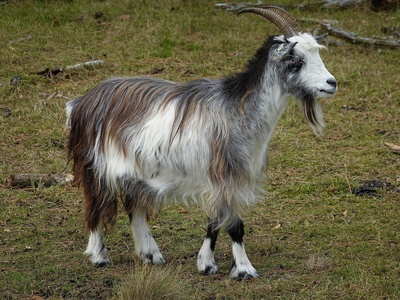
Feral goat
Domestic goats become feral and overgraze fragile island vegetation, causing erosion and habitat loss for native mammals and birds. Common on uninhabited cays and mountainous areas where they threaten endemic plant and animal communities.
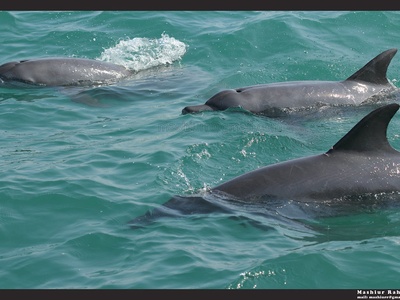
Bottlenose dolphin
Familiar coastal dolphin seen from Isla de la Juventud to the Lesser Antilles. Intelligent and often seen near boats, they use bays and nearshore waters; generally common though local threats include entanglement and habitat degradation.
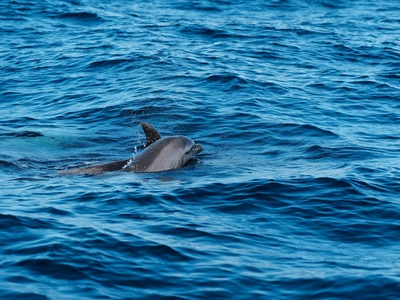
Atlantic spotted dolphin
Distinctive spotted dolphin of warm Caribbean offshore waters, often seen in mixed groups with other delphinids. Social and energetic, they’re popular with whale-watchers; generally stable but vulnerable to bycatch.
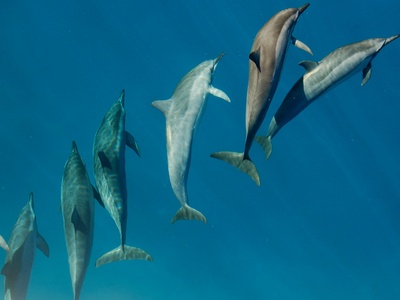
Spinner dolphin
Small, acrobatic offshore dolphin famous for spinning leaps. Forms large schools around oceanic islands and seamounts in the Caribbean; faces threats from fisheries interactions and habitat disturbance in some areas.
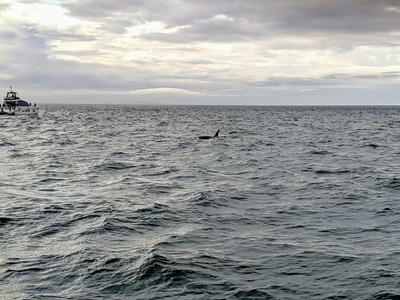
Short-finned pilot whale
Social, black bulbous-headed whales that form tight matrilineal groups and sometimes mass strand. Regular in deep Caribbean waters; resilient but susceptible to mass stranding events and human impacts.
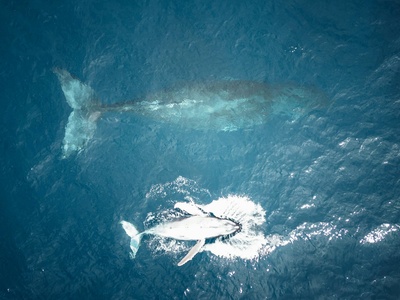
Pygmy sperm whale
A small, deep-diving whale that rarely surfaces, often found offshore in Caribbean waters. Elusive and poorly known, with strandings providing most data; classified Data Deficient due to limited information on population trends.
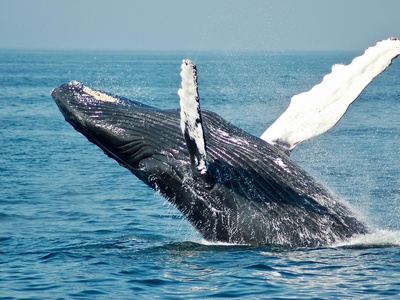
Sperm whale
The largest toothed whale, visiting deep Caribbean canyons and offshore waters to feed on giant squid. Vulnerable from past whaling; recovering in some areas but still faces ship strikes and noise disturbance.
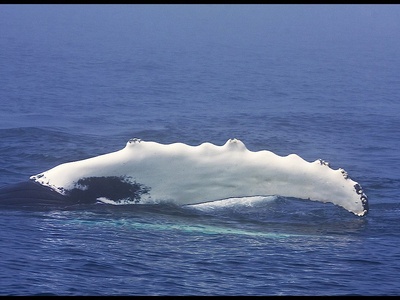
Humpback whale
Seasonal migrant that breeds and calves in warm Caribbean waters before feeding in polar regions. Spectacular breachers and singers; protected populations are a major whale-watching draw in winter months.
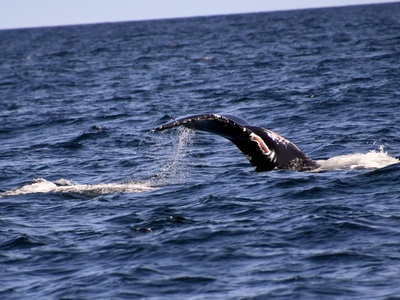
Cuvier’s beaked whale
Deep-diving and elusive, Cuvier’s beaked whales inhabit submarine canyons and offshore waters. Rarely seen at sea but known from strandings; sensitive to naval sonar and deep-water disturbance.
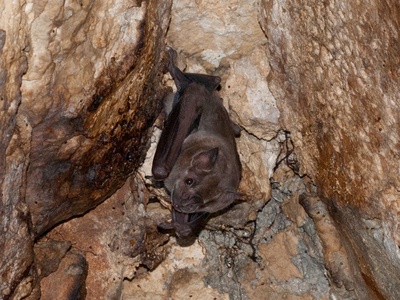
Jamaican fruit bat
A common frugivorous bat that roosts in foliage and caves, vital for seed dispersal in forests and disturbed habitats. Widespread and adaptable, it remains one of the Caribbean’s most familiar bat species.
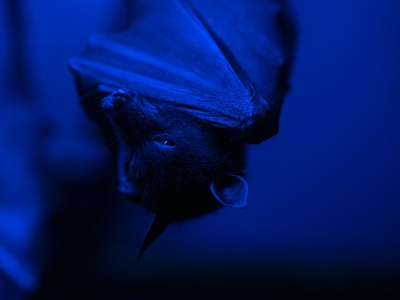
Greater bulldog bat
A large, fish-eating bat that hunts over water using echolocation to catch fish and crustaceans. Found along coastal mangroves and lagoons; vulnerable locally to habitat loss and water pollution.
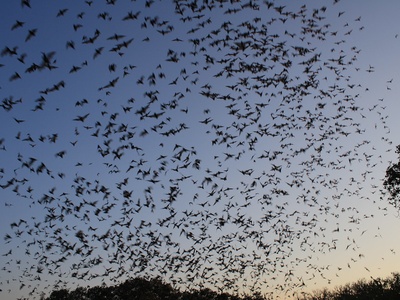
Mexican free-tailed bat
High-flying insectivore that forms large colonies in caves and buildings. Famous for fast flight and long migrations in some populations; provides major pest control by eating night-flying insects.
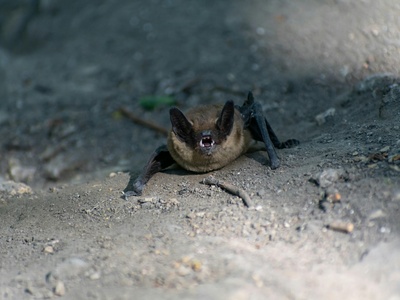
Common vampire bat
Blood-feeding bat native to Trinidad in the southern Caribbean, living in hollow trees and caves. Rare on islands, it can impact livestock health where present and is monitored due to disease concerns.
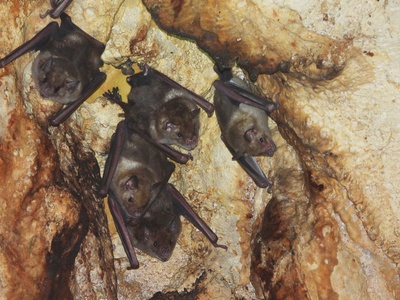
Antillean fruit-eating bat
Colonial fruit bat that roosts in caves and limestone crevices, pollinating and dispersing native plants. Locally abundant on some islands but threatened by cave disturbance and invasive predators in small populations.
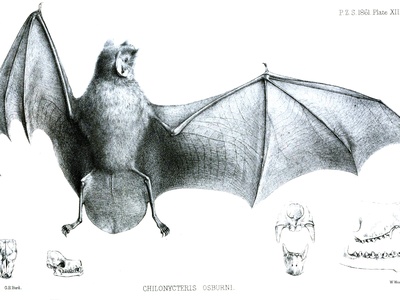
Parnell’s mustached bat
Cave-roosting insectivore that forages over forests and streams. A sensitive indicator of cave ecosystem health, it’s widespread but susceptible to human disturbance of roost sites.
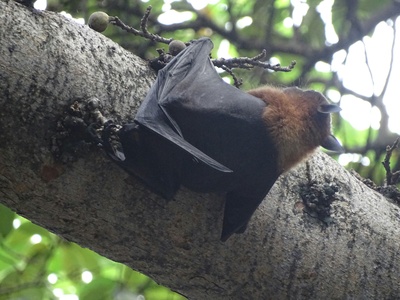
Antillean fruit bat (tree bat)
A small fruit-eating bat endemic to Puerto Rico, relying on forest canopy and caves. Vulnerable due to deforestation and hurricane impacts; conservation focuses on habitat protection and roost safeguarding.
Jamaican monkey (extinct)
A slow-moving, likely leaf- and fruit-eating primate known from subfossils on Jamaica, extinct after human arrival. Its unique anatomy hints at long, isolated primate evolution in the Caribbean before disappearance.
Cuban monkey (extinct)
An endemic Cuban primate known from fossils, probably adapted to forested habitats. Extinct in the Holocene, its remains show the Caribbean once hosted diverse native primates now lost to human impacts.