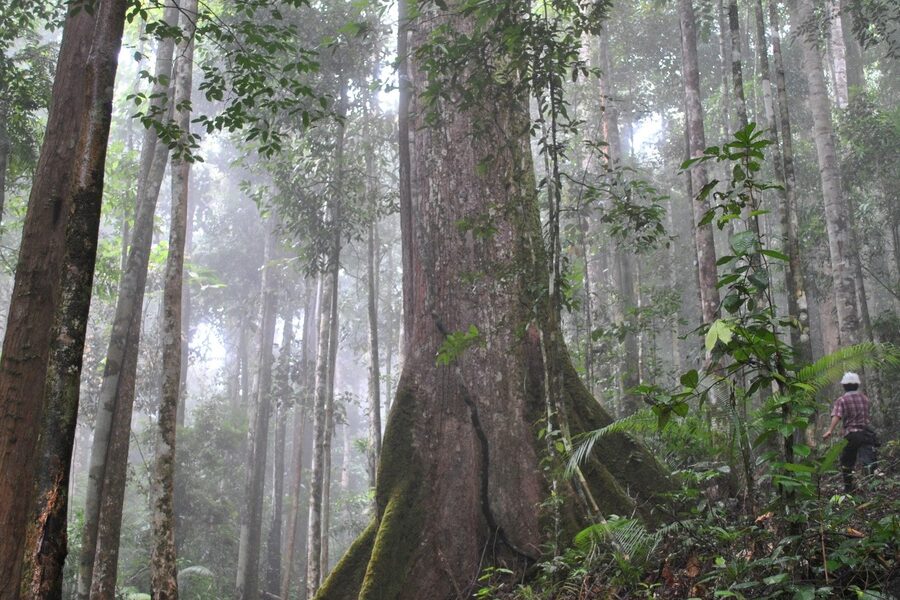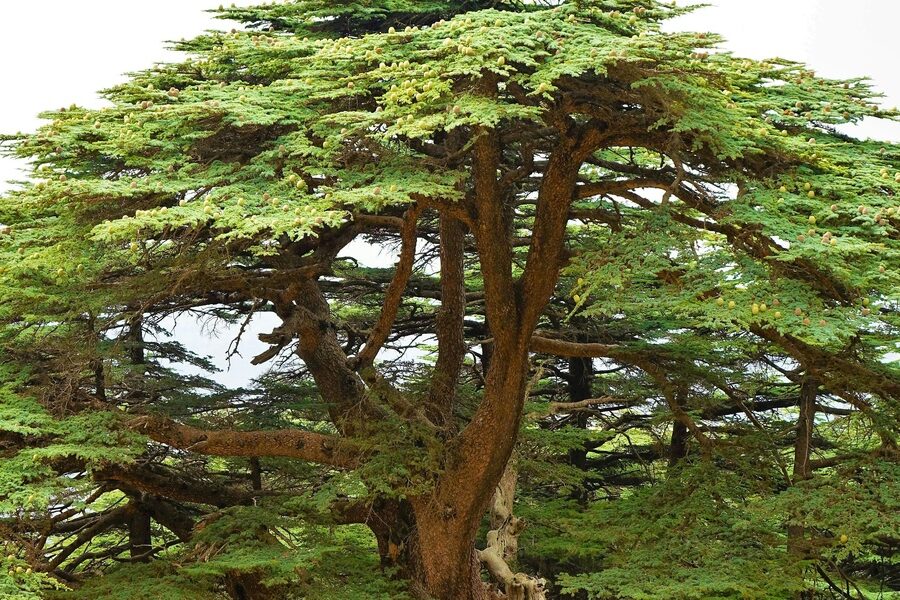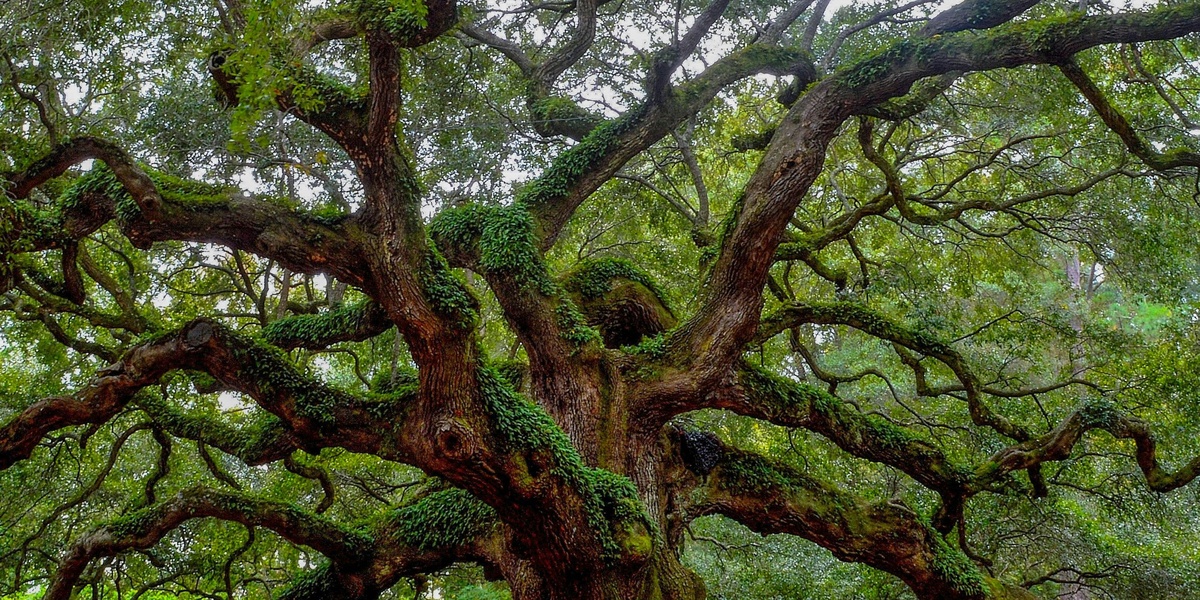
Walking a temperate mixed forest brings together the soft hum of understory shrubs, tall canopy trees and seasonal wildflowers that change the landscape through the year. This list is aimed at hikers, students and gardeners who want a compact reference to the species you’re most likely to encounter.
There are 46 mixed forest plants, ranging from American basswood to Yellow birch. For each species a concise table lists Scientific name,Native range,Typical height (m), making field identification and planting decisions easier — you’ll find below.
How can I use this list to identify plants on a walk?
Start by noting leaf shape, bark texture and overall height, then check the Scientific name and Typical height (m) in the table; the Native range column helps narrow species by geography. Take photos of key features and compare them to the table entries to confirm identifications.
Are all species on the list native to the same area?
No — the Native range column shows whether a species is local, regional or widespread. Use that column alongside local field guides or online floras to determine which plants are native to your specific area and appropriate for restoration or planting.
Mixed Forest Plants
| Common name | Scientific name | Native range | Typical height (m) |
|---|---|---|---|
| Sugar maple | Acer saccharum | Eastern North America | 20-35 |
| Red maple | Acer rubrum | Eastern North America | 15-25 |
| Northern red oak | Quercus rubra | Eastern North America | 20-30 |
| White oak | Quercus alba | Eastern North America | 20-30 |
| American beech | Fagus grandifolia | Eastern North America | 20-35 |
| Eastern hemlock | Tsuga canadensis | Eastern North America | 20-30 |
| Eastern white pine | Pinus strobus | Eastern North America | 20-40 |
| Yellow birch | Betula alleghaniensis | Northeastern North America | 20-25 |
| Paper birch | Betula papyrifera | Northern North America | 10-20 |
| Sweet birch | Betula lenta | Eastern North America | 15-25 |
| American basswood | Tilia americana | Eastern North America | 20-30 |
| Black cherry | Prunus serotina | Eastern North America | 15-25 |
| Sassafras | Sassafras albidum | Eastern North America | 6-12 |
| Black oak | Quercus velutina | Eastern North America | 15-25 |
| Serviceberry | Amelanchier arborea | Eastern North America | 3-10 |
| Spicebush | Lindera benzoin | Eastern North America | 1-3 |
| American hazelnut | Corylus americana | Eastern North America | 1-4 |
| Highbush blueberry | Vaccinium corymbosum | Eastern North America | 1-3 |
| Lowbush blueberry | Vaccinium angustifolium | Northeastern North America | 0.1-0.5 |
| Bilberry | Vaccinium myrtillus | Northern Europe, Asia | 0.1-0.5 |
| Common dogwood (red-osier) | Cornus sericea | Northern hemisphere | 2-4 |
| Flowering dogwood | Cornus florida | Eastern North America | 5-12 |
| Pagoda dogwood | Cornus alternifolia | Eastern North America | 3-8 |
| Mountain laurel | Kalmia latifolia | Eastern North America | 1-5 |
| Great rhododendron | Rhododendron maximum | Eastern North America | 1-6 |
| Witch hazel | Hamamelis virginiana | Eastern North America | 3-6 |
| Trillium | Trillium grandiflorum | Eastern North America | 0.2-0.3 |
| Mayapple | Podophyllum peltatum | Eastern North America | 0.2-0.3 |
| Jack-in-the-pulpit | Arisaema triphyllum | Eastern North America | 0.2-0.6 |
| Wild ginger | Asarum canadense | Eastern North America | 0.05-0.15 |
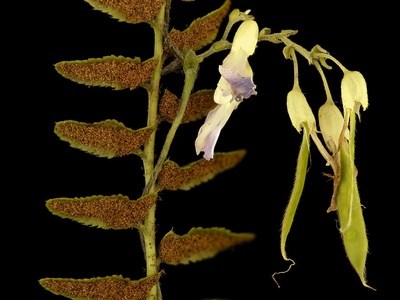
| Christmas fern | Polystichum acrostichoides | Eastern North America | 0.3-0.6 |
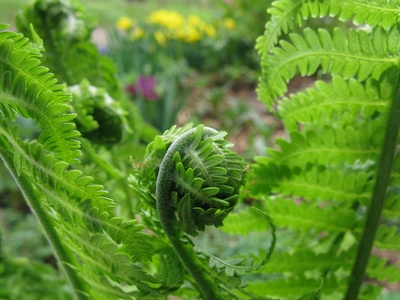
| Ostrich fern | Matteuccia struthiopteris | Circumboreal temperate | 0.8-1.5 |
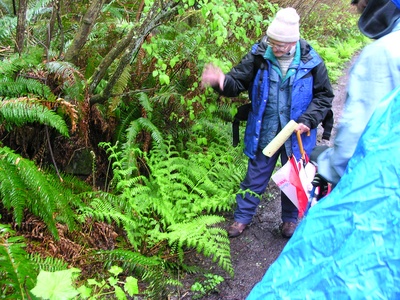
| Lady fern | Athyrium filix-femina | Temperate Northern Hemisphere | 0.5-1 |
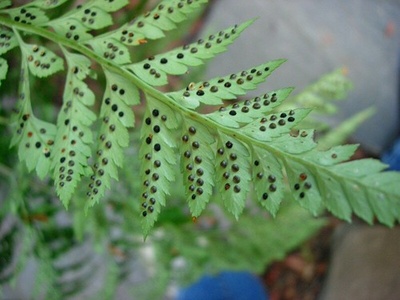
| Bracken fern | Pteridium aquilinum | Temperate worldwide | 0.5-1.5 |
| Virginia creeper | Parthenocissus quinquefolia | Eastern North America | 10-20 |
| Riverbank grape | Vitis riparia | North America | 10-20 |
| American elder | Sambucus canadensis | Eastern North America | 2-4 |
| Blackcap raspberry | Rubus occidentalis | Eastern North America | 0.5-1.5 |
| Hazel (European) | Corylus avellana | Europe, Western Asia | 2-6 |
| Scots pine | Pinus sylvestris | Eurasia | 10-35 |
| European beech | Fagus sylvatica | Europe | 20-35 |
| Sessile oak | Quercus petraea | Europe | 20-30 |
| Rowan | Sorbus aucuparia | Europe, Asia | 5-15 |
| Japanese maple | Acer palmatum | Japan, Korea | 2-8 |
| Japanese beech | Fagus crenata | Japan | 20-35 |
| Japanese red pine | Pinus densiflora | East Asia | 10-30 |
Images and Descriptions
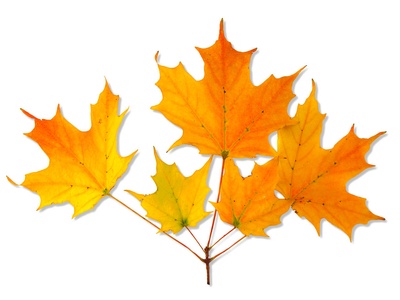
Sugar maple
Large shade tree with smooth gray bark and dense fall color; prefers rich, moist soils in mixed stands. Good for syrup, wildlife cover, and stable forest canopy; leaves opposite with three to five lobes, helpful for ID.
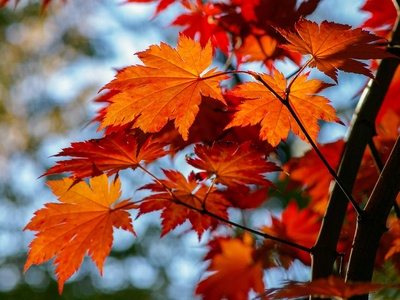
Red maple
Versatile tree with red twigs and brilliant autumn foliage; tolerates wet to dry sites in mixed forests. Flowers early spring, supports pollinators and birds; ID by serrated leaves and red petioles.
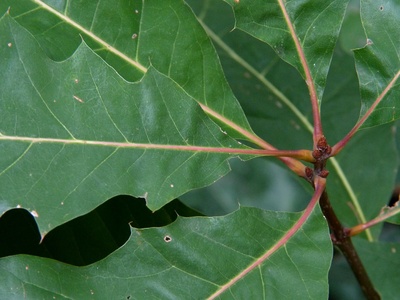
Northern red oak
Sturdy, fast-growing oak with rounded lobes and dark, furrowed bark; prefers well-drained uplands in mixed woods. Produces mast valued by deer and squirrels; leaves and acorns are diagnostic.

White oak
Classic broad-crowned oak with pale, blocky bark and deep sinuses on leaves. Favors well-drained sites within mixed stands, provides long-lived habitat and high-quality acorns for wildlife; durable timber species.
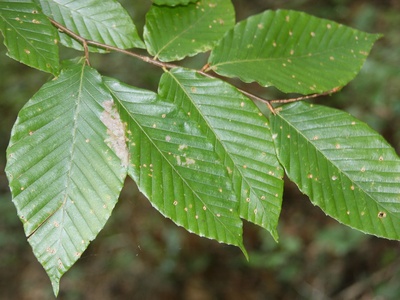
American beech
Smooth, gray-barked tree with oval leaves and long nut clusters; forms dense understory to canopy layers in mixed forests. Shade-tolerant, mast supports rodents and birds; leaves persist dried on branches in winter.
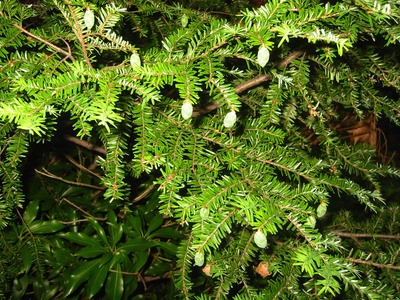
Eastern hemlock
Shade-tolerant conifer with drooping leader and flat needles, often forming cool, moist understories in mixed woods. Important for stream shading and wildlife; identify by small cones and short, two-ranked needles.
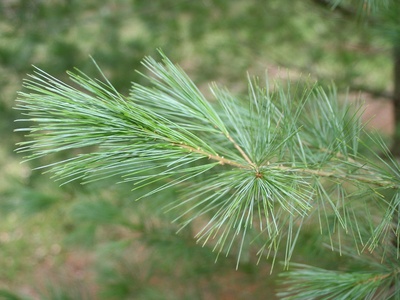
Eastern white pine
Tall, soft-needled pine in mixed stands with five-needle bundles; tolerates many soils. Provides nesting sites and soft mast for wildlife, historic timber species; bark becomes furrowed with age.
Yellow birch
Medium tree with bronze, peeling bark and aromatic twigs; prefers cool, moist mixed forests. Seeds feed birds; bark useful for ID and traditional uses; often on slopes and riparian edges.
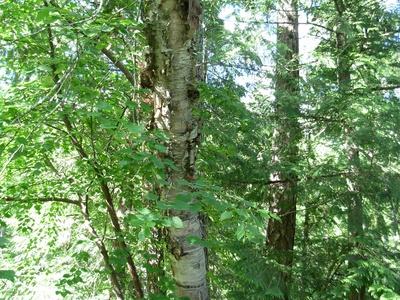
Paper birch
White-barked pioneer tree with papery peeling bark and triangular leaves; common in mixed-edge areas and after disturbance. Provides food and nesting for birds; easy to spot by bright bark.
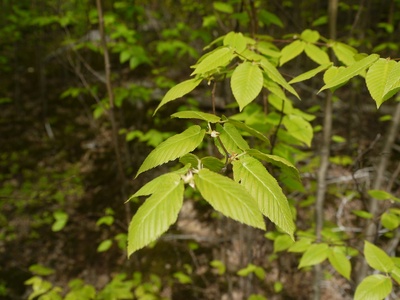
Sweet birch
Dark-barked birch with winter aromatic twigs; prefers cool, rich mixed forests. Produces birch oil historically used as wintergreen; leaves and smooth bark aid identification.
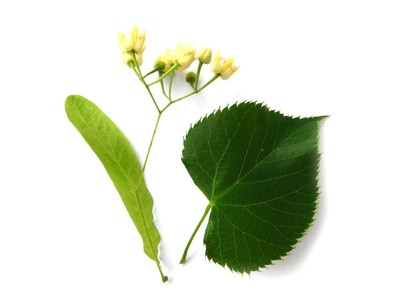
American basswood
Large, soft-wooded canopy tree with heart-shaped leaves and fragrant summer flowers. Attracts bees for honey; seeds and shelter valued by wildlife; prefers rich, moist mixed-forest soils.
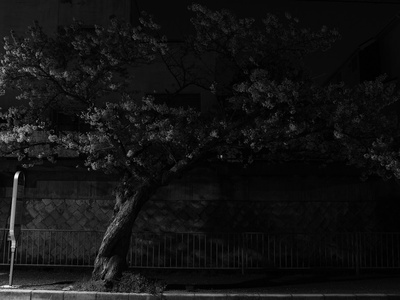
Black cherry
Fast-growing tree with dark flaky bark and clusters of white spring flowers followed by black cherries. Common in mixed woods and edges; fruit feeds birds and mammals; bark and leaves have distinctive almond scent.
Sassafras
Small tree with variable leaf shapes (unlobed, two- or three-lobed), aromatic bark and twigs. Thrives in mixed woodlands and edges; roots used historically for flavoring; berries eaten by birds.
Black oak
Rugged oak with deeply lobed leaves and dark, rugged bark; common on drier slopes in mixed forests. Produces acorns that feed wildlife; bark character and leaf shape help distinguish it from other oaks.
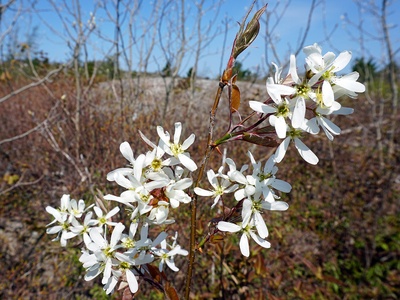
Serviceberry
Small understory tree with white spring flowers and sweet edible berries in early summer. Found in mixed forests and forest edges; important early food for pollinators and birds; smooth gray bark and serrated leaves aid ID.
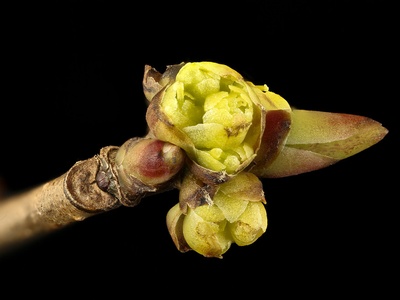
Spicebush
Fragrant understory shrub with aromatic leaves and yellow early spring flowers. Prefers moist mixed-forest understories and supports spicebush swallowtail caterpillars; red berry clusters attract birds in fall.
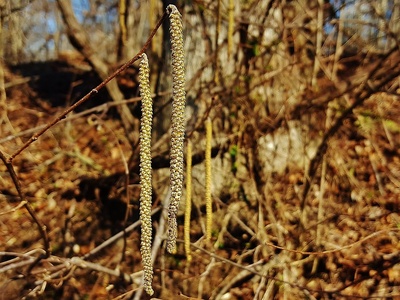
American hazelnut
Multi-stemmed shrub with rounded leaves and edible nuts in husks. Common in mixed-wood edges and openings; valuable wildlife forage and hedgerow species; catkins appear in late winter.
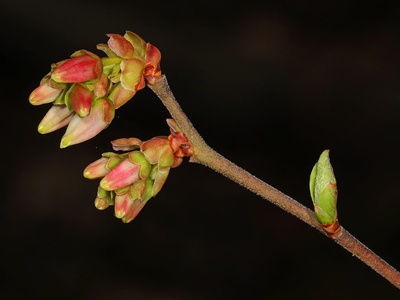
Highbush blueberry
Deciduous shrub forming thickets in acidic soils of mixed forests and wetlands. White bell-shaped flowers, summer edible berries prized by wildlife and people; leaves turn red in fall, helpful for ID.
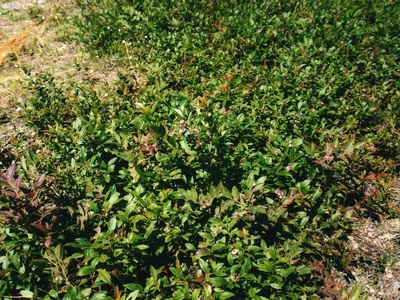
Lowbush blueberry
Low, spreading shrub common in acidic understories and cleared patches of mixed forests. Produces flavorful berries eaten by birds and mammals; small leathery leaves and low mats help identification.
Bilberry
Low shrub of cool mixed and montane forests with small edible berries. Prefers acidic soils and shady understory; berries feed wildlife and humans; small oval leaves and solitary flowers mark the plant.
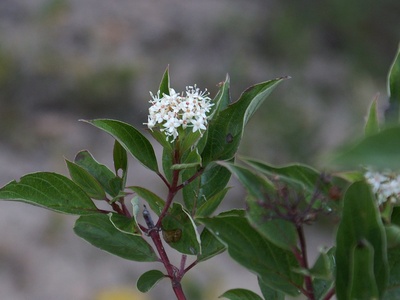
Common dogwood (red-osier)
Multi-stemmed shrub with red stems, white summer flowers and white berries. Thrives in moist edges and mixed-forest riparian zones; provides nesting cover and winter fruit for birds; stems visible in winter.
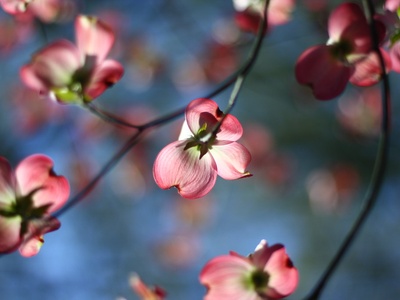
Flowering dogwood
Showy understory tree with white bracts in spring and red berries in fall. Prefers well-drained sites within mixed forests; important for pollinators and wildlife; distinctive layered branching and opposite leaves aid ID.
Pagoda dogwood
Small, tiered-branch understory tree with cream clusters of flowers and fall berries. Found in shady mixed woods; excellent for birds and small mammals; branching pattern and horizontal tiers make ID easy.
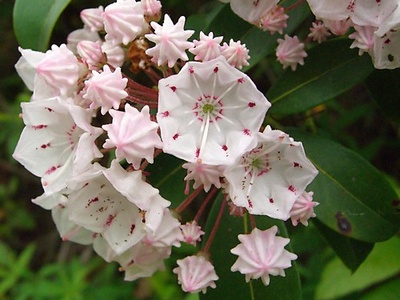
Mountain laurel
Evergreen shrub with glossy leaves and ornate spring flowers, found on acidic slopes in mixed forests. Provides dense cover and toxic leaves to many herbivores; flowers and leathery foliage are distinctive.
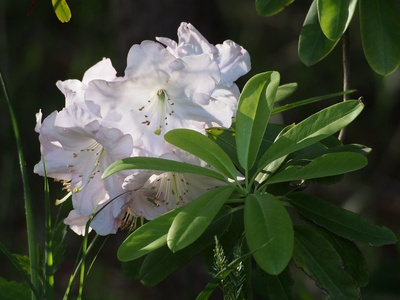
Great rhododendron
Large evergreen shrub forming dense understory thickets in cool, moist mixed woods. Showy summer flower trusses attract pollinators; provides shelter for birds; leathery oblong leaves aid ID.
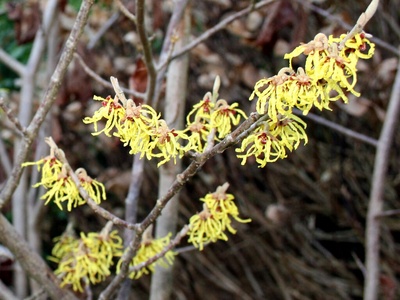
Witch hazel
Late-flowering understory shrub with narrow yellow fall-winter blooms and explosive seed capsules. Grows in mixed-forest understories and edges; aromatic bark used medicinally; multi-season interest and wildlife cover.
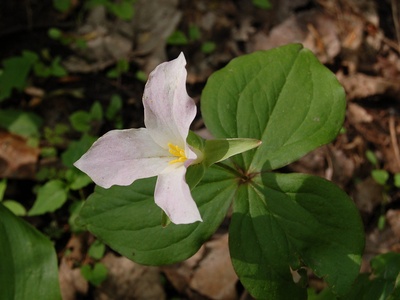
Trillium
Spring ephemeral with three broad leaves and a single white flower turning pink; appears in rich, shady mixed-forest understories. Important early nectar for insects and an iconic spring wildflower for identification.
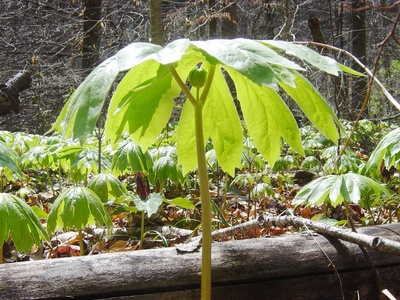
Mayapple
Low spring colony-forming herb with umbrella-like leaves and solitary white flowers under canopy. Prefers rich mixed-wood understories; fruit edible when ripe but rest of plant is toxic; distinctive leaf shape aids ID.
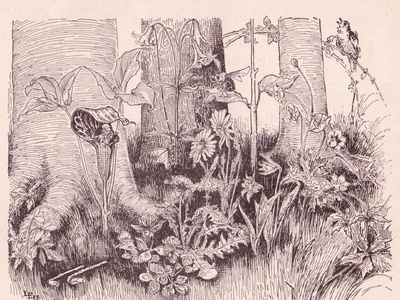
Jack-in-the-pulpit
Unique spring herb with hooded flower and later red berry cluster; common in moist mixed-forest understories. Tuberous root historically used after processing; hooded spathe and single leaf make ID easy.
Wild ginger
Low, evergreen groundcover with heart-shaped leaves and hidden brownish flowers beneath foliage. Prefers shady, damp mixed-forest floors; roots used traditionally for flavoring; leaves and low habit distinctive.
Christmas fern
Evergreen fern common on slopes and dry to mesic mixed-forest understories. Fronds persist through winter and provide erosion control; pinnate fronds with distinctive evergreen habit aid identification.
Ostrich fern
Large arching fronds often in moist, shaded mixed-forest riparian areas. Early fiddleheads edible when properly prepared; creates bold understory clumps and provides seasonal cover for wildlife.
Lady fern
Graceful, lacy fern of moist shaded mixed-forest understories and riparian zones. Fronds delicate and finely divided; tolerates a range of soils and supports forest microhabitats.
Bracken fern
Widespread, coarse fern forming large patches in sunlit openings within mixed forests and along edges. Fiddleheads edible in some cultures but caution advised; good colonizer after disturbance, distinctive triangular fronds.
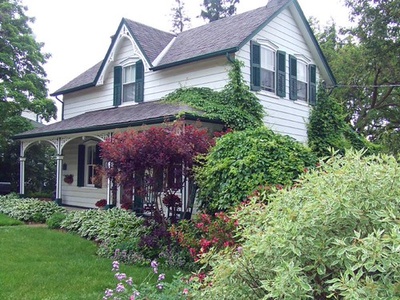
Virginia creeper
Climbing vine with five-leaflet compound leaves turning crimson in fall; common on trunks and rocky slopes in mixed forests. Produces black berries eaten by birds; useful for vertical cover and ID by leaflets.
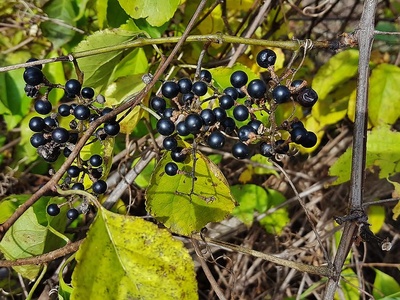
Riverbank grape
Fast-climbing vine with lobed leaves, black grapes and tendrils along streams and forest edges. Thrives in mixed-forest riparian zones; fruit eaten by birds and used for jelly and breeding rootstocks.
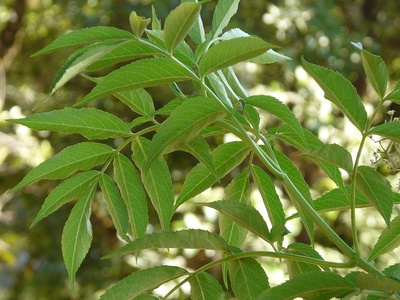
American elder
Multi-stemmed shrub with white flat-topped flower clusters and dark purple summer berries. Common in disturbed spots and forest edges of mixed woods; berries used for syrups and attract many birds.
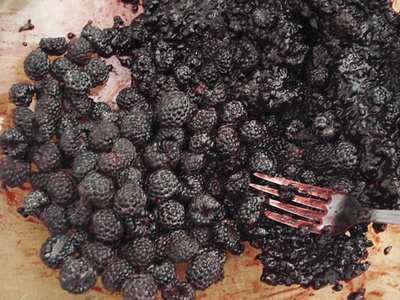
Blackcap raspberry
Brambly shrub with arching canes, compound leaves and black edible berries in summer. Often found in mixed-forest openings and edges; provides forage for birds and humans; thorny canes and fruit aid ID.
Hazel (European)
Multi-stemmed shrub or small tree of mixed European forests producing edible nuts; catkins appear late winter. Used historically in hedgerows and coppice; rounded leaves and nut clusters help identification.
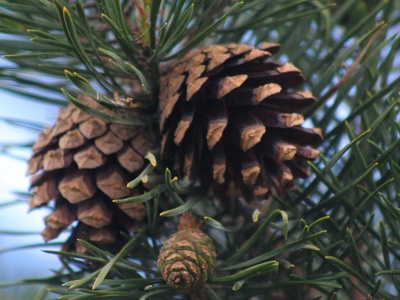
Scots pine
Variable-sized pine common in mixed European forests; orange flaking bark on upper trunk and two-needle bundles. Tolerant of poor soils and long-lived; cones and needle arrangement aid identification.
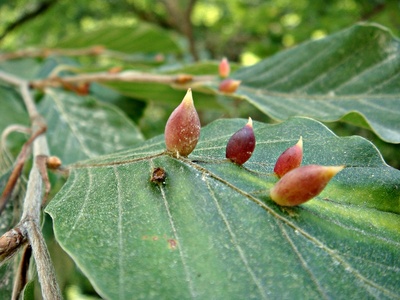
European beech
Large shade tree with smooth gray bark and dense canopy, common in mixed and beech-dominated woodlands. Produces edible beechnuts for wildlife and humans historically; leaves and bark are distinctive.
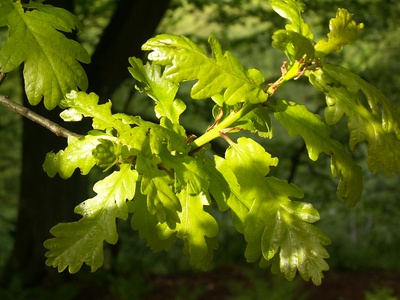
Sessile oak
Sturdy oak of temperate mixed woods with stalkless acorns and lobed leaves; prefers well-drained sites. Important for insect biodiversity and mast; bark and acorn attachment help ID.
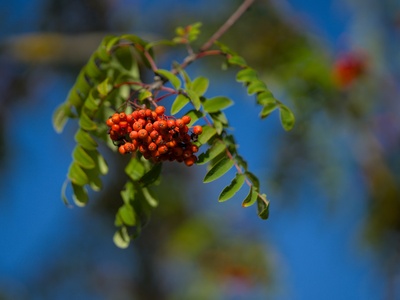
Rowan
Small tree with pinnate leaves, clusters of white spring flowers and bright orange-red autumn berries. Common in cool mixed forests and mountain woods; berries feed birds and were used traditionally for jellies.
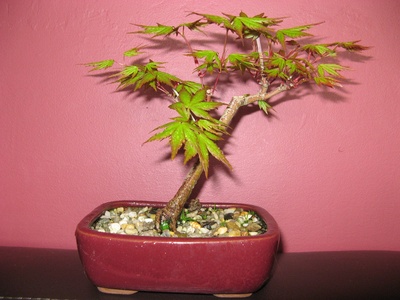
Japanese maple
Small ornamental tree native to mixed woodlands in East Asia with finely lobed leaves and vibrant fall color. Prefers sheltered, moist sites; many cultivars exist, but wild forms have delicate branching and leaf shapes.
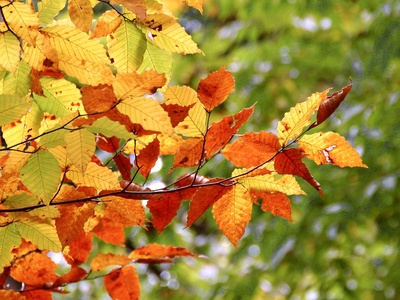
Japanese beech
Dominant canopy tree in cool mixed and montane forests of Japan with smooth gray bark and oval leaves. Forms dense shade-tolerant stands, produces beechnuts, and supports rich understory communities.
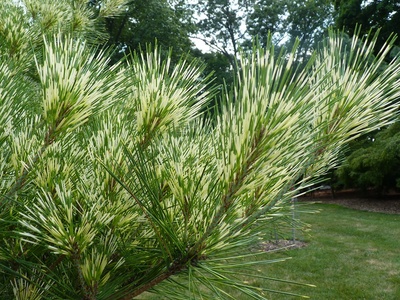
Japanese red pine
Open-crowned pine with reddish bark and two-needle bundles, common in mixed woodlands and dry slopes. Tolerant of poor soils; distinctive bark color and needle grouping aid identification; cones small and ovoid.