Across ecosystems, many species survive and even thrive by living alone — from a tiger patrolling dozens of square kilometers to an octopus sheltering in a single den. Roughly 3,900 wild tigers remain worldwide, and many of the world’s most recognizable loners are under conservation pressure.
Picture a lone tiger on a ridge or an octopus tucked into a rocky crevice: solitude can be an active strategy, not just circumstance. Male wolverines, for example, may roam near 1,000 km² while searching for food and mates.
Living alone is a successful survival strategy across taxa. Below, this guide profiles eight of the most solitary animals in nature, grouped into three categories: large solitary mammals; solitary predators and specialized hunters; and intelligent, elusive loners. Each profile explains why solitude helps these species survive and why many are conservation priorities.
Large solitary mammals
Large-bodied carnivores and solitary herbivores often adopt a lone life because resources that sustain them are patchy and spread out. Big predators need wide hunting grounds; large herbivores may require solitary browsing or migration corridors to find enough food.
Territorial behavior, long maternal care and low population densities are common themes. Typical home-range sizes can be enormous: males may patrol tens to hundreds of square kilometers depending on prey density, which increases sensitivity to habitat loss and fragmentation.
Ecologically, these solitary mammals exert strong top-down effects—controlling ungulate numbers, shaping vegetation, and indirectly affecting smaller species. But their large space needs create frequent contact points with people, producing conflict where ranges overlap.
1. Tiger (Panthera tigris)
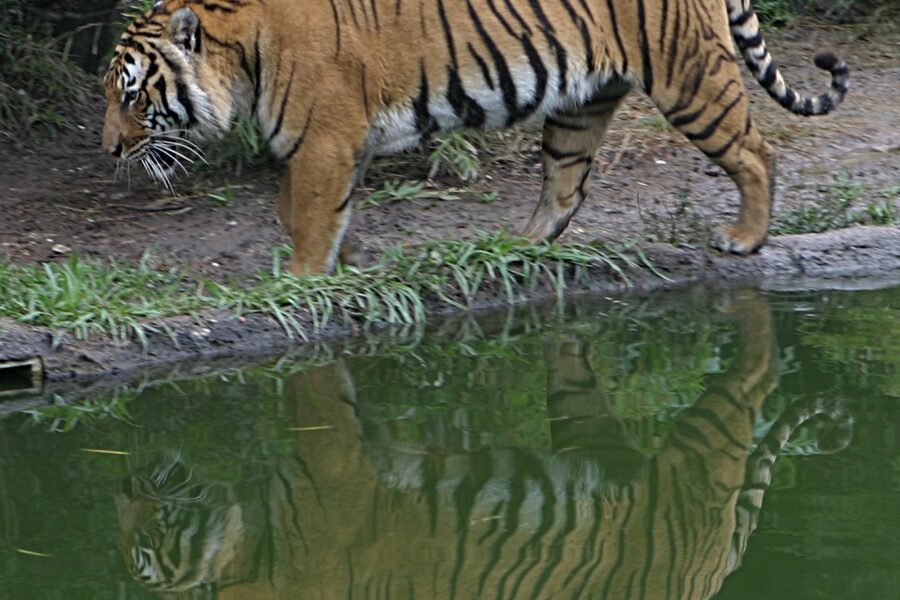
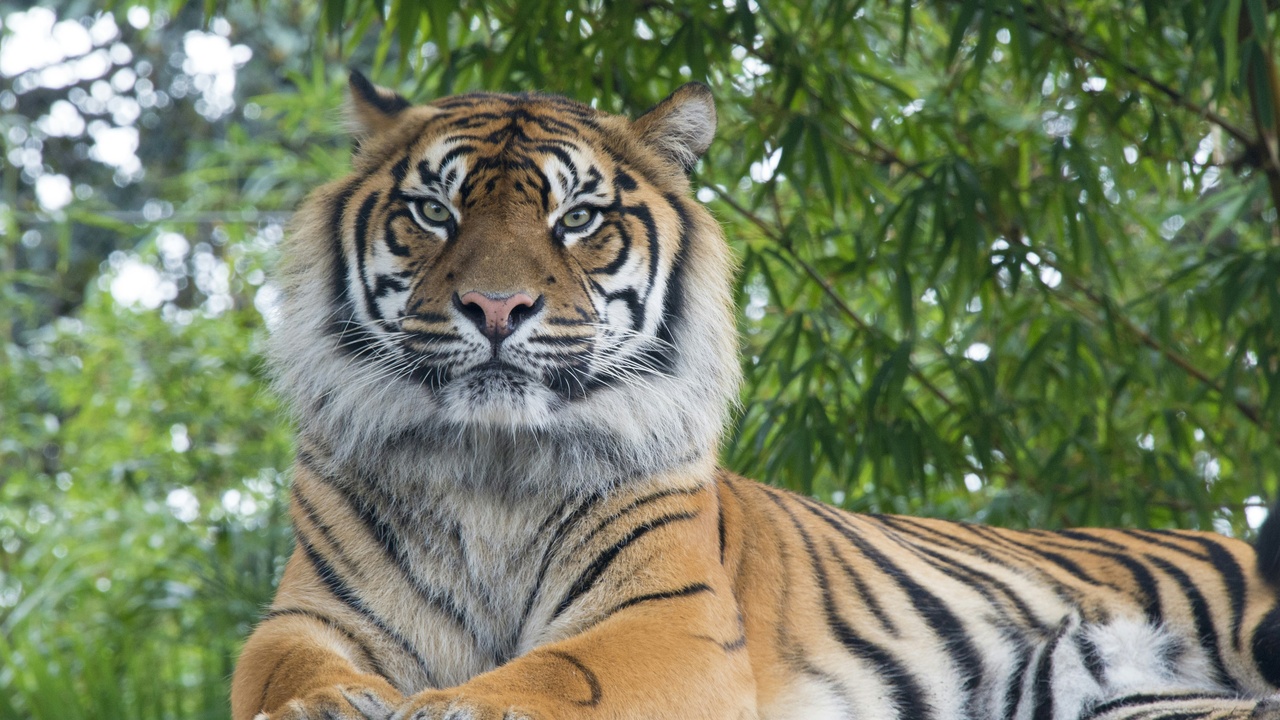
Tigers are quintessential solitary big cats: adults maintain exclusive territories except during mating or when females raise cubs. Wild populations number about 3,900 individuals globally.
Male territories often exceed 60–100 km² in areas with moderate prey densities, and they use scent marking and nocturnal patrols to maintain those boundaries. Where prey is scarce, territories expand accordingly.
Tigers regulate ungulate herds and trigger trophic cascades that benefit entire landscapes. Conservation efforts—like the Kanha–Pench corridors in India—aim to reconnect fragmented habitat so solitary tigers can move between protected blocks.
2. Polar bear (Ursus maritimus)
Polar bears are largely solitary except for mothers with cubs and brief aggregations at rich food sources. Global population estimates range from roughly 22,000 to 31,000 animals.
These bears undertake vast seasonal movements across sea ice, with males exhibiting especially large ranges. They rely on ice platforms to hunt seals and are increasingly forced ashore during extended melt seasons.
As Arctic indicators, polar bears reveal rapid ecosystem change tied to climate warming. Reduced sea ice increases coastal encounters with people and stresses both subsistence communities and conservation plans.
3. Snow leopard (Panthera uncia)
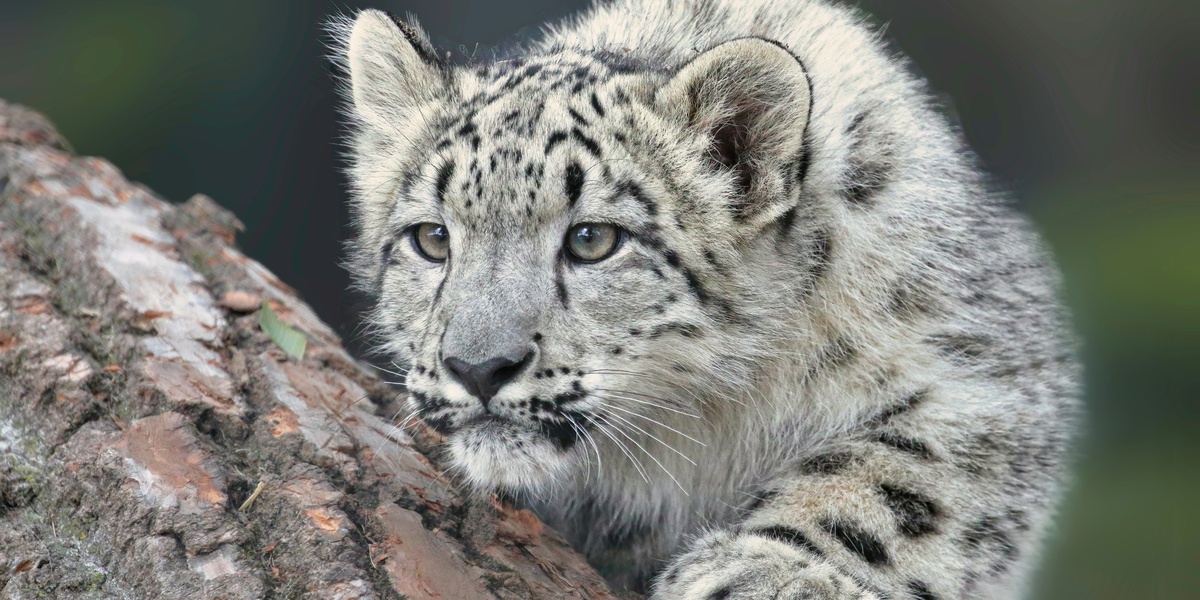
Snow leopards are iconic solitary felids adapted to high-altitude ranges across Central and South Asia. The IUCN estimates roughly 4,000–6,500 individuals remain in the wild.
They hunt mostly at dawn and dusk, use rugged terrain for concealment, and maintain large, sparse territories that camera-trap studies reveal only through occasional photographic captures of individuals.
Conservation challenges include retaliatory killings when livestock are lost, depletion of wild prey, and habitat fragmentation. Long-term camera-trap programs in the Himalaya and beyond remain critical to understanding their solitary space use.
Solitary predators and specialized hunters
Many solitary species rely on specialized diets or hunting methods that reduce the need for group cooperation. Ambush predators, scavengers and endurance hunters often operate alone because their strategies hinge on stealth, range or unpredictable food sources.
These animals play distinct ecological roles: they control prey numbers, distribute nutrients through carcass handling, and influence scavenger networks. But specialization ties them to particular habitats, making them sensitive to human disruption.
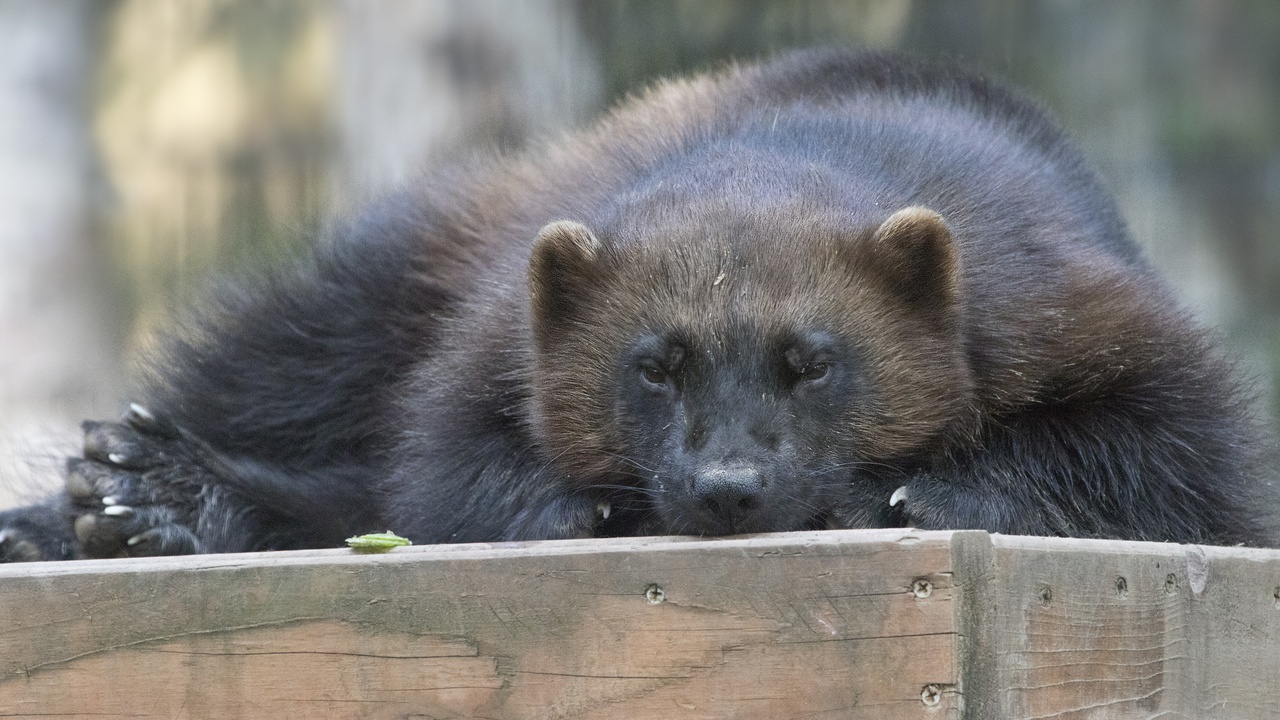
4. Wolverine (Gulo gulo)
Wolverines are wide-ranging, largely solitary mustelids known for endurance and opportunistic scavenging. Adult males can maintain home ranges approaching 1,000 km² in parts of the Arctic and boreal regions.
They cache food, travel long distances to locate carcasses, and search alone for mates during the breeding season. Telemetry studies from northern Canada and Scandinavia document these long-distance movements clearly.
By consuming carrion and moving bones across landscapes, wolverines help recycle nutrients and link distant ecosystems—functions that decline when populations shrink due to trapping and habitat change.
5. Komodo dragon (Varanus komodoensis)
The Komodo dragon is a solitary ambush predator found on a few Indonesian islands. Adults can reach nearly 3 meters in length and typically hunt alone.
Komodos rely on stealth, sudden bursts of power and a powerful bite to subdue prey, then often feed and cache large items alone. Males defend feeding areas and display territorial interactions during breeding.
Restricted to islands such as those in Komodo National Park, total population estimates fall around 3,000–5,000 individuals, making them vulnerable to habitat change and human pressure.
6. Giant anteater (Myrmecophaga tridactyla)
Giant anteaters forage largely alone except for mothers with young. Their specialized diet—ants and termites—drives a solitary search pattern using a long, sticky tongue to extract insects from nests.
Individuals may travel kilometers across savannas and forest edges to find nests, affecting insect populations and contributing to soil turnover where they break into mounds.
Listed as Vulnerable in many regions, anteaters face habitat loss and road mortality. Radio-tracking in South America has revealed solitary movement patterns and the distances needed to locate sufficient food.
Solitary loners: intelligent and elusive species
Solitude also pairs with unexpected behaviors in intelligent or niche specialists. Animals such as octopuses and orangutans use dens, tools and extended maternal care, revealing complex social and cognitive lives despite mostly living alone.
Studying these loners reshapes assumptions about animal intelligence and sociality. Their solitary habits often demand targeted research methods—den monitoring, long-term field observation and experimental problem-solving studies.
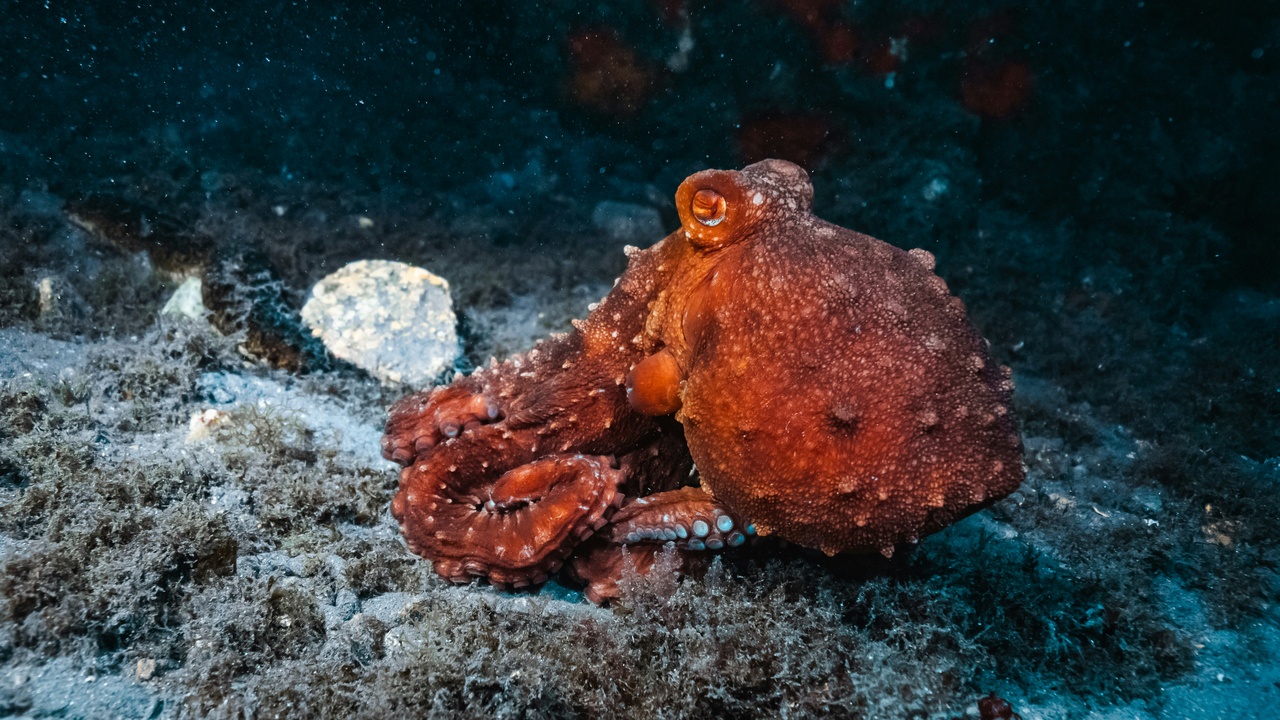
7. Common octopus (Octopus vulgaris)
The common octopus spends most of its short life in solitary dens, emerging at night to hunt mollusks and crustaceans. Many populations live only about 1–2 years, yet display remarkable behavioral complexity.
Octopuses use tools—collecting shells for shelter—and excel at camouflage and problem solving. They are important benthic predators that shape local community structure by preying on crabs, snails and other invertebrates.
Laboratory and field studies of den use and problem-solving have expanded our understanding of cognition beyond vertebrates, highlighting how solitary life and intelligence can coexist.
8. Orangutan (Pongo spp.)
Orangutans are among the most solitary of the great apes. Adult males typically live alone while mothers care for offspring for about 6–8 years, teaching complex foraging skills.
Low fruit density in some forest habitats makes group living inefficient, so solitary ranging fits their ecology. Long-term field studies in Borneo document solitary male ranges and the infrequent social encounters that occur.
Bornean and Sumatran orangutans face severe declines from deforestation and agricultural expansion, especially palm oil, which fragments the large home ranges necessary for their solitary lifestyle.
Summary
- Solitary living stems from ecology: patchy resources, specialized diets and reproductive strategies favor individuals over groups.
- Many solitary species require large or specific habitats and occur at low densities—see tigers (~3,900) and polar bears (≈22,000–31,000) as conservation indicators.
- Research methods like telemetry and camera-trap surveys reveal hidden solitary movements and inform corridor and coexistence planning.
- Conservation for loner species often needs landscape-scale solutions, reduced human-wildlife conflict, and protection of critical foraging or denning sites.