Myanmar’s native animals are shaped by a country that’s basically a wildlife crossroads. You’ve got tropical forests in the south, mangroves along the coast, mountain habitat in the north, and huge river systems cutting through the middle. That mix supports everything from big mammals to tiny frogs that most people would never notice unless they were kneeling in wet leaf litter.
A quick distinction helps here: native means a species naturally occurs in Myanmar, while endemic means it’s found nowhere else on Earth. Not every native animal is endemic, but Myanmar does have a few species that are tightly tied to its landscapes and a lot more that depend on its forests, wetlands, and rivers. Conservation groups like the IUCN Red List and organizations such as WWF have repeatedly flagged the country as a major biodiversity region that’s under pressure from habitat loss, hunting, and development.
Table of contents
- TL;DR
- Why Myanmar has so many native species
- Native mammals of Myanmar
- Native birds of Myanmar
- Native reptiles and amphibians
- Native fish and freshwater species
- Endemic and especially rare species
- Conservation status and why it matters
- Final thoughts
TL;DR
Myanmar’s native animals include elephants, gibbons, hornbills, crocodiles, river dolphins, turtles, and a long list of frogs, birds, and fish tied to forests and waterways. The country is especially rich in species because it sits at the meeting point of the Indo-Malayan, Himalayan, and Southeast Asian biomes. Some of the most notable native animals are the Asian elephant, Hoolock gibbon, Burmese roofed turtle, Burmese peacock-pheasant, and Irrawaddy dolphin. Many are threatened by deforestation, hunting, and river disturbance.
Why Myanmar has so many native species
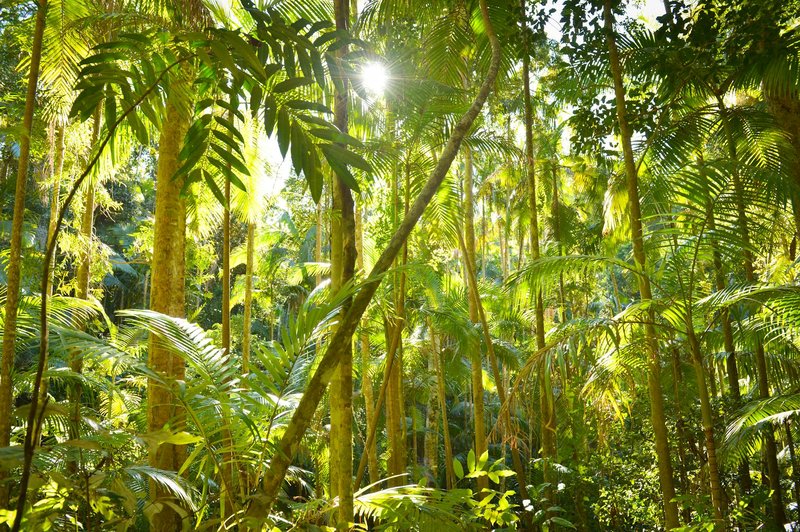
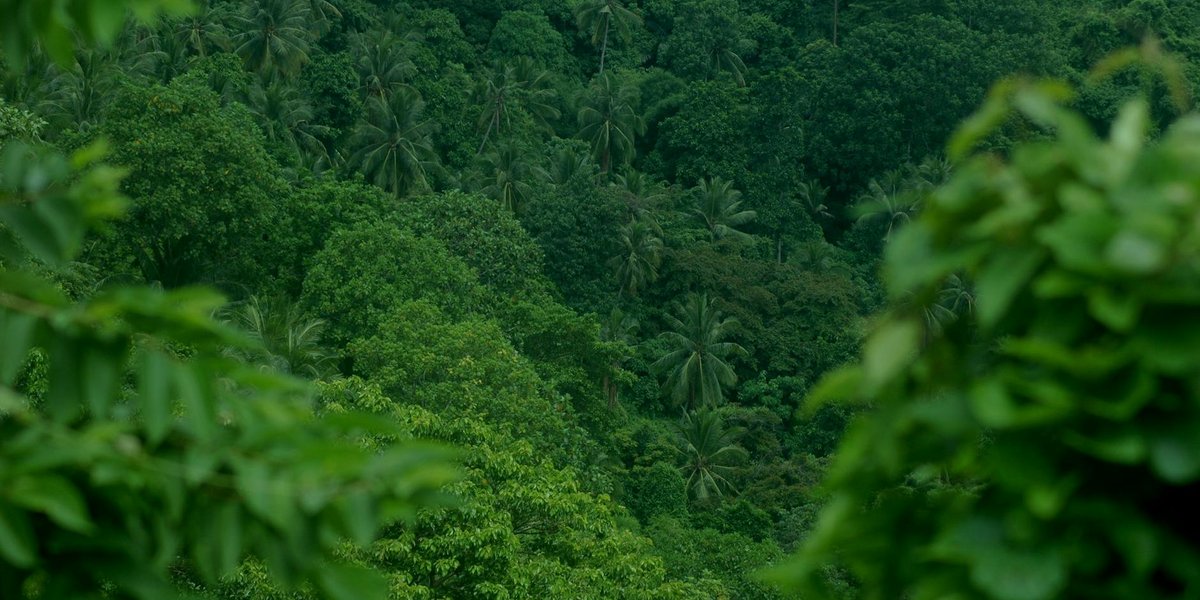
Myanmar’s geography does a lot of the heavy lifting. Northern highlands, central dry zones, monsoon forests, mangroves, coral-rich coasts, and river floodplains all create different habitats. That matters because animals don’t just “live in Myanmar” in some vague sense — they live in very specific pieces of it.
A gibbon needs closed-canopy forest. A river dolphin needs a functioning river system. A hornbill needs big trees for nesting. A marsh turtle needs wetland habitat that hasn’t been drained, poisoned, or paved over. Once you start looking at the country this way, the list of Myanmar’s native animals gets much more interesting than a simple species roll call.
For a broader conservation backdrop, the Convention on Biological Diversity has long identified Myanmar as part of the Indo-Burma biodiversity hotspot, one of the planet’s most species-rich and threatened regions.
Native mammals of Myanmar
Myanmar’s mammals range from huge forest animals to shy nocturnal species that people rarely see. Some are familiar across Southeast Asia, while others are specialists of Myanmar’s forests and hills.
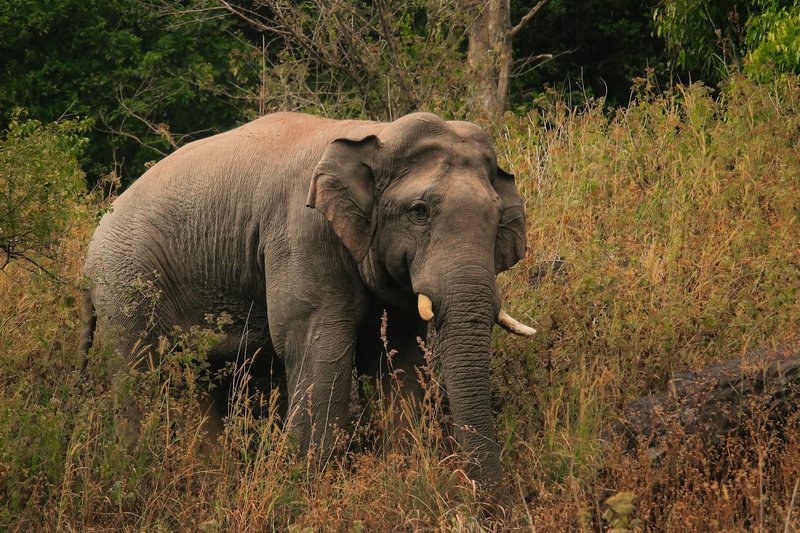
1. Asian elephant (Elephas maximus)
The Asian elephant is one of Myanmar’s best-known native mammals. Populations survive in forested areas, especially where habitat still connects across large landscapes. These elephants need room — not just a forest patch, but broad corridors for movement.
2. Hoolock gibbon (Hoolock hoolock and Hoolock leuconedys)
Myanmar is one of the key strongholds for hoolock gibbons. These small apes live in forest canopies and travel by brachiation, which is the fancy term for swinging hand-over-hand like they own the place. They’re sensitive to forest fragmentation, because a gibbon on the ground is basically a bad day waiting to happen.
3. Tiger (Panthera tigris)
Tigers are native to Myanmar, though they’re now much rarer than they once were. They need large, intact forests with enough prey to support a top predator. That’s a tough ask in a landscape under pressure, which is why their presence is as much a conservation signal as a wildlife sighting.
4. Clouded leopard (Neofelis nebulosa)
This secretive cat is native to Myanmar’s forests and is much more often detected by camera traps than by people. The clouded leopard is built for trees, with long limbs and impressive climbing ability. A lot of its life happens above eye level.
5. Sun bear (Helarctos malayanus)
Sun bears live in lowland and hill forests and are among the smallest bear species on Earth. They eat fruit, insects, and honey, and they’re a good example of how Myanmar’s forests support species people rarely think about until they vanish.
6. Asiatic black bear (Ursus thibetanus)
Also called the moon bear, the Asiatic black bear is native to Myanmar’s wooded mountain regions. It’s more adaptable than the sun bear but still needs forest cover and stable habitat.
7. Dhole (Cuon alpinus)
The dhole, or Asiatic wild dog, is one of the more overlooked carnivores of Myanmar. It hunts in packs and depends on healthy prey populations. Where dholes survive, ecosystems are usually still functioning at a decent level.
8. Mainland serow (Capricornis sumatraensis)
This goat-antelope is native to rugged hills and rocky forest edges. You’re not likely to spot one casually. Serows are the kind of animal you notice only if the terrain gets steep, quiet, and a little unfriendly.
9. Sambar deer (Rusa unicolor)
Sambar deer are widespread native herbivores in Myanmar’s forests. They’re a major prey species for large carnivores and a common part of the country’s woodland ecosystems.
10. Wild boar (Sus scrofa)
Wild boar are native and adaptable, turning up in forests, grasslands, and edges of farmland. They’re not glamorous, but they’re ecologically important and very much part of Myanmar’s native fauna.
Native birds of Myanmar
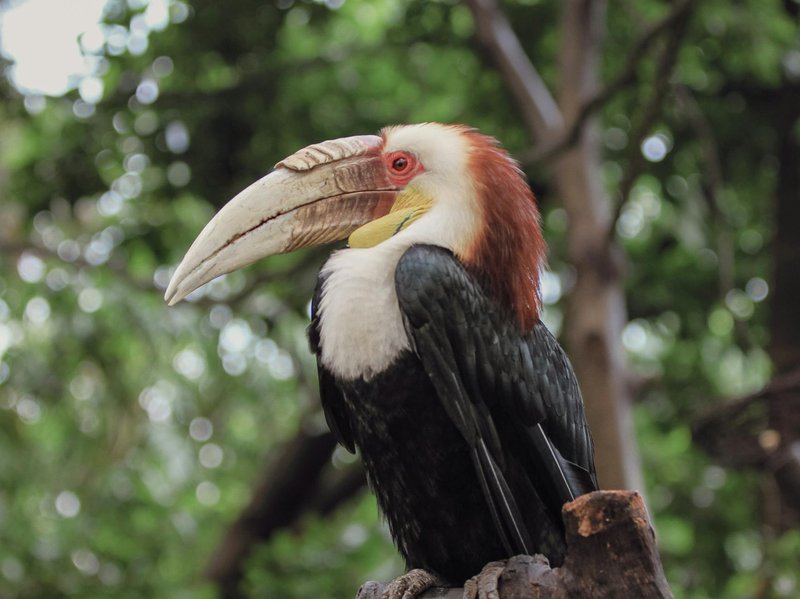
Myanmar’s birds are a big deal. Forest canopies, wetlands, and coastlines support everything from giant hornbills to tiny insect-eaters. If you like birds, Myanmar is not a country to sleep on.
11. Great hornbill (Buceros bicornis)
The great hornbill is one of Myanmar’s most iconic native birds. It needs large old trees for nesting and fruit-rich forests for feeding. Its size and loud wingbeats make it hard to miss, even if it stays high in the canopy.
12. Wreathed hornbill (Rhyticeros undulatus)
Another forest hornbill, the wreathed hornbill is native to Myanmar and relies on mature woodland. Hornbills are among the clearest indicators of forest health, since they need big trees and a decent fruit supply.
13. Burmese peacock-pheasant (Polyplectron bicalcaratum)
This striking bird is native to Myanmar and surrounding parts of Southeast Asia, but it’s strongly associated with Myanmar’s forests. The patterned plumage is the sort of thing that looks almost unreal when sunlight hits it properly.
14. Green peafowl (Pavo muticus)
The green peafowl is native to Myanmar but now much reduced in many areas. It prefers open woodland and grassland mosaics, which are exactly the kinds of places that get squeezed by land conversion.
15. Jerdon’s baza (Aviceda jerdoni)
A lesser-known forest bird, Jerdon’s baza is native to Myanmar and other parts of South and Southeast Asia. It feeds on insects and small animals and tends to stay in wooded habitats.
16. White-bellied heron (Ardea insignis)
This is one of the rarest herons in the world, and Myanmar is part of its native range. It depends on rivers and wetlands that are clean, quiet, and not overworked. In other words: the sort of habitat humans tend to mess up first.
17. Black-necked stork (Ephippiorhynchus asiaticus)
Native to wetland systems in Myanmar, this tall wader needs marshes, floodplains, and shallow water. Wetland birds are often the first to disappear when drainage and development ramp up.
Native reptiles and amphibians
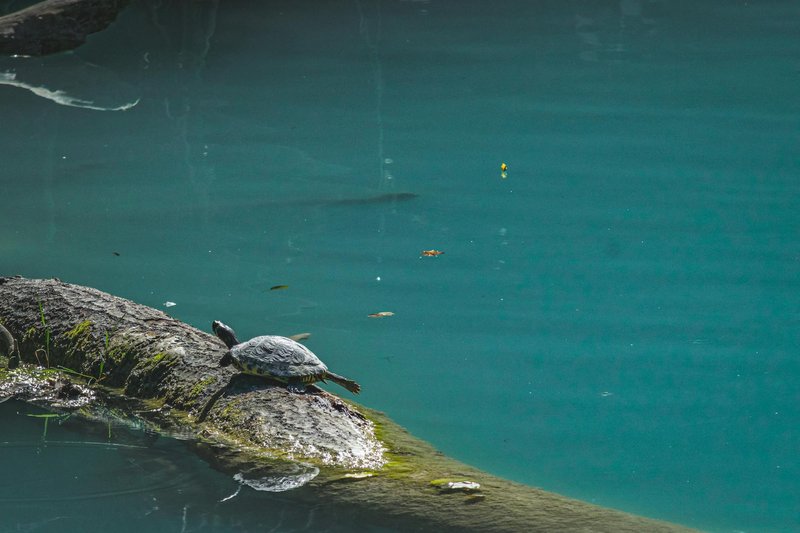
Myanmar’s reptiles and amphibians are less famous than its elephants and hornbills, but they’re every bit as important. Wet forests, rivers, and seasonal wetlands support a dense mix of turtles, snakes, lizards, frogs, and crocodiles.
18. Burmese python (Python bivittatus)
The Burmese python is native to Myanmar and one of the country’s most recognizable reptiles. It inhabits forests, grasslands, and wetland edges, and it’s a powerful ambush predator.
19. King cobra (Ophiophagus hannah)
Native to Myanmar’s forests and agricultural edges, the king cobra is the world’s longest venomous snake. It’s a snake with a reputation, but it usually wants to avoid people.
20. Burmese roofed turtle (Batagur trivittata)
This is one of Myanmar’s most famous native reptiles and one of its rarest. It lives in large rivers and is among the world’s most threatened turtles. Conservation work in Myanmar has been essential for keeping this species from disappearing entirely.
21. Asian gharial (Tomistoma schlegelii)
The false gharial is native to parts of Southeast Asia, including Myanmar’s wetlands and river systems. It’s a long-snouted crocodilian that needs healthy waterways and plenty of fish.
22. Saltwater crocodile (Crocodylus porosus)
The saltwater crocodile is native to coastal and estuarine environments in Myanmar. It’s the largest living reptile and one of the top predators in mangroves and tidal waters.
23. Burmese python frog? No — let’s stick to real frogs.
Myanmar has a huge number of frogs, many of them still under-studied. A good example is the Burmese bush frog group and other forest amphibians that depend on humid, intact woodland. Amphibians are particularly sensitive to pollution and habitat change, so they’re useful warning lights for ecosystem health.
23. Large-toothed frog species and forest frogs
Several native frog species occur in Myanmar’s forests and uplands, including taxa recorded from the Tenasserim and northern mountain regions. Many are small, localized, and poorly known — which is exactly why amphibian diversity in Myanmar is still being documented.
Native fish and freshwater species
Myanmar’s rivers are packed with native fish, and some of its most remarkable animals live entirely in freshwater. Rivers like the Ayeyarwady, Chindwin, and Salween aren’t just lines on a map. They’re migration routes, nursery grounds, and survival corridors.
24. Irrawaddy dolphin (Orcaella brevirostris)
The Irrawaddy dolphin is one of Myanmar’s signature native animals. It lives in freshwater stretches of the Ayeyarwady River and in coastal waters elsewhere in Southeast Asia. The Myanmar river population is especially famous because it has lived alongside local fishing communities for generations.
25. Giant barb (Catlocarpio siamensis)
One of the largest freshwater fish in the world, the giant barb is native to the Mekong and nearby river systems, including parts of Myanmar’s broader freshwater network. Big river fish like this need connected habitat and clean water. Without those, they don’t last long.
26. Mahseer species (Tor spp.)
Several mahseer species are native to Myanmar’s rivers and streams. These fish matter both ecologically and culturally, and some populations have become much rarer as rivers have been altered.
27. Snakehead fish (Channa spp.)
Myanmar hosts multiple native snakehead species. They’re predatory freshwater fish adapted to ponds, rivers, and floodplains, and they’re an important part of the country’s inland waters.
Endemic and especially rare species
Not every native animal in Myanmar is endemic, but a few species are tightly linked to the country or its surrounding region.
Some of the most conservation-significant species include:
- Burmese roofed turtle — critically endangered and closely associated with Myanmar’s rivers
- White-bellied heron — extremely rare and dependent on clean wetland habitat
- Hoolock gibbons — Myanmar is a major stronghold for them
- Irrawaddy dolphin — one of the country’s most recognizable freshwater mammals
- Green peafowl — declining across much of its range and still dependent on intact habitat
The key pattern here is simple: the rarer the animal, the more likely it is tied to a specific habitat type that’s shrinking. Rivers are dammed. Forests get broken into fragments. Wetlands are drained. The animals don’t vanish because they got “weak.” They vanish because the place they evolved for stops working.
Conservation status and why it matters
Myanmar’s native wildlife is under serious pressure, and the causes aren’t mysterious. Habitat loss, illegal wildlife trade, hunting, river modification, and infrastructure expansion all play a part. The IUCN has assessed many of these species as threatened, and the pattern is consistent: species that need old forests, clean rivers, or undisturbed wetlands are the ones struggling most. invasive species in Myanmar
That’s why biodiversity in Myanmar is not just about counting species. It’s about keeping ecosystems connected. A forest that still supports hornbills is better than one that only supports stumps. A river that still holds dolphins and turtles is a river with life left in it.
For educators and students, that distinction matters. “Native” doesn’t just mean “found here.” It means part of the natural history of the place. And in Myanmar, that natural history is unusually rich.
Final thoughts
Myanmar’s native animals reflect a country with serious ecological range: rainforests, mountain forests, floodplains, wetlands, mangroves, and big river systems all packed into one region. That’s why the list includes elephants and crocodiles, gibbons and hornbills, turtles and dolphins, plus a huge cast of lesser-known frogs, fish, and forest mammals.
If you’re trying to understand Myanmar’s native animals, don’t start with the rarest species. Start with the habitats. Once you know the forests, rivers, and wetlands, the animals make sense.
And that’s the real story here: Myanmar isn’t just home to a few famous species. It’s a biodiversity stronghold with a lot still worth protecting.