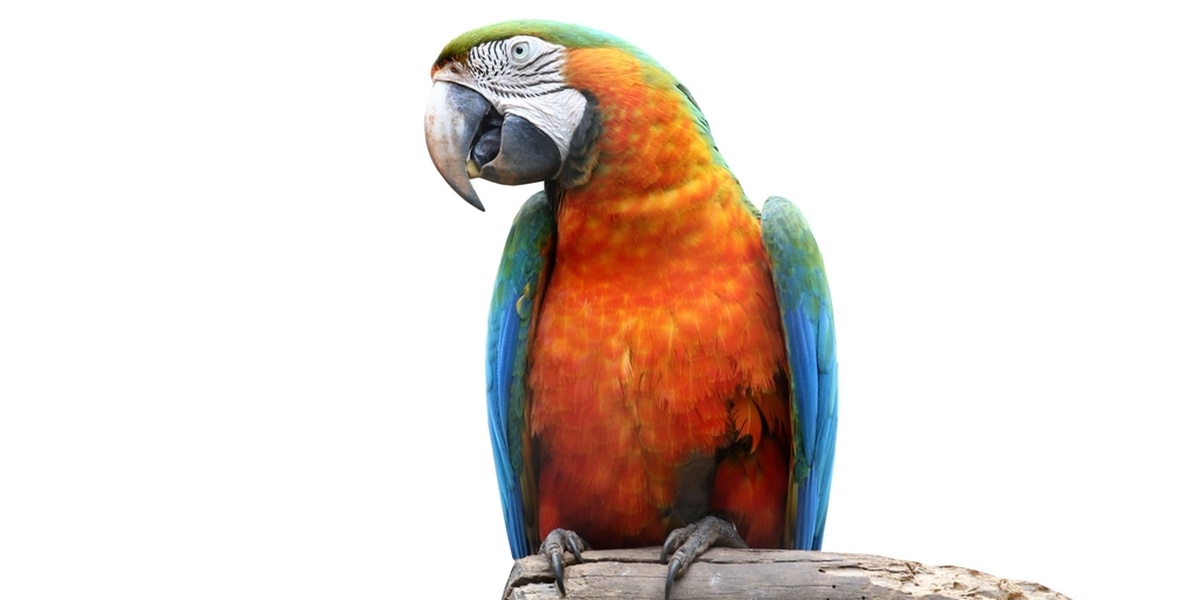
Top 10 Parrot Species
There are roughly 390–410 recognized parrot species worldwide, yet a handful capture most public attention because of their color, intelligence, or role as companions. Imagine a bright blue Hyacinth Macaw stretching its 3.3‑foot wingspan at a nest site in the Pantanal, or a grey parrot named Alex answering questions in a lab — these images stick with people.
This article profiles the Top 10 parrot species — the birds that are most striking, most talkative, and most influential for conservation and companion bird culture — explaining what makes each special and what to watch for as an owner or admirer. You’ll find identification tips, behavior notes, lifespan ranges, conservation context, and a practical pet-care note for each entry. The list groups species into three broad types: large, colorful macaws; highly intelligent vocal parrots; and small-to-medium companion parrots, and each entry cites at least one concrete number, one real-world example, and a reader-friendly takeaway.
Large, Colorful Parrots
Large, colorful parrots — especially macaws — share bold plumage, powerful beaks for cracking large seeds and nuts, and striking presence in Neotropical forests. These birds often need intact tracts of tall forest for nesting and specialized diets (many rely on hard palm or nut resources), which makes them sensitive to deforestation and trapping. Their vivid appearance and charismatic behavior drive ecotourism; local economies sometimes benefit when guides and lodges protect nesting trees. At the same time, their size makes them demanding as pets: they need very large aviaries, high-fat diets, and extensive enrichment. Facilities like Loro Parque and conservation groups such as the World Parrot Trust have become central to both public education and in-situ protection. Below are three standout large parrots and practical notes for each.
1. Hyacinth Macaw (Anodorhynchus hyacinthinus)
The Hyacinth Macaw is the largest parrot in the world, reaching lengths of up to ~100 cm (about 3.3 ft). It inhabits the Brazilian Pantanal, seasonally flooded savannas, and edges of the Amazon basin where it relies on large palm and nut-bearing trees for food and nesting cavities.
Conservation status is precarious: populations have declined due to habitat loss and illegal trapping, and the species is a high priority for nest‑protection. Local nest‑protection programs in the Pantanal and captive‑breeding efforts have helped stabilize some groups.
Organizations like the World Parrot Trust support field projects that protect nest sites and fund community incentives. Captive breeding has produced successes that also aid education and local economies.
Practical note: Hyacinth Macaws require a specialized, high‑fat diet (Brazil nuts and similar hard seeds), very large aviaries, and experienced caregivers — they are not suitable for casual owners.
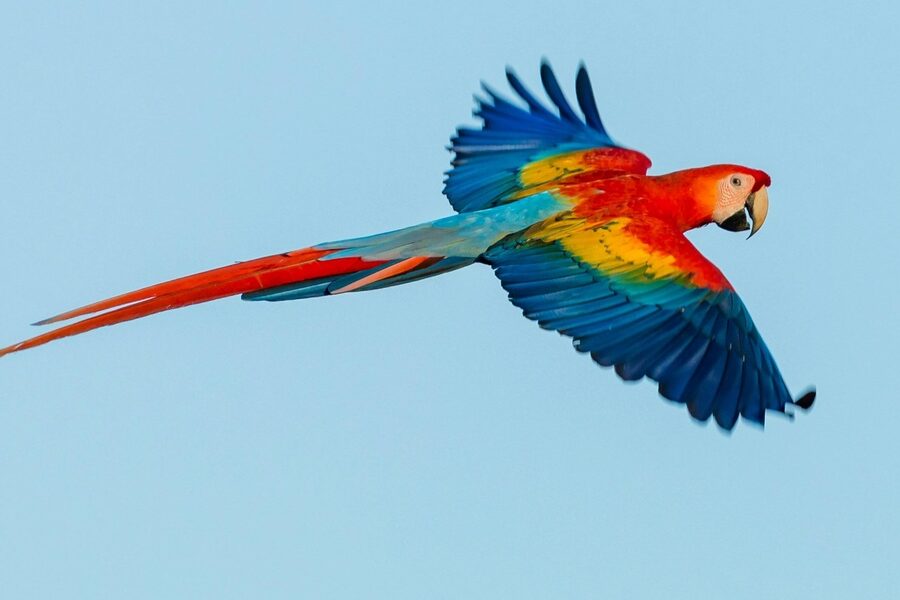
2. Scarlet Macaw (Ara macao)
Scarlet Macaws are instantly recognizable by red, yellow, and blue plumage and average around 81 cm (32 in) long from beak to tail tip. They range from southern Mexico through Central America into parts of South America, often sampling forest edges and riverine habitats.
Populations remain stable in well‑protected reserves but have declined in fragmented landscapes. The species serves as a cultural emblem for many indigenous groups and a flagship for rainforest protection.
Reintroduction and local release projects in Costa Rica and Peru show how community‑led conservation and ecotourism can restore local flocks and provide alternate livelihoods for villagers who once trapped birds.
Practical note: Scarlet Macaws live long (often 40–50 years in captivity), are loud, and need huge enclosures and committed ownership.
3. Blue-and-Gold Macaw (Ara ararauna)
The Blue‑and‑Gold Macaw pairs bright azure upperparts with a golden belly and usually measures ~76–86 cm long. It occupies much of tropical South America and tolerates disturbed forest edges better than some other macaws.
Because of its adaptability and striking looks, it’s one of the more common macaws in zoological exhibits and conservation education programs.
Zoos such as Loro Parque feature these macaws in public outreach, helping visitors learn about habitat loss and the need to protect large trees. In captivity they can live up to 50 years.
Practical note: blue‑and‑golds are highly social and intelligent; owners must provide daily enrichment, social interaction, and a very large flight area.
Highly Intelligent and Vocal Parrots
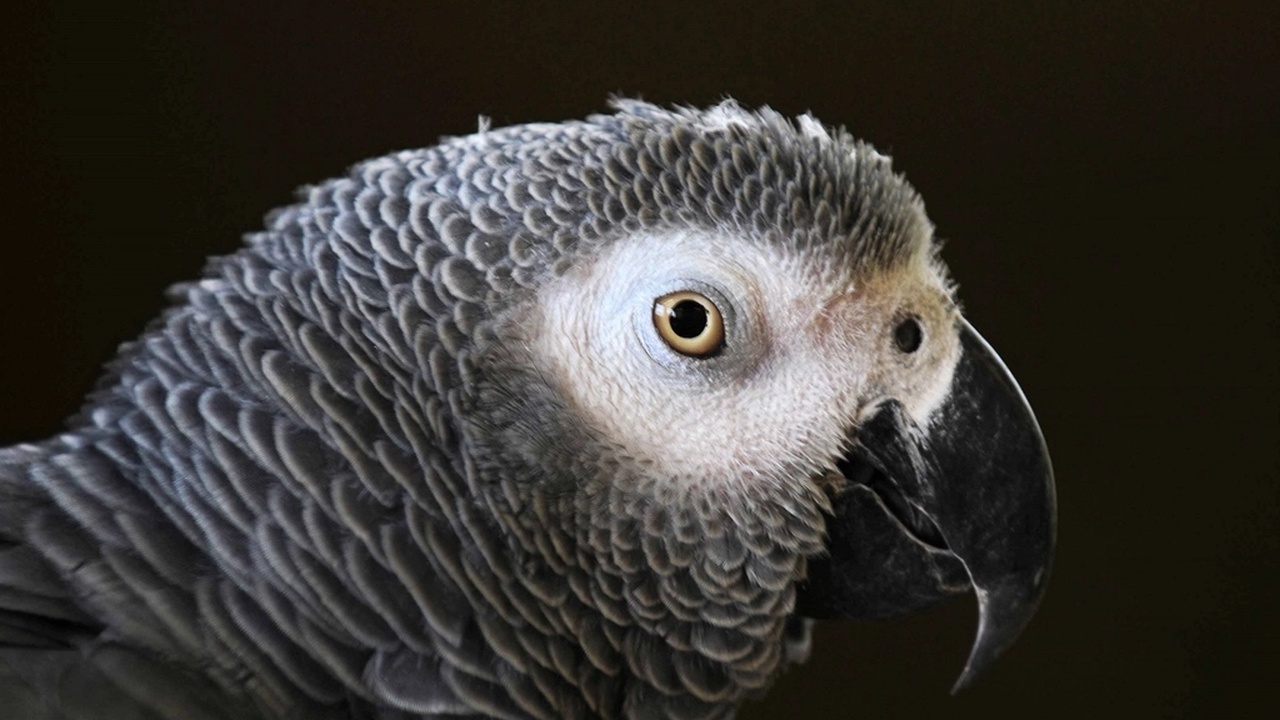
Parrots famed for cognition and mimicry often headline research and companion‑bird communities. These species show exceptional vocal imitation, problem‑solving, and social learning — traits documented in lab and field studies. A famous example is Alex the African Grey (studied by Irene Pepperberg from the 1970s through the 2000s), which demonstrated conceptual learning and simple numerical understanding.
Because of that intelligence, these parrots make rewarding companions for experienced owners but can develop behavioral problems if left understimulated. They’re also central to conservation debates because demand for talkative birds has driven trapping in some regions.
4. African Grey Parrot (Psittacus erithacus)
The African Grey is widely regarded as one of the most intellectually gifted parrots; laboratory work with Alex (Irene Pepperberg, 1970s–2000s) showed the bird could learn dozens of words, identify colors, and grasp simple concepts like “same” and “different.”
In captivity greys often live 30–60 years. Wild populations have suffered from trapping for the pet trade and habitat loss; many conservation groups now list them among species of serious concern and push for tighter trade controls.
Advocacy by organizations such as the World Parrot Trust emphasizes ending wild capture and promoting responsible captive breeding. African Greys are frequently used in cognition research and public education.
Practical note: African Greys need complex enrichment, frequent social interaction, and expert care; without stimulation they can develop feather‑picking or loud, repetitive behaviors.
5. Yellow‑naped Amazon (Amazona auropalliata)
The Yellow‑naped Amazon is a charismatic Central American parrot prized for clear speech and a bold personality. Its range runs from southern Mexico through parts of Central America, though some regional populations have declined.
Because of habitat loss and trapping, parts of the species’ range show downward trends and conservation concern. Field studies and aviculture breeding programs document these declines and support captive‑bred birds as a welfare alternative.
Owners value Yellow‑napeds for their talking ability, but they can become territorial or strong‑willed without consistent training. Aviculturists run selective breeding programs aimed at health and temperament.
Practical note: plan for long‑term training and social needs; these birds do best with patient, consistent handlers.
6. Eclectus Parrot (Eclectus roratus)
Eclectus parrots are famous for dramatic sexual dimorphism: males are bright green while females display red and purple plumage. They occur from northeastern Australia and New Guinea through parts of Indonesia and the Solomon Islands.
Eclectus typically live 30+ years in good captive care. They’re calmer and often more inquisitive than some other parrots, but their nesting biology can make females more reserved or nesting‑focused.
Captive breeding programs in aviculture stress pair bonding and proper nutrition; poor diets can lead to feather problems and other health issues. Regional conservation programs in Indonesia and the Solomons monitor wild populations where habitat change occurs.
Practical note: these birds need a fruit‑rich, varied diet (fresh fruit plus formulated pellets) and moderate social interaction; they suit experienced owners who understand their quirks.
Popular Companion Parrots: Small to Medium
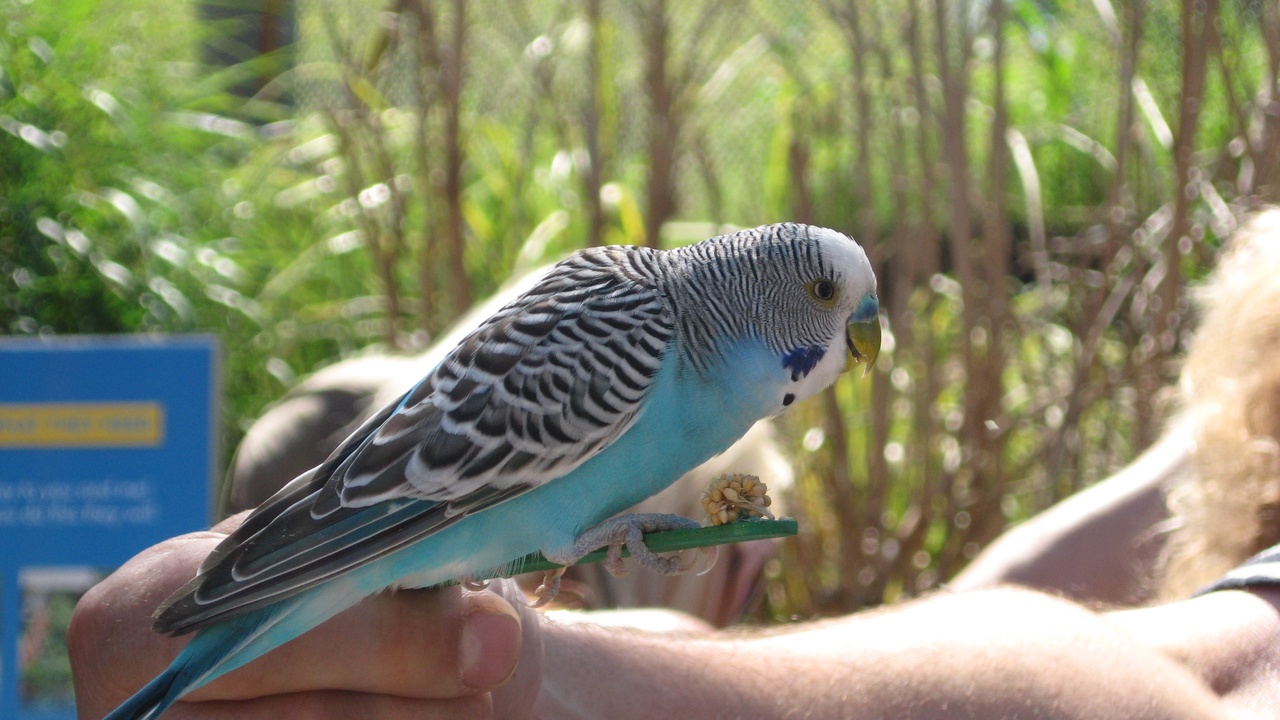
Small‑to‑medium parrots make up the bulk of companion birds worldwide because they’re more manageable in size and housing. They often require smaller cages but still need daily out‑of‑cage time, social interaction, and mental stimulation. Lifespans remain substantial compared with many pets, so owners face long‑term commitments.
These species are commonly bred in captivity; buyers should prefer captive‑bred birds and consult avian veterinarians and reputable care guides. Budgerigars, cockatiels, conures, and similar parrots offer bright personalities for apartment or first‑time owners who prepare properly.
7. Budgerigar (Melopsittacus undulatus)
The budgerigar, or budgie, is the most widely kept parrot globally and measures about 18 cm long. Despite small size, budgies display surprising vocal ability and social complexity.
In captivity, lifespans commonly run 5–15 years; with excellent care many live 10+ years. Budgies thrive in flocks and enjoy toys, mirrors, and interaction with people.
Aviculture has produced many color mutations for shows, and wild Australian flocks provide a model of social dynamics and flock movement.
Practical note: budgies are ideal for first‑time owners who respect social needs and provide group housing or frequent companionship.
8. Cockatiel (Nymphicus hollandicus)
Cockatiels are small, crested parrots known for whistling and affectionate behavior, measuring roughly 30–33 cm including the tail. They originated in Australia’s arid interior and adapted to nomadic food resources.
With proper care, cockatiels often live 10–20 years in captivity. Their gentle nature makes them popular as affectionate household companions and in some therapeutic settings.
Aviculturists breed numerous mutations, and caretakers emphasize regular out‑of‑cage time, socialization, and a quiet sleep space each night.
Practical note: cockatiels suit families seeking a friendly, whistling parrot but still require consistent interaction and routine veterinary care.
9. Sun Conure (Aratinga solstitialis)
Sun Conures are small, brilliantly colored conures with vivid orange and yellow plumage and a total length near 30 cm including the tail. They’re playful, highly social, and very vocal.
In captivity, sun conures often live 20–30 years. Some wild populations have experienced pressure from trapping, which has prompted captive‑breeding and sanctuary rehoming efforts.
Aviculture groups document captive‑breeding programs and sanctuaries rehome conures that can’t be returned to the wild. Typical behaviors include flock‑oriented calling and strong desire for interaction.
Practical note: these birds suit social owners who can provide training and tolerate noise; they’re not ideal for noise‑sensitive apartments.
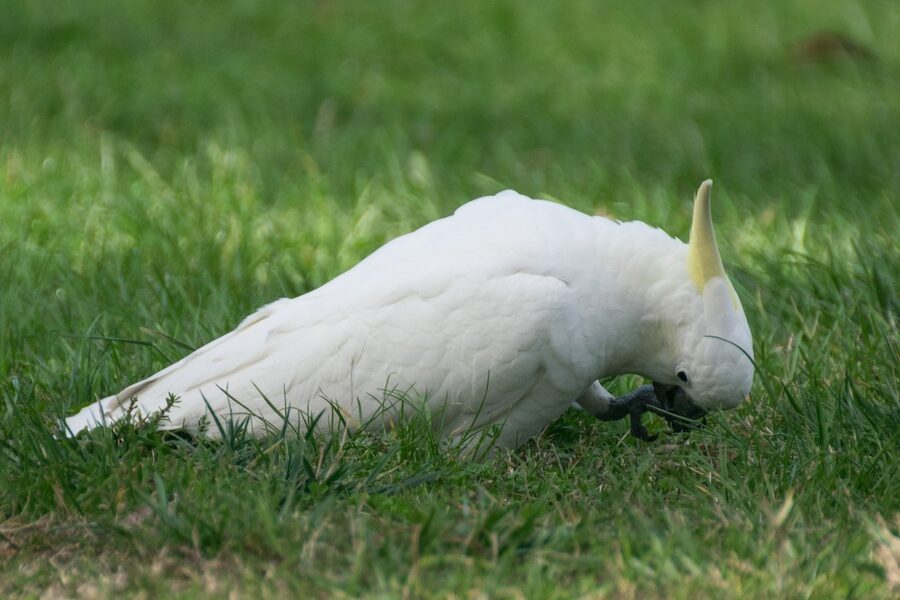
10. Sulphur‑crested Cockatoo (Cacatua galerita)
The Sulphur‑crested Cockatoo is a large, crested white cockatoo about 45–50 cm long, famous for its expressive crest and loud calls. It’s common in eastern Australia and has adapted to many human‑altered landscapes.
These cockatoos can live 40–70 years in captivity and form strong social bonds; that longevity and intelligence mean they demand long‑term commitment. In urban Australia, regular human‑wildlife interactions and legal protections shape how people and birds coexist.
Sanctuaries and rescue organizations often handle relinquished cockatoos; without adequate enrichment they can become destructive or develop behavioral problems.
Practical note: Sulphur‑crested Cockatoos are not casual pets. They need dedicated time, training, and in many jurisdictions legal permits or adherence to wildlife regulations.
Summary
- Parrots are diverse — only a few parrot types dominate public awareness, but all matter for tropical ecosystems and biodiversity.
- Popularity can trade off with conservation: many striking species face habitat loss and trapping; prefer captive‑bred birds and support field programs (World Parrot Trust, BirdLife International, local sanctuaries).
- Owning a parrot is a long‑term commitment — lifespans range from about 10 years (smaller species) to 70 years (large cockatoos); research species‑specific care before deciding.
- Take action: adopt from rescues, donate to nest‑protection and rewilding projects, volunteer with reputable sanctuaries, or support habitat protection to help wild populations thrive.