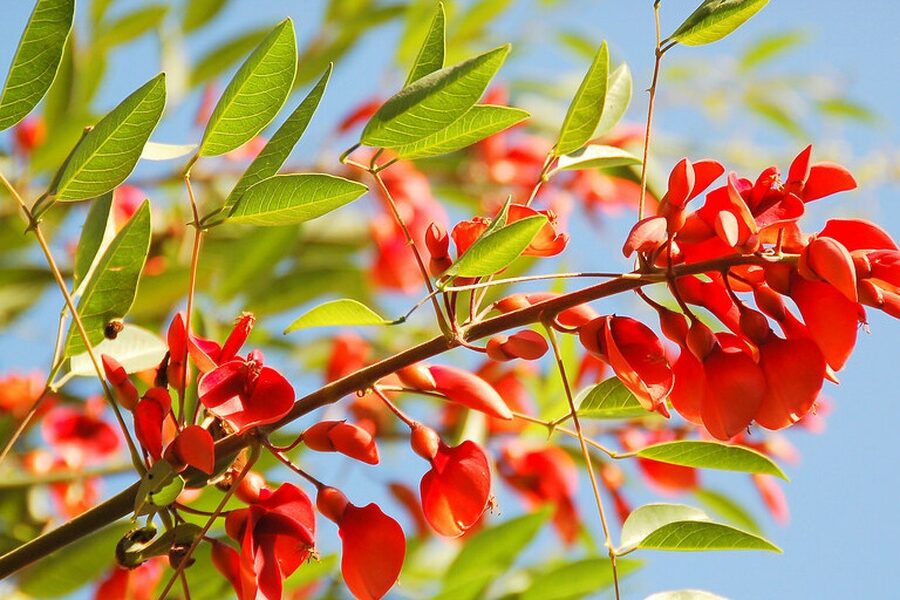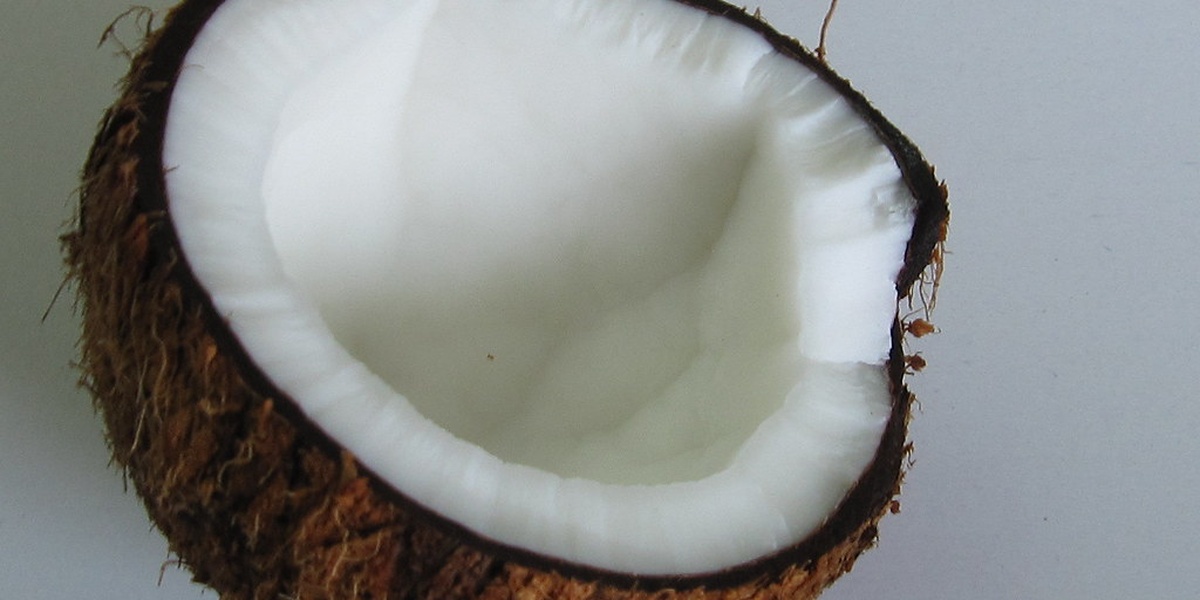
Barbados may be small, but its mix of coastal exposures, limestone soils and tropical breezes supports a surprising variety of plants adapted to dry, salty and gardened conditions. From street trees to coastal shrubs, the island’s vegetation reflects both endemic species and those introduced over centuries.
There are 49 Plants of Barbados, ranging from Allamanda to Wild tamarind (Lysiloma latisiliquum). For each entry the table lists Scientific name,Native status,Height (m) so you can quickly see origins and mature size — you’ll find it below.
How can I tell which species are truly native to Barbados?
Check the Native status column: entries marked native occurred naturally on the island, while naturalized or introduced species arrived by human activity and may now be common. Choosing natives supports local wildlife and typically means lower water and maintenance needs.
Is this list useful for planning a home garden or restoration project?
Yes—use the Height (m) column for spacing and the Native status to prioritize local species; also consider salt and drought tolerance for coastal sites. Confirm availability with local nurseries and avoid removing wild plants from natural areas.
Plants of Barbados
| Common name | Scientific name | Native status | Height (m) |
|---|---|---|---|
| Coconut | Cocos nucifera | Cultivated | 20 |
| Sea grape | Coccoloba uvifera | Native | 8 |
| Buttonwood | Conocarpus erectus | Native | 6 |
| Red mangrove | Rhizophora mangle | Native | 8 |
| Black mangrove | Avicennia germinans | Native | 6 |
| White mangrove | Laguncularia racemosa | Native | 6 |
| Sea hibiscus | Hibiscus tiliaceus | Naturalized | 8 |
| Flamboyant | Delonix regia | Introduced | 10 |
| Royal palm | Roystonea regia | Cultivated | 20 |
| Mahogany | Swietenia mahagoni | Introduced | 20 |
| Pride of Barbados | Caesalpinia pulcherrima | Cultivated | 4 |
| Bougainvillea | Bougainvillea spectabilis | Cultivated | 3 |
| Lantana | Lantana camara | Introduced | 2 |
| Mango | Mangifera indica | Cultivated | 10 |
| Avocado | Persea americana | Cultivated | 10 |
| Breadfruit | Artocarpus altilis | Cultivated | 15 |
| Casuarina (Australian pine) | Casuarina equisetifolia | Introduced | 15 |
| Hibiscus | Hibiscus rosa-sinensis | Cultivated | 3 |
| Frangipani | Plumeria rubra | Cultivated | 6 |
| Allamanda | Allamanda cathartica | Cultivated | 4 |
| Ginger lily | Hedychium coronarium | Naturalized | 1.5 |
| Passionfruit | Passiflora edulis | Cultivated | 3 |
| Prickly pear | Opuntia ficus-indica | Introduced | 2 |
| Sea oats | Uniola paniculata | Native | 1 |
| Beach morning glory | Ipomoea pes-caprae | Native | 0.5 |
| Sabal palm | Sabal palmetto | Cultivated | 12 |
| Guava | Psidium guajava | Introduced | 5 |
| Allspice (Pimento) | Pimenta dioica | Cultivated | 8 |
| Sugarcane | Saccharum officinarum | Cultivated | 3 |
| Kapok/ceiba | Ceiba pentandra | Introduced | 20 |
| Surinam cherry | Eugenia uniflora | Introduced | 4 |
| Tamarind | Tamarindus indica | Introduced | 12 |
| Carissa (Natal plum) | Carissa macrocarpa | Introduced | 2 |
| Pigeon pea | Cajanus cajan | Cultivated | 2 |
| Spanish bayonet (Yucca) | Yucca aloifolia | Introduced | 3 |
| Poinsettia | Euphorbia pulcherrima | Cultivated | 2 |
| Tabebuia (Trumpet tree) | Tabebuia heterophylla | Introduced | 10 |
| Golden shower tree | Cassia fistula | Introduced | 15 |
| Neem | Azadirachta indica | Introduced | 15 |
| Spanish lime (Mamoncillo) | Melicoccus bijugatus | Cultivated | 12 |
| Cocoplum | Chrysobalanus icaco | Native | 2 |
| Sea purslane | Sesuvium portulacastrum | Native | 0.1 |
| White stopper | Eugenia axillaris | Native | 5 |
| Spanish stopper (Eugenia foetida) | Eugenia foetida | Native | 6 |
| Beach pea | Canavalia maritima | Native | 0.2 |
| Wild tamarind (Lysiloma latisiliquum) | Lysiloma latisiliquum | Naturalized | 8 |
| Barbados cherry | Malpighia glabra | Cultivated | 3 |
| Cocoplum (alternate) | Chrysobalanus icaco | Native | 2 |
| Sea grape (alternate) | Coccoloba uvifera | Native | 8 |
Images and Descriptions
Coconut
Iconic tall palm on beaches and in gardens across Barbados, producing coconuts used for food, oil and thatch. Widely planted and culturally important; not strictly native but long-associated with island life and coastal protection.
Sea grape
Broad coastal shrub or small tree lining beaches and dunes in Barbados; stabilizes sand, provides shade and purple edible fruit loved by birds. Native to the Caribbean and important for shoreline protection and wildlife.

Buttonwood
Salt-tolerant shrub or small tree in coastal flats and mangrove edges around Barbados; used as windbreaks and for erosion control. Native and common in brackish habitats, supporting bird and crustacean life.
Red mangrove
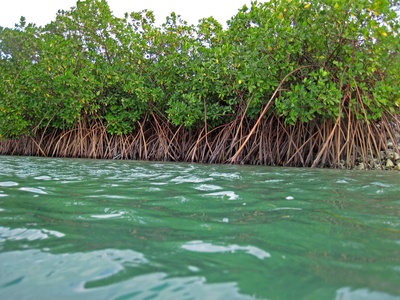
Mangrove tree with distinctive stilt roots found in sheltered bays and lagoons in Barbados; critical as fish nurseries and for coastal defence. Native and a conservation priority for shoreline ecosystems.
Black mangrove
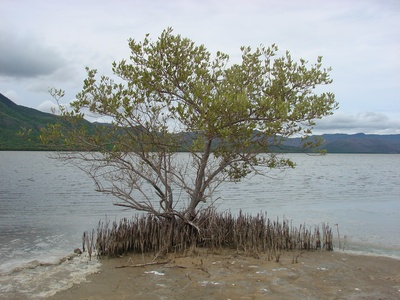
Common mangrove with pencil-like pneumatophores in tidal flats around Barbados; salt-tolerant and important for mudflat ecology and shoreline stability. Native and widespread in mangrove forests.
White mangrove
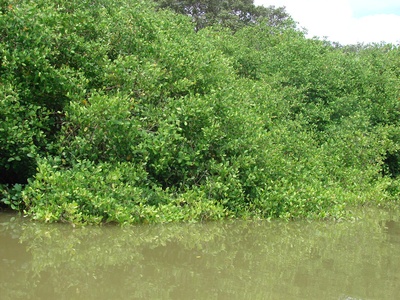
Upper-mangrove species found in Barbados’ coastal swamps and lagoons; helps stabilize shorelines and provides bird habitat. Native and often joins red and black mangroves in mixed stands.
Sea hibiscus
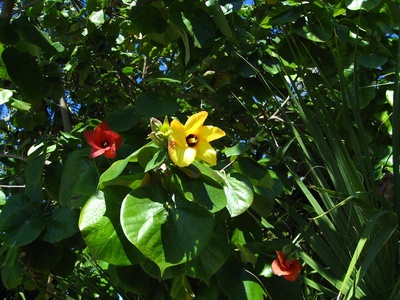
Coastal tree with yellow hibiscus-like flowers found on shores and in road verge plantings; used for shade and traditional cordage. Pantropical and naturalized in Barbados’ coastal landscapes.
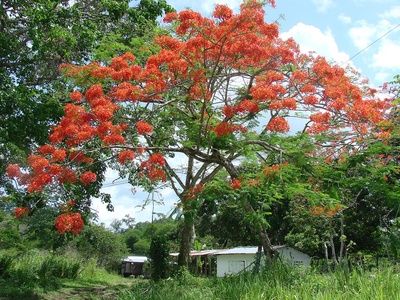
Flamboyant
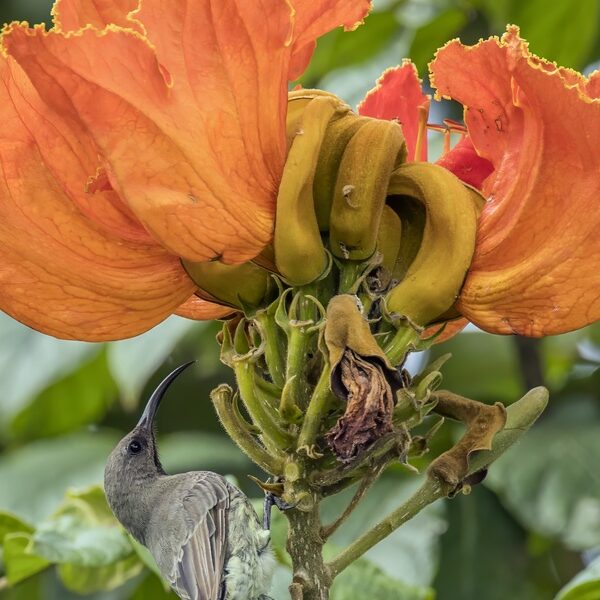
Striking ornamental tree with fiery red-orange flowers; common in parks, streets and gardens across Barbados for dramatic summer displays. Native to Madagascar and widely planted for shade and spectacle.
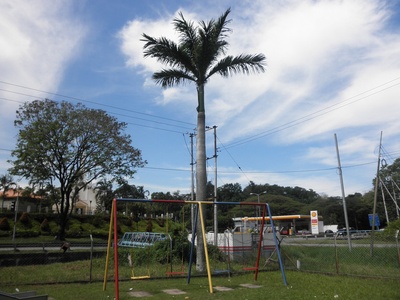
Royal palm
Tall stately palm planted along avenues, resorts and gardens in Barbados; provides elegant skyline and shade. Valued as an ornamental though not naturally widespread on the island.
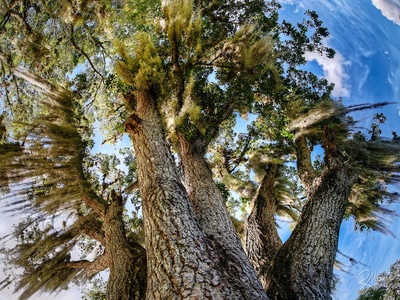
Mahogany
Large canopy tree planted in parks and estates for shade and historically prized timber. Native to the Caribbean region but present in Barbados largely as planted specimens.
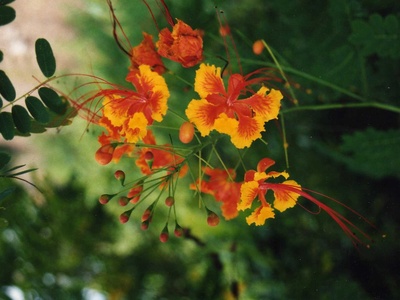
Pride of Barbados
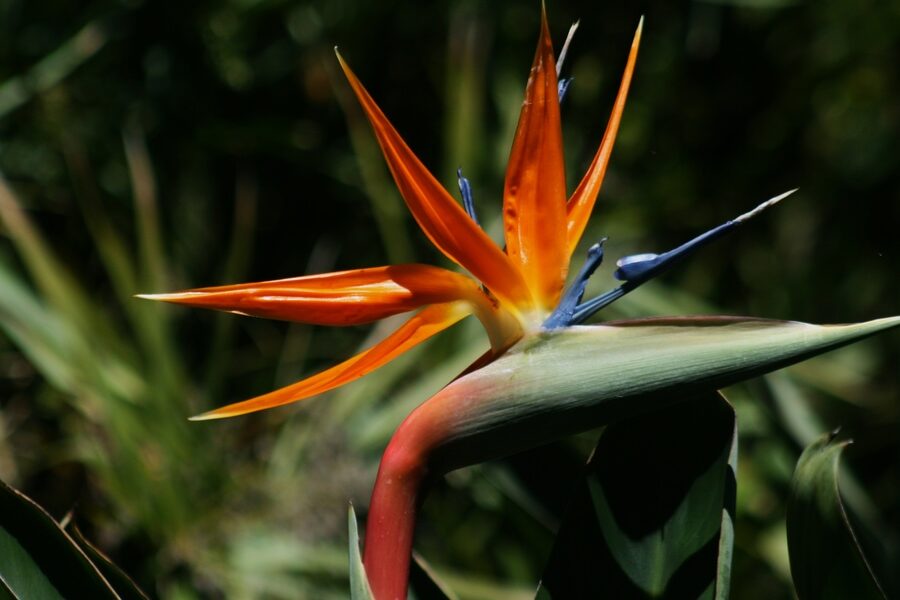
Bright red-orange flowering shrub known locally as the Pride of Barbados and often seen in gardens and roadsides. Valued for colour and as a national emblem; widely cultivated.
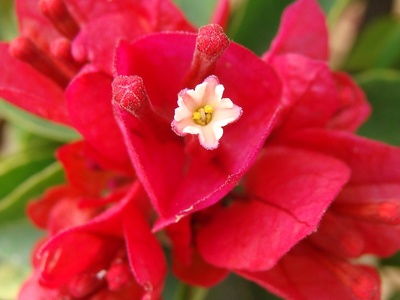
Bougainvillea
Vigorous flowering vine or shrub used on walls, fences and hedges across Barbados; brilliant bracts in many colours attract attention. Introduced ornamental now common in cultivated landscapes.
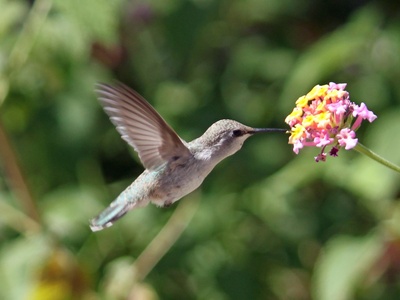
Lantana
Hardy, often invasive shrub on roadsides, disturbed sites and gardens with multi-coloured flower clusters that attract butterflies. Introduced and capable of displacing native vegetation if unmanaged.
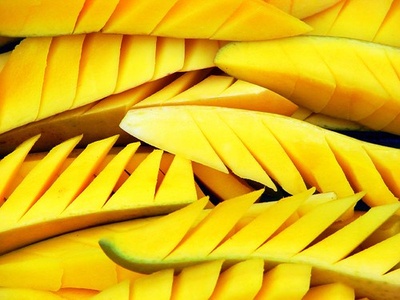
Mango
Beloved backyard and street tree across Barbados, producing sweet mangos for fresh eating and cooking. Introduced from Asia centuries ago and now naturalized in many areas.
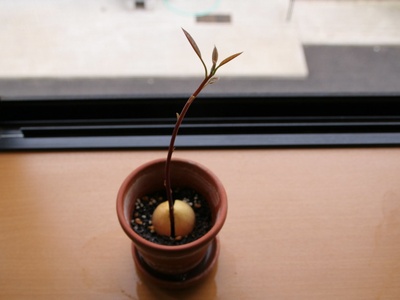
Avocado
Common home garden fruit tree found island-wide in Barbados, grown for rich, creamy avocados. Introduced from the Americas’ mainland and a staple of local diets.
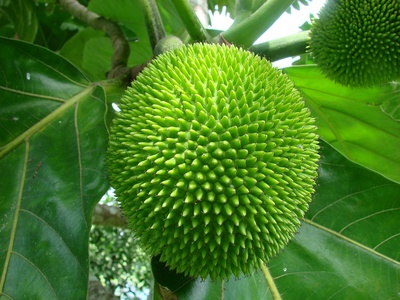
Breadfruit
Large, shade-giving tree planted in gardens and old estates; provides starchy fruit used in traditional Caribbean cooking. Originated in the Pacific but long-established and valued in Barbados.
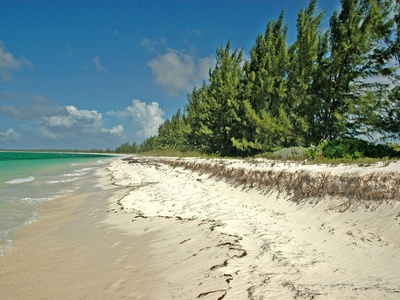
Casuarina (Australian pine)
Pine-like coastal tree often planted for windbreaks and erosion control but recognised as invasive; seen along coasts and roadsides. Native to Australasia, now widespread in Barbados.
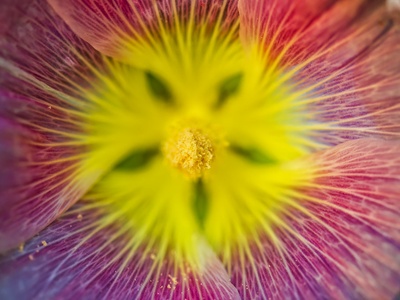
Hibiscus
Popular ornamental shrub with large colourful flowers found in yards, parks and public gardens across Barbados. Widely planted for beauty and hedging; tropical ornamental origin.
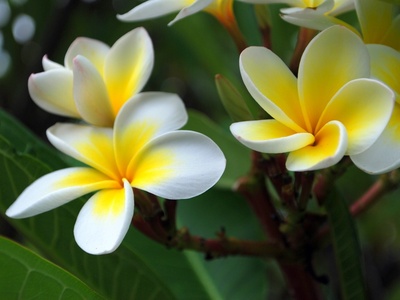
Frangipani
Small fragrant tree often planted in gardens, cemeteries and near homes for its perfume and showy blooms. Neotropical origins and commonly seen throughout Barbados’ cultivated landscapes.
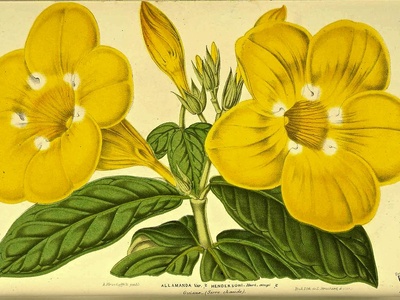
Allamanda
Evergreen shrub or climber with bold yellow trumpet flowers used in hedges and landscaping across Barbados; popular ornamental with glossy foliage.
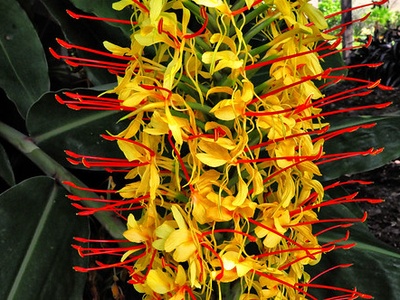
Ginger lily
Scented white ginger with fragrant blooms found in shaded gardens and moist gullies; grown for perfume and traditional uses. Introduced from Asia and naturalized in some spots.
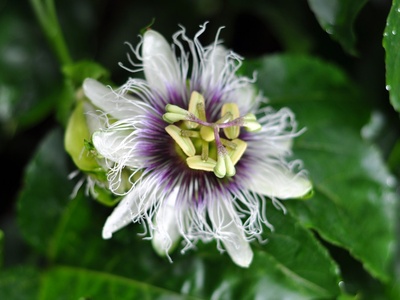
Passionfruit
Climbing vine grown in gardens and small farms for sweet-tart passionfruits; showy flowers attract pollinators. Introduced and commonly cultivated for its fruit.
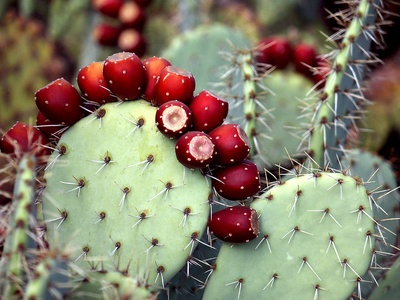
Prickly pear
Drought-tolerant cactus found in dry, rocky areas and used as hedging; pads and fruits are edible. Introduced from Mexico and well adapted to dry sites in Barbados.
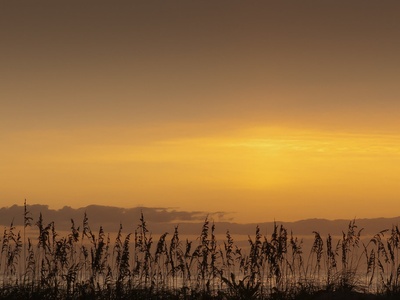
Sea oats
Tufted dune grass that stabilizes sand dunes along Barbados’ beaches; essential for coastal erosion control and habitat. Native and a key species for beach conservation.
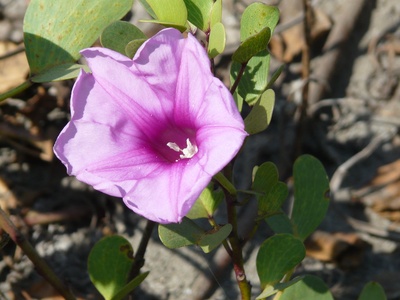
Beach morning glory
Creeping vine with purple flowers that carpets and stabilizes dunes and sandy beaches in Barbados; highly salt- and wind-tolerant and vital for dune health.
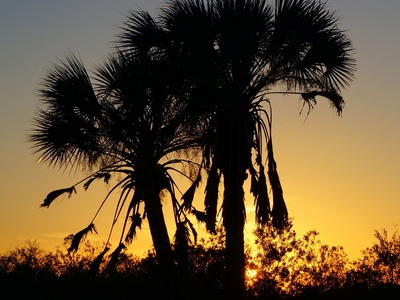
Sabal palm
Fan palm often planted in streets and gardens for a stately tropical look; used ornamentally across Barbados and tolerant of coastal conditions.
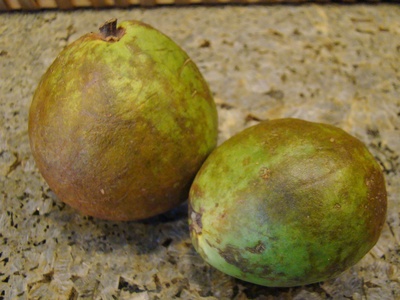
Guava
Common small tree or shrub in backyards and hedges producing sweet guavas for eating and preserves; naturalized in disturbed areas. Introduced and widely used locally.
Allspice (Pimento)
Aromatic tree producing allspice berries used in Caribbean cooking; planted in home gardens and small orchards across Barbados. Native to the Caribbean and prized as a spice.
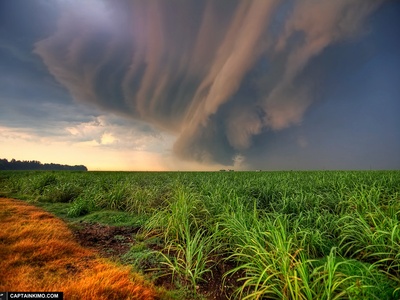
Sugarcane
Tall perennial grass historically central to Barbados’ economy; still seen in agricultural plots and cultural landscapes. Cultivated crop, historically transformative to the island.
Kapok/ceiba
Massive, buttressed tree often seen in parks and older properties; showy flowers and cultural prominence. Native to tropical Americas and planted as landmark specimens in Barbados.
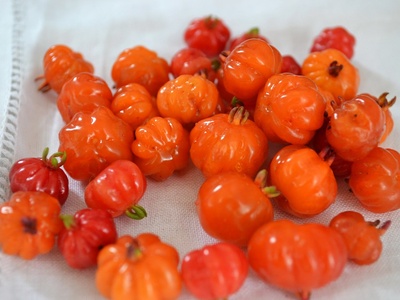
Surinam cherry
Shrubby fruit tree producing tart red-orange fruits used in jams and eaten fresh; common in gardens and as a naturalized shrub. Introduced and bird-attracting.
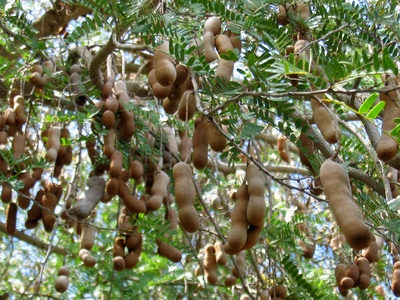
Tamarind
Large tree grown for tangy tamarind pods used in cooking and drinks; common in village yards and farms across Barbados. Origin in Africa/Asia and widely planted.
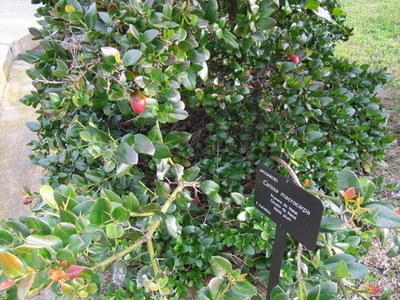
Carissa (Natal plum)
Dense, spiny shrub used as privacy hedging and coastal ornamentals with edible dark red fruits; tolerant of salt and wind and common in gardens.
Pigeon pea
Shrubby legume grown in small plots and home gardens for protein-rich peas and as a soil-improving crop; flowers attract pollinators. Introduced and widely used agriculturally.
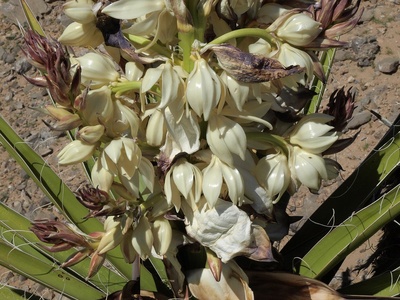
Spanish bayonet (Yucca)
Architectural spiky shrub planted in dry gardens and boundaries; drought-tolerant and often used as a security hedge. Introduced from the Americas and common in arid landscape spots.
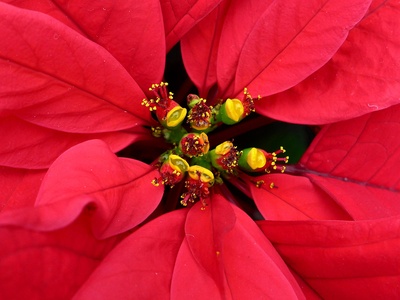
Poinsettia
Common ornamental shrub grown for bright red bracts, especially in festive plantings and gardens in Barbados; cultivated for colour and containers.
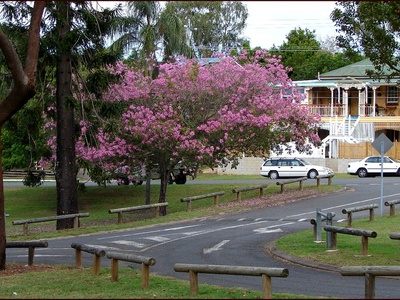
Tabebuia (Trumpet tree)
Showy flowering tree with pink-to-white trumpets often planted in streets and parks for spring displays. Caribbean-native genus, used widely as an ornamental on the island.
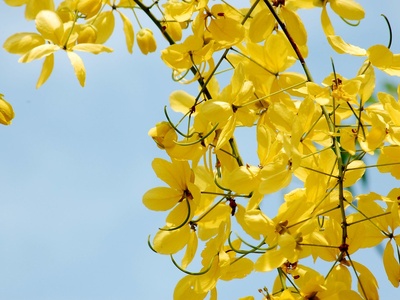
Golden shower tree
Large ornamental with hanging cascades of yellow flowers in late spring; planted in parks and large gardens for dramatic bloom displays. Introduced from South Asia and popular in landscaping.
Neem
Fast-growing tree planted in yards and along roads for shade and traditional pest-repellent uses; tolerant of poor soils. Introduced from South Asia and used medicinally and ornamentally.
Spanish lime (Mamoncillo)
Fruit tree producing tangy sweet green fruit popular locally; planted in backyards and small orchards. Introduced from northern South America and well-liked for fresh eating.
Cocoplum
Coastal shrub used in hedges and dune planting with edible pale fruits; tolerant of salt spray and sand, common along shores and roadsides in Barbados.
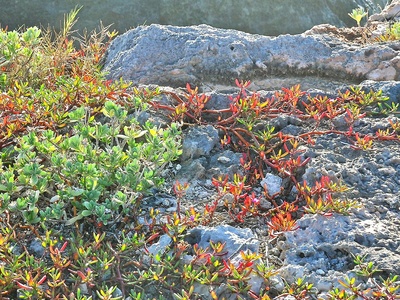
Sea purslane
Prostrate succulent groundcover on sandy beaches and salt flats in Barbados; salt- and drought-tolerant and important for dune stabilization and habitat.
White stopper
Evergreen coastal tree or shrub found in windward thickets and gardens; fragrant foliage, native to the Caribbean and useful for hedging and wildlife habitat.
Spanish stopper (Eugenia foetida)
Dense coastal shrub or small tree along Barbados’ coasts and dry forests; used for hedges and supports local wildlife. Native and common in wind-swept sites.
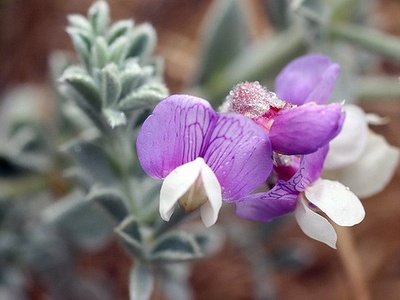
Beach pea
Low trailing legume along beaches and dunes in Barbados, fixing nitrogen and stabilizing sand; produces pea-like pods and supports coastal ecosystems.
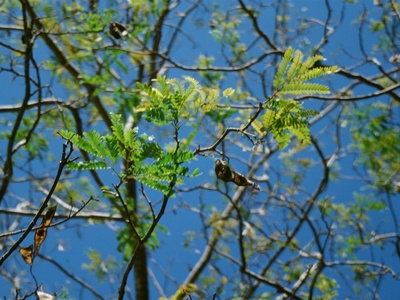
Wild tamarind (Lysiloma latisiliquum)
Small to medium tree occasionally seen in dry areas and roadside plantings, providing light canopy and pods eaten by livestock. Native to the region and present in Barbados’ landscapes.
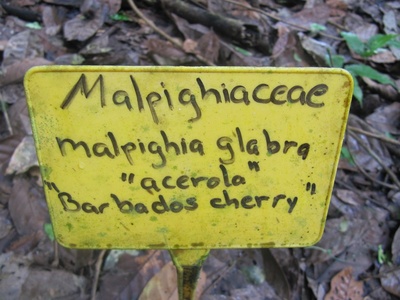
Barbados cherry
Small shrub delivering vitamin-C-rich red cherries used in jams and drinks; planted in gardens and small orchards. Widely cultivated across the Caribbean, including Barbados.
Cocoplum (alternate)
Versatile coastal shrub used for low hedging and dune planting on Barbados’ beaches; salt-tolerant with edible fruits enjoyed by people and birds.
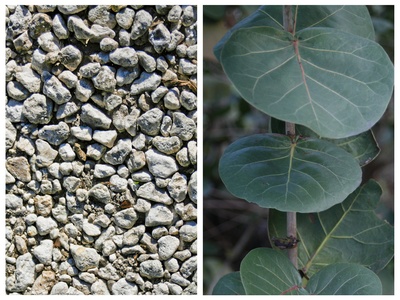
Sea grape (alternate)
Robust beach tree that stabilizes dunes, supplies shade and fruit; commonly visible on Barbados’ shorelines and parks and important for coastal resilience.