Mozambique’s long coastline, miombo woodlands and riverine plains support a rich mix of plants adapted to sandy shores, seasonally wet soils and dry plateaus. Local climate gradients and varied soils mean you’ll find both widespread savanna species and more restricted coastal or forest plants.
There are 49 Plants of Mozambique, ranging from African cherry to Winter thorn. Each entry is organized with Scientific name, Habitat & distribution, Typical height (m) so you can compare identity, range and size — you’ll find below.
How can I use this list to identify plants in the field?
Start by narrowing possibilities with habitat and typical height, then match the Scientific name to photos or local guides. If you have a specimen, note leaf shape, bark and fruiting features and compare them to the entries; taking GPS and a clear photo speeds up identification.
Are any of these species protected or at risk in Mozambique?
Some species on the list are regionally threatened, especially those tied to coastal forests or rare wetlands. Check the IUCN Red List and Mozambique’s conservation listings for status, and avoid collecting protected plants without permits.
Plants of Mozambique
| Common name | Scientific name | Habitat & distribution | Typical height (m) |
|---|---|---|---|
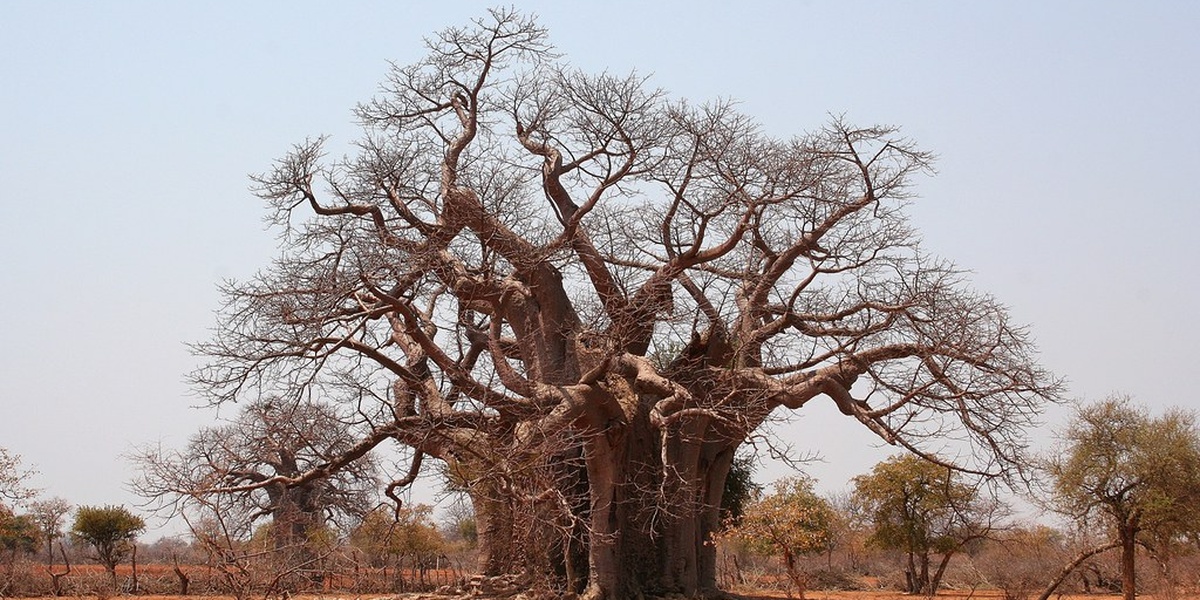
| Baobab | Adansonia digitata | Dry woodland and savanna; widespread, northern and central provinces | 10 |
| Mopane | Colophospermum mopane | Hot lowland woodlands; widespread from Niassa to Gaza | 8 |
| Miombo (Brachystegia) | Brachystegia spiciformis | Miombo woodland; central and northern highlands (Tete, Zambezia) | 15 |
| Miombo (Julbernardia) | Julbernardia globiflora | Miombo woodland; widespread central and northern provinces | 15 |
| Bloodwood | Pterocarpus angolensis | Woodland and savanna; widespread provinces | 12 |
| Pod mahogany | Afzelia quanzensis | Riverine and dry woodlands; widespread | 18 |
| Marula | Sclerocarya birrea | Dry woodlands and savanna; widespread, common in central regions | 8 |
| Leadwood | Combretum imberbe | Dry deciduous woodlands; central and southern provinces | 10 |
| Fever tree | Vachellia xanthophloea | Riverine/swampy areas along rivers and lakes; coastal lowlands | 10 |
| Raphia palm | Raphia australis | Coastal swamps and river valleys; southern provinces (Inhambane, Maputo) | 10 |
| Wild date palm | Phoenix reclinata | Riverbanks, woodlands and coastal thickets; widespread | 8 |
| Red mangrove | Rhizophora mucronata | Coastal estuaries and lagoons; along Mozambique coast | 10 |
| Grey mangrove | Avicennia marina | Mudflats and saline shores; widespread coast | 8 |
| Spurred mangrove | Ceriops tagal | Upper intertidal zones in estuaries; central and northern coast | 8 |
| Orange mangrove | Bruguiera gymnorhiza | Sheltered estuaries and bays; select coastal zones | 10 |
| Mangrove apple | Sonneratia alba | Fringe of mangrove forests and estuary margins; northern and central coast | 10 |
| Tropical almond | Terminalia catappa | Coastal strand and urban planting; widespread on shores | 15 |
| Australian pine | Casuarina equisetifolia | Coastal dunes and beaches; naturalized along coasts | 20 |
| Mesquite | Prosopis juliflora | Dry disturbed lands and lowveld; widespread invasive, especially south | 8 |
| Lantana | Lantana camara | Disturbed areas, roadsides and forest edges; widespread invasive | 2 |
| Prickly pear | Opuntia stricta | Coastal scrub and drylands; scattered naturalized populations | 3 |
| River red gum | Eucalyptus camaldulensis | Planted along waterways and floodplains; naturalized areas | 20 |
| Spiny monkey-orange | Strychnos spinosa | Woodland and savanna; widespread in lowland areas | 7 |
| Jackalberry | Diospyros mespiliformis | Riverine forests and savanna; widespread along rivers | 20 |
| Winter thorn | Faidherbia albida | Floodplains and riverbanks, especially Zambezi valley | 12 |
| Silver cluster-leaf | Terminalia sericea | Sandy soils, dry woodlands and dune thickets; widespread | 6 |
| Red bushwillow | Combretum apiculatum | Savanna and open woodland; widespread lowlands | 6 |
| Sea hibiscus | Hibiscus tiliaceus | Coastal strand, estuaries and river mouths; widespread | 6 |
| Buffalo thorn | Ziziphus mucronata | Savanna and woodland; widespread throughout Mozambique | 5 |
| Knobthorn | Senegalia nigrescens | Woodland and savanna; common in central regions | 10 |
| Umbrella thorn | Vachellia tortilis | Dry savanna and open plains; northern and central lowlands | 8 |
| Papyrus | Cyperus papyrus | Freshwater swamps, marshes and river edges; Zambezi delta and north | 3 |
| White waterlily | Nymphaea lotus | Still freshwater ponds and slow rivers; widespread wetlands | 0.50 |
| Mountain aloe | Aloe marlothii | Rocky hillsides and dry slopes; southern and central highlands | 2 |
| Sycamore fig | Ficus sycomorus | Riverine and valley forests; widespread along waterways | 20 |
| Wild fig | Ficus thonningii | Woodlands, riverine areas and gallery forests; widespread | 15 |
| Mango | Mangifera indica | Cultivated and naturalized in lowland and coastal regions | 10 |
| Doum palm | Hyphaene petersiana | Drier riverine fringes and open savanna; northern and central provinces | 8 |
| Sausage tree | Kigelia africana | Riverbanks, woodlands and seasonal floodplains; widespread | 15 |
| Camel’s foot | Piliostigma thonningii | Savanna and open woodland; widespread in lowlands | 8 |
| Forest acacia | Vachellia robusta | Coastal and riverine forests; northern and central coastal zones | 18 |
| Coral tree | Erythrina caffra | Riverine fringes, forest edges and savanna; widespread | 10 |
| Pepper-bark tree | Warburgia salutaris | Moist forests and montane woodlands; scattered, threatened | 8 |
| African cherry | Prunus africana | Montane and cloud forests (highlands); Chimanimani region and northern mountains | 15 |
| Waterberry | Syzygium cordatum | Riverbanks, swamps and floodplains; widespread along waterways | 12 |
| Kikuyu grass | Pennisetum clandestinum | Lawns, pastures and disturbed ground; widespread naturalized | 0.15 |
| Cat’s tail grass | Imperata cylindrica | Disturbed grasslands and roadsides; scattered invasive stands | 0.80 |
| Wild dagga | Leonotis leonurus | Woodland edges, roadsides and disturbed ground; widespread in lowlands | 2 |
| Sausage tree (alternate) | Kigelia africana | See above | 15 |
Images and Descriptions
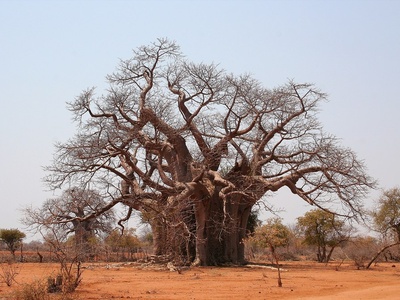
Baobab
Huge bottle-shaped trunk, silvery bark and seasonal leaves; produces tart, vitamin-rich fruit. Iconic in savannas, culturally important, often centuries old and vital for wildlife. Native.

Mopane
Dense, butterfly-shaped leaflets and rugged bark define mopane trees forming extensive woodlands. Valuable for timber, charcoal and mopane worms (a local food). Native and dominant in lowland plains.
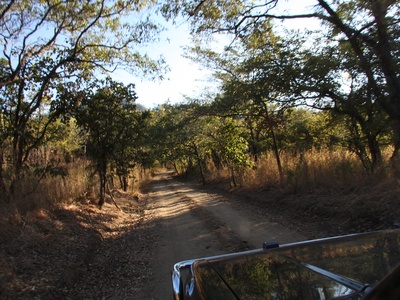
Miombo (Brachystegia)
Large canopy tree with feathery leaves; dominant in miombo woodlands. Important for timber, soil fertility (leaf litter) and wildlife habitat. Native and widespread.
Miombo (Julbernardia)
Straight-trunked tree with smooth bark and pinnate leaves; forms vast miombo belts. Provides timber, honey sources, and supports diverse savanna fauna. Native.
Bloodwood
Reddish heartwood yields quality timber called “bloodwood.” Distinctive pinnate leaves and bright yellow flowers; used for furniture and traditional medicine. Native and ecologically significant.
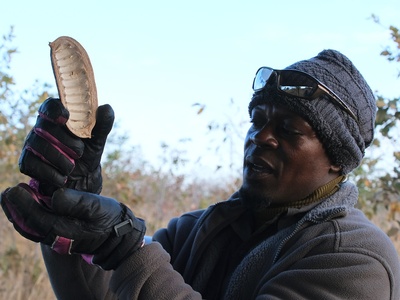
Pod mahogany
Massive buttressed tree with hard, dense timber prized for furniture. Compound leaves and fragrant flowers; populations have been reduced by logging. Native.
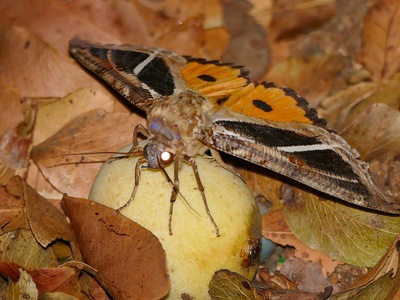
Marula
Medium tree with flaky bark and fleshy yellow fruit used for food and liquor. Important for wildlife and local economies. Native and drought-tolerant.
Leadwood
Very dense, slow-growing tree with rough bark and hard timber. Iconic in dry woodlands, valued for charcoal and longevity. Native and conservation-important.
Fever tree
Striking yellow-green trunk and feathery foliage, often lining wetlands. Visually distinctive and associated with seasonal waterlogged soils. Native.
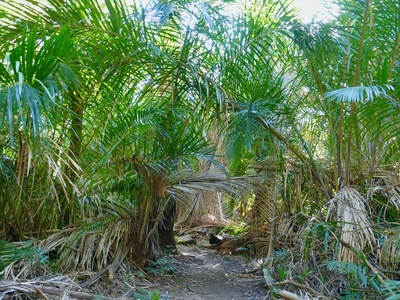
Raphia palm
Huge pinnate fronds arising from a short trunk; leaves used for weaving and local crafts. Restricted coastal distribution, iconic in swampy habitats. Native.
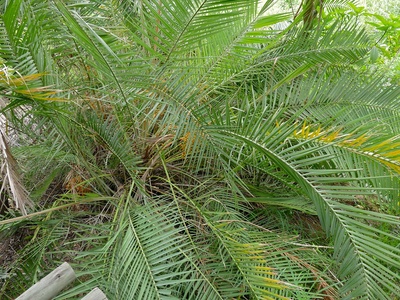
Wild date palm
Clustering palm with feathery leaves and orange fruit eaten by birds. Common along waterways and in forests; used locally for weaving and shade. Native.
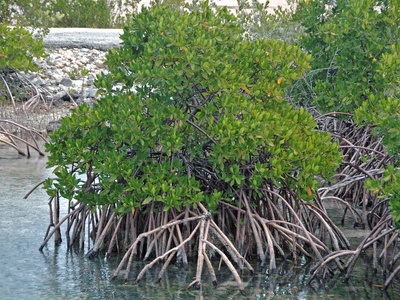
Red mangrove
Stilt-rooted mangrove forming dense shoreline forests. Protects coasts from erosion, nursery for fish and shellfish. Salt-tolerant and widespread. Native.
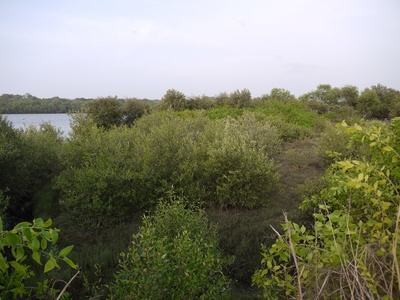
Grey mangrove
Pale, salt-excreting leaves and pencil-like pneumatophores. Tolerant of high salinity, forms extensive stands protecting coasts and supporting fisheries. Native.
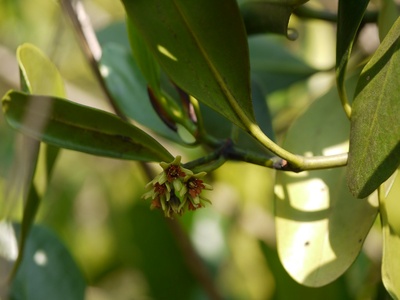
Spurred mangrove
Small to medium mangrove with buttressed roots. Common in sheltered estuaries, important for shoreline stability and local fisheries. Native.
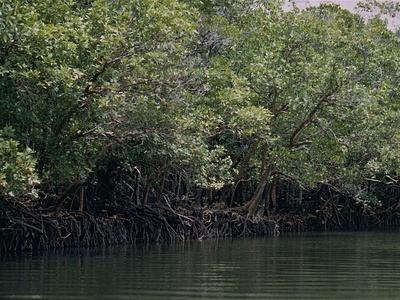
Orange mangrove
Buttressed roots and glossy leaves; forms dense stands in protected estuaries. Key for coastal protection and biodiversity. Native.
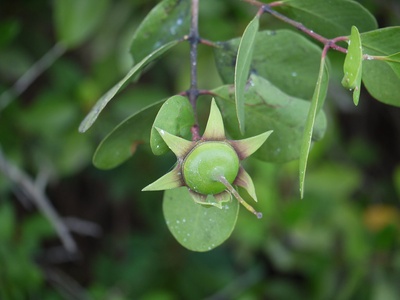
Mangrove apple
Large mangrove with distinctive open crown and showy flowers visited by pollinators. Important pioneer species in estuarine colonization. Native.
Tropical almond
Broad, spreading tree with tiered branches and edible nuts. Commonly planted for shade along beaches and promenades; naturalized on many coasts. Introduced but widespread.
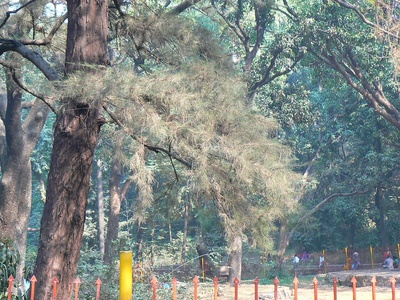
Australian pine
Needle-like branchlets and cone-like fruit; used in coastal stabilization but invasive in places, displacing native strand vegetation. Introduced and naturalized.
Mesquite
Tough thorny shrub-tree that forms dense stands, outcompeting natives. Produces pods eaten by livestock but is highly invasive and alters soils. Introduced invasive.
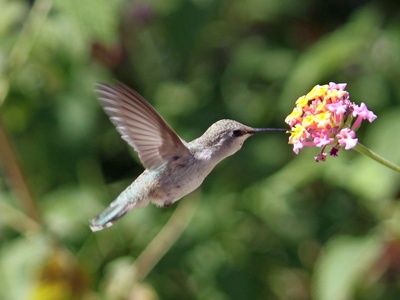
Lantana
Dense, aromatic shrub with clusters of colorful flowers. Forms impenetrable thickets, toxic to livestock and problems for native plant regeneration. Introduced and invasive.
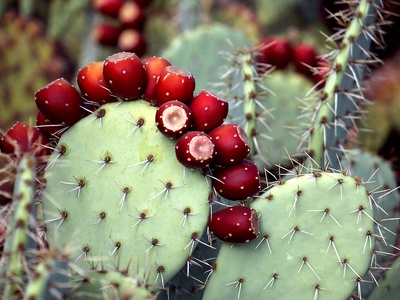
Prickly pear
Sprawling cactus with flat pads and edible yet invasive fruits. Forms dense colonies on disturbed soils, difficult to eradicate. Introduced and invasive.
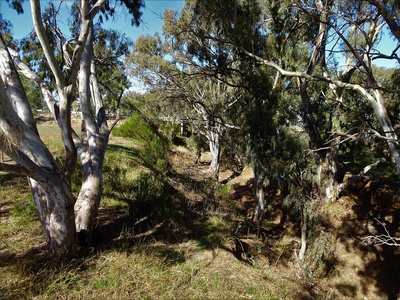
River red gum
Tall eucalyptus used in plantations and riverbank stabilization. Fast-growing and widely planted; can alter water regimes. Introduced and naturalized.
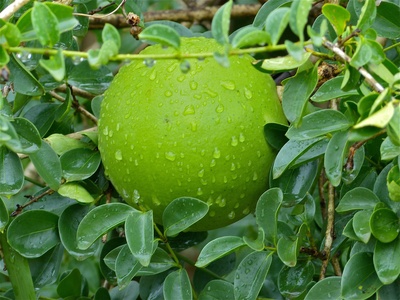
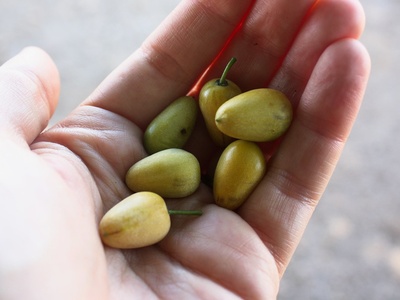
Spiny monkey-orange
Spiny tree with large round orange fruits eaten by people and wildlife. Attractive flowers and ornate fruit make it notable; native.
Jackalberry
Tall fig-like tree with glossy leaves and sweet fruit. Important shade tree and food source for animals and people; prized timber. Native.
Winter thorn
Unique leafing pattern (leafless in rainy season), fixes nitrogen and improves soils. Valued by agroforestry and pastoralists. Native and beneficial.
Silver cluster-leaf
Small tree with silvery undersides to leaves and clusters of seed capsules. Hardy on poor soils, used for fuelwood and erosion control. Native.
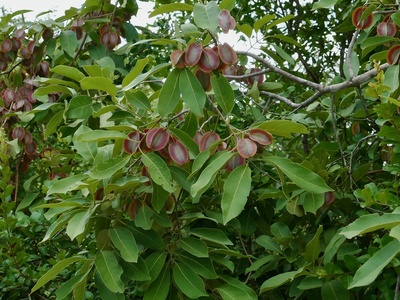
Red bushwillow
Coastal-looking leaves and profuse autumn flowers and fruits. Common savanna shrub-tree providing browse and traditional uses. Native.
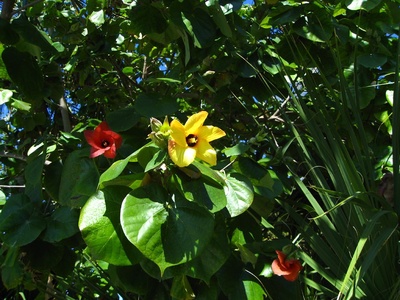
Sea hibiscus
Large shrub or small tree with heart-shaped leaves and yellow hibiscus flowers. Salt-tolerant, often seen along beaches and mangrove edges. Native or long-naturalized.
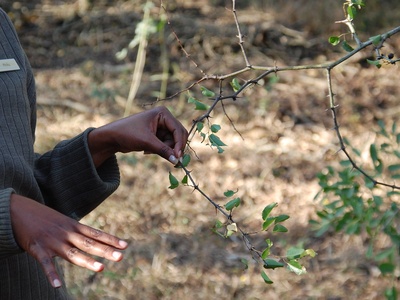
Buffalo thorn
Spiny shrub-tree with glossy leaves and edible yellow fruits. Important for livestock browse, traditional medicine and wildlife. Native.
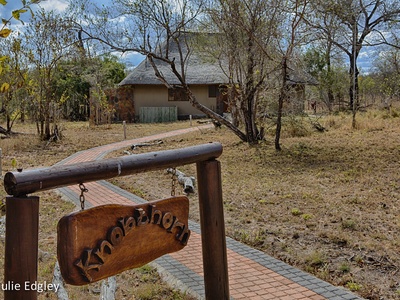
Knobthorn
Robust thorny tree with broad crown and small pinnate leaves. Produces pale pods eaten by animals and used locally. Native and widespread.
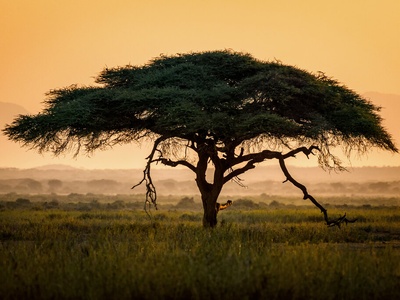
Umbrella thorn
Flat-topped canopy typical of arid savannas, thorny and drought-resilient. Provides shade and forage; iconic savanna profile. Native.

Papyrus
Tall sedge with tufted umbrella-like flower heads. Forms dense reedbeds important for wetlands, historically used for papermaking. Native.
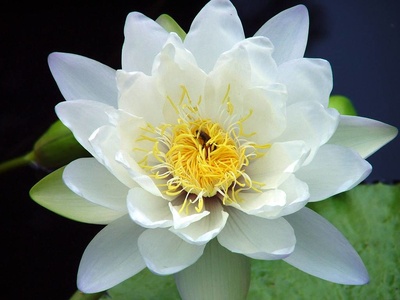
White waterlily
Floating round leaves and white star-like flowers on water surfaces. Common in shallow pools and wetlands, providing habitat and aesthetic interest. Native.
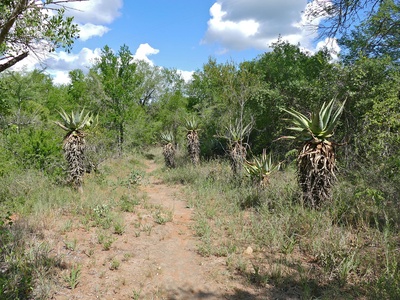
Mountain aloe
Robust rosette succulent with tall red flower spikes attractive to sunbirds. Used medicinally and for fencing. Native succulent of rocky country.
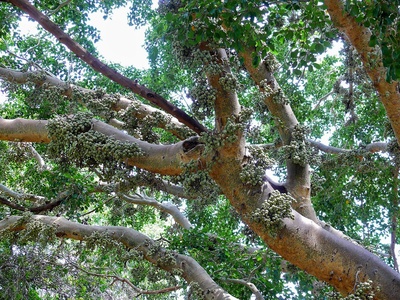
Sycamore fig
Massive spreading fig with sugary figs eaten by people and animals. Often central in villages and riverside groves; important keystone species. Native.
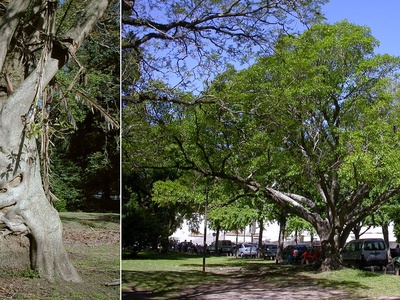
Wild fig
Large fig with buttressed roots and year-round fruiting that supports birds and mammals. Common shade and ritual tree. Native.
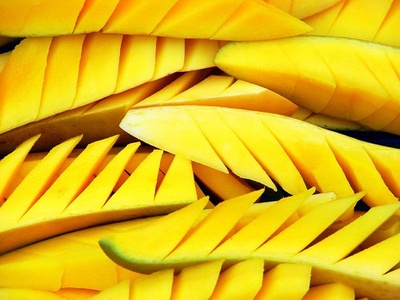
Mango
Beloved fruit tree cultivated throughout Mozambique; large evergreen foliage and juicy fruits. Often naturalized near settlements and farms. Introduced but widespread.
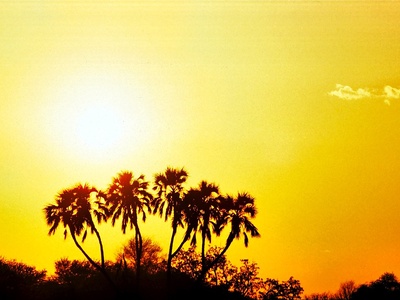
Doum palm
Branching palm with fan-like leaves and edible fibrous fruits. Used for weaving and local crafts; distinctive multi-stemmed habit. Native.
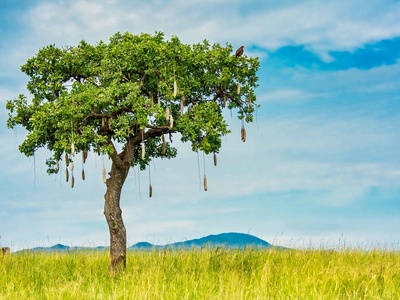
Sausage tree
Striking tree with huge sausage-shaped fruits and showy bell flowers. Fruits used medicinally and culturally; attracts bats and birds. Native.
Camel’s foot
Small to medium tree with flattened pods and compound leaves. Often used as shade and fodder tree; tolerated in arid landscapes. Native.
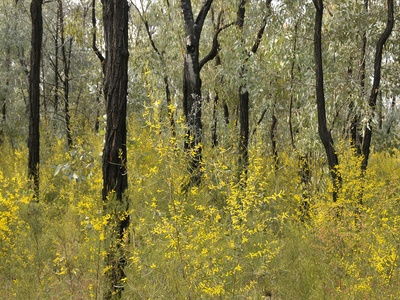
Forest acacia
Tall thorny tree with umbrella crown and pale bark. Common in coastal forests and used for timber and shade. Native.
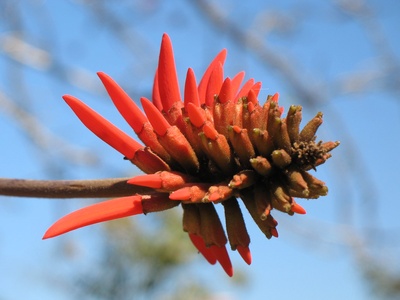
Coral tree
Showy red pea-like flowers that attract birds; stout spines on trunk. Often planted as ornamental and shade tree; native or naturalized.
Pepper-bark tree
Aromatic bark used medicinally; glossy leaves and small flowers. Over-harvested and conservation concern in some areas. Native and valued.
African cherry
Tall tree with flaky bark; bark harvested for medicinal products. Occurs in montane forest patches and is conservation-sensitive. Native.
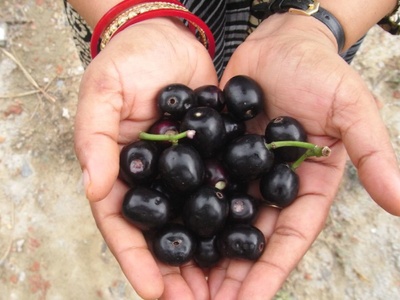
Waterberry
Smooth-barked tree with clusters of sweet purple berries eaten by people and wildlife. Important riparian species for shade and food. Native.
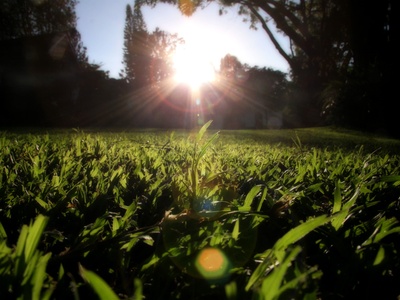
Kikuyu grass
Aggressive, mat-forming grass used for pastures and erosion control. Spreads rapidly outcompeting natives, commonly found near settlements. Introduced and naturalized.
Cat’s tail grass
Tall perennial grass with silvery seed heads, forms dense clumps. Invasive in disturbed sites and reduces biodiversity. Introduced/naturalized.
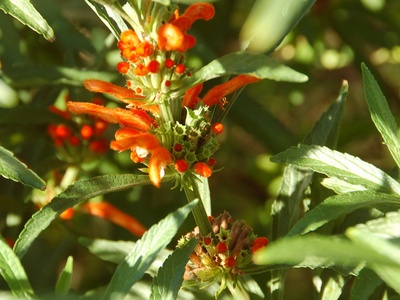
Wild dagga
Aromatic shrub with tiered whorls of bright orange flowers favored by pollinators. Used traditionally and in gardens; tolerant of poor soils. Native.
Sausage tree (alternate)
See above: large riverine tree with iconic sausage fruits, important culturally and ecologically. Native.