Thailand’s variety of climates and habitats — from coastal mangroves and fertile central plains to montane forests in the north — supports a wide array of native and introduced plant life that shapes local livelihoods and landscapes.
There are 46 Plants of Thailand, ranging from Areca palm to Yang Na. Each entry is organized with Scientific name,Family,Occurrence & habitat so you can quickly see identification, family ties and typical environments — you’ll find below.
How can I use this list to recognize plants in the wild?
Use the Scientific name,Family,Occurrence & habitat columns to narrow possibilities by where you are and which plant family traits to look for; start by matching habitat and leaf/flower descriptions, then confirm with photos or a regional field guide before assuming identification.
Are any species on the list protected or considered invasive?
Some species may be legally protected or locally rare, while others can be widespread or invasive; check regional conservation lists or the Department of National Parks, Wildlife and Plant Conservation for protection status and local invasive species advisories.
Plants of Thailand
| Common name | Scientific name | Family | Occurrence & habitat |
|---|---|---|---|
| Rice | Oryza sativa | Poaceae | Cultivated across central plains, wet paddy fields |
| Teak | Tectona grandis | Lamiaceae | Native deciduous forests, central and north Thailand |
| Dipterocarp | Dipterocarpus alatus | Dipterocarpaceae | Native lowland evergreen and peat forests |
| Yang Na | Hopea odorata | Dipterocarpaceae | Native mixed evergreen forests, central plains |
| Siamese rosewood | Dalbergia cochinchinensis | Fabaceae | Native dry and deciduous forests, NE Thailand |
| Padauk | Pterocarpus macrocarpus | Fabaceae | Native deciduous forests, central and NE regions |
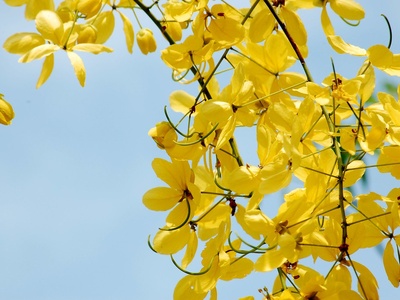
| Golden Shower | Cassia fistula | Fabaceae | Widely cultivated, parks and roadsides nationwide |
| Mango | Mangifera indica | Anacardiaceae | Cultivated orchards nationwide, native tropical regions |
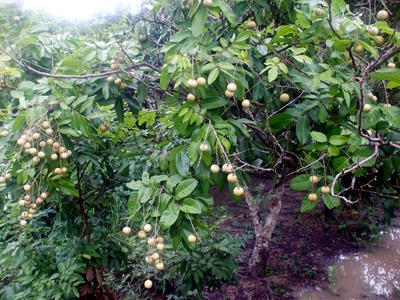
| Longan | Dimocarpus longan | Sapindaceae | Cultivated orchards, central and northern Thailand |
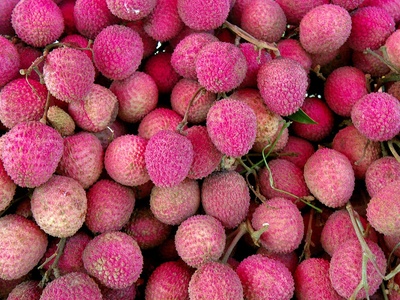
| Lychee | Litchi chinensis | Sapindaceae | Cultivated in north and northeast |
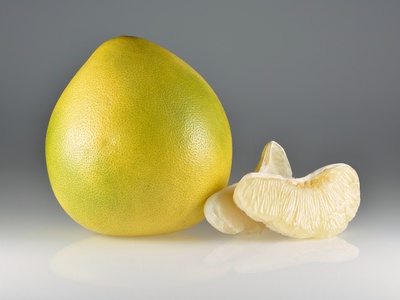
| Pomelo | Citrus maxima | Rutaceae | Cultivated in south and central provinces |
| Kaffir lime | Citrus hystrix | Rutaceae | Cultivated gardens and markets nationwide |
| Banana | Musa acuminata | Musaceae | Cultivated everywhere, roadside and home gardens |
| Coconut | Cocos nucifera | Arecaceae | Coastal areas and islands, cultivated plantations |
| Areca palm | Areca catechu | Arecaceae | Cultivated and wild in lowlands, south Thailand |
| Durian | Durio zibethinus | Malvaceae | Cultivated orchards in south and central Thailand |
| Rubber | Hevea brasiliensis | Euphorbiaceae | Cultivated plantations in south Thailand |
| Coffee (Robusta) | Coffea canephora | Rubiaceae | Cultivated in northern highlands |
| Tea | Camellia sinensis | Theaceae | Cultivated in northern highlands, cooler slopes |
| Kratom | Mitragyna speciosa | Rubiaceae | Native lowland wet forests, southern Thailand |
| Rafflesia | Rafflesia kerrii | Rafflesiaceae | Endemic to southern Thailand rainforests |
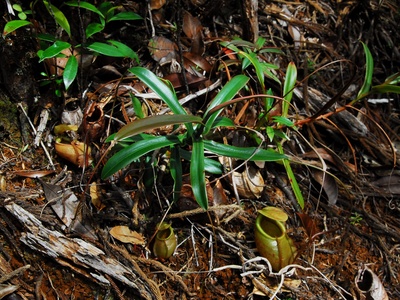
| Pitcher plant | Nepenthes mirabilis | Nepenthaceae | Native wetlands and seasonally wet areas, south and coastal |
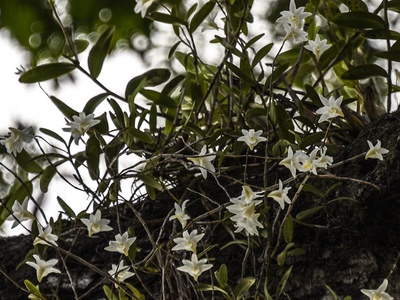
| Pigeon orchid | Dendrobium crumenatum | Orchidaceae | Common epiphyte in lowland towns and forests nationwide |
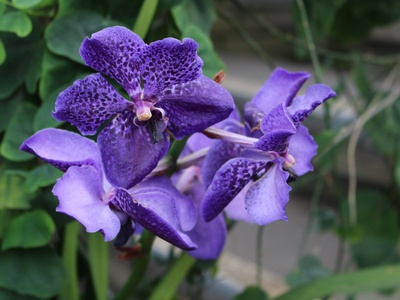
| Blue vanda | Vanda coerulea | Orchidaceae | Epiphytic in dry deciduous forests, northern Thailand |
| Jasmine | Jasminum sambac | Oleaceae | Cultivated gardens and temples nationwide, used in garlands |
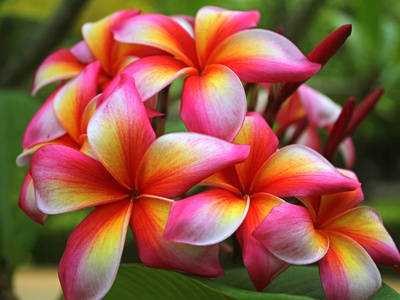
| Frangipani | Plumeria rubra | Apocynaceae | Cultivated temple grounds and gardens nationwide |
| Sacred lotus | Nelumbo nucifera | Nelumbonaceae | Shallow ponds and temple lakes throughout Thailand |
| Water hyacinth | Eichhornia crassipes | Pontederiaceae | Naturalized waterways nationwide, invasive |
| Nipa palm | Nypa fruticans | Arecaceae | Mangrove estuaries and brackish coasts, southern Thailand |
| Red mangrove | Rhizophora mucronata | Rhizophoraceae | Mangrove coasts and estuaries nationwide |
| Avicennia | Avicennia alba | Acanthaceae | Mangrove fringes and muddy coasts nationwide |
| Mangrove apple | Sonneratia alba | Lythraceae | Mangrove estuaries and sheltered coasts |
| Lemongrass | Cymbopogon citratus | Poaceae | Cultivated herb gardens nationwide |
| Galangal | Alpinia galanga | Zingiberaceae | Cultivated and wild in forests, used in cuisine |
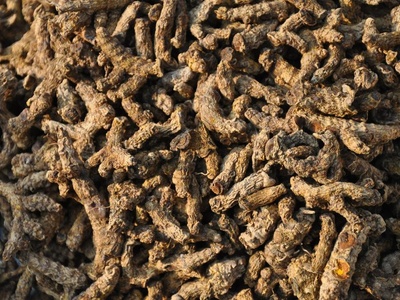
| Turmeric | Curcuma longa | Zingiberaceae | Cultivated in gardens and farms nationwide |
| Ginger | Zingiber officinale | Zingiberaceae | Cultivated widely, kitchen gardens and farms |
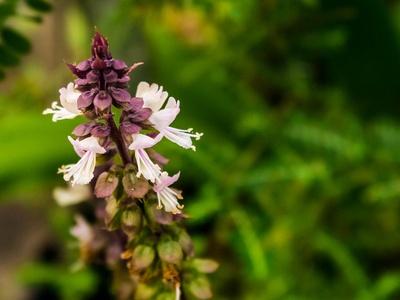
| Holy basil | Ocimum tenuiflorum | Lamiaceae | Cultivated home gardens and temples nationwide |
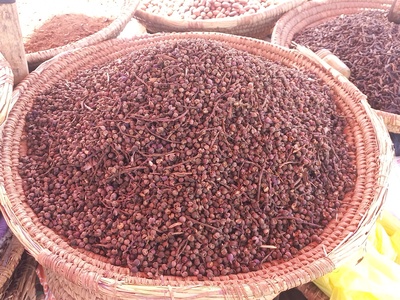
| Black pepper | Piper nigrum | Piperaceae | Cultivated in southern plantations and home plots |
| Rattan | Calamus rotang | Arecaceae | Native in lowland and hill forests, harvested for furniture |
| Giant bamboo | Dendrocalamus asper | Poaceae | Cultivated and wild in lowland and hill forests |
| Tamarind | Tamarindus indica | Fabaceae | Cultivated gardens and orchards nationwide |
| Siam tulip | Curcuma alismatifolia | Zingiberaceae | Seasonal grasslands and shaded gardens, NE Thailand |
| Butterfly pea | Clitoria ternatea | Fabaceae | Cultivated herb gardens, roadsides nationwide |
| Sea almond | Terminalia catappa | Combretaceae | Coastal and urban shade tree, beaches and parks |
| White water lily | Nymphaea lotus | Nymphaeaceae | Ponds, slow-moving canals and temple lakes |
| Neem | Azadirachta indica | Meliaceae | Introduced, cultivated roadside and agroforestry plantings |
Images and Descriptions
Rice
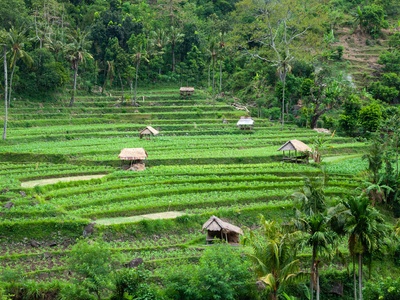
Thailand’s staple cereal grows in flooded paddies and terraces. Varieties range from fragrant jasmine rice to glutinous types; central plains and northeast feature vast paddies. Essential food crop, cultural rituals, and seasonal landscape highlight.

Teak
Large deciduous hardwood prized for durable timber and classic grain. Found in dry deciduous forests and plantations, teak shapes rural economies. Look for broad leaves, papery bark and towering trunks in northern hills and protected forests.

Dipterocarp
A tall emergent tree dominant in lowland evergreen forests; valuable for resin and timber. Produces winged fruits (dipterocarps) and often forms dense canopy in eastern and southern Thailand’s moist forests.

Yang Na
Massive hardwood tree with buttressed trunks found in evergreen forests and old-growth stands. Valued for heavy, durable timber and cultural uses; often found along riverine forests and protected areas.
Siamese rosewood
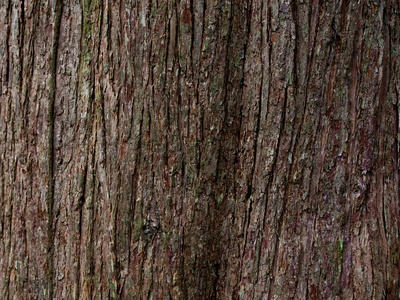
Highly prized for aromatic, richly grained timber used in furniture and instruments. Endangered from overharvest, occurs in dry forests and hills; look for compound leaves and fragrant wood.
Padauk
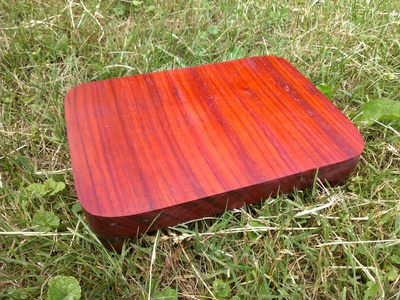
Large deciduous tree with bright yellow spring blossom and valuable red-toned timber. Common in seasonal dry forests and valued for furniture, traditional uses, and striking flowering displays.
Golden Shower
Iconic ornamental with cascading yellow pendulous flowers seen in parks and temple grounds. Popular street and ceremonial tree; produces bean-like pods and is used in traditional medicine.

Mango
Beloved fruit tree producing sweet, aromatic fruits in many cultivars. Grows in home gardens and commercial orchards across Thailand; flowers attract pollinators and fruit features heavily in Thai cuisine and festivals.
Longan
Small tree producing translucent sweet fruit popular fresh and canned. Grown widely in orchards, longan trees have clustered fruits and are economically important exports and local snacks.
Lychee
Fragrant red-skinned fruit with white juicy flesh. Lychee orchards occur in cooler northern zones; popular fresh and preserved, commonly given as gifts and enjoyed seasonally.
Pomelo
Large citrus with thick rind and sweet-tart segments. Grown commercially in southern provinces and backyard orchards; used fresh, in salads and traditional offerings.
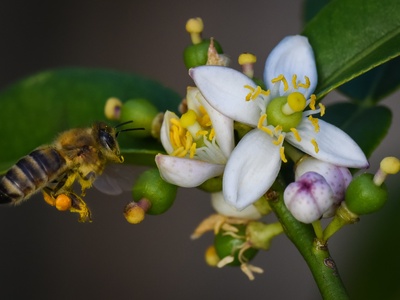
Kaffir lime
Aromatic citrus with distinctive double-lobed leaves and bumpy fruit. Leaf zest and rind are essential in Thai curries and soups; grown in home gardens and small orchards.
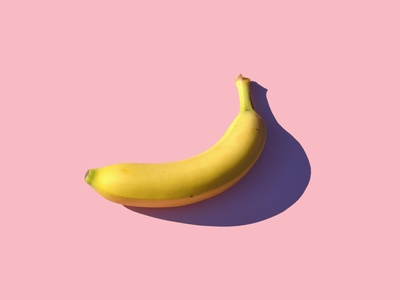
Banana
Versatile herbaceous tree producing clustered hands of fruit; many cultivars used for dessert, cooking, and ceremonial offerings. Widespread in gardens, plantations and wild margins.
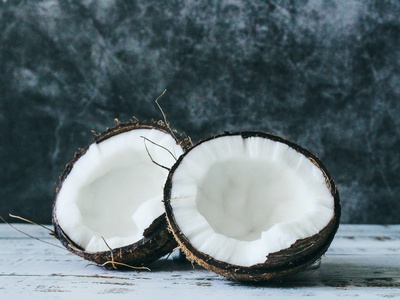
Coconut
Iconic coastal palm with fibrous fruit used for water, oil, milk and wood. Coconuts define island landscapes and beach roadsides; leaves and husks have many traditional uses.
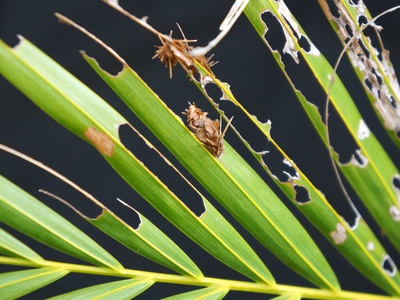
Areca palm
Betel-nut palm grown for chewable areca nut used culturally and socially. Slender trunk and feather-like fronds common in village plantings and lowland groves.

Durian
Famous “king of fruits” with large spiny husk and pungent creamy flesh. Grown commercially across southern and central regions; seasonally celebrated with festivals and prized cultivars.
Rubber
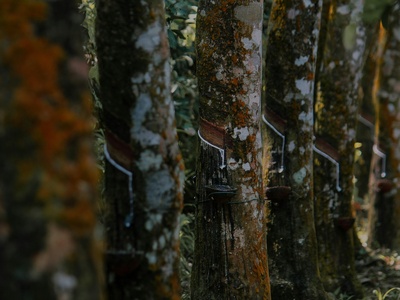
Introduced plantation tree tapped for latex to make natural rubber. Dense plantations dominate southern provinces and have reshaped landscapes and rural economies since the 20th century.

Coffee (Robusta)
Hardy coffee grown at higher elevations, producing robusta beans used in instant and espresso blends. Smallholder plantations and specialty farms appear in Chiang Mai and surrounding highland areas.
Tea
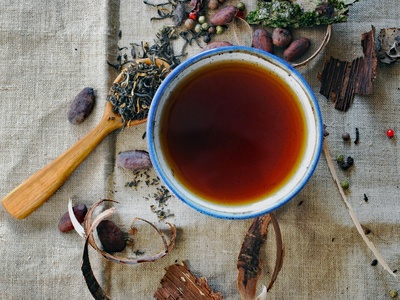
Commercial and smallholder tea gardens dot highland slopes. Produces green, oolong and black teas; attractive evergreen shrubs used in agro-tourism and local economies.
Kratom
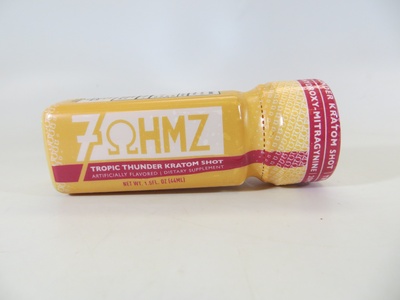
A tropical tree with psychoactive leaves traditionally used for stimulation and pain relief. Grows in humid lowlands and has significant cultural and legal attention due to its effects.
Rafflesia
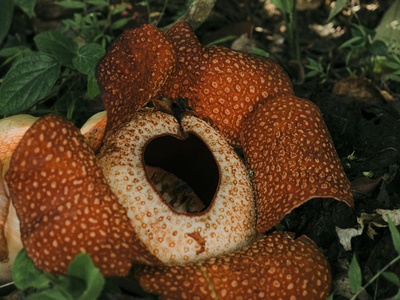
Parasitic plant producing enormous, foul-smelling flowers up to 1 meter across. Lacks leaves or stems; blooms briefly on forest floor and draws ecotourists to protected southern forests.
Pitcher plant
Carnivorous pitcher plant with tubular traps that capture insects. Found in sandy wetlands, open peatlands and disturbed areas; notable for unusual feeding strategy and striking pitchers.
Pigeon orchid
Fragrant white orchids often seen on tree branches and temple grounds after rain. Quick-blooming, popular in gardens and resilient in urban environments.
Blue vanda
Striking blue-violet orchid prized by growers. Epiphytic roots cling to trees in dry deciduous forests and cultivated widely for ornamental trade and horticulture.

Jasmine
Small shrub with intensely fragrant white flowers used for garlands, offerings and perfumes. Common beside homes and in temple compounds; culturally significant scent.
Frangipani
Deciduous ornamental with waxy, fragrant flowers in varied colors. Often planted at temples and cemeteries; branches and blooms feature in traditional ceremonies.
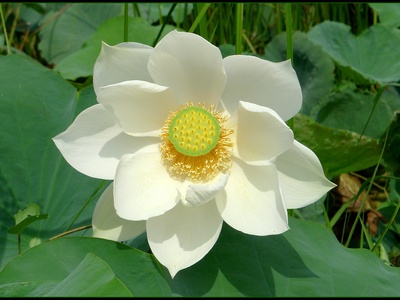
Sacred lotus
Floating aquatic with large round leaves and showy fragrant flowers. Culturally important in art and religion; seeds and roots used in cooking and herbal medicine.
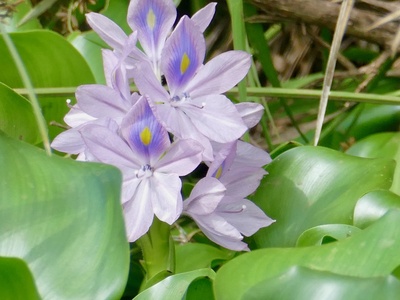
Water hyacinth
Fast-spreading floating plant with purple flowers that clogs canals and rivers. Widely visible on waterways and a focus for control efforts, though used in crafts and compost in some areas.
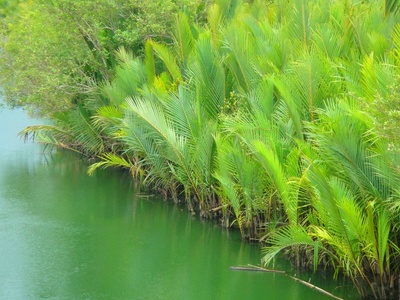
Nipa palm
Unique mangrove palm with submerged trunk and feathery leaves; thatch and sap used for sugar, vinegar and roofing in coastal communities.
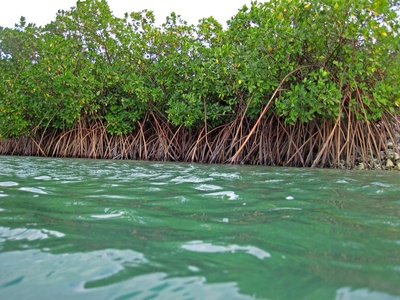
Red mangrove
Characteristic mangrove with prop roots stabilizing shorelines. Vital for coastal protection, fisheries nursery habitat and traditional wood uses in southern and coastal Thailand.
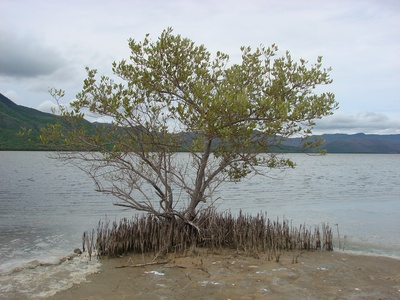
Avicennia
Grey-green mangrove with pencil pneumatophores breathing roots. Common in intertidal zones and important for shoreline stabilization and local resource use.
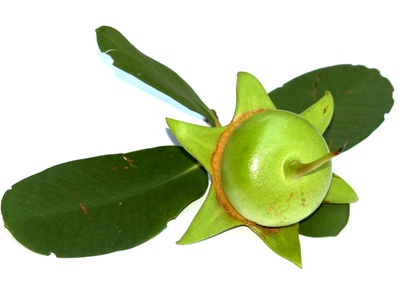
Mangrove apple
Mangrove tree with showy white flowers visited by pollinators. Grows in soft mud near estuaries and supports coastal biodiversity; fruit eaten locally in some areas.
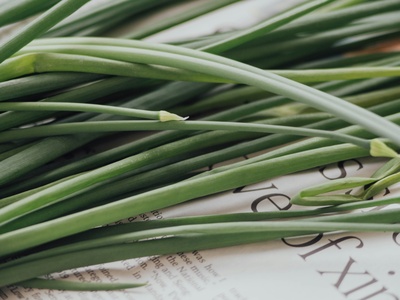
Lemongrass
Aromatic, grassy herb used extensively in Thai cooking and teas. Forms dense clumps in home gardens; leaves impart citrusy aroma to soups, curries and remedies.
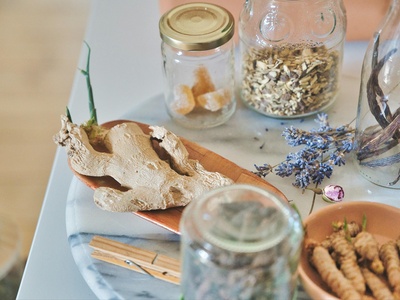
Galangal
A rhizome spice with sharp, peppery flavor essential in Thai curries and soups. Grows in gardens and shaded forest edges; aromatic leaves and stems also used.
Turmeric
Bright orange rhizome used as spice, dye and traditional medicine. Grows in warm, moist soils; common in markets and home remedies across Thailand.

Ginger
Pungent rhizome used fresh or dried in Thai cooking, drinks and remedies. Easy to grow in pots or fields and widely sold in markets.
Holy basil
A fragrant, slightly spicy herb central to Thai cuisine and religious offerings. Grown in pots and garden beds; leaves used fresh in stir-fries and as temple incense.
Black pepper
Vining spice producing peppercorn clusters used worldwide. Grows on trellises or trees in humid southern provinces; historically important export crop.

Rattan
Climbing palm with long flexible stems used for baskets, furniture and handicrafts. Found in secondary forests and collected by local communities for craft industries.
Giant bamboo
Massive clumping bamboo used for construction, food shoots and crafts. Rapid-growing and common in village groves, riverbanks and agroforestry systems.
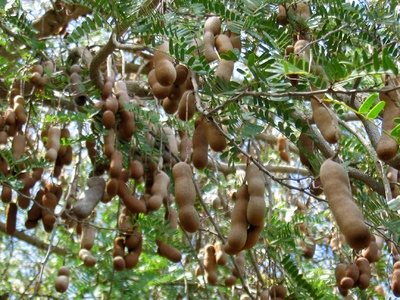
Tamarind
Large fruit-bearing tree producing tangy-sweet pulp used in cooking, condiments and snacks. Widely planted in villages and roadside plantings; provides shade and seasonal fruit.
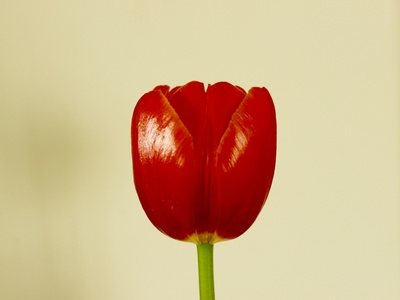
Siam tulip
Showy pink bracted flowers of upland meadows and gardens, celebrated in bloom festivals. Grows seasonally in monsoon grasslands and cultivated for cut-flowers.
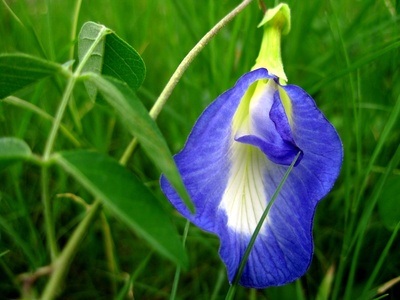
Butterfly pea
Vivid blue flower used as natural food dye and herbal tea. Climbs on trellises and hedges; popular for coloring desserts and traditional drinks.
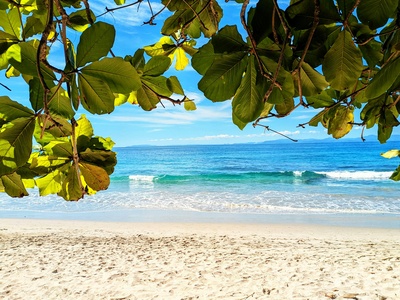
Sea almond
Large spreading tree with horizontal branches and broad leaves turning red in dry season. Provides beach shade, edible nuts and ornamental value in coastal towns.
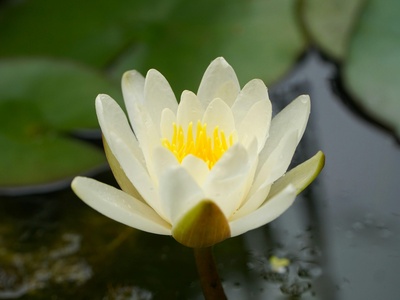
White water lily
Fragrant white floating flowers and round pads adorn ponds and canals. Culturally significant, planted commonly in temples and public water features.
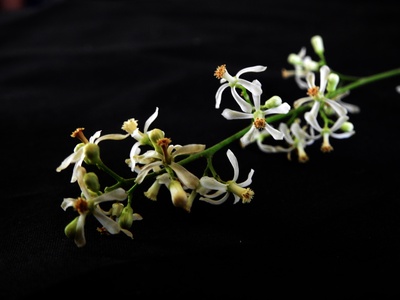
Neem
Fast-growing introduced tree used for shade, traditional insecticidal extracts and herbal remedies. Thrives in dry areas and is planted in rural and urban landscapes.