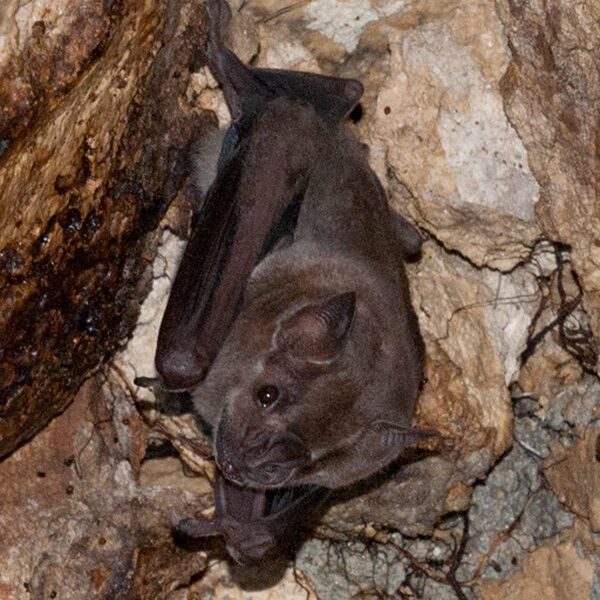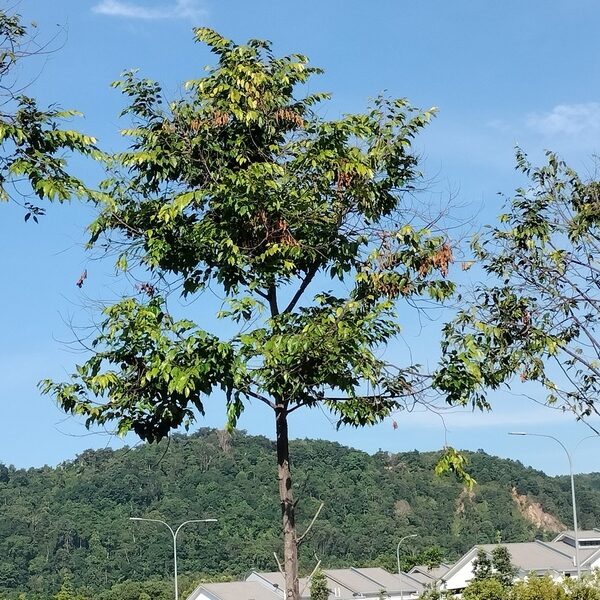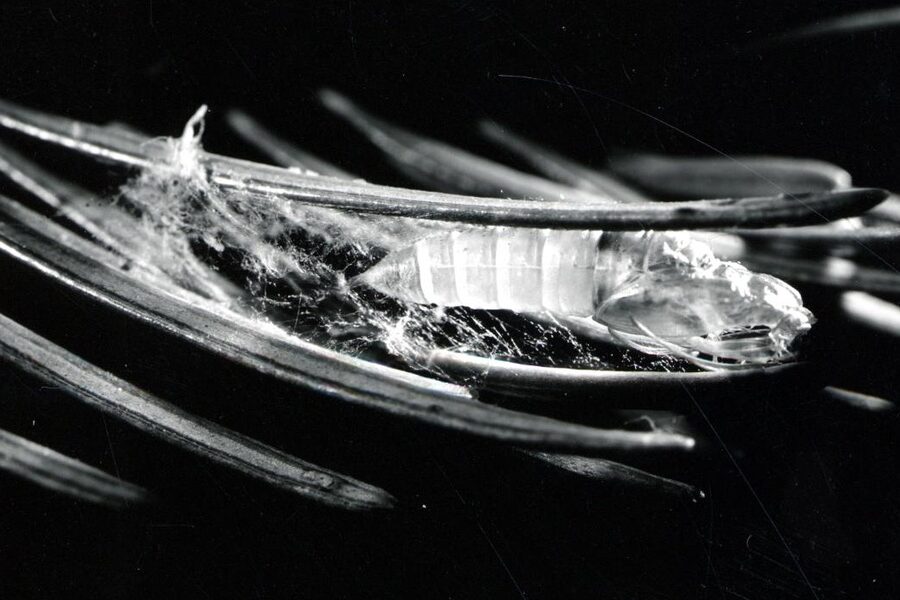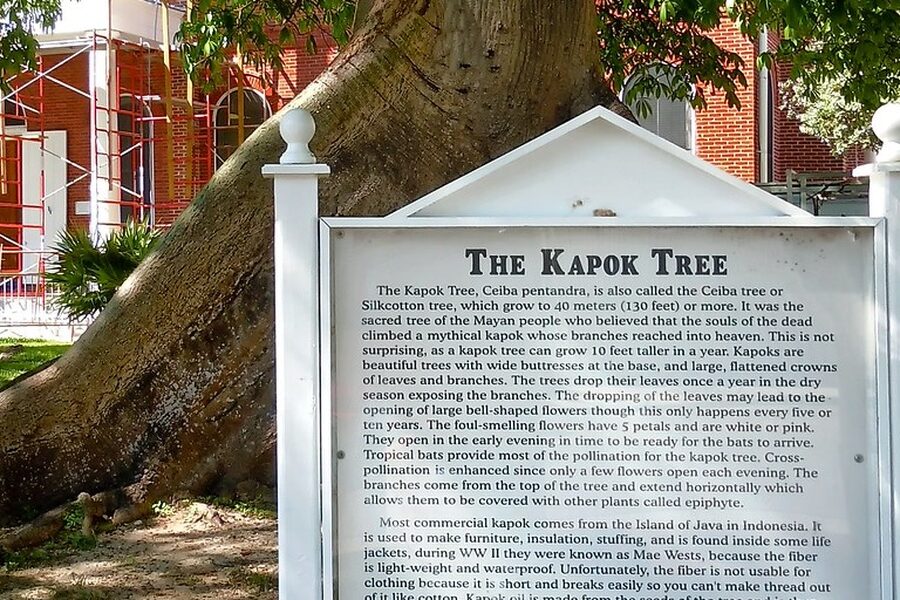
High above the forest floor in tropical rainforests worldwide, a hidden community of trees, vines and epiphytes forms the canopy that filters light and shapes habitat for countless animals. From canopy walkways to satellite imagery, that upper layer tells a lot about forest health and regional diversity.
There are 47 rainforest canopy plants, ranging from African mahogany to Yellow meranti. For each entry you’ll find below data organized as Scientific name,Range,Height (m) so you can quickly compare distribution and typical stature across species.
How were the 47 canopy species selected?
The list focuses on species commonly recorded as canopy-forming across tropical regions, chosen from botanical surveys and regional floras to represent geographic and structural variety; entries are standardized by Scientific name,Range,Height (m) to help with comparison and clarity.
Are these canopy plants suitable for restoration or planting projects?
Some are used in reforestation, but suitability depends on local climate, soil and native status; check regional guidelines and propagation notes for each species listed below and prioritize native or ecologically appropriate choices.
Rainforest Canopy Plants
| Common name | Scientific name | Range | Height (m) |
|---|---|---|---|
| Kapok | Ceiba pentandra | Neotropics, West Africa | 40-70 |
| Brazil nut | Bertholletia excelsa | Amazon Basin | 40-50 |
| Bigleaf mahogany | Swietenia macrophylla | Mesoamerica to Amazon | 30-60 |
| Rubber tree | Hevea brasiliensis | Western Amazon | 25-40 |
| Tonka tree | Dipteryx odorata | Amazon Basin, Guianas | 30-40 |
| Giant angelim | Dinizia excelsa | Amazon Basin | 50-60 |
| Purpleheart | Peltogyne venosa | Amazon Basin | 30-40 |
| Strangler fig | Ficus insipida | Neotropics | 30-40 |
| Walking palm | Socratea exorrhiza | Amazon Basin | 20-25 |
| Açaí palm | Euterpe precatoria | Amazon Basin | 20-30 |
| Açaí (common) | Euterpe oleracea | Amazon Basin | 15-25 |
| Attalea palm | Attalea butyracea | Neotropics | 20-30 |
| Moriche palm | Mauritia flexuosa | Amazon Basin | 20-30 |
| Spanish cedar | Cedrela odorata | Neotropics | 25-35 |
| Tornillo | Cedrelinga cateniformis | Amazon Basin | 30-40 |
| Sea heart vine | Entada gigas | Neotropics | 20-40 |
| Bignonia liana | Adenocalymma alliaceum | Neotropics | 20-30 |
| Breadnut | Brosimum alicastrum | Mesoamerica | 25-40 |
| Guarea | Guarea guidonia | Neotropics | 25-35 |
| Dipterocarp | Dipterocarpus alatus | Southeast Asia | 50-70 |
| Shorea | Shorea leprosula | Southeast Asia | 40-50 |
| Tualang tree | Koompassia excelsa | Southeast Asia | 60-85 |
| Ironwood | Hopea odorata | Southeast Asia | 40-50 |
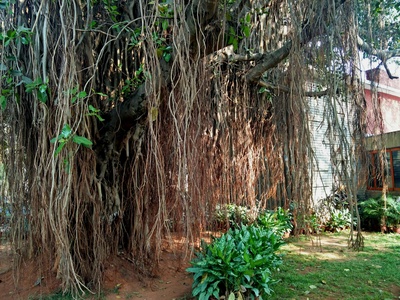
| Banyan/fig | Ficus virens | South & Southeast Asia | 25-35 |
| Narra | Pterocarpus indicus | Malesia, SE Asia | 30-40 |
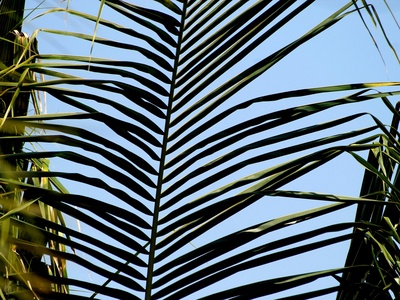
| Fishtail palm | Caryota urens | SE Asia, Malesia | 20-25 |
| Rattan palm | Calamus manan | SE Asia | 20-30 |
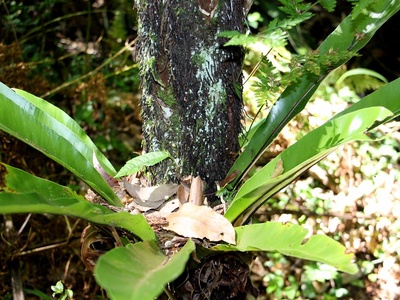
| Bird’s-nest fern | Asplenium nidus | SE Asia, Pacific | 10-30 |
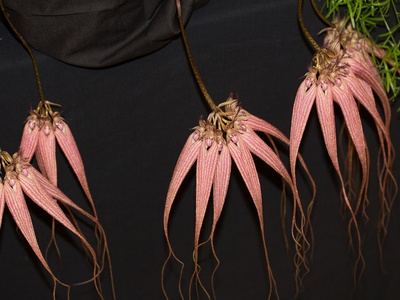
| Bulbophyllum orchid | Bulbophyllum medusae | SE Asia | 10-30 |
| Sapele | Entandrophragma cylindricum | Congo Basin | 40-55 |
| African mahogany | Khaya ivorensis | West & Central Africa | 40-50 |
| Monodominant tree | Gilbertiodendron dewevrei | Congo Basin | 30-45 |
| Iroko/Mora | Milicia excelsa | West Africa | 40-60 |
| Raphia palm | Raphia farinifera | Africa | 15-30 |
| Dipterocarp liana-like climber | Rattan (Calamus spp.) | SE Asia | 20-30 |
| Bromeliad (Guzmania) | Guzmania lingulata | Neotropics | 10-30 |
| Vriesea bromeliad | Vriesea carinata | Neotropics | 10-30 |
| Asplenium (bird’s nest) | Asplenium nidus | Neotropics & SE Asia | 10-30 |
| Canopy orchid | Dendrobium anosmum | SE Asia | 10-30 |
| Sapele relative | Entandrophragma utile | Congo Basin | 40-55 |
| Tropical ebony | Diospyros crassiflora | West Africa | 20-35 |
| Yellow meranti | Shorea spp. | Southeast Asia | 35-60 |
| Emergent wattle | Falcataria moluccana | Moluccas, New Guinea | 30-45 |
| Canopy strangler fig | Ficus robusta (F. variegata complex) | Pantropical Asia & Pacific | 20-40 |
| Liana connector | Bauhinia liana species | Neotropics/SE Asia | 15-30 |
| Canopy emergent (African) | Nauclea diderrichii | West & Central Africa | 30-45 |
| Canopy palm (Neotropical) | Socratea exorrhiza | Amazon Basin | 20-30 |
Images and Descriptions
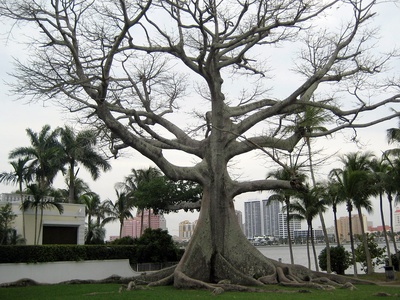
Kapok
Iconic emergent with a swollen trunk and buttresses; lightweight seed fibres and high canopy crowns attract wildlife. Look for tall, flowering giants in lowland wet forests and forest edges.
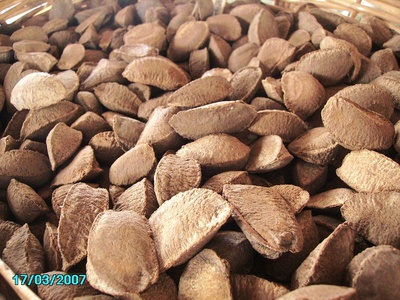
Brazil nut
Large emergent with a dense crown that dominates canopy gaps; massive, hard-shelled fruits feed parrots and agoutis. Found in mature Amazonian terra firme forests where trees stand isolated above neighbors.

Bigleaf mahogany
Tall canopy tree prized for timber; pinnate leaves, winged seeds, and a straight bole make it a canopy emergent. Common in mature lowland tropical forests of Central and South America.
Rubber tree
Canopy tree with a smooth pale trunk and latex-producing bark; adapted to seasonal floodplain and terra firme forests. Look for stands and scattered large trees across Amazonian lowlands.
Tonka tree
Hard-wood canopy tree with fragrant seeds (tonka beans) and dense crown; its large seeds attract rodents and birds. Common in well-drained Amazonian forests.
Giant angelim
One of the Amazon’s tallest emergents with straight trunks and high crowns; forms major canopy emergents in old-growth forests. Notable for sheer height and heavy timber.

Purpleheart
Canopy to emergent hardwood noted for purple heartwood; forms part of the tall forest canopy and is attractive to seed-dispersing animals. Spot in undisturbed Amazonian lowland rainforests.
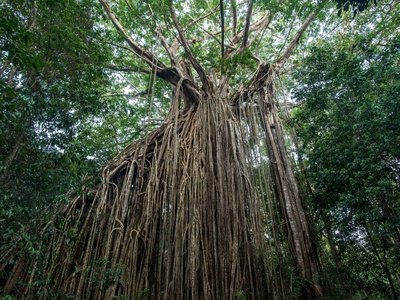
Strangler fig
A common canopy fig that often starts life as an epiphyte and eventually engulfs hosts; figs are keystone resources for wildlife. Found in riverine and upland rainforest canopy.
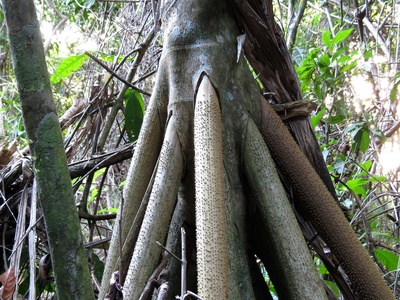
Walking palm
Distinctive stilt-rooted palm that can appear to “walk” toward light; slender trunk rising into the canopy. Frequent in lowland and foothill rainforests across the Amazon.
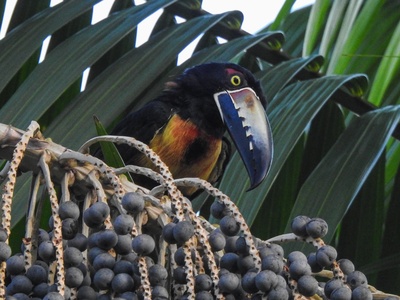
Açaí palm
Single-stem canopy palm producing fruit eaten by birds and people; slender tall trunks allow it to reach canopy light. Common across non-flooded Amazon forests.
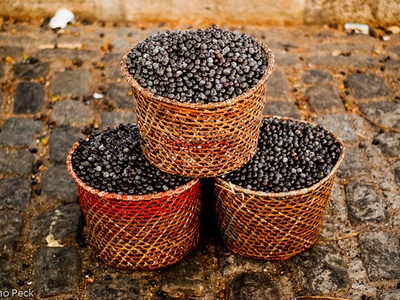
Açaí (common)
Multi-stemmed palm often in floodplain and swampy areas; forms mid- to canopy layer stands and provides famous açaí berries. Common in várzea and igapó habitats.
Attalea palm
Large-seeded canopy palm with a stout trunk and massive fronds; produces large fruits eaten by large mammals and birds. Found across Amazon and Central American lowland forests.
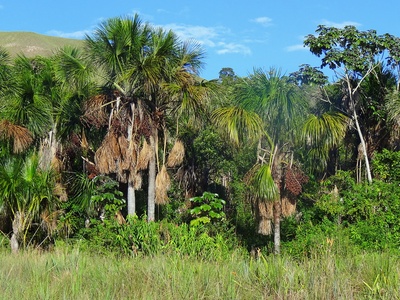
Moriche palm
Swamp and riverine palm that forms tall crowns above flooded forests; its fruits and structures support diverse wetland canopy fauna. Common in seasonally flooded palm forests.
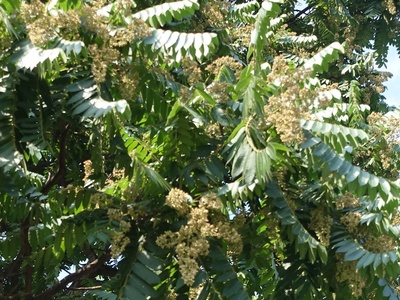
Spanish cedar
Tall canopy tree in Neotropical forests with fragrant wood and winged seeds; regenerates in gaps and provides timber and wildlife habitat. Found in mature lowland and premontane forests.
Tornillo
Massive canopy tree with buttressed trunk and large crown; produces winged seeds and forms part of emergent and canopy layers in Amazonian terra firme forest.
Sea heart vine
Massive canopy liana with enormous pods and long-reaching vines that climb into the canopy; provides bridges and fruit for animals. Seen clambering over emergent trees in coastal and inland forests.
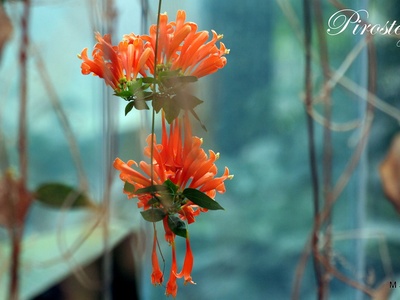
Bignonia liana
Fast-growing canopy-climbing vine with showy flowers that reach high crowns; lianas like this connect trunks and add structural complexity to the canopy.
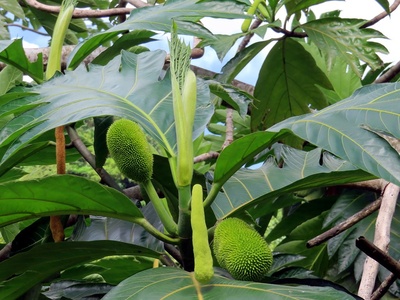
Breadnut
Large canopy tree with spreading crown and edible nuts once important to Maya diets; provides fruit and shade in mature lowland forests and forested riversides.
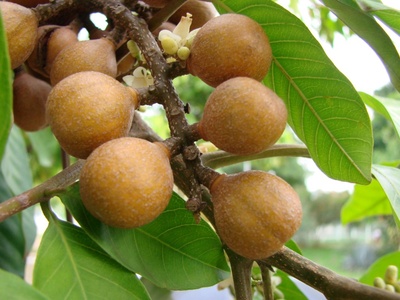
Guarea
Tall canopy tree in Meliaceae with pinnate leaves and winged seeds; part of diverse canopy assemblages in Central and South American rainforests.
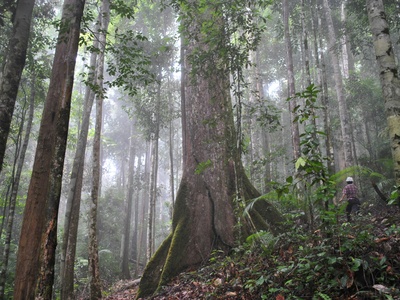
Dipterocarp
Emergent dipterocarp with very tall straight trunks and winged seeds; dominates lowland Southeast Asian rainforests and towers above the canopy in Borneo and peninsular forests.
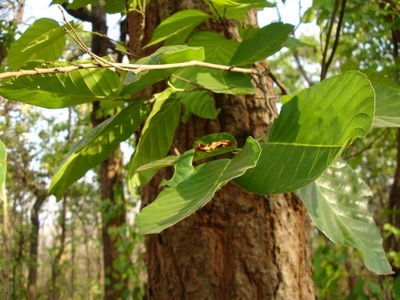
Shorea
Representative Shorea canopy tree — tall, buttressed, and dominant in many dipterocarp forests; specialized mast-fruiting and heavy timber make it ecologically and economically important.
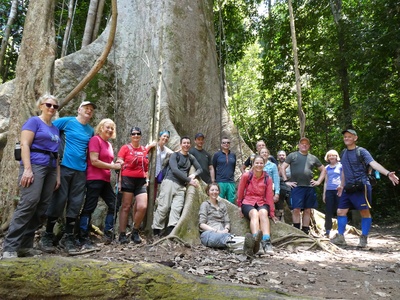
Tualang tree
One of the tallest tropical emergents with an open crown used by bees and hornbills; trunks host beehives and its height makes it a true canopy giant in Bornean forests.
Ironwood
Dense-canopied dipterocarp relative that forms part of the closed canopy; durable timber and shaded crowns are typical in mature lowland rainforests.
Banyan/fig
Large strangler fig that begins epiphytically and becomes a canopy giant; figs are vital year-round food for birds and mammals in Asian rainforests.
Narra
Canopy tree with showy flowers and winged fruit; an important emergent and canopy species in Southeast Asian lowland forests and riverine sites.
Fishtail palm
Tall canopy palm with bipinnate fronds resembling a fish tail; produces nectar and fruits for canopy fauna and appears in mixed lowland rainforests.
Rattan palm
Climbing cane-like palms that ascend into the canopy using hooks and spines; important for forest structure and local economies where they naturally occur.
Bird’s-nest fern
Common canopy epiphytic fern forming cup-like rosettes that catch debris and water; often spotted high on large branches and trunks in humid lowland forests.
Bulbophyllum orchid
Canopy-dwelling epiphytic orchid with long pendant inflorescences and strong scents that attract pollinators; thrives on high branches in humid rainforest canopies.
Sapele
Tall African canopy-emergent valued for timber; straight boles rise into the canopy where seeds and flowers support forest fauna. Common in central African lowland rainforests.
African mahogany
Large canopy tree with pinnate leaves and broad crown, forming part of closed-canopy rainforest; seeds and foliage are important to local wildlife.
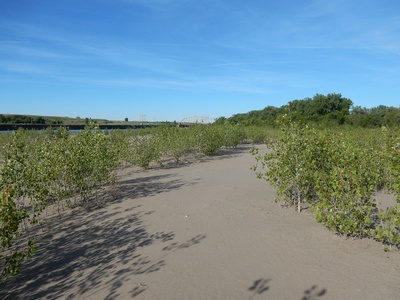
Monodominant tree
Forms dense, monodominant canopy stands in parts of the Congo Basin; heavy shade beneath and canopy-specialist fauna characterize these forests.
Iroko/Mora
Impressive canopy tree with durable timber and large crown; a frequent emergent in West African rainforests supporting many canopy species.
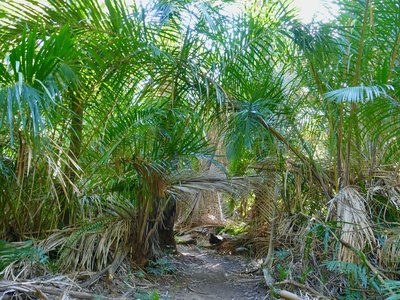
Raphia palm
Massive swamp and riverine palm with huge pinnate leaves forming canopy crowns in wet forest habitats; supports canopy-dwelling wildlife and local uses.
Dipterocarp liana-like climber
Climbing palms that reach and weave through the canopy; their hooked fronds and long flexible stems connect layers and provide habitat complexity.
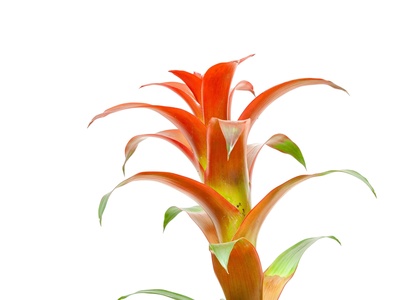
Bromeliad (Guzmania)
Common canopy bromeliad forming water-holding rosettes in tree forks; provides microhabitat for frogs, insects, and nutrient cycling high in Neotropical canopies.
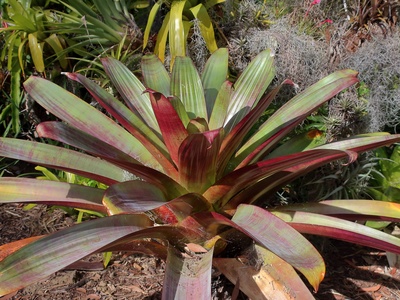
Vriesea bromeliad
Epiphytic bromeliad with showy inflorescences and tank habit; collects water and organic matter, supporting diverse canopy micro-communities.
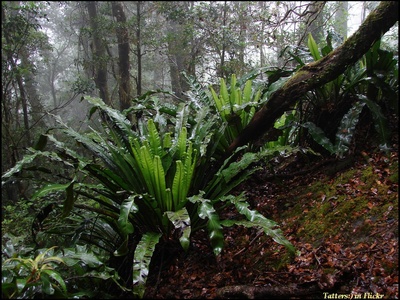
Asplenium (bird’s nest)
Epiphytic or semi-epiphytic fern that grows as a rosette in canopy forks; traps debris and moisture, creating mini-soil pockets used by other epiphytes and invertebrates.
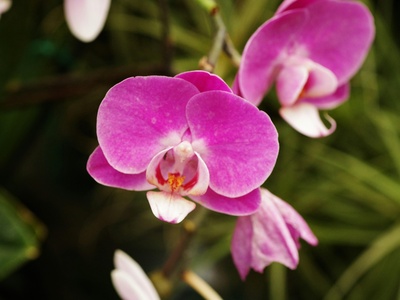
Canopy orchid
Fragrant, pendent-flowering epiphytic orchid that clings to high branches; common in lowland and hill forests where it adds splashes of color to the canopy.
Sapele relative
Major canopy timber tree in central Africa with tall, straight trunks; its crowns form part of the high canopy mosaic in moist forests.
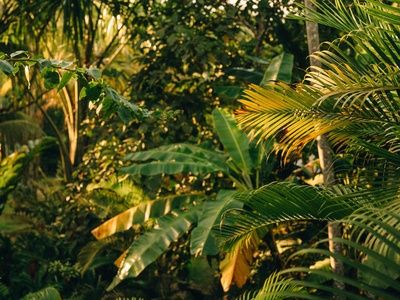
Tropical ebony
Dense-canopied ebony tree that reaches the canopy and produces hard dark timber; lives in moist lowland rainforests where it supports canopy fauna.
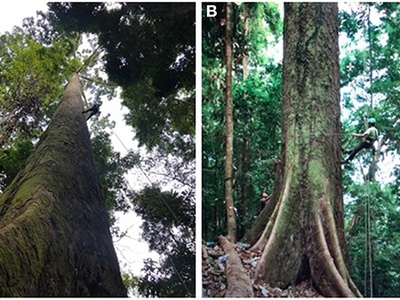
Yellow meranti
Representative Shorea canopy trees dominate many SE Asian rainforests; tall trunks, buttresses and mast seeding are notable adaptations to cope with canopy dynamics.
Emergent wattle
Fast-growing canopy-emergent in some island rainforests with light-demanding crown; often forms open emergent crowns in coastal and lowland forests.
Canopy strangler fig
Large strangler figs that begin life in canopy branches and later form massive crowns and trunks; figs feed a broad range of canopy frugivores.
Liana connector
Several Bauhinia and related lianas climb to canopy crowns using twining stems; provide fragrant flowers and structural connectivity across canopy trees.
Canopy emergent (African)
Large rainforest canopy tree with broad crown and heavy timber; flowers and fruits offer resources to canopy birds and mammals.
Canopy palm (Neotropical)
Famed “walking palm” with stilt roots and slender trunk reaching the canopy; roots may reposition the tree toward light and it’s common in Amazonian lowland forests.