From coastal marshes and temperate woodlands to backyard gardens and tropical canopy, red hues pop up in surprising places across the planet. Noticing those flashes of russet or scarlet can be a fun way to study wildlife and learn where different species prefer to live.
There are 29 red animals, ranging from Broad Scarlet Dragonfly to Vermilion Flycatcher (male). Each entry is organized with Scientific name,Habitat & range,Size (length cm), and you’ll find the full list and details below.
How were species chosen for this list?
I included animals whose adult coloration commonly shows noticeable red (not just brief color phases), verified with field guides and range data to cover diverse groups and regions, and aimed to show variety from insects to birds; entries that are occasionally red but not reliably so were excluded.
Can red coloration tell me anything useful about an animal?
Yes — red can signal mate attraction, territory, or warning, and it often varies by sex, age, or season (for example, the male Vermilion Flycatcher is bright red while females are duller); check the Habitat & range and Size (length cm) columns below to help identify context and likely sightings.
Red Animals
| Name | Scientific name | Habitat & range | Size (length cm) |
|---|---|---|---|
| Scarlet Macaw | Ara macao | Tropical rainforests of Central and South America, from southern Mexico through Amazonia | 81-96 |
| Northern Cardinal (male) | Cardinalis cardinalis | Woodlands, gardens and suburbs across eastern and central North America from Canada to Mexico | 21-23 |
| Scarlet Ibis | Eudocimus ruber | Coastal lagoons, mangroves and wetlands of northern South America and Caribbean islands | 55-60 |
| Vermilion Flycatcher (male) | Pyrocephalus rubinus | Open scrub, arid woodlands and urban edges from the southwestern U.S. through Central and South America | 11-13 |
| Scarlet Tanager (breeding male) | Piranga olivacea | Deciduous and mixed forests in eastern North America; winters in South American forests | 15-17 |
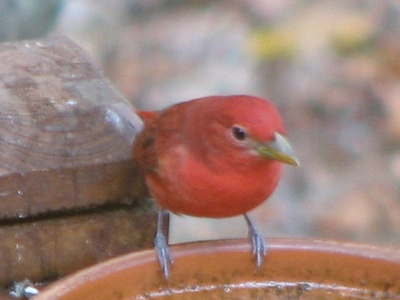
| Summer Tanager (male) | Piranga rubra | Open woodlands and riparian areas from the southern U.S. through Central and South America | 18-21 |
| Red Crossbill (male) | Loxia curvirostra | Conifer forests across North America and Eurasia wherever conifers occur | 15-18 |
| House Finch (male) | Haemorhous mexicanus | Open woodlands, suburbs and urban areas across much of North America | 12-15 |
| Red Fox | Vulpes vulpes | Diverse habitats across the Northern Hemisphere: forests, grasslands, suburbs and cities | 45-90 |
| Eurasian Red Squirrel | Sciurus vulgaris | Coniferous and mixed woodlands across Europe and northern Asia | 19-23 |
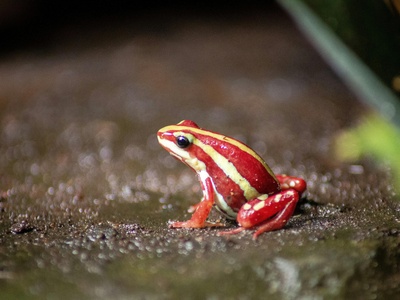
| Strawberry Poison‑dart Frog (red morphs) | Oophaga pumilio | Humid lowland forests and plantations in Central America, notably Bocas del Toro and surrounding islands | 1.5-2.5 |
| Red Velvet Mite | Trombidium holosericeum | Leaf litter, soil and vegetation across Eurasia in moist temperate habitats | 0.3-1.0 |
| Red King Crab | Paralithodes camtschaticus | Cold continental shelf and slope waters of the North Pacific and Bering Sea | 25-35 (carapace width) |
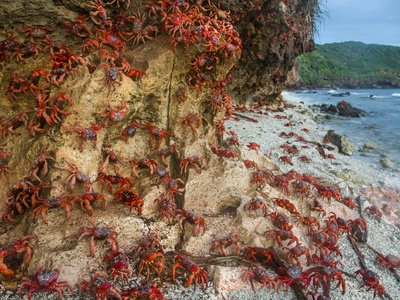
| Christmas Island Red Crab | Gecarcoidea natalis | Tropical rainforest and coastal hills of Christmas Island and nearby islets | 10-12 |
| Red Rock Crab | Cancer productus | Rocky intertidal and subtidal zones of the northeastern Pacific from Alaska to California | 10-20 |
| Red Snapper | Lutjanus campechanus | Reefs and rocky bottoms of the western Atlantic and Gulf of Mexico | 30-60 |
| Red Lionfish | Pterois volitans | Coral reefs and coastal waters of the Indo‑Pacific; invasive in the western Atlantic | 20-38 |
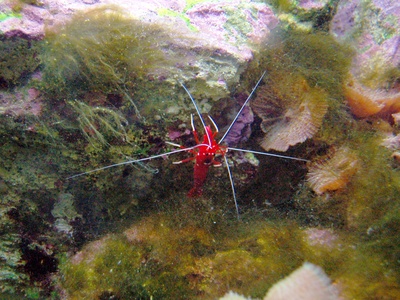
| Scarlet Cleaner Shrimp | Lysmata amboinensis | Coral reefs across the Indo‑Pacific, in cleaning stations on reef slopes and lagoons | 2-4 |
| Red Coral (precious coral) | Corallium rubrum | Rocky sublittoral and deep habitats of the Mediterranean Sea and nearby Atlantic coasts | 10-50 (colony height) |
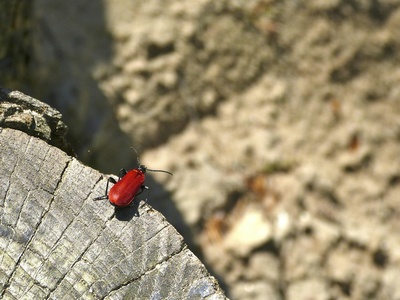
| Cardinal Beetle | Pyrochroa serraticornis | Woodland edges and hedgerows across much of Europe, on flowers and dead wood | 0.9-1.6 |
| Scarlet Lily Beetle | Lilioceris lilii | Gardens, meadows and cultivated areas across Europe and introduced regions in North America | 0.6-0.9 |
| Seven‑spot Ladybird | Coccinella septempunctata | Open areas, gardens and farmland across Eurasia; introduced worldwide | 0.6-0.8 |
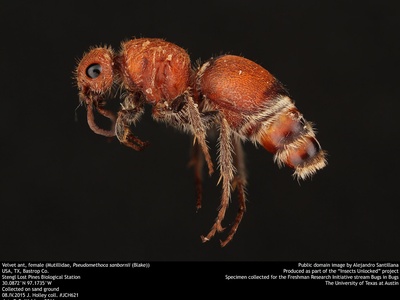
| Velvet Ant (female) | Dasymutilla occidentalis | Dry open habitats and edges across much of eastern North America | 0.8-1.8 |
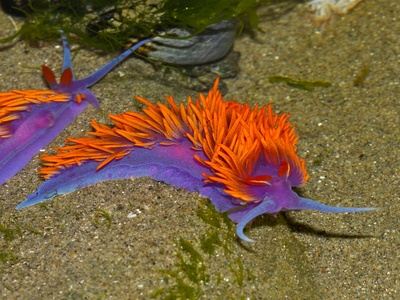
| Spanish Shawl (nudibranch) | Flabellina iodinea | Rocky subtidal reefs of the eastern Pacific from California to Baja California | 5-7 |
| Scarlet Kingsnake (scarlet milk snake subspecies) | Lampropeltis triangulum elapsoides | Southeastern United States in pine flatwoods and sandy soils | 35-60 |
| Red‑backed Salamander | Plethodon cinereus | Moist forests and leaf litter of northeastern North America | 6-12 |
| Broad Scarlet Dragonfly | Crocothemis erythraea | Ponds, lakes and marshes across southern Europe, Africa and Asia in warm habitats | 3-4 |
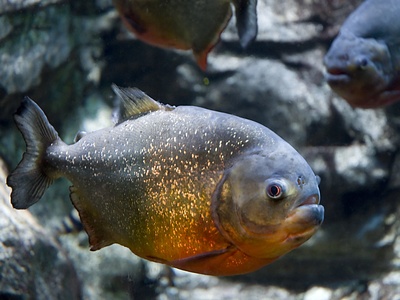
| Red‑bellied Piranha | Pygocentrus nattereri | Freshwater rivers and floodplains of the Amazon, Orinoco and other South American basins | 25-35 |
| Eastern Coral Snake | Micrurus fulvius | Pine forests, sandy soils and scrub across the southeastern United States | 40-60 |
Images and Descriptions

Scarlet Macaw
A large parrot with brilliant crimson plumage produced mainly by dietary carotenoids; red covers head and body while wings show blue and yellow. Lives in humid lowland forests; notable for loud calls, long tails and important seed‑dispersal roles.

Northern Cardinal (male)
Male cardinals display vivid red feathers from carotenoid pigments used in mate attraction and social signaling. Common in backyards and edges of woods, they’re notable for a prominent crest and clear, melodic song year‑round.

Scarlet Ibis
A wading bird whose bright red plumage comes from carotenoid pigments in its crustacean diet. Lives in shallow coastal wetlands and mudflats; notable for flocking behavior and dramatic red breeding displays across colonies.

Vermilion Flycatcher (male)
Male vermilion flycatchers are almost entirely bright red due to dietary pigments, contrasting with darker wings. Perches conspicuously in open habitats to sally for insects; notable for bold, flashing courtship displays.

Scarlet Tanager (breeding male)
Breeding males show striking crimson plumage with black wings and tail, produced by carotenoids and seasonal molt. Red appears during breeding season for mate attraction; notable for a harsh song unlike its brilliant color.
Summer Tanager (male)
Adult males are uniformly red from carotenoid pigmentation and use that color in courtship and territory defense. Found in woodland edges and riparian zones; notable for eating bees and wasps, sometimes catching them midair.

Red Crossbill (male)
Males often display rosy‑red plumage from diet and pigments; their crossed bill is adapted to pry seeds from conifer cones. Red signals breeding condition; notable for heavy reliance on and influence over pine seed dynamics.

House Finch (male)
Male house finches show red to reddish head and breast derived from dietary carotenoids; variation in redness correlates with diet quality. Common at feeders and notable for social feeding and adaptable nesting habits.

Red Fox
The “red” fox has a rusty‑red coat owed to pheomelanin pigments, aiding camouflage in many habitats. Highly adaptable omnivore found in rural and urban areas; notable for cunning behavior and flexible diet that supports urban populations.

Eurasian Red Squirrel
This tree squirrel typically has a reddish coat resulting from seasonal molts and pigments, helping it blend into forest canopy. Active seed‑hoarder and disperser of conifers; notable for ear tufts in winter and local color variation.
Strawberry Poison‑dart Frog (red morphs)
Many wild populations are bright red as adult aposematic warning coloration tied to alkaloid toxins sequestered from diet. Small, terrestrial frogs notable for vivid colors, potent skin toxins and parental care of tadpoles.

Red Velvet Mite
These tiny arachnids are covered in dense red setae, a vivid warning or camouflage signal connected to defensive chemicals. Often seen after rain; notable for striking color despite small size and predatory larvae on insects.

Red King Crab
A large crustacean with a reddish carapace and legs in many adults, pigments and exoskeletal chemistry produce the hue. Bottom‑dwelling and commercially important; notable for massive size and long legs used in fishery harvests.
Christmas Island Red Crab
Famous for bright red carapaces in adult land crabs, color likely linked to cuticular pigments and species recognition during mass migrations. Notable for spectacular annual rainforest migrations to breed on the coast.

Red Rock Crab
This crab usually shows a deep reddish carapace due to structural and pigmentary factors aiding camouflage on red algae and rocks. A common intertidal predator and scavenger; notable for robust claws and regional fishery interest.

Red Snapper
Adult red snappers have a rosy to reddish body from carotenoid pigments in skin and diet. Reef‑associated predators notable for longevity and importance to recreational and commercial fisheries.

Red Lionfish
Striped red and white with reddish tones created by pigments and patterns used for warning and camouflage among coral. Venomous spines deter predators; notable as an invasive species with major reef impacts in the Atlantic.
Scarlet Cleaner Shrimp
A small shrimp with vivid red and white bands produced by pigments and structural coloration; red highlights help advertise cleaning services to fish clients. Notable for mutualistic cleaning behavior removing parasites from reef fishes.

Red Coral (precious coral)
A colonial cnidarian whose skeleton is vividly red, prized for jewelry; coloration arises from organic pigments in the coral and skeleton. Slow‑growing and long‑lived; notable for conservation concerns from overharvesting.
Cardinal Beetle
This beetle’s bright red elytra come from pigmented cuticle used as warning coloration. Adults feed on nectar and smaller insects; notable for elongated bodies and importance as part of pollinator/insect communities.

Scarlet Lily Beetle
A shiny scarlet beetle whose cuticle pigments warn of distastefulness; feeds on lilies and can be a garden pest. Notable for vivid color and destructive larval feeding on ornamental plants.

Seven‑spot Ladybird
A familiar bright red beetle with seven black spots; red pigment serves as aposematic warning for chemical defenses. Feeds on aphids and other pests; notable as a widespread beneficial insect and biological control agent.
Velvet Ant (female)
Wingless female wasp with dense red setae and a painful sting; red coloration warns predators of venom and toughness. Often called “cow killer,” notable for strong defense and parasitic lifecycle on other insect nests.
Spanish Shawl (nudibranch)
A colorful nudibranch with intense orange‑red body and cerata, pigments and diet produce the hue. Found on kelp and rock reefs; notable for bold coloration that signals chemical defenses to predators.

Scarlet Kingsnake (scarlet milk snake subspecies)
This small colubrid shows broad red bands alternating with black and yellow; red scales derive from pigments and play a role in mimicry. Notable for mimicking venomous coral snakes to deter predators.

Red‑backed Salamander
Many adults show a red dorsal stripe from pigment differences, used in species recognition and possibly predator deterrence. A lungless, terrestrial salamander notable for direct development and frequent territorial behaviors under logs and stones.

Broad Scarlet Dragonfly
Adult males exhibit striking scarlet bodies due to carotenoid and pteridine pigments; red signals territory and mating condition. Perch hunters of still waters; notable for bold, sun‑loving behavior around ponds.
Red‑bellied Piranha
Adults display a pronounced red or orange belly used in social signaling and mating displays; coloration may derive from diet and carotenoids. Notable for powerful jaws, schooling behavior and omnivorous feeding habits.

Eastern Coral Snake
A venomous elapid with broad red bands alternating with black and yellow rings; bright red is part of aposematic patterning. Secretive and fossorial; notable for potent neurotoxic venom and mimicry by nonvenomous species.