Up to 80% of a plant’s biomass activity happens belowground; we often judge plant health by leaves while the real story is underground.
You spot a tomato with yellowing lower leaves and assume a foliar disease, but the roots tell a different tale — compacted soil, shallow watering, or early rot. A quick dig or a careful repot during the growing season often reveals the cause before crop yield or tree stability suffer.
Strong aboveground growth depends on a robust root web: many species carry a root-to-shoot ratio between about 1:1 and 3:1, so belowground health directly limits what you see above. Research from CIAT and USDA root studies shows that early root problems predict reduced yields and higher mortality in both crops and nursery stock.
Roots are hidden, so gardeners miss warning signs until decline is obvious. Knowing the signs of healthy root systems helps diagnose problems early and take practical steps. Below are eight specific, observable indicators organized into four practical categories: Structure & Appearance; Growth & Function; Soil Interaction & Microbial Health; and Resilience & Longevity.
Structure and Appearance
These are the visual and tactile cues you can check quickly during repotting, transplanting, or when you pull a soil core. Handle roots gently — tugging or tearing can trigger stress — and inspect during seasonal work (spring repotting, after drought, or post-transplant).
1. Pale, firm fine roots and abundant root hairs
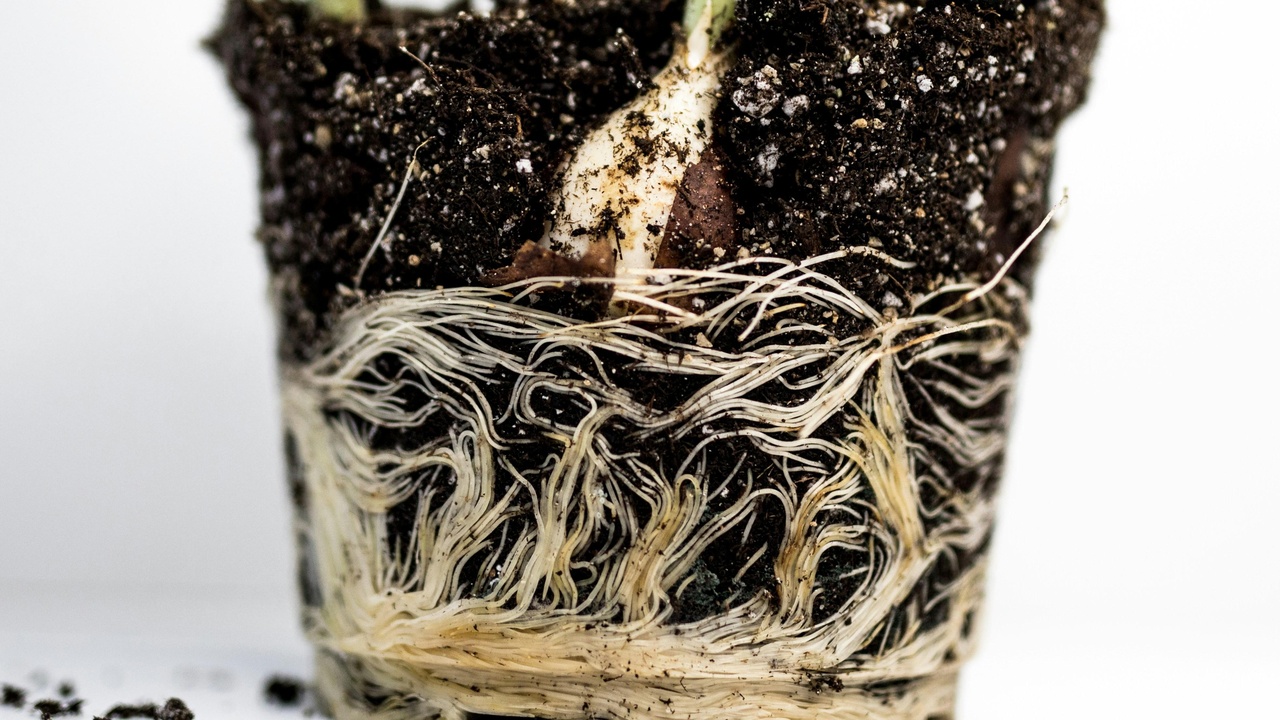
Cream-to-white, firm fine roots with lots of root hairs are the frontline of water and nutrient uptake. Those tiny hairs are short-lived but constantly replaced; fine-root turnover commonly ranges from about 30 to 200 days depending on species and conditions, and individual root hairs often live days to weeks.
Look for absence of mushiness or brown rot and fresh production after a rain or irrigation event. Practical checks: when repotting tomato seedlings or container ornamentals, find dense white laterals within 2–4 weeks in healthy nursery stock rather than slimy brown masses.
2. Healthy root architecture: even branching without girdling
A good architecture mixes straight primary roots and evenly spaced laterals that radiate rather than circle. In containers, circling or girdling roots compromise water and carbohydrate flow; nursery surveys show girdling-related decline often appears within 3–10 years if uncorrected.
When planting trees, a well-spread rootball predicts better anchorage and storm resistance. Fix circling roots at transplant with radial cuts or choose wider containers for young stock — simple interventions can prevent chronic decline.
Growth and Function
Roots drive everything the plant does aboveground. By tracking shoot extension, leaf health, and responses to inputs, you can infer whether roots are delivering water and nutrients efficiently.
3. Consistent shoot growth and healthy leaf appearance
Regular stem elongation, steady new-leaf production, and uniform leaf color usually mean roots are doing their job. Many annual vegetables, for example, show predictable cm/day growth during active phases — tomato vines commonly add 1–3 cm per day in peak season under good root conditions.
Use simple diagnostics: measure weekly shoot growth with a ruler, count new leaves per week, or track SPAD/leaf greenness readings. Sudden plateaus or patchy growth often point to root restriction, compaction, or disease rather than a foliar problem.
4. Predictable response to fertilization and watering
Healthy roots give quick, measurable responses: turgor returns within 24–72 hours after proper watering and leaf greenness often improves within 1–3 weeks after correcting nutrient deficits. Container plants frequently rebound within 48–72 hours of rehydration; nitrogen-related chlorosis can show SPAD gains of 10–30% within two weeks after feeding.
If a modest water or fertilizer test fails to elicit expected recovery, suspect root issues such as rot, compaction, or root-bound conditions. Start with small tests before major interventions to pinpoint root function.
Soil Interaction and Microbial Health
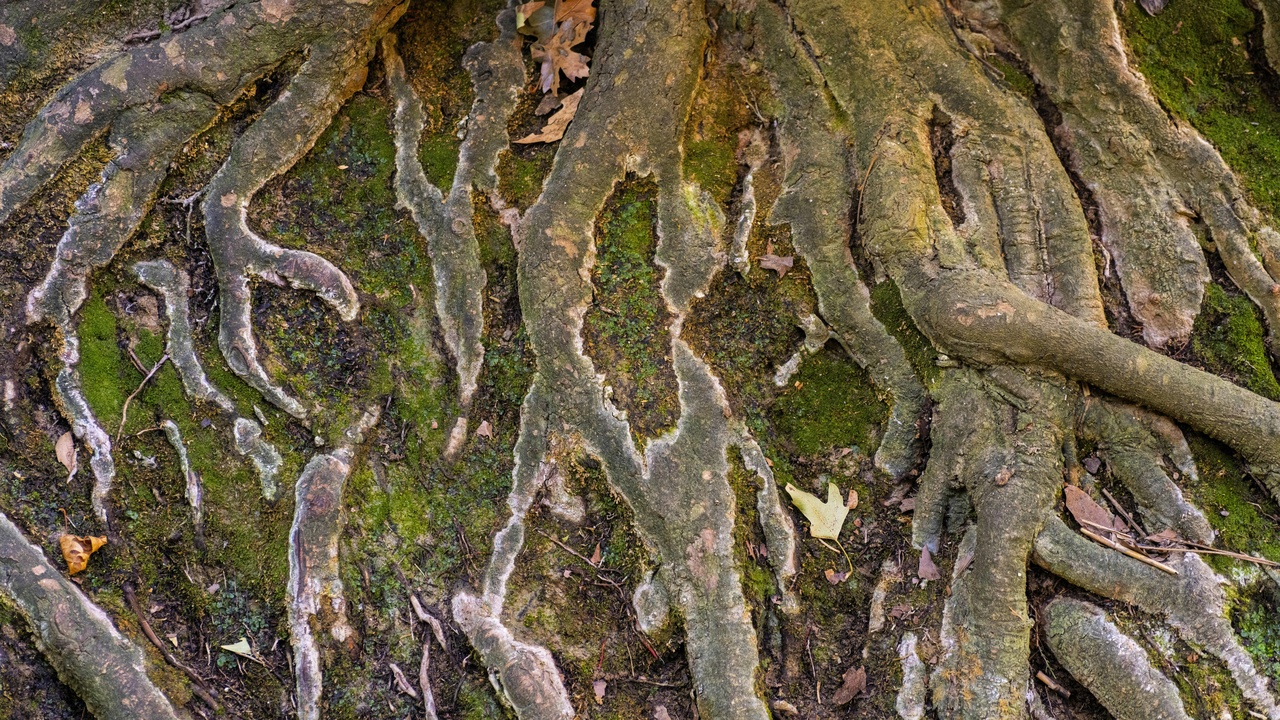
Roots live in a bustling community. Beneficial fungi, bacteria, and soil structure determine how effectively roots access water and immobile nutrients like phosphorus.
5. Strong mycorrhizal colonization and active rhizosphere biology
Roots colonized by mycorrhizal fungi often take up phosphorus 20–80% more effectively depending on crop and fungal partners. High colonization rates (greater than about 50% in healthy grasslands) correlate with improved drought tolerance and nutrient acquisition.
Assess microbial health with lab tests, inoculation trials, or simple field signs: lively decomposition, abundant earthworms, and responsive phosphorus uptake in inoculated plots. For legumes, pink, firm nodules point to active rhizobia nitrogen fixation.
6. Good soil aggregation and root-soil contact
Healthy roots sit in crumbly, well-aggregated soil that holds a loose form rather than hard clods. Aggregation promotes aeration and infiltration; low organic matter and high bulk density (>1.6 g/cm³) often limit root penetration and growth.
Do a squeeze test for crumb structure, look for earthworms, or run a simple infiltration check — garden soils that take over 10 mm/hr to absorb water may need rebuilding. Remedies include adding 2–5 cm compost, reducing compaction, and cover cropping to rebuild pore space.
Resilience and Longevity
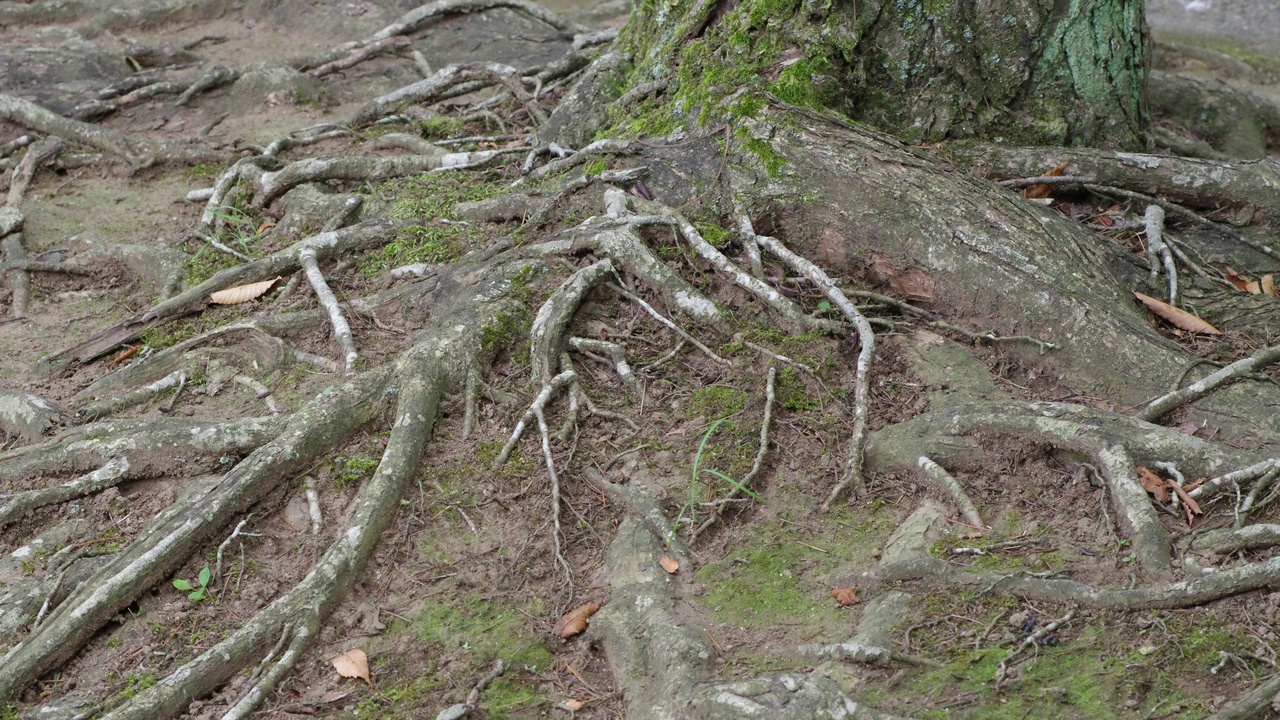
This category predicts whether a plant will survive seasons of drought, storms, or disturbance. Look for signs that roots can regenerate after damage and that they reach depth for long-term water access.
7. Evidence of regeneration and absence of persistent root disease
Roots that produce new laterals after minor pruning or disturbance demonstrate vigor; by contrast, soft, brown, foul-smelling roots often mean root rot from pathogens like Phytophthora or Pythium. In nursery outbreaks, Phytophthora has been associated with substantial losses where over 20% of plants showed rot symptoms.
Simple diagnostics help: a smell test, cutting a root to inspect vascular browning, or sending samples to a lab for Phytophthora assays. Improve drainage, curb overwatering, and choose resistant rootstocks when disease is confirmed.
8. Deep rooting and good anchorage (drought and storm resilience)
Plants with deep, well-distributed roots can tap groundwater and withstand wind. Prairie species routinely extend roots 1–3+ meters, while tree rooting depth varies by species and soil but often reaches several meters in favorable conditions.
Practical checks include a pull test for young trees and observing how long plants hold turgor in drought. To encourage depth, water less frequently but more deeply (aim to wet soil to roughly 20–30 cm for many garden plants) and avoid persistently shallow irrigation.
Summary
- Visible fine roots and white root hairs are a fast giveaway of active uptake; check them when you repot or take a soil core.
- Watch aboveground cues — steady shoot growth and predictable recovery after watering or feeding — as practical proxies for what roots are doing.
- Soil biology and structure matter as much as amendments: mycorrhizae, earthworms, and crumbly soil support long-term vigor.
- Look for regenerative capacity and depth for resilience; root rot smells and circling roots are early warnings you can fix.
- Quick action you can take now: during your next repot or planting add 2–5 cm compost, check for white fine roots, and deep-water to about 20–30 cm weekly to encourage deeper, healthier rooting.