Table of contents
- TL;DR
- Small black cat breeds: the quick truth
- 9 small cat breeds that can be black
- Best picks by living situation
- Adoption reality: black and small often means mixed-breed
- Final take
TL;DR
“Small” and “black” are two separate traits. A cat can be petite and black without being a rare “black breed,” and in shelters the most likely match is often a black domestic shorthair or black domestic longhair, not a pedigree cat.
The best-known small cat breeds that can be black include the Singapura, Munchkin, Cornish Rex, Devon Rex, Bombay, American Curl, Japanese Bobtail, Oriental Shorthair, and Burmese. Some are truly compact; others are medium cats that read as small because they’re fine-boned, light, or short-legged.
If you want a black cat that stays manageable in size, focus on build and temperament more than coat color. Black coat is common in some breeds, possible in others, and a total non-issue in many mixed-breed cats.
Small black cat breeds: the quick truth
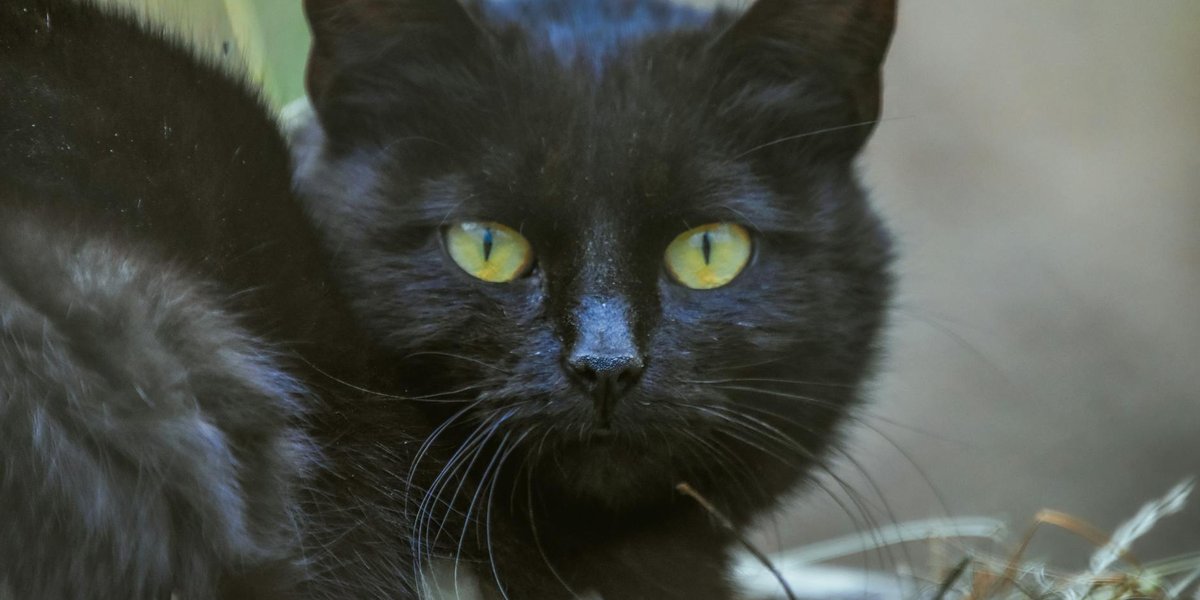
A lot of search results blur two different ideas: cats that are small and cats that are black. That makes the whole topic messier than it needs to be.
Here’s the clean version:
- Size is about the breed’s body type and adult weight.
- Black coat color is about genetics.
- The overlap exists, but it isn’t the same thing as a breed being “a black cat breed.”
That matters because some breeds on roundup lists are not actually tiny. A Bombay, for example, is sleek and elegant, but it’s usually a medium-sized cat rather than a true mini cat. A Munchkin is small in a very obvious way, but the short legs are the defining feature, and not everyone wants that look or the health tradeoffs that can come with it. The Cornell Feline Health Center is a useful place to start if you want basic, breed-neutral cat health information before falling in love with a photo and forgetting your common sense.
So instead of pretending there’s a magical category of “small black cat breeds,” let’s look at the breeds that genuinely fit the brief.
9 small cat breeds that can be black
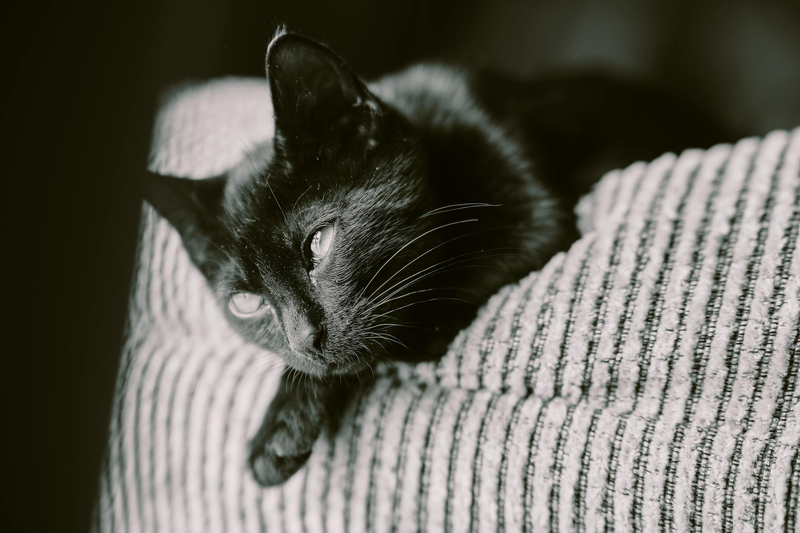
1. Singapura
The Singapura is one of the smallest recognized cat breeds, with adults typically weighing around 4 to 8 pounds. They’ve got a delicate frame, oversized ears, and a big-cat attitude packed into a very small body.
Black is not the standard Singapura color — the breed is best known for sepia-toned ticking — so this one is more about size than coat availability. Still, it’s worth mentioning because people often search for “small black cat breeds” when they really mean “tiny cats that might fit my apartment and my couch.”
- Size: Very small
- Temperament: Curious, lively, people-oriented
- Grooming: Low
- Black coat: Rare to not standard
2. Munchkin
Munchkins are famous for their short legs, which make them look tiny even when their bodies are more average-sized. Adults often land in the 5 to 9 pound range, though that varies.
Black Munchkins do exist, and the coat can be solid black, tuxedo, or mixed. The breed is playful and social, but it’s also controversial because of the genetic mutation that causes the short legs. If you’re researching adoption, read beyond the cute photos. The International Cat Care site has sensible, non-hypey guidance on cat welfare topics, which is exactly the energy this subject needs.
- Size: Small to medium, but compact-looking
- Temperament: Playful, social, outgoing
- Grooming: Low
- Black coat: Possible
3. Cornish Rex
The Cornish Rex is sleek, fine-boned, and often lighter than it looks. Adults usually weigh about 6 to 10 pounds. The wavy coat and huge ears give it a very specific alien-gremlin charm. That’s not a criticism. It’s why people love them.
Black Cornish Rex cats are real and striking, because the short, soft coat makes solid color look extra dramatic. Grooming is easier than you’d expect, though their coat can be more delicate than a typical shorthair’s.
- Size: Small to medium
- Temperament: Energetic, affectionate, mischievous
- Grooming: Low to moderate
- Black coat: Possible and seen
4. Devon Rex
The Devon Rex is another small, pixie-faced breed that usually weighs around 6 to 9 pounds. It’s compact, light, and built more like a feline acrobat than a lap ornament.
Black Devons show off the breed’s huge eyes and big ears really well. Their short, curly coat can make shedding feel lighter than with many breeds, though they still need routine care. They’re people cats, and they know it.
- Size: Small
- Temperament: Social, funny, clingy in the best way
- Grooming: Low
- Black coat: Possible
5. Bombay
If someone says “small black cat,” the Bombay is probably the first breed that comes to mind. It’s the panther look in house-cat form: glossy black coat, copper or gold eyes, and a sleek outline.
The catch is that Bombays are usually medium in size, not truly tiny. Adults tend to be around 8 to 12 pounds. They can still work for apartment life because they’re compact, short-coated, and generally easygoing, but they’re not the smallest cat on this list.
The Cat Fanciers’ Association breed profile is a good reference if you want to see how the breed is officially described.
- Size: Small to medium
- Temperament: Affectionate, calm, adaptable
- Grooming: Low
- Black coat: Standard
6. American Curl
American Curls are easiest to spot by the ears, which curl backward instead of standing straight up. They’re medium-small cats, often around 5 to 10 pounds, with a light, neat build.
Black is a possible coat color, and the breed can be shorthaired or longhaired. Their temperament is usually friendly without being clingy, which makes them a good fit for homes that want a cat with personality but not chaos.
- Size: Small to medium
- Temperament: Friendly, gentle, adaptable
- Grooming: Low to moderate
- Black coat: Possible
7. Japanese Bobtail
Japanese Bobtails are lean, athletic, and famous for their little pom-pom tails. They’re not tiny in the strictest sense, but they are compact and light on their feet, usually weighing around 5 to 10 pounds.
Black Japanese Bobtails exist, although the breed is more commonly seen in other patterns too, including the classic calico look. They’re active cats with a lot of personality, so they’re a better match for people who want a playful companion than for someone hoping for a decorative loaf.
- Size: Small to medium
- Temperament: Alert, active, playful
- Grooming: Low
- Black coat: Possible
8. Oriental Shorthair
Oriental Shorthairs are slim, angular cats with long lines and huge ears. They often weigh around 6 to 10 pounds, but because they’re so fine-boned, they can look even smaller.
Solid black Orientals are absolutely a thing, and the color suits the breed’s dramatic shape. They’re talkative, demanding, and very attached to their humans. If you want a quiet cat, this is not your quiet cat.
- Size: Small to medium
- Temperament: Vocal, affectionate, high-energy
- Grooming: Low
- Black coat: Common in solid colors
9. Burmese
Burmese are compact, muscular cats with a dense, silky coat and a habit of staying kittenish well into adulthood. They’re usually around 6 to 12 pounds, so again, not the smallest on paper, but often smaller-looking than their weight suggests.
Black is not the classic Burmese color in every registry, but dark sable and black-toned coats are part of the broader conversation depending on breed lines and standards. If what you want is a small, friendly, easy-to-live-with cat, Burmese deserve a serious look.
- Size: Small to medium
- Temperament: Sweet, social, people-centered
- Grooming: Low
- Black coat: Possible depending on registry/line
Best picks by living situation
Best for apartments: Bombay, Devon Rex, Singapura
These stay compact, don’t need a giant amount of space, and usually do fine in smaller homes as long as they get playtime.
Best for low grooming: Bombay, Oriental Shorthair, Burmese
Short coats, minimal fuss. Your vacuum will still have opinions, but your grooming routine won’t.
Best for a “small black panther” look: Bombay
No contest. This is the breed people picture when they want that sleek, inky, glossy black-cat silhouette.
Best for people who want tiny: Singapura or Munchkin
Singapura for true smallness. Munchkin for the short-legged look. Different appeal, different reality.
Best for playful households: Cornish Rex, Devon Rex, Japanese Bobtail
These cats bring energy. Expect zoomies. Expect the occasional ridiculous leap onto a fridge like it’s a mission.
Adoption reality: black and small often means mixed-breed
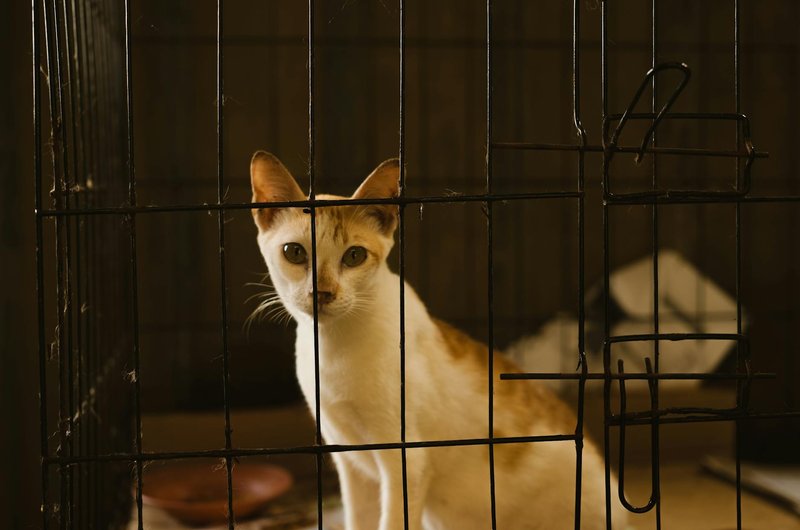
At a shelter, the most likely “small black cat breed” you’ll meet is a black domestic shorthair or black domestic longhair. That’s not a disappointment. It’s the actual answer most of the time.
Domestic cats aren’t a breed in the fancy-registry sense, but they can be small, sleek, affectionate, and just as black as any pedigree cat. In fact, black cats are common in shelters, partly because black coat color is widespread and partly because people still carry weird superstitions around them. The cat, naturally, did nothing wrong.
If you’re adopting and want a small black cat, look at:
- body size, not just age
- energy level
- whether the cat is settled with handling
- coat length and grooming needs
- how the cat behaves in a quiet room, not just in a cage
That last one matters. Shelter cats often look different once they’ve had a nap, a snack, and a chance to stop auditioning for the role of “very nervous potato.”
Final take
Small black cat breeds exist, but the phrase covers a lot of ground. Some breeds are truly petite, like the Singapura and Devon Rex. Others, like the Bombay, are better described as compact black cats rather than genuinely small ones.
If your goal is a black cat that won’t dominate the sofa, start with breed size, then check coat color availability. If your goal is just to bring home a small black cat with a good personality, don’t sleep on domestic shorthairs from a shelter. They’re often the best fit, and they don’t care one bit whether they’re on some official list.
The cleanest shortcut: choose the cat, not the mythology. A healthy, well-matched black cat is the real win.