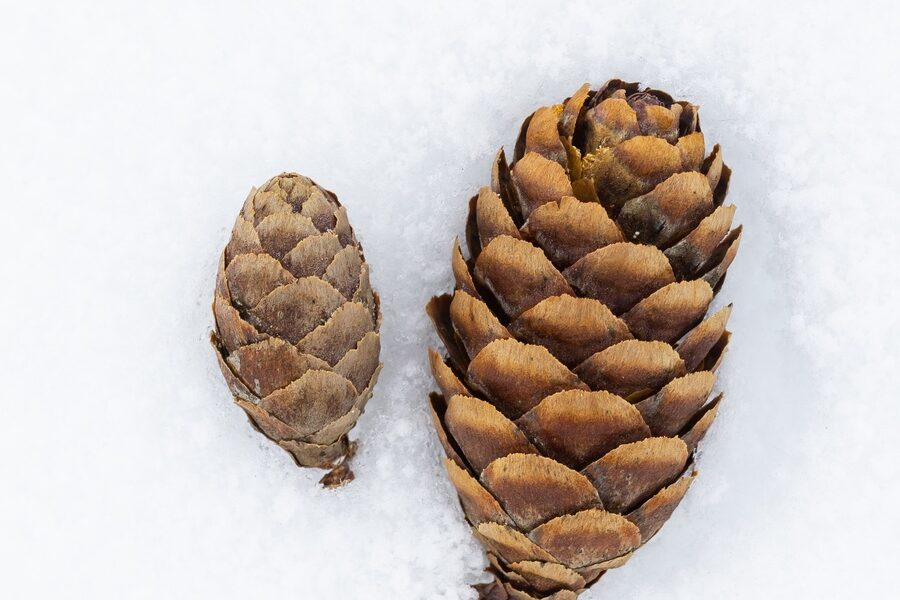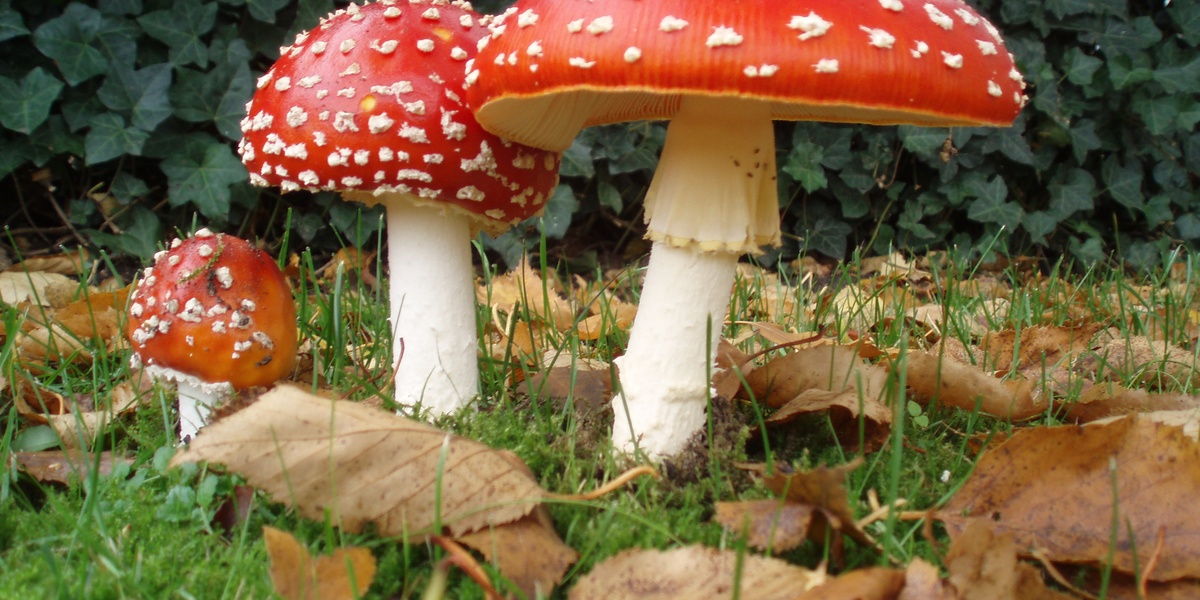
The taiga — the vast boreal belt of spruce, pine and lichen stretching across northern North America, Europe and Asia — is a landscape where seasons and slow decay set the pace. Fungi here are integral to nutrient cycling, shelter and wildlife diets, popping up on logs, stumps and mossy soil through short summers.
There are 33 taiga fungi, ranging from Artist’s Conk to Yellowfoot. For each species the table lists Scientific name,Habitat & range,Size & edibility (cap cm; note) to help with identification and practical use in the field — you’ll find below.
How can I tell which taiga fungi are safe to eat?
Safe identification relies on multiple traits: macroscopic features (cap shape, gills/pores, stem), habitat, spore print color and known lookalikes; many edible species have poisonous doppelgangers, so cross-check local field guides, join a mycology group, and when in doubt don’t eat it. Use regional keys and, if needed, consult an expert before tasting.
Do these species tell us anything about the forest ecosystem?
Yes — many are specific decomposers or mycorrhizal partners, so their presence indicates deadwood availability, tree health and soil conditions; shifts in which species appear or fruiting times can signal changes from logging, pollution or climate, making them useful indicators for monitoring.
Taiga Fungi
| Name | Scientific name | Habitat & range | Size & edibility (cap cm; note) |
|---|---|---|---|
| Porcini | Boletus edulis | Coniferous and mixed taiga; Northern Europe, Asia, North America | 10–30 cm; choice edible |
| Slippery Jack | Suillus luteus | Pine taiga; Europe, Asia, North America | 5–12 cm; edible after peeling |
| Velvet Bolete | Suillus variegatus | Pine and spruce taiga; northern Europe, North America | 4–10 cm; edible, good |
| Granulated Bolete | Suillus granulatus | Pine taiga; widespread boreal regions | 4–10 cm; edible |
| Bovine Bolete | Suillus bovinus | Pine taiga; Eurasia, North America | 4–8 cm; edible, mild |
| Birch Bolete | Leccinum scabrum | Birch-dominated taiga; Eurasia, North America | 5–15 cm; edible when cooked |
| Orange Birch Bolete | Leccinum versipelle | Birch taiga; Northern Europe, Asia, North America | 6–20 cm; edible with caution |
| Chanterelle | Cantharellus cibarius | Mossy conifer and mixed taiga; Holarctic | 2–6 cm; choice edible |
| Yellowfoot | Craterellus tubaeformis | Damp coniferous taiga; circumboreal | 1–4 cm; choice edible |
| Black Trumpet | Craterellus cornucopioides | Mossy taiga, mixed woods; Europe, North America | 1–4 cm; choice edible |
| Hedgehog | Hydnum repandum | Coniferous and mixed taiga; Holarctic | 4–12 cm; choice edible |
| Saffron Milk Cap | Lactarius deliciosus | Pine taiga; Eurasia, North America | 5–15 cm; choice edible |
| Bitter Milk Cap | Lactarius rufus | Pine taiga; circumboreal | 3–10 cm; inedible/toxic to some |
| Morel | Morchella esculenta complex | Burned or disturbed taiga; Holarctic | 3–10 cm; choice edible when cooked |
| False Morel | Gyromitra esculenta | Coniferous taiga soils; Holarctic | 3–12 cm; poisonous (gyromitrin) |
| Verpa | Verpa bohemica | Moist coniferous taiga; North America, Europe | 4–10 cm; caution edible for some |
| Earthball | Scleroderma citrinum | Pine and birch taiga; circumboreal | 1–6 cm; poisonous/inedible |
| Brown Roll-Rim | Paxillus involutus | Coniferous taiga; Europe, North America | 4–12 cm; poisonous (immune hemolysis) |
| Honey Fungus | Armillaria ostoyae | Roots and stumps in taiga; circumboreal | 3–10 cm; edible after cooking with caution |
| Birch Polypore | Piptoporus betulinus | On birch trunks in taiga; circumboreal | 5–20 cm; inedible/medicinal uses |
| Tinder Fungus | Fomes fomentarius | On birch and other hardwoods in taiga; circumboreal | 5–30 cm; inedible, tinder/medicinal |
| Red-belted Polypore | Fomitopsis pinicola | Dead conifer wood in taiga; circumboreal | 5–25 cm; inedible/tough |
| Artist’s Conk | Ganoderma applanatum | Dead wood and trunks in taiga; Holarctic | 5–25 cm; inedible/medicinal uses |
| Chaga | Inonotus obliquus | Birch forests in taiga; circumboreal | 5–30 cm; medicinal infusion only, not eaten |
| Scaly Hedgehog | Sarcodon imbricatus | Pine taiga in moss; Eurasia, North America | 5–15 cm; edible to mild, often bitter |
| Gypsy Mushroom | Cortinarius caperatus | Mossy conifer taiga; Northern Europe, North America | 3–10 cm; edible when cooked |
| Herald | Hygrophorus hypothejus | Under pine in taiga; Europe, North America | 3–8 cm; edible, good when young |
| Turkey Tail | Trametes versicolor | Dead wood and stumps across taiga; circumboreal | 1–8 cm; inedible/medicinal uses |
| Larch Bolete | Suillus grevillei | Larch taiga; Eurasia, North America | 5–12 cm; edible but slimy |
| Coral Fungus | Clavulina cristata | Mossy conifer taiga; circumboreal | 1–6 cm; edible/insubstantial |
| Deceiver | Laccaria laccata | Mossy coniferous taiga; circumboreal | 1–6 cm; edible but insubstantial |
| Dead Man’s Foot | Pisolithus arhizus | Pine taiga soils and poor sites; circumboreal | 2–15 cm; inedible |
| Wound Bracket | Phellinus igniarius | On hardwoods, especially birch, in taiga; circumboreal | 3–25 cm; inedible |
Images and Descriptions
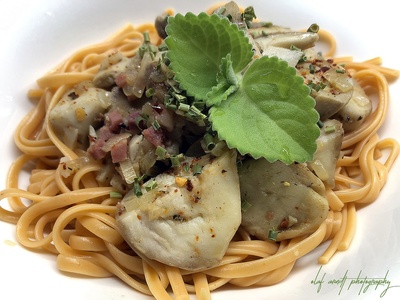
Porcini
Large brown bolete with stout stipe and sponge-like pores. Fruits under spruce and pine late summer–autumn. Firm, nutty flesh prized fresh or dried. Foragers must avoid red-pored and other toxic boletes when identifying.
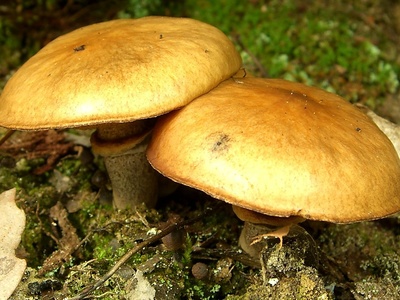
Slippery Jack
Sticky brown cap with yellow pores and often a ring on the stalk. Common in pine stands on mossy ground. Peel slimy cuticle before cooking; good cooked but may upset sensitive stomachs if eaten raw.
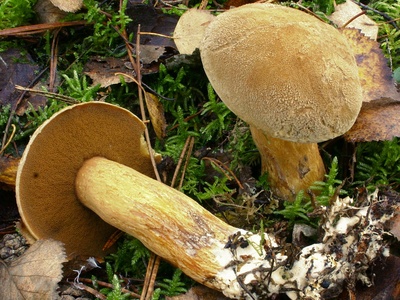
Velvet Bolete
Velvety brown cap and yellow pores that bruise brown. Appears in mossy pine woods mid–late season. Soft, pleasant-tasting flesh when cooked; a reliable boreal bolete for collectors.

Granulated Bolete
Smooth brown cap with granular stipe base and no ring. Grows with pines in mossy soil summer–autumn. Mild flavor and common in local collections; cook before eating.
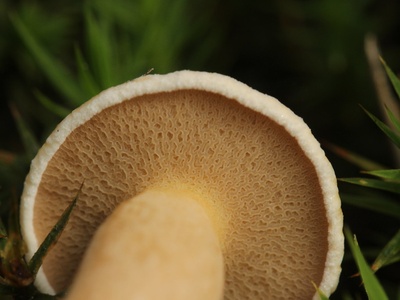
Bovine Bolete
Small bolete with smooth tan cap and decurrent pores. Frequent in mossy pine stands early autumn. Bland but edible; good for soups and stews when abundant.
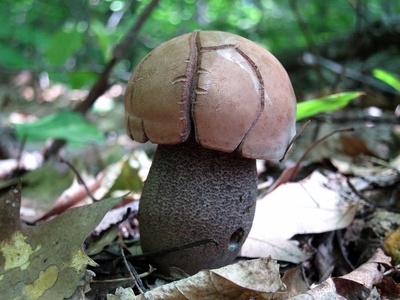
Birch Bolete
Brown cap and rough, scabrous stalk associated with birch trees. Appears mid–late summer in boreal birch stands. Firm texture and mild, pleasant flavor when well-cooked; some Leccinum may cause reactions.
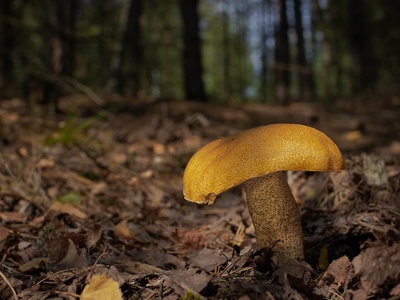
Orange Birch Bolete
Orange-capped bolete under birch, common in boreal forests. Large late-summer to autumn fruit bodies. Edible when thoroughly cooked, though occasional gastric upset reported in sensitive people.
Chanterelle
Golden funnel-shaped mushrooms with ridged false gills and fruity apricot aroma. Thrive in mossy pine and spruce stands summer–autumn. Highly prized and easy to recognize by color and textured hymenium.
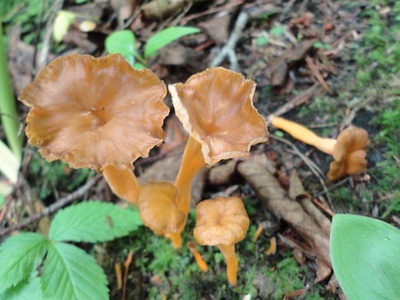
Yellowfoot
Small brown-yellow trumpets in moss and duff beneath conifers. Hollow stems and thin, wrinkled trumpets appear late summer–autumn. Intensely flavored and excellent for drying or sautéing.
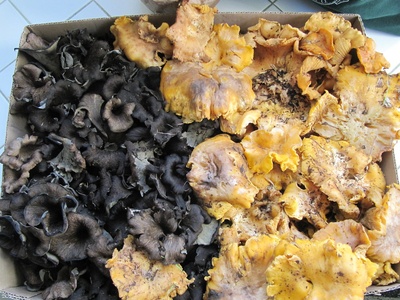
Black Trumpet
Dark, trumpet-shaped fungus hidden in leaf litter and moss. Thin-walled and richly flavored, prized though easily overlooked. Autumn fruiting in conifer and mixed boreal stands.

Hedgehog
Buff-to-orange cap with spiny teeth instead of gills. Found under pine and spruce on mossy soil summer–autumn. Firm texture and sweet, nutty taste with few look-alikes.
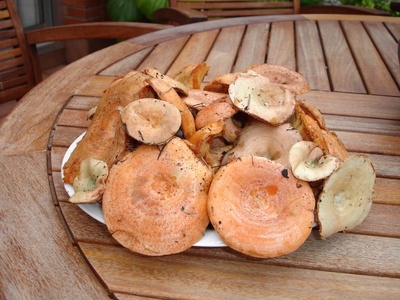
Saffron Milk Cap
Orange-capped mushroom exuding orange latex when cut, often with concentric zones. Grows in pine stands late summer–autumn. Distinct color and flavor; eaten fresh, fried, or pickled.
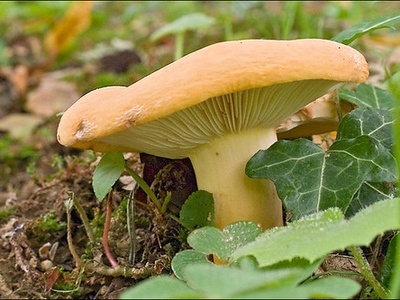
Bitter Milk Cap
Reddish-brown cap producing bitter latex; common under pine in boreal zones. Generally regarded as inedible or causing gastric upset; avoid consuming raw or undercooked.
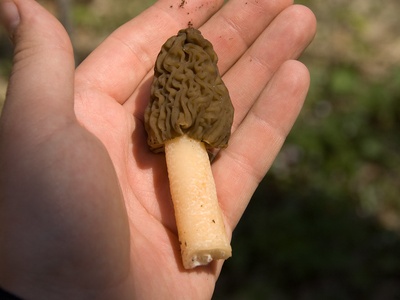
Morel
Honeycombed, sponge-like spring fruits, often abundant after fires or soil disturbance in coniferous forests. Highly prized but must be cooked; multiple similar species complicate exact identification.
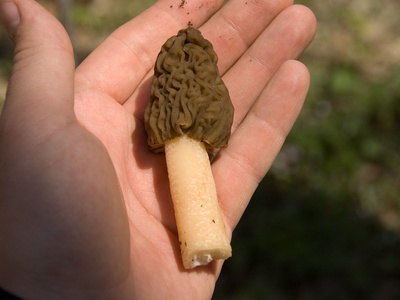
False Morel
Wrinkled, brain-like cap in spring near conifers and sandy soils. Contains toxin gyromitrin; historically eaten after special prep but best avoided—can be fatally toxic.
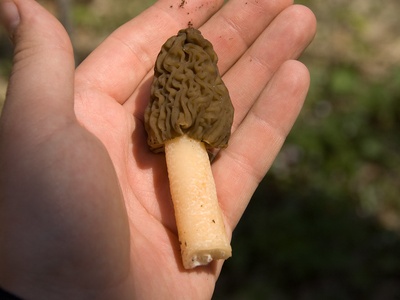
Verpa
Elongated cap attached at apex with a fragile stem, fruits early spring. Edibility disputed—some people eat after cooking but others report gastric upset; handle cautiously.
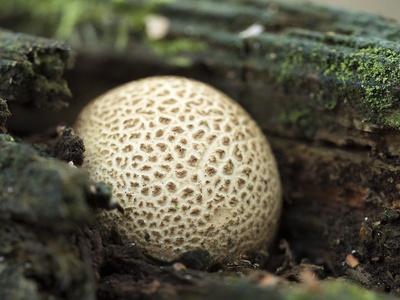
Earthball
Round, thick-walled ball fungus on soil in coniferous forests. Brown-black dusty interior when cut; often mistaken for puffballs but not edible and can be toxic.
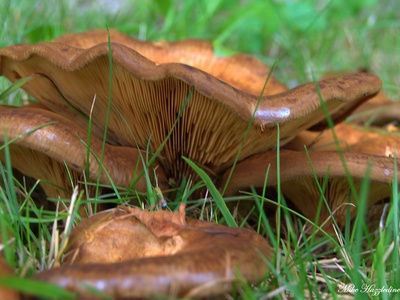
Brown Roll-Rim
Brown, funneling cap with decurrent gills found in pine and birch forests. Once eaten historically but can trigger severe immune reactions; avoid entirely.
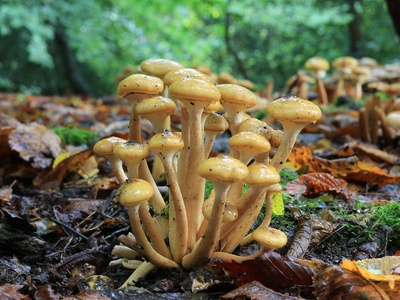
Honey Fungus
Clusters of yellow-brown caps on buried wood and roots; causes root rot in forests. Some cultures eat after thorough cooking, but views on edibility vary and ID is important.
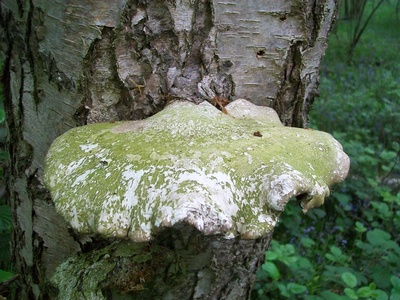
Birch Polypore
Hoof-shaped white bracket on birch with corky flesh. Tough and not culinary but historically used as tinder, poultice and folk remedy—very common in boreal birch stands.
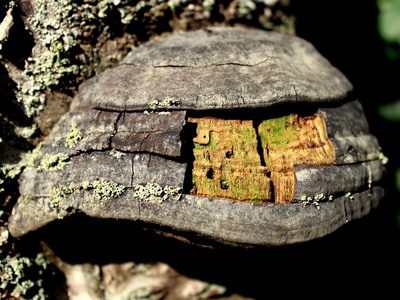
Tinder Fungus
Hard, hoof-shaped perennial bracket on birch and spruce. Produces fibrous tinder used historically. Common on aging trees across boreal forests and useful for survival craft.
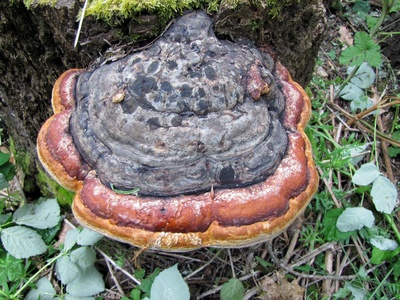
Red-belted Polypore
Thick bracket with reddish zoned margin on dead pine and spruce. Widespread and long-lived; not edible but important decomposer in boreal woodlands.
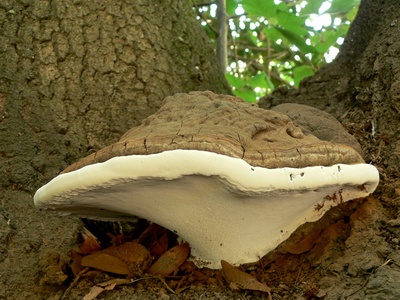
Artist’s Conk
Brown, woody shelf fungus with white pore surface that blacks when scratched. Common on dead birch and hardwoods; used for surface art and traditional remedies.
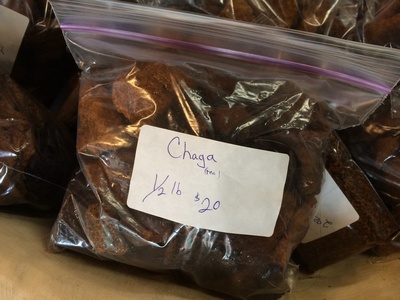
Chaga
Black, irregular sterile conk on living birch. Harvested and dried to make medicinal teas. Not eaten raw; culturally significant in northern folk medicine.
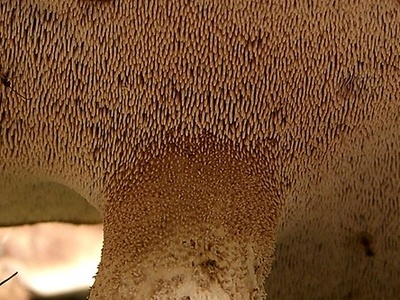
Scaly Hedgehog
Large scaly cap with tooth-like spines beneath. Found in pine-dominated boreal areas late summer–autumn. Edibility varies—some trim bitter parts and consume, others avoid.
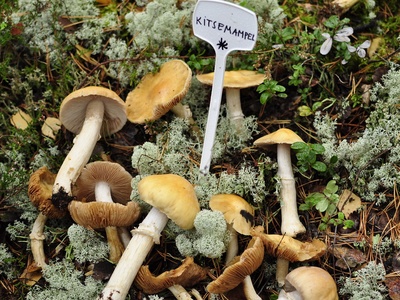
Gypsy Mushroom
Brown to ochre cap with remnants of a cortina and fibrous scales. Grows in mossy pine and spruce areas. Edible with confidence but avoid other Cortinarius species.

Herald
Sticky reddish-brown cap with white gills turning yellow with age; fruits in late autumn under pine. Known as “herald of winter.” Edible and pleasant when young and fresh.
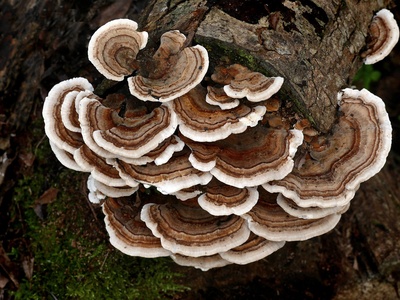
Turkey Tail
Thin, multicolored zoned brackets on dead conifers and birch. Tough and not culinary but widely used in traditional medicines and ecology studies; very common on fallen trunks.
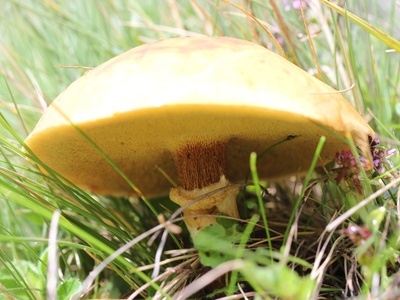
Larch Bolete
Yellow to orange bolete under larch in boreal stands. Slimy cap cuticle often peeled before cooking. Good edible when properly prepared; appears in summer–autumn.
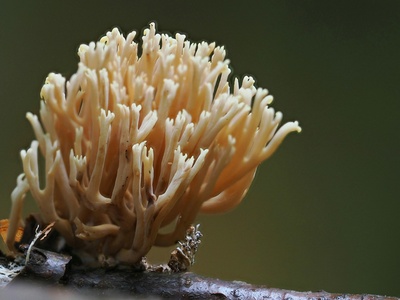
Coral Fungus
White branching coral-like fungus in mossy pine and spruce forests. Small and delicate, with mild taste. Edible though not highly sought after; appears summer–autumn.
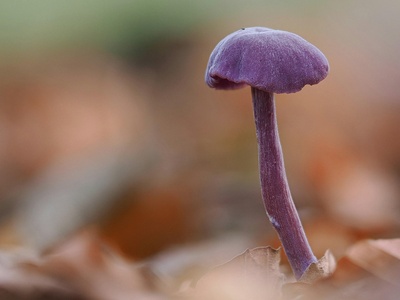
Deceiver
Small, variable-colored cap mushroom in mossy pine and birch woods. Name reflects its changing hue. Edible though often thin and watery; foragers collect when abundant.
Dead Man’s Foot
Thick, pear-shaped, hard fruit body near pines in poor soils. Internally dusty spore mass. Not edible but an important mycorrhizal fungus used in forestry restoration.
Wound Bracket
Woody, hoof-shaped perennial bracket causing white rot on birch trunks. Very hard and inedible; common on wounded and aging trees across boreal forests.