Whether you’re tending a city street, backyard orchard, or a stretch of mixed woodland, the insects on trees can signal everything from minor nuisance to serious decline. A little attention to leaves, bark and fruit helps you catch problems before they spread.
There are 37 tree bugs, ranging from Asian longhorned beetle to Woolly apple aphid. For each species, the list is organized by Scientific name,Host trees / range,Key signs & damage — you’ll find below.
How can I quickly identify which pest is attacking my tree?
Note the host species and the damage type — wilting, dieback, boreholes, frass, sticky honeydew or woolly masses are strong clues — then compare photos of leaves, bark and insects to the entries below. If identification is unclear, take clear close-ups, record the tree species and location, and contact your local extension or an arborist for confirmation.
When should I report a finding or hire a professional?
Report immediately if you suspect an invasive like the Asian longhorned beetle or if many trees are affected; severe structural damage, large infestations, or safety hazards merit a pro. Small, localized aphid problems can often be monitored or treated locally, but err on the side of reporting unfamiliar or rapidly spreading pests.
Tree Bugs
| Name | Scientific name | Host trees / range | Key signs & damage |
|---|---|---|---|
| Emerald ash borer | Agrilus planipennis | Ash (Fraxinus); North America invasive | D-shaped exit holes, canopy dieback, S-shaped galleries |
| Asian longhorned beetle | Anoplophora glabripennis | Maple, willow, birch; N America, Europe, Asia | Round exit holes, oviposition pits, branch dieback |
| Bronze birch borer | Agrilus anxius | Birch (Betula); North America | D-shaped exit holes, thinning crown, epicormic shoots |
| Two-lined chestnut borer | Agrilus bilineatus | Oak, chestnut, other hardwoods; North America | D-shaped holes, branch dieback after drought |
| Mountain pine beetle | Dendroctonus ponderosae | Pine (Pinus); western North America | Pitch tubes, red/brown needles, mass tree mortality |
| Southern pine beetle | Dendroctonus frontalis | Pine (Pinus); Southeastern US, Latin America | Mass attacks, pitch tubes, rapid crown fading |
| European spruce bark beetle | Ips typographus | Spruce (Picea); Europe, Eurasia | Small round holes, frass, crown thinning |
| Gypsy moth | Lymantria dispar | Oaks and many deciduous trees; N America, Europe | Defoliation, hanging caterpillars, egg masses on bark |
| Winter moth | Operophtera brumata | Maple, oak, apple, others; Europe and invasive N America | Early spring bud-feeding, defoliation, chewed buds |
| Eastern tent caterpillar | Malacosoma americanum | Cherry, apple, other hardwoods; North America | Silk tents in crotches, spring defoliation |
| Fall webworm | Hyphantria cunea | Many deciduous trees; North America and worldwide | Large webs on twig tips, late-summer defoliation |
| Oak processionary moth | Thaumetopoea processionea | Oak (Quercus); Europe | Trunks with nests, caterpillars with urticating hairs and defoliation |
| Spruce budworm | Choristoneura fumiferana | Spruce and fir; North America | Needle and bud feeding, shoot dieback, tree growth loss |
| Pine sawfly | Neodiprion lecontei | Pine (Pinus); North America | Larvae in groups on needles, defoliation |
| Japanese beetle | Popillia japonica | Many deciduous trees and ornamentals; N America invasive | Skeletonized leaves, adult feeding in summer |
| Locust borer | Megacyllene robiniae | Black locust (Robinia); North America | Larval tunnels, sap oozing, weakened trunks |
| Lilac borer | Podosesia syringae | Lilac, ash, privet, others; North America | Wilting shoots, sawdust at stem bases |
| Carpenterworm | Prionoxystus robiniae | Various hardwoods; North America | Large exit holes, frass, internal tunneling |
| Flatheaded appletree borer | Chrysobothris femorata | Apple, hardwoods; North America | D-shaped galleries under bark, larval galleries |
| Peach tree borer | Synanthedon exitiosa | Peach and other Prunus; North America | Gummy sap, entry holes at base, wilting |
| Hemlock woolly adelgid | Adelges tsugae | Hemlock (Tsuga); Eastern N America invasive | White woolly ovisacs at twig bases, needle loss |
| Balsam woolly adelgid | Adelges piceae | True firs (Abies); North America introduced | Gouting, resin bleeding, twig dieback |
| Beech scale | Cryptococcus fagisuga | Beech (Fagus); Europe and introduced N America | Small white scale on bark, bark roughening, canker formation |
| Oystershell scale | Lepidosaphes ulmi | Maple, fruit, many ornamentals; temperate regions | Flattened armored scales on bark, branch dieback |
| Cottony cushion scale | Icerya purchasi | Citrus, ornamentals, many trees; worldwide | White cottony egg sacs, honeydew and sooty mold |
| Woolly apple aphid | Eriosoma lanigerum | Apple, hawthorn; worldwide | White cottony masses on roots/branches, galls, root suckering |
| Horse-chestnut leaf miner | Cameraria ohridella | Horse chestnut (Aesculus); Europe invasive | Brown blotches and mined leaves, early browning |
| Birch leaf miner | Fenusa pusilla | Birch (Betula); North America and Europe | Blotch mines on leaves, early summer browning |
| Elm leaf beetle | Xanthogaleruca luteola | Elm (Ulmus); Europe, N America | Skeletonized leaves, larval feeding on undersides |
| Green spruce aphid | Elatobium abietinum | Spruce (Picea); Europe and North America | Yellowing needles, needle drop, sticky honeydew |
| Cooley spruce gall adelgid | Adelges cooleyi | Spruce and pine; North America | Conical galls on new growth, distorted candles |
| Two-spotted spider mite | Tetranychus urticae | Many trees and shrubs; worldwide | Fine webbing, stippled/yellowed leaves, early leaf drop |
| San Jose scale | Quadraspidiotus perniciosus | Fruit and many deciduous trees; worldwide | Small round white/gray scales, branch dieback, fruit injury |
| Poplar borer | Saperda calcarata | Poplar and aspen (Populus); North America | Entry holes, sawdust, weakened trunks |
| Redbay ambrosia beetle | Xyleborus glabratus | Lauraceae (redbay, avocado); SE US invasive | Pinhead bore holes, dieback, canker symptoms from vectored fungus |
| Beech blight aphid | Grylloprociphilus imbricator | Beech (Fagus); North America | Large woolly white colonies on branches, sooty mold |
| Chestnut weevil (bark/root feeders) | Curculio spp. | Chestnut and some hardwoods; temperate regions | Boring into nuts/ bark damage, decline in productivity |
Images and Descriptions
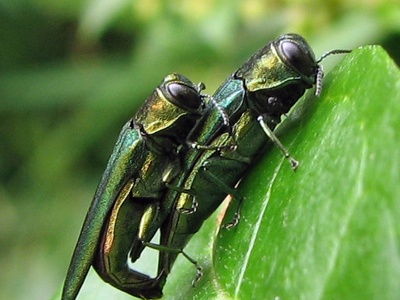
Emerald ash borer
Metallic green beetle whose larvae feed phloem under bark in summer; causes rapid ash decline over 1–5 years. Look for woodpecker activity, treat high-value trees with systemic insecticides or remove heavily infested trees to limit spread.
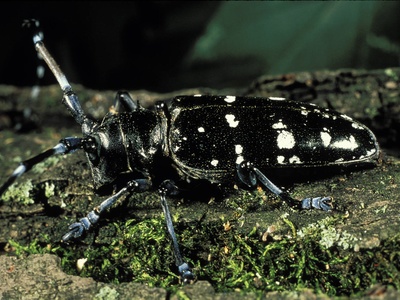
Asian longhorned beetle
Large longhorn beetle; larvae bore deep into wood year-round causing branch and trunk death. Detect early by round 1–2 cm holes and frass. Quarantine, remove infested trees, and follow eradication programs; insecticide options limited for heavy infestations.
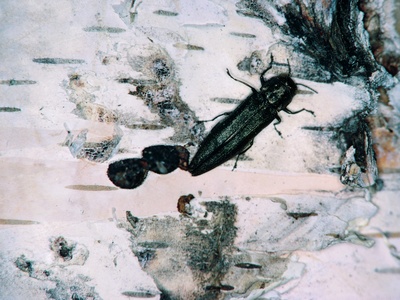
Bronze birch borer
Buprestid that attacks stressed birch; larvae mine under bark mostly in warm months causing slow decline. Keep birches healthy, avoid drought stress, and remove girdled or heavily infested trees. Systemic insecticides can protect high‑value trees.
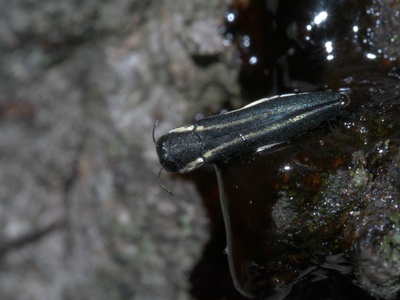
Two-lined chestnut borer
Opportunistic borer attacking weakened trees; larvae create galleries under bark in summer. Prevention: reduce tree stress, remove infested material; systemic insecticides may protect individual trees during outbreaks.
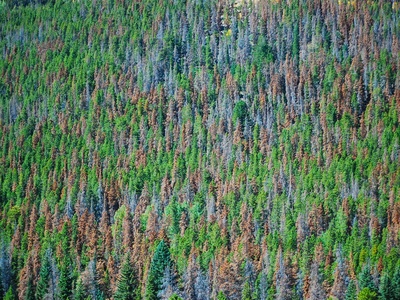
Mountain pine beetle
Bark beetle that attacks live pines in large numbers, typically in summer and fall. Famous for large forest kills. Manage with sanitation harvesting, pheromone traps in some cases, and salvage logging; insecticides only for individual trees.
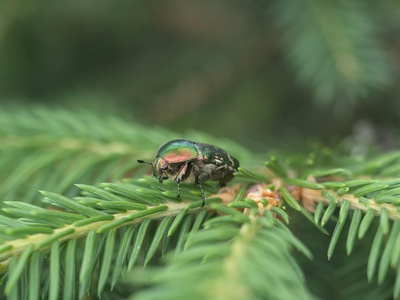
Southern pine beetle
Aggressive bark beetle causing rapid mortality of pine stands. Outbreaks expand quickly; management uses aerial surveys, pheromone-based trapping, thinning, and prompt removal of infested trees.
European spruce bark beetle
Bark beetle that infests weakened or windthrown spruce; multiple generations can cause stand-level mortality. Look for boring dust and pitchless trunks. Keep trees vigorous, remove infested trees, consider insecticide sprays for high-value specimens.
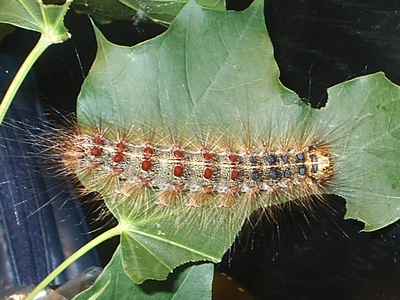
Gypsy moth
Hairy caterpillars feed in late spring–summer and can strip entire crowns in outbreaks. Egg masses persist over winter. Control with egg scraping, biological Bt sprays for small larvae, and insecticides for severe defoliation.
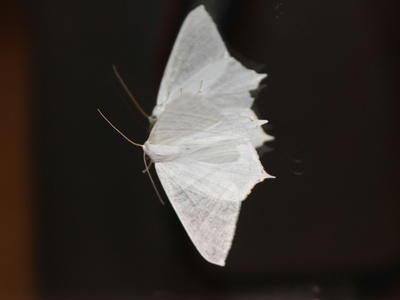
Winter moth
Caterpillars hatch in early spring and feed on expanding buds and leaves, stunting growth. Timing is key: spray or apply biological controls in spring when larvae emerge; sticky bands can trap females on trunks.
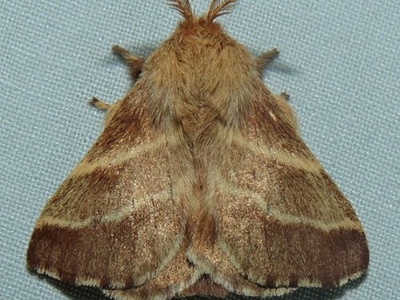
Eastern tent caterpillar
Social caterpillars build conspicuous tents in tree forks and defoliate trees in spring. Often one generation yearly; remove tents by hand early, prune affected branches, or use targeted insecticides when larvae are young.
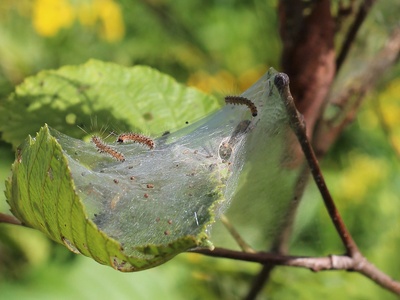
Fall webworm
Web-building caterpillar active late summer into fall that covers branches with silky nests and chews foliage. Usually cosmetic damage; remove webs by pruning or destroy nests; insecticide seldom needed for mature trees.
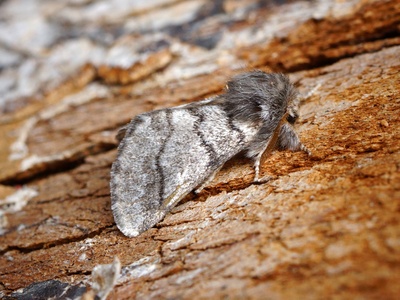
Oak processionary moth
Caterpillars form communal nests and have irritating hairs that cause rashes and respiratory issues. Control requires professional removal, nest spraying in spring, and public health precautions during outbreaks.
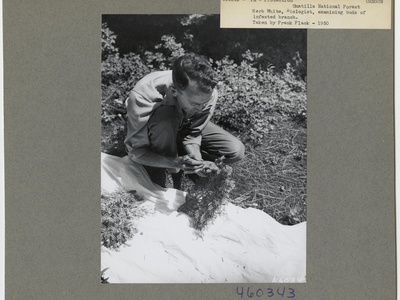
Spruce budworm
Caterpillar outbreaks periodically defoliate spruce and fir causing slow growth decline or mortality. Monitor bud damage in spring; biological agents and forest-scale insecticides used in severe outbreaks.
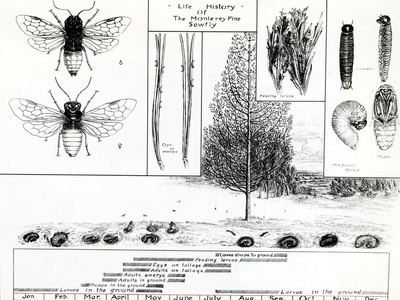
Pine sawfly
Sawfly larvae feed in clusters on pine needles in spring and early summer. Small trees can be severely defoliated. Management includes handpicking, targeted insecticides when larvae are small, and encouraging natural parasitoids.
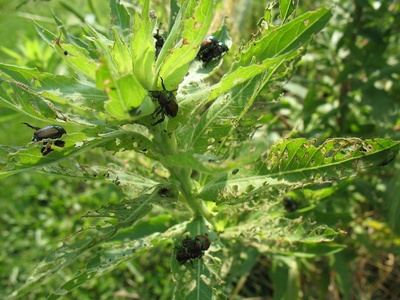
Japanese beetle
Adult beetles feed on foliage and flowers in summer, often creating lace-like leaves. Traps may increase local damage; handpick, use row covers for small specimens, or apply insecticides to high-value trees.
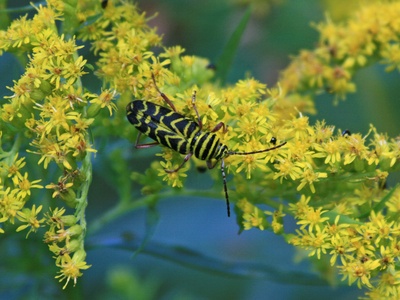
Locust borer
Larvae bore into black locust trunks and roots; infections often follow storm damage. Remove and destroy infested wood, avoid wounding trees, and consider timing insecticide/pheromone measures to adult flight periods.
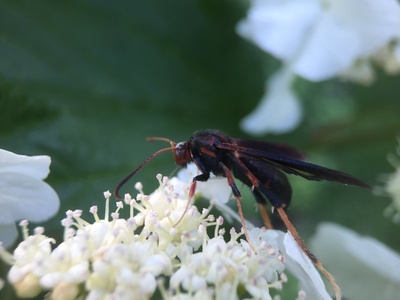
Lilac borer
Clearwing moth whose larvae bore into woody stems causing flagging and dieback. Prune out infested canes and destroy them; maintain tree vigor and treat trunks with targeted insecticides at adult flight times for prevention.
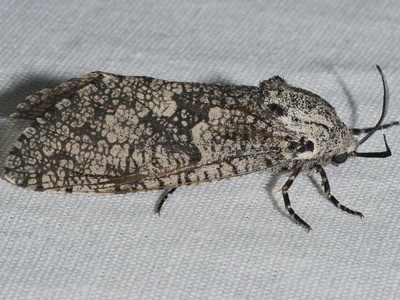
Carpenterworm
Large moth larvae that create deep galleries in living hardwoods, often in stressed trees. Damage accumulates over years. Remove heavily infested trees, maintain vigor, and apply trunk treatments if detected early.
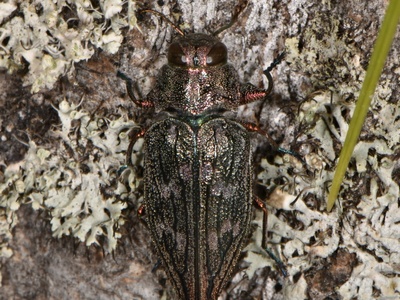
Flatheaded appletree borer
Buprestid larvae feed under bark of trunks and branches, causing girdling and decline in orchard and ornamental trees. Prevent by avoiding wounds, removing infested wood, and using trunk sprays or systemic insecticides in spring.
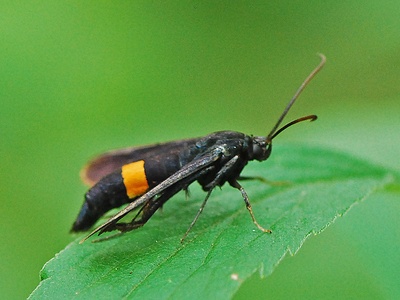
Peach tree borer
Clearwing moth larvae feed at trunk base and graft unions, causing sap oozing and tree weakness. Use trunk banding, remove infested bark, and apply targeted perimeter insecticide treatments timed to adult flight.
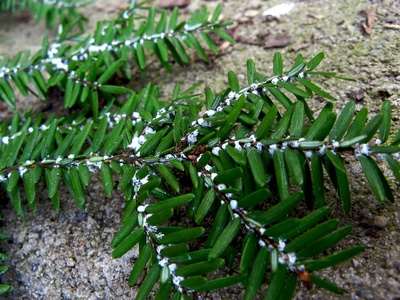
Hemlock woolly adelgid
Tiny sap-sucking adelgid feeding year-round causes rapid decline and mortality of eastern hemlock. Look for white cottony masses at needle bases. Management includes systemic insecticides and biological control agents where available.
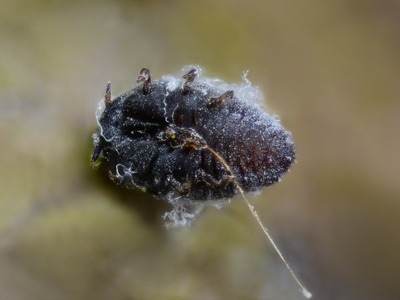
Balsam woolly adelgid
Sap-sucking adelgid that causes swollen shoots, reduced growth and mortality in firs. Detect white woolly masses; control with systemic insecticides, replace susceptible species, and practice sanitation.
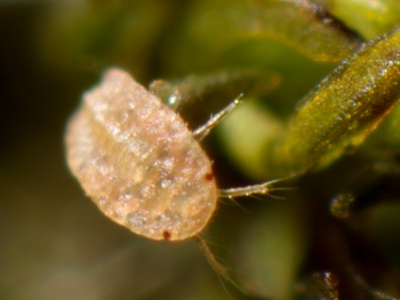
Beech scale
Minute sap-sucking scale that weakens beech and predisposes trees to fungal cankers. Management focuses on monitoring, removing heavily infested trees, and targeted systemic insecticides to protect specimen trees.
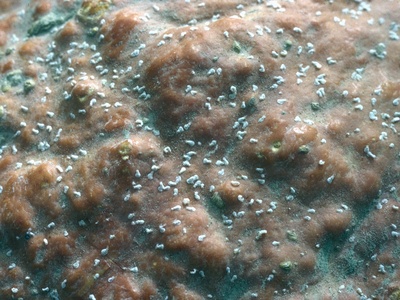
Oystershell scale
Armored scale insect that attaches to bark and twigs, sucking sap and causing dieback. Scrape scales from small trees, encourage natural enemies, and use systemic insecticides for heavy infestations.
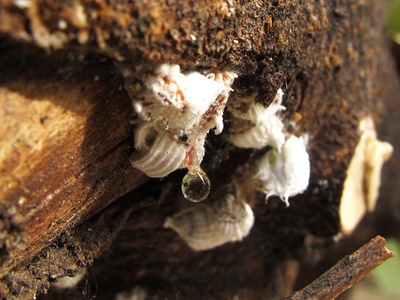
Cottony cushion scale
Soft scale producing conspicuous cottony egg masses and sticky honeydew. Heavy infestations weaken trees. Control with natural predators, horticultural oils, or systemic insecticides for severe problems.
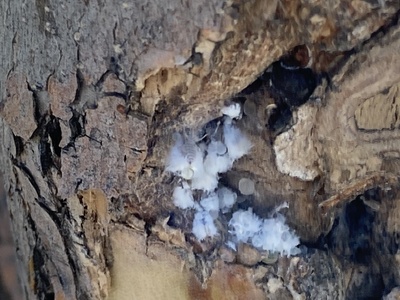
Woolly apple aphid
Aphid that forms cottony colonies on roots and branches causing galls and stunted growth. Aboveground infestations can be pruned out; protect rootstocks with soil-applied systemic insecticides in orchards.
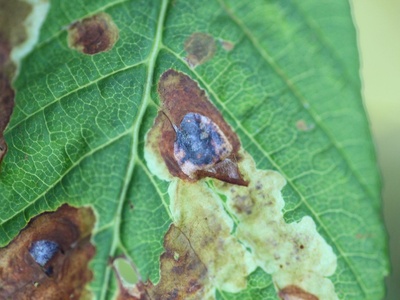
Horse-chestnut leaf miner
Tiny moth whose larvae mine inside leaves causing cosmetic browning and tree stress over repeated years. Control by removing fallen leaves, biological control where present, and targeted sprays when larvae are active.
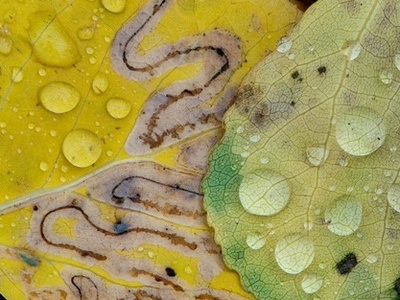
Birch leaf miner
Sawfly larvae that create brown blotches in birch leaves in late spring. Damage is mostly cosmetic; rake and destroy fallen leaves, and apply insecticides to young larvae if tree health is threatened.
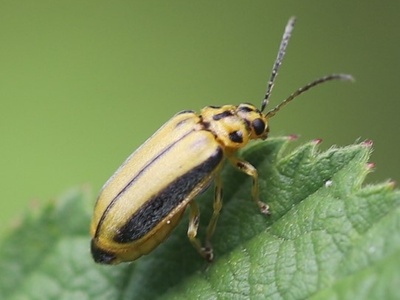
Elm leaf beetle
Adults and larvae chew elm foliage through summer causing defoliation if abundant. Handpick larvae, use biological Bt or insecticides when populations rise, and maintain tree vigor.
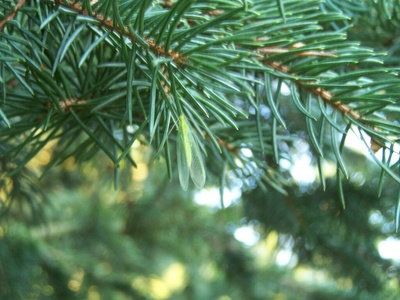
Green spruce aphid
Aphid that feeds on spruce needles mainly in cool seasons, leading to chlorosis and twig dieback. Spray threshold-based insecticides in spring if heavy; encourage predators and avoid water stress.
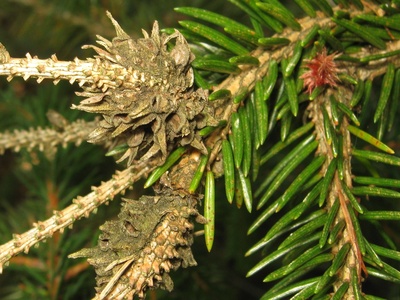
Cooley spruce gall adelgid
Adelgid that induces spongy galls on spruce’s new shoots in spring, reducing form and vigor. Prune out galls in summer and consider systemic treatments for high-value trees.
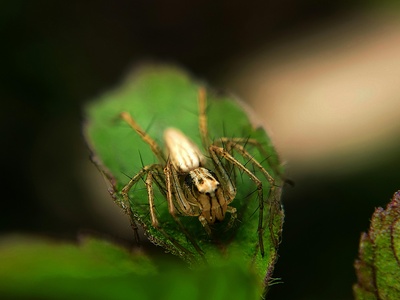
Two-spotted spider mite
Microscopic mites that thrive in hot, dry summer conditions and suck leaf contents causing bronzing. Hose heavy infestations, use miticides or horticultural oils, and promote canopy humidity and predators.

San Jose scale
Armored scale that attacks bark and fruiting wood, sucking sap and weakening trees. Detect with close inspection; control with horticultural oils at dormant season and systemic insecticides on high-value trees.
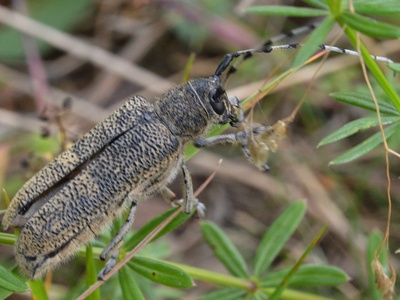
Poplar borer
Longhorn beetle larva tunneling inside poplars causes structural weakness and decline. Avoid stress and wounds, remove infested trees, and consider trunk treatments timed to adult flights for prevention.
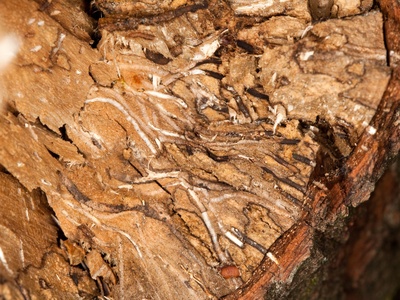
Redbay ambrosia beetle
Small ambrosia beetle bores into living wood and vectors laurel-wilt fungus that kills hosts. Monitor traps, remove infected trees quickly, and apply preventive drenches on valuable specimens where shown effective.
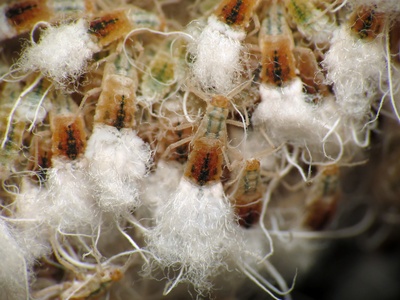
Beech blight aphid
Aphid forming dense white woolly colonies that drip honeydew and blacken surfaces; heavy infestations weaken trees. Prune affected limbs, encourage predators, and use insecticidal sprays if needed for landscape trees.
Chestnut weevil (bark/root feeders)
Weevil larvae and adults damage nuts and sometimes bore into bark or roots in certain species. Monitor fruiting trees, collect and destroy dropped fruit, and apply targeted insecticides during adult activity for protection.