Whether you’re paging through a natural history guide or watching shorebirds patrol the waterline, creatures that move on two feet offer an unusual lens on evolution, behavior and anatomy. This list gathers a mix of living and extinct examples to show how bipedal locomotion appears across very different groups.
There are 30 Two-Legged Animals, ranging from Australopithecus afarensis to Velociraptor. For each entry you’ll find below the fields organized as Scientific name,Biped type,Region / habitat so you can scan taxonomy, mode of bipedalism and typical location at a glance.
How did you decide which species to include?
I focused on species where bipedalism is a defining or regularly observed mode of locomotion—habitual bipeds and well-documented facultative bipeds—using published observations and fossil interpretations to avoid anecdotal cases.
Are extinct animals like Velociraptor treated differently in the table?
Extinct species are included alongside living ones; their entries rely on fossil evidence for biped type and list fossil localities or inferred habitats in the Region / habitat column so you can compare them directly with modern taxa.
Two-Legged Animals
| Common name | Scientific name | Biped type | Region / habitat |
|---|---|---|---|
| Humans | Homo sapiens | Obligate biped | Worldwide; diverse habitats |
| Birds | Aves | Obligate biped | Worldwide; varied habitats |
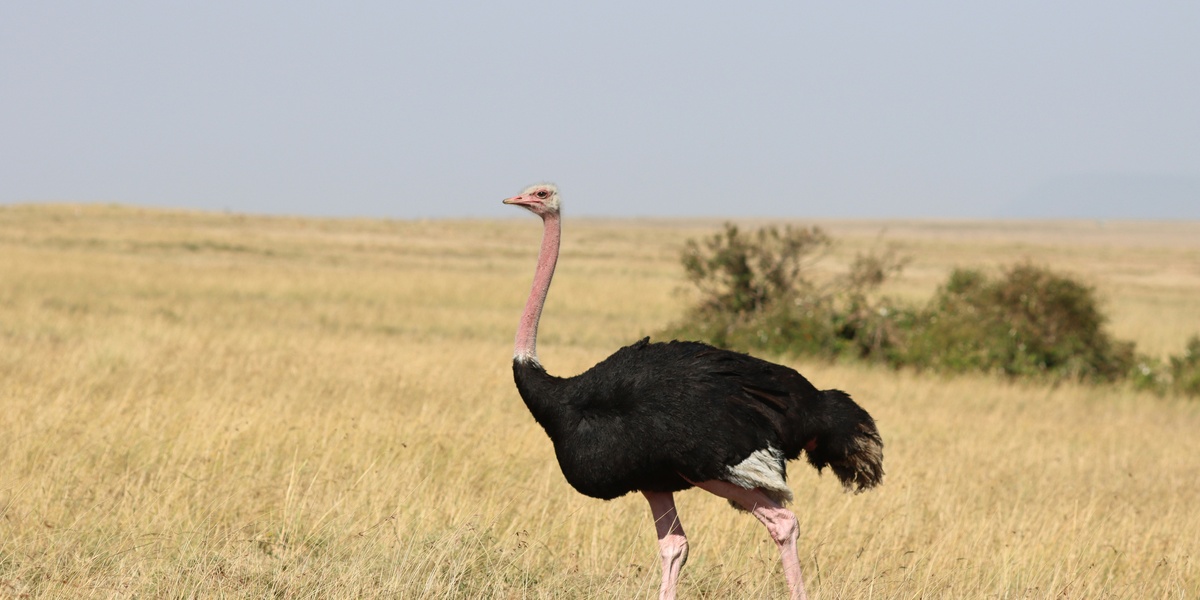
| Ostrich | Struthio camelus | Obligate biped | Africa; open savannas, semi-arid |
| Emu | Dromaius novaehollandiae | Obligate biped | Australia; grasslands, woodlands |
| Cassowary | Casuarius spp. | Obligate biped | New Guinea, northeastern Australia; rainforests |
| Rhea | Rhea americana | Obligate biped | South America; grasslands, pampas |
| Kiwi | Apteryx spp. | Obligate biped | New Zealand; forests, scrub |
| Penguins | Spheniscidae | Obligate biped on land; aquatic divers | Southern Hemisphere coasts; ice, islands |
| Emperor penguin | Aptenodytes forsteri | Obligate biped on ice; toboggans | Antarctica; sea ice and ocean |
| Chicken | Gallus gallus domesticus | Obligate biped | Domesticated worldwide; farms, backyards |
| Roadrunner | Geococcyx californianus | Obligate biped | North American deserts, scrub |
| Secretarybird | Sagittarius serpentarius | Obligate biped | Sub-Saharan Africa; open savanna |
| Flamingo | Phoenicopterus spp. | Obligate biped; frequent one-legged stance | Africa, Americas, Eurasia; shallow lakes |
| Macropods (kangaroos & wallabies) | Macropodidae | Obligate saltatorial biped | Australia, New Guinea; grasslands, forests |
| Red kangaroo | Osphranter rufus | Obligate bipedal hopper | Australia; arid open plains |
| Kangaroo rat | Dipodomys spp. | Saltatorial biped | North American deserts; scrub |
| Jerboa | Dipodidae | Saltatorial biped | North African and Asian deserts |
| Springhare | Pedetes capensis | Saltatorial biped | Southern Africa; grasslands, savanna |
| Sifaka | Propithecus spp. | Facultative bipedal hopper | Madagascar; forests |
| Meerkat | Suricata suricatta | Facultative bipedal sentinel posture | Southern Africa; arid plains |
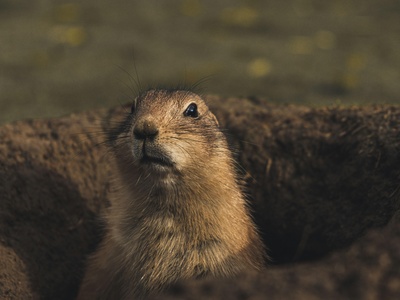
| Prairie dog | Cynomys spp. | Facultative bipedal sentinel | North American grasslands |
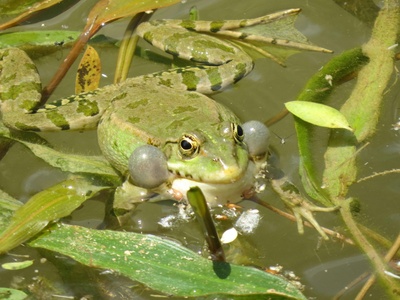
| Frogs (saltatory amphibians) | Anura | Saltatorial bipedal leapers | Worldwide (except poles); freshwater, forests |
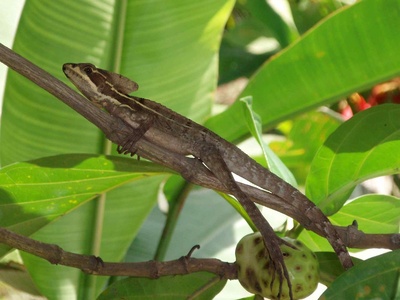
| Basilisk lizard | Basiliscus basiliscus | Facultative biped | Central and South America; near water bodies |
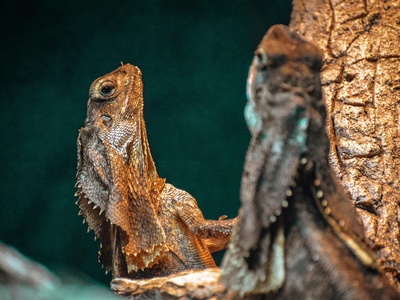
| Frilled-neck lizard | Chlamydosaurus kingii | Facultative biped | Northern Australia, New Guinea; woodlands |
| Bipedal lizards (various) | Various squamate species (select agamids, iguanids) | Facultative biped | Tropical and desert regions; varied habitats |
| Theropod dinosaurs | Theropoda | Obligate biped (extinct) | Worldwide fossil record; various ancient habitats |
| Tyrannosaurus rex | Tyrannosaurus rex | Obligate biped (extinct) | Late Cretaceous North America (fossils) |
| Velociraptor | Velociraptor mongoliensis | Obligate biped (extinct) | Late Cretaceous Mongolia (fossils) |
| Australopithecus afarensis | Australopithecus afarensis | Habitual biped | Pliocene East Africa (fossils) |
| Homo erectus | Homo erectus | Obligate biped (habitual) | Pleistocene Old World fossils; Africa, Eurasia |
Images and Descriptions

Humans
Humans walk upright on two legs as the primary mode of locomotion, freeing hands for tool use and complex manipulation. Bipedal gait underpins endurance running, social behaviors and global dispersal, making human bipedalism a key aspect of our biology and culture.
Birds
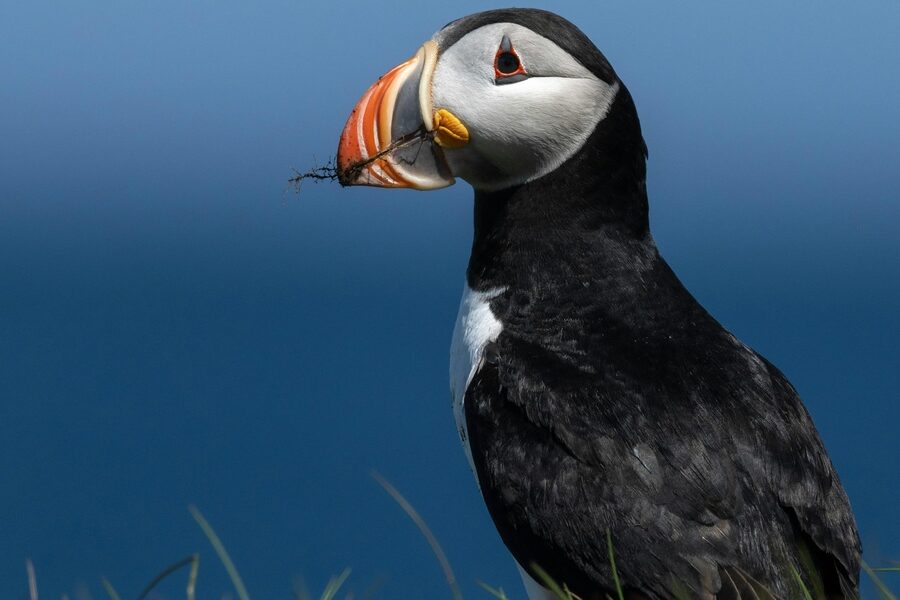
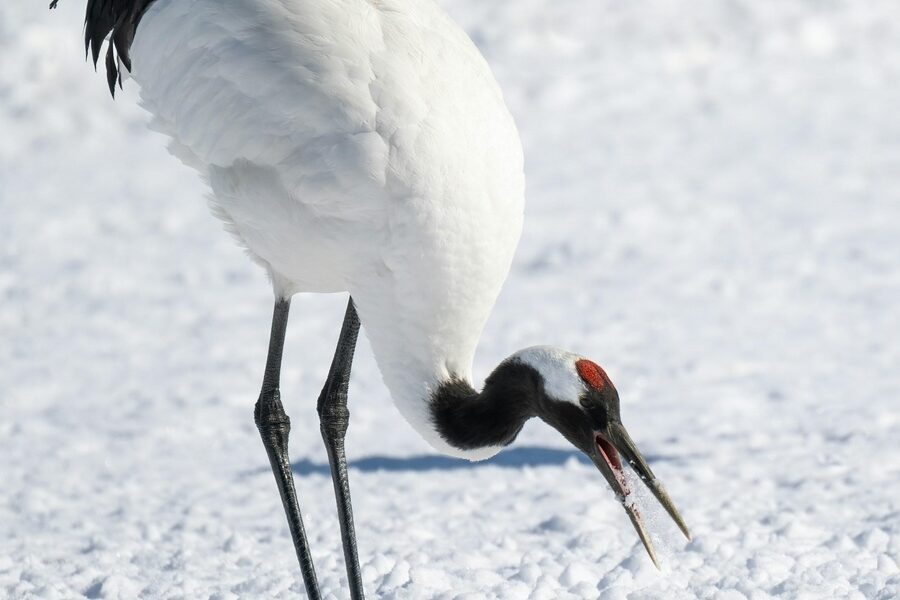
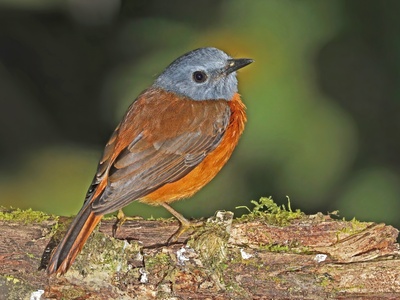
Most birds are true bipeds that walk or run on two legs while wings serve for flight, display or balance. Bipedal anatomy ranges from sprinting ostriches to delicate waders; legs support feeding, courtship and terrestrial movement across diverse ecosystems.
Ostrich
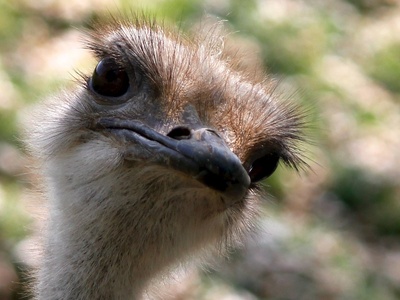
The ostrich is the largest living bird and a powerful two-legged runner. It reaches high speeds with long strides and muscular legs, using bipedal locomotion for rapid travel and defense rather than flight.
Emu
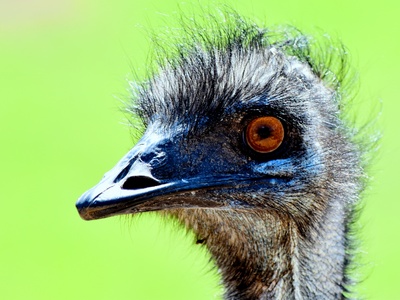
Emus are large, flightless Australian birds that travel primarily by long-legged running. Their two-legged, energy-efficient gait supports long-distance movement across open country, and they are known for speed, endurance and curious behavior.
Cassowary
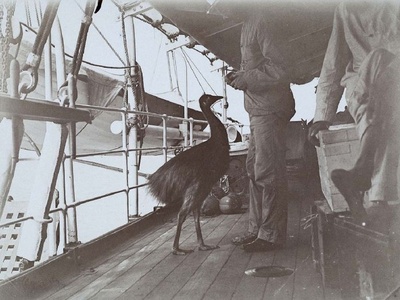
Cassowaries are heavy, flightless birds with powerful legs and sharp claws. Bipedal and secretive, they navigate dense rainforest floors and can defend aggressively, making them notable and sometimes dangerous ground-dwelling two-legged birds.
Rhea
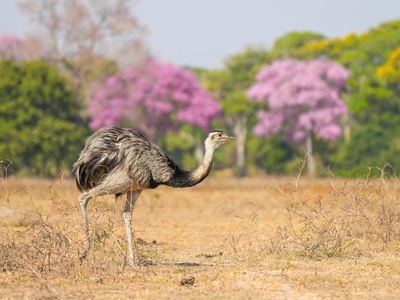
Rheas are large flightless birds that run on two strong hind legs. They forage in open plains and use speed and size to evade predators, showing convergent bipedal adaptations similar to ostriches and emus.

Kiwi
Kiwis are small, nocturnal flightless birds that walk on two stout legs. Despite tiny wings, they forage by scent and touch in leaf litter and use bipedal walking to explore, an unusual combination of traits in a small bird.
Penguins
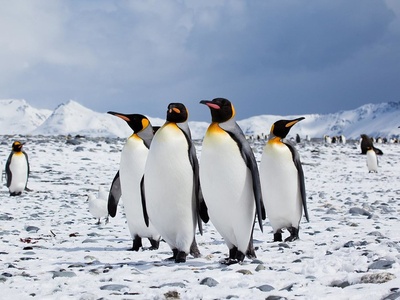
Penguins waddle or toboggan bipedally on land and are superb swimmers using flippers. Their upright posture and social colonies, plus adaptations for cold and diving, make them familiar two-legged birds with striking locomotive tradeoffs.
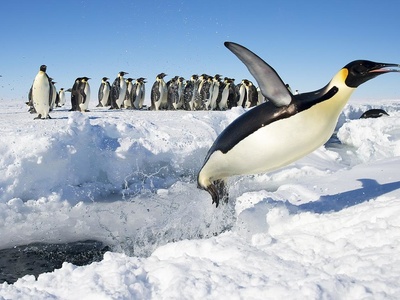
Emperor penguin
Emperor penguins travel upright over ice in large colonies, enduring extreme cold during long breeding treks. On land they walk or slide on bellies but still rely on bipedal stance for incubation and movement across ice.
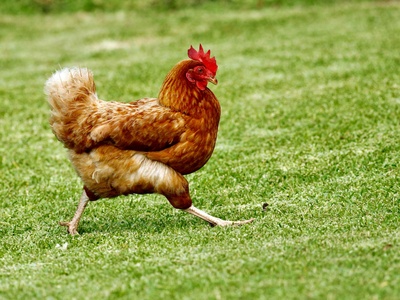
Chicken
Domestic chickens are familiar two-legged birds that walk, scratch and run on hind legs while using wings for balance. Their ground-focused bipedal lifestyle shapes behavior, pecking orders and close interactions with humans across many cultures.
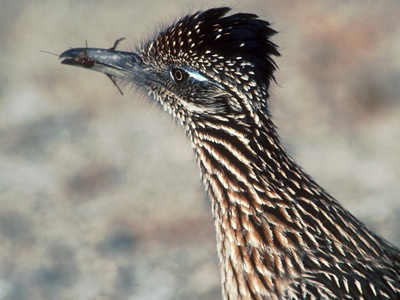
Roadrunner
Roadrunners are fast, ground-dwelling birds that chase prey on two legs across desert habitats. Their bipedal running and agility allow them to capture reptiles and insects, making them notable terrestrial avian predators in arid landscapes.
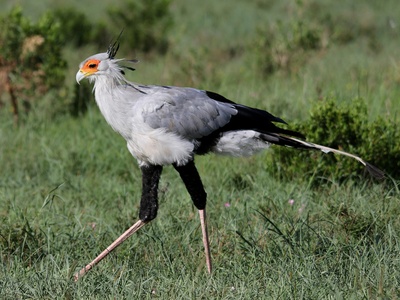
Secretarybird
Secretarybirds hunt mainly on foot, stomping and kicking prey with long two-legged strides. Their unusual terrestrial hunting style among raptors highlights specialized bipedal locomotion, combining long-legged vision with powerful, ground-based strikes.
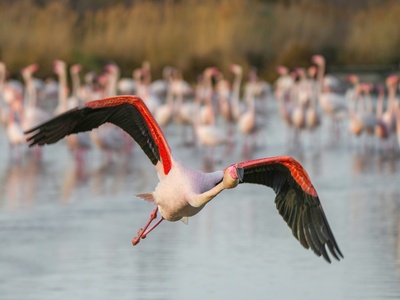
Flamingo
Flamingos wade and feed while standing on two long legs and often balance on one. Their bipedal posture is adapted to filter-feeding in shallow waters and contributes to distinctive silhouettes, social displays and feeding strategies.
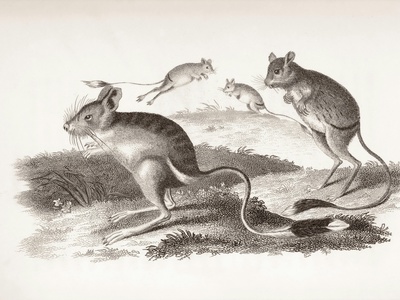
Macropods (kangaroos & wallabies)
Macropods move primarily by bipedal hopping using powerful hind legs and elastic tendons. Hopping is energy-efficient at speed, and the tail adds balance when stationary; the family includes large kangaroos and smaller wallabies adapted to varied habitats.
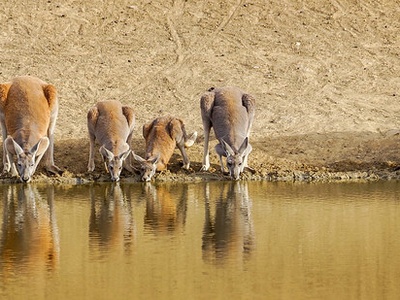
Red kangaroo
The red kangaroo is the world’s largest marsupial, using long hind limbs to hop at high speeds across arid landscapes. Its bipedal saltation is efficient for long-distance travel and gives this species a distinctive two-legged silhouette.
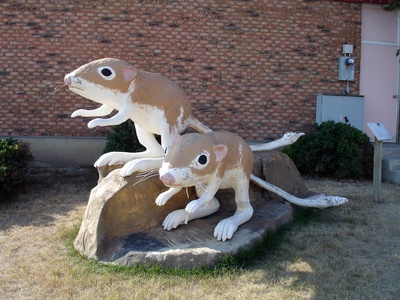
Kangaroo rat
Kangaroo rats hop bipedally on elongated hind legs to escape predators and move rapidly between shrubs. Their bipedal bounding conserves energy, enables quick directional changes, and is well suited to open desert terrain.
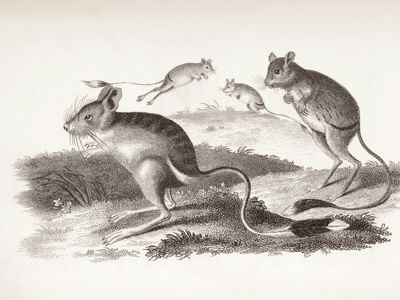
Jerboa
Jerboas are tiny nocturnal rodents with enormous hind legs and long tails that bipedally hop to forage and evade predators. Their striking jumping gait and upright posture make them classic examples of small bipedal mammals.
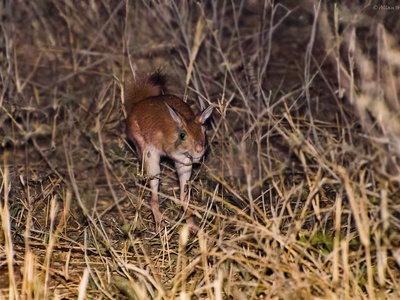
Springhare
Springhares are large African rodents that move by powerful bipedal hopping like miniature kangaroos. They dig burrows and travel at night, using hind-leg propulsion for escape and efficient locomotion purposes.
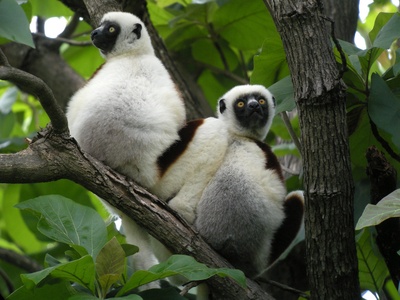
Sifaka
Sifakas are lemurs famous for their leaping locomotion and distinctive bipedal hopping when on the ground. Upright hopping between trees or across open ground creates the iconic “dancing” stride that observers often notice.
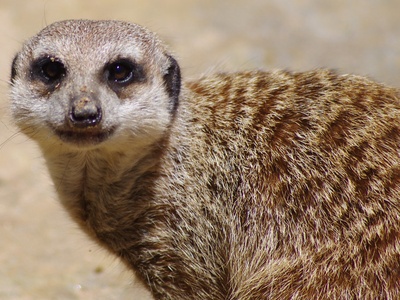
Meerkat
Meerkats frequently stand upright on hind legs to scan for predators, a regular bipedal posture used for vigilance rather than long-distance locomotion. This social behavior is striking and vital to colony survival and communication.
Prairie dog
Prairie dogs commonly rear up on hind legs to watch for danger and broadcast alarm calls to the colony. While primarily quadrupedal when moving, their frequent upright stance is a regular, functional bipedal posture.
Frogs (saltatory amphibians)
Many frogs use powerful hind legs to propel themselves in two-legged leaps as their dominant locomotion. Although they often land on all limbs, jumping relies chiefly on the hind limbs, making them effective saltatorial bipeds.
Basilisk lizard
Basilisk lizards sprint upright across water and land on two hind legs for short distances, using rapid strides and fringed toes to run above water. This temporary bipedal sprinting gives them the “Jesus lizard” nickname.
Frilled-neck lizard
When threatened, frilled-neck lizards sprint bipedally with an erected frill for display and rapid escape into trees. Their upright, short-lived running is a repeated defensive tactic and a striking example of two-legged sprinting among reptiles.
Bipedal lizards (various)
A range of lizard species can sprint on hind legs during rapid chases or escape. Bipedal running is usually temporary and speed-driven, illustrating convergent evolution of upright sprinting across different squamate lineages.
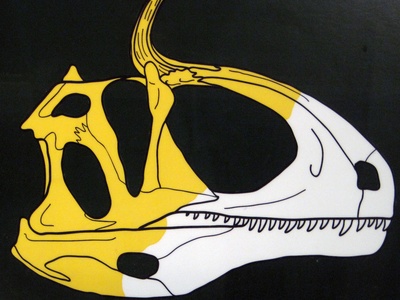
Theropod dinosaurs
Theropods were primarily two-legged dinosaurs including small agile hunters and giant predators. Their bipedal stance underlies the origin of birds and provides critical fossil evidence for upright locomotion in Mesozoic ecosystems.
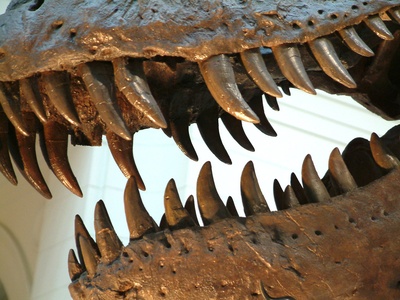
Tyrannosaurus rex
Tyrannosaurus rex was a massive bipedal predator that walked on two powerful hind limbs while balancing with a long tail. T. rex exemplifies large-bodied bipedalism among dinosaurs and fascinates scientists and the public alike.

Velociraptor
Velociraptors were small, likely feathered bipedal hunters that ran on hind legs with agility and grasping forelimbs. Their anatomy shows classic theropod bipedal adaptations and informs modern views of dinosaur behavior and ecology.
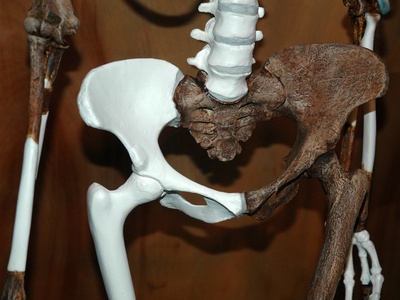
Australopithecus afarensis
Australopithecus afarensis, best known from “Lucy,” walked regularly on two legs while retaining climbing abilities. Pelvis and leg bones show intermediate bipedal adaptations that are central to studying the evolution of human upright walking.
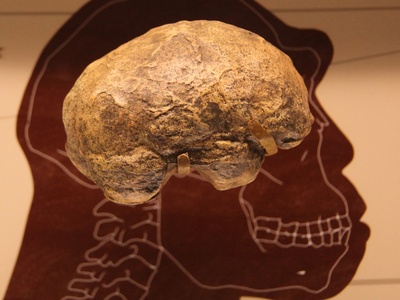
Homo erectus
Homo erectus exhibited a modern-like bipedal gait and was adapted for long-distance walking and running. Their anatomy supported efficient two-legged travel, helping them disperse across continents and exploit varied environments.