Table of contents
- TL;DR
- What makes a plant native in Vanuatu?
- Vanuatu’s native plants by habitat
- Endemic plants you won’t find anywhere else
- How native plants shape island life
- Threats to Vanuatu’s flora
- Final thoughts
TL;DR
Vanuatu’s native plants are a mix of tough coastal survivors, lush rainforest species, and island endemics that evolved in isolation. Some are widespread across the Pacific, while others exist only on a single island or a few ridges. The big story here is not just variety — it’s specialization. Salt spray, volcanic soils, cyclones, and steep terrain have shaped a flora that knows how to hang on.
What makes a plant native in Vanuatu?
A plant is considered native if it arrived in Vanuatu without human help and established itself naturally. That sounds simple until you remember that island floras are messy little history books. Seeds float, birds carry fruit, storms do the heavy lifting, and people have moved useful species around for centuries.
Vanuatu sits in the southwest Pacific, where isolation has encouraged both survival and uniqueness. Some species turned up across many islands in the region, while others adapted so tightly to local conditions that they became endemic — found nowhere else on Earth. For a broader overview of the country’s biogeography, the Encyclopaedia Britannica entry on Vanuatu gives useful context on the islands themselves, including their volcanic origin and scattered geography.
Vanuatu’s native plants by habitat
Coastal plants: the salt-tough front line
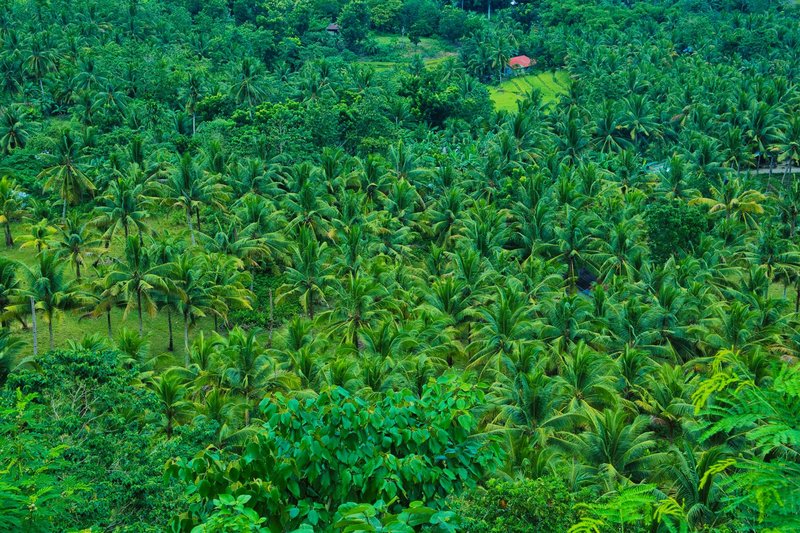
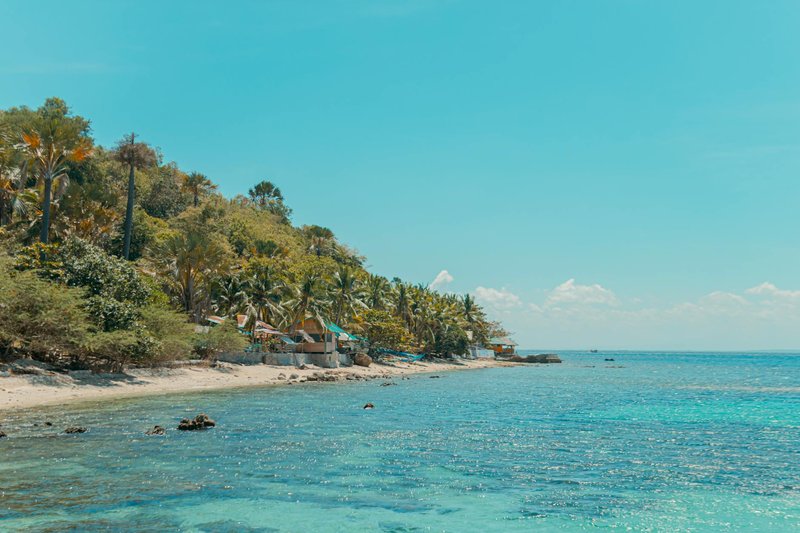
Along beaches, dunes, and rocky shores, native plants have one job: stay put. The most familiar is pandanus (Pandanus tectorius), with its stilt roots and spiky, pineapple-like fruiting heads. It’s a classic Pacific shoreline plant, used for weaving, shade, and windbreaks.
Beach hibiscus (Hibiscus tiliaceus) is another coastal regular. Its broad leaves and yellow flowers make it easy to spot, and it thrives in sandy, saline places where fussier species give up.
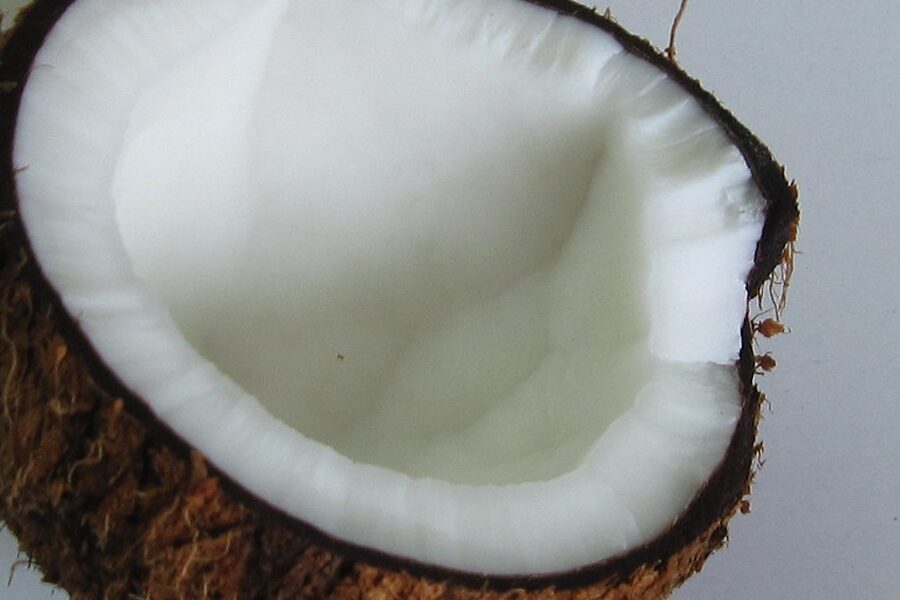
You’ll also find coconut palms (Cocos nucifera) all over the place, but here’s the fine print: coconuts are naturalized across the Pacific and deeply embedded in island life, yet they’re not always treated as strictly native in the botanical sense. That distinction matters, especially in island ecology.
For a comprehensive inventory of Vanuatu’s plants, see Plants of Vanuatu: The Complete List.
Rainforest species: the green engine room
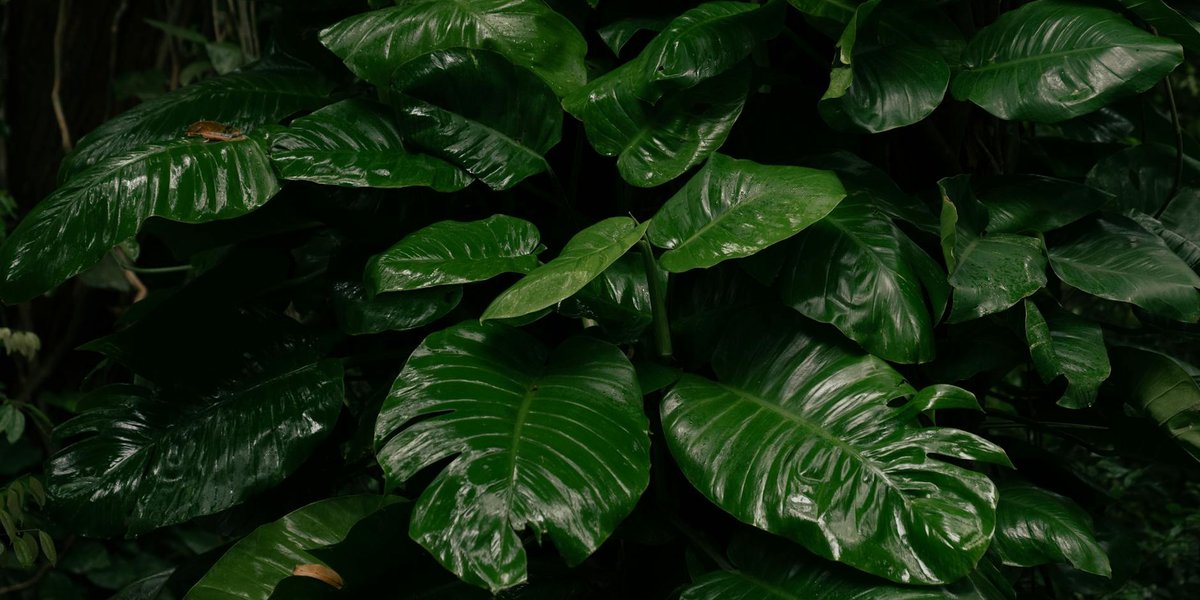
Move inland and the plant life thickens fast. Vanuatu’s lowland rainforests support large hardwoods, fruiting trees, ferns, and climbing vines. One important native tree is kauri pine in the broader regional sense, though local species and naming can vary by island. More consistently documented native trees include futuna tree species, figs (Ficus spp.), and terminalias (Terminalia spp.), which provide food and shelter for birds and insects.
The understory is full of ferns and shade-loving shrubs that take advantage of the humid canopy. These forests matter because they stabilize soil on steep volcanic slopes and keep freshwater systems cleaner than denuded land would.
For a scientific overview of Pacific island plant diversity, the Royal Botanic Gardens, Kew has excellent region-wide resources and herbarium-backed data.
Upland and montane plants: the stubborn specialists
Higher elevations on islands like Espiritu Santo and Tanna can hold cooler, wetter plant communities. These areas are often under-collected and under-discussed, which is botanist-speak for “we still have work to do.” Upland species tend to be more localized because mountain habitats are patchy and easy to isolate.
Some montane trees and shrubs are especially vulnerable to disturbance because they grow slowly and reproduce on tight ecological timelines. A cyclone or logging operation can set them back hard.
Medicinal and culturally important plants
Vanuatu’s native flora isn’t just scenery. A lot of species have roles in medicine, building, weaving, and food. Noni (Morinda citrifolia) is widely used across the Pacific, though its status can range from native to naturalized depending on the location and taxonomy used. Pandanus leaves are woven into mats and roofs. Bark, roots, and leaves from various native species are used in traditional remedies.
That relationship between plants and culture is not decorative. It’s practical knowledge passed down through use. And it’s one reason conservation in Vanuatu is never just about rare species lists.
Fruit-bearing native plants
Many native trees feed birds, bats, and people. Native figs are especially important because they fruit at different times of the year, creating a dependable food source in forests that can otherwise be seasonal and patchy. In island ecosystems, fruiting trees are often the glue holding food webs together.
The IUCN Red List is useful if you want to check which native plants are threatened, endemic, or insufficiently studied.
Endemic plants you won’t find anywhere else
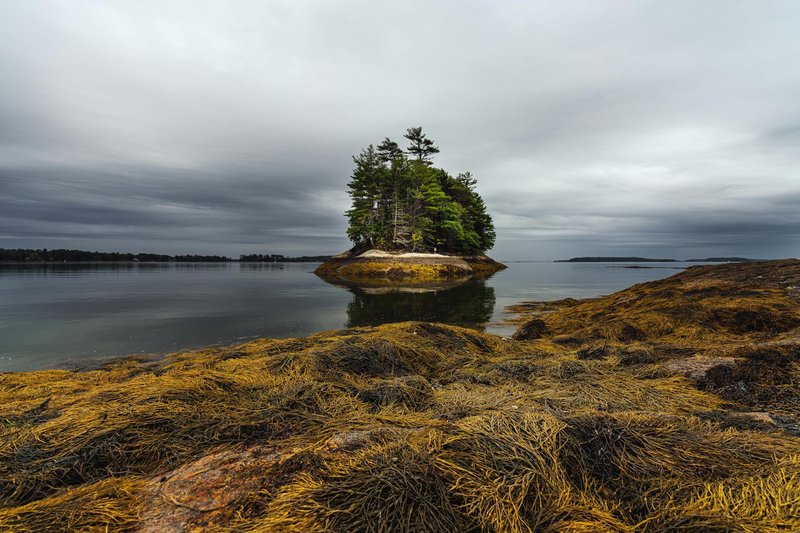
This is where Vanuatu gets especially interesting. Endemic plants are the local oddballs that evolved in place and stayed there. Because the islands are scattered and environmentally varied, endemism can happen at multiple scales — one species might be unique to all of Vanuatu, while another is restricted to a single island or even one habitat patch.
Endemic species are often the ones most at risk from habitat loss, invasive species, and cyclones. They don’t have backup populations elsewhere. If they vanish from Vanuatu, they vanish completely.
A few Pacific endemics are still being documented and revised taxonomically, which is normal in island botany. New surveys can change what we think is native, endemic, or just poorly recorded. That’s one reason herbaria and field collections still matter more than ever.
For a comprehensive inventory of Vanuatu’s plants, see Plants of Vanuatu: The Complete List.
How native plants shape island life
Native plants do a lot of quiet heavy lifting in Vanuatu.
They hold soil together on slopes that would otherwise wash away in heavy rain. They buffer coastlines against wind and salt. They feed insects, birds, bats, and pollinators. They provide timber, fiber, medicine, food, and ceremonial materials. And in a cyclone-prone archipelago, they’re part of the basic infrastructure of survival.
They also shape the look and feel of the islands. A healthy coastal strip of pandanus and beach shrubs looks and behaves very differently from a cleared shore or a weedy roadside. Same land, different ecology.
Threats to Vanuatu’s flora
The main threats are familiar, but they hit islands harder.
- Invasive species in Vanuatu that outcompete native seedlings
- Habitat loss from agriculture, settlement, and logging
- Cyclones that knock back forests before they fully recover
- Climate change affecting rainfall patterns, coastal flooding, and salt intrusion
- Limited botanical survey data on some islands, which makes protection harder
In places with small populations and fragmented habitats, even ordinary disturbance can become a serious conservation problem. That’s why protecting native plant communities means protecting whole landscapes, not just individual species.
Final thoughts
Vanuatu’s native plants are a study in adaptation. Some hug the coast and tolerate salt and wind like champs. Some hide in humid forest interiors. Some are endemic specialists with tiny ranges and big vulnerability. Together, they form the living backbone of the islands.
If you’re mapping Vanuatu’s flora, start with the habitat. Coastal, lowland forest, upland, and culturally used plants each tell a different part of the story. And if you care about the future of Vanuatu’s native plants, the most important thing to remember is simple: on islands, losing a plant is never just about one species. It changes the whole system.