A 19th-century naturalist on the Levantine coast wrote that Lebanon’s shoreline was a crossroads for sea turtles, migratory flocks, and coastal fish — a snapshot of a lively Mediterranean web that still exists, though under pressure.
Lebanon’s Mediterranean edge runs roughly 225 km from north to south, with a narrow coastal plain backed by the Lebanon and Anti‑Lebanon mountain ranges. Those short distances between sea and summits concentrate habitats and human uses.
Around 430 bird species have been recorded in Lebanon over time, and millions of migratory birds pass along the flyway each year. The fauna supports coastal protection, pest control, fisheries and ecotourism, and carries deep cultural value for communities that watch spring and autumn migrations. The fauna of Lebanon is therefore both an ecological asset and a social one.
Marine and Coastal Species (3 examples)
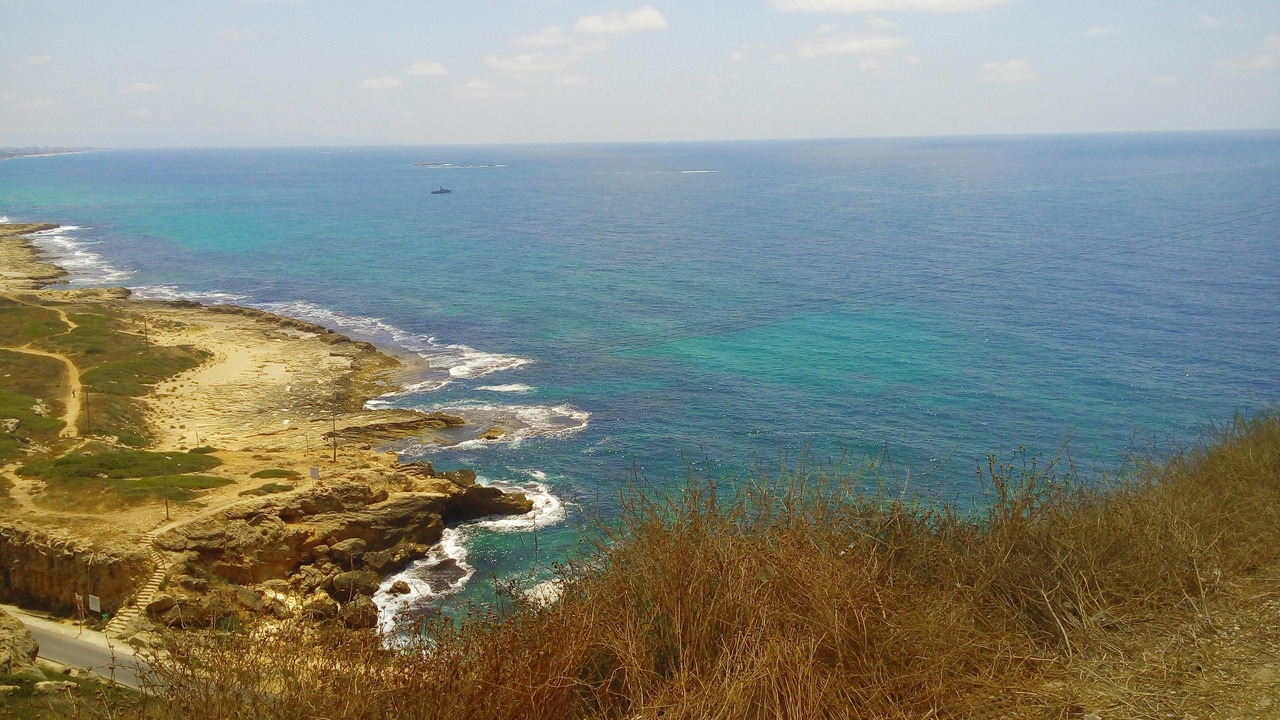
The 225 km coastline and nearby shallow seas hold seagrass meadows (notably Posidonia) and rocky reefs that are Mediterranean biodiversity hotspots. Fishing, coastal development and pollution place steady pressure on nearshore systems, yet these areas remain culturally and economically important for fisheries, beach tourism and seasonal wildlife spectacles.
Local conservation mixes science and citizen action: volunteer nest counts on beaches, community-led beach cleanups, and calls for coastal refuges mirror regional protected‑area efforts in neighbouring countries.
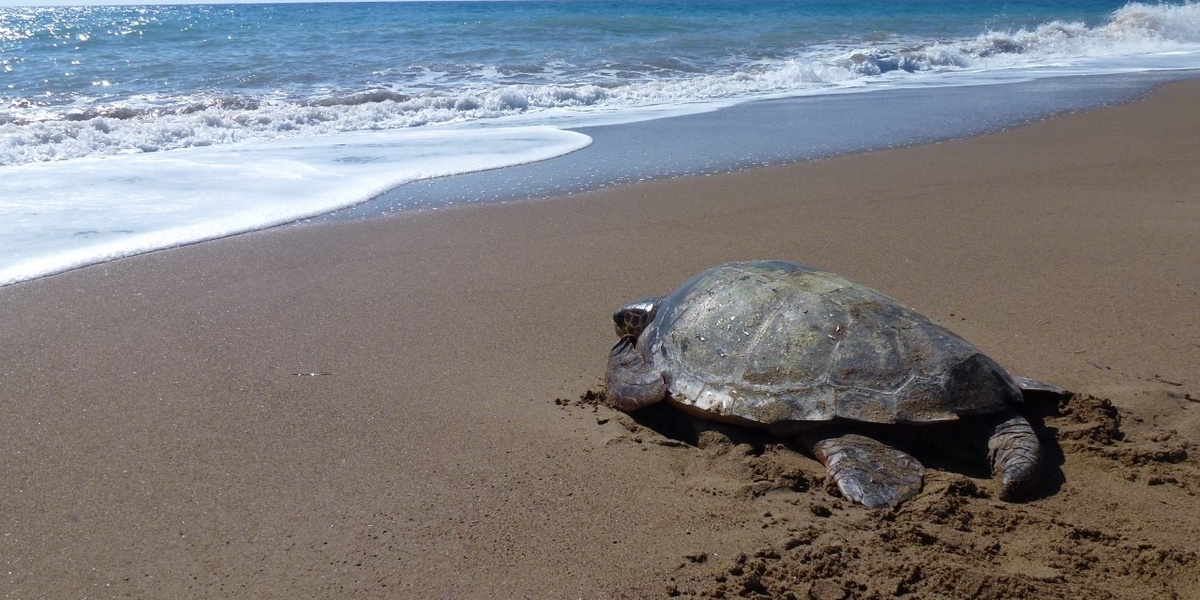
1. Loggerhead sea turtle (Caretta caretta) — Coastal nester and migratory marine visitor
The loggerhead is a regular Mediterranean visitor and an occasional nester along the Levantine coast, classified as Vulnerable by the IUCN. Eastern Mediterranean nesting occurs in limited pockets; regional estimates suggest tens to low hundreds of nests across the eastern basin in many years.
Loggerheads help maintain healthy seagrass and benthic communities and attract ecotourism when nesting is visible. In Lebanon, volunteers organize night beach patrols to record tracks, mark nests and, when necessary, relocate vulnerable clutches to protected hatcheries.
Main threats include bycatch in gillnets and trammel nets, beachfront lighting that disorients hatchlings, and disturbance from vehicles and walkers. Local NGOs (for example, community turtle conservation groups and periodic campaigns by the Society for the Protection of Nature in Lebanon) work with fishers and municipalities to reduce bycatch and dim beachfront lighting.
2. Mediterranean monk seal (Monachus monachus) — One of the Mediterranean’s rarest marine mammals
The Mediterranean monk seal is among the sea’s most endangered mammals and has been historically recorded along the Levantine coast, though sightings are extremely uncommon. Across its range there are likely fewer than 1,000 individuals, making every refuge important.
Monk seals need undisturbed coastal caves and quiet shorelines; protecting those refuges benefits fisheries indirectly by preserving nursery areas and reducing human‑seal conflict. Rare regional sightings (in neighbouring coastal waters) have prompted calls for protected coastal refuges and quiet‑zone designations.
Major threats are disturbance from boats and coastal development, fisheries interactions and habitat loss. Conservation measures focus on securing undisturbed roosting caves, restricting boat access to sensitive bays, and coordinating rapid reporting of sightings to researchers and authorities.
3. Dusky grouper (Epinephelus marginatus) — A key reef predator and fisheries species
The dusky grouper is a large predatory reef fish common around rocky reefs and seagrass edges in the Mediterranean. As a top predator it helps structure reef communities and supports artisanal fisheries and dive tourism.
Protecting adult groupers increases average size and improves catches over time; marine reserves and catch limits have demonstrably raised mean grouper sizes in parts of the Mediterranean. Groupers can exceed 1 meter in length, so size limits and protection of larger adults matter for population recovery.
Juveniles depend on Posidonia meadows and rocky nursery habitat, which are threatened by trawling, anchor damage and coastal sedimentation. Simple measures—no-take zones, seasonal closures and anchoring restrictions—help both biodiversity and local livelihoods by rebuilding stocks.
Terrestrial Mammals and Reptiles (3 examples)
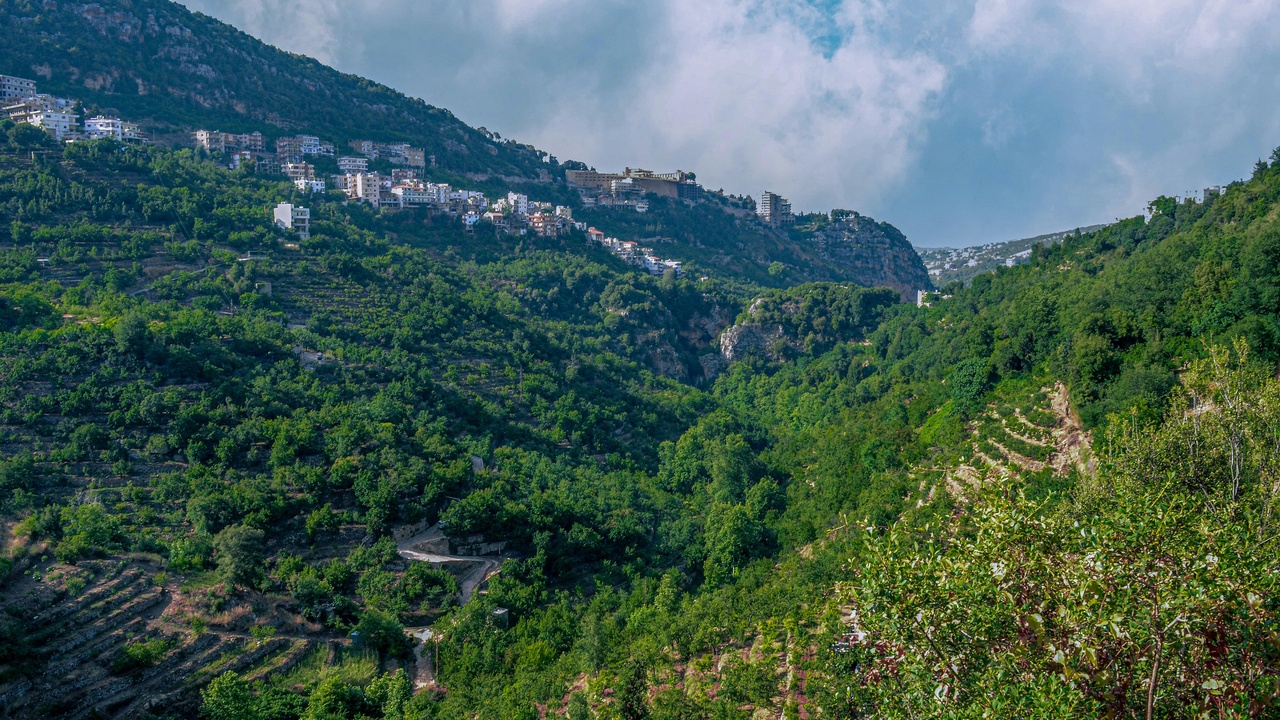
Lebanon’s narrow coastal plain and adjacent hills and mountains host adaptable Mediterranean mammals and reptiles that provide pest control, scavenging services and cultural value. Habitat fragmentation, road mortality and occasional persecution are the main pressures these species face.
Conservation here is often about coexistence: reducing conflict around farms, maintaining corridors, and lowering vehicle strikes on known roadkill hotspots through signage or speed reduction.
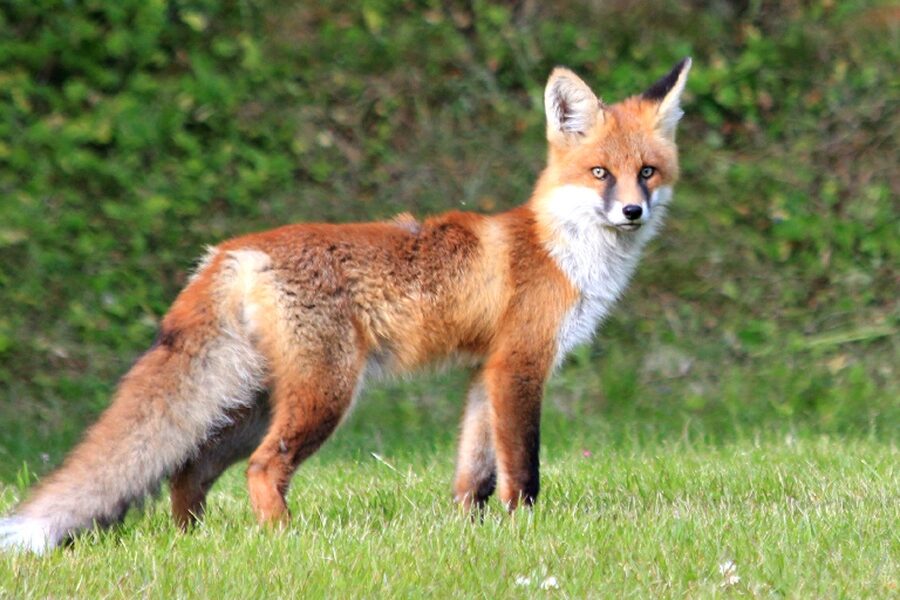
4. Red fox (Vulpes vulpes) — Widespread adaptable mesocarnivore
The red fox occurs across coastal scrub, agricultural margins and foothills in Lebanon and plays a key role as predator and scavenger, helping to control rodents and remove carcasses.
Adult foxes commonly weigh between 3 and 14 kg. They readily use human‑modified landscapes, leading to frequent sightings near towns and farms. Managing attractants—secure bins, controlled food waste, and enclosed livestock pens—reduces conflicts.
Community outreach programs and simple measures like bin‑proofing and guard animals lower the incentive to persecute foxes while preserving their pest‑control benefits for agriculture.
5. Golden jackal (Canis aureus) — A flexible predator with growing visibility
The golden jackal has become increasingly visible across parts of the Levant, occupying farmland, scrub and fringe habitats. Its omnivorous diet makes it a flexible scavenger and predator, useful for carcass removal but sometimes a concern for small livestock owners.
Research across the Mediterranean documents range expansion in recent decades; locally, better reporting networks help wildlife managers track sightings. Practical mitigation—improved livestock enclosures, rapid reporting of depredation, and compensation or insurance schemes—reduces conflict.
Community-based outreach that emphasizes non‑lethal methods and quick reporting networks builds tolerance and preserves the species’ ecological role while addressing farmers’ concerns.
6. Levant viper (Macrovipera lebetina) — A hardy Mediterranean viper with ecological importance
The Levant viper inhabits rocky slopes and scrubby terraces and is an effective controller of rodent populations. Adults commonly reach lengths in the range of 60–120 cm, depending on locality.
Bites are rare but can be serious; public education and ready access to antivenom reduce risk. Coexistence practices include keeping yards free of rodent habitat, avoiding walking off established paths at night, and teaching local health providers snakebite protocols.
Public education campaigns that teach snake identification and safe responses prevent unnecessary killing and improve human safety, while ensuring hospitals near rural areas maintain appropriate antivenom stocks.
Birds and Migratory Species (2 examples)
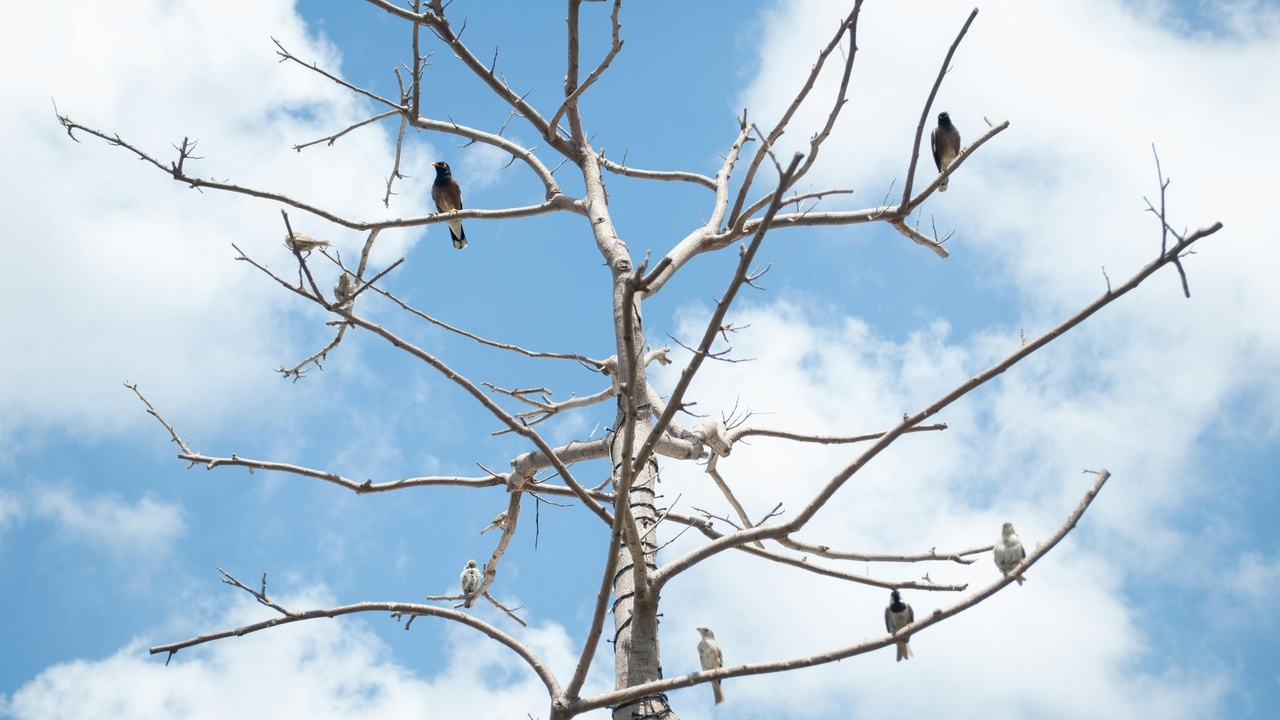
Lebanon sits on a major Afro‑Eurasian flyway where coastal bottlenecks and mountain passes concentrate migrating flocks, producing spectacular seasonal movements and concentrated conservation opportunities. Protecting stopover wetlands and coastal roosts provides outsized benefits for many species.
Volunteer migration watches, Important Bird Areas (IBAs) and wetland protection are cost‑effective ways to safeguard passage and wintering sites used by thousands to millions of birds each season.
7. White stork (Ciconia ciconia) — The migratory spectacle along coastal flyways
The white stork is a familiar migrant that funnels along Lebanon’s plains and coastal wetlands during spring and autumn. During peak migration days thousands of storks can pass through the eastern Mediterranean, drawing both researchers and birdwatchers.
Stork passages support local ecotourism and public interest in wetland conservation. Migration counts and watch events—often coordinated by local birding groups—contribute valuable regional data and help prioritize wetland protection.
Conserving marshes and reducing disturbance at key stopovers preserves refuelling opportunities for storks and many other passage species.
8. Steppe eagle (Aquila nipalensis) — A long-distance raptor using the flyway
The Steppe eagle is a long‑distance raptor that transits the eastern Mediterranean on migration and depends on large stopover and wintering areas. Across its range raptors face threats from poisoning, electrocution on power infrastructure and habitat loss.
Raptor monitoring programs in the region document passage numbers and identify hazardous sites. Simple mitigation—insulating dangerous pylons, retrofitting nests away from live lines and enforcing safe carcass disposal—reduces mortality from electrocution and secondary poisoning.
Targeted measures on migratory flyway bottlenecks yield regional conservation gains because the same sites support many species each season.
Summary
- Lebanon’s coastal and nearby mountain habitats support ecologically and culturally important Mediterranean species, from turtles and monk seals to jackals and migratory raptors.
- Main threats are clear: coastal development, fisheries bycatch, habitat loss, persecution and flyway hazards such as poisoning and unsafe power lines.
- Practical actions anyone can support include visiting protected areas, joining beach nest monitoring or migration counts, reducing single‑use plastics, and backing local NGOs working on conservation.
- Advocate for protected coastal refuges, safer power‑line design, and continued support for Important Bird Areas and marine no‑take zones to protect stopover and nursery sites.
- Get involved locally to help protect The fauna of Lebanon—volunteer, donate, or simply learn to recognize and report wildlife sightings to trusted groups.