From sweeping savannas to temperate prairies, grasslands host a diverse mix of grazers, burrowers and predators that shape open ecosystems and human livelihoods. This list focuses on mammals commonly associated with those habitats and the roles they play across continents.
There are 50 Grassland Mammals, ranging from African buffalo to White-tailed jackrabbit; for each entry, you’ll find the columns Scientific name,Typical weight (kg),Range — all listed below.
Which regions and habitats do these species represent?
The list includes representative species from major grassland types worldwide (e.g., African savanna, Eurasian steppe, North American prairie), so it shows geographic and ecological variety rather than every local or endemic species.
How should I interpret the weight and range columns for comparisons?
Typical weight (kg) gives a rough size benchmark (averages or common adult ranges), while Range indicates broad geographic distribution; use both together to compare ecological roles, but check primary sources for local variation or subspecies differences.
Grassland Mammals
| Common name | Scientific name | Typical weight (kg) | Range |
|---|---|---|---|
| African savanna elephant | Loxodonta africana | 4,000-6,000 kg | Sub-Saharan Africa; savannas and open grasslands |
| White rhinoceros | Ceratotherium simum | 1,400-3,500 kg | Southern and eastern Africa; open grasslands, floodplains |
| African buffalo | Syncerus caffer | 500-900 kg | Sub-Saharan Africa; savannas and floodplain grasslands |
| Plains zebra | Equus quagga | 220-350 kg | Eastern and southern Africa; savannas and plains grasslands |
| Blue wildebeest | Connochaetes taurinus | 150-270 kg | Eastern and southern Africa; open savannas and grasslands |
| Thomson’s gazelle | Eudorcas thomsonii | 20-30 kg | East Africa; short-grass savannas and plains |
| Springbok | Antidorcas marsupialis | 26-40 kg | Southern Africa; dry savannas and grasslands |
| Impala | Aepyceros melampus | 40-60 kg | Sub-Saharan Africa; woodlands and savanna grasslands |
| Topi | Damaliscus lunatus | 110-150 kg | Sub-Saharan Africa; floodplain and open savannas |
| Hartebeest | Alcelaphus buselaphus | 120-200 kg | Sub-Saharan Africa; savannas and dry grasslands |
| Lion | Panthera leo | 120-225 kg | Sub-Saharan Africa; savannas and open grasslands |
| Cheetah | Acinonyx jubatus | 40-65 kg | Sub-Saharan Africa and small Asian pockets; open grasslands |
| Spotted hyena | Crocuta crocuta | 40-80 kg | Sub-Saharan Africa; savannas and open plains |
| African wild dog | Lycaon pictus | 18-36 kg | Sub-Saharan Africa; open savannas and woodlands |
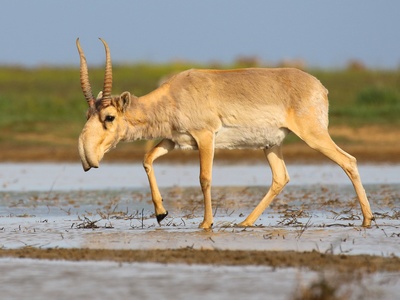
| Saiga antelope | Saiga tatarica | 21-47 kg | Central Asia; steppe and semi-desert grasslands |
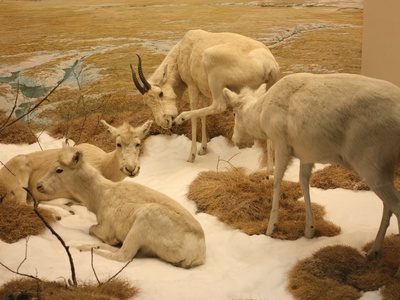
| Mongolian gazelle | Procapra gutturosa | 25-35 kg | Mongolia and adjacent China; vast Eurasian steppe |
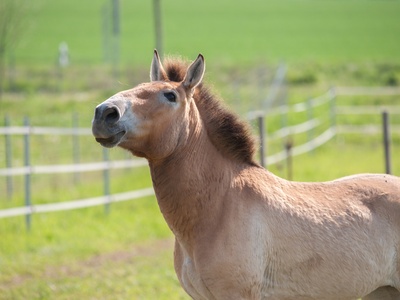
| Przewalski’s horse | Equus ferus | 300-450 kg | Central Asian steppes; reintroduced semi-wild grasslands |
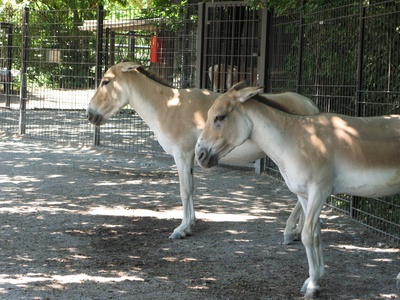
| Asiatic wild ass (onager) | Equus hemionus | 200-300 kg | Central Asia and Middle East; steppe and desert grasslands |
| Bobak marmot | Marmota bobak | 3-6 kg | Eurasian steppe; burrowed grasslands and steppes |
| Steppe lemming | Lagurus lagurus | 0.05-0.12 kg | Eurasian steppe; short-grass and semi-arid steppes |
| Steppe pika | Ochotona pusilla | 0.12-0.25 kg | Central Asian steppes; lowland grasslands |
| Corsac fox | Vulpes corsac | 3-6 kg | Central Asia; open steppes and semi-desert grasslands |
| European souslik | Spermophilus citellus | 0.30-0.60 kg | Eastern Europe; dry steppe and meadow grasslands |
| Great gerbil | Rhombomys opimus | 0.15-0.35 kg | Central Asia; arid steppes and desert grasslands |
| Brandt’s vole | Lasiopodomys brandtii | 0.05-0.15 kg | Mongolia and China; grassland steppe and meadow |
| European hare | Lepus europaeus | 3-5 kg | Europe and parts of Asia; farmland, meadows, and steppe grasslands |
| American bison | Bison bison | 450-900 kg | North America; prairies and grasslands |
| Pronghorn | Antilocapra americana | 45-70 kg | Western North America; shortgrass and mixed-grass prairies |
| Black-tailed prairie dog | Cynomys ludovicianus | 0.70-1.40 kg | North American Great Plains; shortgrass prairie |
| Gunnison’s prairie dog | Cynomys gunnisoni | 0.50-1.20 kg | Intermountain West, USA; high prairie and grasslands |
| Black-footed ferret | Mustela nigripes | 0.90-1.50 kg | North American prairies; prairie dog towns |
| Swift fox | Vulpes velox | 2.50-4.50 kg | Central North America; shortgrass prairies and plains |
| American badger | Taxidea taxus | 8-12 kg | North America; grasslands, prairies, and open fields |
| Thirteen-lined ground squirrel | Ictidomys tridecemlineatus | 0.15-0.40 kg | Central North America; prairies and grassland meadows |
| Prairie vole | Microtus ochrogaster | 0.03-0.06 kg | Central North America; grassy meadows and prairies |
| Meadow vole | Microtus pennsylvanicus | 0.02-0.05 kg | North America; meadows, marsh edges and grasslands |
| White-tailed jackrabbit | Lepus townsendii | 3.50-6.00 kg | North American plains and grasslands |
| Patagonian mara | Dolichotis patagonum | 8-14 kg | Patagonia, Argentina; open pampas and scrub grasslands |
| Pampas deer | Ozotoceros bezoarticus | 20-30 kg | South American pampas and grasslands |
| Guanaco | Lama guanicoe | 80-110 kg | Southern South America; pampas, Patagonian steppes and grasslands |
| Plains viscacha | Lagostomus maximus | 4-8 kg | Pampas of Argentina; open grasslands and scrub |
| Pampas fox | Lycalopex gymnocercus | 3-6 kg | Southern South America; pampas and open grasslands |
| Maned wolf | Chrysocyon brachyurus | 20-30 kg | Central South America; Cerrado and grassland-savanna mosaics |
| Red kangaroo | Osphranter rufus | 50-85 kg | Australia; arid and semi-arid grasslands and open plains |
| Eastern grey kangaroo | Macropus giganteus | 40-66 kg | Eastern Australia; grasslands, woodlands, and open forests |
| Springhare | Pedetes capensis | 3-5 kg | Sub-Saharan Africa; arid grasslands and open plains |
| Vicuña | Vicugna vicugna | 35-65 kg | Andean high grasslands (puna); South America |
| Eland | Taurotragus oryx | 400-600 kg | Sub-Saharan Africa; savannas and open grasslands |
| Dama gazelle | Nanger dama | 65-120 kg | Sahel and Sahara edges; open grasslands and dry savannas |
| Striped hyena | Hyaena hyaena | 25-55 kg | North Africa, Middle East, Central Asia; open grasslands and scrub |
Images and Descriptions
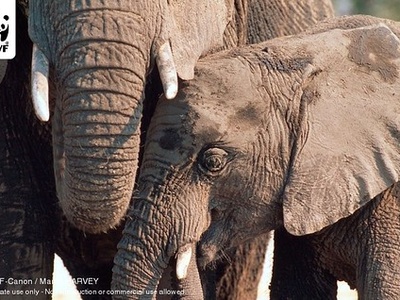
African savanna elephant
Largest land mammal, a bulk grazer that shapes savanna vegetation. Eats grasses and woody plants, forms matriarchal herds, migratory in dry seasons; vulnerable to poaching and habitat loss.
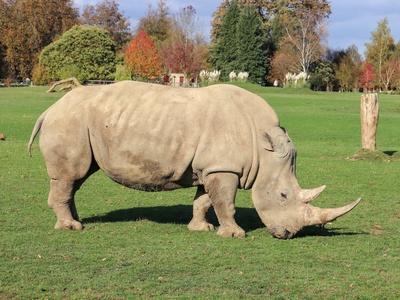
White rhinoceros
Massive grazer with a wide square lip adapted to short grasses. Lives in herds, important for grassland ecology; Near Threatened due to poaching for horn.
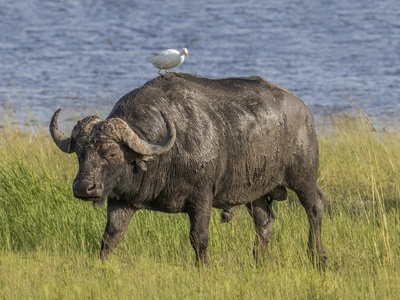
African buffalo
Large, herd-forming grazer that prefers open grasslands near water. Strong social structure and defensive behavior against predators; widespread but locally reduced.
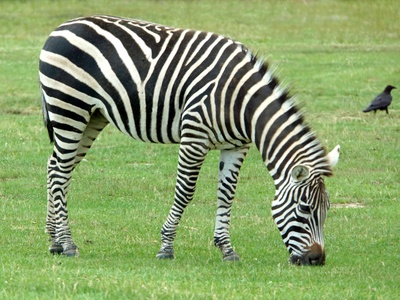
Plains zebra
Striped grazing equid that feeds on grasses and migrates with rainfall. Uses speed and grouping to avoid predators; keystone grazer in large migrations.
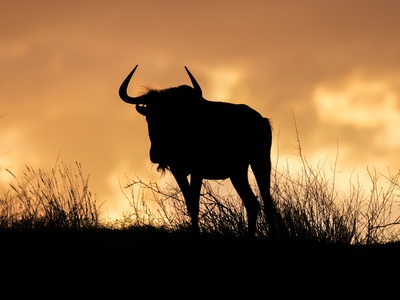
Blue wildebeest
Highly visible migrant grazer, feeds mainly on short grasses. Forms huge herds in seasonal migrations, vital for nutrient cycling; common but regionally threatened.
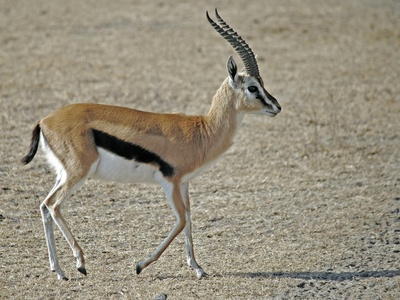
Thomson’s gazelle
Small, agile grazer that browses and grazes on grasses and herbs. Known for speed and stotting display to confuse predators; abundant in protected areas.
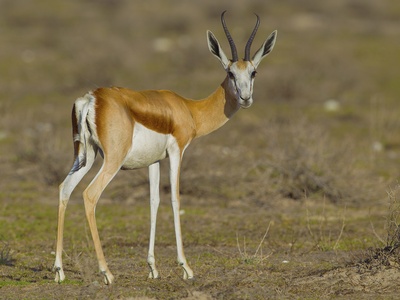
Springbok
Medium-sized antelope that grazes and browses; famous for high “pronking” leaps. Well-adapted to arid grasslands and seasonal forage.
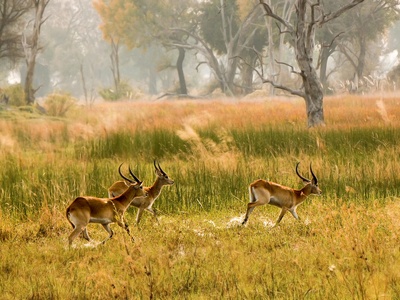
Impala
Mixed feeder that grazes grassy areas by day and browses in cover. Highly social, forms herds and is a key prey species for large carnivores.
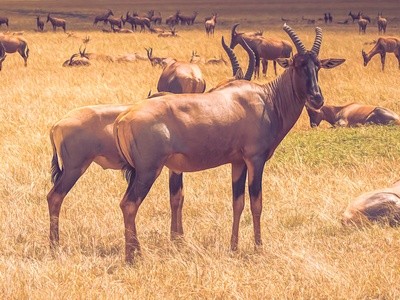
Topi
Fast, long-legged antelope that prefers short, wet grasslands. Territorial males defend lekking areas; responsive to seasonal rains and grazing regimes.
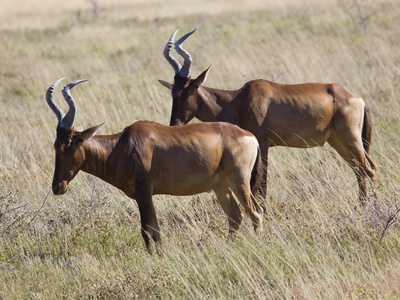
Hartebeest
Large, long-faced grazer that feeds on taller grasses. Forms herds and migrates locally; several subspecies face conservation pressure from habitat loss.
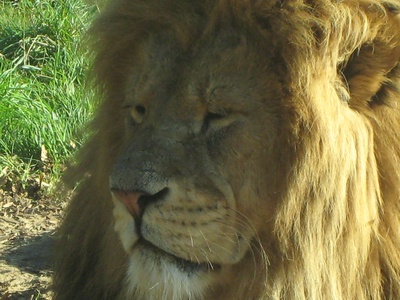
Lion
Apex predator of savannas that hunts large ungulates in groups. Lives in prides with cooperative hunting; culturally iconic but vulnerable in many regions.
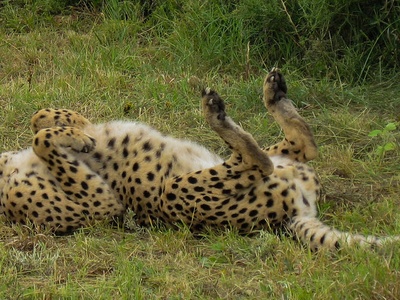
Cheetah
Built for speed, the fastest land mammal, specializing on small to medium grazing ungulates. Prefers open grassland for sprint hunting; threatened by habitat fragmentation.
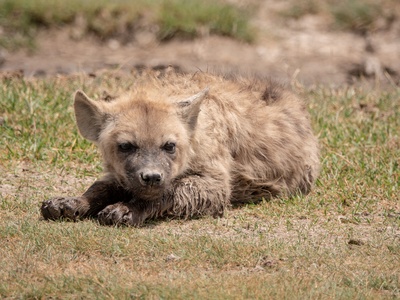
Spotted hyena
Opportunistic predator and scavenger that thrives in grasslands. Strong jaws and complex social clans; key in carcass recycling and ecosystem balance.
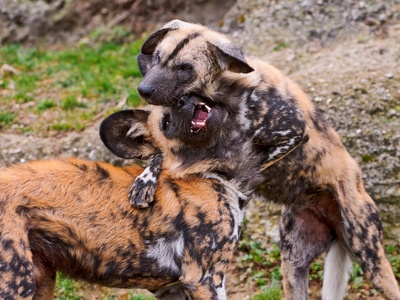
African wild dog
Highly social pack hunter with cooperative strategies to pursue medium-sized grazers. Extremely efficient predators but Endangered due to disease and habitat fragmentation.
Saiga antelope
Striking bulbous nose filters dust in windy steppes. Migratory grazer of tussock and short grasses; populations have collapsed episodically due to hunting and disease.
Mongolian gazelle
Highly nomadic grazer that forms enormous seasonal aggregations. Feeds on steppe grasses, tolerates harsh continental climates; populations sensitive to disturbance.
Przewalski’s horse
Feral and reintroduced wild horse subspecies adapted to steppe grasslands. Grazer that historically ranged widely; conservation success story from captive breeding.
Asiatic wild ass (onager)
Large grazing equid adapted to open plains and arid grasslands. Solitary to small groups, strong long-distance mover important in steppe ecosystems.
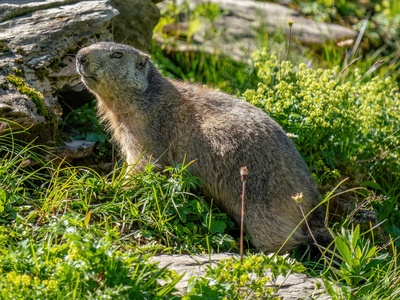
Bobak marmot
Large ground squirrel that digs extensive burrows in steppe grasslands. Herbivorous, hibernates seasonally, influences soil and plant communities through digging.
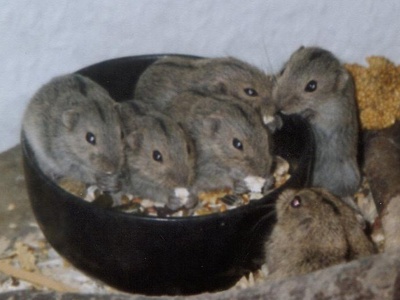
Steppe lemming
Small, social rodent that forms colonies on the steppe, feeding on grasses and seeds. Populations show boom-bust cycles and are key prey for steppe predators.
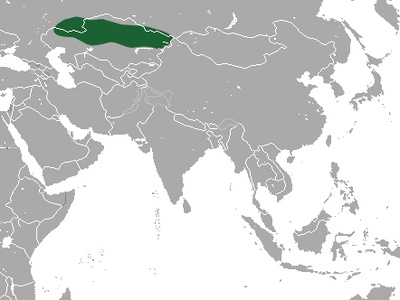
Steppe pika
Small lagomorph adapted to flat grasslands, feeds on grasses and stores hay for winter. Important steppe herbivore and prey for raptors and foxes.
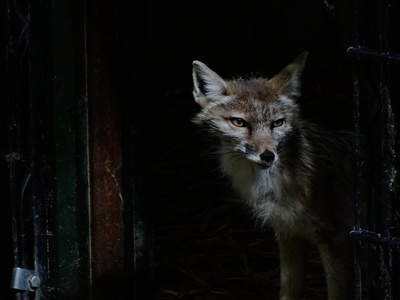
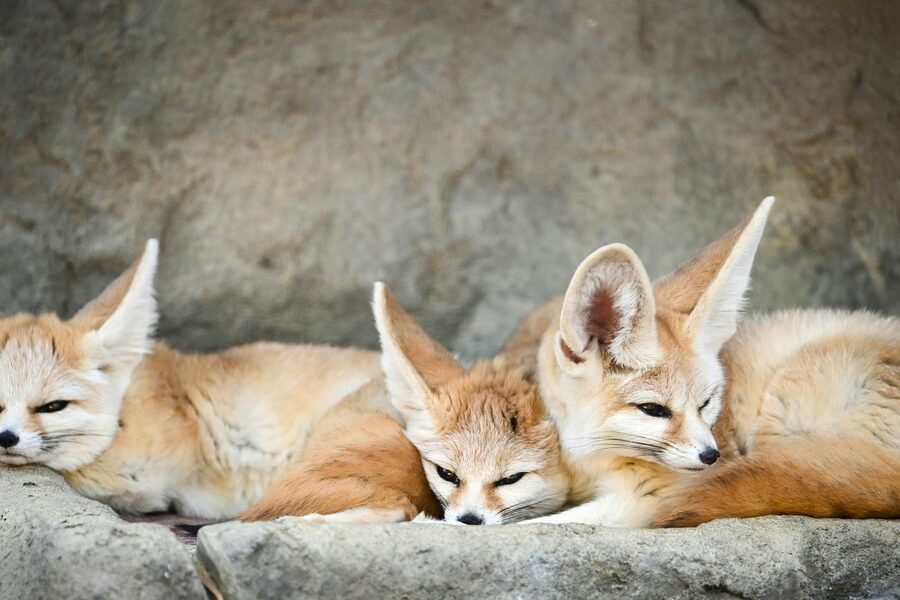
Corsac fox
Small, nomadic fox specialized for steppe life, feeding on rodents and insects. Relies on open grassland hunting grounds and shifting rodent densities.
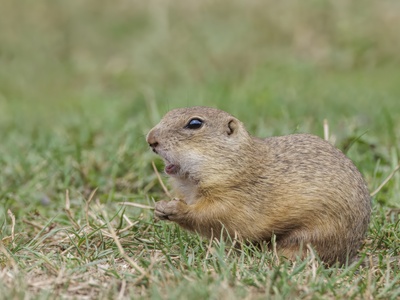
European souslik
Burrowing ground squirrel that lives in colonies on temperate grasslands. Herbivorous, hibernates, and forms social colonies important for soil aeration.
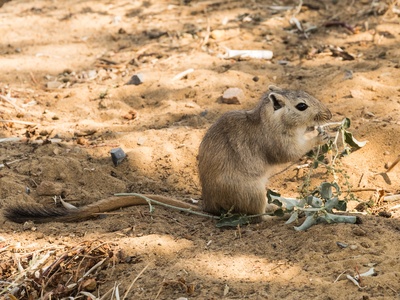
Great gerbil
Colonial burrower that dominates many desert-steppes, feeding on roots and grasses. Creates visible mounds and is a key prey item for steppe predators.
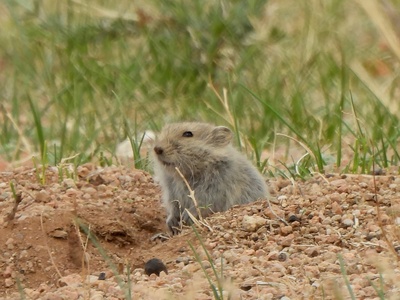
Brandt’s vole
Small grazing rodent that can reach high densities, shaping vegetation and serving as prey for raptors and foxes; populations influence grazing dynamics.
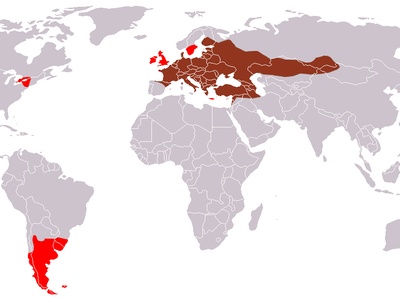
European hare
Large hare that grazes grasses and herbs, using open fields for speed and cover. Important game species, adaptable to mosaic grassland habitats.
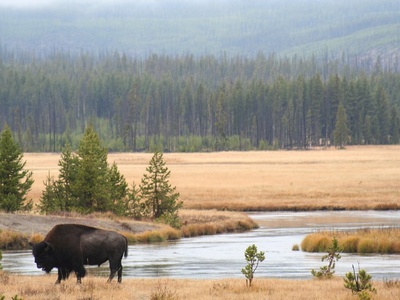
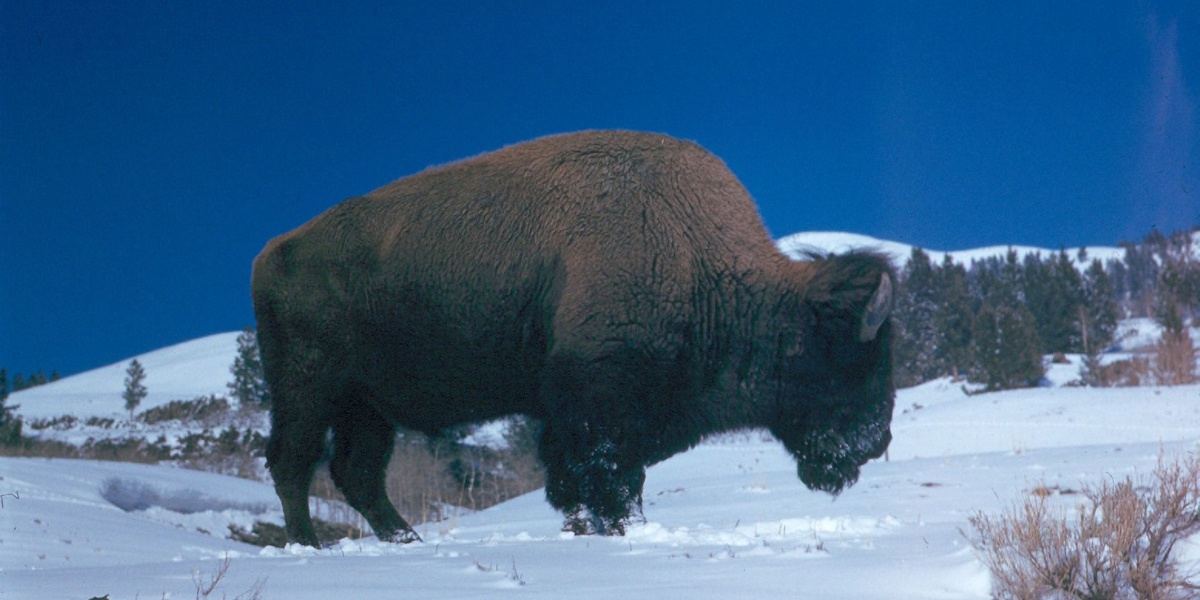
American bison
Iconic prairie grazer that shaped North American grasslands through grazing and wallowing. Lives in mixed-sex herds, historically vast migrations; conservation restored some populations.
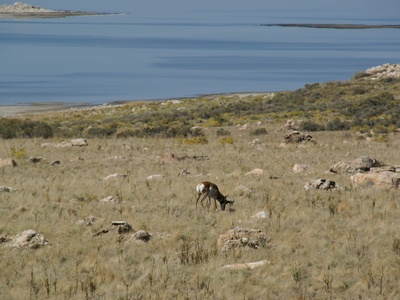
Pronghorn
Fast runner adapted to open plains, feeding on forbs and grasses. Sole surviving member of North American pronghorn family, reliant on wide-open grasslands.
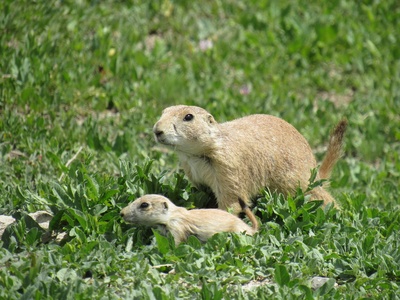
Black-tailed prairie dog
Colonial burrowing rodent that engineers prairie ecosystems, creating habitat heterogeneity. Herbivorous and social; local declines have cascade effects on grassland biodiversity.
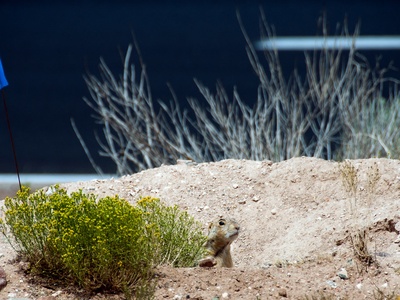
Gunnison’s prairie dog
Smaller prairie dog species occupying higher-elevation grasslands. Burrowing, social, and important forage for predators like black-footed ferrets.
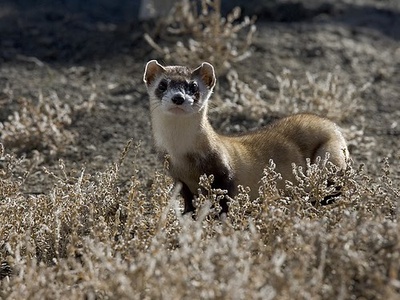
Black-footed ferret
Specialist predator largely dependent on prairie dogs for food and burrows. Once near-extinct, reintroduction programs are central to recovering grassland ecosystems.
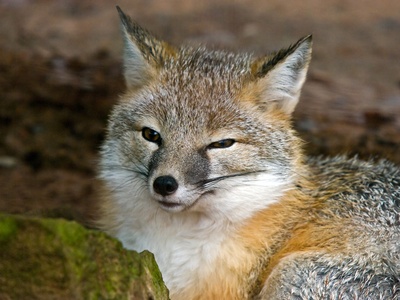
Swift fox
Small fox adapted to open prairie hunting small mammals. Historically widespread; local conservation efforts focus on habitat restoration.
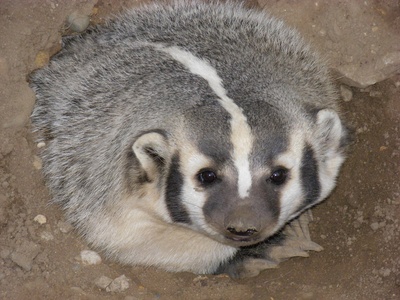
American badger
Fossorial carnivore that digs for rodents in prairies. Solitary, powerful digger that helps control rodent populations and influences soil turnover.
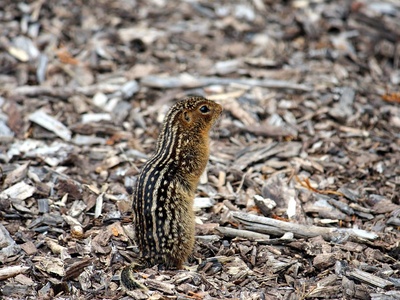
Thirteen-lined ground squirrel
Diurnal ground squirrel that stores food and hibernates. Eats seeds and insects, common in prairie remnants and roadside grasslands.
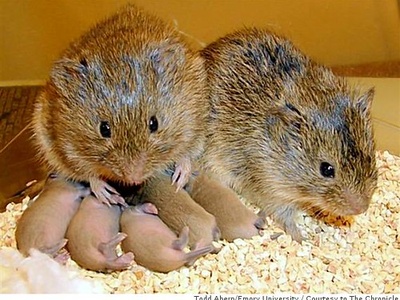
Prairie vole
Small, social vole that feeds on grasses and roots. Important prey for owls, foxes, and snakes; influences vegetation through intensive grazing.
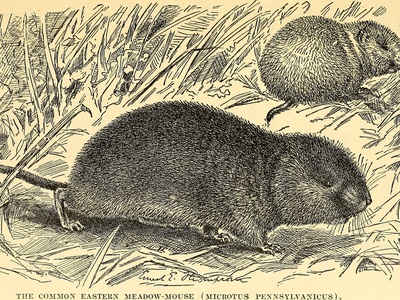
Meadow vole
Common small rodent in moist grasslands, creating runways through vegetation. High reproductive rates make it a key food source for many predators.
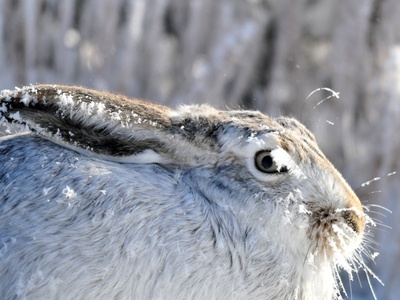
White-tailed jackrabbit
Large hare adapted to open prairie with long ears and powerful hindlegs. Grazes grasses, relies on speed and camouflage to escape predators.
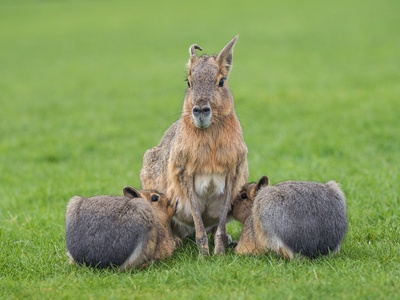
Patagonian mara
Large cavy that resembles a long-legged rabbit, monogamous and diurnal. Grazer on steppe grasses, forms pairs and communal warrens.
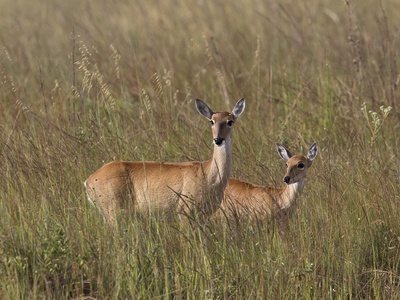
Pampas deer
Slender grazer endemic to South American grasslands. Shy and crepuscular, now locally threatened by habitat conversion and hunting.
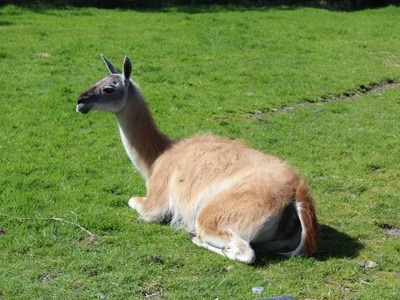
Guanaco
Wild camelid adapted to open grasslands and scrub. Grazer on coarse grasses, forms family groups; ancestor of the domestic llama.
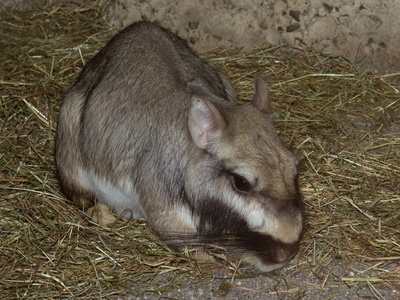
Plains viscacha
Burrowing rodent that builds large communal warrens and feeds on grasses. Influences soil and plant community structure across the pampas.
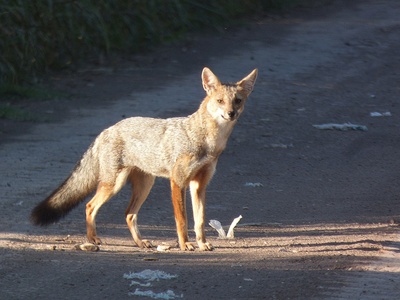
Pampas fox
Small omnivorous canid that hunts rodents and insects in grasslands. Highly adaptable and often found near agricultural grasslands.
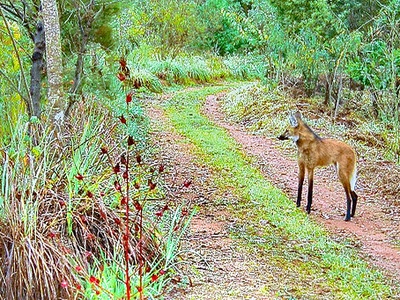
Maned wolf
Tall, long-legged canid that hunts small mammals and eats fruit. Specialist of open savanna-woodlands and grasslands; Near Threatened from habitat loss.
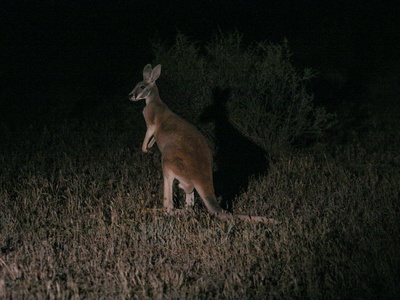
Red kangaroo
Largest marsupial, a powerful grazing hopper adapted to Australia’s open grasslands. Males much larger than females; iconic for grazing and long-distance movement.
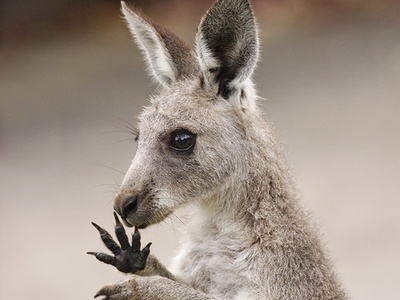
Eastern grey kangaroo
Common grazing macropod that feeds on grasses in open country. Social groups (“mobs”) and strong reproductive resilience in variable climates.
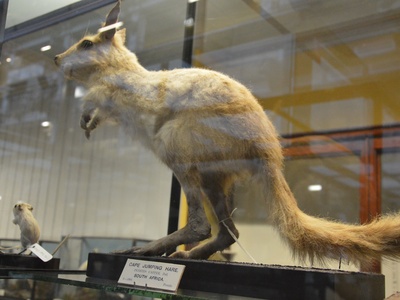
Springhare
Nocturnal, large-jumping rodent that feeds on grasses and tubers. Uses burrows for shelter and is adapted to open grassy habitats.
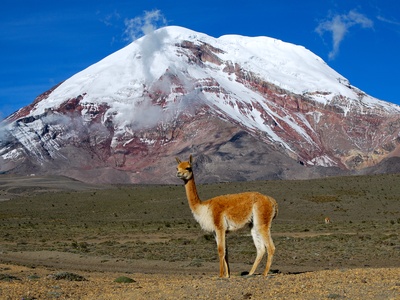
Vicuña
Wild camelid of high-altitude grasslands, prized for fine fiber. Grazes short puna grasses and is a conservation success story after historic overhunting.
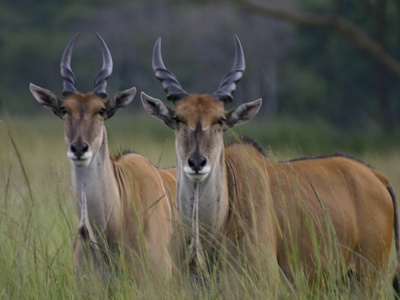
Eland
Very large spiral-horned antelope that browses and grazes across mixed grasslands. Strong and adaptable, often forms small herds; less water-dependent than some species.
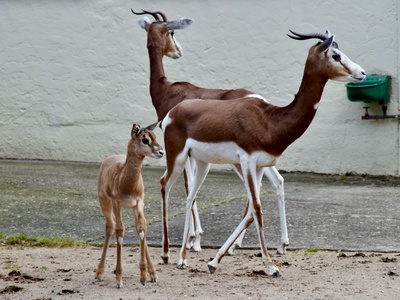
Dama gazelle
Graceful desert-steppe antelope that grazes sparse grasses and herbs. Critically Endangered in parts of its range due to hunting and habitat loss.
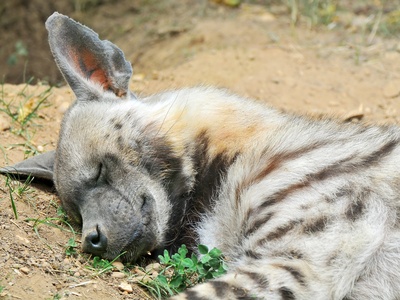
Striped hyena
Scavenging hyena that uses open country and semi-desert grasslands. Nocturnal, solitary to small groups, important in carcass recycling across grasslands.