In 2013 the United Nations declared the International Year of Quinoa — a crop domesticated in the Andean highlands more than 5,000 years ago and still central to Bolivian farming and culture.
That single announcement points to a much larger story: Bolivia’s plant life stretches from century‑flowering bromeliads to cushion plants that survive for centuries, and it supports food, medicine, and deep cultural traditions. Bolivia is one of the world’s 17 megadiverse countries, which helps explain why conserving these species matters for ecosystem services, local livelihoods, and global health.
Below are 12 illustrative examples grouped into three categories — High‑Andean specialists, Medicinal & cultural plants, and Economic & Amazonian species — that showcase the range and value of the flora of bolivia and why communities, scientists, and markets pay close attention to these plants.
High‑Andean Specialists
The high Andes — roughly elevations above 3,500 meters — present intense cold, high UV radiation, thin soils, and strong winds, and plants there have evolved striking solutions to survive. Many species grow slowly and allocate resources to longevity rather than rapid reproduction, which makes them especially vulnerable to disturbance.
These plants matter to Andean communities: they stabilize soils, regulate water at watershed heads, and provide materials and medicines. Protected areas such as Sajama National Park and Polylepis patches on Andean slopes harbour much of this diversity, while the margins of the altiplano and Lake Titicaca hold their own unique assemblages.
What follows are four emblematic high‑Andean species — each adapted to life at altitude and each illustrating ecological, cultural, or conservation themes found across the puna and high valleys.
1. Puya raimondii — the Queen of the Andes
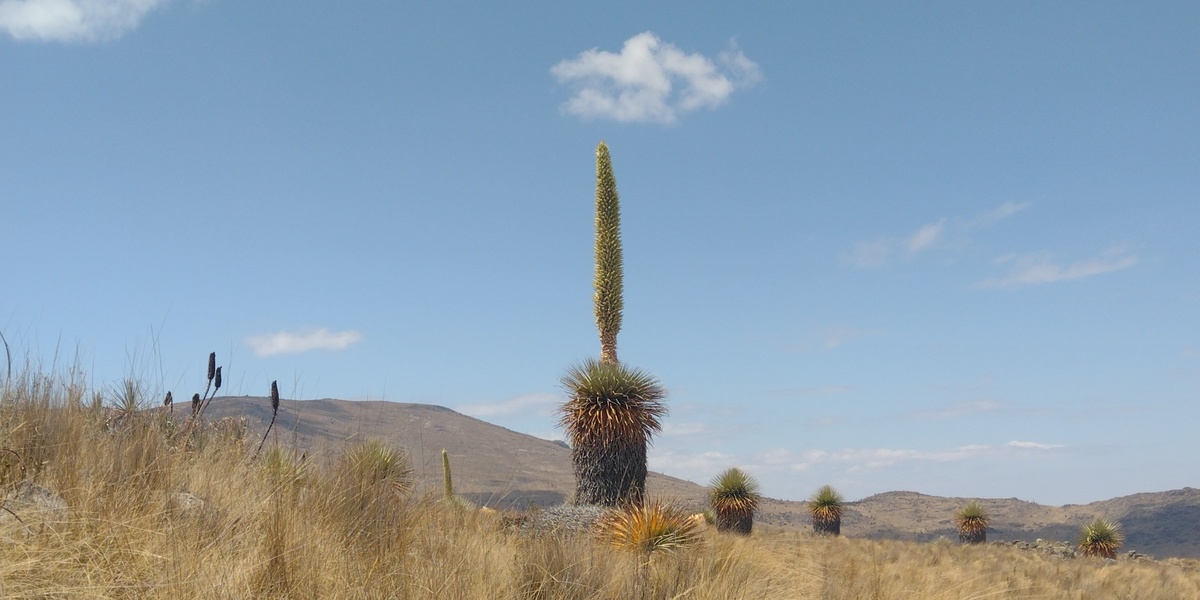
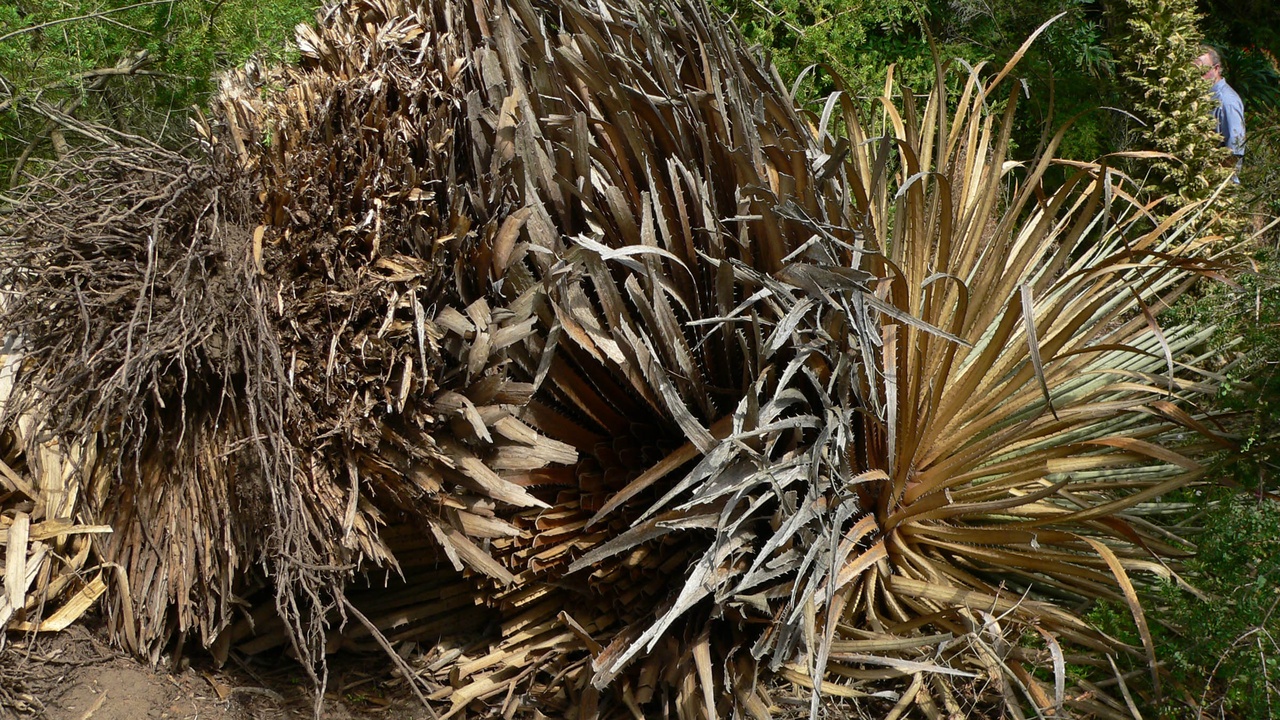
Puya raimondii is the world’s largest bromeliad and one of the most dramatic symbols of the high Andes. A mature rosette can span several meters and the flowering stalk may tower to 8–10 meters when it blooms.
This plant is semelparous: it typically flowers only once, roughly every 80–100 years, then dies. That life strategy creates rare, spectacular blooms that supply nectar to birds and insects and create temporary resource pulses for alpine fauna.
Puya’s range is restricted to high zones in Peru and Bolivia, and populations suffer from grazing, fire, and changing climates. When a flowering event occurs it draws ecotourists and researchers, both because of the spectacle and because Puya raises questions about long‑lived life histories.
2. Polylepis woodlands (Queñua) — the world’s highest trees
Polylepis species form compact, often gnarled woodlands at elevations of roughly 3,500 to 4,800 meters, commonly representing the highest tree line on Earth. Their twisted trunks and flaky, insulating bark help them tolerate freezing nights and intense daytime sun.
Polylepis patches are biodiversity hotspots for specialist birds and small mammals, and they play an outsized role in soil protection and water regulation on steep slopes. Unfortunately these woodlands are heavily fragmented by firewood collection and grazing.
Community reforestation projects and local reserves (often in collaboration with NGOs and universities) have had success restoring small Polylepis stands, providing nesting habitat for species like the royal cinclodes and creating local employment in nursery work and planting.
3. Yareta (Azorella compacta) — the living rock
Yareta grows as very dense, low cushions that resemble living boulders across the puna. It grows extremely slowly, roughly 1 cm per year, and individual cushions are often several hundred to a few thousand years old.
The compact growth form reduces water loss and buffers temperature swings, creating microhabitats for invertebrates and helping to hold fragile soils. Historically yareta was harvested for fuel, which contributed to local declines.
Researchers study yareta for its longevity and potential role in carbon storage at high elevations, and many areas now protect cushions to preserve both ecological and cultural values visible on Bolivian puna slopes.
4. Totora reeds (Schoenoplectus tatora) — plants of Lake Titicaca
Totora reeds dominate the shallow littoral zones of Lake Titicaca, which sits at about 3,812 meters elevation, and they support distinctive human practices on the lake.
For centuries the Uros people have harvested totora to build floating islands, reed boats, and houses; the same material is used today for fodder and woven goods sold at local markets. Totora beds also stabilize shorelines and provide nesting and feeding habitat for waterfowl.
Harvesting remains a living craft on Titicaca’s islands and shores, linking plant ecology, cultural heritage, and local livelihoods in one of the high Andes’ most recognizable landscapes.
Medicinal and Cultural Plants
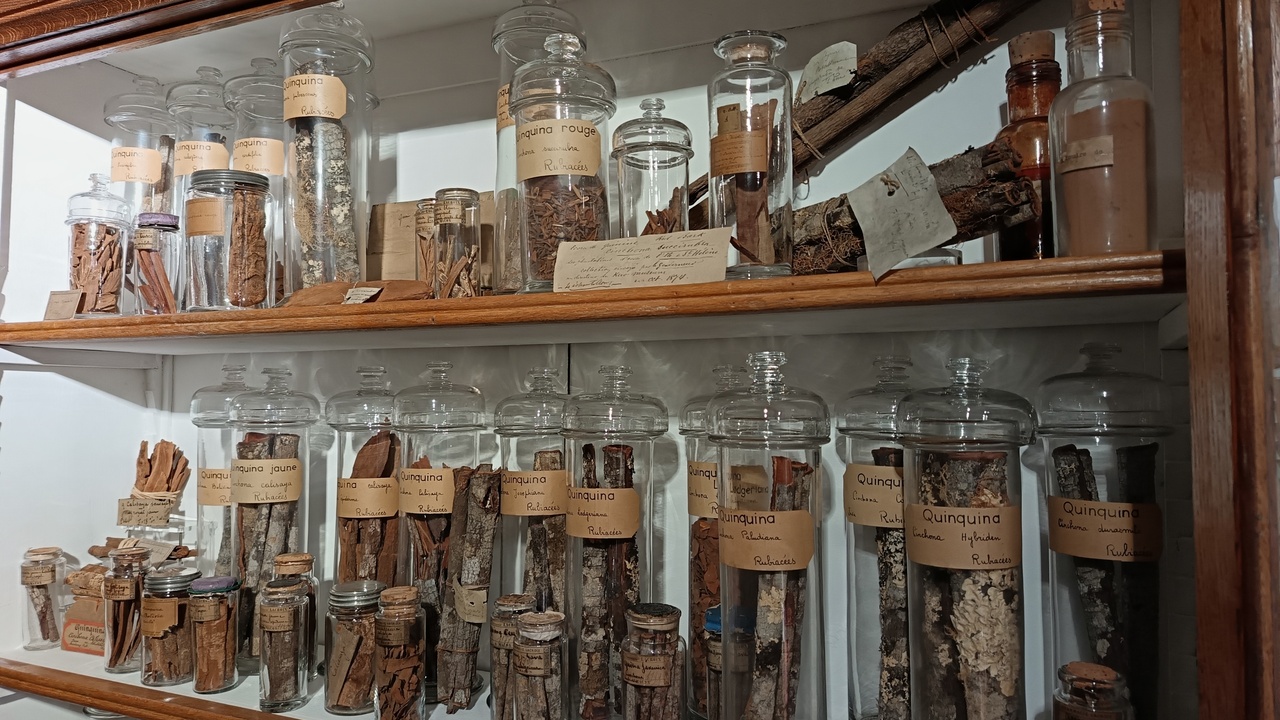
Plants in Bolivia have shaped healing practices, rituals, and economies for Indigenous and rural communities for centuries. Some species from Bolivian forests and high valleys had global impact — most famously cinchona bark, which provided quinine and altered treatments for malaria from the 17th century onward.
Other taxa such as coca and muña are embedded in daily life and ritual, used for digestion, altitude relief, and ceremony. These species present dual realities: deep cultural value and, in some cases, international controversy or regulatory complexity.
Ethnobotanical research remains active across Bolivia, documenting traditional knowledge, studying plant chemistry, and supporting sustainable livelihoods tied to medicines, teas, and artisanal products. Below are four emblematic plants that combine cultural meaning and practical uses.
5. Cinchona — the source of quinine
Cinchona bark yielded quinine, the first widely effective treatment for malaria, and Europeans began using the bark in the 17th century. Quinine continued to be central to antimalarial treatment through the 19th and early 20th centuries before synthetic drugs and alternatives became widespread.
The demand for cinchona spurred botanical expeditions and colonial attempts at cultivation in the 18th and 19th centuries, moving seeds and seedlings across oceanic gardens. Bark harvesting from wild trees affected natural populations, prompting shifts to cultivation and later to synthetic production.
Today cinchona’s legacy remains in scientific collections and in conservation conversations about wild tree use, sustainable cultivation, and the history of plant‑derived medicines that changed global health.
6. Coca (Erythroxylum coca) — tradition, medicine, and controversy
Coca has been cultivated and chewed in the Andes for millennia as a mild stimulant and an aid against altitude sickness, with archaeological and ethnographic records showing long‑term use. Leaf chewing (often with a bit of lime) and coca tea remain commonplace in households and markets.
Medicinally coca is used for digestion, fatigue, and ceremonial offerings, and its cultural role is protected under Bolivian law in recognition of Indigenous practices. At the same time the plant’s alkaloids are the source material for illegal cocaine production, creating complex legal and social dynamics.
Bolivia’s legal frameworks aim to balance traditional use and public health concerns, while researchers and policymakers discuss alternative development, smallholder livelihoods, and respectful protections for cultural practices tied to the coca leaf.
7. Muña (Minthostachys mollis) — an Andean medicinal mint
Muña is a fragrant Andean herb commonly brewed as tea to soothe digestion and respiratory discomfort. Vendors in Cochabamba, La Paz, and regional markets sell muña bundles and dried leaves for household remedies.
Chemically, muña contains essential oils that have attracted phytochemical study for antimicrobial and aromatic properties. Small producers distill oils or package teas, creating modest commercial opportunities for rural households.
Locally, muña is a kitchen and clinic plant: a cup of muña tea after a heavy meal, a sachet for travel, or a steam inhalation for a stubborn cold — simple practices with deep social roots.
8. Palo santo (Bursera graveolens) — aromatic wood and cultural uses
Palo santo grows in seasonally dry forests across parts of Bolivia and neighboring countries and produces a fragrant heartwood used as incense, in ritual cleansing, and for artisanal crafts. The wood and its essential oil have attracted international demand in aromatherapy markets.
That demand creates economic opportunities for collectors and artisans but also sustainability concerns where harvest is unmanaged. Artisanal producers in regional towns make bundles and oils, and some local programs now promote regulated harvests or reliance on naturally fallen wood.
Balancing market access with conservation means supporting community rules, traceability for exported goods, and consumer awareness about sustainably sourced palo santo.
Economic and Amazonian Species
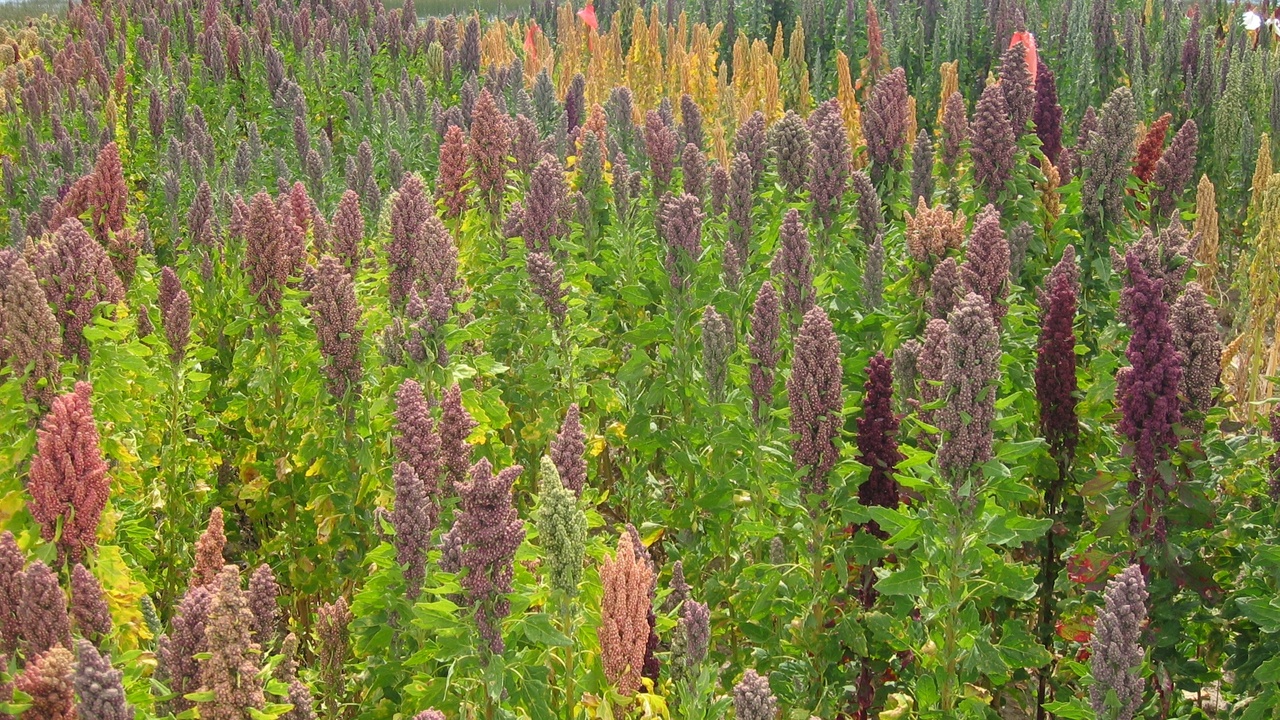
Bolivia’s Amazonian lowlands and Andean valleys produce plants that underpin rural livelihoods, local nutrition, and export niches. Native crops and wetland species supply food, oils, fibers, and handicraft materials for domestic consumption and market sales.
Quinoa’s international rise after the 2000s — crowned by FAO’s International Year of Quinoa in 2013 — shows how a native Andean crop can reach global markets, benefiting smallholders but also raising questions about local food security and market volatility.
The Amazonian palms and aquatic plants that line rivers and floodplains supply fruit, fibers, and ecosystem services. Smallholder production and agroforestry systems are central to both household resilience and biodiversity conservation.
The four examples below range from an ancient staple to wetland giants and a rising oilseed crop that together illustrate economic importance and ecological value.
9. Quinoa (Chenopodium quinoa) — an ancient Andean superfood
Quinoa was domesticated more than 5,000 years ago in the Andes and remains a dietary staple in Bolivia. Its seeds are high in protein and provide a complete amino acid profile, which helped fuel international interest during the 2000s.
FAO’s recognition in 2013 boosted visibility and demand, and many smallholder cooperatives in Bolivian highlands expanded sales to export markets. That export growth brought income but also stresses: price swings, shifts in local availability, and pressure to intensify production.
Quinoa is resilient to poor soils and drought compared with some cereals, so it remains important for food security. The challenge now is to balance export opportunities with local nutrition and sustainable farming practices.
10. Moriche palm (Mauritia flexuosa) — Amazonian lifeline
Mauritia flexuosa dominates seasonally flooded wetlands, producing large clusters of nutritious fruit that are eaten locally and sold in regional markets. The palms also provide fibers for baskets and mats, and pulp or oil used in local cuisine.
Wildlife such as macaws and monkeys rely on moriche stands for food, making these palms keystone elements of floodplain systems. Artisans weave moriche fibers into crafts that enter tourist and market supply chains, adding to household incomes.
Because moriche palms help regulate water and stabilize floodplain soils, their conservation supports both biodiversity and the livelihoods that depend on healthy wetlands.
11. Victoria amazonica — the giant water lily
Victoria amazonica produces circular leaves that can reach about 2 meters in diameter and open spectacular, night‑blooming flowers that are pollinated mainly by beetles. These giant pads float in shallow oxbow lakes and slow rivers of the Amazon basin.
Victoria provides habitat for aquatic invertebrates and convenient resting spots for birds, and it attracts attention in botanical gardens where its leaf mechanics and floral display are studied and shown to the public.
In Bolivian waters where it occurs, Victoria is both an ecological feature of wetland biodiversity and a striking symbol used in environmental education and ecotourism.
12. Sacha inchi (Plukenetia volubilis) — Amazonian oilseed
Sacha inchi is a climbing plant that produces seeds rich in omega‑3 and omega‑6 oils. Interest in its nutritional profile has driven smallholder cultivation for edible oil and dietary supplements.
Small cooperatives in the Bolivian Amazon process oil for regional sale, and sacha inchi fits well into agroforestry systems, growing beneath canopy trees alongside fruit species. That integration supports biodiversity while diversifying incomes.
As global demand for plant‑based oils grows, sacha inchi offers a locally appropriate crop that can strengthen rural economies if linked to fair markets and sustainable production practices.
Summary
- Bolivia’s plant life ranges from century‑flowering giants like Puya to cushion species such as yareta that can live for centuries; this diversity underpins both ecosystems and cultural identities.
- Many native Bolivian plants contributed to global medicine and cuisine — cinchona’s quinine and quinoa’s nutrition are prime examples — while species like coca and muña remain central to Indigenous and rural practices.
- Economic value comes from smallholder crops, wetland palms, and non‑timber forest products, yet those same species face pressures from harvest, land‑use change, and climate shifts.
- Conservation and sustainable markets offer practical routes forward: support community restoration of Polylepis, buy ethically sourced palo santo and moriche crafts, and learn from local cooperatives that keep traditional knowledge alive.
- For readers interested in deeper engagement, consider supporting reputable conservation groups, visiting local reserves such as Sajama, or buying products traceable to sustainable Bolivian producers — and keep an eye on the flora of bolivia as research and local stewardship evolve.