Indonesia sits at the heart of the Coral Triangle, where coastal reefs, mangroves and vast open seas meet inland rivers and lakes. That mix of habitats supports a rich array of both freshwater and marine species, making Indonesia a key place to explore fish diversity.
There are 51 Fish of Indonesia, ranging from Asian arowana to Yellowfin tuna. For each species you’ll find below the columns: Scientific name,Max length (cm),Region & habitat, so you can scan scientific IDs, typical maximum sizes and where each fish is found in the archipelago you’ll find below.
Which species on the list am I most likely to encounter while diving or fishing in Indonesia?
Check the Region & habitat column first: reef-associated species and reef fish are common for divers around coral systems, while pelagic species like Yellowfin tuna appear offshore and are targeted by anglers; inland rivers and lakes list species such as Asian arowana for freshwater encounters.
How reliable are the size and habitat entries, and how should I use them?
Max length (cm) values reflect typical maximums reported in literature and databases, and habitat notes give general region-level guidance; use the list as a starting point for ID or planning, then confirm with local guides, field guides or primary sources for precision.
Fish of Indonesia
| Common name | Scientific name | Max length (cm) | Region & habitat |
|---|---|---|---|
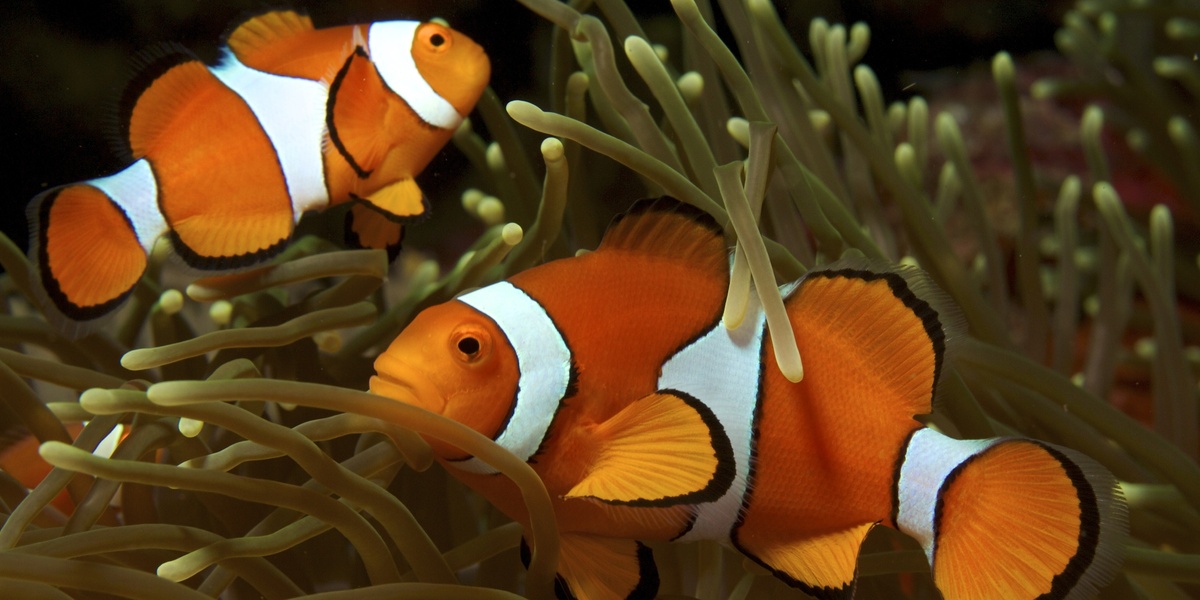
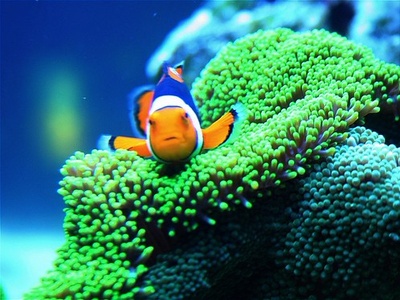
| Clownfish | Amphiprion ocellaris | 11 | Widespread (Bali to Raja Ampat); shallow coral reefs and anemone zones, 1–20 m |
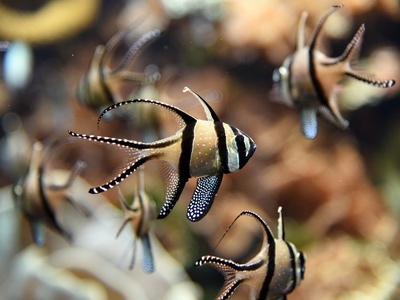
| Banggai cardinalfish | Pterapogon kauderni | 8 | Banggai Islands (central Sulawesi); seagrass beds, coral rubble, shallow lagoons, 1–10 m |
| Humphead wrasse | Cheilinus undulatus | 200 | Coral Triangle hotspots (Raja Ampat, Komodo); coral reefs, lagoons, 1–60 m |
| Clown triggerfish | Balistoides conspicillum | 50 | Widespread Indonesian reefs; reef slopes and lagoons, 5–40 m |
| Bumphead parrotfish | Bolbometopon muricatum | 150 | Coral reefs of eastern Indonesia and western Papua; outer reefs and lagoons, 1–30 m |
| Giant trevally | Caranx ignobilis | 170 | Coastal reefs and bays across Indonesia; reef flats, offshore pinnacles, 1–100 m |
| Yellowfin tuna | Thunnus albacares | 239 | Open ocean of Indonesian waters; pelagic, surface to 200 m |
| Skipjack tuna | Katsuwonus pelamis | 100 | Tropical Indonesian seas; pelagic surface waters, 0–100 m |
| Whale shark | Rhincodon typus | 1,200 | Coastal upwellings and reef passages (Cenderawasih, Raja Ampat); open water and near reefs, 0–100 m |
| Reef manta | Mobula alfredi | 540 | Coral Triangle cleaning stations and lagoons (Nusa Penida, Komodo); coastal reefs, 0–50 m |
| Giant manta | Mobula birostris | 700 | Open ocean and offshore Indonesian waters; pelagic near islands and reefs, 0–100 m |
| Blacktip reef shark | Carcharhinus melanopterus | 165 | Shallow coral reefs and lagoons across Indonesia; reef flats and channels, 0–30 m |
| Giant grouper | Epinephelus lanceolatus | 270 | Reefs, bays and estuaries (widespread Indonesia); rocky reef and coastal lagoons, 1–100 m |
| Blue-spotted ribbontail ray | Taeniura lymma | 65 | Shallow reef flats and sandy channels in Indonesian reefs; 1–20 m |
| Moorish idol | Zanclus cornutus | 23 | Fringing and outer reefs in Indonesia; shallow reef crests and slopes, 1–30 m |
| Regal angelfish | Pygoplites diacanthus | 35 | Coral reefs across Indonesia; reef crevices and ledges, 5–40 m |
| Lionfish | Pterois volitans | 38 | Coral reefs and rocky areas across Indonesia; reef slopes and lagoons, 1–50 m |
| Seahorse (estuarine) | Hippocampus kuda | 17 | Seagrass beds, mangroves and sheltered bays across Indonesia; 0–20 m |
| Barramundi (Asian sea bass) | Lates calcarifer | 180 | Mangroves, estuaries and coastal waters throughout Indonesia; brackish rivers and nearshore, 0–50 m |
| Asian arowana | Scleropages formosus | 90 | Freshwater peat swamps, blackwater streams of Sumatra and Borneo; rivers and oxbow lakes, 0–10 m |
| Yellowboxfish | Ostracion cubicus | 50 | Shallow coral reefs and lagoons in Indonesian waters; reef flats and crevices, 1–30 m |
| Boeseman’s rainbowfish | Melanotaenia boesemani | 13 | Lake Ayamaru region, West Papua; freshwater lakes and tributaries, shallow shoreline |
| Spangled emperor | Lethrinus nebulosus | 75 | Coral reefs, seagrass beds and coastal waters across Indonesia; 1–60 m |
| Indian mackerel | Rastrelliger kanagurta | 35 | Coastal pelagic waters around Indonesia; surface shoals near shore, 0–50 m |
| Stonefish | Synanceia verrucosa | 50 | Shallow reef flats and rocky bottoms across Indonesia; intertidal to 20 m |
| Coral trout | Plectropomus leopardus | 100 | Fringing and patch reefs throughout Indonesian archipelago; reef slopes and bommies, 5–60 m |
| Oriental sweetlips | Plectorhinchus vittatus | 55 | Coral reefs and lagoons in Indonesia; reef slopes and drop-offs, 5–40 m |
| Bluefin trevally | Caranx melampygus | 82 | Reef flats and lagoons across Indonesia; coastal reefs and nearshore waters, 1–50 m |
| Spotted eagle ray | Aetobatus ocellatus | 300 | Sandy bays and nearshore reefs around Indonesian islands; coastal, 0–60 m |
| Mudskipper | Periophthalmus spp. | 20 | Mangrove forests and estuaries across Indonesia; intertidal mudflats exposed at low tide |
| Clown loach | Chromobotia macracanthus | 30 | Rivers of Borneo (Kalimantan) in Indonesian Borneo; slow-flowing streams and pools, shallow |
| Spanish mackerel | Scomberomorus commerson | 200 | Coastal and offshore waters of Indonesia; pelagic nearshore to 200 m |
| Wahoo | Acanthocybium solandri | 239 | Offshore tropical waters around Indonesia; pelagic surface to 200 m |
| Red emperor snapper | Lutjanus sebae | 100 | Coral reefs and rocky substrates across Indonesia; reefs, drop-offs, 10–100 m |
| Porcupinefish | Diodon hystrix | 60 | Reefs and seagrass areas across Indonesia; shallow to moderate depths, 1–40 m |
| Milkfish | Chanos chanos | 180 | Coastal, mangrove and estuarine waters across Indonesia; shallow coastal and brackish habitats, 0–50 m |
| Flathead mullet | Mugil cephalus | 100 | Coastal lagoons, estuaries and nearshore waters in Indonesia; shallow coastal and brackish habitats, 0–30 m |
| Coral goby | Trimma spp. | 6 | Coral reefs throughout Indonesia; reef crevices and rubble, 1–25 m |
| Saddleback clownfish | Amphiprion polymnus | 14 | Mangrove-lined coasts and reefs in Indonesia; mangroves and sheltered reef zones, 0–15 m |
| Black marlin | Istiompax indica | 400 | Open tropical waters of Indonesian seas; pelagic near islands and offshore, 0–200 m |
| Threadfin bream | Nemipterus japonicus | 30 | Sandy areas near reefs and continental shelves around Indonesia; demersal, 10–150 m |
| Box seahorse | Hippocampus erectus complex | 15 | Seagrass beds, coral rubble and mangroves in parts of eastern Indonesia; shallow coastal areas, 0–20 m |
| Spotted scat | Scatophagus argus | 40 | Estuaries, mangroves and coastal bays across Indonesia; brackish water and shallow coastal, 0–20 m |
| Coral catfish | Plotosus lineatus | 30 | Reef slopes, rocky shores and estuaries across Indonesia; coastal shallows and reef bases, 0–30 m |
| Redtoothed triggerfish | Odonus niger | 60 | Outer reef slopes and drop-offs in Indonesian reefs; 5–40 m |
| Cobia | Rachycentron canadum | 200 | Open water near reefs and fish aggregating devices in Indonesia; epipelagic near surface, 0–100 m |
| Greasy grouper | Epinephelus tauvina | 120 | Reefs and lagoons across Indonesia; rocky reefs and coral bommies, 10–80 m |
| Blacktip snapper | Lutjanus fulviflamma | 40 | Shallow reefs and mangrove edges in Indonesia; reef flats and lagoon areas, 1–30 m |
| Spotted sweetlips | Plectorhinchus picus | 70 | Coral reefs and sandy slopes in Indonesian waters; reef slopes and adjacent sand, 5–50 m |
| Striped catfish | Pangasianodon hypophthalmus | 120 | Fresh and brackish rivers of Sumatra and Kalimantan; large rivers and floodplain habitats |
| Blue-spotted cornetfish | Fistularia commersonii | 200 | Coastal reefs and lagoons across Indonesia; midwater over reefs and seagrass, 1–50 m |
Images and Descriptions
Clownfish
Small, orange-and-white reef fish often seen on shallow coral reefs and dive sites across Indonesia; easy to recognise and a favorite of snorkelers and aquarists, popular in the ornamental trade.
Banggai cardinalfish
Small, silver fish with black bars and long fins endemic to the Banggai Islands; frequently seen in tidepools and shallow reefs and heavily collected for the aquarium trade, making it conservation-sensitive.
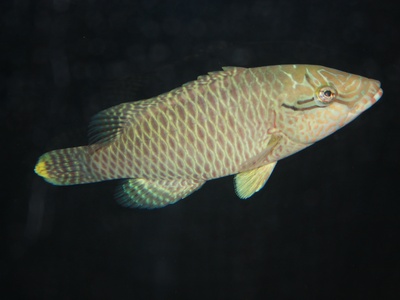
Humphead wrasse
Large, colorful reef fish with a bulbous forehead found on healthy coral reefs across Indonesia; slow-growing and heavily fished for live reef food markets, and listed as endangered.
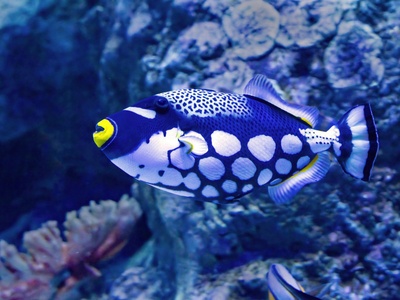
Clown triggerfish
Boldly patterned triggerfish commonly seen by divers on reef slopes and in lagoons; territorial and striking in appearance, popular with underwater photographers and sometimes kept in large aquaria.
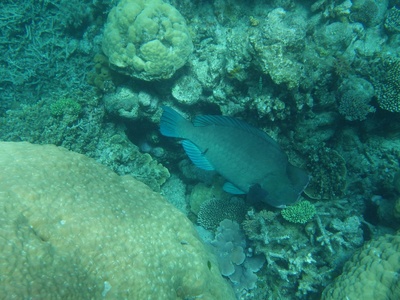
Bumphead parrotfish
Massive parrotfish that crushes coral with a large beak, important for reef bioerosion; forms large schools and is vulnerable to overfishing due to slow life history.

Giant trevally
Powerful predatory jacks common around reefs and drop-offs, prized by sport fishers for their strength and aggressive strikes, making them a top gamefish in Indonesian waters.
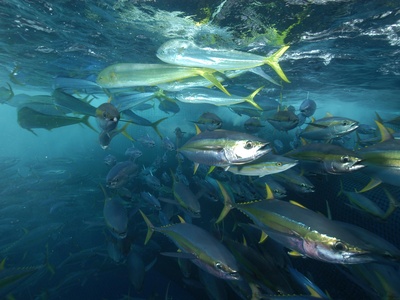
Yellowfin tuna
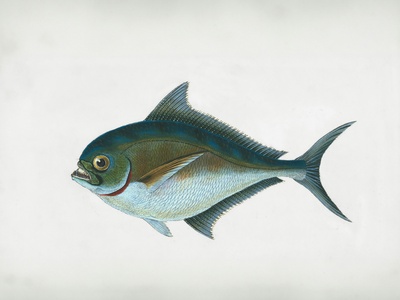
Fast, streamlined tuna forming large schools in warm seas around Indonesia; a cornerstone of large-scale fisheries and global tuna markets, heavily targeted by commercial fleets.
Skipjack tuna
Small, schooling tuna abundant in Indonesian waters and the backbone of canned-tuna supply; highly migratory and central to coastal and industrial fisheries.
Whale shark
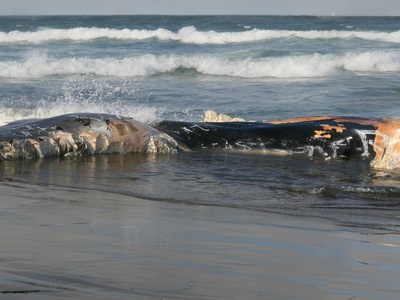
The world’s largest fish, a gentle plankton feeder visited by divers in Indonesian hotspots; attracts ecotourism and is protected due to vulnerable status.

Reef manta
Large, slow-moving ray commonly seen at cleaning stations and cleaning stations near Indonesian islands; a major draw for manta-watching tourism and subject to conservation protections.
Giant manta
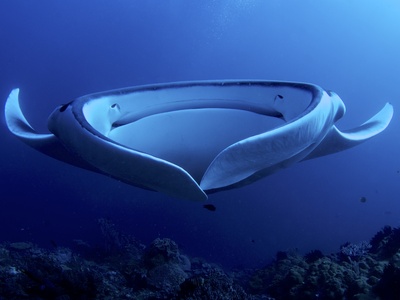
Very large, pelagic manta occasionally recorded around Indonesian islands; sought by divers and protected in many areas because of slow reproduction and vulnerability to fishing.
Blacktip reef shark
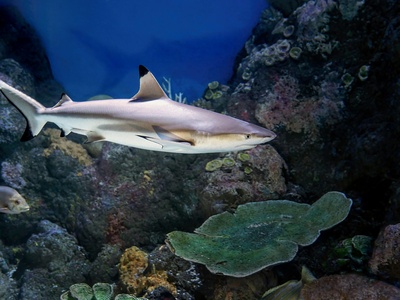
Small, distinctive reef shark commonly seen by snorkelers and divers in shallow waters; vulnerable to habitat loss and local fishing pressure in some regions.
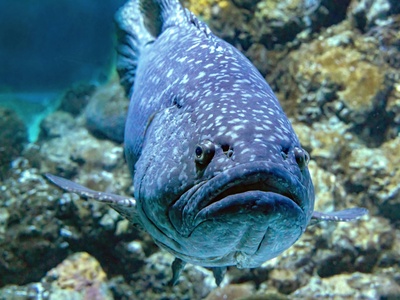
Giant grouper
Enormous reef predator inhabiting shallow reefs and coastal waters; highly valued for food and aquaculture, but vulnerable due to slow growth and overfishing.
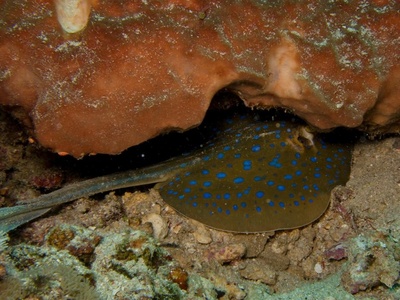
Blue-spotted ribbontail ray
Small, bright blue-spotted stingray often seen lying on sandy bottoms near coral reefs; commonly encountered by snorkelers and easily recognised by its vivid spots.

Moorish idol
Distinctive black, white and yellow fish frequently seen by divers on reef slopes; iconic reef species that’s notoriously difficult to keep in captivity.
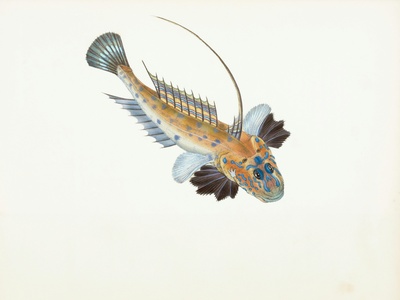
Regal angelfish
Brightly colored angelfish that hides among reef crevices and is a favorite subject for divers; attractive but sensitive, making it challenging for aquarium hobbyists.

Lionfish
Venomous spines and striking fins characterise this ambush predator native to the Indo-Pacific; harmless if admired at distance, but a problematic invasive species elsewhere.
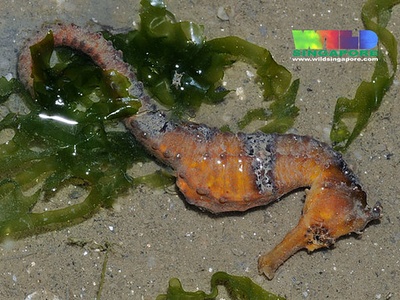
Seahorse (estuarine)
Hooked-snouted seahorse found in shallow coastal habitats clinging to seagrass and mangroves; collected for traditional medicine and aquarium trade, prompting conservation concern.
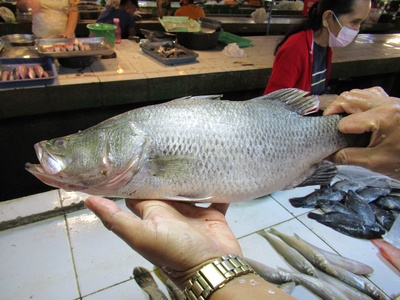
Barramundi (Asian sea bass)
Versatile predator inhabiting estuaries and coastal areas; highly valued as a food fish and widely farmed for aquaculture across Indonesia.
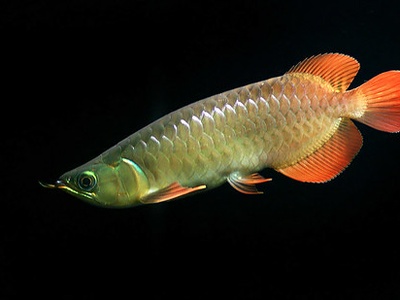
Asian arowana
Large, elongate freshwater fish prized in the aquarium trade and protected under CITES; native populations in Indonesian Borneo and Sumatra are conservation-sensitive.
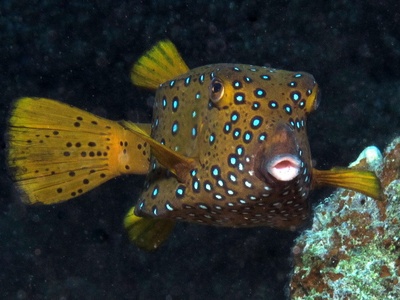
Yellowboxfish
Box-shaped fish with bright yellow juveniles that darken with age, secretes toxic mucus when stressed; admired by divers but requires caution in aquarium settings.
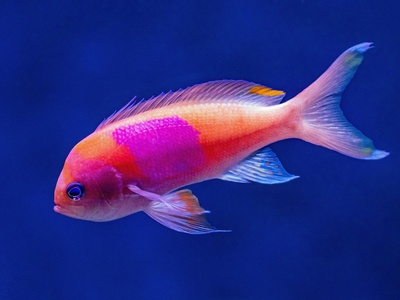
Boeseman’s rainbowfish
Vibrant freshwater fish endemic to a small West Papua lake system; popular in aquaria for its colors but conservation-sensitive due to its restricted range.
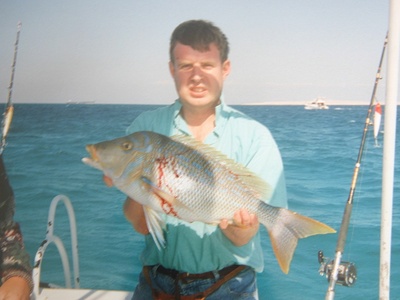
Spangled emperor
Common reef-associated food fish often found over sand and seagrass near reefs; an important species for local fisheries and recreational fishers.
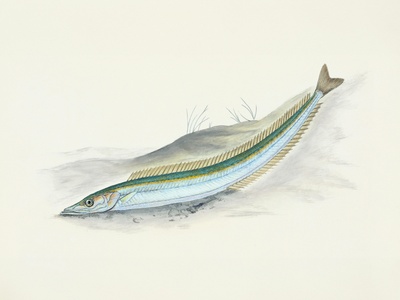
Indian mackerel
Small, schooling mackerel abundant in nearshore waters and central to local coastal fisheries; commonly sold fresh or processed in Indonesian markets.
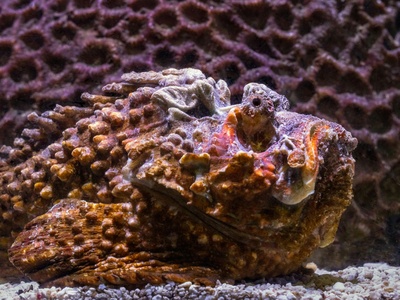
Stonefish
Master of camouflage lying motionless on reef and sand with highly venomous dorsal spines; a dangerous species that requires caution when wading or diving.
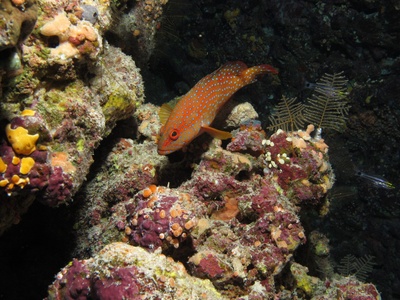
Coral trout
Sought-after reef grouper for food markets, known for its spotted pattern; heavily fished and economically important to coastal communities.
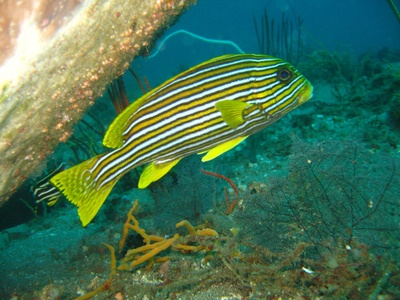
Oriental sweetlips
Large, boldly striped fish often seen in groups and at night; a favorite for divers due to its patterned appearance and feeding behavior.

Bluefin trevally
Fast, powerful predatory jack with vivid blue fins; popular with sport fishers and an energetic sight on snorkel and dive trips.
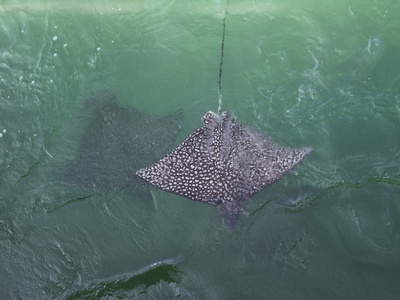
Spotted eagle ray
Graceful ray that glides over sandy bottoms and coral edges; frequently seen by divers, it is important for ecotourism and local marine biodiversity.
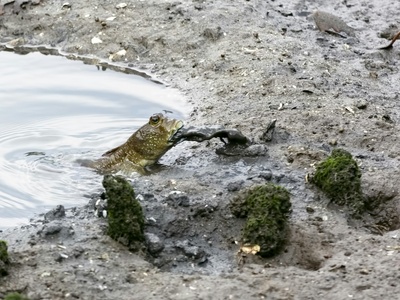
Mudskipper
Amphibious goby visible on mudflats and mangrove roots, known for “walking” using pectoral fins and breathing air; an iconic mangrove resident seen at low tide.
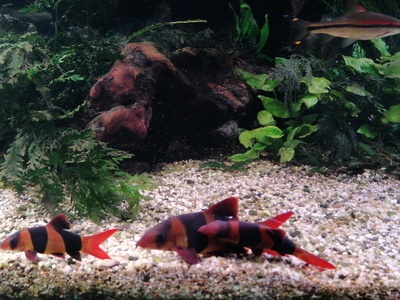
Clown loach
Distinctive orange-and-black freshwater fish endemic to Borneo rivers and widely exported for the aquarium trade, leading to conservation and management interest.
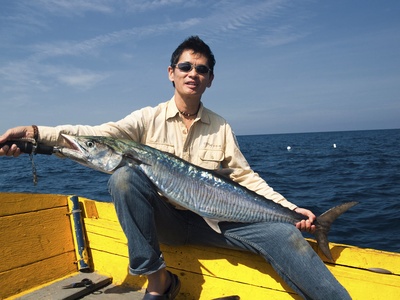
Spanish mackerel
Large, fast predatory mackerel common in Indonesian seas that supports commercial and sport fisheries; prized for its speed and fighting ability on tackle.
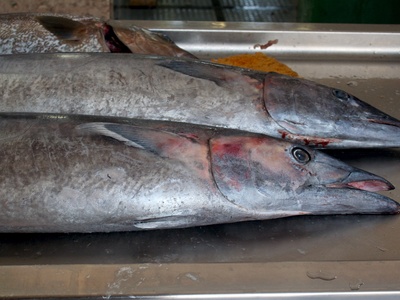
Wahoo
Streamlined, high-speed predator found on offshore currents; highly prized by sport anglers and for fresh sashimi-quality meat in local markets.
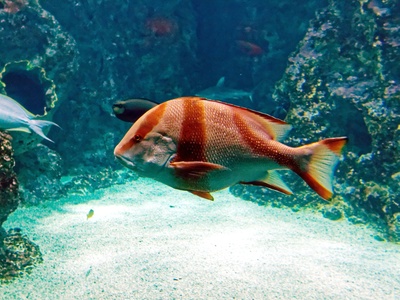
Red emperor snapper
Robust, red snapper popular in regional fisheries, often found along reef slopes; an economically valuable species for coastal fishers and markets.
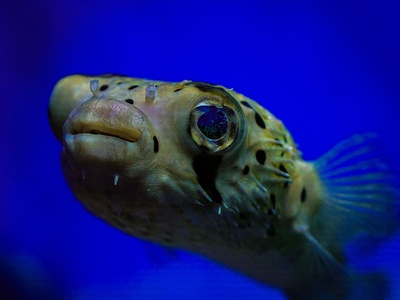
Porcupinefish
Inflatable, spiny fish that can erect sharp spines when threatened; occasionally used as food in some regions after careful preparation.
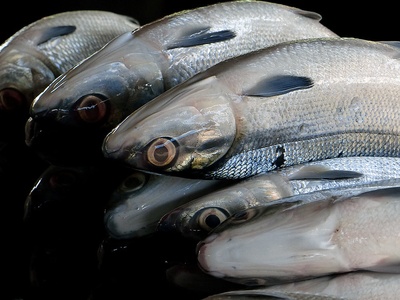
Milkfish
A key aquaculture and staple food fish throughout Indonesia, juveniles use mangroves as nurseries and adults occur in coastal lagoons and open coastal waters.
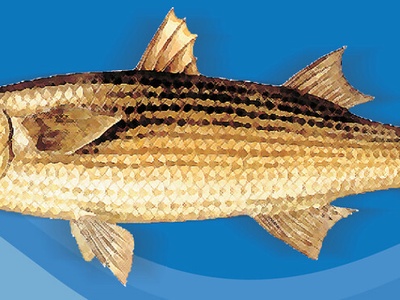
Flathead mullet
Common mullet of coastal waters and estuaries, important as a local food fish and often seen schooling in shallow bays and river mouths.
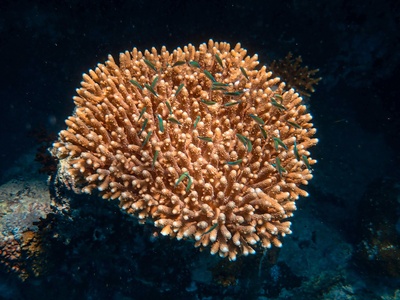
Coral goby
Tiny, often brightly colored gobies that live in coral branches and rubble; common on reefs and a key component of reef microhabitats seen by divers.
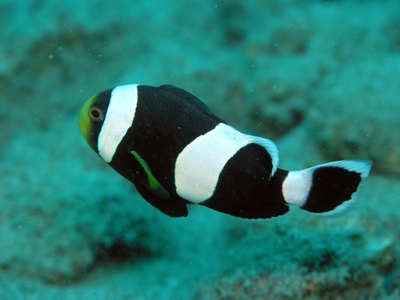
Saddleback clownfish
Black-and-white clownfish often associated with burrowing anemones in mangroves and shallow reefs; locally common and popular with photographers.
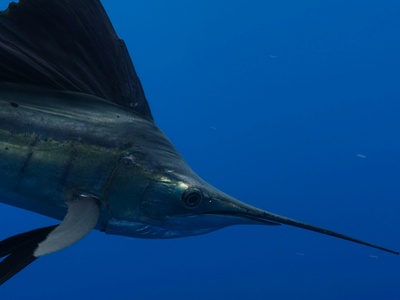
Black marlin
Large, powerful billfish encountered around offshore seamounts and islands; highly prized by big-game anglers for spectacular fights and jumps.
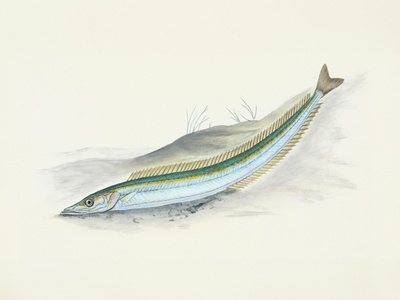
Threadfin bream
Small demersal fish commonly caught in trawl and artisanal fisheries, important in regional markets and as a staple protein source.

Box seahorse
Small seahorse species inhabiting shallow vegetated habitats, vulnerable to bycatch and collection for traditional medicine and aquaria.
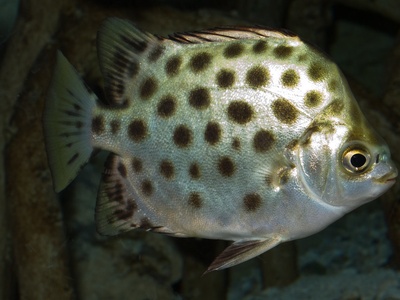
Spotted scat
Robust, laterally compressed fish often seen in estuarine waters; kept in brackish aquaria and locally eaten, frequent inshore species.
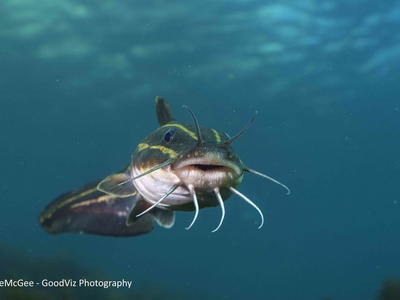
Coral catfish
Striped catfish that forms dense schools when juvenile, sometimes entering brackish waters; has venomous spines and is commonly observed by snorkelers.
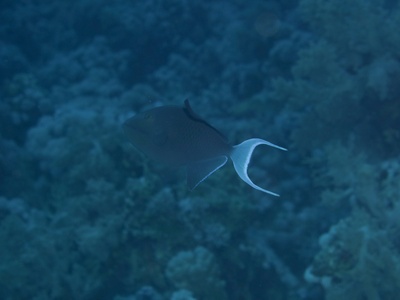
Redtoothed triggerfish
Fast-swimming, blue-purple triggerfish common on outer reef slopes in schools; often seen cleaning prey and admired by divers for its speed and color.

Cobia
Large, migratory predator that follows sharks and structures; sought by anglers and sometimes farmed, common near coastal upwellings.
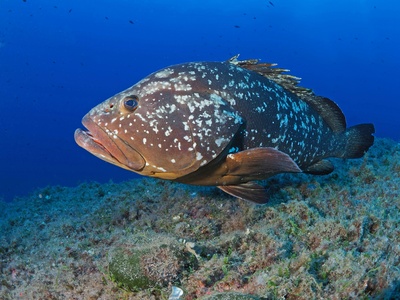
Greasy grouper
Common reef grouper targeted by fisheries across Indonesian islands; valued for market meat and vulnerable to overfishing at small reef scales.
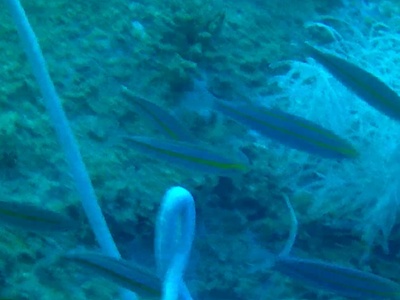
Blacktip snapper
Small schooling snapper often found near reef edges and mangroves; an important catch for small-scale fishers and local markets.
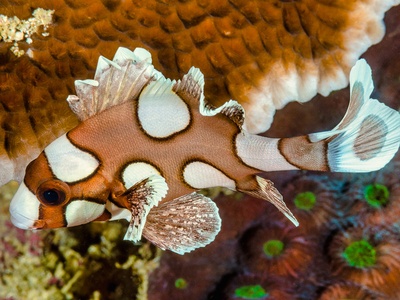
Spotted sweetlips
Striped-and-spotted large sweetlips commonly seen in pairs or small groups; popular with divers for its dramatic nighttime feeding behavior.
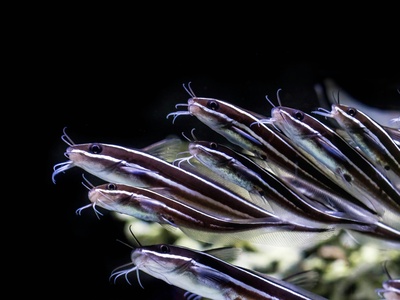
Striped catfish
Large freshwater catfish important in aquaculture and local fisheries; often farmed and consumed widely across Indonesian riverine communities.
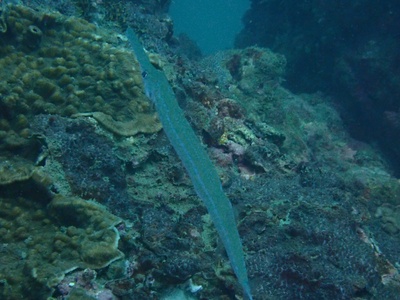
Blue-spotted cornetfish
Long, tubular predatory fish that hovers near reefs to ambush small fishes; occasionally seen by divers and known for its elongated body and snout.