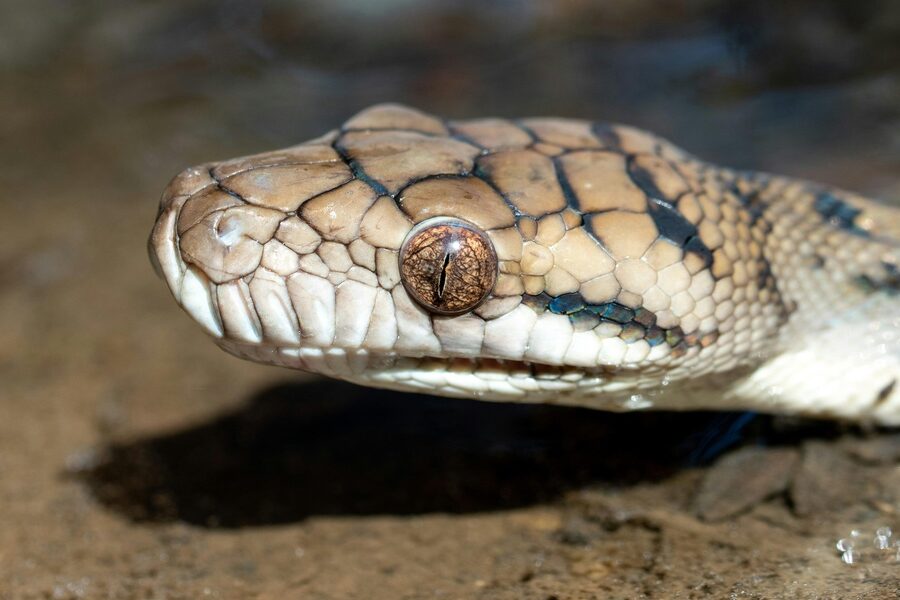
On the 1912 Galápagos expedition, naturalists recorded lizards that underscored how islands produce strikingly specialized reptiles.
That discovery helped set a century of curiosity about how form follows environment. A closer look at specific lizard species matters for biodiversity, medicine, conservation, and everyday human fascination.
There are over 6,000 described lizard species worldwide, so this list highlights ten that stand out for size, behavior, scientific importance, cultural roles, or popularity in captivity.
Sources worth citing include the IUCN Red List, Smithsonian Institution publications, National Geographic features, and peer-reviewed journals like the Journal of Herpetology.
Famous and Iconic Lizards
These are the lizard species most people recognize by sight or name. Their size, colors, or roles in culture make them visible in media, tourism, and the pet trade.
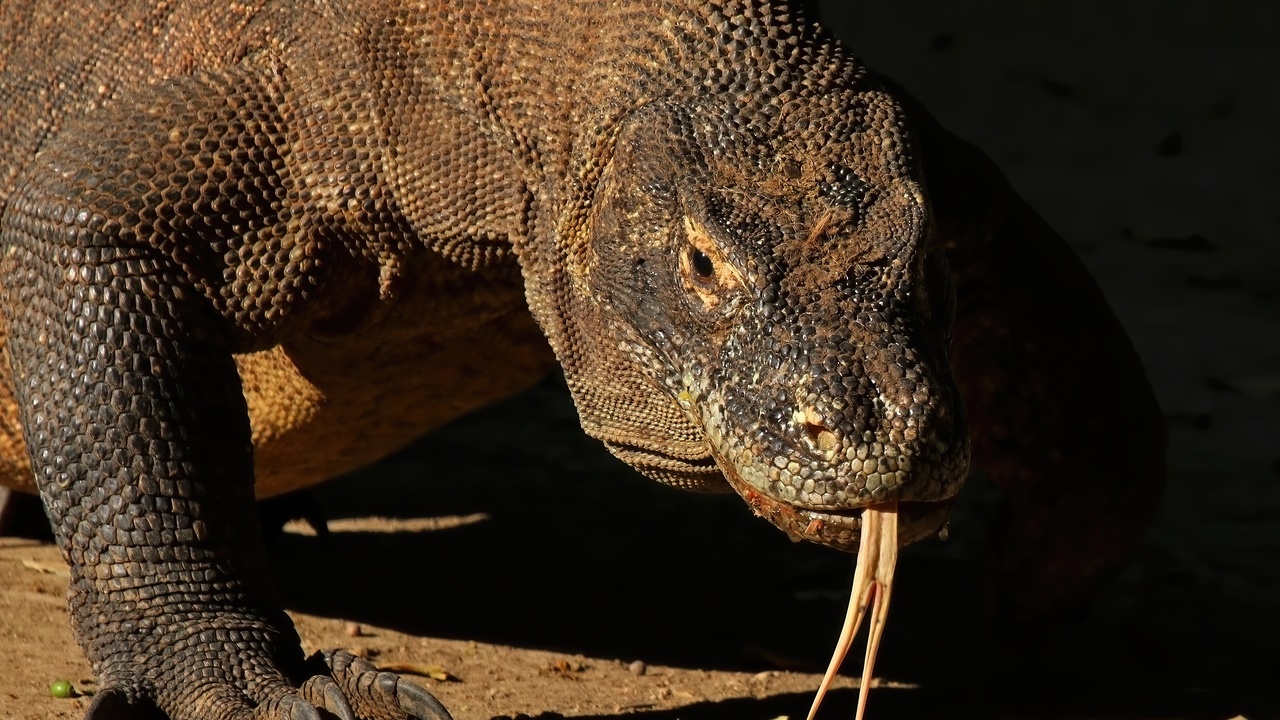
1. Komodo Dragon (Varanus komodoensis)
The Komodo dragon is famous as the largest living lizard, reaching up to about 3 m in length and reports of weights around 70 kg.
It is endemic to a handful of Indonesian islands, including Komodo, Rinca, and Flores, and is listed as Vulnerable on the IUCN Red List.
Komodo National Park is the species’ conservation and ecotourism hub; the park draws tens of thousands of visitors in typical years and contributes to local economies through guided trips and permits.
Behaviorally, Komodos are ambush hunters that take large prey and show island-specific prey choices, which makes them a flagship for island ecology and conservation policy.
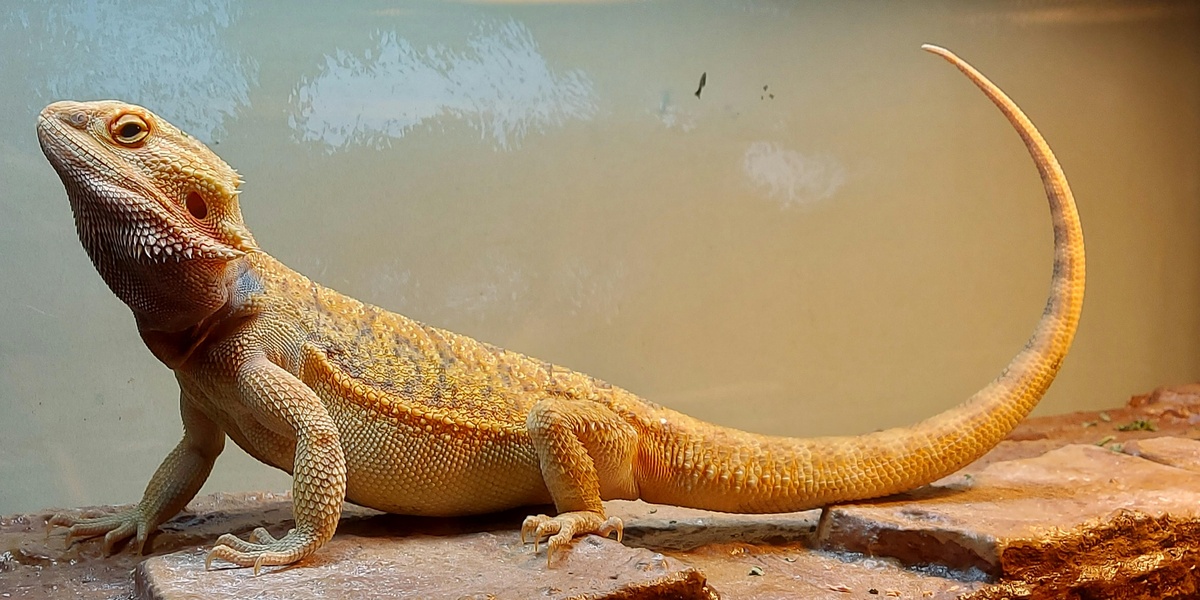
2. Bearded Dragon (Pogona vitticeps)
The bearded dragon is one of the most popular pet lizards worldwide because of its calm temperament and long history of captive breeding.
Native to arid regions of Australia, adults commonly reach roughly 30–60 cm including the tail, and captive morphs now offer varied colors and patterns for hobbyists.
Bearded dragons are widely used in classroom outreach and zoo education to teach reptile biology and responsible pet care; reputable herpetological care guides outline husbandry basics and welfare standards.
3. Green Iguana (Iguana iguana)
The green iguana is a large arboreal herbivore native to Central and South America that has become familiar through both the pet trade and invasive populations.
Adults commonly measure 1–1.5 m in total length and feed primarily on plant material. Their size and diet shape both native and invaded ecosystems.
Since the 1990s, established invasive populations in southern Florida and parts of the Caribbean have prompted municipal management programs and public education about responsible pet ownership.
4. Leopard Gecko (Eublepharis macularius)
The leopard gecko is a small, nocturnal lizard prized by hobbyists for its ease of care and the many captive-bred morphs developed over decades.
Native to parts of Afghanistan, Pakistan, and India, typical adult length is about 15–25 cm. Common morph names include albino and tangerine.
Leopard geckos are often recommended as first reptiles for new keepers and are used in herpetoculture education; basic welfare includes a heat gradient and calcium supplementation.
Lizards That Shaped Science and Medicine
Lizard species have contributed to major scientific advances, from venom-derived drugs to classical studies of adaptive radiation and physiology.
Research on a few key taxa produced measurable outcomes—drugs approved by regulators, influential evolutionary experiments, and better veterinary and conservation practice.
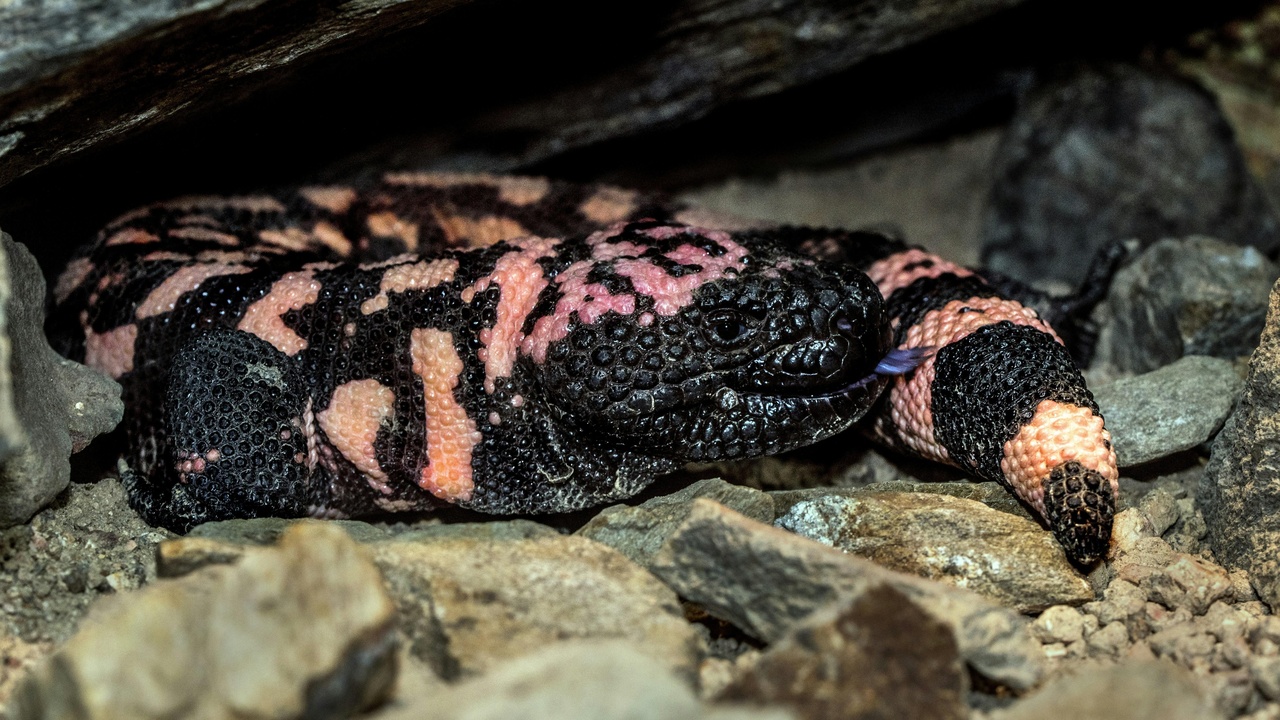
5. Gila Monster (Heloderma suspectum)
The Gila monster is one of the few venomous lizards and has had a direct medical impact because a peptide from its saliva led to diabetes drugs.
Exendin-4, a peptide discovered in Gila monster saliva, formed the basis for exenatide (Byetta), which received FDA approval in 2005, and later GLP‑1 receptor agonist therapies trace back to that work.
Venom-delivery anatomy in Heloderma and continued biochemical research on lizard-derived peptides remain active fields with implications for pharmacology and endocrinology.
6. Anoles (Genus Anolis)
Anoles form a diverse, island-rich group that has been a model system in evolutionary biology for decades.
The genus contains roughly 400 species, many in the Caribbean, and researchers such as Jonathan Losos documented repeated evolution of similar ecomorphs on different islands.
Anole studies illuminate speciation, limb and toe-pad evolution, and recent work has tracked rapid responses to urban heat islands and habitat change.
7. Monitor Lizards (Family Varanidae)
Monitor lizards draw scientific interest for their physiology, problem-solving abilities, and ecological roles as large predators and scavengers.
The family includes around 80 species, from the massive Komodo to smaller water monitors. Studies examine metabolism, cognition, and comparative anatomy across varanids.
Research on species such as Varanus komodoensis and Varanus salvator informs conservation, veterinary care, and our understanding of how large reptiles persist in human-dominated landscapes.
Ecological, Cultural, and Lesser-Known Gems
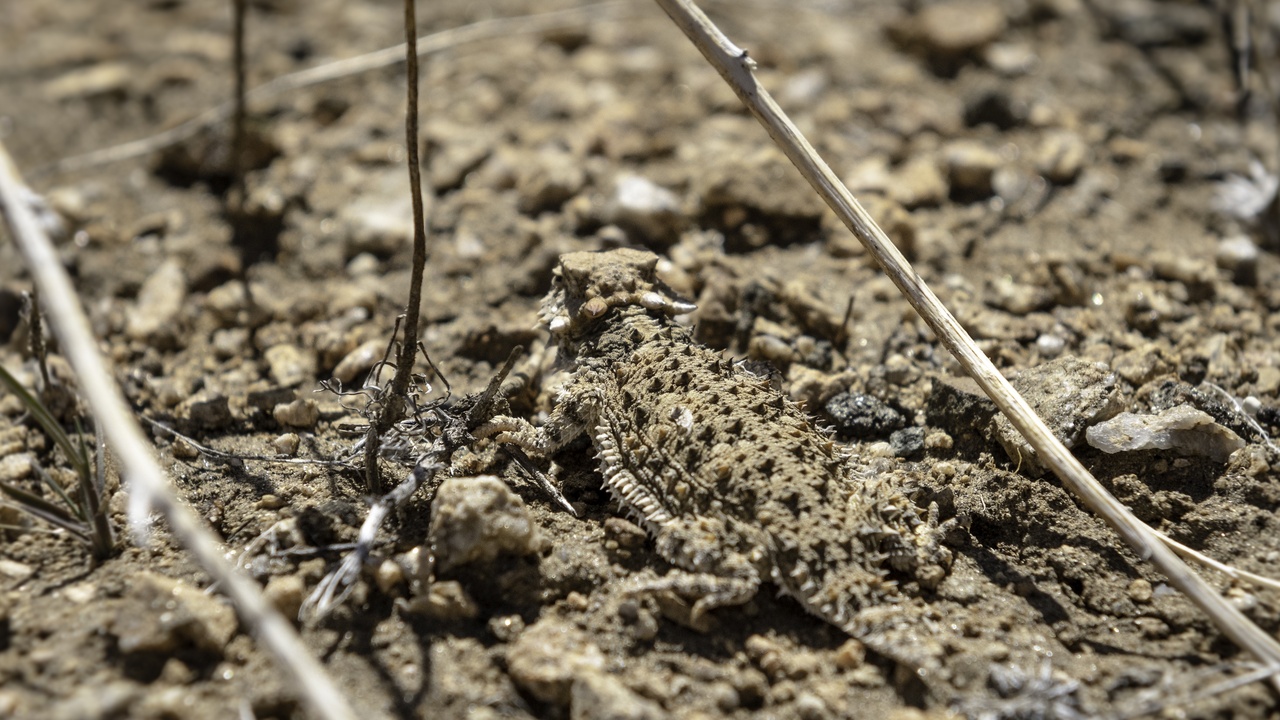
This group shows how lizards shape ecosystems, enter local culture, and sometimes hide surprising behaviors that matter for conservation.
From ant-specialist predators to island herbivores, these taxa highlight regional conservation issues and the benefits of local stewardship and research partnerships.
8. Horned Lizards (Genus Phrynosoma)
Horned lizards are small, flattened desert specialists known for defensive postures and, in some species, the dramatic ability to squirt blood from the eye region.
They specialize on ants—often harvester ants—which makes them important controllers of local ant populations and a focus of restoration ecology.
Several U.S. species, like the Texas horned lizard (Phrynosoma cornutum), declined in the 20th and 21st centuries due to habitat loss and invasive fire ants, prompting local translocation and recovery projects.
9. Chuckwalla (Genus Sauromalus)
Chuckwallas are sizeable, herbivorous desert lizards native to the American Southwest and Gulf of California islands, where several island-endemic forms occur.
Adults are bulky-bodied and their plant-heavy diet can influence local vegetation, making them key players in scrub and rocky habitats.
Island populations such as Sauromalus ater on Baja islands interest conservation biologists because island endemism creates unique management needs and ecotourism opportunities.
10. African Agama (Agama agama and relatives)
The African agama is a common, visually striking genus across much of sub‑Saharan Africa, with territorial, brightly colored males often seen basking on rocks and walls.
Their conspicuous displays and tolerance of human-modified environments make them useful for public engagement with urban wildlife and popular subjects for wildlife photographers.
Beyond aesthetics, agamas figure in local culture and folklore and illustrate how adaptable reptile species can thrive alongside people when habitats are intact.
Summary
- Komodo dragons are the largest living lizards (up to about 3 m and ~70 kg) and serve as an ecotourism flagship for Komodo National Park.
- Gila monster research produced exendin-4, the basis for exenatide (Byetta), with FDA approval in 2005, showing clear medical value from reptile studies.
- There are over 6,000 described lizard species worldwide, from tiny ant-specialists to island herbivores and large monitors, each with distinct ecological roles.
- Study systems like anoles (~400 species) and varanids (~80 species) have advanced evolutionary and physiological science and continue to inform conservation and veterinary practice.
- Support conservation organizations (e.g., IUCN, local herpetological societies), practice responsible pet ownership, and consult reputable sources such as the Smithsonian and peer-reviewed journals to learn more.