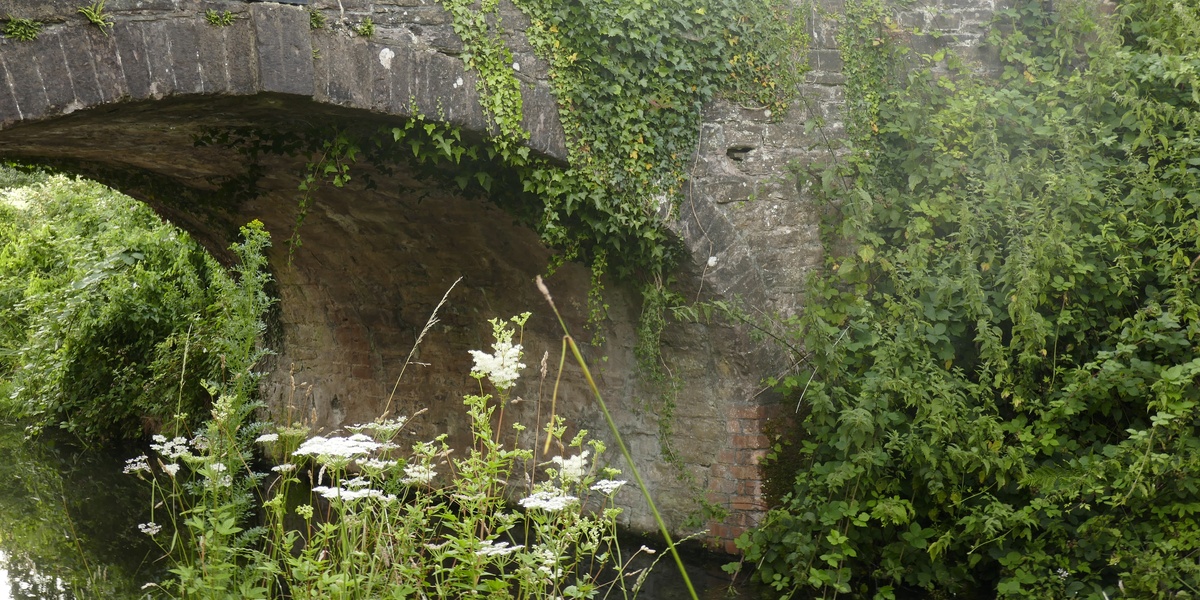
A 19th-century botanist walking the Brecon Beacons wrote home about finding carpets of bluebells and sprawling heath — a snapshot of Wales’s long-noted plant richness. That short note, dated to the 1800s, hints at landscapes shaped by geology, climate, and centuries of human use.
You should care because plants deliver clean water, help hold soil on steep slopes, and draw visitors who spend money in rural communities. Plants also keep traditions alive, from place names to craft uses that go back hundreds of years. This piece argues one clear point: Wales hosts a surprisingly wide range of plant life — from coastal wildflowers to upland heaths — and these eight examples show how varied, culturally important, and scientifically valuable the flora of Wales is. Below I group the eight examples into three sections: native characteristic species, cultural and economic plants, and conservation and research highlights.
Native and Characteristic Species of Wales

Wales’s habitats range from wind-swept cliffs to shaded lowland woods and vast upland heaths. Coastal cliffs and maritime grasslands host salt-tolerant flowers, woodlands hold spring ephemerals, and heaths cover large tracts of upland peat and acid soils.
These habitats perform key ecological roles: they support pollinators, stabilise soils on steep coasts and hillsides, and store carbon in peat. Natural Resources Wales and the National Trust both report the conservation value of these areas and provide habitat statistics for specific sites (for example, several thousand hectares of protected heathland are recorded across Welsh uplands).
Read on for numbered examples that highlight characteristic Welsh plant life, with places, Latin names, and notes on cultural or practical uses.
1. Welsh Poppy (Meconopsis cambrica) — a coastal emblem
The Welsh poppy, Meconopsis cambrica, brightens cliffs, roadside banks, and garden walls with orange flowers. You’ll see it most often on western coasts, especially in Pembrokeshire and parts of Ceredigion.
Flowering typically runs from May to August, and the blooms attract bees and other pollinators. Naturalist guides often remark on its prevalence in 19th-century botanical notes from coastal walks.
Gardeners value the species for coastal gardens, and its root systems help slow erosion on thin cliff soils. Pembrokeshire Coast National Park lists Meconopsis cambrica among frequently observed coastal wildflowers.
2. Bluebell (Hyacinthoides non-scripta) — iconic spring carpets
In spring many woodlands fill with curtains of bluebell flowers, creating one of Wales’s most photographed seasonal scenes. The native bluebell, Hyacinthoides non-scripta, is an indicator of ancient woodland and long continuity of habitat.
Woodlands on the Gower Peninsula and in north Pembrokeshire host notable displays each April and May. Citizen science projects monitor flowering dates, helping track climate-driven shifts: volunteers often number in the hundreds for regional surveys.
Conservation concerns include hybridisation with the non-native Spanish bluebell and trampling at popular sites. Local campaigns and signage aim to reduce damage and inform visitors about protecting woodland bulbs.
3. Heather (Calluna vulgaris) — the upland heather moorlands
Heather (Calluna vulgaris) defines much of Wales’s upland character from the Brecon Beacons to the Cambrian Mountains. The purple swathes in late summer are both a visual hallmark and an ecological blanket for peat soils.
Heather grows on acidic soils and peat; those peatlands store carbon—estimates for Welsh upland peat suggest tens of thousands of hectares are of conservation concern (see Natural Resources Wales reports). Heather moorland also supports specialist birds and invertebrates.
Land management choices—grazing, burning, or restoration—shape heather extent. At the Brecon Beacons, heather moorlands are managed for conservation, recreation, and, historically, sheep grazing.
Cultural, Economic and Practical Plants
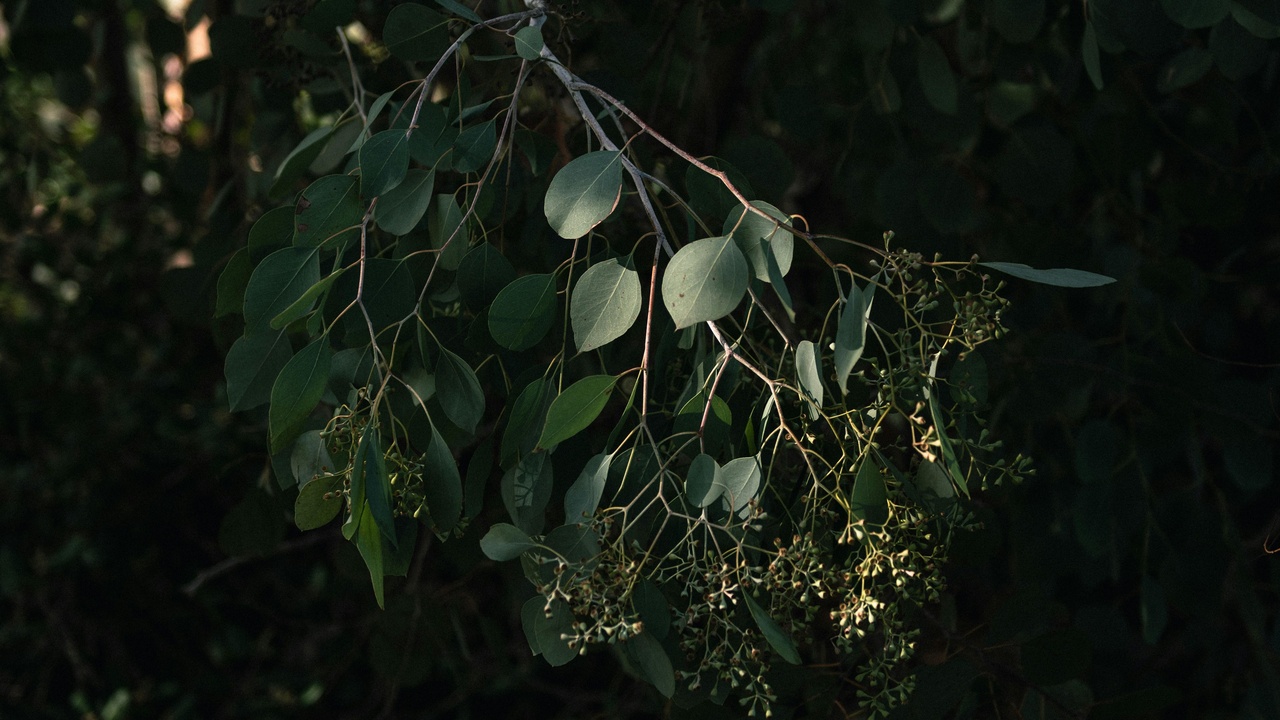
Certain plants weave tightly into Welsh culture and local economies. Plants have provided dyes, fuel, and materials for crafts, and they still underpin horticulture and tourism in many places.
Local festivals and place names often reference plants—think of towns or lanes with “oak,” “gorse,” or “bog” in their names. Cultural groups and local historians document uses; cite local historical societies or the National Trust for reliable accounts.
The examples below show practical uses, centuries-old traditions, and modern enterprises that grow from plant heritage. Expect stories of small-scale craftspeople, nurseries, and community events tied to particular species.
4. Gorse (Ulex europaeus) — fuel, fodder, and folklore
Gorse (Ulex europaeus) is a spiky evergreen shrub common on coastal and lowland sites across Wales. It fixes some nitrogen and forms dense hedges and roadside screens.
Historically people used gorse as fuel and bedding; 19th-century parish records describe seasonal cutting for winter fuel in many rural communities. Small-scale charcoal and thatching uses persist with craft groups.
Gorse-lined lanes on Anglesey and in Pembrokeshire remain a familiar sight, and the shrub features in folk tales and local place names. Managed coppicing and controlled burns are traditional land-management tools that shaped its extent.
5. Bog Cotton (Eriophorum spp.) — peatland indicator and traditional uses
Bog cotton (Eriophorum species) is instantly recognisable by its fluffy white seed heads across bogs and mires. It signals peatland and wet heath habitat and is common in mid-Wales reserves.
People historically used the seed heads for stuffing and wadding. Today the species is useful in restoration: its presence indicates recovering peat conditions after rewetting and revegetation work.
Peatland restoration projects led by Natural Resources Wales and Wildlife Trusts Wales often monitor Eriophorum cover; many projects began or scaled up around 2010–2020 and involve dozens to hundreds of volunteer days per site.
6. Sessile Oak (Quercus petraea) — woodland history and craft timber
The sessile oak, Quercus petraea, is a cornerstone of native Welsh woodlands and appears in place names and legends. Ancient oak stands are scattered across Wales, including notable trees in Bannau Brycheiniog (Brecon Beacons).
Each mature oak can support dozens or even hundreds of insect species across its lifetime; researchers often cite high invertebrate diversity associated with veteran trees. Coppicing was a historic practice and still features in conservation coppice projects.
Local craftsmen use oak for heirloom furniture and joinery, and guided woodland walks centred on veteran oaks draw tourists. Records of managed coppicing in some parishes go back to the 1700s and 1800s.
Conservation, Research, and Contemporary Importance
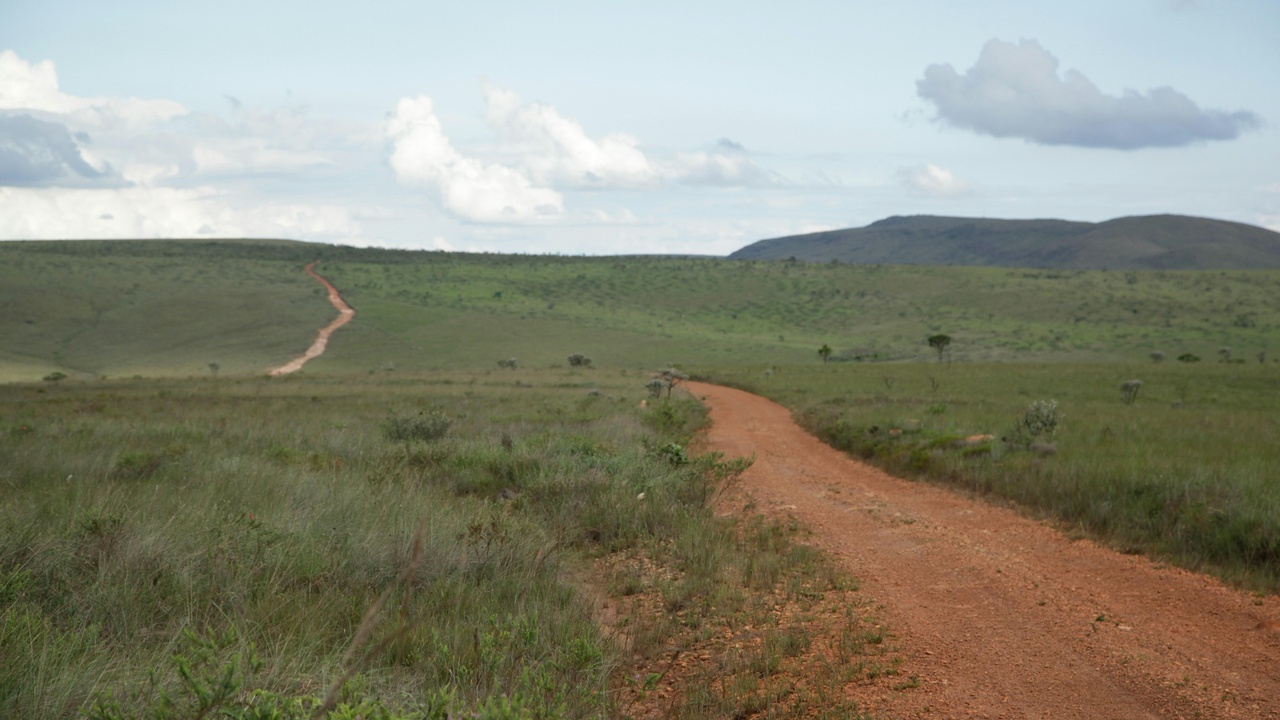
Research and conservation efforts now focus on protecting plant diversity while balancing land use. Monitoring programmes, restoration work, and citizen science connect local volunteers, land managers, and researchers.
Natural Resources Wales coordinates many peatland and upland projects, and Wildlife Trusts Wales runs volunteer seed-collecting and transplanting schemes. Some projects began in the 2000s, while others expanded after 2015 with EU and UK funding.
These efforts target invasive species control, habitat restoration, and long-term monitoring to inform policy. Think of the plant examples above as both conservation subjects and tools for wider landscape recovery.
7. Alpine and montane specialists — rare upland specialists (e.g., mountain avens)
Some species are confined to high elevations and outcrop habitats; mountain avens (Dryas octopetala) is one such specialist where it occurs in localized patches. These plants are rare and limited to a handful of upland sites in Wales.
They act as early indicators of climate change because range shifts or local losses can be measured over decades. Sites in Snowdonia (including slopes of Yr Wyddfa) host montane flora and are monitored as part of regional red-list assessments.
Protected-site planning, such as SSSI designations, helps conserve these populations. Conservation status often appears on the national red list and in site reports from statutory bodies.
8. Plants used in modern restoration and citizen science (e.g., seed collecting and replanting projects)
Many common and rare species are central to active restoration projects: volunteers collect seed, local nurseries propagate stock, and groups replant native mixes to stabilise peat or restore dunes. Examples include NRW-led peat restoration and Wildlife Trust seed projects.
Projects often report measurable outcomes—better hydrology, rising plant cover, and increased habitat area. Some initiatives involve hundreds of volunteers annually and multi-year timelines (three to ten years) to see ecosystem recovery.
If you want to help, join a local Wildlife Trust, check Natural Resources Wales volunteering pages, or take part in community seed-collecting events listed by regional reserves.
Summary
- Wales’s plant life ranges from coastal wildflowers to upland heather, each providing ecological and cultural value.
- Several species—Welsh poppy, bluebell, heather, gorse, bog cotton, and sessile oak—show how habitats and human history are intertwined.
- Conservation and research programmes (Natural Resources Wales, Wildlife Trusts Wales, National Trust) use monitoring, restoration, and volunteers to protect native plant species and peatland carbon stores.
- Practical steps you can take: visit reserves responsibly (e.g., Pembrokeshire Coast, Brecon Beacons, Snowdonia), join a local Wildlife Trust, or sign up for a seed-collecting or monitoring day.