Fauna of Ethiopia: 12 Highland Species to Know
In 1978 the Simien Mountains were inscribed as a UNESCO World Heritage site largely because of their unique wildlife and dramatic landscapes, and that recognition still sets the scene for high-altitude grasslands and fog-carved escarpments where many species make their living.
These plateaus and montane mosaics matter not just for rare animals but for people — they supply water, support pastoral livelihoods and draw tourists whose spending helps local economies. One striking figure: the Ethiopian wolf survives at only about 400–500 individuals scattered across isolated mountain ranges.
The Ethiopian highlands host a surprising array of specialized, often endangered animals — from the rare Ethiopian wolf to secretive wetland rails — and understanding twelve standout species shows why conservation here matters for biodiversity and people alike. Below are twelve representative highland species — iconic endemics, threatened grazers, specialized birds, and small mammals and reptiles — and what each reveals about the region’s ecological importance.
Endemic carnivores and primates
Isolation at high elevation and a patchwork of grassland and montane forest favor highly specialized carnivores and primates that evolved to fill narrow niches. These species are flagships for conservation and draw researchers and visitors, but small ranges and low population sizes make them vulnerable.
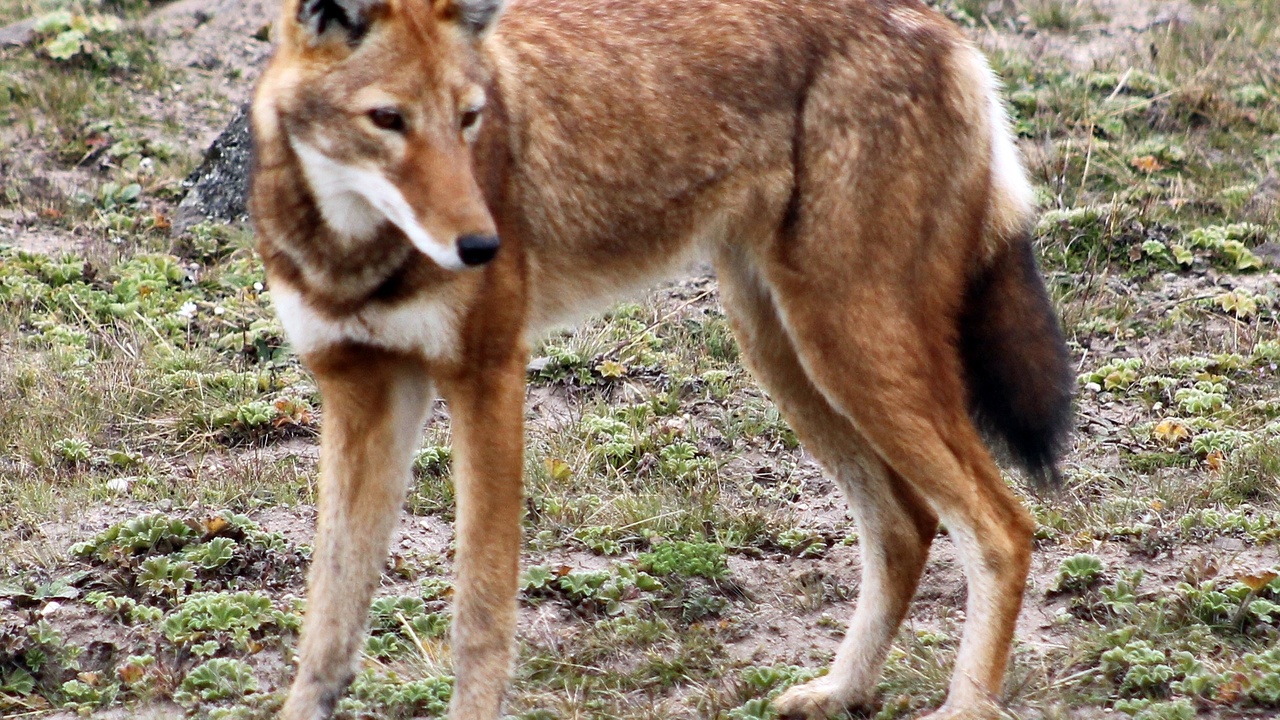
1. Ethiopian wolf (Canis simensis)
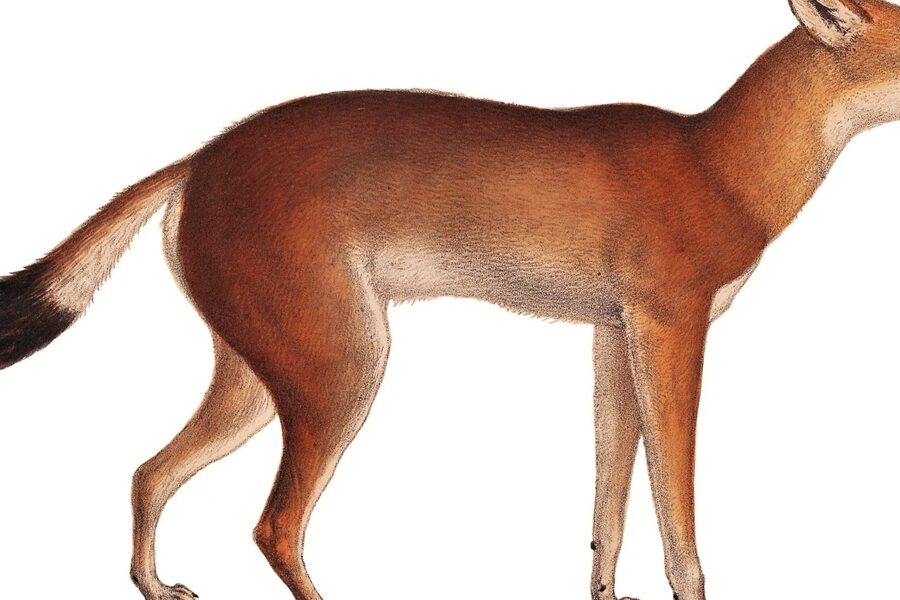
The Ethiopian wolf is the world’s rarest canid and an icon of the highlands, restricted to Afro‑alpine moorland and high grasslands in a few mountain blocks.
Population estimates put the total at roughly 400–500 individuals in fragmented populations across the Bale and Simien ranges (IUCN lists the species as Endangered). Major threats include disease spillover from domestic dogs, reductions in native rodent prey, and habitat fragmentation from expanding agriculture.
Conservation is targeted and hands‑on: the Ethiopian Wolf Conservation Programme (EWCP) runs vaccination campaigns, disease monitoring and community outreach to reduce dog transmission, while regular population surveys inform management in Bale Mountains National Park and Simien Mountains National Park. Tourists and researchers regularly visit those parks to see and study the species, which helps fund protection efforts (EWCP).
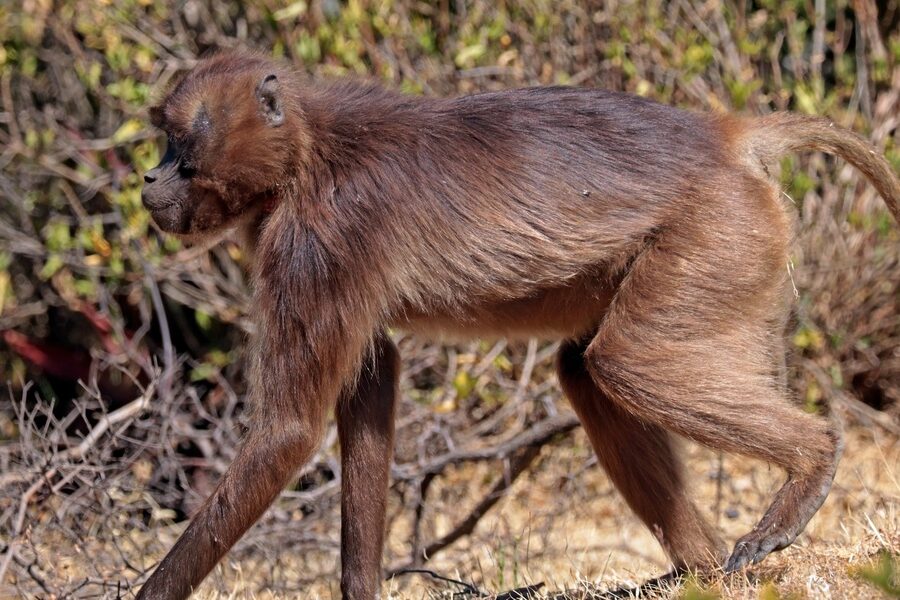
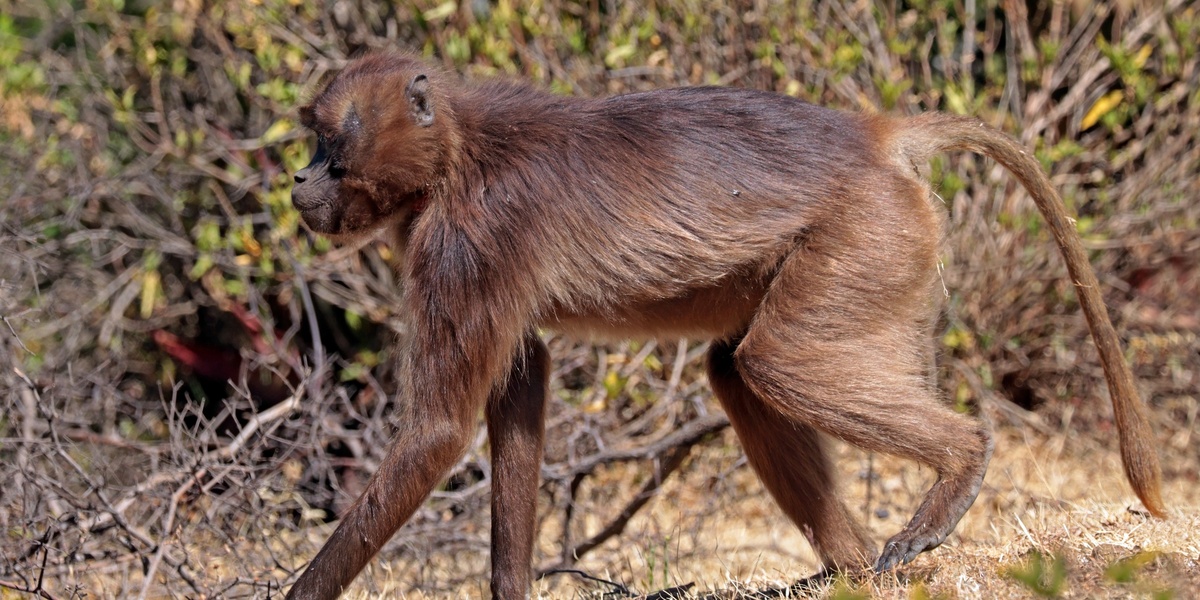
2. Gelada (Theropithecus gelada)
The gelada is a unique grass‑eating primate found only on Ethiopian highland plateaus, recognized for its complex, multi‑level social groups and distinctive red chest patch.
Geladas depend on alpine grasslands for grazing; in core areas population numbers run into the tens to hundreds of thousands, concentrated on large plateaus like those in the Simien and northern highlands. Their visible bands feeding on grasses are a major draw for wildlife tourism and provide long‑term study sites for behavioral ecologists studying social organization and communication.
Human land use — expanded cropping and pastoral pressures — alters grazing mosaics and can push geladas into conflict with livestock. Long‑running field projects in the Simien and on the Ethiopian Plateau document these interactions and supply data that park managers use to balance tourism, research and local livelihoods.
3. Bale monkey (Chlorocebus djamdjamensis)
The Bale monkey is a highland primate largely confined to bamboo patches and remnant forest in the Bale Mountains, and it is notable for a diet strongly skewed toward bamboo shoots and leaves.
Its range is limited to the Bale massif and adjacent highlands, and fragmentation of bamboo groves through clearing and logging has driven local declines. Because the monkey relies on bamboo, protecting those groves is essential; loss of bamboo forces individuals into smaller fragments and raises risk of hybridization with other Cercopithecus/Chlorocebus species in disturbed areas.
Bale Mountains National Park is the core protected area for this species, and conservation measures include habitat protection, community forest management and eco‑tourism that highlights bamboo stands. Research on bamboo dependence informs restoration and outreach programs run with local pastoral and farming communities.
Ungulates and grazers of the highlands
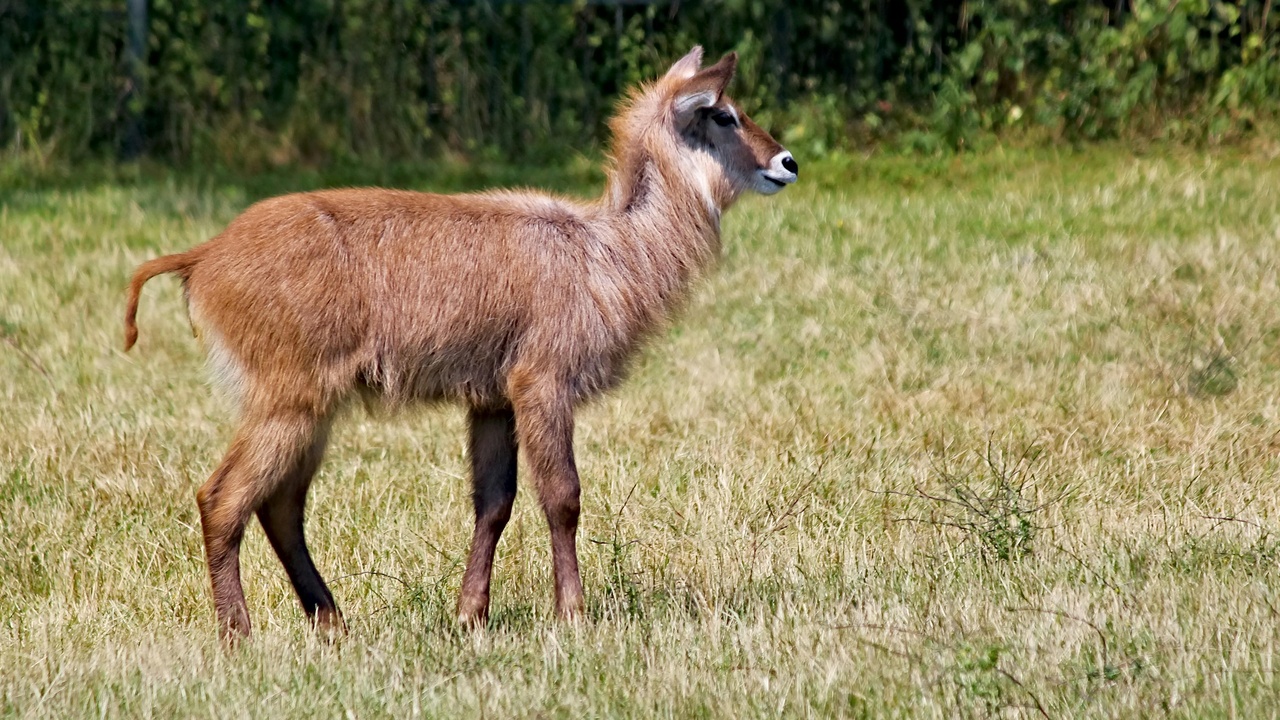
Ungulates shape vegetation structure, support top predators and are woven into local cultures. Several highland antelopes and mountain goats are endemic and occupy very small ranges, so their fates hinge on protected areas, anti‑poaching efforts and sensible grazing management.
4. Walia ibex (Capra walie)
The Walia ibex is a cliff‑dwelling goat found only in the Simien Mountains and is one of Ethiopia’s most emblematic endemics.
Wild counts are small — conservatively fewer than 1,000 individuals — and the species is listed as Endangered by IUCN. Poaching, competition with livestock and habitat degradation on steep slopes threaten recovery, especially outside strictly protected zones.
Protection centers on Simien Mountains National Park, where targeted monitoring, anti‑poaching patrols and community engagement have been implemented. The Walia ibex is a tourism magnet, and revenues from park visits support ranger work and local development linked to conservation.
5. Mountain nyala (Tragelaphus buxtoni)
The mountain nyala is a rare, endemic antelope of the Bale region and is treated as a national conservation priority because of its cultural and ecological importance.
Populations are fragmented and small; hunting, habitat loss and livestock competition have pushed it toward Endangered status on the IUCN Red List. Conserving its montane forest and grassland habitat in Bale Mountains National Park is central to any recovery plan.
Bale park management, supported by surveys from government and NGOs, uses anti‑poaching teams, community outreach and habitat protection to stabilize populations. Recent survey work helps refine where patrols and outreach are most needed.
6. Abyssinian (Afroalpine) hare (Lepus habessinicus)
The Abyssinian hare is a common lagomorph adapted to afro‑alpine and montane grasslands and serves a key ecological role as prey for mid‑size predators.
Because hares are a principal food source for Ethiopian wolves and other carnivores, their abundance directly affects predator survival and reproductive success. Field observations in Simien and Bale document seasonal fluctuations tied to vegetation and grazing pressure.
Livestock grazing and conversion of montane meadows can reduce suitable hare habitat, altering predator‑prey dynamics. Park managers use population surveys to guide grazing agreements and to predict how landscape changes will ripple through food webs.
Highland birds and waterfowl
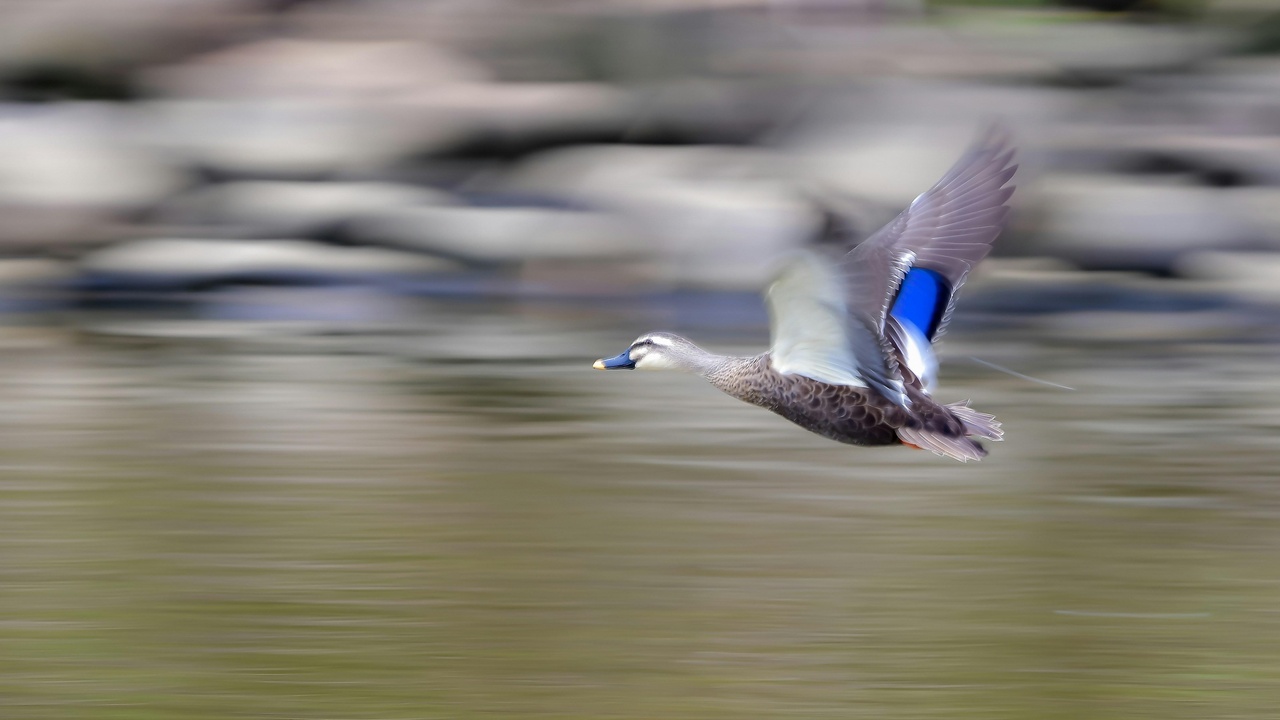
Montane wetlands, afro‑alpine grasslands and scattered woodlands create niches for a distinctive avifauna. Several bird species are endemic to these habitats and attract birdwatchers, making wetland and grassland protection both a biodiversity and economic priority.
7. Blue-winged goose (Cyanochen cyanopterus)
The blue‑winged goose is an endemic waterfowl of Ethiopian montane wetlands, notable for its dependence on high‑elevation marshes and shallow lakes.
Sources differ between Near Threatened and Vulnerable depending on assessment details, but all agree the species is sensitive to wetland loss and degradation (see BirdLife International). Converting wetlands to grazing or agriculture, and water diversion, reduce available habitat.
Protecting montane wetlands benefits people too, by regulating water and supporting livestock. Key highland wetland sites where the species is observed are priorities for local conservation initiatives and monitoring programs run by park authorities and birding groups.
8. Rouget’s rail (Rougetius rougetii)
Rouget’s rail is a secretive bird of Afro‑alpine marshes and small high‑elevation ponds, rarely seen but known from a handful of wetland pockets across the highlands.
Its cryptic behavior and restricted distribution make monitoring difficult; surveys rely on careful wetland searches and call playback. The species is highly sensitive to drainage, trampling and changes in water regimes caused by grazing or diversion for irrigation.
Protecting even small ponds and sedge beds yields big conservation dividends, because those sites support rails, waders and amphibians. Highland wetland reports and targeted survey efforts help identify priority ponds for protection or restoration.
9. Abyssinian longclaw (Macronyx flavicollis)
The Abyssinian longclaw is a grassland specialist that typifies the open, high‑altitude moorlands and afro‑alpine meadows of Ethiopia.
Its preference for short, open grass means that conversion of grassland to cropland or heavy overgrazing can reduce local populations. Birdwatchers prize the species on highland itineraries, and maintaining a mosaic of grazed and ungrazed patches supports both the longclaw and pastoral production.
Local monitoring projects and birding checklists from Simien and Bale help managers understand how grazing regimes affect longclaw habitat and inform adaptive grassland management that benefits people and birds alike.
Small mammals, reptiles and highland specialists
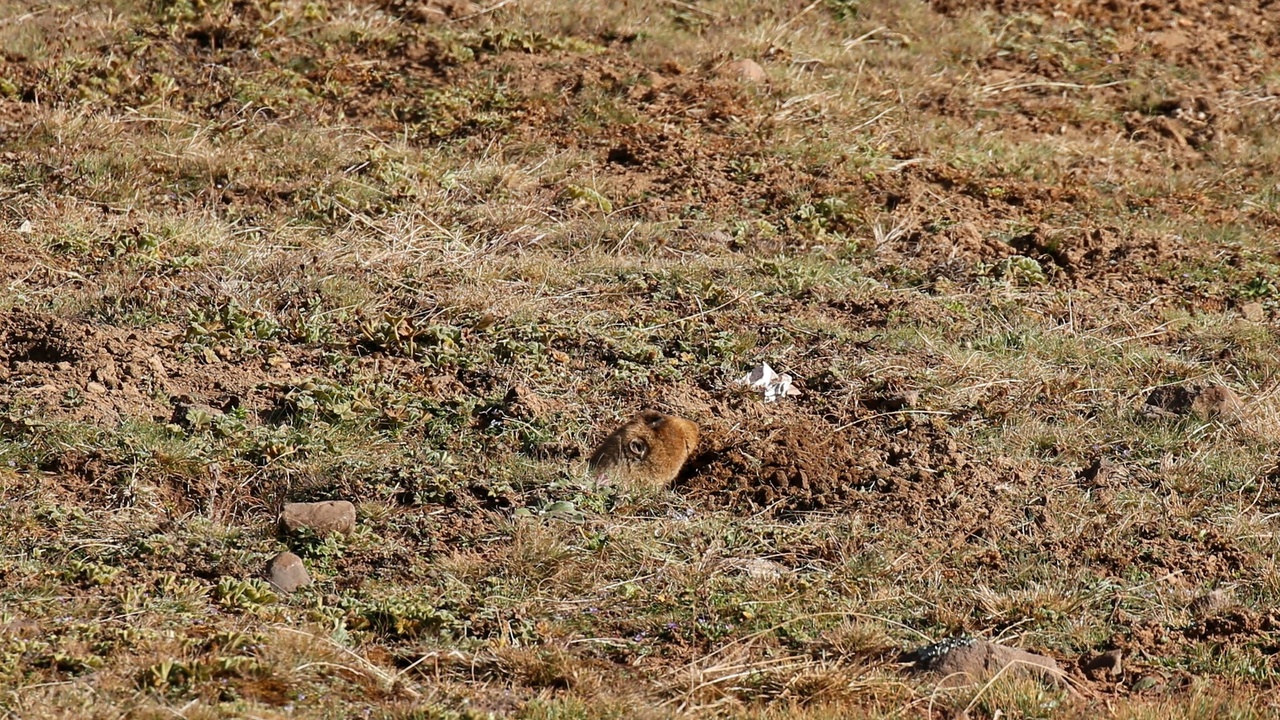
A suite of small, often overlooked species — burrowing rodents, rock‑dwelling mammals, chameleons and frogs — do essential work in soil turnover, seed dispersal and insect control. Many are poorly studied but are critical to ecosystem resilience and the services highland people rely on.
10. Ethiopian mole‑rat (Tachyoryctes splendens)
The Ethiopian mole‑rat is a burrowing rodent common in afro‑alpine soils and cultivated pasture mosaics, where its digging reshapes the soil profile.
As an ecosystem engineer, mole‑rat burrowing aerates soil, mixes organic material and alters plant community composition. Field studies demonstrate measurable effects on soil structure and local plant diversity, which in turn influence pasture productivity for livestock.
Because mole‑ratholes change water infiltration and seedling establishment, their presence can indicate soil health. Observations from grazed highland pastures inform rangeland managers balancing livestock needs and biodiversity conservation.
11. Rock hyrax (Procavia capensis) on highland cliffs
The rock hyrax is a widespread, adaptable mammal often seen sunning on cliffs and boulders in highland escarpments, including the Simien Mountains.
Hyraxes serve as prey for predators such as jackals and raptors and contribute nutrients to soil and nearby vegetation through droppings. They also feature in local folklore and are a familiar sight for visitors, making them useful ambassadors for conservation messages.
Cliff colonies are easy for tourists to observe, and park guides often point them out as part of broader discussions about food webs and predator conservation in protected areas.
12. Highland chameleons and endemic amphibians (Trioceros spp. and local frogs)
Several chameleon species (Trioceros spp.) and endemic frogs are tied to montane forest patches and high‑elevation wetlands, and their limited ranges make them vulnerable to microhabitat change.
These herpetofauna are sensitive indicators: small shifts in moisture, canopy cover or water availability quickly affect their local survival. Herpetological surveys from Bale and Simien record species confined to single ridges or wet valleys, underscoring the need to protect small forest fragments and ponds.
Conserving these microhabitats supports insect control, water regulation and overall ecosystem integrity. Museum records and recent field surveys guide where to prioritize patch protection and restoration.
Summary
Key takeaways from the highland examples above:
- High endemism in the highlands makes these mountains globally important for biodiversity, with several species found nowhere else.
- Flagship species such as the Ethiopian wolf and Walia ibex have very small, vulnerable populations that need targeted interventions (vaccination, anti‑poaching, habitat protection).
- Protecting critical habitats — montane wetlands, bamboo groves and afro‑alpine grasslands — benefits multiple species and local people through water regulation and tourism income.
- Community involvement and focused programs (for example, EWCP, IUCN assessments, BirdLife International efforts and UNESCO recognition) are central to successful conservation on the ground.