From mountain villages to urban living rooms, coat color can shape how a dog is perceived and cared for. Sable coloring—where individual hairs show bands of different shades—appears across many types of dogs and often influences registration, showing, and grooming decisions.
There are 13 sable dog breeds, ranging from Afghan Hound to Smooth Collie; for each breed you’ll find below the Scientific name, Origin (region), and Size (height cm), laid out so you can compare lineage, geography, and typical height at a glance — you’ll find below.
What does “sable” mean when people describe a dog’s coat?
Sable refers to individual hairs that are multi‑banded, typically with darker tips and lighter bases, producing a shaded or grizzled overall look; it can vary from light tan with black tipping to rich mahogany and is determined by genetics rather than a single pigment.
Will a sable coat change how I should groom or care for a dog?
Not much beyond the breed’s normal needs: sable coats may show shading and seasonal shedding clearly, so regular brushing to remove loose undercoat and routine checks for skin issues are useful, but care depends more on breed size and coat type than on sable coloring alone.
Sable Dog Breeds
| Breed | Scientific name | Origin (region) | Size (height cm) |
|---|---|---|---|
| German Shepherd | Canis lupus familiaris | Germany | 55–65 cm |
| Rough Collie | Canis lupus familiaris | Scotland | 51–61 cm |
| Smooth Collie | Canis lupus familiaris | Scotland | 51–61 cm |
| Shetland Sheepdog | Canis lupus familiaris | Shetland Islands, Scotland | 33–41 cm |
| Pomeranian | Canis lupus familiaris | Pomerania (historical region) | 18–30 cm |
| Dachshund | Canis lupus familiaris | Germany | 13–27 cm |
| Chihuahua | Canis lupus familiaris | Mexico | 15–23 cm |
| Papillon | Canis lupus familiaris | France/Belgium | 20–28 cm |
| Afghan Hound | Canis lupus familiaris | Afghanistan and surrounding regions | 61–74 cm |
| Belgian Tervuren | Canis lupus familiaris | Belgium | 56–66 cm |
| Shiba Inu | Canis lupus familiaris | Japan | 33–43 cm |
| Akita | Canis lupus familiaris | Japan | 61–71 cm |
| Shih Tzu | Canis lupus familiaris | Tibet/China | 20–28 cm |
Images and Descriptions
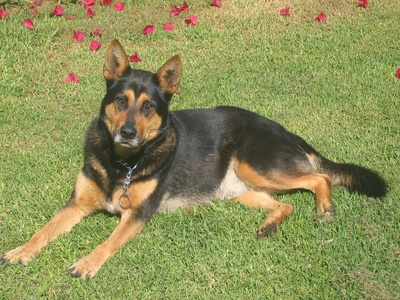
German Shepherd
Large working dog often showing sable coats where individual hairs are tipped black over a lighter base; sable is a common, accepted variant. Intelligent and versatile, originating in Germany and widely used in police, service, and family roles.

Rough Collie
Elegant herding breed frequently seen in sable-and-white: warm golden to red base with black-tipped guard hairs. Sable is a standard color. Bred in Scotland for sheep work, known for a long flowing coat and gentle temperament.
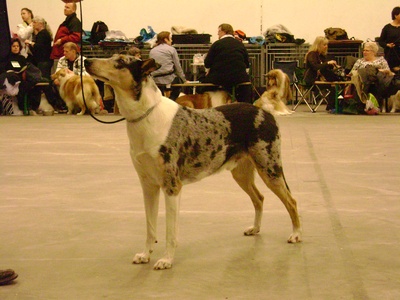
Smooth Collie
Short-coated collie displaying the same sable-and-white palette as the Rough Collie; sable is a recognized, common color. Originating in Scotland, Smooth Collies are agile herders and affectionate family dogs with lower grooming demands than their rough-coated cousins.
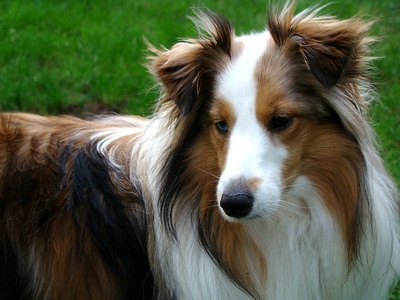
Shetland Sheepdog
Small, agile herder often seen in rich sable shades with black tipping and white markings; sable is one of the most common and admired colors. Intelligent and trainable, developed on the Shetland Islands for livestock work.

Pomeranian
Toy spitz breed commonly showing sable—ranging from pale orange to deep red with black-tipped hairs that give a shaded look. Small, lively companion dogs originating from Pomerania, popular for their fluffy double coats and bold personalities.
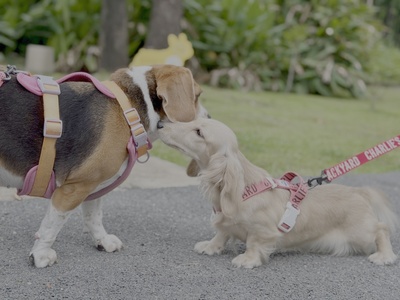
Dachshund
Hunting breed where sable appears as hairs with black tipping, found in both smooth and long-haired varieties; sable is a well-documented, recognized pattern. Originating in Germany, they are low-slung, bold scent hounds with a variety of sizes.
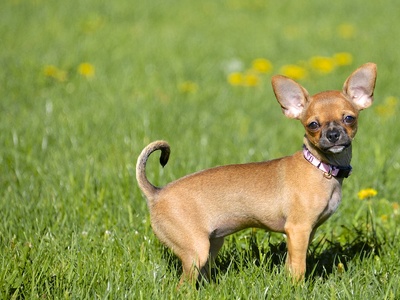
Chihuahua
Tiny companion breed that can exhibit sable—fine hairs tipped dark over a lighter base, seen in both smooth- and long-coat varieties. Sable is an accepted and fairly common color. Known for big personality in a very small body.
Papillon
Elegant toy spaniel often marked white with sable patches; sable-and-white is a standard and common coloration. Originating from continental Europe, Papillons are lively, agile, and popular in obedience and agility sports.
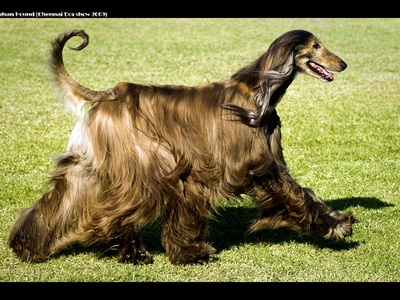
Afghan Hound
Regal sighthound that can appear in sable tones—golden or red base with darker tipping producing a shaded effect; sable is one of many standard colors. Known for its flowing coat, speed, and aristocratic bearing.
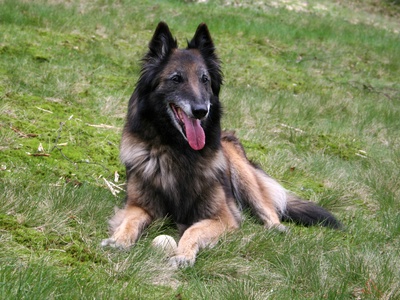
Belgian Tervuren
One variety of the Belgian Shepherd, the Tervuren commonly shows fawn to mahogany base with a black overlay—often described as sable-like. A versatile herding and working dog from Belgium, valued for intelligence and high drive.
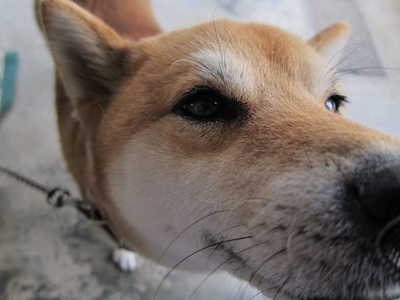
Shiba Inu
Japanese spitz breed with “sesame” (black-tipped red hairs) closely related to sable; sesame/sable is a recognized, distinctive color. Compact and spirited, Shibas are ancient hunting dogs prized for independence and fox-like appearance.

Akita
Large, powerful northern breed where “sesame” or sable-like tipping occurs on red bases; sesame/sable is a documented color. Originating in Japan, Akitas are loyal, protective dogs historically used for hunting and guarding.

Shih Tzu
Small companion breed frequently seen in golden or sable shades where hairs show darker tipping; sable is a recognized and common coloration. Bred as palace companions in Asia, Shih Tzus have long flowing coats and friendly temperaments.