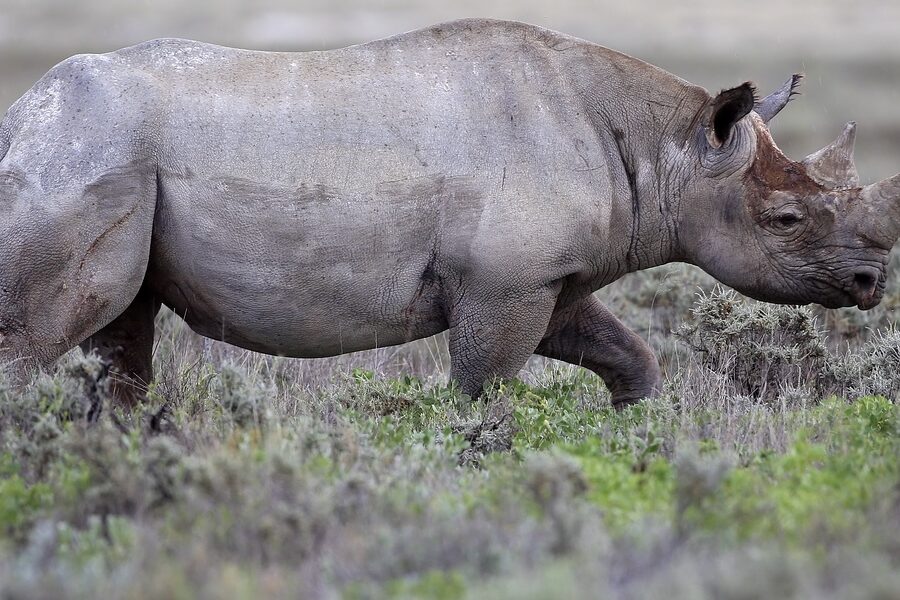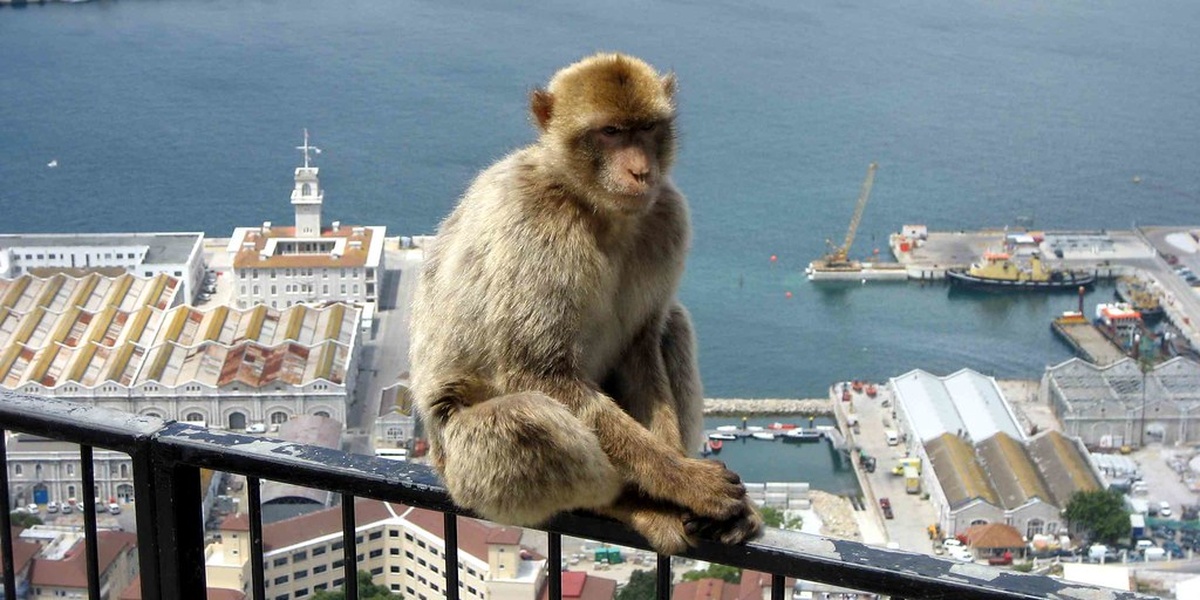
Morocco’s landscapes — Atlantic coast, wetlands, cedar forests, rugged Rif and Atlas ranges, and the southern desert — create habitats for a surprising variety of wildlife. Local ecosystems host mammals, birds, reptiles and insects that reflect both Mediterranean and Saharan influences, making the country a useful case study for biogeography and conservation.
There are 35 Morocco’s native animals, ranging from the African golden wolf to the Two-tailed pasha. For each species the list shows Scientific name,IUCN status,Habitat & Moroccan range — you’ll find below.
How complete is this list and what sources were used?
The list aims to cover native species known from Morocco and draws on conservation databases, field guides and regional checklists; it’s a consolidated snapshot rather than an exhaustive taxonomic revision. Check the IUCN and local conservation updates for the latest changes in status or range.
Where in Morocco am I most likely to see these species in the wild?
Look where each habitat occurs: coastal and wetland birds on the Atlantic and Mediterranean shores, forest species in the Rif and Atlas, and desert-adapted animals toward the Sahara. Visiting protected areas and guided local reserves at the right season gives the best chance of sightings.
Morocco’s Native Animals
| Common name | Scientific name | IUCN status | Habitat & Moroccan range |
|---|---|---|---|
| Barbary macaque | Macaca sylvanus | Endangered | Atlas,Rif forests |
| Cuvier’s gazelle | Gazella cuvieri | Endangered | Atlas foothills,northern scrub |
| Dorcas gazelle | Gazella dorcas | Vulnerable | Sahara,semi-desert |
| Barbary sheep (aoudad) | Ammotragus lervia | Vulnerable | Atlas,Saharan mountains |
| Striped hyena | Hyaena hyaena | Near Threatened | Arid zones,Atlas foothills |
| African golden wolf | Canis lupaster | Least Concern | Lowlands,Atlas,Sahara fringes |
| Fennec fox | Vulpes zerda | Least Concern | Sahara dunes,arid plains |
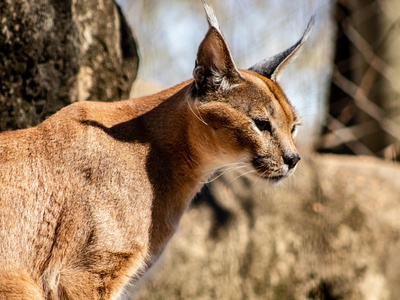
| Caracal | Caracal caracal | Least Concern | Atlas,Sahara,scattered |
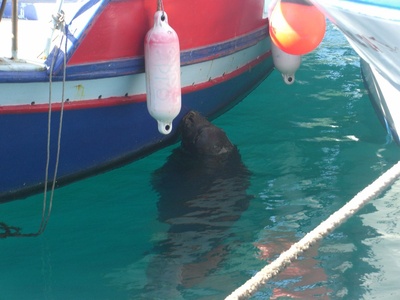
| Mediterranean monk seal | Monachus monachus | Endangered | Atlantic,Mediterranean coasts |
| Bottlenose dolphin | Tursiops truncatus | Least Concern | Coastal Atlantic,Mediterranean waters |
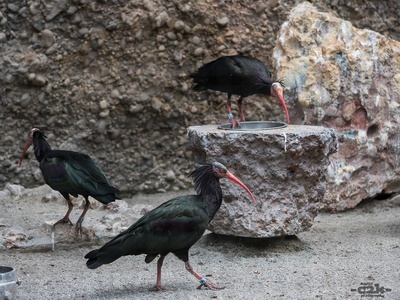
| Northern bald ibis | Geronticus eremita | Endangered | Souss-Massa cliffs,Atlantic coast |
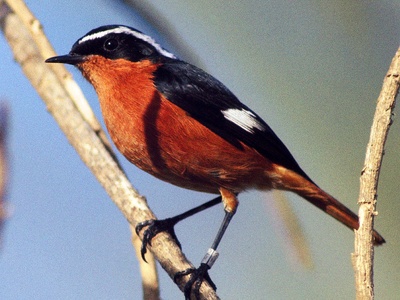
| Moussier’s redstart | Phoenicurus moussieri | Least Concern | Atlas,Rif rocky slopes |
| Levaillant’s woodpecker | Picus vaillantii | Least Concern | Atlas forests |
| Barbary partridge | Alectoris barbara | Least Concern | Scrub,agricultural hills,Atlas,Rif |
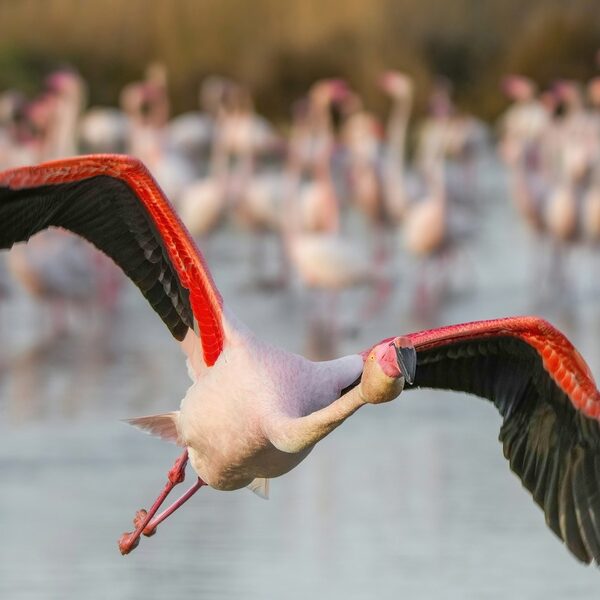
| Greater flamingo | Phoenicopterus roseus | Least Concern | Coastal lagoons,wetlands |
| Houbara bustard | Chlamydotis undulata | Vulnerable | Sahara open desert |
| Egyptian vulture | Neophron percnopterus | Endangered | Mountains,coasts,scattered |
| Peregrine falcon | Falco peregrinus | Least Concern | Cliffs,coasts,mountains |
| Common crane | Grus grus | Least Concern | Wetlands,coastal wintering sites |
| Eleonora’s falcon | Falco eleonorae | Least Concern | Coastal cliffs,migration stopovers |
| Mediterranean chameleon | Chamaeleo chamaeleon | Least Concern | Rif,Atlantic coastal scrub |
| Moorish gecko | Tarentola mauritanica | Least Concern | Rocky areas,urban,coast |
| Spur-thighed tortoise | Testudo graeca | Vulnerable | Semi-arid scrub,Atlas foothills |
| Saharan horned viper | Cerastes cerastes | Least Concern | Sahara dunes,stony plains |
| Leopard gecko | Eublepharis macularius | Least Concern | Rocky semi-desert,foothills |
| North African fire salamander | Salamandra algira | Least Concern | Rif and Atlas forests,streams |
| Perez’s frog | Pelophylax perezi | Least Concern | Rivers,marshes,northern Morocco |
| North African green toad | Bufotes boulengeri | Least Concern | Coastal,northern,Atlas foothills |
| European eel | Anguilla anguilla | Critically Endangered | Rivers,estuaries,Atlantic coast |
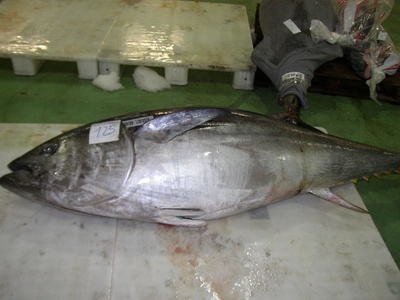
| Atlantic bluefin tuna | Thunnus thynnus | Endangered | Offshore Atlantic,Mediterranean waters |
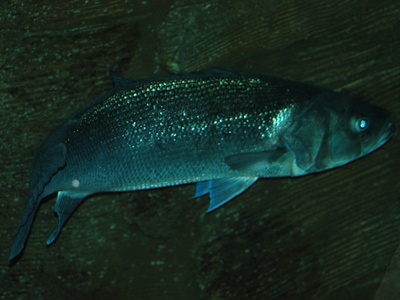
| European seabass | Dicentrarchus labrax | Least Concern | Coastal lagoons,estuaries,Atlantic coast |
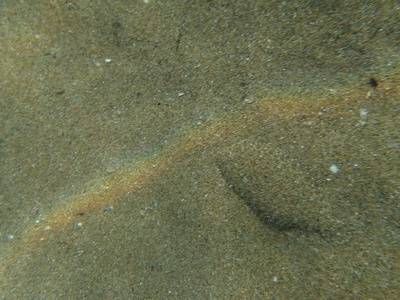
| Common sole | Solea solea | Least Concern | Sandy bottoms,coastal waters |
| Moroccan locust | Dociostaurus maroccanus | Not Evaluated | Steppe,semi-arid plains,Saharan fringe |
| Saharan silver ant | Cataglyphis bombycina | Not Evaluated | Sahara salt pans,sandy flats |
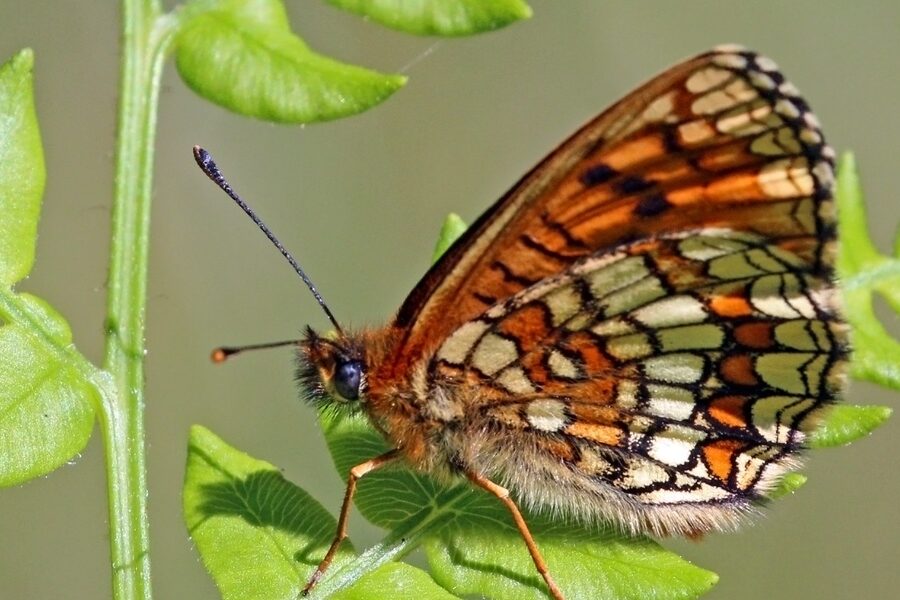
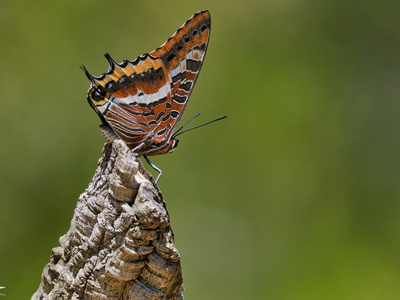
| Two-tailed pasha | Charaxes jasius | Not Evaluated | Maquis,olive groves,coastal hills |
Images and Descriptions
Barbary macaque
Distinctive tailless monkey with brown fur and expressive face. Locally common in Rif and Middle Atlas forests but overall Endangered. Look for social troops in cedar and oak woodlands; unique North African primate and popular attraction near tourist sites.
Cuvier’s gazelle
Slender, pale-coated gazelle with black facial stripes and lyre-shaped horns. Locally rare and Endangered, found in Atlas foothills and northern scrub. Best seen at dawn or dusk where rocky slopes meet open maquis; shy, crepuscular, threatened by hunting.
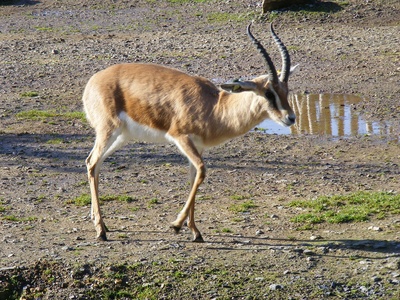
Dorcas gazelle
Small, delicate desert gazelle with pale coat and black flank stripe. Vulnerable but still found across southern Morocco and Sahara dunes. Mainly nocturnal and secretive; common in protected desert reserves and notable for graceful bounding and heat tolerance.

Barbary sheep (aoudad)
Stocky wild sheep with heavy curved horns and sandy coat, known locally as aoudad. Vulnerable in the wild but present on steep rocky slopes in Atlas and Saharan mountains. Sure-footed climber often seen at high elevations near cliffs at dawn.
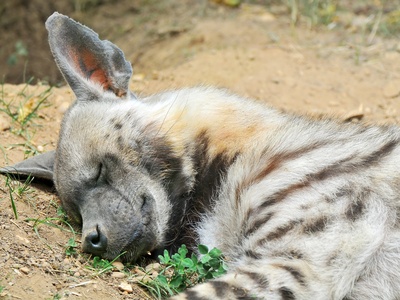
Striped hyena
Large, nocturnal scavenger with coarse striped fur and a doglike build. Near Threatened and uncommon, occupying arid zones, foothills and semi-desert. Visits carcasses and human-edge areas; shy and mostly active at night, important for ecosystem cleanup.
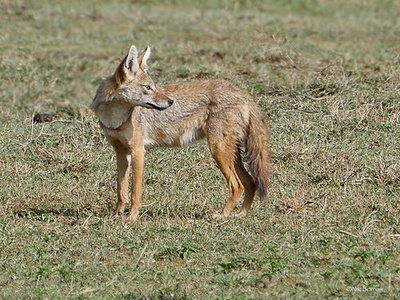
African golden wolf
Medium-sized canid resembling a small wolf or jackal with yellowish coat. Least Concern and increasingly recognized across Moroccan lowlands, Atlas and desert margins. Opportunistic omnivore seen in rural areas; adaptable and wary of people.
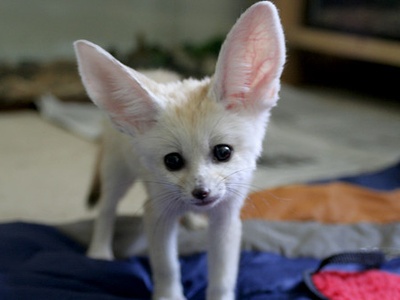
Fennec fox
Tiny desert fox with enormous ears and sandy fur. Least Concern and common across Sahara dunes and arid plains. Nocturnal and burrowing, well adapted to heat; ears dissipate heat and detect prey, a charismatic symbol of Saharan wildlife.
Caracal
Medium-sized wild cat with tufted ears and powerful hind legs. Least Concern but locally rare in Morocco’s mountains and deserts. Hunts hares and birds with high leaps; secretive and mainly nocturnal, best seen in protected reserves.
Mediterranean monk seal
One of the world’s rarest seals, Endangered and very scarce along Morocco’s Atlantic and Mediterranean coasts. Hauls out on remote rocky shores and caves. Solitary and wary; conservation focuses on protecting breeding caves and reducing human disturbance.

Bottlenose dolphin
Robust, friendly-looking dolphin commonly seen in coastal waters. Least Concern and frequently encountered off Morocco’s Atlantic and Mediterranean coasts by boat. Social and intelligent, often bow-ride ships; good target for wildlife tours and citizen-science sightings.
Northern bald ibis
Striking glossy black ibis with bare red face and curved bill; Endangered and a Moroccan conservation symbol. Reintroduced and remnant colonies nest on coastal cliffs near Souss-Massa. Rare but rewarding to see; guided tours visit known colonies in breeding season.
Moussier’s redstart
Small, bold songbird with bright orange belly and dark face; endemic to northwest Africa and Least Concern. Common in rocky gorges and scrub of the Atlas and Rif. Perky and easy to spot at forest edges, often near water.
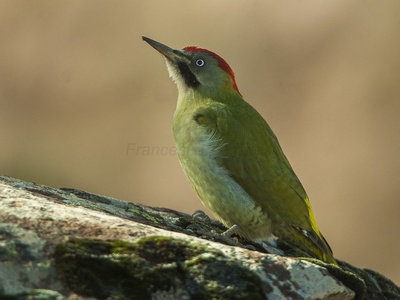
Levaillant’s woodpecker
Medium greenish woodpecker with crimson undertail and black mustache; Least Concern and restricted to Maghreb forests. Inhabits Atlas cedar and oak woodlands. Look for drumming on trunks and cavities; more often heard than seen.
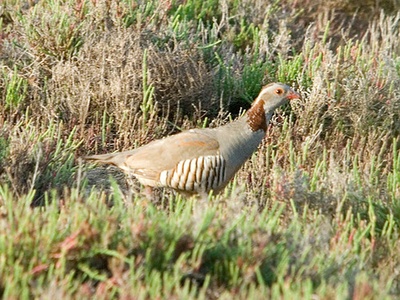
Barbary partridge
Stocky ground-dwelling gamebird with barred flanks and short bill. Least Concern and widespread in farmland, scrub and Atlas foothills. Common and often flushed in coveys; a traditional species for rural hunters and birdwatchers.
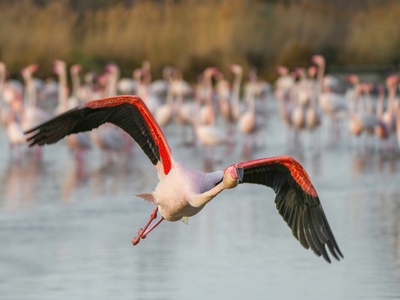
Greater flamingo
Tall pink wading bird with long legs and curved bill, conspicuous in Moroccan salt pans and lagoons. Least Concern and abundant at coastal wetlands during migration and breeding. Filters brine shrimp, forming dramatic pink flocks at dawn and dusk.

Houbara bustard
Large, long-necked desert bird with cryptic plumage; Vulnerable and fragmented in Morocco’s Sahara. Secretive and ground-dwelling, often seen morning or evening in open sand and gravel plains. Conservation focuses on reducing hunting pressure and protecting habitat.
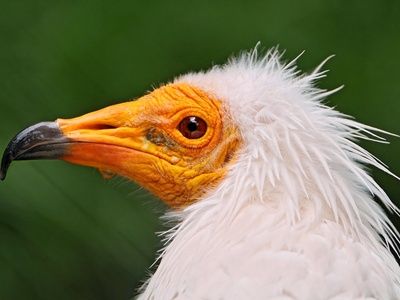
Egyptian vulture
Small white vulture with yellow face and tapered wings; Endangered and scattered across mountains and coasts. Feeds on carrion and human refuse; declining due to poisoning and habitat loss. Occasional migrant and nesting pairs on cliffs.
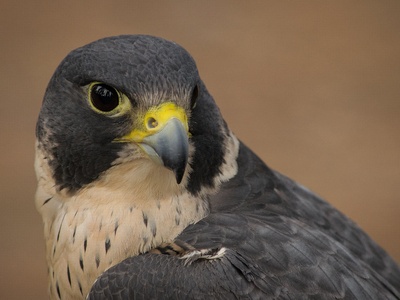
Peregrine falcon
Sleek, powerful falcon famed for high-speed dives. Least Concern and found on Moroccan cliffs, coasts and cities. Widespread but nesting sites are localized; look for rapid stoops and dark malar stripe during migration and breeding.
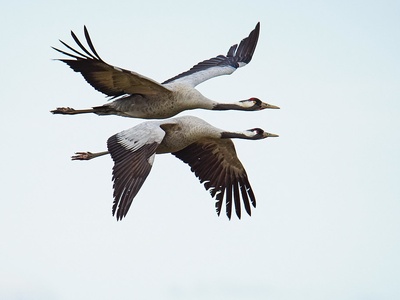
Common crane
Large, tall gray wading bird that winters in Moroccan wetlands and saltmarshes. Least Concern regionally during migration and winter months along Atlantic coast. Migratory and gregarious; flocks gather in shallow lagoons and agricultural fields.
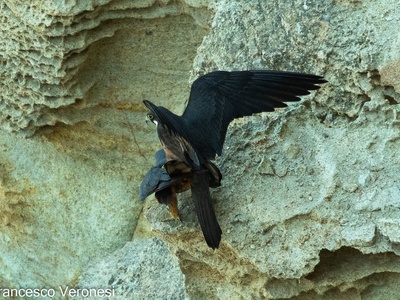
Eleonora’s falcon
Slender falcon that times breeding to autumn songbird migrations; Least Concern. Breeds on Mediterranean coastal cliffs and visits Morocco’s seaside cliffs during passage. Noted for late-season nesting and aerial agility while hunting migrating birds.

Mediterranean chameleon
Small, color-changing lizard with prehensile tail and independently moving eyes. Least Concern and found in Rif and coastal scrub. Typically moves slowly among shrubs; uses camouflage to ambush insects and is often visible in gardens.
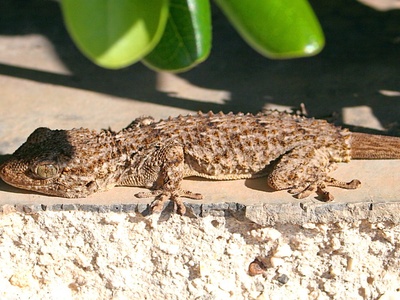
Moorish gecko
Chunky, adhesive-padded gecko common on rocks and buildings. Least Concern and widespread across Morocco’s coasts, towns and rocky areas. Nocturnal and often seen at night on walls; easy to identify by squat body and blunt head.

Spur-thighed tortoise
Grass- and herb-eating tortoise with domed shell and distinct spur near hindlegs; Vulnerable due to habitat loss and collection. Found in semi-arid scrub and Atlas foothills; slow-moving and best spotted near open scrubby habitats and low hills.
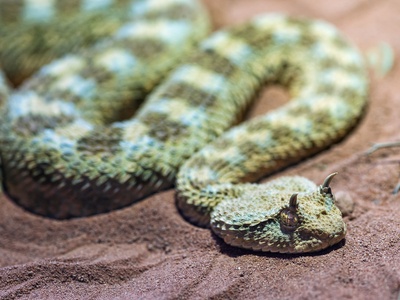
Saharan horned viper
Heavy-bodied desert viper with horn-like supraocular scales and sandy patterns. Least Concern and locally abundant in Sahara dunes and stony plains. Ambush predator that buries itself; dangerous if provoked but vital for dune ecosystems.
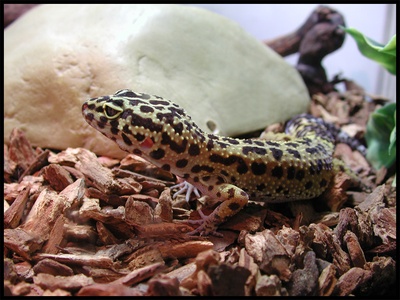
Leopard gecko
Nocturnal, ground-dwelling gecko with spotted pattern and movable eyelids. Least Concern and occurs in rocky semi-desert and foothills. Popular in captivity but wild Moroccan populations are native; shelters under stones and in crevices at night.

North African fire salamander
Robust black-and-yellow salamander inhabiting cool, humid forests and mountain streams in the Rif and Atlas. Listed as Least Concern but sensitive to water pollution and habitat loss. Nocturnal, often found under logs near streams.
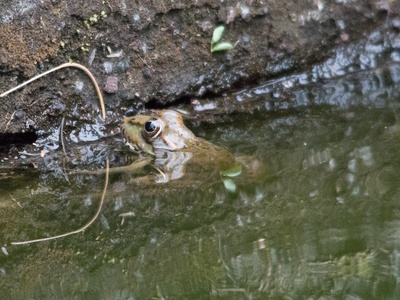
Perez’s frog
Greenish pond frog common in rivers, marshes and irrigated land of northern Morocco. Least Concern and abundant in suitable wetland habitats. Good swimmer and often heard calling in spring; serves as an indicator of freshwater health.
North African green toad
Stocky toad with warty skin and green patches; Least Concern and widespread in northern Morocco and Atlas foothills. Tolerates varied habitats from gardens to semi-arid plains, breeding explosively in seasonal pools after rains.
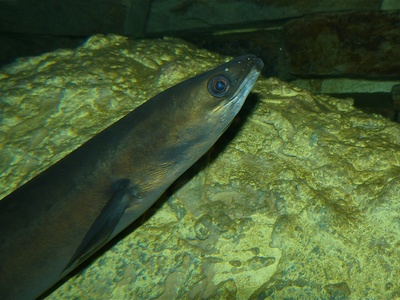
European eel
Long, serpentine catadromous fish that migrates from rivers to the Sargasso Sea. Critically Endangered and present in Moroccan rivers and estuaries. Much rarer than historically; hidden in muddy banks and eel traps, vulnerable to migration barriers.
Atlantic bluefin tuna
Large, powerful migratory tuna prized by fisheries and now Endangered. Visits Morocco’s Atlantic and Mediterranean waters seasonally. Fast and streamlined, schooling offshore; commercially important and a focus for sustainable management efforts.
European seabass
Popular coastal sport and commercial fish, silver-bodied and predatory in estuaries and lagoons. Least Concern and common along Morocco’s Atlantic coast and Mediterranean. Juveniles use sheltered bays while adults hunt near reefs and rocky shorelines.
Common sole
Flat, bottom-dwelling fish with both eyes on the right side, camouflaged on sandy bottoms. Least Concern and found in coastal Moroccan waters and estuaries. Often caught by trawlers and appreciated in local cuisine.
Moroccan locust
Grasshopper species that can form large swarms and damage crops. Not Evaluated by IUCN but ecologically and economically important across steppe and semi-arid plains. Outbreaks follow wet years and have historical significance as an agricultural pest.
Saharan silver ant
Fast-moving desert ant with silvery hairs reflecting sunlight. Not Evaluated and specialized for extreme heat on salt pans and sandy flats. Forages at the hottest midday hours when predators avoid the surface; remarkable Sahara adaptation.
Two-tailed pasha
Large, showy butterfly with orange and brown wings and two tails on the hindwings. Not Evaluated but locally common in maquis, olive groves and coastal hills. Caterpillars feed on strawberry tree; a spectacular species sought by butterfly watchers.