In the 1840s, agricultural scientists linked widespread crop failures to poor soil nutrition rather than solely to weather, a turning point that launched modern plant nutrition science.
Many gardeners and farmers still misread nutrient problems as pests, disease, or bad luck. The stakes are real: nutrient shortages can reduce yields by 30–50% in some crops according to university extension guidance and USDA summaries of soil fertility impacts (university extension, USDA). Lost yield, wasted inputs, and stressed plants are costly.
Knowing the common signs of nutrient deficiency in plants lets you diagnose problems early, recover yields, and avoid unnecessary chemical fixes. Below are seven clear, evidence-backed signs to watch for, each with likely causes, diagnostic tips, and practical fixes.
Visible Leaf and Shoot Symptoms
Leaves and new shoots show many of the earliest nutrient problems because some nutrients move within the plant while others do not. Mobile nutrients like nitrogen, phosphorus, and potassium are reallocated from older tissue to new growth when the plant is short. Immobile nutrients such as calcium and iron stay put, so new leaves often show their shortage first.
Look for patterns: are older leaves yellowing while new leaves stay green, is the yellowing between veins, or are leaf margins scorched? Those patterns point you to likely elements and speed up correct fixes.
1. Uniform yellowing (Chlorosis) on Older Leaves — Often Nitrogen Deficiency
Uniform yellowing of lower or older leaves usually signals a nitrogen shortage. Nitrogen is mobile, so plants pull it from older foliage to feed new shoots and leaves, leaving the lower leaves pale.
Severe nitrogen shortage can cut cereal yields by 30–50% if not corrected, which is why many extension services emphasize monitoring soil nitrate in spring (Penn State Extension). In lawns, corn, and tomato patches you’ll see an overall pale tone, slower growth, and reduced vigor.
Diagnosis is quick: run a leaf tissue test or a field nitrate test kit, or compare a treated and untreated row. Remedy by sidedressing with a balanced N source (for example, a 20–10–10 starter) or applying compost tea on small plots. Expect visible greener growth in about 7–10 days for responsive crops.
2. Interveinal Yellowing and Purpling — Magnesium, Iron, or Phosphorus Clues
When the tissue between veins turns yellow while veins stay green, that interveinal chlorosis often implicates iron or magnesium. Which one depends on leaf age: iron problems show on new leaves, magnesium on older leaves. Purpling of leaves, especially older foliage, commonly points to phosphorus stress or cool-soil conditions that limit P uptake.
Soil chemistry helps narrow it down. Iron availability drops markedly above pH 6.5, so citrus and blueberry growing on alkaline soils often show Fe chlorosis. Cool soils under 12–15°C can limit phosphorus uptake in seedlings and trigger purpling in brassicas and some cereals.
Diagnosis: check leaf age with symptoms, measure soil pH, and run a tissue test. For citrus with pale new leaves use chelated iron or acidify soil where practical. For magnesium shortages in turf or ornamentals, dolomitic lime (if pH is low) or foliar magnesium can help.
3. Leaf Marginal Browning or Necrosis — Potassium or Calcium Problems
Brown, scorched leaf edges, tip burn, or necrotic spots often point to potassium or calcium issues. Potassium helps regulate water and stomatal function, so deficiency shows as edge browning on older leaves. Calcium is immobile, so new tissue and growing points show tip burn and disorders like blossom end rot.
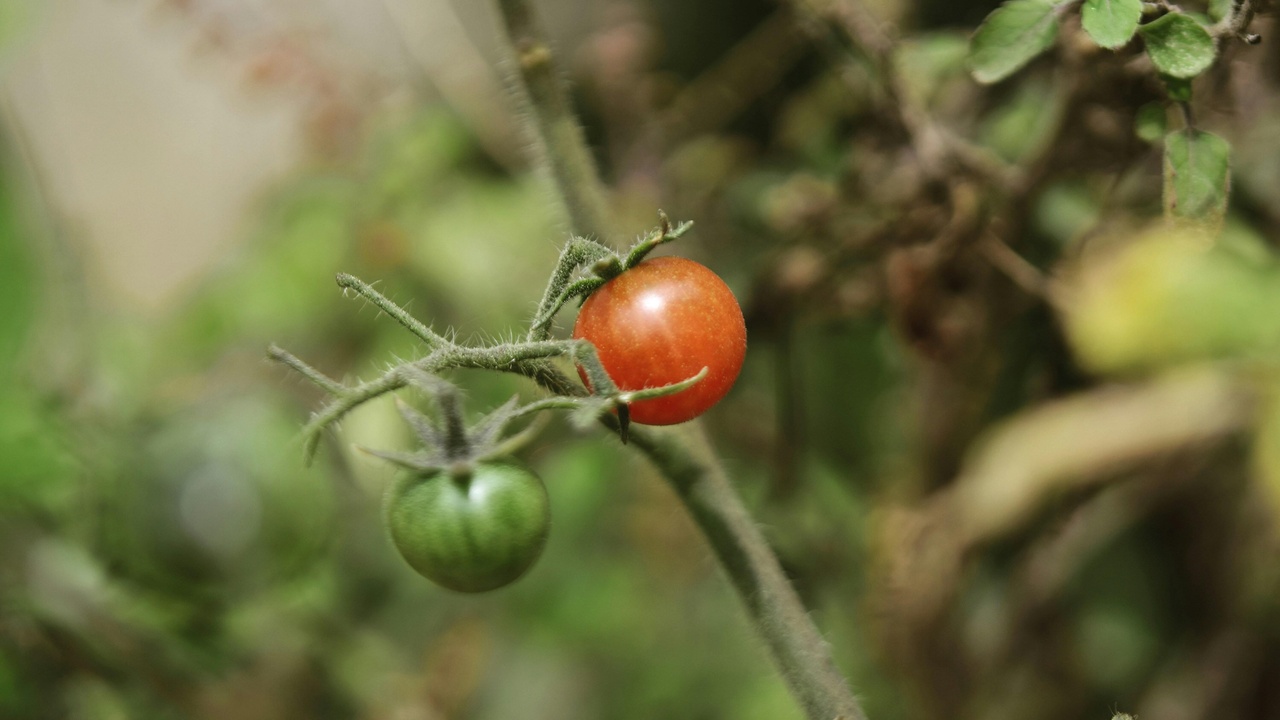
Blossom end rot in tomatoes and peppers is a classic calcium-related symptom and can appear within 2–3 weeks of stress. Often the real driver is irregular watering or root stress rather than no calcium in the soil.
Fixes include consistent irrigation, mulching to even soil moisture, and targeted calcium sources such as gypsum or calcium nitrate. Foliar calcium sprays can offer emergency relief for developing fruit, while potassium sulfate or balanced granular fertilizer addresses K shortages.
Growth, Reproductive, and Structural Problems

Nutrient shortages reduce plant height, leaf area, bloom count, and stem strength, which affects both yield and aesthetics. Reproductive stages are particularly sensitive: phosphorus, potassium, and micronutrients like boron and zinc influence bloom formation and fruit set.
4. Stunted Plants and Short Internodes — General Growth Limitations
Plants that are noticeably shorter or have compressed internodes often suffer chronic nutrient shortage, commonly nitrogen, phosphorus, or a combination. Stunting can also signal poor root uptake due to compaction or waterlogging.
Quantify the problem by measuring plant height and internode length against healthy benchmarks. In field crops, delays in maturity tied to stunting can cost 10–20% or more in yield. Nursery stock with stunted growth loses marketability.
Run soil and tissue tests, correct drainage or compaction where needed, and apply a balanced fertilization plan. Follow-up measurements after 2–4 weeks show whether the intervention restored normal growth rates.
5. Poor Flowering or Fruit Set — Phosphorus, Potassium, and Micronutrient Roles
Deficits in phosphorus, potassium, boron, or zinc often reduce bloom number, flower quality, and fruit set. A 10–30% drop in fruit set is common when key nutrients are limiting during bloom stages in orchards and vegetable crops.
Commercial orchards and backyard trees both suffer economic losses from poor fruit set. For example, zinc-deficient citrus may produce fewer and smaller fruits, while boron-lacking trees can drop blossoms or form hollow seeds.
Diagnosis includes counting flowers and fruitlets, comparing treated plots, and running tissue tests at bloom. Correct with targeted foliar sprays at bloom or soil amendments based on test results. Timing matters: fixes applied before or at early bloom give the best chance to recover set.
Roots, Soil Clues, and Diagnostic Signals
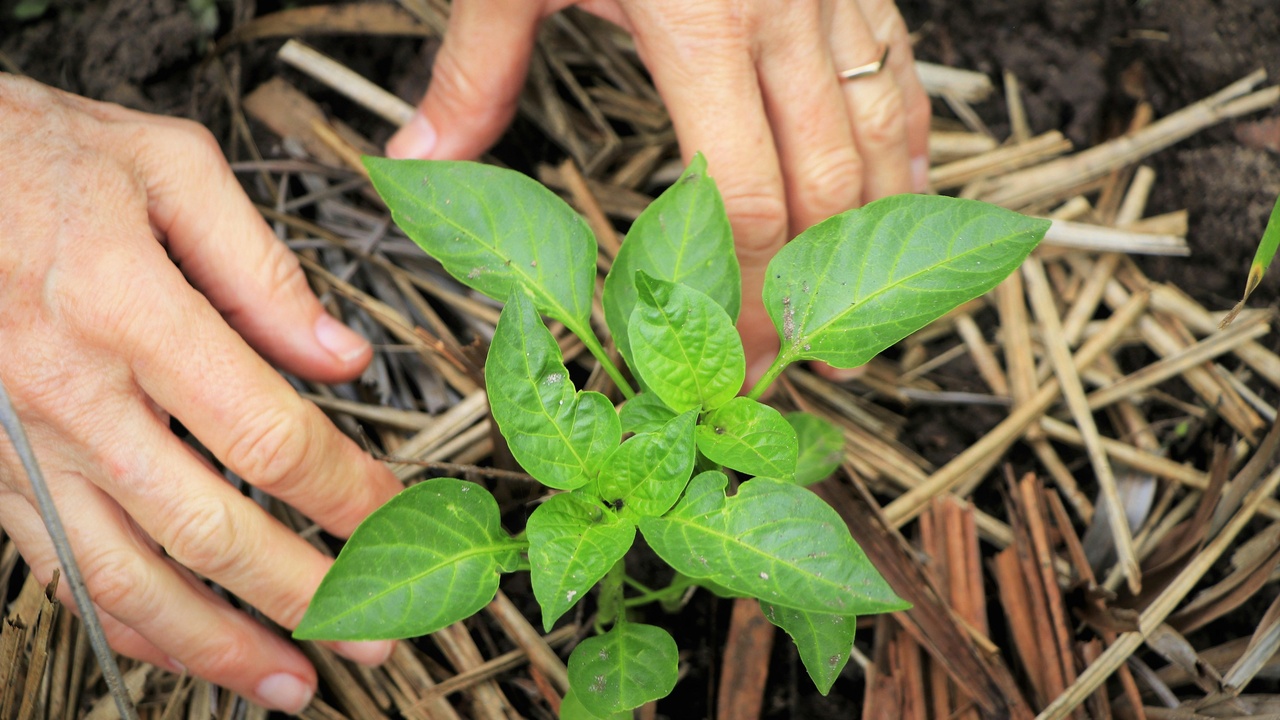
Sometimes the above-ground signs lag behind below-ground problems. Root health, soil chemistry, and lab tests often expose nutrient issues before leaves decline. Soil pH, salinity (EC), and tissue nutrient concentrations are key, measurable controls on availability.
6. Poor Root Development or Discolored Roots — Hidden Stress Signals
Small, sparse, or discolored roots point to poor uptake of nutrients such as phosphorus or micronutrients. Compacted or waterlogged soils reduce root branching and access to nutrients, producing a tight root ball in pots or weak early vigor in seedlings.
Check roots by digging a sample plant and rinsing soil away. Healthy roots have fine white root tips and branching. Brown, soft roots or few lateral roots indicate stress. Root-to-shoot ratios that fall below expected norms (species-dependent) also flag trouble.
Remedies include improving drainage, loosening compacted soil, and using a starter fertilizer with phosphorus for transplants. In containers, repotting into fresh mix and adding a controlled-release fertilizer often restores root and shoot balance within a few weeks.
7. Diagnostic Clues: Soil pH, Tissue Tests, and Response to Correction
Soil pH and tissue analysis are the definitive tools to diagnose nutrient problems. Iron availability drops as soil pH rises above roughly 6.5, so pH is a first checkpoint for micronutrient chlorosis.
Useful benchmarks include soil test phosphorus critical ranges (often reported as 10–20 ppm depending on the test method), target tissue nitrogen percentages for specific crops, and pH thresholds. Extension labs typically return soil or tissue results in about 3–10 business days (costs commonly $10–40 per test at many university extensions).
How to sample: collect multiple subsamples from the root zone, mix into one composite bag for soil tests, and send recently expanded leaves for tissue analysis. Many homeowners who follow lab recommendations—such as applying elemental sulfur to lower pH or chelated iron for Fe chlorosis—see leaf greening within 2–4 weeks and faster responses for mobile nutrients.
Summary
Spotting nutrient-related leaf problems early saves time and yield. Use symptom patterns, simple tests, and targeted fixes rather than broad, repeated treatments.
- Compare older versus newer leaves to narrow mobile versus immobile nutrient causes.
- Check soil pH first (iron drops above pH ~6.5) and combine soil and tissue tests for a confident diagnosis.
- Address watering and root health—many calcium and potassium symptoms reflect moisture stress as much as low soil levels.
- Keep a photo log and submit a soil or leaf tissue sample to your local extension lab for tailored recommendations.
- When you see early warning signs of nutrient deficiency in plants, act with targeted corrections and monitor recovery over 1–4 weeks.