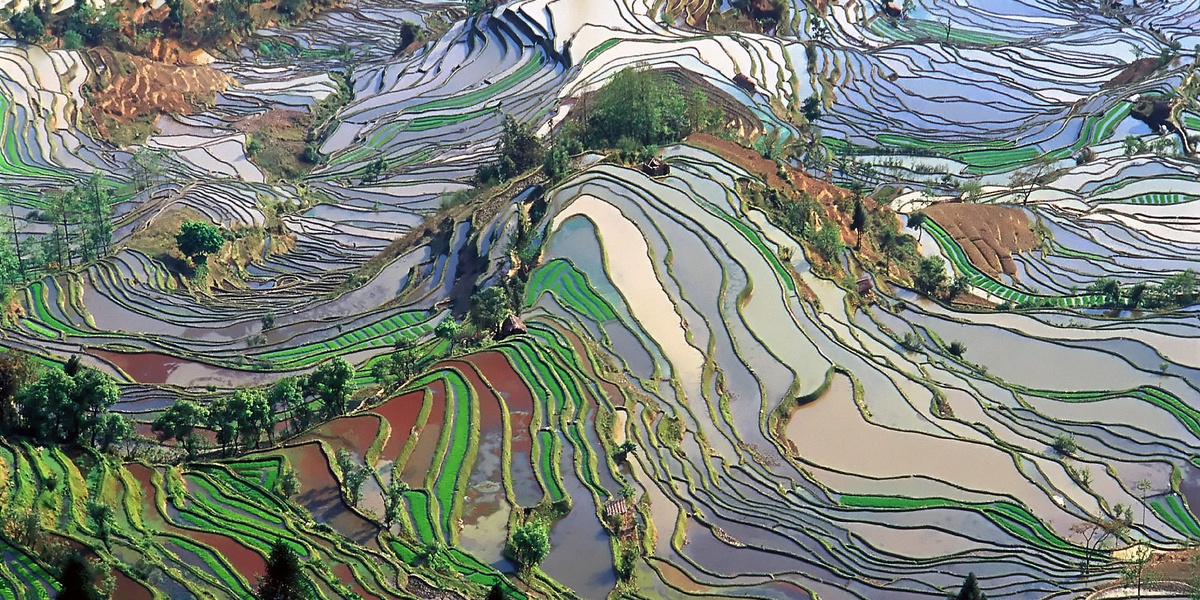
Reference the ancient terraces: the Banaue rice terraces are often described as roughly 2,000 years old, a reminder that people have long reshaped hillsides to grow food. Pre-Columbian Andean and Chinese terrace systems show the same impulse—engineered benches that turn steep ground into reliable fields.
Steep slopes naturally suffer from erosion, rapid runoff, and low, unpredictable productivity. Terracing addresses those problems by reshaping slope hydrology, trapping soil and water, and creating durable, productive plots. Terracing is an age-old landscape technique that delivers environmental, agricultural, economic, and cultural gains—making it a practical tool for sustainable land management today.
Picture a terraced rice harvest at sunrise: dew on the bunds, irrigation channels reflecting light, and families harvesting on stepped benches. That image captures both utility and beauty—and the many benefits of terracing in one frame.
Environmental and Ecological Benefits
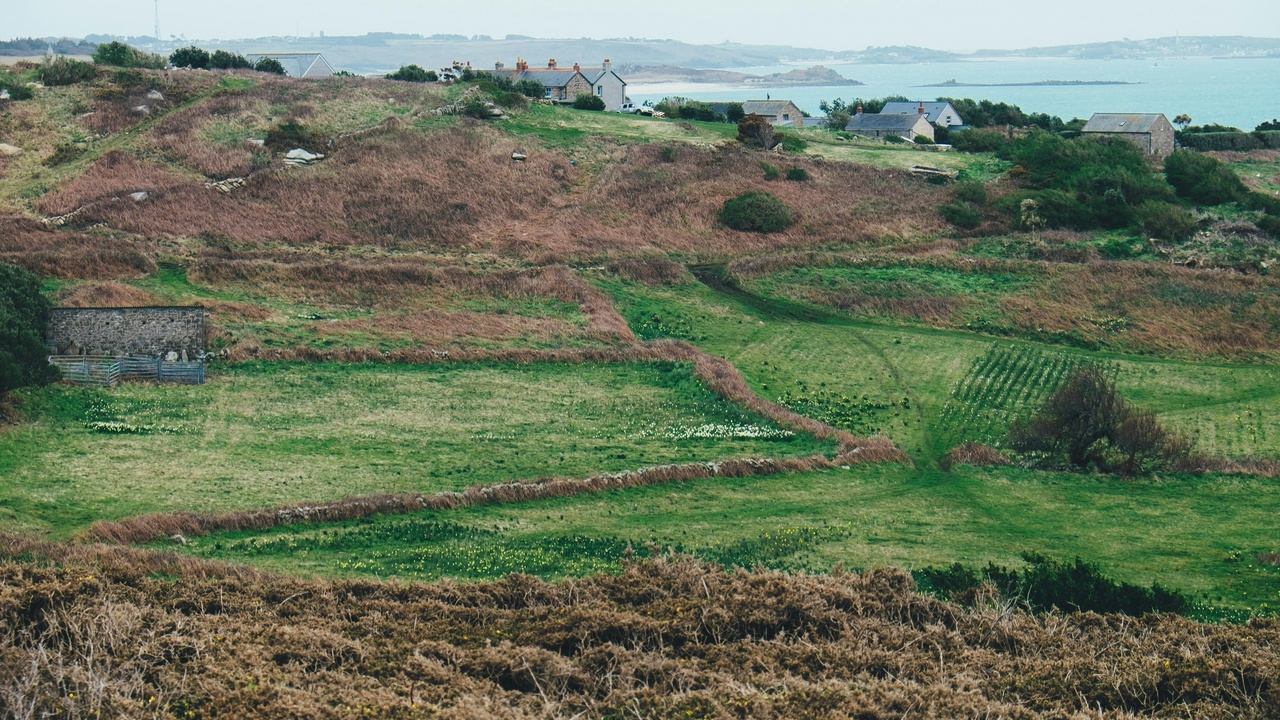
Terraces change local hydrology and soil dynamics, producing both field-scale gains (less erosion, greater infiltration) and watershed-level benefits (reduced sediment loads and steadier streamflow). The environmental advantages play out immediately where terraces are built and downstream where sedimentation and flooding risks are lowered.
1. Dramatically Reduces Soil Erosion
Terracing is one of the most effective measures for cutting soil loss on steep land because benches interrupt sheet flow and reduce slope length. FAO guidance and multiple case studies document large reductions in soil loss after terrace construction (FAO).
For example, historical terrace systems such as Incan agricultural terraces in Peru and the Longji terraces in China slow sheet and rill erosion by breaking long slopes into short, stabilized benches. Some watershed projects report soil-loss reductions on terraced slopes ranging from roughly 50% to over 80% compared with untreated slopes (FAO; regional studies).
The practical payoff is clear: stabilized fields last longer, require less frequent rehabilitation, and contribute far less sediment to downstream reservoirs and irrigation channels.
2. Improves Water Retention and Reduces Runoff
Terraces slow concentrated flows and spread water across benches, increasing infiltration and reducing peak runoff. In terraced watersheds, peak flows have been reported to fall substantially—sometimes by as much as 40–60% in project evaluations—lowering flash-flood risk and helping recharge groundwater (regional watershed studies).
Traditional Asian rice terraces illustrate the principle: carefully graded channels and bunds route irrigation efficiently, while contour terraces in Nepal and Ethiopia are used in watershed programs to trap water and reduce downstream flood intensity.
On a daily level, that means more reliable soil moisture for crops, less erosion during storms, and a buffer against short dry spells for communities uphill and downstream.
3. Enhances Biodiversity and Habitat Heterogeneity
By creating alternating wet and dry benches, bunds, irrigation ditches, and hedgerows, terraces produce a mosaic of microhabitats. That structural complexity supports pollinators, beneficial insects, amphibians, and birds at the field scale.
Examples include Mediterranean olive terraces that retain scrub and field-edge vegetation, and multi-level rice systems that host waterbirds and fish in rice-fish systems. Terraces also tend to preserve agrobiodiversity—local landraces and fruit varieties often persist on stepped fields.
Those biodiversity gains translate into practical ecosystem services such as pest regulation and pollination, improving resilience and on-farm productivity.
4. Helps with Climate Resilience and Carbon Storage
Terraces promote soil stability and can increase soil organic carbon (SOC) by reducing erosion and encouraging steady plant growth. FAO assessments and regional studies report SOC increases on rehabilitated terraces in the range of about 10–30% in some contexts (FAO).
Beyond carbon, terraces buffer crops against extremes: they store water during heavy rain, slow runoff during storms, and retain moisture during dry spells—features that enhance climate resilience and fit into climate-smart agriculture programs.
Given the dual benefits for soil carbon and reduced erosion-related carbon losses, terrace rehabilitation is increasingly cited in national resilience plans and development projects (World Bank; FAO).
Agricultural and Food-Security Benefits
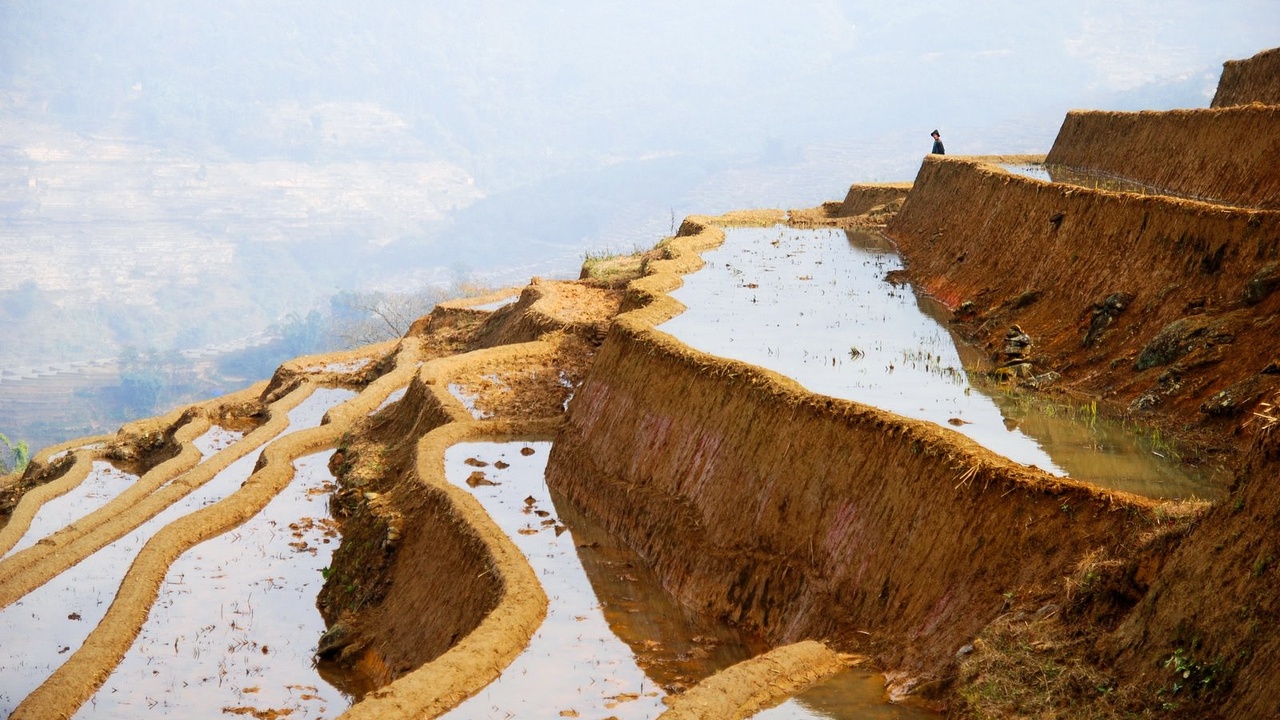
Terraces convert otherwise marginal, erosion-prone slopes into productive, irrigable plots. Bench geometry, retaining walls, and channels together determine what crops can be grown and how reliably. That turns steep land into a food-security asset for smallholders.
5. Increases Crop Yields on Steep Slopes
Terracing often raises yields on previously marginal slopes by reducing nutrient loss and improving moisture. Project reports and studies document yield gains commonly in the 20–50% range where terraces replace eroding contour fields or gullied slopes (FAO; regional agricultural studies).
Classic examples include terraced rice in the Philippines and China and maize or vegetable terraces in Andean communities. Better soil retention and more consistent moisture explain most of the measured yield improvements, which translate directly into enhanced household food security.
6. Enables Diversified Cropping and Intercropping
Terraces allow bench-by-bench choices: annuals on the flat bench, perennials on outer berms, trees on terrace risers. That spatial structure supports mixed systems and staggered harvests, reducing risk and improving diets and incomes.
Concrete systems include rice-fish integrated terraces in Southeast Asia and olive-orchard terraces in the Mediterranean where vines, herbs, and vegetables occupy different levels. Diversification spreads labor and income over the year and reduces pest and disease cycles.
7. Facilitates Water-efficient Irrigation and Controlled Flooding
Terrace geometry supports precise gravity-fed irrigation and controlled flooding where desired. Traditional Hani and Filipino terraces maintain intricate gravity irrigation networks that route water with minimal pumping loss, boosting water-use efficiency.
In semi-arid areas, contour bunds and stone terraces slow runoff and retain in-situ moisture, reducing irrigation demand and smoothing yields during dry years. The net effect is less water waste and more reliable production for farmers.
Economic, Social and Cultural Benefits
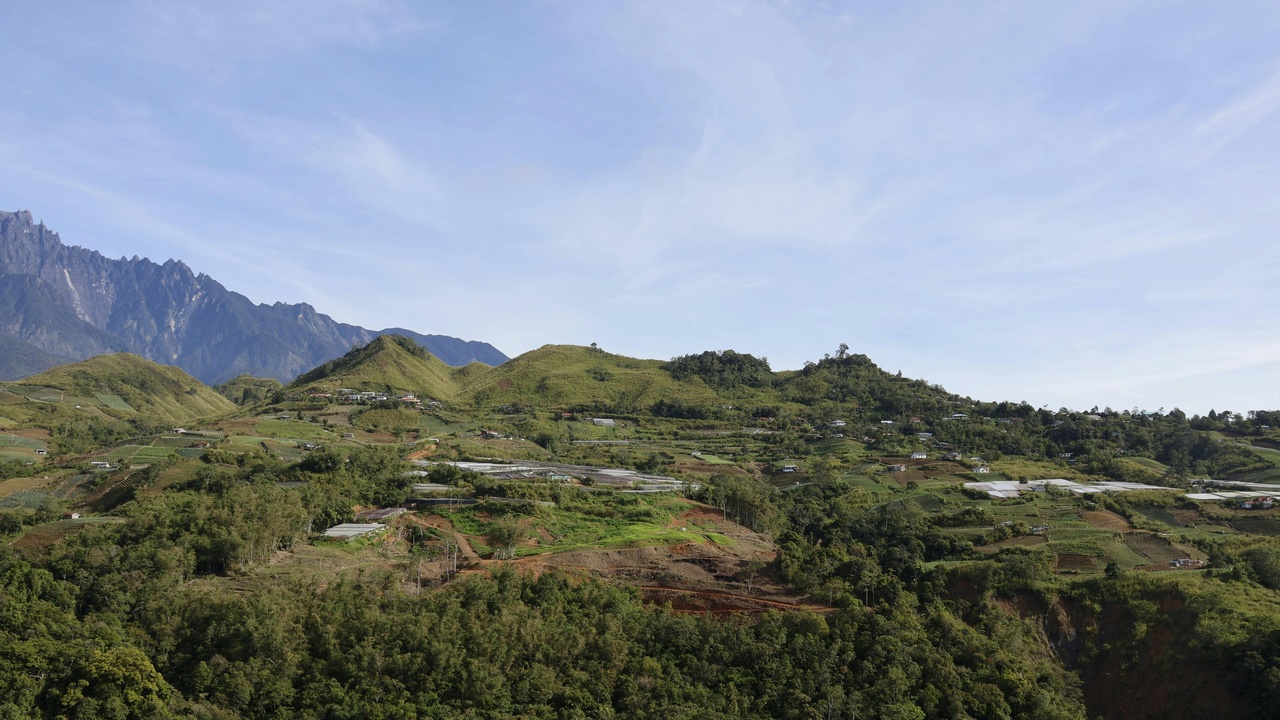
Terraces matter beyond yields: they support livelihoods, carry cultural identity, attract visitors, and reduce disaster risk. Many terraces are intergenerational cultural landscapes whose maintenance links farming knowledge with local economies.
Places such as the Banaue terraces and the Honghe Hani terraces show how agricultural practice and cultural value fuse—Banaue is often dated to roughly 2,000 years ago, and Honghe Hani was inscribed on the UNESCO World Heritage List in 2013 (UNESCO, 2013).
8. Protects Livelihoods and Sustains Smallholder Farmers
By increasing productive land area and lowering production risk, terraces improve livelihood stability. Development programs that rehabilitate terraces—supported by FAO and local NGOs—report steadier harvests and more reliable marketable surpluses for smallholders.
Case examples from the Andes and Nepal show that restoring abandoned terraces can reduce seasonal hunger and raise household incomes by enabling higher yields and more diverse crops. Such projects combine technical training with labor-sharing arrangements to keep terraces functional.
9. Promotes Cultural Heritage and Tourism
Terraced landscapes are frequently recognized as cultural heritage. The Honghe Hani terraces’ UNESCO inscription in 2013 brought conservation attention and tourism revenue, while Banaue attracts visitors and supports local guiding and handicraft income (UNESCO, 2013).
Heritage designation can unlock funding for maintenance and training, but tourism must be managed to avoid erosion and social disruption. When balanced, cultural recognition helps preserve farming knowledge across generations.
10. Long-term Cost Savings and Reduced Disaster Risk
Terraces reduce landslide and flood risk, lowering long-term infrastructure and emergency-response costs. Watershed projects that include terraces report measurable reductions in downstream sedimentation and lower repair costs for roads and irrigation works (World Bank; regional reports).
When communities invest in terrace construction and routine maintenance, they often avoid repeated disaster-repair bills. A maintained terrace network protects settlements and water infrastructure and is typically cheaper over time than rebuilding after slope failures.
Summary
- Terracing controls erosion and stabilizes steep farmland, extending field life and cutting downstream sediment loads (examples: Longji, Inca terraces).
- It improves water retention and irrigation efficiency, often reducing peak runoff by substantial margins and helping recharge groundwater.
- On-farm gains include higher yields (reported increases commonly in the 20–50% range), diversified cropping, and greater resilience to drought and heavy rainfall.
- Terraces carry cultural and economic value—Banaue (roughly 2,000 years old) and the Honghe Hani terraces (UNESCO, 2013) show how heritage, tourism, and farming intersect.
- Consider supporting terrace rehabilitation programs in your area or ask local extension services about contour and terrace options (FAO and World Bank resources can help guide projects).