Deserts cover roughly one-third (≈33%) of Earth’s land surface, yet a surprising variety of mammals thrive there despite daytime temperatures often exceeding 40–45°C (104–113°F).
Understanding how these animals survive matters for ecology, species conservation, and even biomimicry—engineers and designers often borrow nature’s tricks to solve heat- and water-management problems. The focus here is on seven key traits that let mammals persist in arid places, grouped into physical adaptations, behavioral strategies, and physiological or dietary tactics.
Expect concrete examples—like the fennec fox and the kangaroo rat—and clear, numbered descriptions of each characteristic. Below are seven numbered traits that work together to conserve water, regulate temperature, and exploit scarce resources.
Physical adaptations that reduce heat gain and water loss
Outward, structural traits often form the first line of defense against heat and dehydration. Coat, limbs, and localized fat deposits change how animals gain or shed heat, move on loose sand, and buffer energy during lean times. These physical solutions usually act in concert with behavior and internal physiology.
1. Fur, coloration and external insulation
Coat characteristics—color, density, and length—both reflect incoming solar radiation and insulate against nocturnal cold. Pale pelage reflects sunlight, reducing heat gain, while thicker or layered fur traps air to limit heat loss when nights fall sharply.
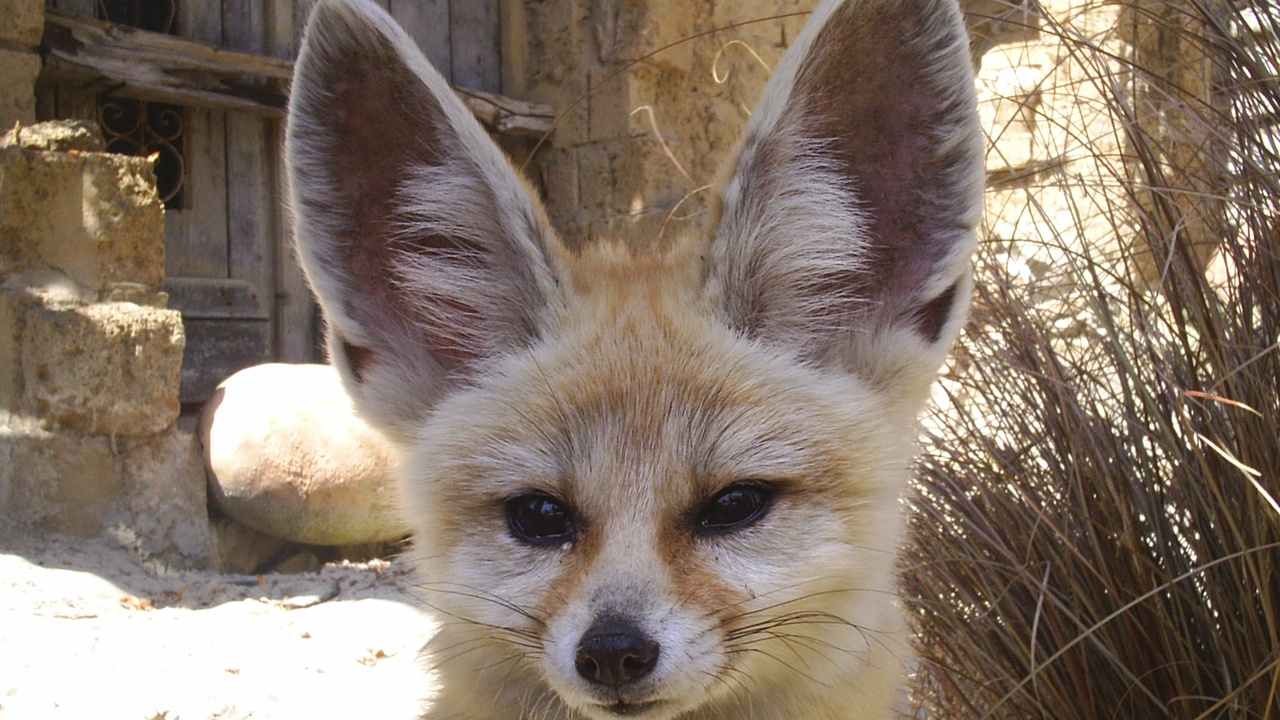
The fennec fox (Vulpes zerda) combines very pale fur with oversized ears (up to ~15 cm long) that serve as thermal radiators; many desert ungulates and lagomorphs also sport pale regional pelage. The trade-off is constant: reflecting daytime heat versus retaining warmth at night.
Designers borrow these ideas—reflective coatings to cut solar gain and layered insulation to retain heat—showing how animal coat strategies translate into clothing and building materials.
2. Limbs and locomotion optimized for sand and speed
Many desert mammals have limb morphologies—elongated hind legs, reduced forelimbs, or wide, cushioned feet—that help them move efficiently on sand and escape predators quickly. Long leaps reduce time spent touching hot substrates and can lower heat transfer from the ground.
Jerboas and kangaroo rats use powerful hind limbs to hop; some jerboa species can bound several meters in a single leap. Camels have broad, leathery footpads that spread weight across loose sand and prevent sinking, making dune travel far more energy-efficient.
Those same principles inform human solutions: sand-specific footwear and off-road vehicle treads distribute pressure and improve traction on loose substrates.
3. Fat storage, specialized skin and structural water reserves
Structural features like the camel’s hump, thickened footpads, and specialized skin layers provide reserves and protection. Localized fat stores act as energy caches and, indirectly, as water buffers during long dry spells.
Dromedary camels pack fat into a hump rather than uniformly under the hide; that placement keeps insulating fat away from the body core, helping thermoregulation while providing fuel. Thick footpad tissue shields feet from hot sand and reduces injury.
Those adaptations inspire portable energy and thermal-buffering designs—think compact battery packs and insulated containers that mimic how fat and skin structure store and manage resources.
Behavioral strategies for avoiding heat and conserving moisture
Behavior often complements physical traits, letting mammals avoid peak heat and find microclimates with higher humidity or lower temperatures. Many species switch behaviors seasonally, shifting activity windows or denning patterns to match local conditions.
4. Nocturnality and crepuscular activity patterns
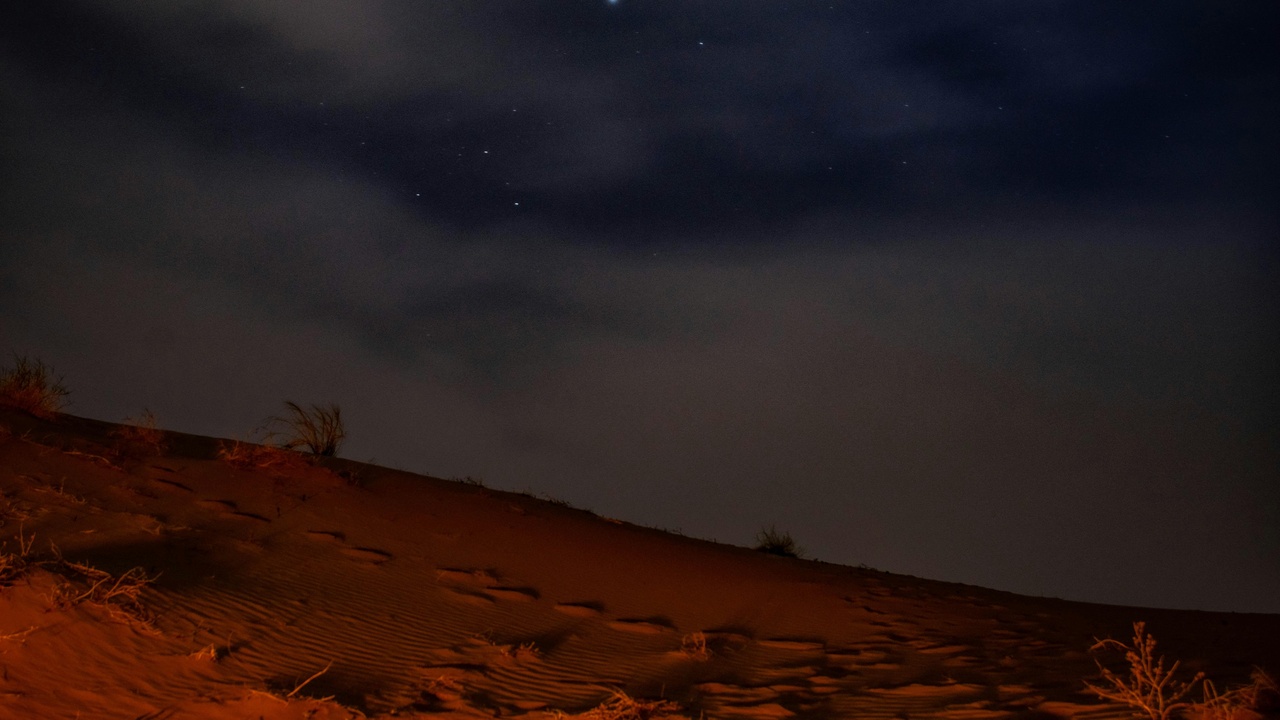
Shifting most activity to night or twilight reduces exposure to daytime extremes—many desert species avoid daytime peaks that exceed 40°C by foraging after sunset. Nighttime temperatures in deserts can be 20°C or more cooler than daytime highs, which meaningfully lowers evaporative water loss.
Kangaroo rats (Dipodomys spp.) and kit foxes (Vulpes macrotis) forage mainly at night; kangaroo rats obtain most of their moisture from seeds and metabolic water rather than free drinking. For researchers and wildlife managers, that means relying on night surveys and camera traps to monitor populations.
However, artificial light and increased nighttime human activity can disrupt these rhythms, increasing stress and predation risk for species adapted to darkness.
5. Burrowing, denning and microhabitat selection
Burrows and dens give animals access to stable microclimates: underground spaces are often 10–20°C cooler than the surface and retain higher humidity, which reduces daily thermal extremes and evaporative loss. That makes dens invaluable refuges during hot afternoons.
Pocket mice (Chaetodipus spp.), desert woodrats, and foxes use burrows for resting, rearing young, and storing food. Burrows can also become community resources, used sequentially by different species and increasing local biodiversity.
Protecting burrowed areas—avoiding soil compaction from vehicles or development—helps preserve these microhabitats and the species that depend on them.
Physiological and dietary adaptations for water economy and nutrition
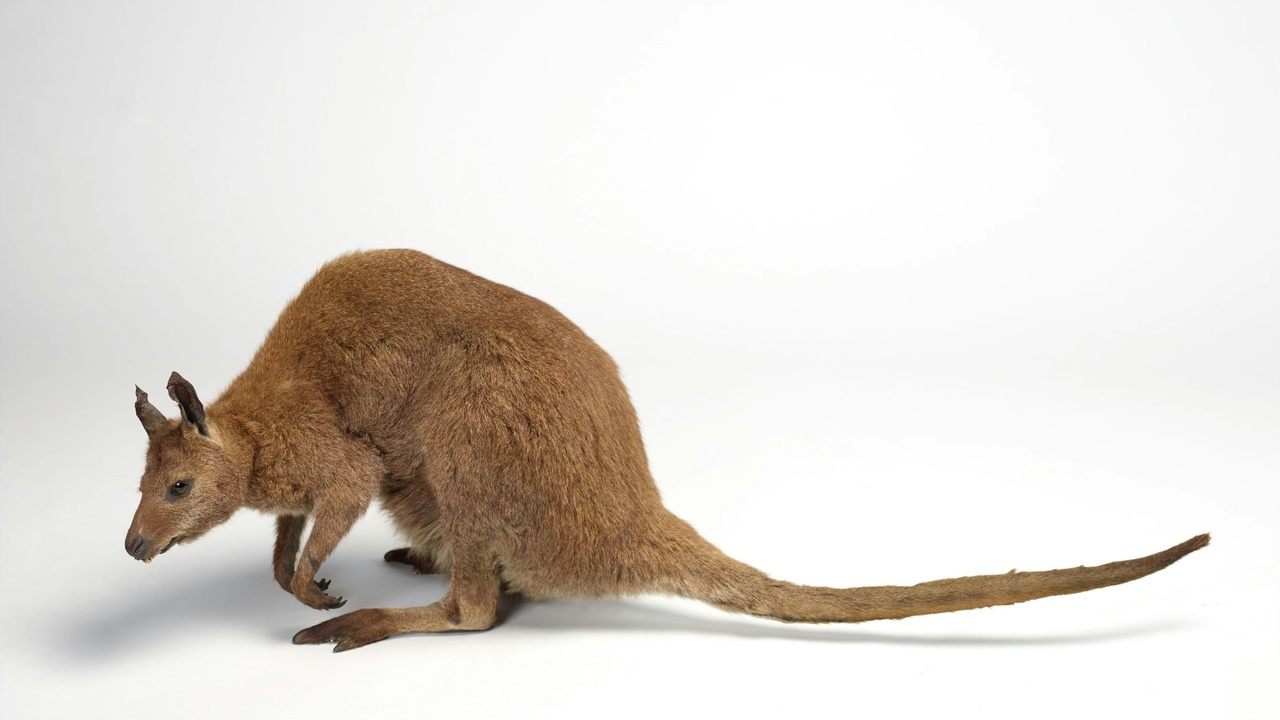
Internal systems and diet are vital for retaining water and extracting energy from limited foods. Mechanisms include highly efficient kidneys, metabolic water production, and flexible feeding habits that shift with availability.
6. Water-conserving kidneys and metabolic water production
Many desert mammals produce very concentrated urine and have low overall water turnover, minimizing losses. For context, human kidneys concentrate urine to roughly 1,200 mOsm/kg at most, while desert rodents exhibit substantially greater concentrating ability in comparative studies.
Kangaroo rats rarely drink free water; they meet most needs through the oxidation of seeds (metabolic water) and by keeping urine and fecal moisture losses extremely low. That physiology determines how species handle drought—animals with superior renal concentration can persist longer without rainfall.
Medical researchers study these renal mechanisms to better understand dehydration and kidney function, and those insights sometimes inform clinical approaches to fluid management.
7. Dietary specialization and opportunism
Dietary strategies range from strict specialization to broad opportunism, and both can be adaptive in deserts. Seed specialists like kangaroo rats extract energy and some moisture from dry seeds, while omnivores and carnivores switch prey and plants seasonally to balance energy and water intake.
Dromedary camels eat salty, thorny, or dry vegetation that many animals avoid, then rehydrate rapidly when water is available—reports note they may drink up to about 40 gallons (≈150 liters) in a single event. Kit foxes and similar opportunists shift diets to include insects, small mammals, fruit, or carrion as conditions change.
When specialists lose key food plants because of habitat change or invasive species, populations can crash; by contrast, generalists often show greater resilience during droughts and landscape alteration.
Summary
- Desert species combine physical, behavioral, and physiological traits to stay cool and avoid dehydration—these characteristics of desert mammals are intertwined, not isolated.
- Small mammals often pair nocturnality and burrowing with extreme kidney concentration and seed-focused diets to survive without free water.
- Large species such as camels rely on localized fat stores and rapid rehydration to tolerate resource swings, while limb and foot adaptations ease movement on sand.
- Behavioral flexibility and dietary breadth boost resilience under climate variability; protecting burrows, shade, and native plants supports that resilience.
- Studying these adaptations helps conservation planning and inspires practical designs for heat and water management—so notice, report, and protect desert wildlife and their microhabitats.