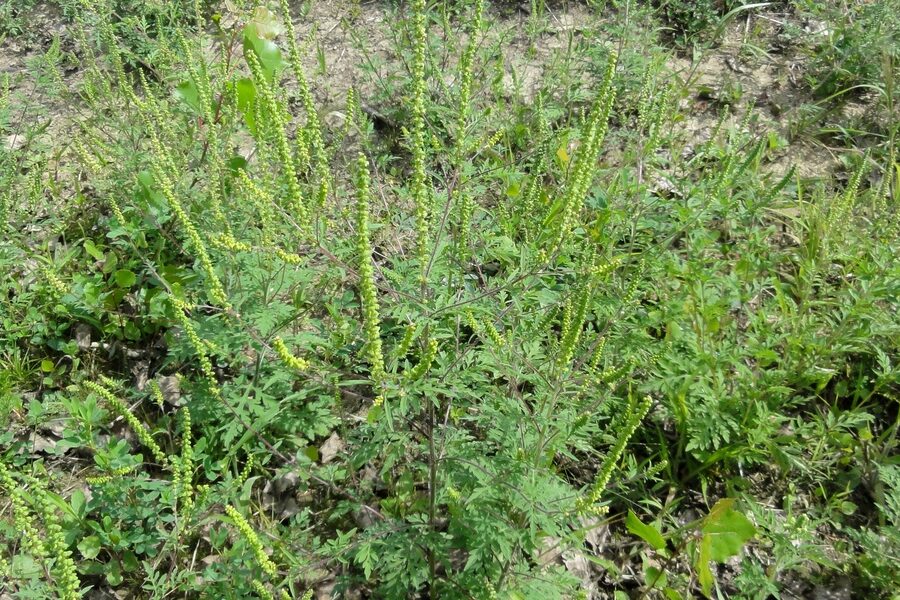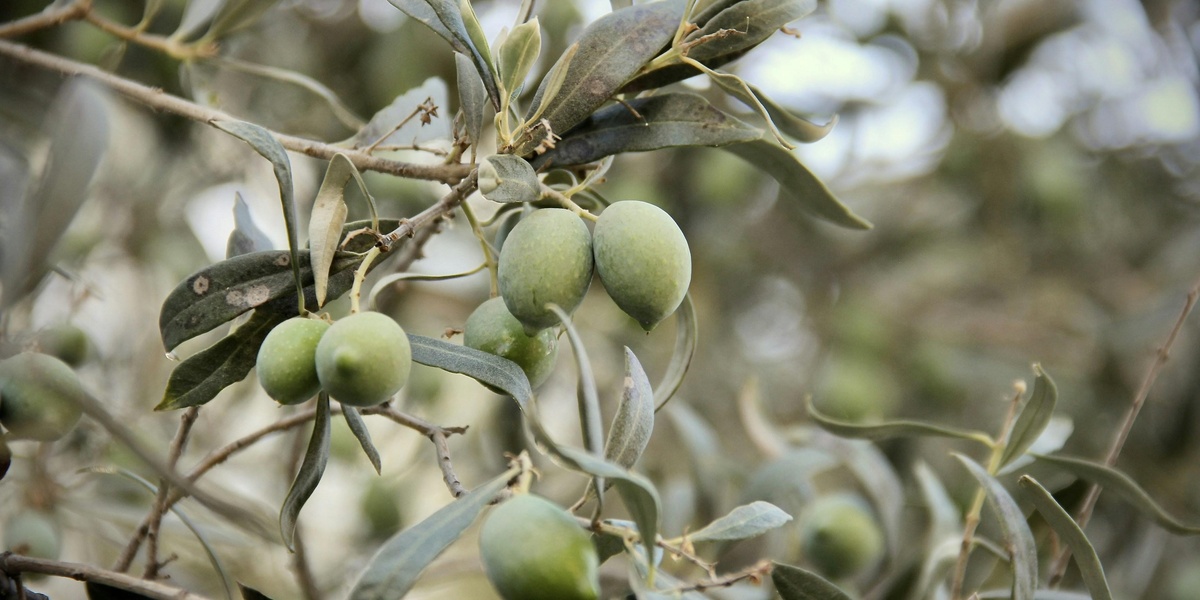
Denver’s mix of river corridors, parks and urban gardens creates habitats where nonnative plants, insects and pathogens can take hold and alter local ecosystems and services. Knowing which organisms are present — and where they live — helps homeowners, land managers and local agencies prioritize monitoring and control.
There are 25 Invasive Species in Denver, ranging from Brown marmorated stink bug to West Nile virus. For each entry you’ll find below the data organized as Scientific name,Status,Primary habitat; entries show where species are established and what environments they threaten, so you can quickly spot risks you’ll find below.
How are invasive species usually introduced or spread in Denver?
They arrive and move around through many common pathways: international and interstate trade (wood, plants, packaging), landscaping and gardening materials, hitchhiking on vehicles or personal belongings, and vectors like birds, mosquitoes or people. Understanding these routes helps target inspections, cleaning protocols and public outreach to reduce new introductions.
What should a resident do if they suspect one of these species in their yard?
Take clear photos from different angles, note the exact location and date, avoid moving the organism or plant material, and report the sighting to Colorado Parks and Wildlife or your county extension office; many agencies accept reports or IDs online and can advise on containment or removal.
Invasive Species in Denver
| Name | Scientific name | Status | Primary habitat |
|---|---|---|---|
| Russian olive | Elaeagnus angustifolia | established invasive | riparian corridors, riverbanks |
| Tree-of-heaven | Ailanthus altissima | established invasive | urban lots, sidewalks, river corridors |
| Siberian elm | Ulmus pumila | established invasive | streets, vacant lots, disturbed areas |
| Cheatgrass | Bromus tectorum | established invasive | open spaces, trails, disturbed soils |
| Russian thistle (tumbleweed) | Kali tragus | established invasive | vacant lots, roadsides, disturbed soil |
| Common reed (invasive genotype) | Phragmites australis | established invasive | wetlands, riparian margins, canals |
| Japanese knotweed | Reynoutria japonica | established invasive | streambanks, disturbed riparian strips |
| Himalayan blackberry | Rubus armeniacus | established invasive | riparian corridors, derelict lots, trails |
| Spotted knapweed | Centaurea stoebe | established invasive | trailsides, disturbed grasslands |
| Diffuse knapweed | Centaurea diffusa | established invasive | disturbed ground, open spaces, roadsides |
| Canada thistle | Cirsium arvense | established invasive | lawns, parks, roadsides |
| Field bindweed | Convolvulus arvensis | established invasive | gardens, vacant lots, roadsides |
| Garlic mustard | Alliaria petiolata | established invasive | shaded parks, riparian woodlands |
| Common buckthorn | Rhamnus cathartica | established invasive | urban woodlots, hedgerows, riparian edges |
| European starling | Sturnus vulgaris | established invasive | urban parks, buildings, trees |
| House sparrow | Passer domesticus | established invasive | urban neighborhoods, buildings, parks |
| Rock pigeon (feral pigeon) | Columba livia | established invasive | downtown, bridges, buildings, parks |
| Norway rat | Rattus norvegicus | established invasive | sewers, alleys, parks, buildings |
| Feral cat | Felis catus | established invasive | urban, parks, alleys, open spaces |
| Eurasian collared-dove | Streptopelia decaocto | established invasive | suburban, urban parks, feeders |
| Brown marmorated stink bug | Halyomorpha halys | established invasive | homes, gardens, orchards, urban vegetation |
| Emerald ash borer | Agrilus planipennis | established invasive (detected in metro) | urban ash trees, riparian streets |
| West Nile virus | West Nile virus | established pathogen | urban mosquitoes, standing water, birds |
| Common carp | Cyprinus carpio | established invasive | urban lakes, reservoirs, slow rivers |
| European earthworms | Lumbricidae spp. | established invasive | forested riparian soils, parks, lawns |
Images and Descriptions
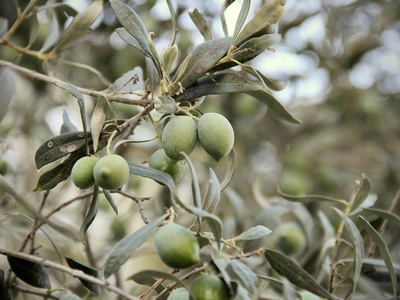
Russian olive
Silvery-leaved small tree from Eurasia with thorny branches; shades out native willows and clogs streamside habitat. Look for silver undersides and fragrant yellow fruit. Pull seedlings, cut and remove roots, or report large stands to Denver Parks invasive plant staff.
Tree-of-heaven
Pinnate leaves and strong, foul-smelling sap distinguish this fast-growing Asian tree. It sprouts aggressively from roots and produces many wind-dispersed seeds, outcompeting natives. Cut saplings and treat stumps or report persistent trees to local land managers for follow-up.
Siberian elm
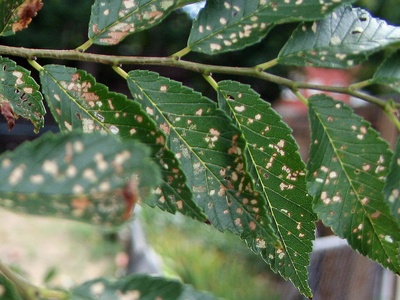
Hardy Asian elm with small, diamond-shaped leaves and rough bark; prolific seeder and weak-wooded, creating messy, invasive stands. Remove seedlings, replace with native shade trees, and report large volunteer populations to neighborhood forestry programs.
Cheatgrass
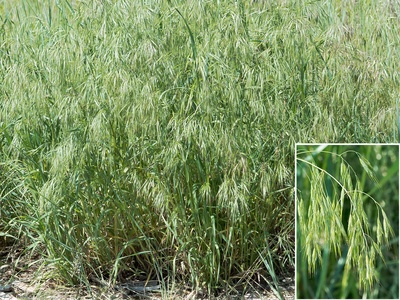
Short winter annual grass that dries early, creating flashy wildfire fuel and displacing native grasses. Look for tufted clumps with awned seeds in spring. Hand-pull before seed set, minimize disturbance, and report heavy infestations to county weed control.

Russian thistle (tumbleweed)
Globose, spiky tumbleweed from Eurasia that breaks off to spread seeds widely. Causes soil disturbance and allergenic dust. Pull before seed maturity, bag plants for disposal, and report large roadside infestations to city noxious weed contacts.
Common reed (invasive genotype)
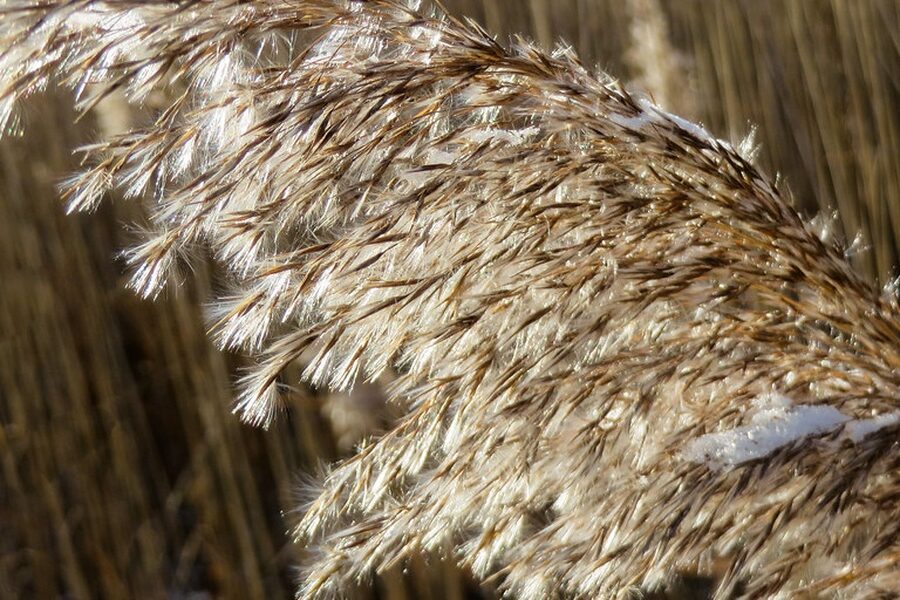
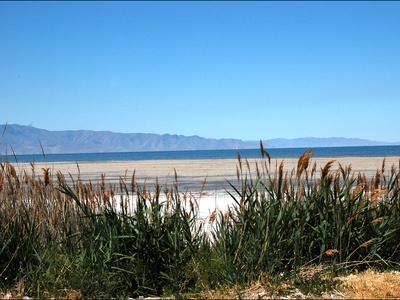
Tall, dense reed stands with feathery plumes crowd native marsh plants and alter hydrology. Look for uniform dense patches taller than 2–3 m. Report patches to Denver wetlands managers; small stands can be cut and removed by professionals.
Japanese knotweed
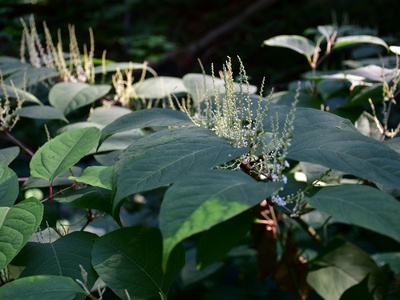
Bamboo-like hollow stems and large heart-shaped leaves; forms impenetrable thickets that erode banks and displace natives. Dig or cut regrowth repeatedly and use targeted herbicide by permit; report sightings to local open-space management.
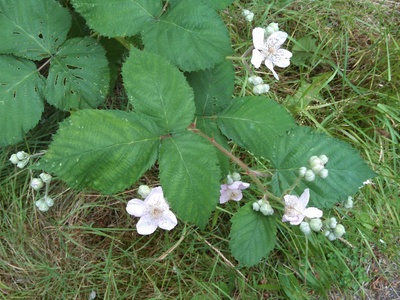
Himalayan blackberry
Thorny bramble with large arching stems and persistent tangled canes producing many black fruit. Smothers native plants and impedes access. Cut canes, dig roots, and bag debris; report dense thickets to park managers for coordinated removal.
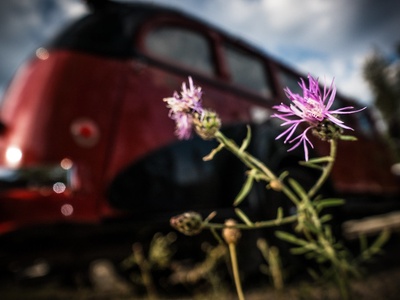
Spotted knapweed
Gray-green rosette and purple thistle-like flowers; releases chemicals that suppress natives and reduces forage quality. Hand-pull small patches before seeding, apply spot herbicide where allowed, and report infestations to county weed districts.
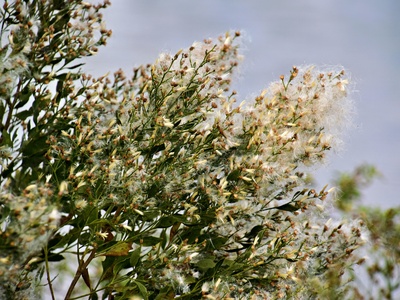
Diffuse knapweed
A small, spiky-flowered knapweed forming dense stands that compete with grasses and increase erosion. Identify by pale, tufted flowerheads. Pull rosettes early, report new outbreaks to local authorities for coordinated control.

Canada thistle
Perennial thistle with creeping roots and clustered pink-lavender flowers; spreads by root fragments and seeds, reducing forage and crowding native plants. Spot-treat roots, dig deep to remove root crowns, and report large patches to Denver weed control.
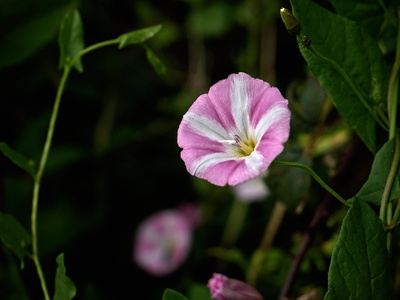
Field bindweed
Vining morning-glory relative with arrowhead leaves and white-to-pink funnel flowers; tough perennial rootstock chokes plants and pavements. Persistent hand-digging or targeted herbicide is needed; report widespread infestations to local land managers.
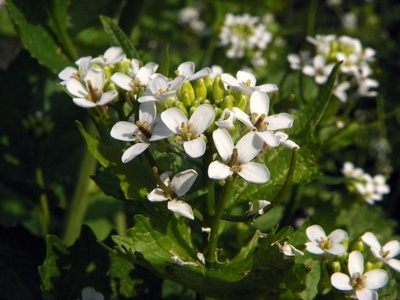
Garlic mustard
Biennial from Europe with scalloped leaves and white spring flowers; outcompetes woodland wildflowers and alters soil chemistry. Pull rosettes before flowering and bag seed heads; report new sites to Denver open-space invasive plant programs.

Common buckthorn
Small tree/shrub with dark berries that ripen late and feed invasive birds; forms dense understories that suppress natives. Identify by glossy leaves and thorny twigs. Pull seedlings, cut stems and treat stumps, and report stands to local removal efforts.
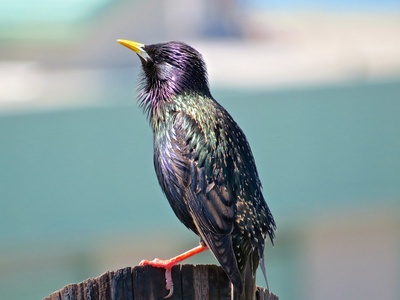
European starling
Cavity-nesting bird introduced from Europe; aggressive competitor that displaces native cavity nesters and fouls structures. Glossy black with iridescence and speckles. Exclude nesting sites, remove food sources, and report large roosts to city wildlife or public works.
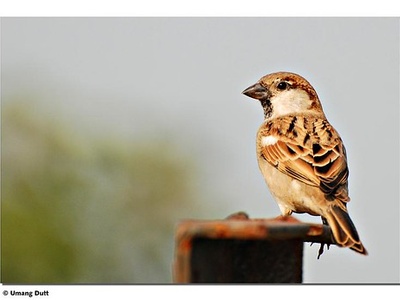
House sparrow
Small, stocky non-native bird common around people; competes with native birds for nests and food. Males have gray crown and black bib. Seal nest gaps, limit food sources, and report heavy nesting concentrations to local wildlife services.
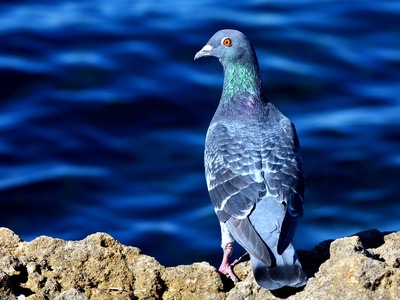
Rock pigeon (feral pigeon)
Domesticated European pigeon living wild in cities; coalesces in large flocks and transmits pathogens, fouls infrastructure. Look for chunky gray birds with iridescent necks. Reduce feeding, use exclusion measures, and report roosting colonies to city officials.
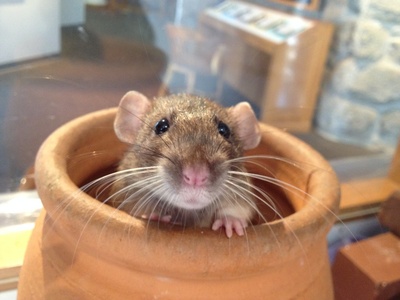
Norway rat
Large brown rat introduced from Eurasia that spreads disease and damages property. Identify by heavy body, blunt face and tail shorter than body. Secure trash, eliminate food sources, and call animal control for infestations.
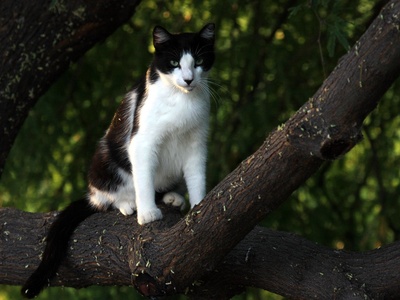
Feral cat
Domestic cats living wild predate songbirds and small mammals, altering urban wildlife communities. Often seen at dusk and dawn; ear-tipped cats may be part of TNR programs. Do not release cats; report colonies to local animal welfare groups for humane management.
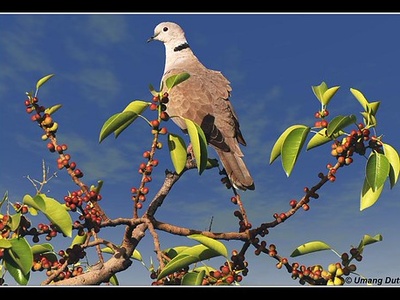
Eurasian collared-dove
Slim pale dove with a black neck collar from Asia; large flocks compete with native doves and can spread disease. Reduce backyard feeding, exclude nest sites, and report unusual population explosions to wildlife managers.
Brown marmorated stink bug
Asian stink bug that invades homes in fall and damages fruit and garden plants. Shield-shaped, brown with pale banded antennae. Seal cracks to prevent overwintering, hand-remove bugs, and report crop damage to the Colorado Department of Agriculture.
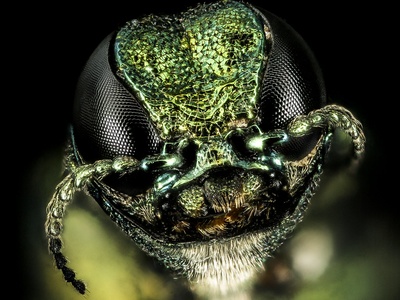
Emerald ash borer
Metallic green beetle larva tunnels ash wood, causing branch dieback and tree mortality. Look for D-shaped exit holes and thinning crowns. Report suspicious ash decline to Colorado State Forest Service; do not move firewood.
West Nile virus
Introduced mosquito-borne virus that causes human and wildlife illness; monitored in Denver since early 2000s. Reduce standing water, use repellent and window screens, and report dead corvids or human cases to public health authorities.
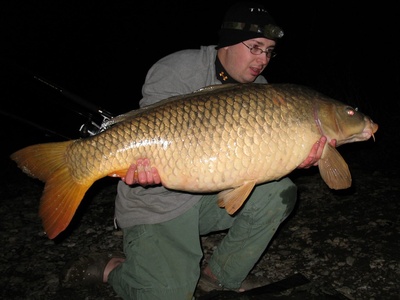
Common carp
Large, robust freshwater fish introduced from Eurasia that uproots vegetation and increases turbidity, degrading wetlands. Identify by thick-bodied, barbels at mouth. Use exclusion, targeted removal, and report dense carp populations to Colorado Parks & Wildlife.
European earthworms
Non-native earthworms introduced from Europe/Africa alter leaf litter, nutrient cycling and native plant communities in riparian and wooded areas. Look for worm casting zones and reduced duff. Reduce soil disturbance, avoid bait release, and report spread in sensitive open spaces.