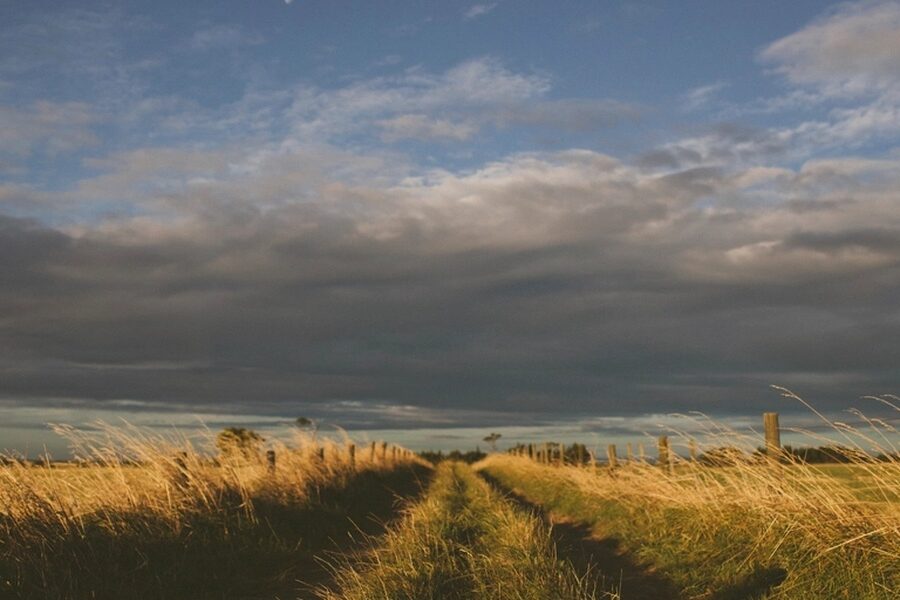
The African savanna is a shifting mosaic of grass, acacia trees and seasonal waterholes where many animals mix plant and animal foods to survive. Walking through that landscape — from dry plains to riverine thickets — you’ll notice species adapting their diets to what’s available.
There are 25 African Savanna Omnivores, ranging from African civet to Yellow baboon. For each one, the columns Scientific name,Weight (kg),Diet & range are provided, and you’ll find below.
How were the species selected for this list?
Species were chosen for regular presence on the savanna plus documented omnivorous diets in field guides and research: animals that routinely eat both animal and plant matter, appear across savanna habitats, and have reliable data for identification and basic metrics.
Do these omnivores change diet with seasons or habitat?
Yes — many switch proportions of fruit, insects, small vertebrates and plant matter depending on rainfall, fruiting and prey availability; for example, baboons eat more fruit and seeds when available and more invertebrates or small mammals in lean periods, which helps them persist across variable savanna conditions.
African Savanna Omnivores
| Name | Scientific name | Weight (kg) | Diet & range |
|---|---|---|---|
| Warthog | Phacochoerus africanus | 75 | Roots, tubers, grasses, insects; open Sub-Saharan savannas |
| Bushpig | Potamochoerus larvatus | 60 | Roots, fruits, invertebrates, small vertebrates; woodland-savanna mosaics |
| African civet | Civettictis civetta | 10 | Fruits, small mammals, insects, carrion; savanna woodlands and bushveld |
| Common genet | Genetta genetta | 1.5 | Fruits, insects, rodents, birds; savanna woodlands and thickets |
| Honey badger | Mellivora capensis | 9 | Insects, small mammals, reptiles, fruits; varied savanna habitats |
| Black-backed jackal | Canis mesomelas | 8 | Carrion, small mammals, birds, fruit, insects; open savanna and scrub |
| Side-striped jackal | Canis adustus | 7 | Small vertebrates, insects, fruit, carrion; bushy savanna and woodland edges |
| Olive baboon | Papio anubis | 25 | Fruits, leaves, seeds, insects, small mammals; broad savanna range |
| Chacma baboon | Papio ursinus | 30 | Fruits, grasses, insects, small vertebrates; southern African savannas |
| Yellow baboon | Papio cynocephalus | 20 | Fruits, seeds, insects, small animals; East African savannas |
| Vervet monkey | Chlorocebus pygerythrus | 4.5 | Fruits, leaves, insects, eggs; woodlands and savanna mosaics |
| Patas monkey | Erythrocebus patas | 8 | Seeds, fruit, gum, insects, small vertebrates; open savannas and grasslands |
| Banded mongoose | Mungos mungo | 1 | Insects, small vertebrates, fruit; savanna grassland and woodland edges |
| Egyptian mongoose | Herpestes ichneumon | 2 | Invertebrates, small mammals, eggs, fruit; savanna and bushland |
| Senegal bushbaby | Galago senegalensis | 0.20 | Fruit, gum, insects; woodland-savanna mosaics |
| African golden wolf | Canis anthus | 12 | Small mammals, carrion, fruit, insects; Sahel and savannas |
| Helmeted guineafowl | Numida meleagris | 1.4 | Seeds, fruit, insects, small vertebrates; widespread savannas |
| Kori bustard | Ardeotis kori | 10 | Insects, seeds, small vertebrates; open grassland and savanna |
| Southern ground-hornbill | Bucorvus leadbeateri | 4 | Insects, amphibians, small mammals, fruit; open savanna and woodland |
| Red-billed spurfowl | Pternistis adspersus | 0.7 | Seeds, bulbs, insects, small invertebrates; arid savannas and grasslands |
| Pied crow | Corvus albus | 0.5 | Carrion, invertebrates, fruit, human scraps; varied savanna habitats |
| Superb starling | Lamprotornis superbus | 0.09 | Insects, fruit, seeds; acacia savannas and open woodland |
| Village weaver | Ploceus cucullatus | 0.05 | Seeds, insects, fruit; savanna edges and wetlands |
| Cape ground squirrel | Xerus inauris | 1.2 | Seeds, roots, insects; arid savannas and open grassland |
| Natal multimammate mouse | Mastomys natalensis | 0.08 | Seeds, fruits, insects; savanna grassland and cultivated areas |
Images and Descriptions
Warthog
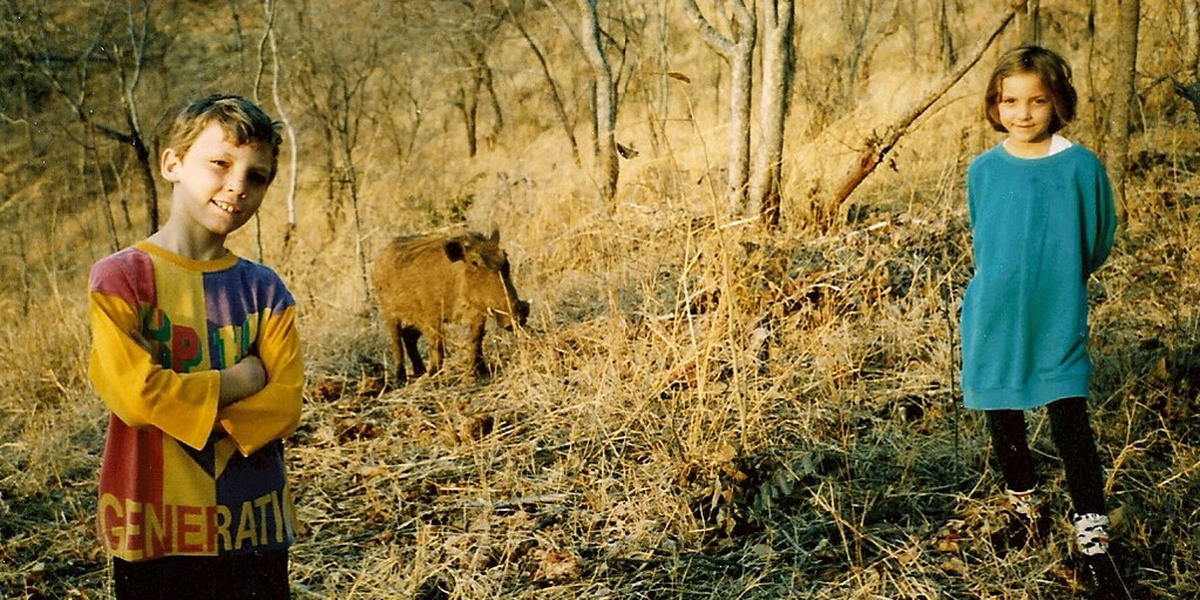
Warthogs graze grasses and dig for bulbs and roots, while also eating insects, eggs and small vertebrates. Common across African savannas, they kneel on calloused wrists to feed and often use burrows for shelter from predators.

Bushpig
Bushpigs root for tubers, fruits and fungi and consume insects, eggs and small animals. Found in wetter savanna woodlands and gallery forests, they are secretive, nocturnal omnivores with powerful snouts for digging.
African civet
African civets eat fruit, rodents, birds, insects and carrion, producing a distinctive musk once used in perfumery. They favor bushy savanna and riverine habitats, hunting by night with an opportunistic diet.
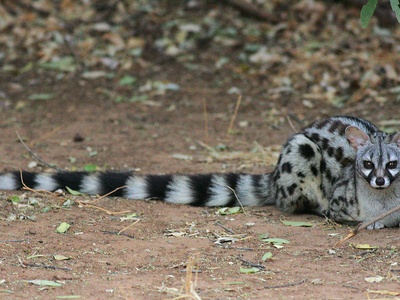
Common genet
Genets are nimble nocturnal omnivores that take small mammals, birds and insects and also eat fruit. They inhabit savanna woodlands and hedgerows, often seen climbing trees while foraging.
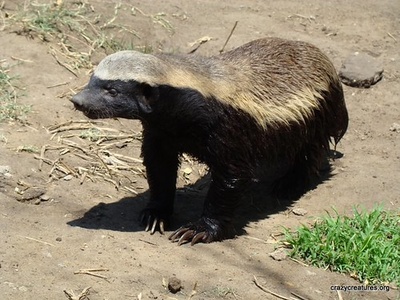
Honey badger
Honey badgers are fearless omnivores eating bees, larvae, small vertebrates, roots and some fruit. Widely distributed in African savannas, they are notable for tough skin and bold raids on beehives and dens.
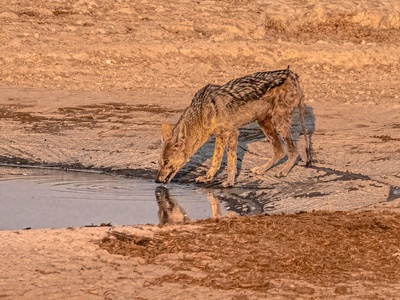
Black-backed jackal
Black-backed jackals are adaptable omnivores that scavenge carcasses and hunt rodents, birds and insects, while also eating fruit. Common in savannas, they form monogamous pairs and exploit diverse food sources.
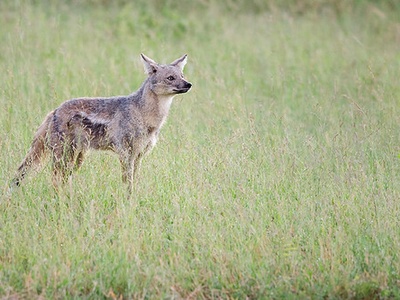
Side-striped jackal
Side-striped jackals eat rodents, insects, fruits and scavenged meat. They prefer denser savanna and woodland margins, showing flexible foraging that mixes hunting with opportunistic scavenging.
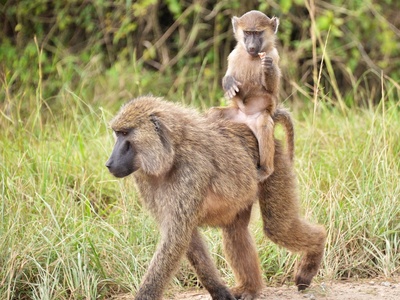
Olive baboon
Olive baboons have diverse diets including fruits, seeds, leaves, insects and small animals. Widespread across African savannas, they live in large troops and are skilled foragers, raiding crops and taking animal prey when available.
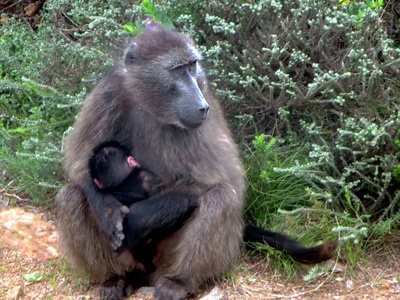
Chacma baboon
Chacma baboons eat plants, insects and small vertebrates, adapting diets seasonally in southern savannas. They forage on the ground and in trees, notable for large troops and complex social behavior.
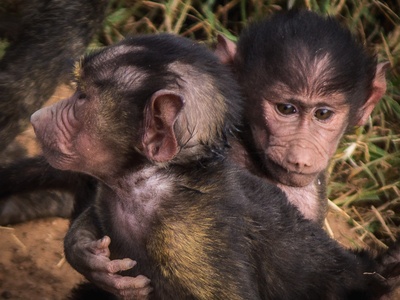
Yellow baboon
Yellow baboons feed on fruits, seeds, grasses, invertebrates and small vertebrates. Common in East African savannas, they exploit diverse food patches and are known for bold opportunistic feeding near settlements.
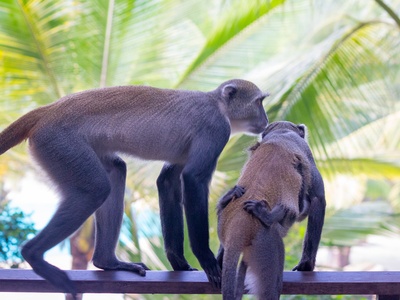
Vervet monkey
Vervet monkeys eat fruit, leaves, flowers, insects and occasional eggs or small vertebrates. Common in savanna woodlands, they are vocal and social, shifting diet with seasonal fruit availability.
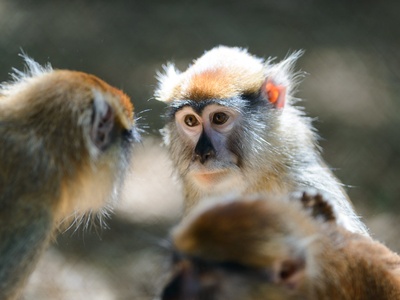
Patas monkey
Patas monkeys forage on seeds, gum and fruit and capture many insects and small vertebrates. Built for fast ground running in open savannas, they have a largely terrestrial lifestyle and seasonal diet shifts.
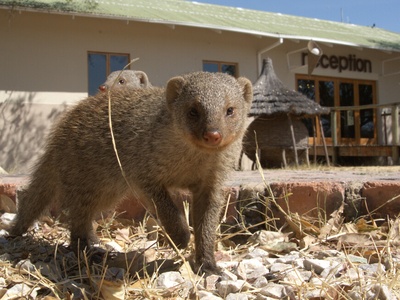
Banded mongoose
Banded mongooses hunt insects, scorpions, small mammals and birds and will take fruit and eggs. Living in cooperative groups across savannas, they are skilled at digging and cooperative prey-handling.
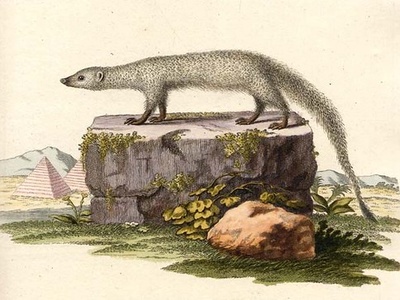
Egyptian mongoose
Egyptian mongooses eat insects, rodents, eggs and take fruit when available. They occupy savanna and bush habitats, noted for daytime hunting and ability to prey on snakes and small reptiles.
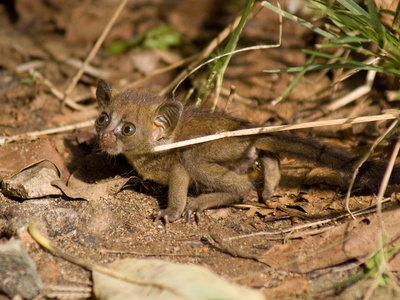
Senegal bushbaby
Senegal bushbabies feed on gum, fruit nectar and insects. Nocturnal and arboreal in savanna woodlands, they leap between branches, combining plant and animal foods especially when fruits are ripe or insects abundant.
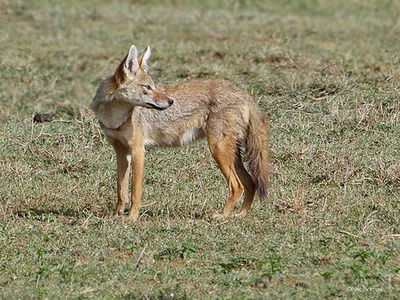
African golden wolf
African golden wolves are opportunistic omnivores that take rodents and birds, scavenge carrion and eat fruit and insects seasonally. They inhabit savannas and drylands, showing flexible hunting and scavenging strategies.
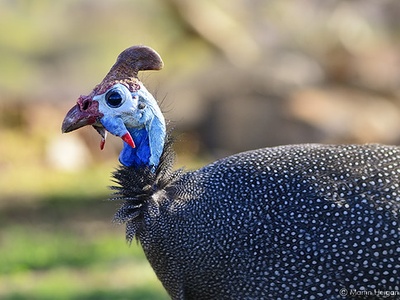
Helmeted guineafowl
Helmeted guineafowl forage on seeds, berries, insects and occasional small vertebrates across African savannas. Gregarious and ground-feeding, they follow grazing herbivores to catch disturbed insects.
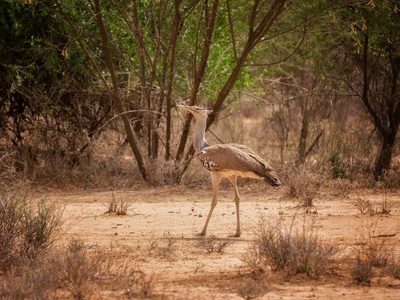
Kori bustard
Kori bustards are large omnivores that eat insects, seeds and small vertebrates like lizards and rodents. Found in open savannas, males are among the heaviest flying birds and display elaborate courtship.
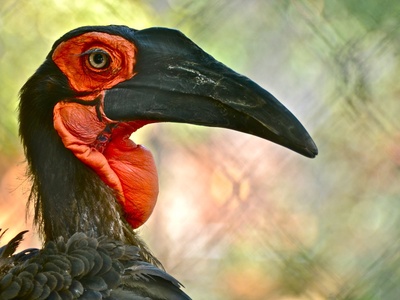
Southern ground-hornbill
Southern ground-hornbills walk savannas hunting insects, frogs and small mammals, and will take fruit occasionally. Long-lived and social, they nest in large tree cavities and use loud calls to communicate across territory.
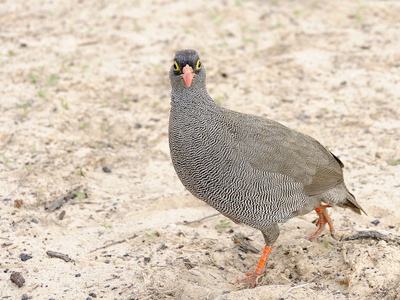
Red-billed spurfowl
Red-billed spurfowl scratch for seeds, bulbs and invertebrates and take insects seasonally. Ground-dwelling in dry savannas, they form coveys and feed in open areas near cover.
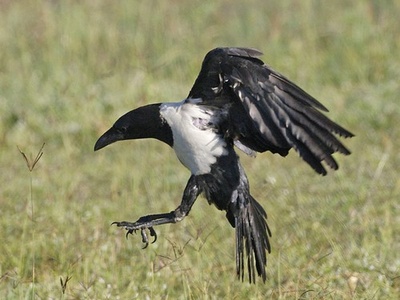
Pied crow
Pied crows are bold omnivores feeding on carrion, insects, fruit and human refuse across savannas. Intelligent and adaptable, they often scavenge near human settlements and natural carcasses.
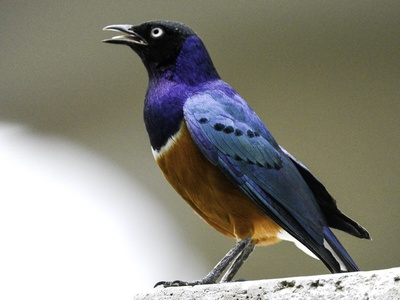
Superb starling
Superb starlings eat insects, fruits and seeds, shifting seasonally. Common in East African savannas, these colourful birds forage in flocks and nest communally, exploiting both animal prey and plant foods.
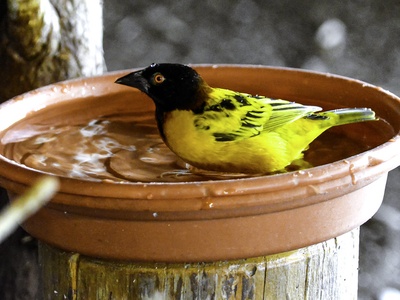
Village weaver
Village weavers feed on seeds and insects and take fruit when available. Found along savanna edges and near water, they build intricate woven nests and form large colonies during breeding.
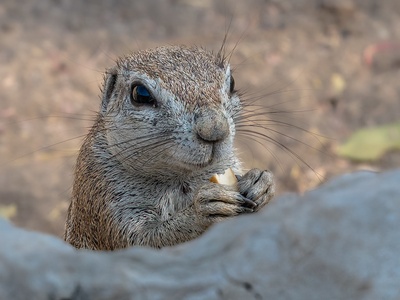
Cape ground squirrel
Cape ground squirrels eat seeds, roots and plenty of insects, mixing plant and animal foods. Diurnal and social in arid savannas, they dig burrows and forage in family groups.
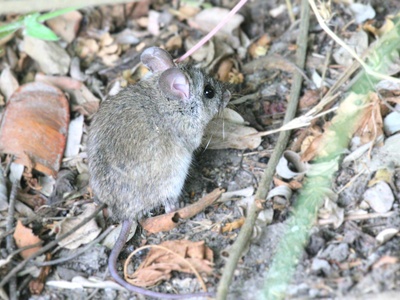
Natal multimammate mouse
Natal multimammate mice eat seeds, fruit and a variety of insects and other small invertebrates. Abundant in savannas and farmland edges, they are prolific breeders and important prey for many predators.