In 1965, ecologist Rachel Carson warned that simplified landscapes could harm nature’s balance — gardens that mimic wild diversity often avoid that fate. A patchwork of native plants, layered vegetation, and lively soil helps gardens provide pollination, natural pest control, and resilience to extreme weather.
A truly biodiverse garden shows a set of observable, measurable signs — from a mix of native plants to active soil life — that together indicate a healthy, resilient ecosystem worth protecting and encouraging. If you’re looking for signs your garden has good biodiversity, watch for clear signals across plants and habitat, animals and invertebrates, belowground life, and how the system functions after disturbance.
This article lists 10 practical signs grouped into four categories (plants/habitat; animals/invertebrates; soil & fungi; ecosystem function) and gives simple checks and actions you can use this season.
Habitat and Plant Diversity
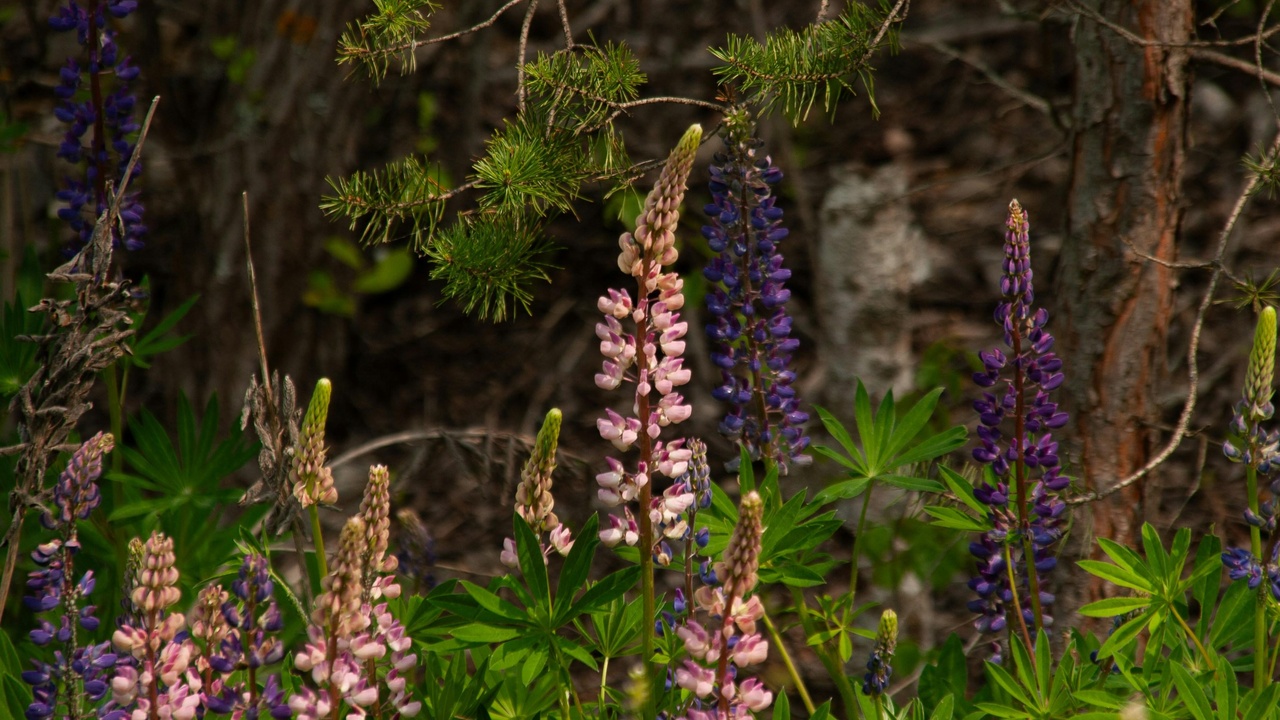
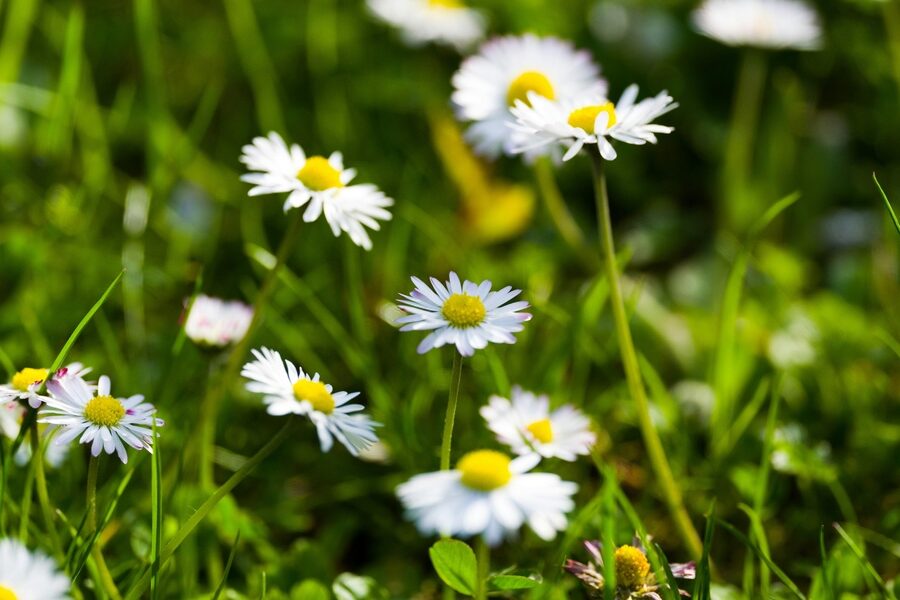
Plant variety and structural complexity create niches for insects, birds, and microbes. Native species, vertical layers, and a sequence of blooms through the seasons multiply food and shelter and keep communities functioning year-round.
1. Variety of native plant species
A garden with many native species is a strong sign of biodiversity. Studies show native plantings can support up to three times higher pollinator abundance than many non-native ornamental beds.
In practice, replacing a small monoculture lawn patch with a mix of 8–15 native perennials and shrubs dramatically increases habitat value. Plant choices matter: milkweed (Asclepias) supports monarch caterpillars, goldenrod feeds late-season pollinators, and coneflowers draw bees throughout summer.
For guidance, look to regional recommendations such as those from the Xerces Society when selecting local native mixes.
2. Multiple vertical layers of vegetation (groundcover, shrubs, canopy)
Structural diversity — plants at different heights — creates far more niches than a flat lawn. Layers supply food, nesting sites, and shelter for a wide range of species.
Layered gardens support more bird and insect species because groundcover, mid-story shrubs, and small trees each host different communities. Aim to design three to four layers in a typical yard: a low groundcover, herbaceous perennials, shrubs, and small trees.
Easy combinations include wild ginger or native violets as groundcover, viburnum or native dogwood in the mid-layer, and serviceberry or crabapple as small trees to provide fruit and nesting opportunities.
3. Seasonal succession of blooms
Seasonal succession means a string of plants blooming from early spring through late fall so pollinators find nectar and pollen throughout the year. Continuous bloom sustains populations rather than creating feast-or-famine cycles.
Gardens with extended bloom periods can attract 10–20+ pollinator species across a season. A simple planting calendar helps: early bulbs and willow catkins in spring; bee balm (Monarda) and coneflowers (Echinacea) in mid-summer; asters and goldenrod in fall.
Plan for overlap so when one species fades another is supplying resources, and you’ll notice steadier pollinator activity all season.
Animal and Invertebrate Indicators
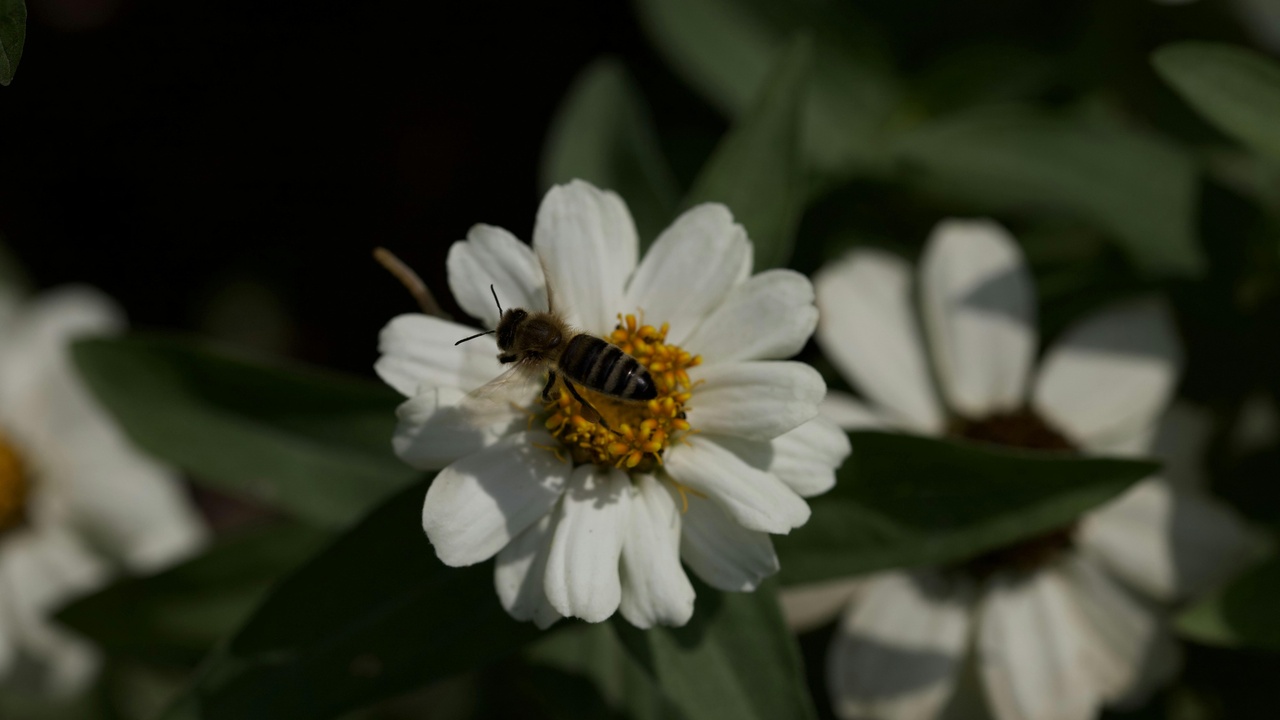
Seeing a range of animals and invertebrates is one of the most visible signs that a garden is supporting ecological relationships. Watch during warm mid-mornings and early evenings for the best activity.
4. Abundant and diverse pollinators (bees, butterflies, hoverflies)
Healthy gardens host many pollinator species and frequent floral visits. Expect to see bumblebees, mason or leafcutter bees (Osmia spp.), hoverflies, and butterflies like monarchs and swallowtails in well-planted native beds.
Organizations such as the Xerces Society note that observing 10–20 pollinator species over a season is common where native plantings and layered structure exist. For observations, walk the garden mid-morning on warm, calm days and note species and flower-visiting behavior.
Small interventions help: provide bee hotels for cavity-nesting bees, shallow water sources with landing stones, and patches of bare, sunny soil for ground-nesting species.
5. Presence of predators and beneficial insects (ladybugs, lacewings, parasitic wasps)
A food web that includes predators is a good sign of natural pest regulation. Lady beetles gorge on aphids, lacewing larvae prey on soft-bodied pests, and parasitic wasps keep caterpillar numbers in check.
Gardens with healthy beneficial populations tend to need fewer chemical sprays. A common example: a vegetable patch managed with habitat strips and reduced insecticide use that relies on ladybugs and lacewings instead of routine sprays to control aphids and caterpillars.
Encourage beneficials by planting small-flower umbels (like alliums), leaving some flowering weeds, and avoiding broad-spectrum insecticides that wipe out helpful species.
6. Regular visits from birds, bats, and other vertebrates
Vertebrate visitors indicate the garden supplies food, shelter, or breeding sites. Many suburban gardens host 10–20 bird species annually, depending on region, when native shrubs and trees are present.
Bats play an important nocturnal role as insect predators, and small mammals can act as seed dispersers. You can attract them by providing berry-producing shrubs, leaving snags or brush piles, and installing a bat box where appropriate.
Keep in mind regional differences: hummingbirds respond to tubular flowers and feeders, while chickadees and robins use shrubs for nesting and foraging.
Soil, Fungi, and Microbial Health
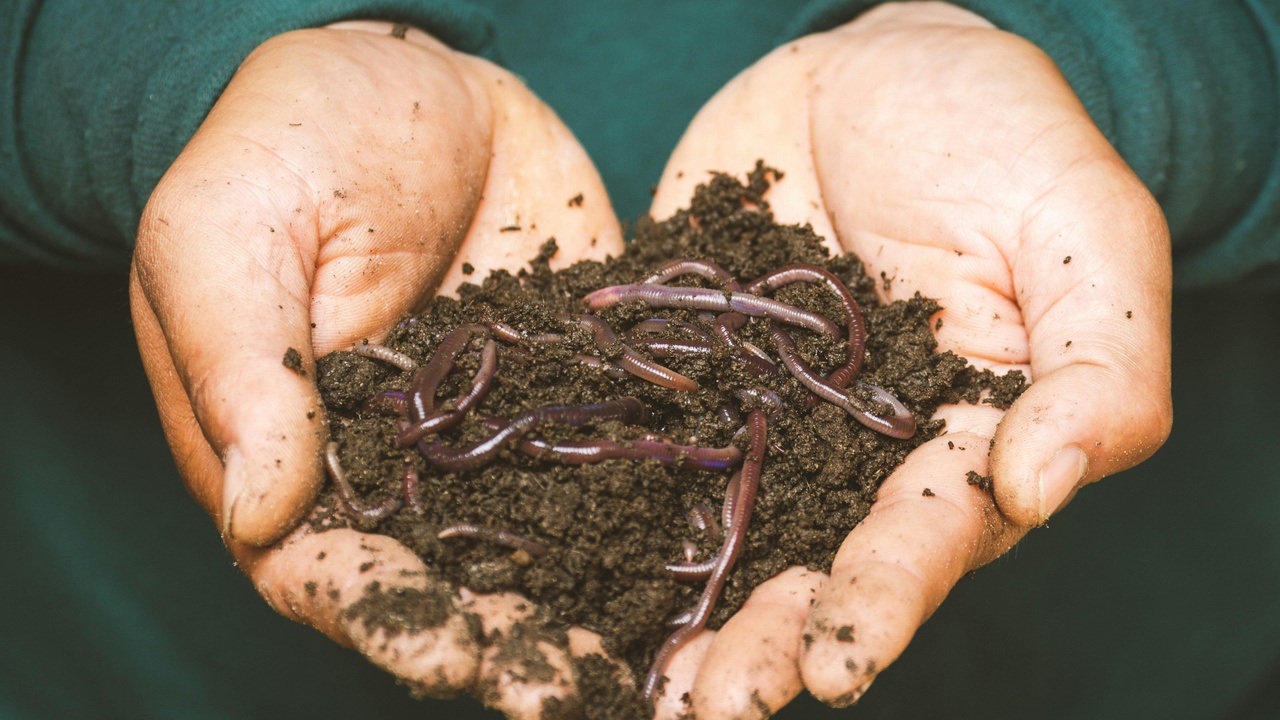
Belowground life is the engine of ecosystem services. Soil fauna and microbial networks drive nutrient cycling, water retention, and plant health — often in ways gardeners can observe without lab tests.
7. Rich soil life: earthworms, springtails, and diverse soil fauna
Lively soil fauna are a top sign of biodiversity. Healthy garden soils commonly host dozens to hundreds of earthworms per square meter and organic matter in the roughly 3–5% range, depending on soil type.
These organisms aerate soil, break down leaf litter, and cycle nutrients. Try a simple check: dig a 30cm x 30cm patch, count visible earthworms and springtails, and feel for a crumbly, friable structure rather than compacted clay.
To promote soil life, add 2–4 inches of compost and a layer of mulch, avoid compaction, and skip broad-spectrum soil insecticides that harm beneficial fauna.
8. Visible signs of mycorrhizae and fungal networks
Fungal networks are less visible but often revealed by mushroom fruiting bodies, improved tree vigor, or better drought tolerance. Mycorrhizal fungi increase plant nutrient uptake and help with water stress in many species.
Look for mushroom flushes after wet weather, healthy roots when transplanting, or woody mulch that encourages fungal growth. Some planting projects use mycorrhizal inoculants when establishing trees to boost these associations.
Avoid excessive fungicide use and keep root-to-soil contact when planting; these simple steps help fungal networks thrive and benefit the whole plant community.
Ecosystem Function and Resilience
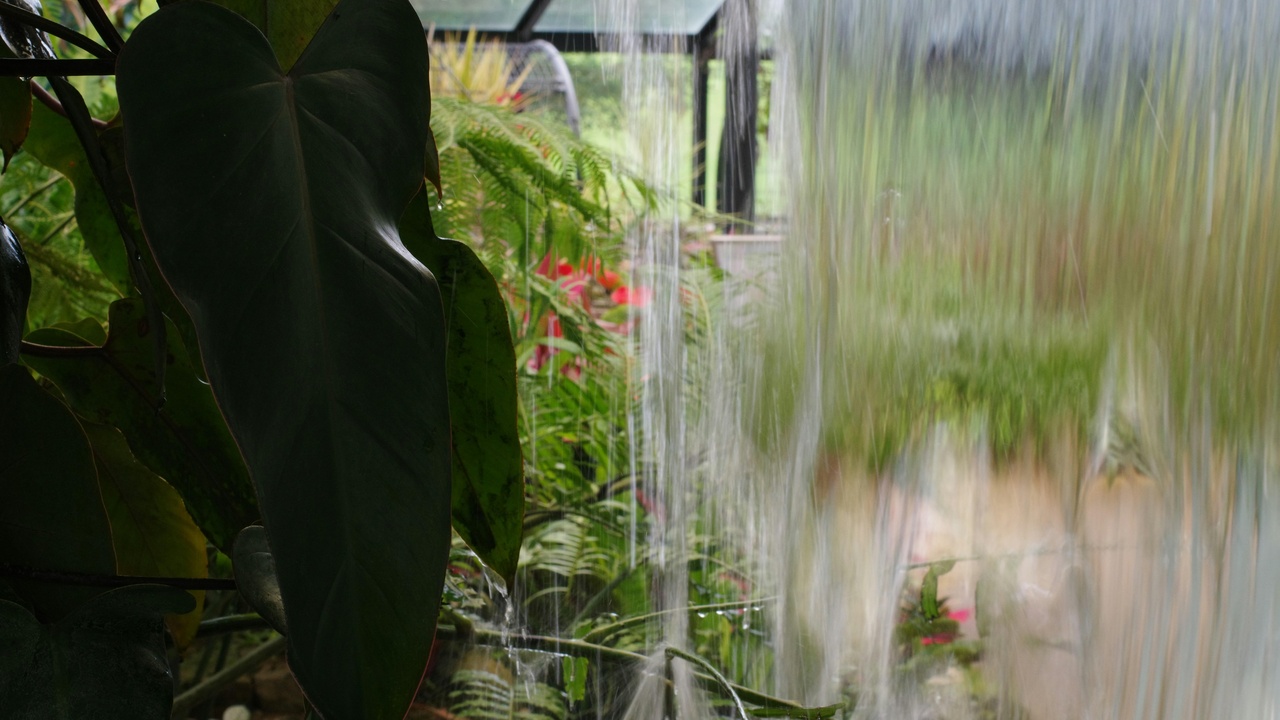
Functioning ecosystem processes — nutrient cycling, pest regulation, and recovery after disturbance — are the ultimate proof that biodiversity is working. Look for low-input maintenance and quick recovery after stress as practical indicators.
9. Efficient nutrient cycling and low-input maintenance
Gardens that recycle their own nutrients through leaf litter, compost, and mulching usually need fewer synthetic inputs. You’ll notice stable plant vigor without frequent fertilizer applications and visible decomposition of organic material.
Concrete signs include active compost piles producing usable compost in 3–12 months and mulched beds that need little fertilizer. Many gardeners halve their synthetic fertilizer use after adding regular compost and maintaining mulch layers.
To improve nutrient cycling, start a home compost system, leave some leaf litter under shrubs, and use crop rotation and green manures in vegetable areas.
10. Ability to recover from disturbances (pests, drought, heavy rain)
Resilience — the capacity to bounce back — is a hallmark of biodiverse systems. Watch for rapid returns of bloom after dry spells, pest outbreaks that subside without heavy chemical use, and minimal erosion after heavy rain thanks to groundcover and root networks.
Diverse plantings often resprout or reseed within a single season, whereas monocultures can take longer to recover. Practical examples include native perennial beds that reshoot after summer drought and rain gardens that absorb downpours while supporting wetland species.
Boost resilience by increasing plant diversity, keeping soil covered with mulch or groundcover, and maintaining varied rooting depths to stabilize soil and hold water.
Summary
- Plant diversity and vertical structure create many habitats: aim for native mixes of 8–15 species, layered plantings, and a seasonal sequence of blooms.
- Abundant pollinators and beneficial predators are visible evidence of ecological balance—watch for bumblebees, solitary bees, lady beetles, and lacewings during warm, calm periods.
- Rich soil life and fungal networks (earthworms, mushroom flushes) drive nutrient cycling; feed them with regular compost and avoid broad-spectrum soil and fungicidal chemicals.
- Functional signs—low fertilizer needs, quick recovery from drought or pests, and features like rain gardens—show the system is resilient and delivering ecosystem services.
- Action steps: try a small native patch this season, start a backyard compost, cut back pesticides, and monitor three signs—native blooms, earthworms, and pollinator visits—to track progress.